Artwork
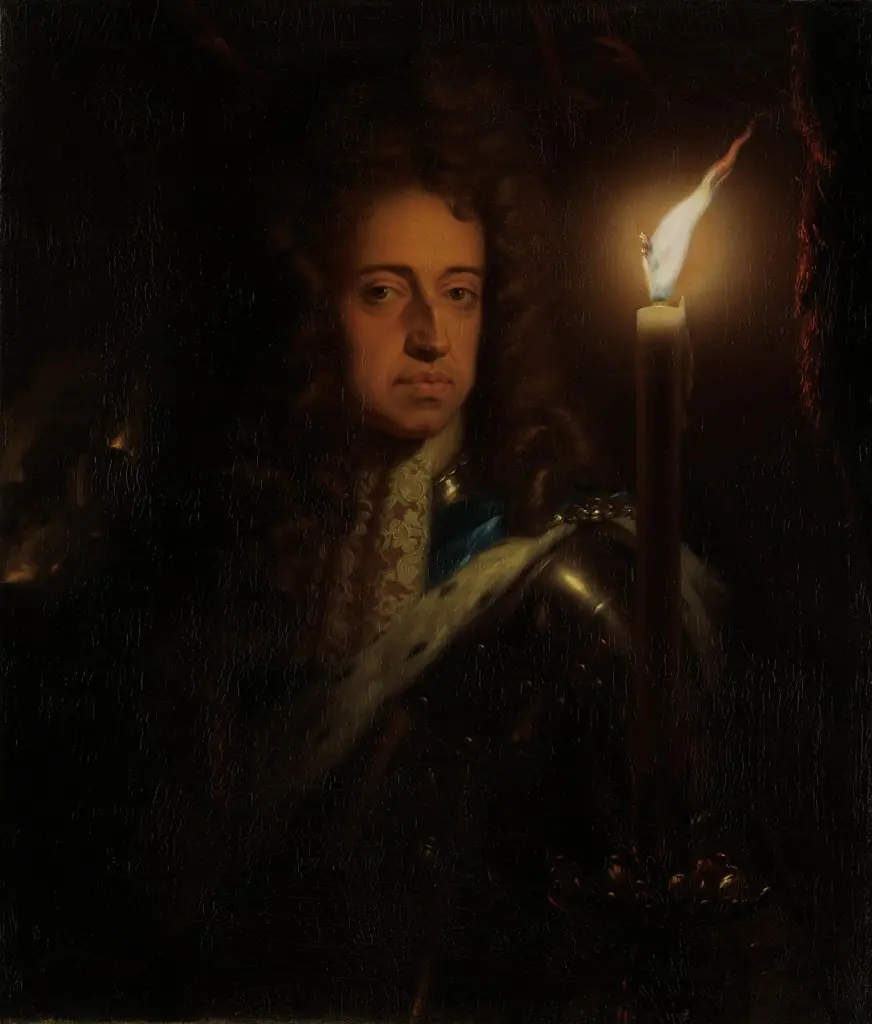
Portrait of Stadholder-King William III (1650- 1702)
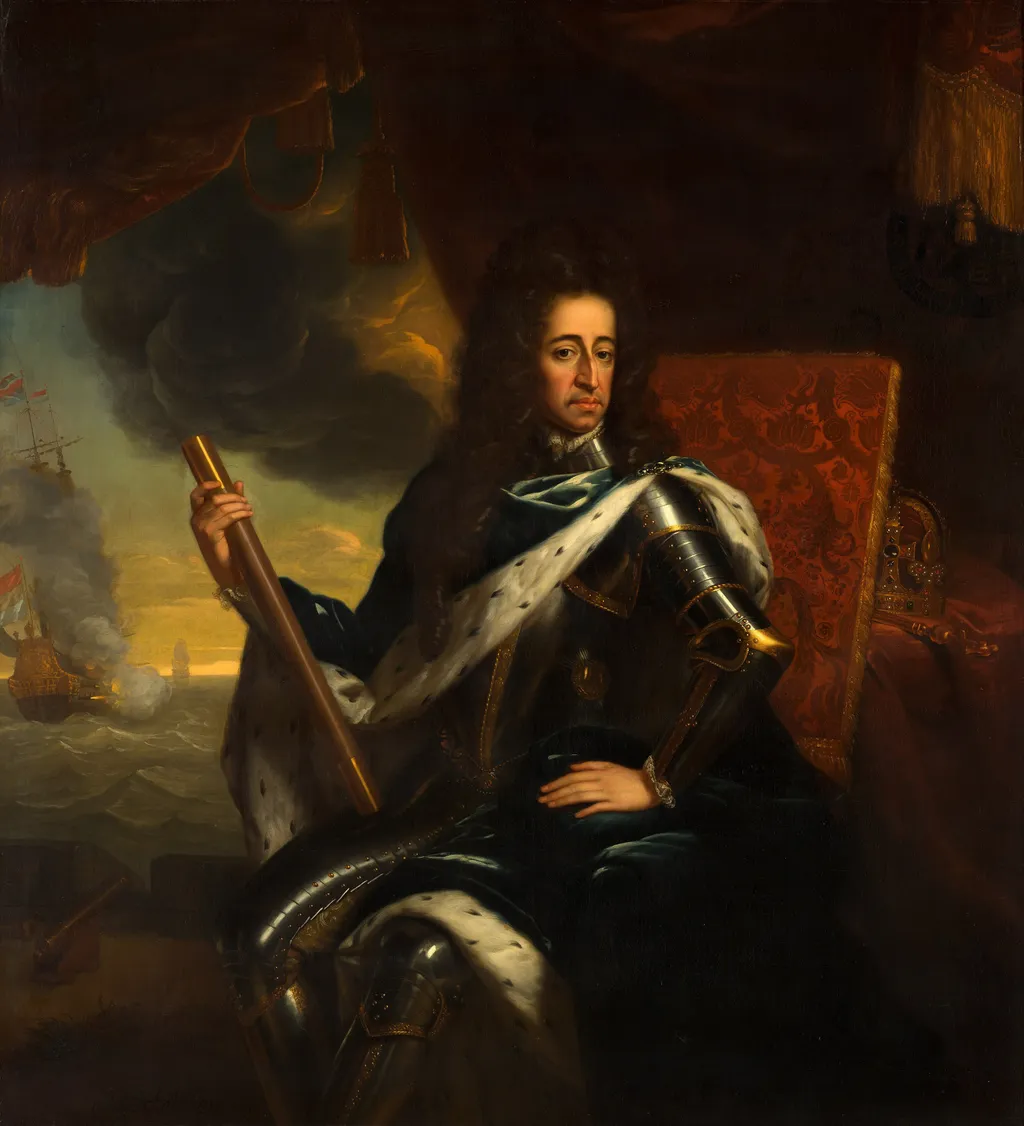
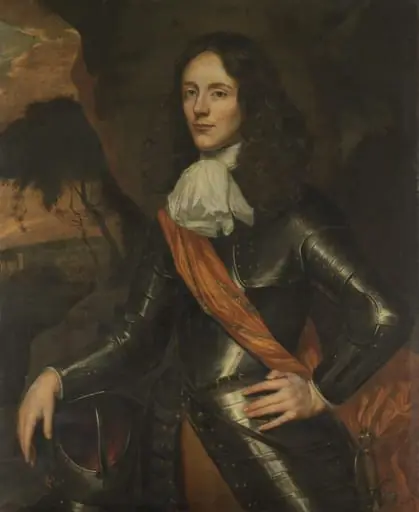
Portrait of Stadholder-King William III (1650- 1702) is an oil painting by Godfried Schalcken. It dates from 1700 and is held in the collection of the Mauritshuis. This oil portrait, completed in 1700, presents William III, Stadholder of the Netherlands and King of England, in formal attire.
About this work
Overview
It resides in the Mauritshuis collection, where it serves as a record of political authority during a period of Anglo-Dutch alliance.
This oil portrait, completed in 1700, presents William III, Stadholder of the Netherlands and King of England, in formal attire. Painted by Godfried Schalcken, a Dutch artist noted for meticulous detail and controlled lighting, the work reflects the conventions of late 17th-century portraiture. It resides in the Mauritshuis collection, where it serves as a record of political authority during a period of Anglo-Dutch alliance.
Subject & Meaning
William III is depicted with restrained intensity, his furrowed brow and direct gaze conveying gravitas rather than warmth. His dark blue coat, gold-trimmed and adorned with the sash of the Order of the Garter, signals his dual roles as Dutch Stadholder and English monarch. The cane, a symbol of command, rests lightly in his hand, while the distant ship in the background alludes to naval power and his role in maritime politics.
Technique & Style
Schalcken applied oil paint with fine, controlled brushwork, emphasizing texture in fabric and the sheen of metal. The dark background isolates the figure, drawing attention to the precision of his attire and facial expression. Subtle gradations of light, though not candlelit as in his genre works, still reflect his mastery of tonal contrast, lending depth and realism to the formal composition.
History & Provenance
Commissioned during William’s reign, the portrait was likely intended to reinforce his legitimacy across both the Netherlands and England. It entered the Mauritshuis collection in the 19th century, having passed through private Dutch holdings. Its preservation reflects its historical value as a representation of a ruler who bridged two nations during a turbulent era of European politics.
Context
Painted in the final years of William’s life, the portrait coincides with the consolidation of constitutional monarchy in England and the ongoing War of the Spanish Succession. Schalcken, though known for intimate domestic scenes, was chosen for this commission due to his reputation for dignified, lifelike rendering—qualities suited to a ruler navigating complex alliances and domestic tensions.
Legacy
The portrait remains a key example of how Dutch artistic precision was employed to project political authority beyond national borders. While Schalcken’s candlelit interiors are more widely studied, this work demonstrates his adaptability to the demands of state portraiture. It endures as a quiet, unembellished testament to a ruler whose influence extended across Europe.
Own this work as a print
Artist & collection
Artist
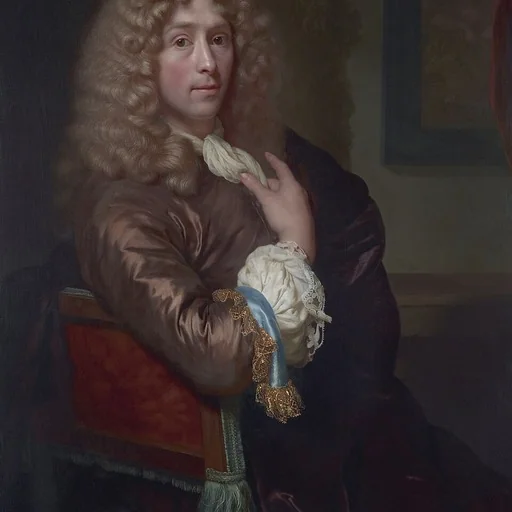
Godfried Schalcken (8 October 1643 – 16 November 1706) was a Dutch artist who specialized in genre paintings and portraits.

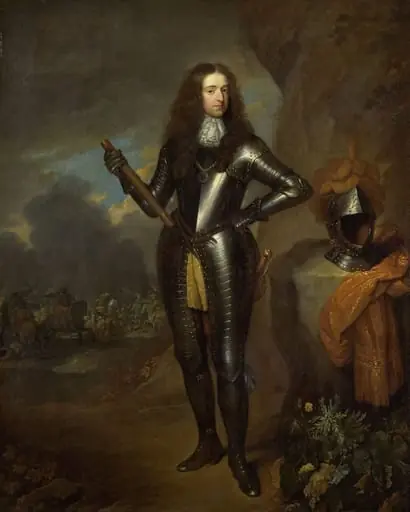 William III (1650-1702), Prince of Orange and since 1689, King of England
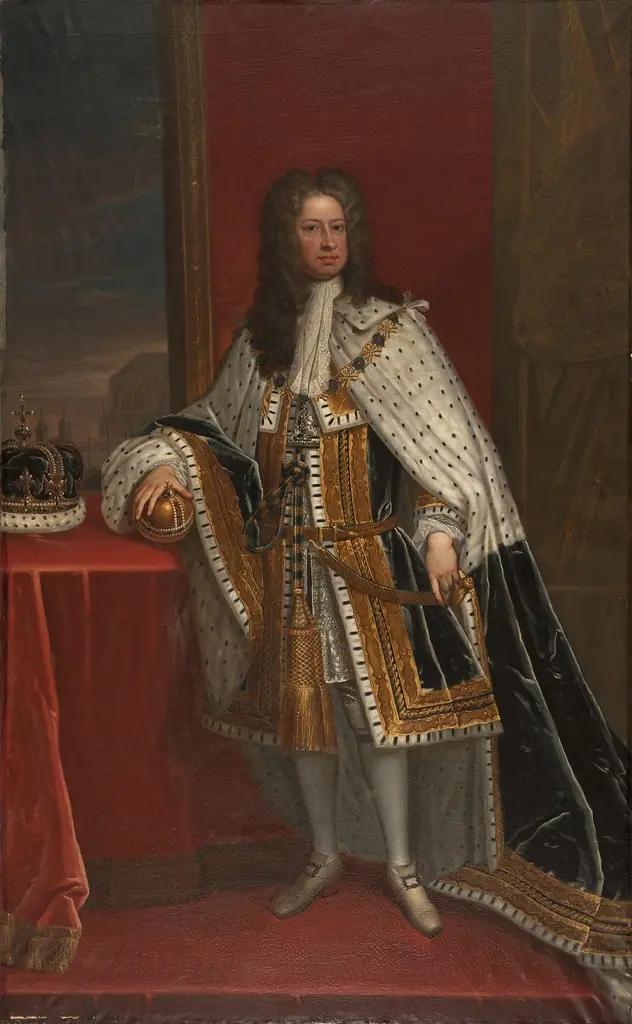 Georg I, 1660-1727, kung av England, kurfurste av Hannover
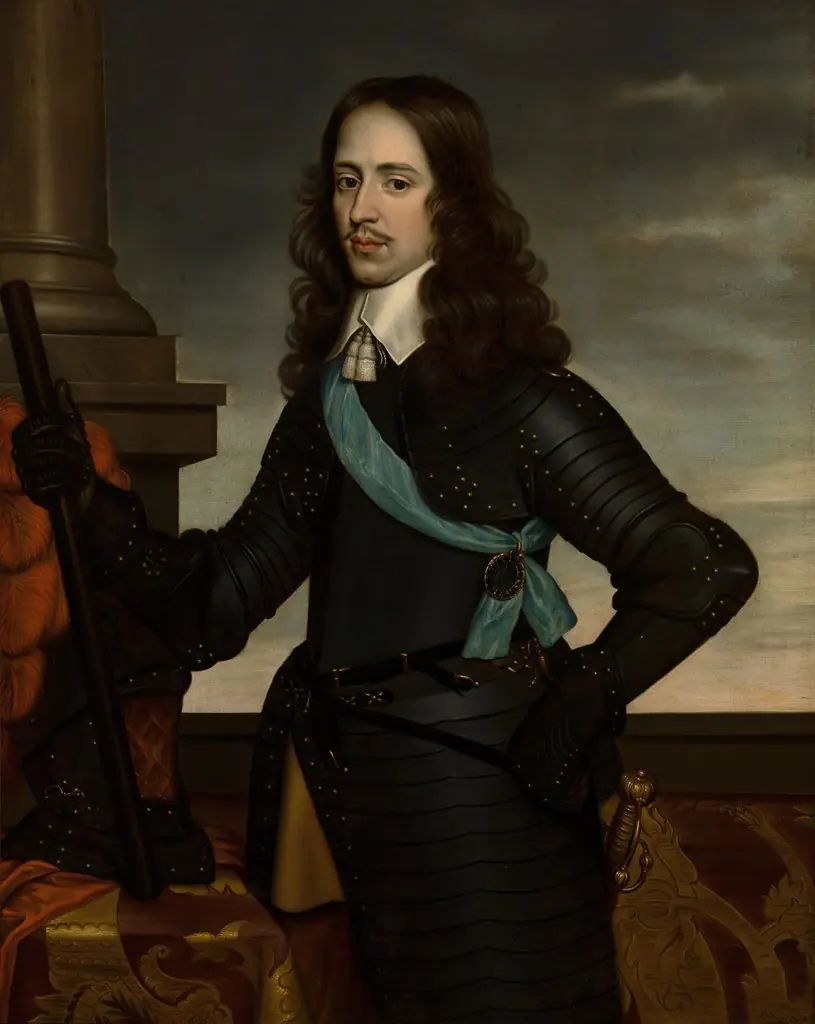 Portrait of Prince Willem II (1626-1650)
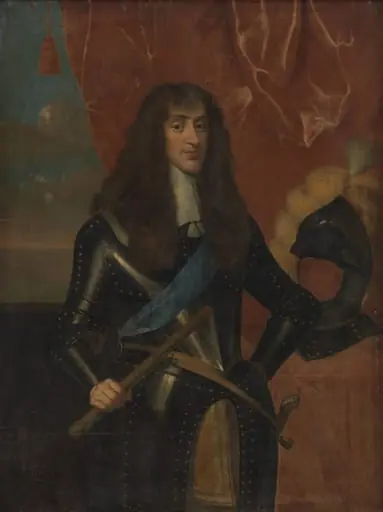 Prince James of England
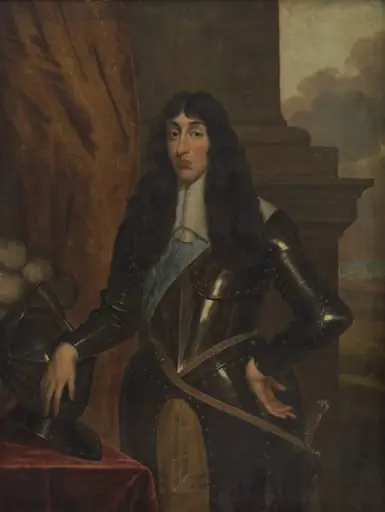 Portrait of Prince Henry of England
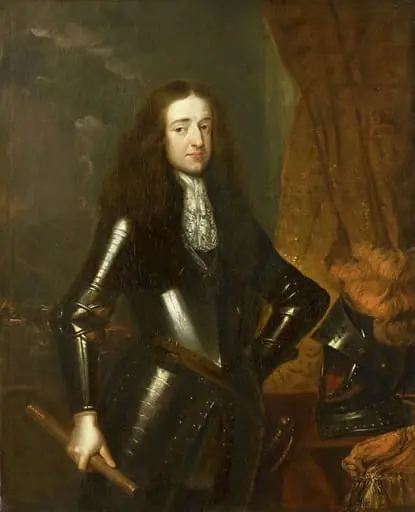 Portrait of Willem III (1650-1702), Prince of Orange and since 1689, King of England
 Portrait of James, 4th Lord Cranstoun (in or after 1643-85/88)