Artwork
William III (1650-1702), Prince of Orange and since 1689, King of England
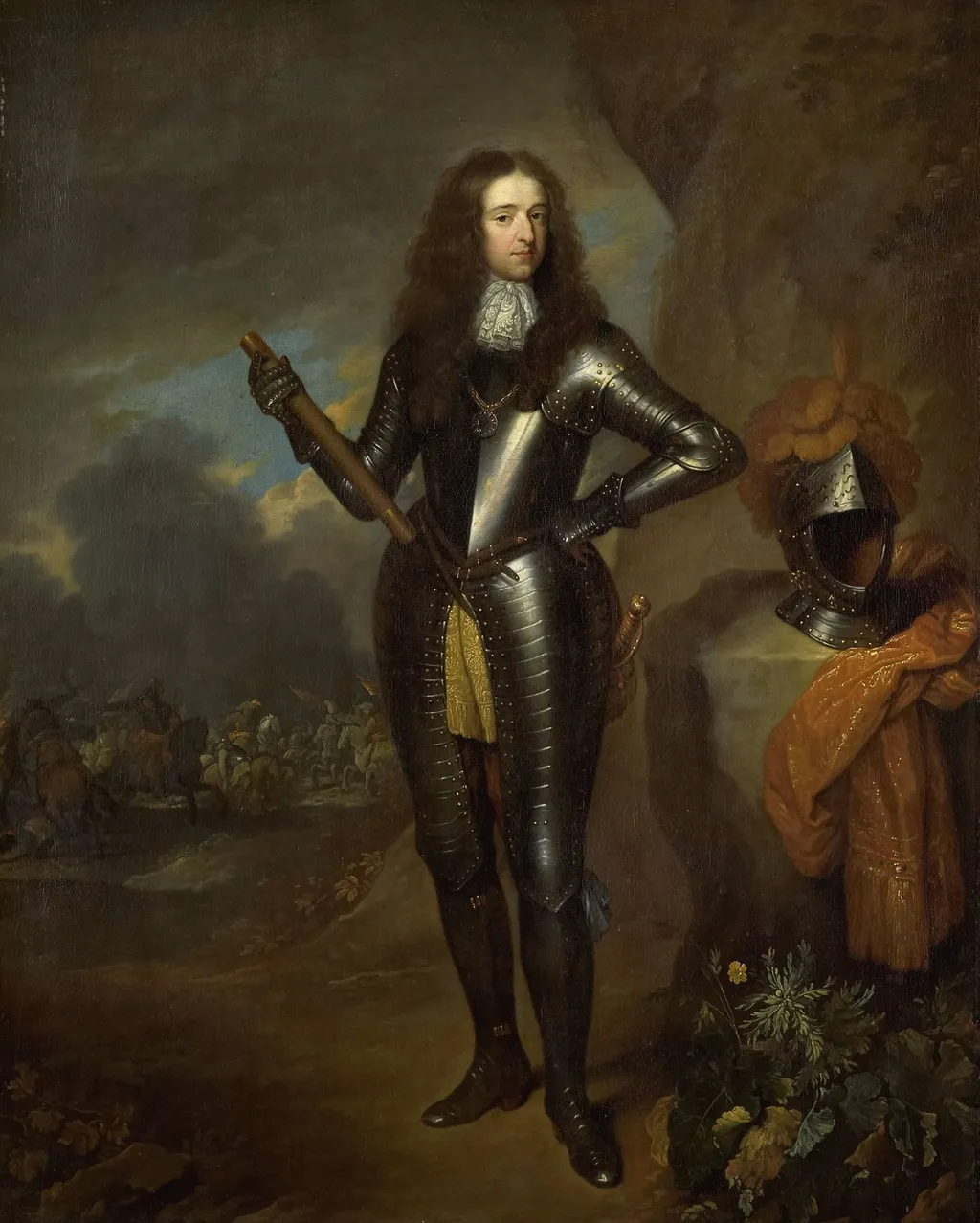
William III (1650-1702), Prince of Orange and since 1689, King of England is an unspecified painting by the Dutch Golden Age artist Unknown. It dates from 1702 and is held in the collection of the Rijksmuseum. The work is a full‑length portrait of William III, Prince of Orange, who ascended to the English throne in 1689.
About this work
Overview
The work is a full‑length portrait of William III, Prince of Orange, who ascended to the English throne in 1689. He is depicted standing barefoot on a rocky outcrop, clad in gleaming armor, with a short command staff in his right hand and his left hand placed on his hip. A battlefield scene unfolds behind him, while his helmet rests at his right side.
Subject & Meaning
The composition presents William III as a martial leader, emphasizing his role as a commander. The armor and the distant clash of soldiers underscore his reputation for military prowess, while the solitary stance on the cliff conveys confidence and authority.
Technique & Style
Executed in oil on canvas, the painting employs a realistic handling of light on metal to convey the sheen of the armor. The rocky foreground and the atmospheric battlefield are rendered with a balanced chiaroscuro, creating depth and a sense of drama typical of late‑17th‑century portraiture.
History & Provenance
The canvas is a later copy of an earlier portrait, identified in the museum catalogue as reference SK‑C‑194. The replication indicates the original’s popularity and the desire to disseminate William III’s image. The copy now forms part of the museum’s collection, preserving the iconography of the Dutch‑English monarch.
Artist & collection

 Domestic Scene
 Giacomo and Cardinal Marco, investing Andrea, Abbot of San Zeno, with his Benefice
 The Nymph of Fontainebleau
 Portrait of a Woman
 Madonna and Child with Saints in the Enclosed Garden
 Venus and Minerva
 Family Group of Four on Sofa
 Wall painting from Room H of the Villa of P. Fannius Synistor at Boscoreale
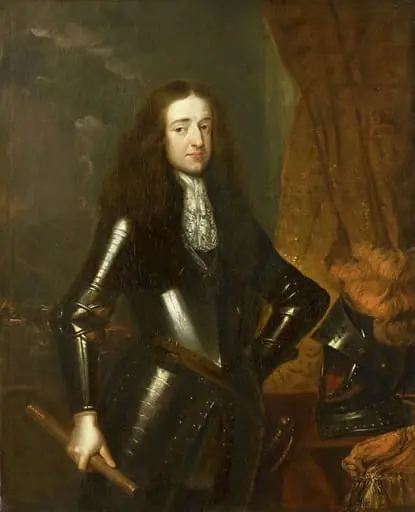 Portrait of Willem III (1650-1702), Prince of Orange and since 1689, King of England
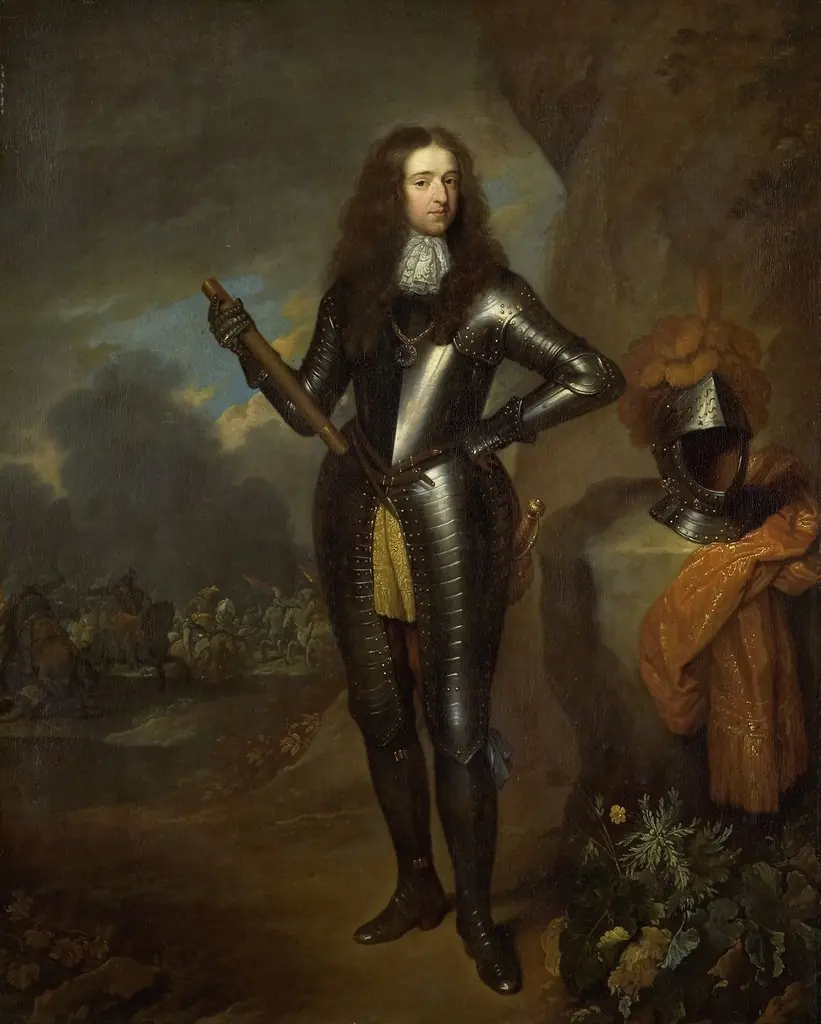 William III (1650-1702), Prince of Orange and since 1689, King of England
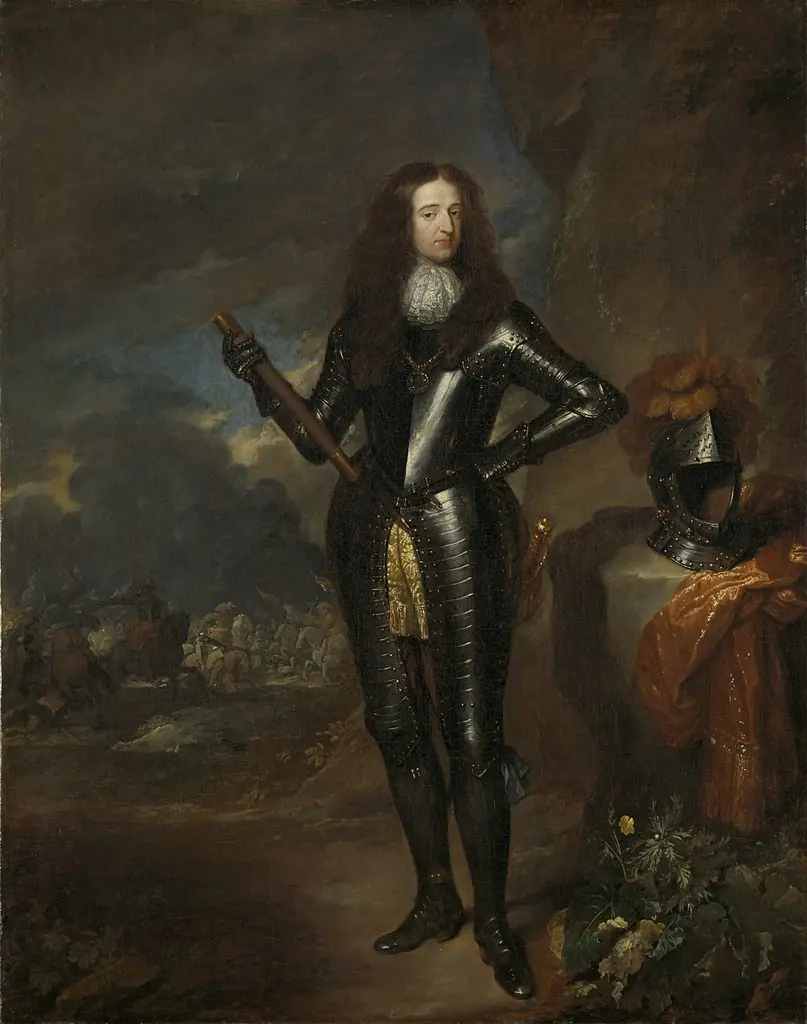 William III (1650-1702), Prince of Orange and since 1689, King of England
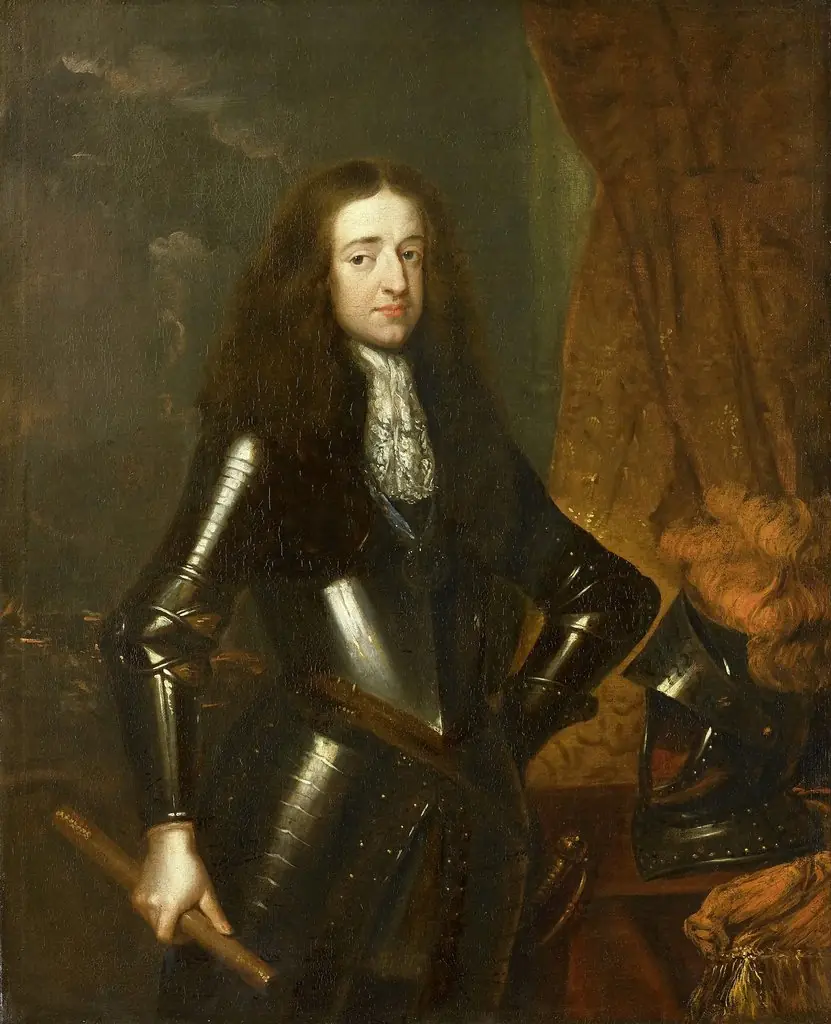 Portrait of Willem III (1650-1702), Prince of Orange and since 1689, King of England
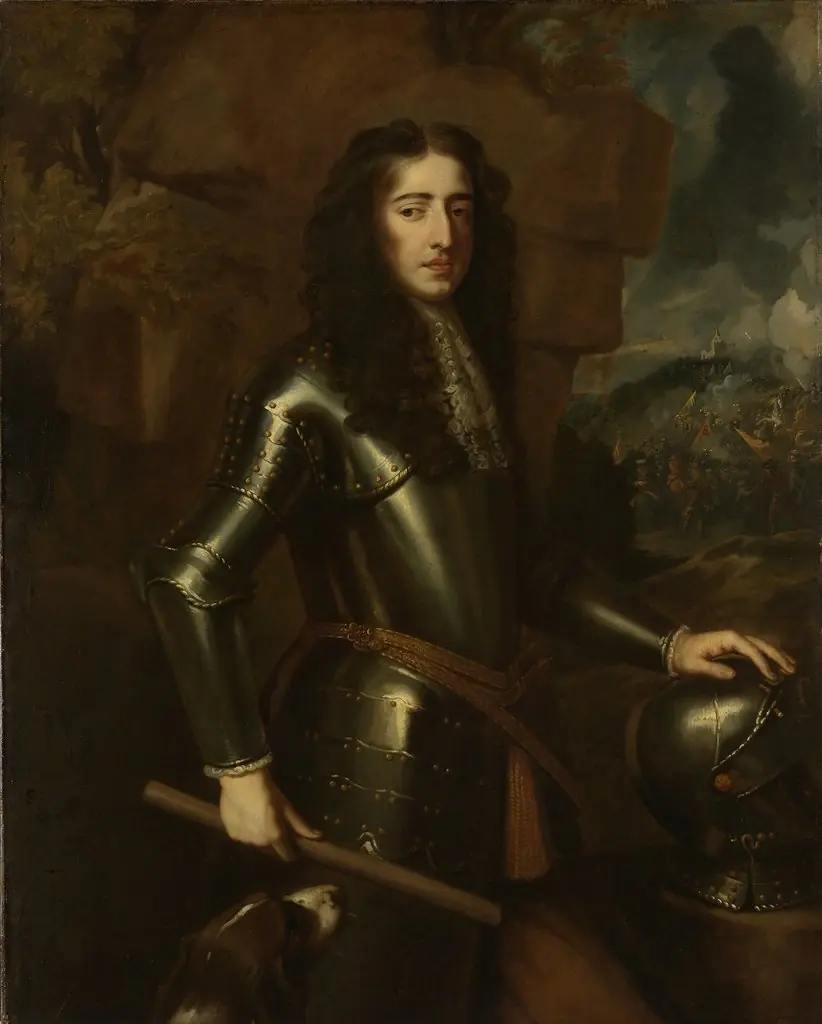 Portrait of William III, Prince of Orange, Stadtholder, after 1689 King of England
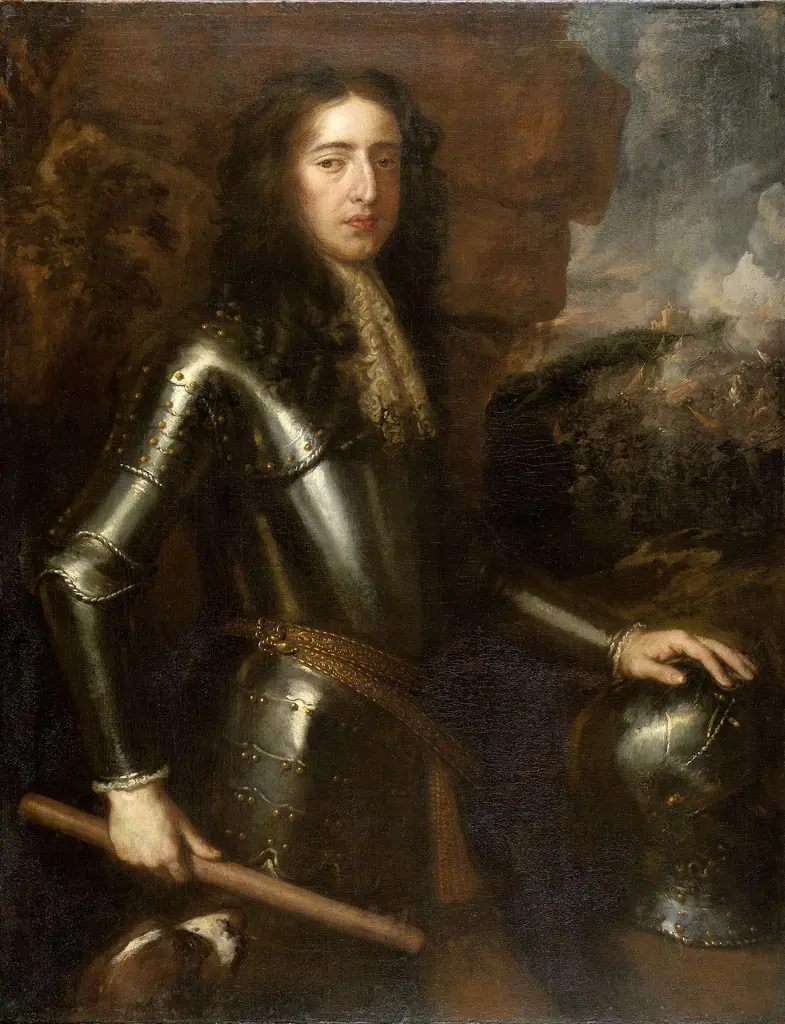 Portrait of William III (1650-1702), Prince of Orange