Artwork
Pygmalion
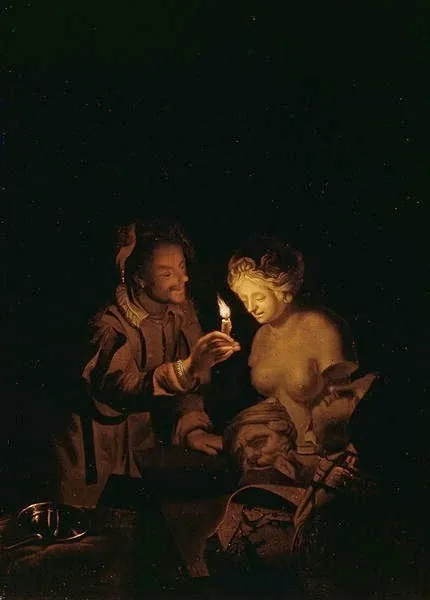
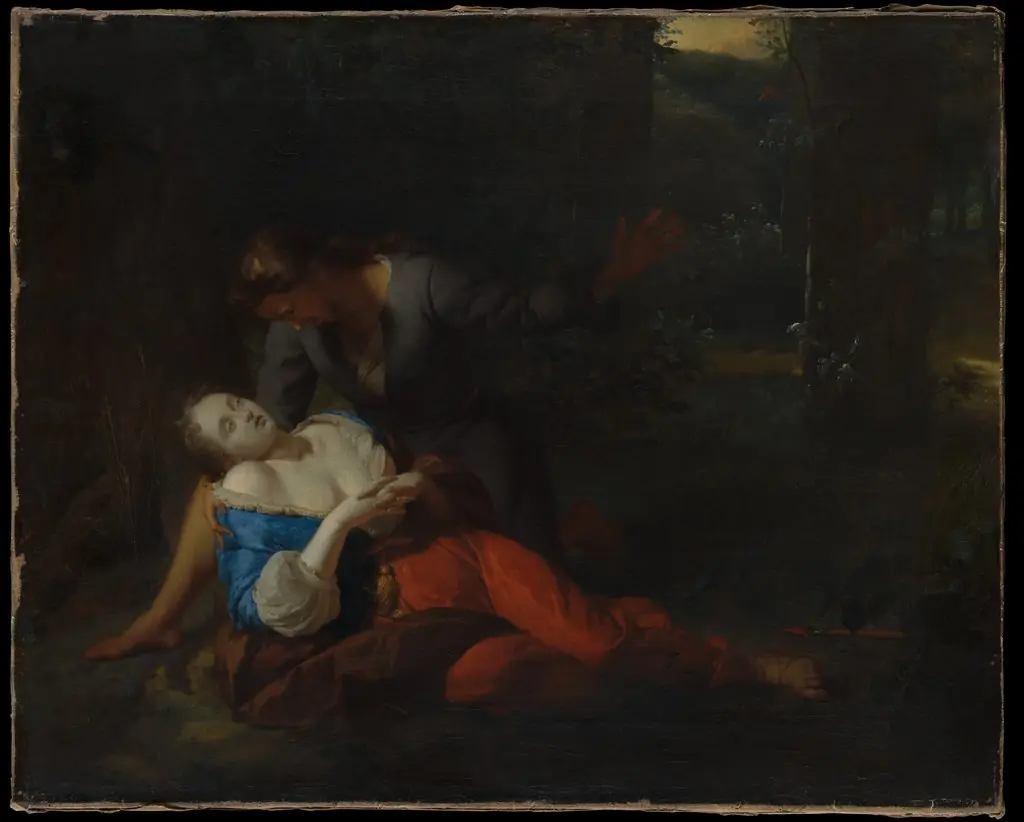
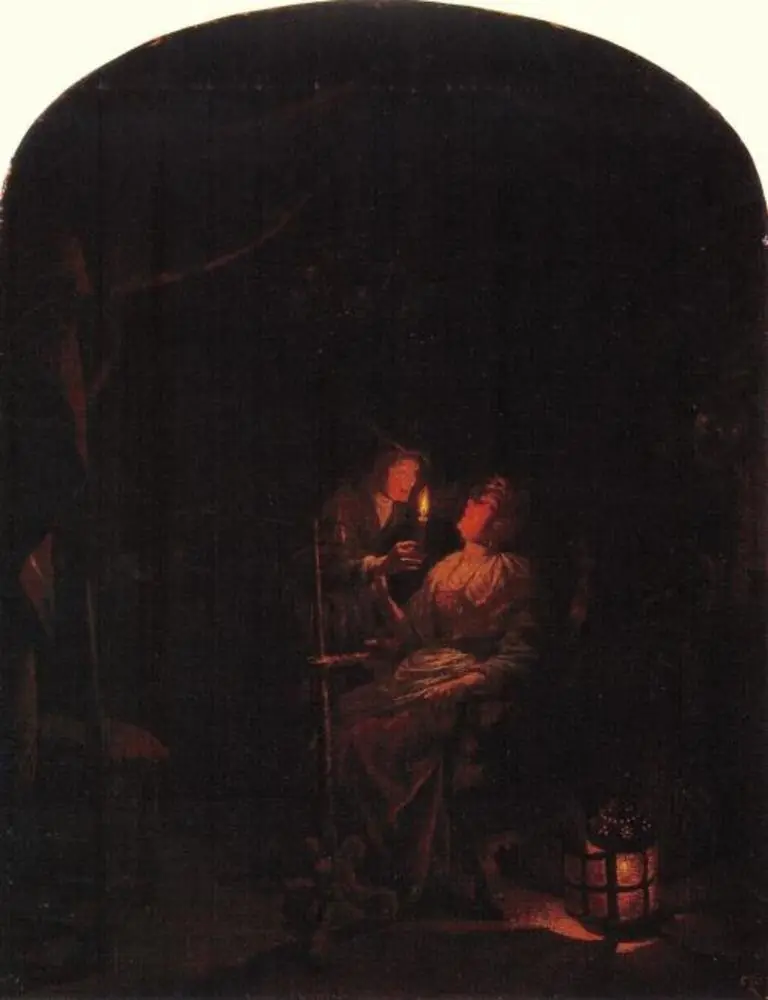
Pygmalion is an oil painting by the Dutch Golden Age artist Godfried Schalcken. It dates from 1670 and is held in the collection of the Uffizi Gallery.
About this work
Overview
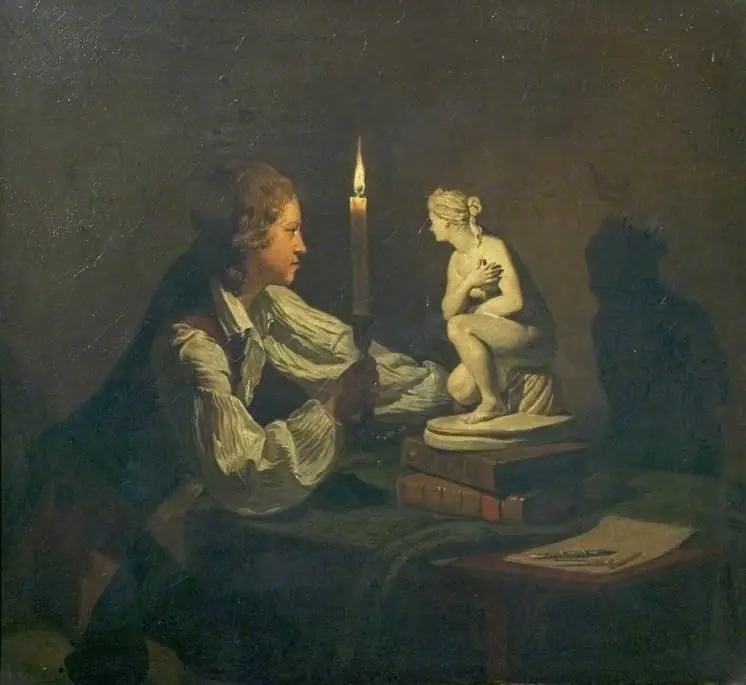
Painted in 1670 by Godfried Schalcken, this oil-on-canvas work illustrates the myth of Pygmalion, a sculptor whose statue comes to life.
Painted in 1670 by Godfried Schalcken, this oil-on-canvas work illustrates the myth of Pygmalion, a sculptor whose statue comes to life. Executed in the Dutch Golden Age, the painting reflects Schalcken’s mastery of nocturnal lighting and精细绘画 (fijnschilder) precision. Its intimate scale and controlled atmosphere align with the Leiden school’s focus on quiet, meticulously rendered scenes. The painting resides in the Uffizi Gallery in Florence.
Subject & Meaning
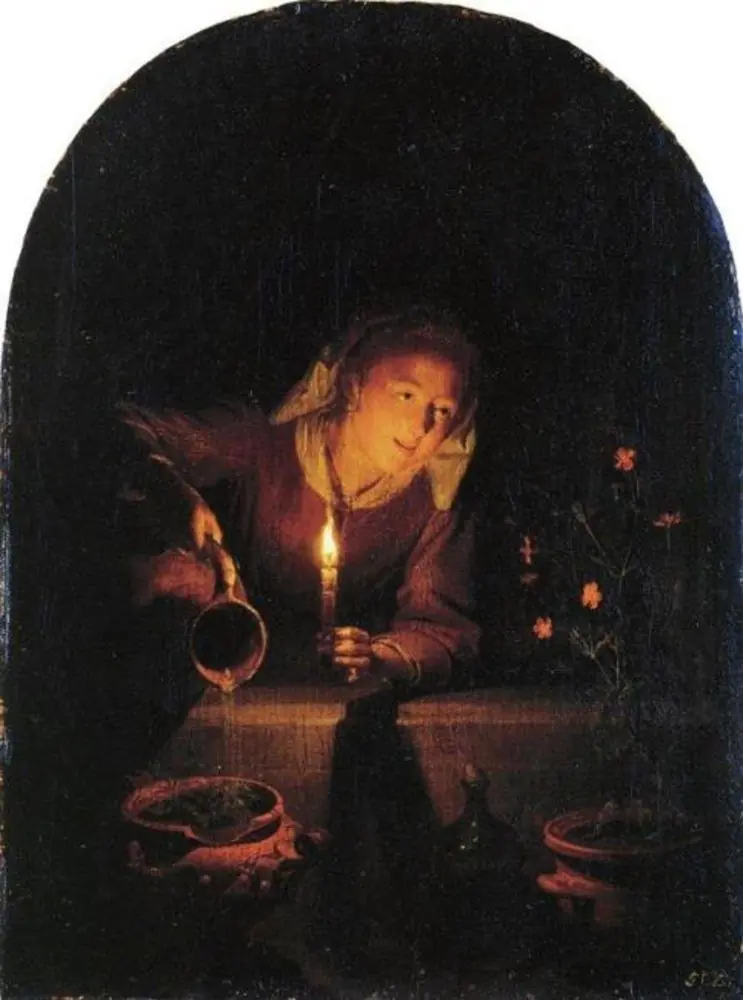
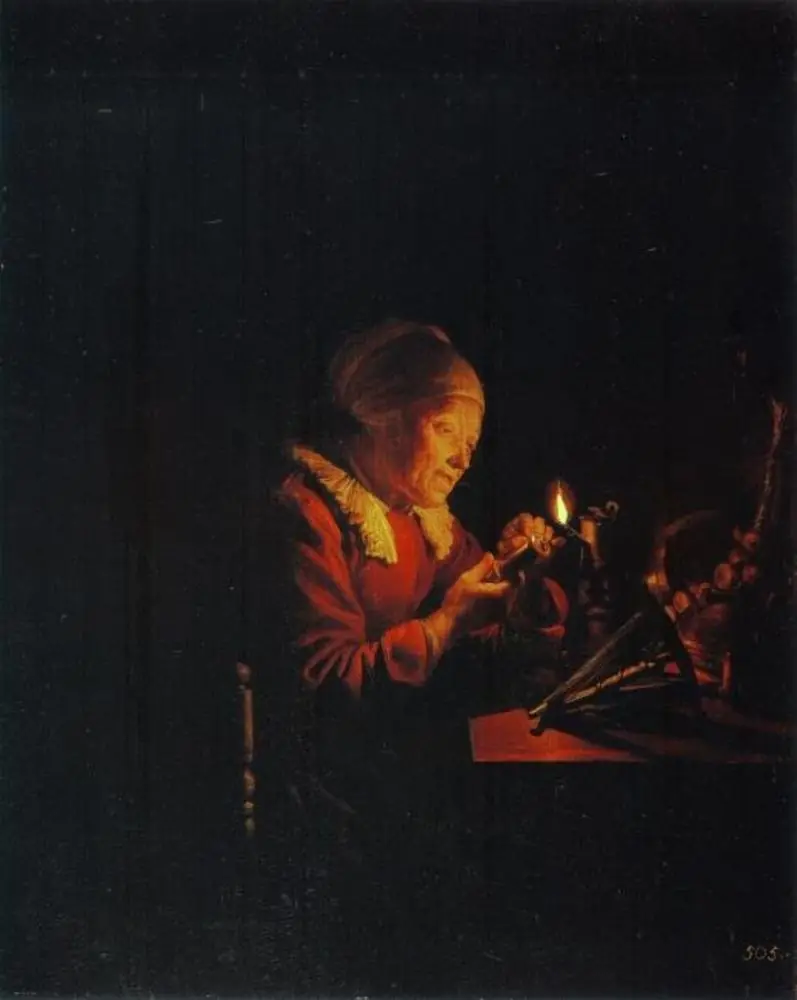
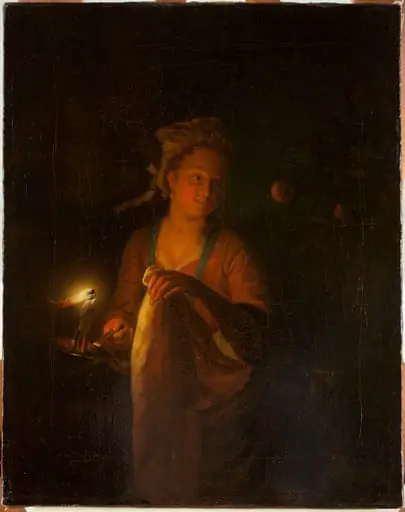
The scene captures Pygmalion, the mythic sculptor, holding a candle as he gazes at his carved statue, which has begun to stir with life. The statue, rendered as a nude female figure in stone, stands motionless yet responsive, caught between inert material and awakening form. The moment suggests divine intervention or the power of artistic devotion, rendered without overt drama, emphasizing quiet transformation over spectacle.
Technique & Style
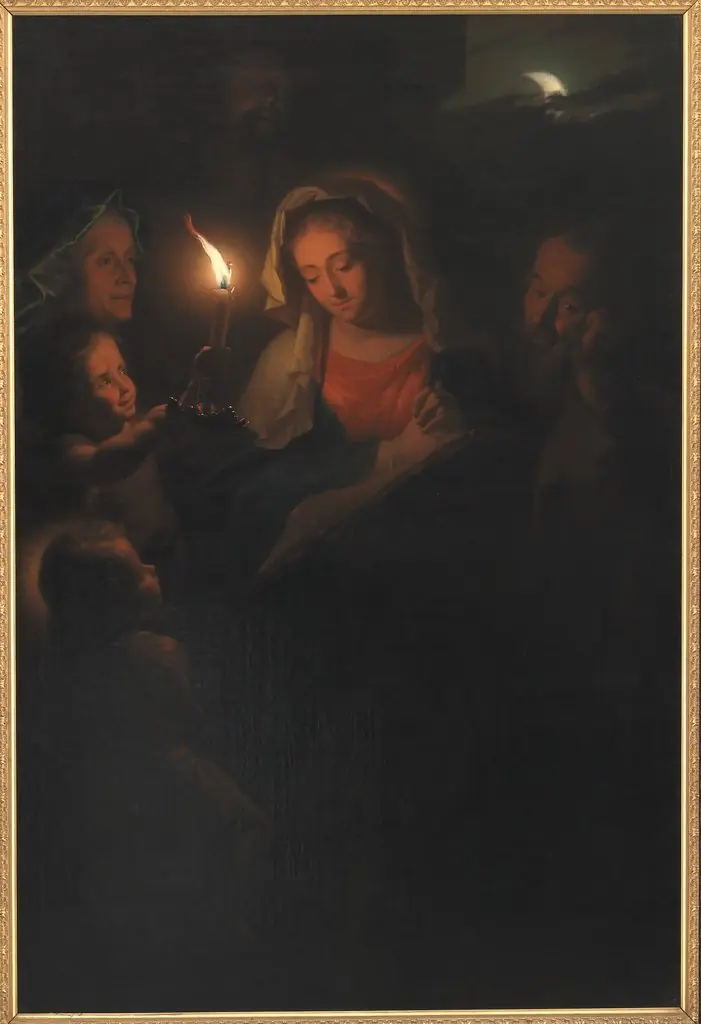
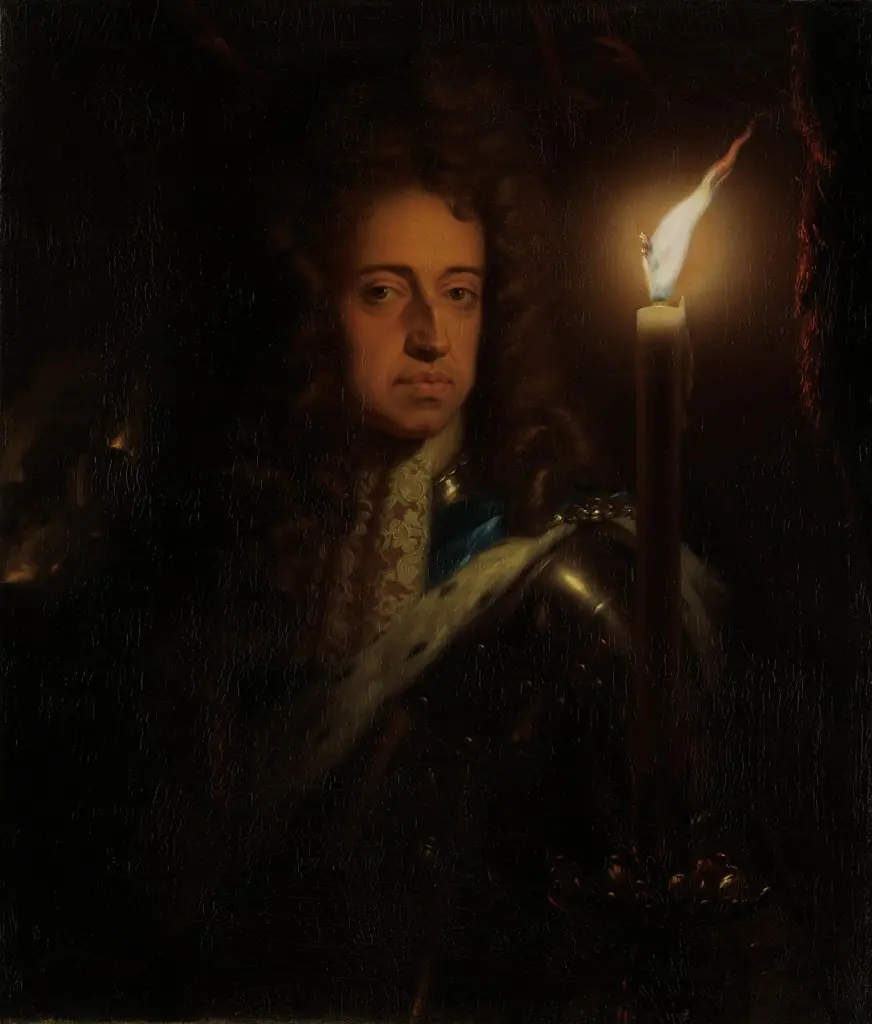
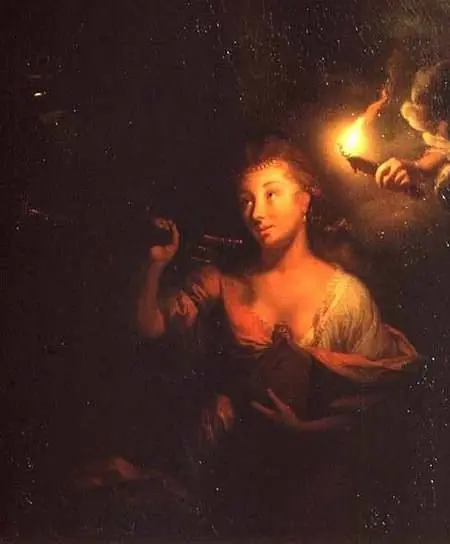
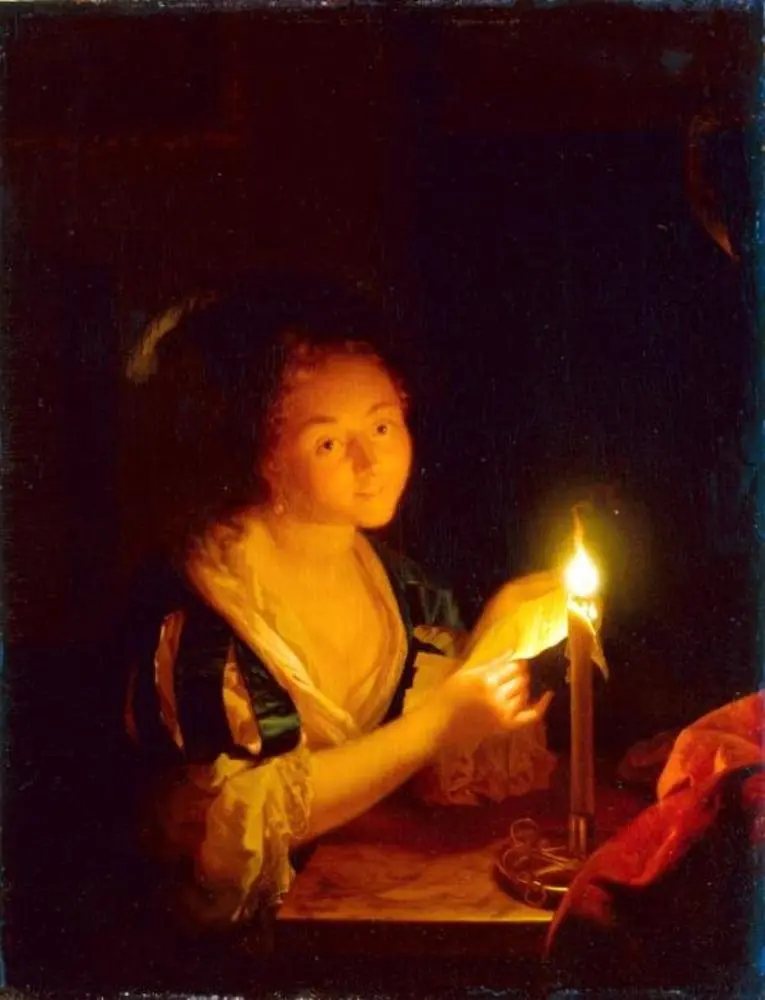
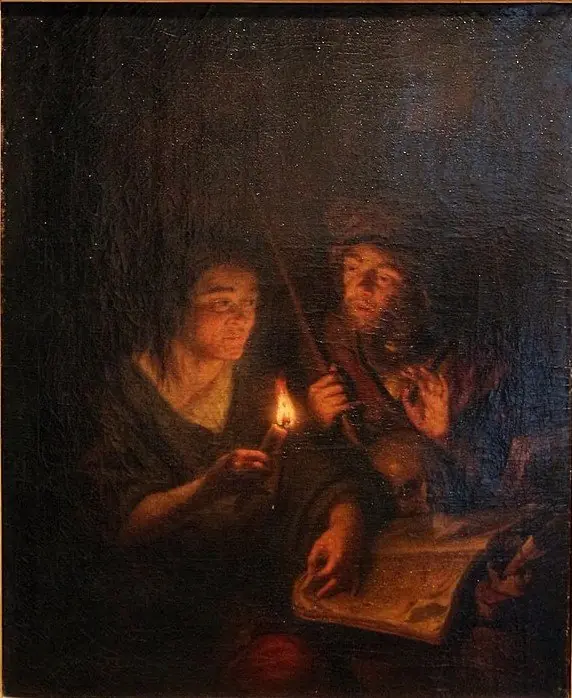
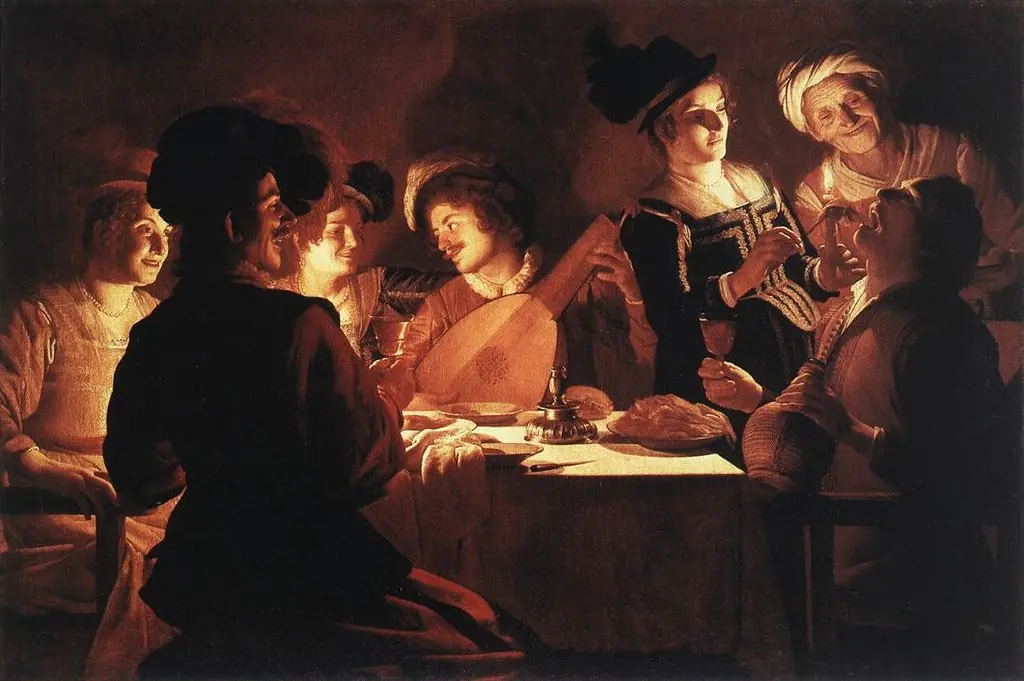
Schalcken employs a refined, almost microscopic technique typical of the Leiden fijnschilders, with smooth brushwork and precise detail in textures—fabric, skin, and stone. The candle’s glow casts sharp chiaroscuro, modeling forms with subtle gradations and isolating the figures against deep shadow. Light becomes both a physical source and a metaphor, guiding the viewer’s eye and reinforcing the theme of revelation through illumination.
History & Provenance
Created during Schalcken’s early career in the Netherlands, the painting entered the Medici collection in Florence by the late 17th century, likely through diplomatic or artistic networks. Its presence in the Uffizi since at least the 18th century reflects its early recognition among Italian collectors for its technical finesse and mythological subject. No significant alterations or restorations are documented in modern records.
Context
In 17th-century Dutch art, mythological themes were often treated with domestic intimacy rather than grandeur. Schalcken’s choice to depict Pygmalion aligns with a broader trend of moralizing or psychological narratives in genre painting. The candlelit interior, a signature of his style, echoes religious and scientific interests in light as a symbol of knowledge and divine presence.
Legacy
Schalcken’s *Pygmalion* influenced later artists interested in nocturnal lighting and psychological tension, particularly in 18th-century French and British painting. While not widely reproduced, its quiet intensity and technical discipline remain a reference for studies of Dutch chiaroscuro and the intersection of myth with everyday visual language. The work endures as a quiet testament to the power of focused observation.
Artist & collection
Artist
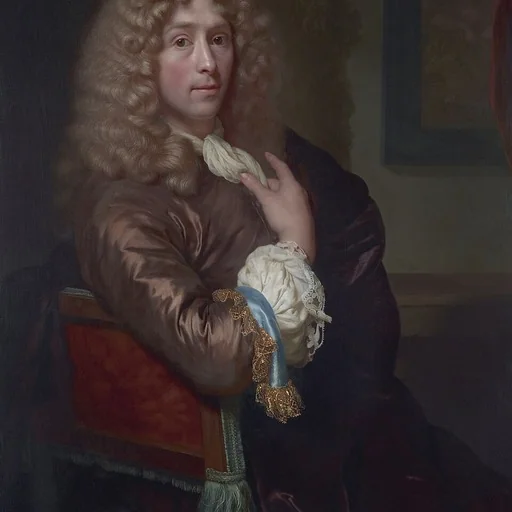
Godfried Schalcken (8 October 1643 – 16 November 1706) was a Dutch artist who specialized in genre paintings and portraits.