Artwork
Discovery of the Sarcophagi Containing the Bodies of Dymphna and Gerebernus
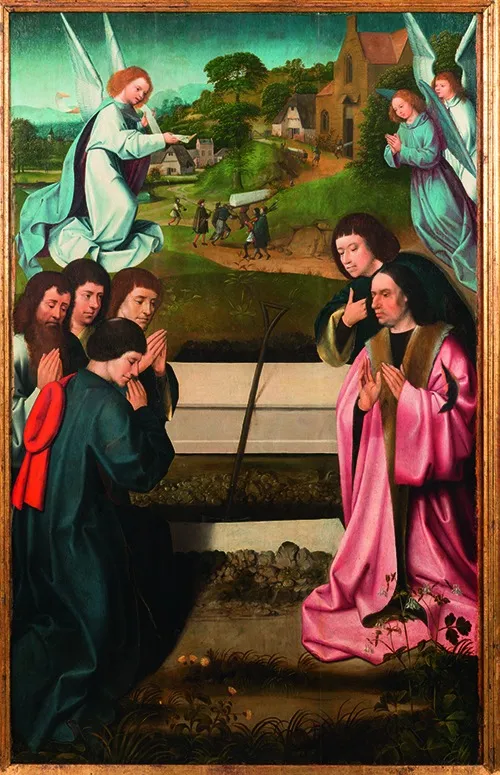
Discovery of the Sarcophagi Containing the Bodies of Dymphna and Gerebernus is an oil painting by the Northern Renaissance artist Goswin van der Weyden. It dates from 1504 and is held in the collection of the Royal Museum of Fine Arts Antwerp.
About this work
Overview
Created in 1504 by Goswin van der Weyden, a Flemish painter active in Antwerp, this oil on panel portrays a solemn cemetery episode. The composition centers on the moment a sarcophagus is opened amid a group of kneeling figures, under a tranquil sky rendered in muted greens, blues and earth tones.
Subject & Meaning
The scene illustrates the discovery of the tombs of the saints Dymphna and Gerebernus, with mourners in prayerful posture. Two celestial angels hover above a distant village, gesturing toward a hillside where laborers attend the burial, suggesting divine guidance and the sanctity of the relics being uncovered.
Technique & Style
Van der Weyden employs the Northern Renaissance’s detailed realism, using soft lighting to model faces and drapery. The palette favors subdued hues, while a bright red sleeve and pink robe provide focal accents. The figures are rendered with calm, attentive expressions, emphasizing contemplative devotion.
History & Provenance
The painting belongs to the Royal Museum of Fine Arts in Antwerp. Goswin, grandson of Rogier van der Weyden, continued the artistic lineage of the Brussels school and helped shape the emerging Antwerp school during the early sixteenth century.
Artist & collection
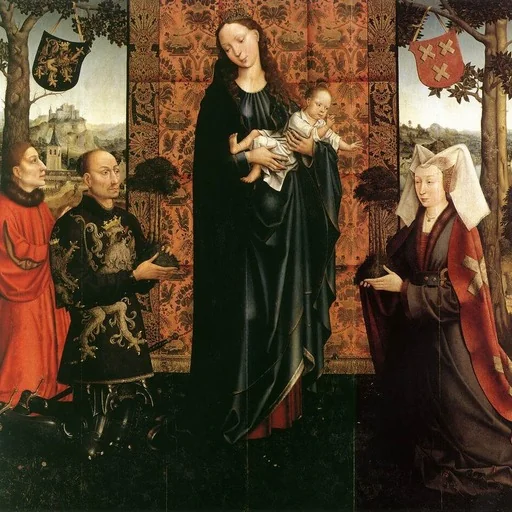
Artist
Goswin van der Weyden or Goossen van der Weyden (1455–1543) was a Flemish Renaissance painter active in Antwerp.

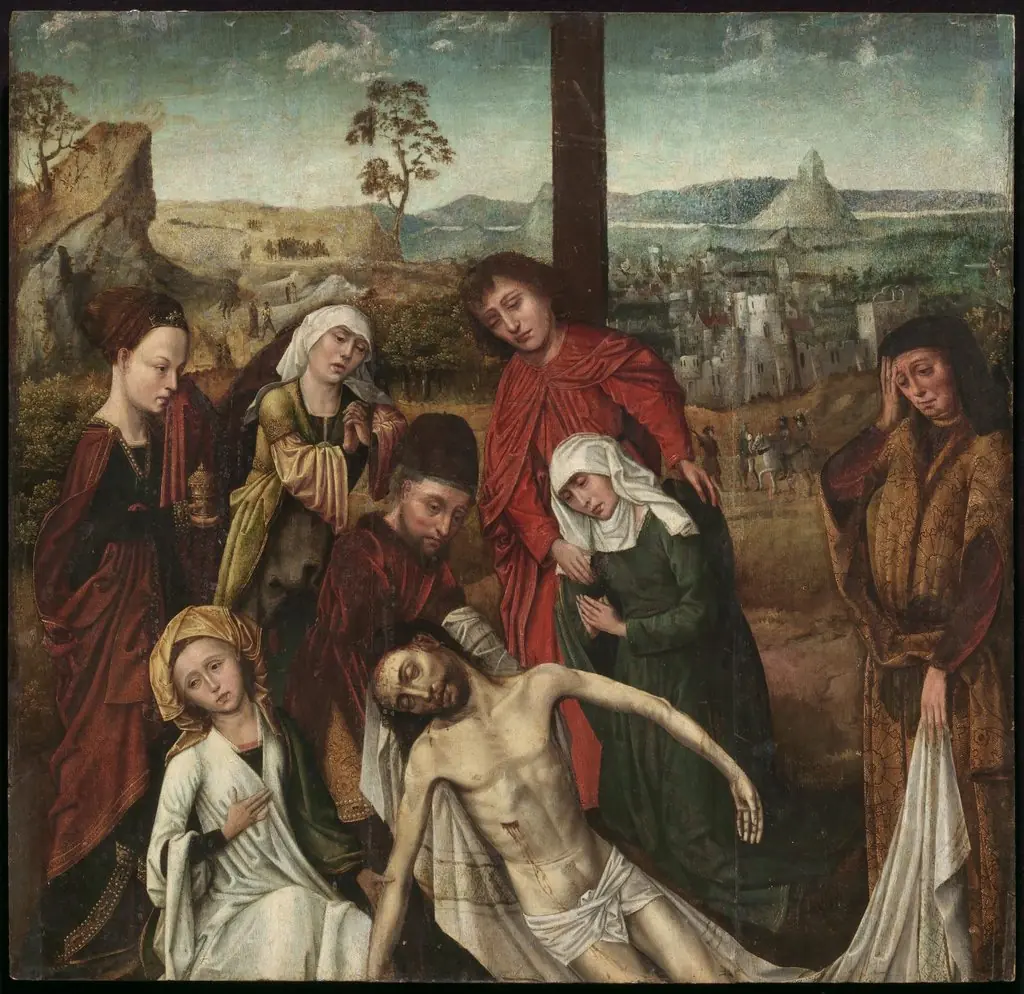
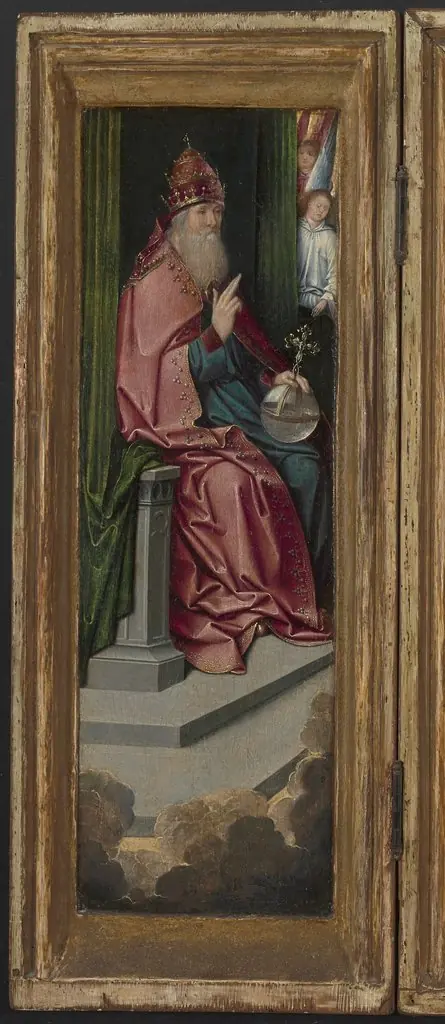
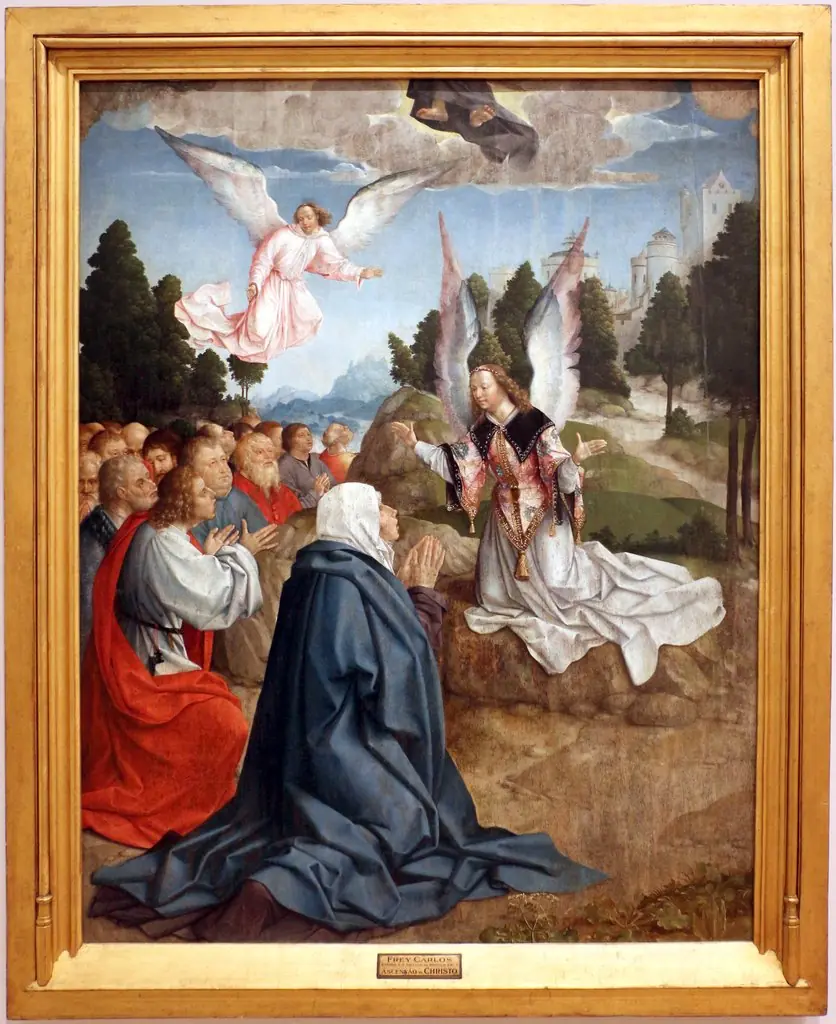 Ascensão de Cristo, Frei Carlos
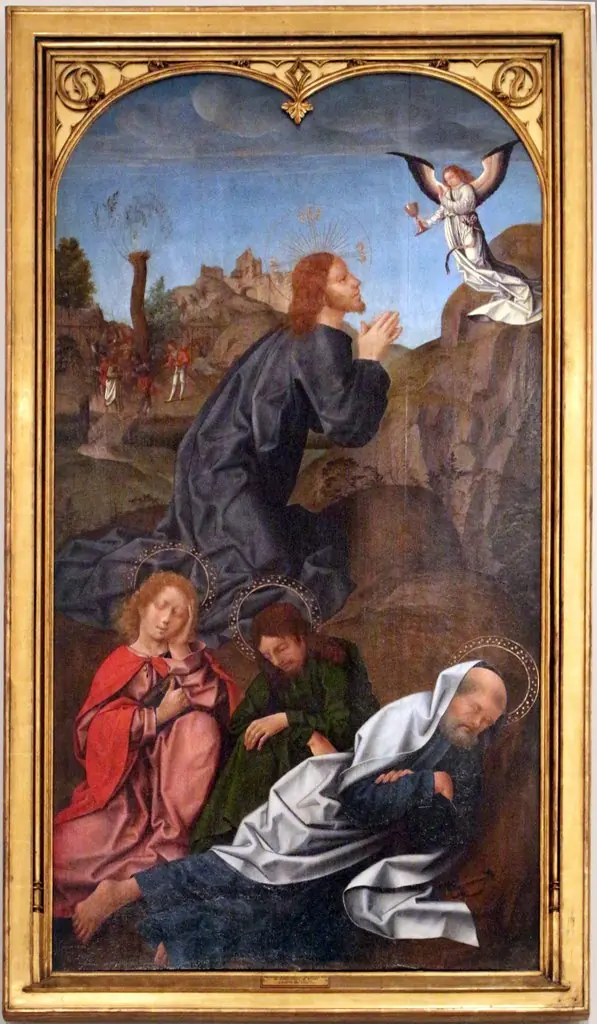 Cristo no Horto
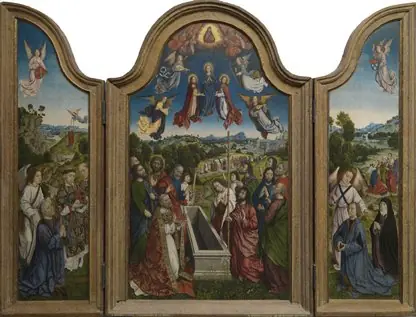 Assumption of the Virgin Mary by Aelbrecht Bouts
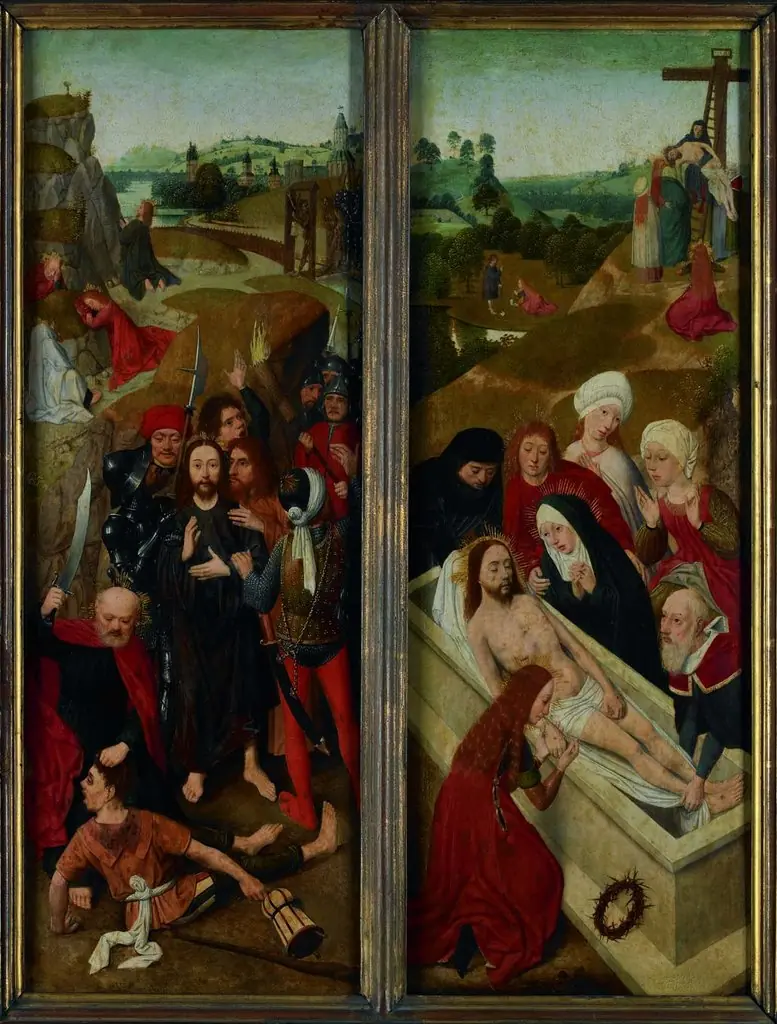 he taking of Christ and The entombment
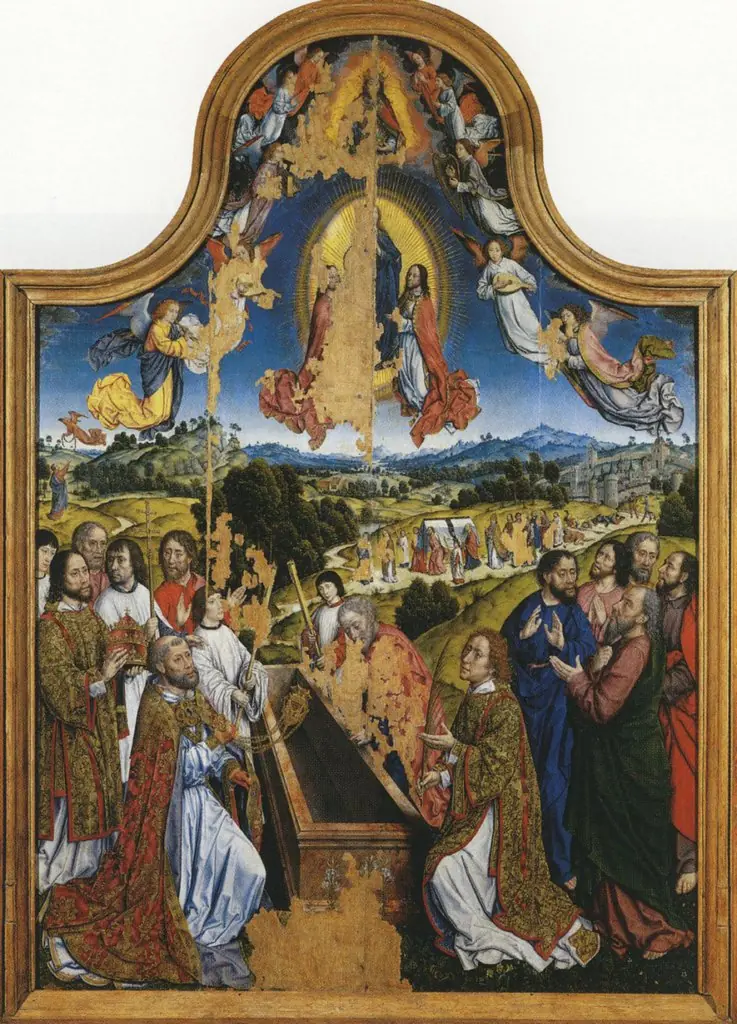 Assumption of the Virgin
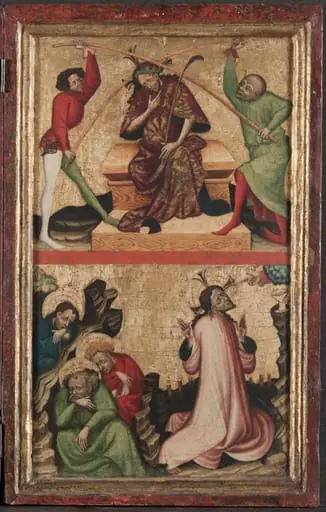 Diptych with the Passion of Christ (right wing): Crowning with Thorns and Agony on the Garden
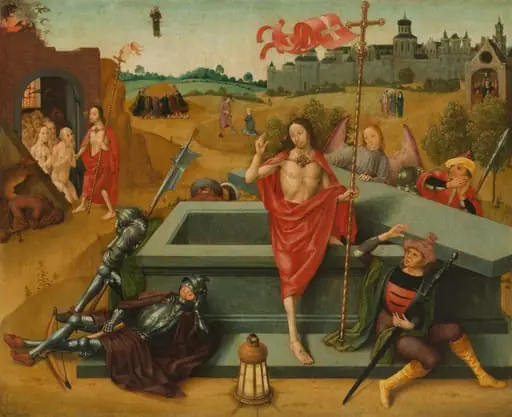 Resurrection of Christ
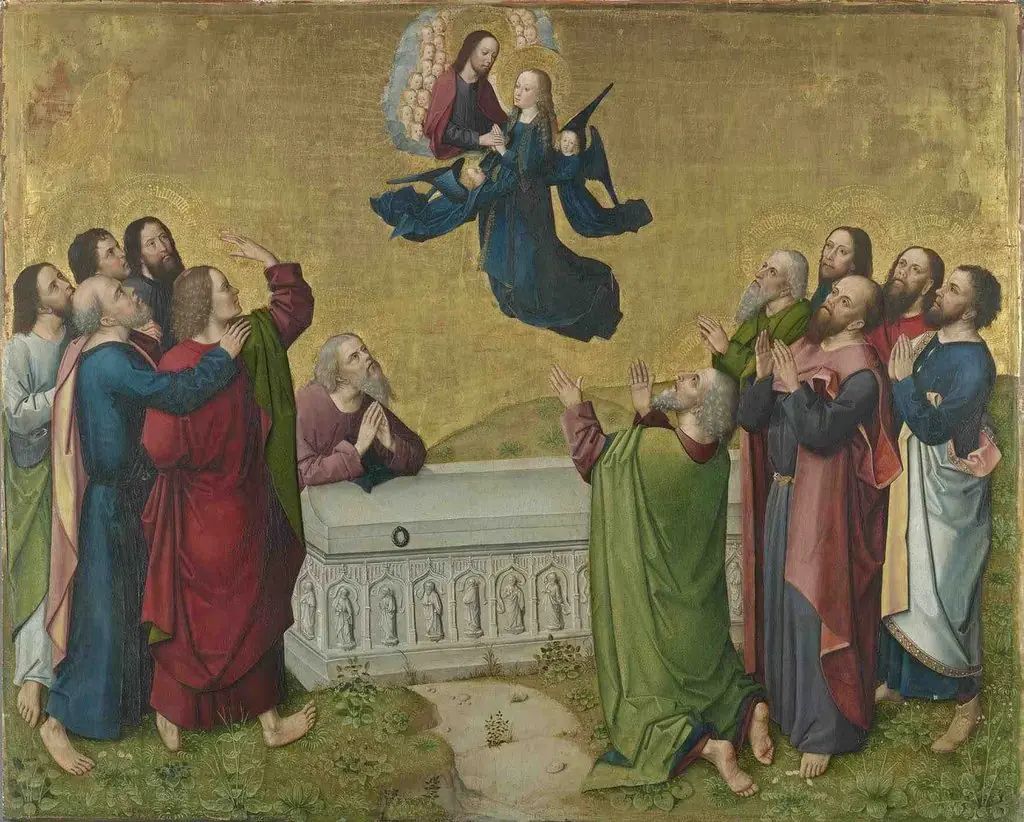 The Life of Mary: the Assumption of Mary (verso: lower half of the Coronation of Mary)
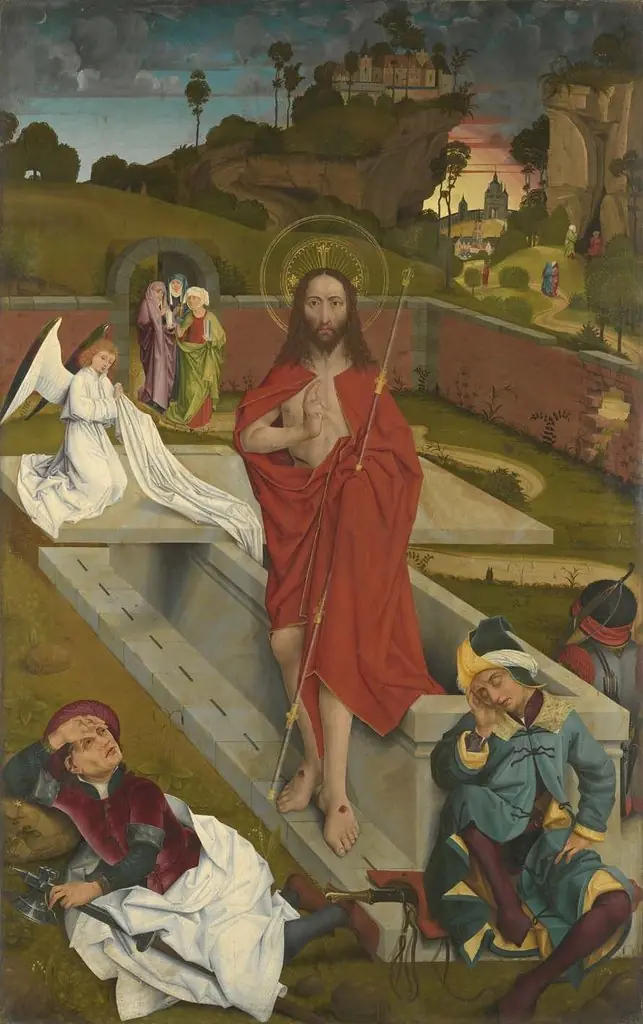 Hofer Altar: Auferstehung Christi (Rückseite: Apostel Bartholomäus und Jakobus)
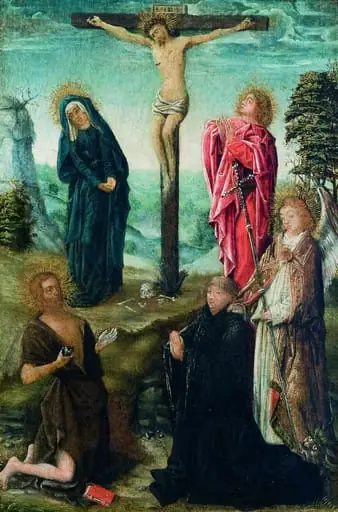 Răstignirea
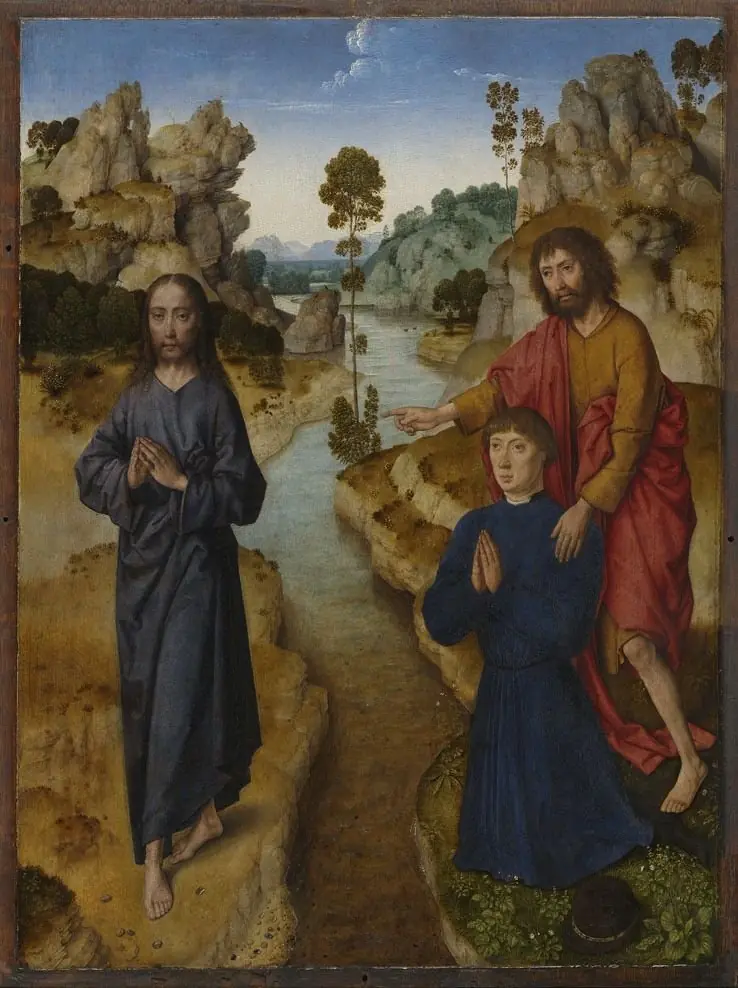 Ecce agnus dei
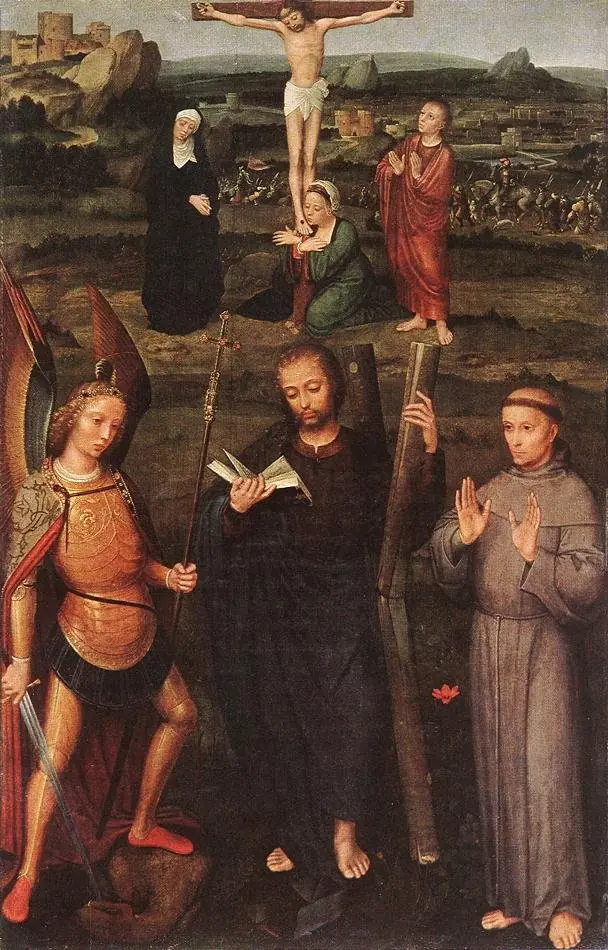 Archangel St Michael, St Andrew and St Francis of Assisi with the Calvary