Artwork
he taking of Christ and The entombment
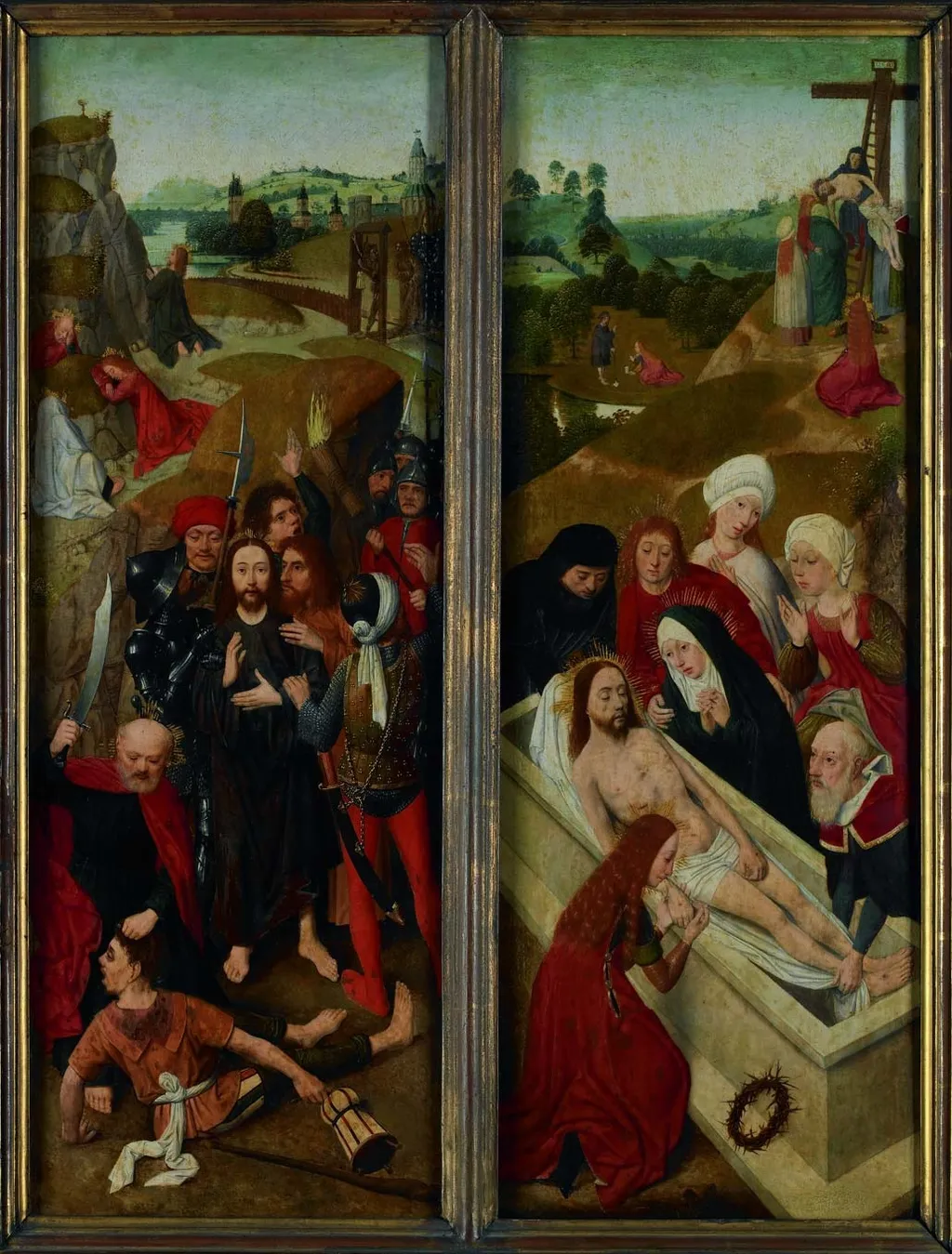
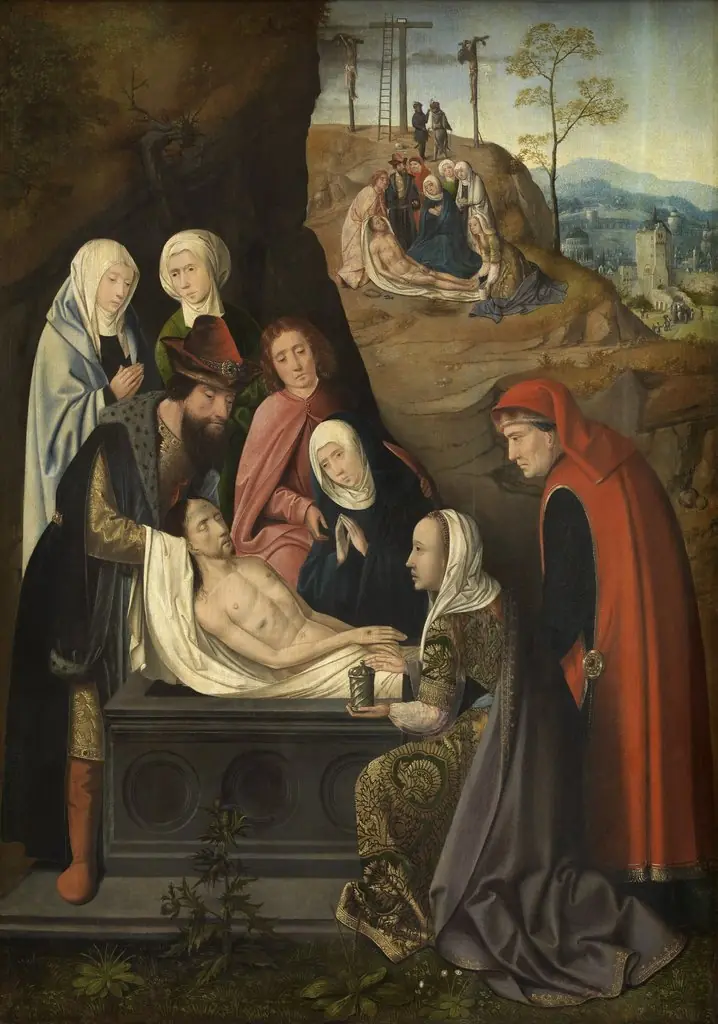
he taking of Christ and The entombment is an oil painting by the Northern Renaissance artist Master of the Brunswick Diptych. It dates from 1494 and is held in the collection of the Royal Museums of Fine Arts of Belgium. Painted in 1494, this oil-on-panel work combines two scenes from the Passion of Christ: the Arrest in Gethsemane and the Entombment.
About this work
Overview
Painted in 1494, this oil-on-panel work combines two scenes from the Passion of Christ: the Arrest in Gethsemane and the Entombment.
Painted in 1494, this oil-on-panel work combines two scenes from the Passion of Christ: the Arrest in Gethsemane and the Entombment. Attributed to the Master of the Brunswick Diptych, an anonymous artist active in the late 15th century, the painting reflects the devotional intensity of Northern European religious art of the period. It is part of the collection at the Royal Museums of Fine Arts of Belgium.
Subject & Meaning
The painting juxtaposes Christ’s capture by Roman soldiers with his burial, linking moments of betrayal and solemn reverence. The figures are arranged with quiet dignity, emphasizing spiritual gravity over dramatic action. This dual narrative invites contemplation of Christ’s suffering and the human response to divine sacrifice, typical of late medieval devotional imagery.
Technique & Style
Executed in oil on panel, the work displays meticulous attention to detail in fabrics, facial expressions, and architectural elements. The palette is restrained, dominated by muted tones that enhance the somber mood. Figures are rendered with a linear clarity characteristic of Northern Renaissance painting, with shallow space and careful modeling of light to suggest volume.
History & Provenance
The painting’s early history is undocumented, but it entered the Royal Museums of Fine Arts of Belgium’s collection in the 19th century. Its attribution to the Master of the Brunswick Diptych stems from stylistic comparisons with a known diptych in Brunswick. The work has remained in institutional care since its acquisition, with no record of significant restoration.
Context
Created during a period of heightened religious devotion in the Low Countries, the painting aligns with private devotional practices that favored compact, emotionally resonant scenes. Artists like the Master of the Brunswick Diptych catered to patrons seeking intimate spiritual experiences, often through diptychs or small panels designed for personal meditation.
Legacy
Though the artist’s identity remains unknown, the work contributes to understanding the diversity of late medieval Northern painting beyond major centers like Bruges or Antwerp. It preserves a quiet, unadorned approach to sacred narrative that contrasts with later Baroque dramatizations, offering insight into regional devotional aesthetics of the time.
Artist & collection
Artist
Master of the Brunswick Diptych
This anonymous painter, active around 1480–1500, made glowing oil panels that feel like frozen prayers.

Museum
Royal Museums of Fine Arts of Belgium
Continue through works from the same source collection.
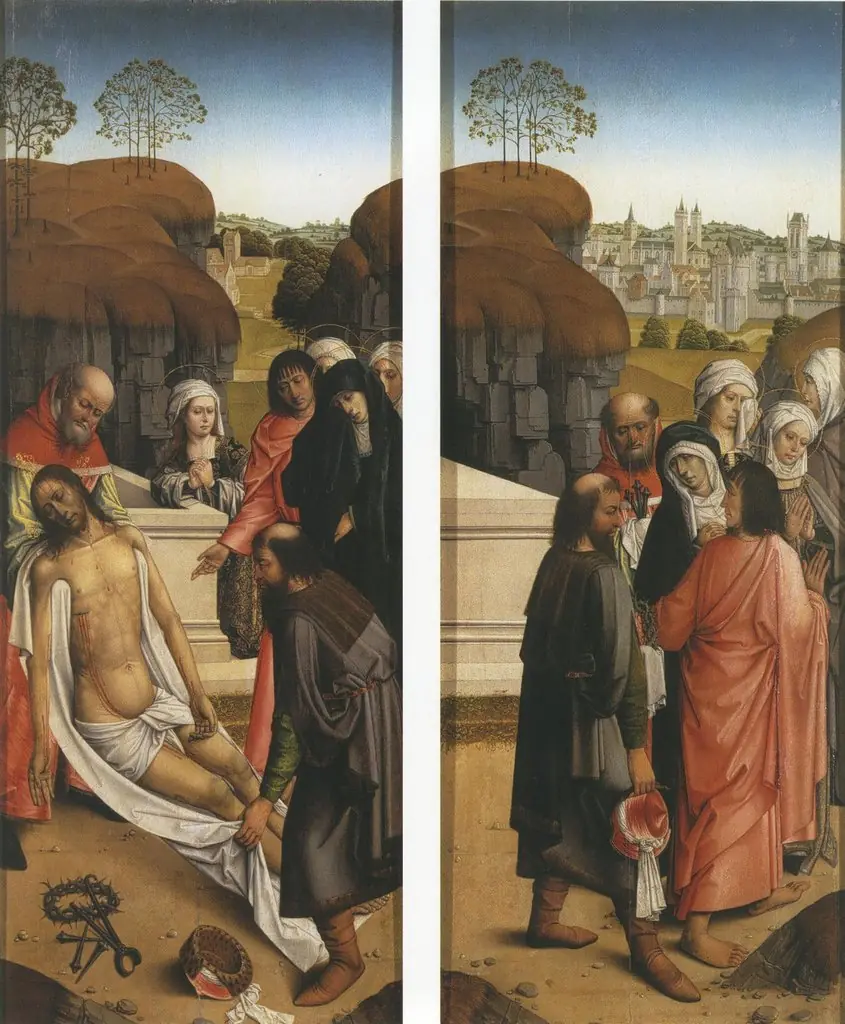 De graflegging (links), Maria, Johannes de Evangelist, Jozef van Arimatea, Nicodemus en de drie Maria's verlaten het graf (rechts)
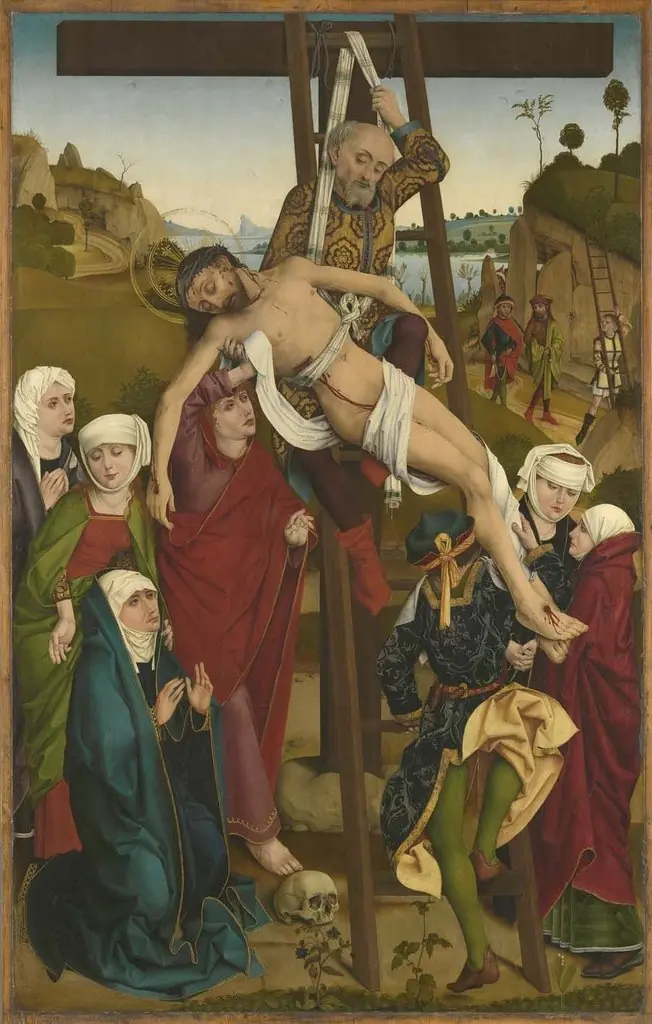 Hofer Altar: Kreuzabnahme Christi (Rückseite: Geburt Christi)
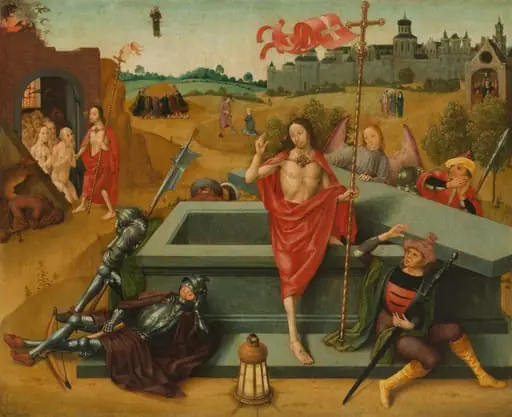 Resurrection of Christ
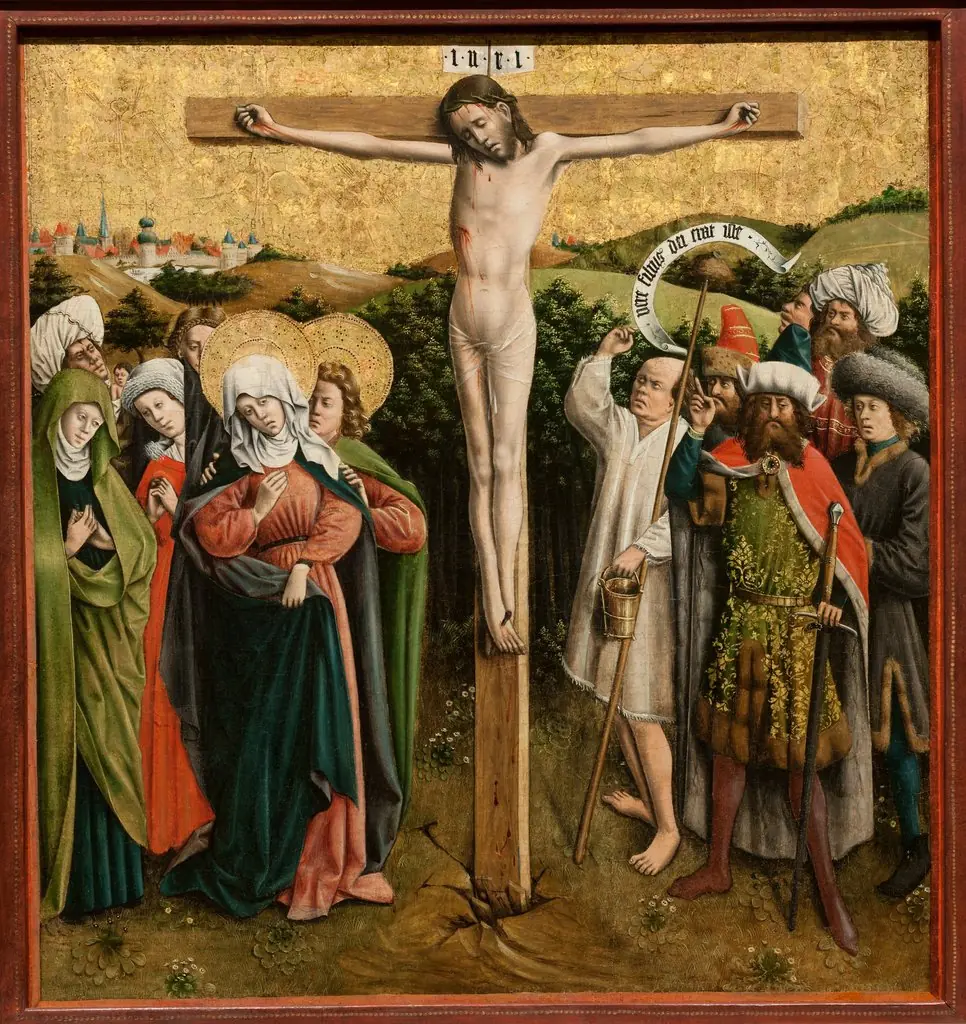 Altarpiece with The Passion of Christ
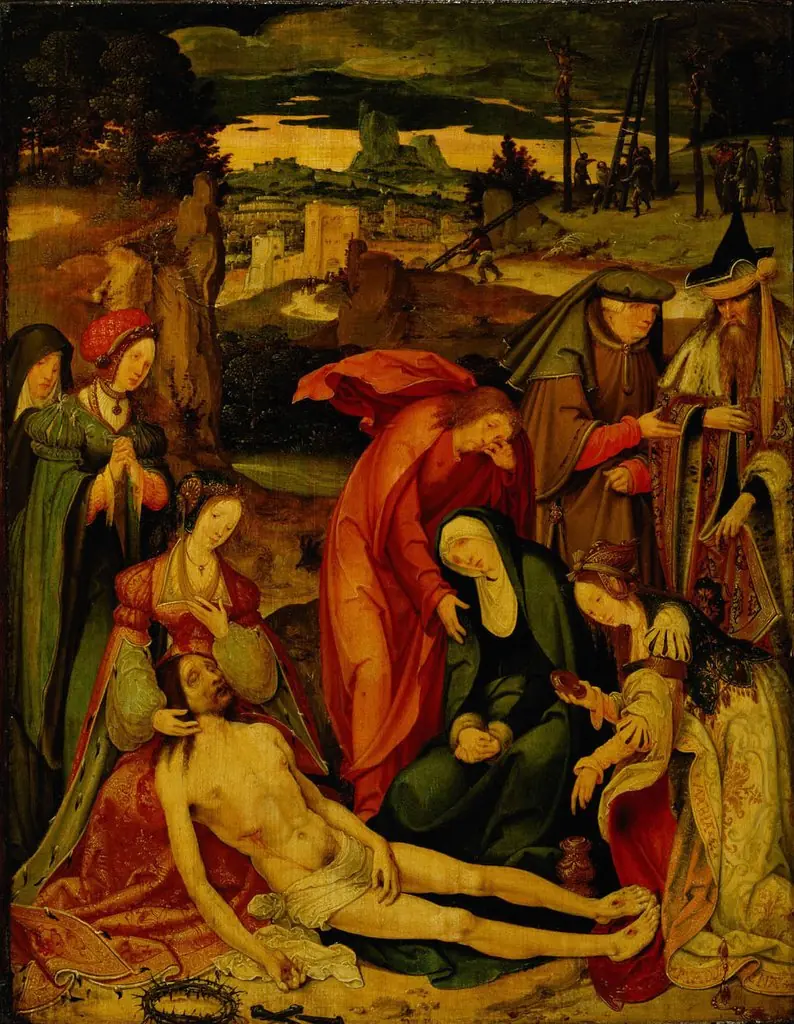 The Lamentation
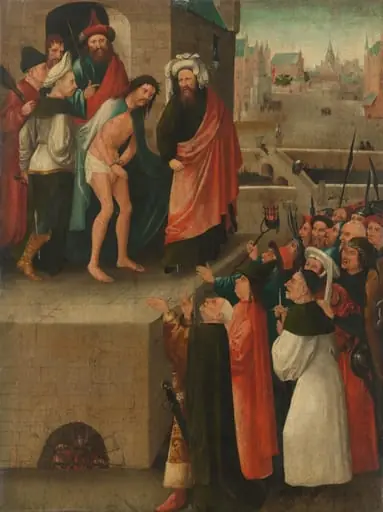 Ecce Homo
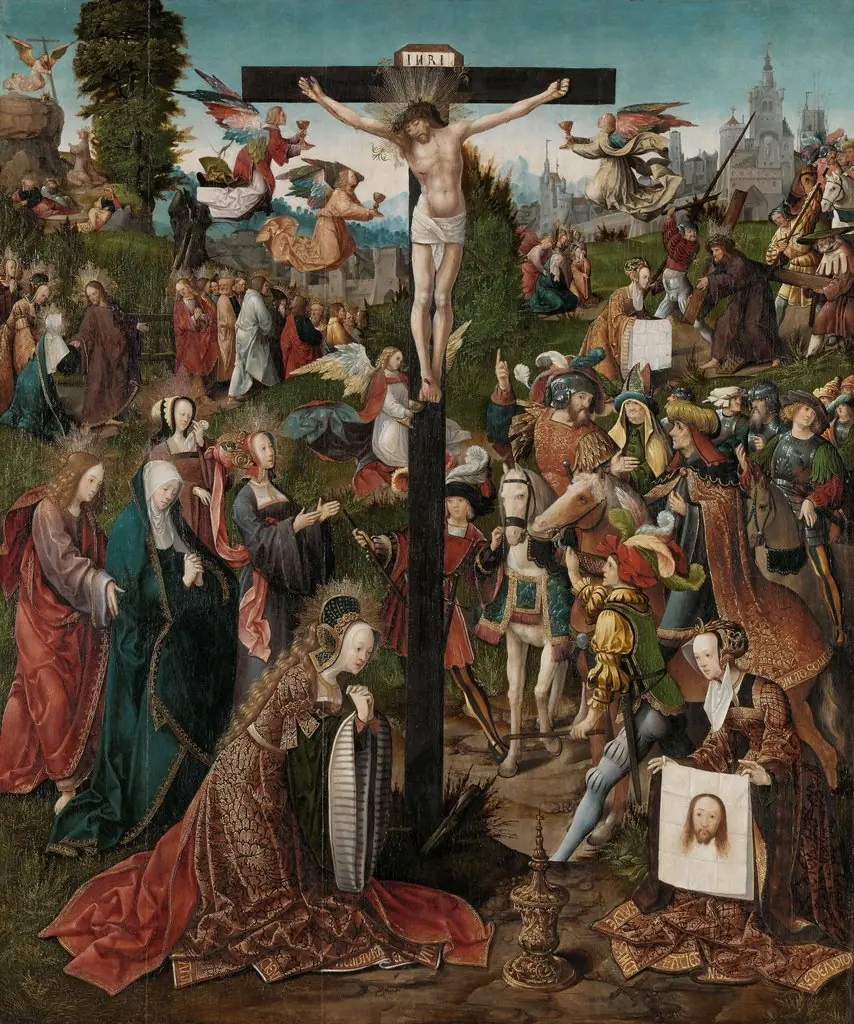 The Crucifixion
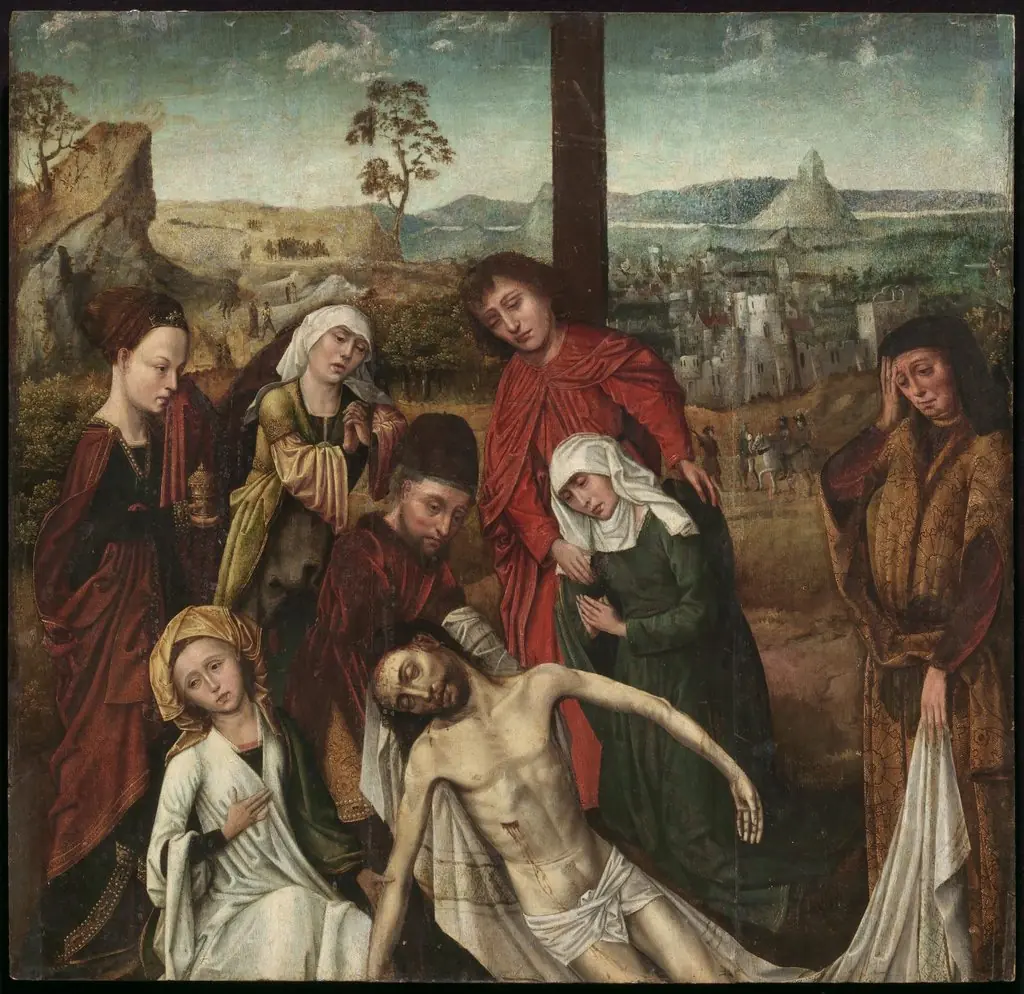 The Deposition of Christ
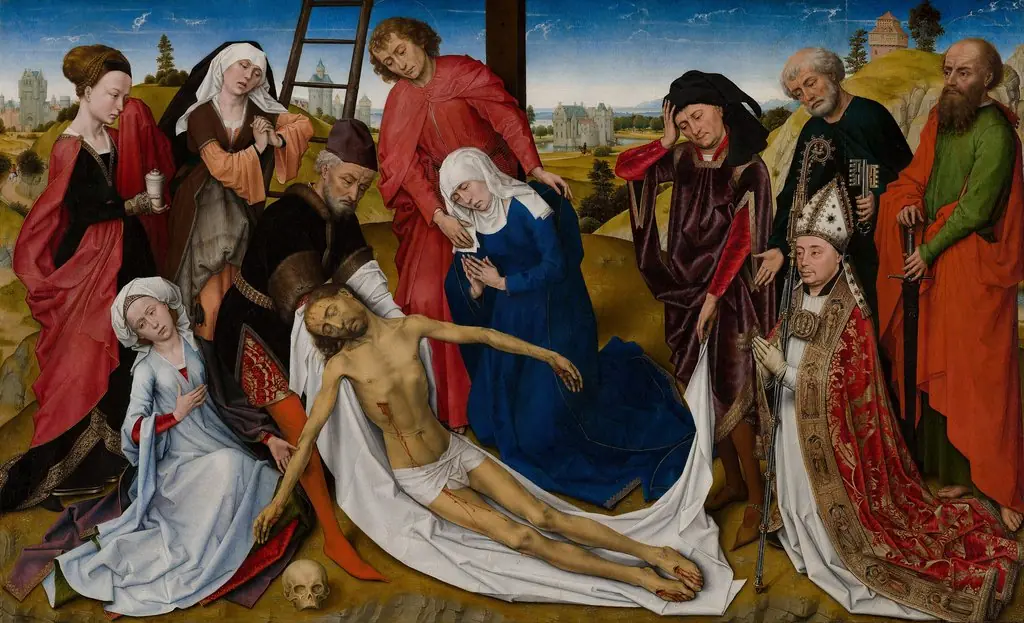 Lamentation of Christ
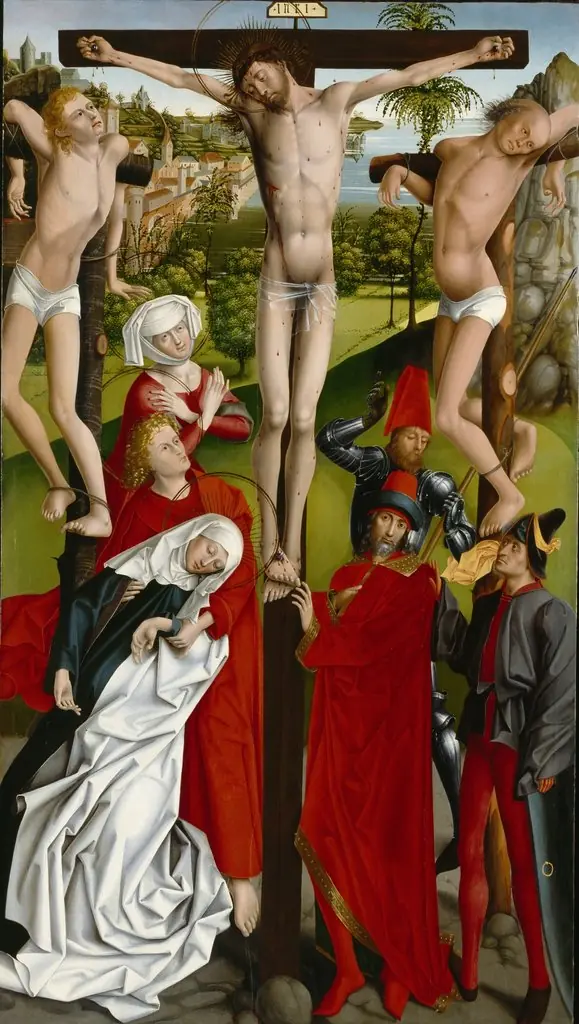 The Crucifixion
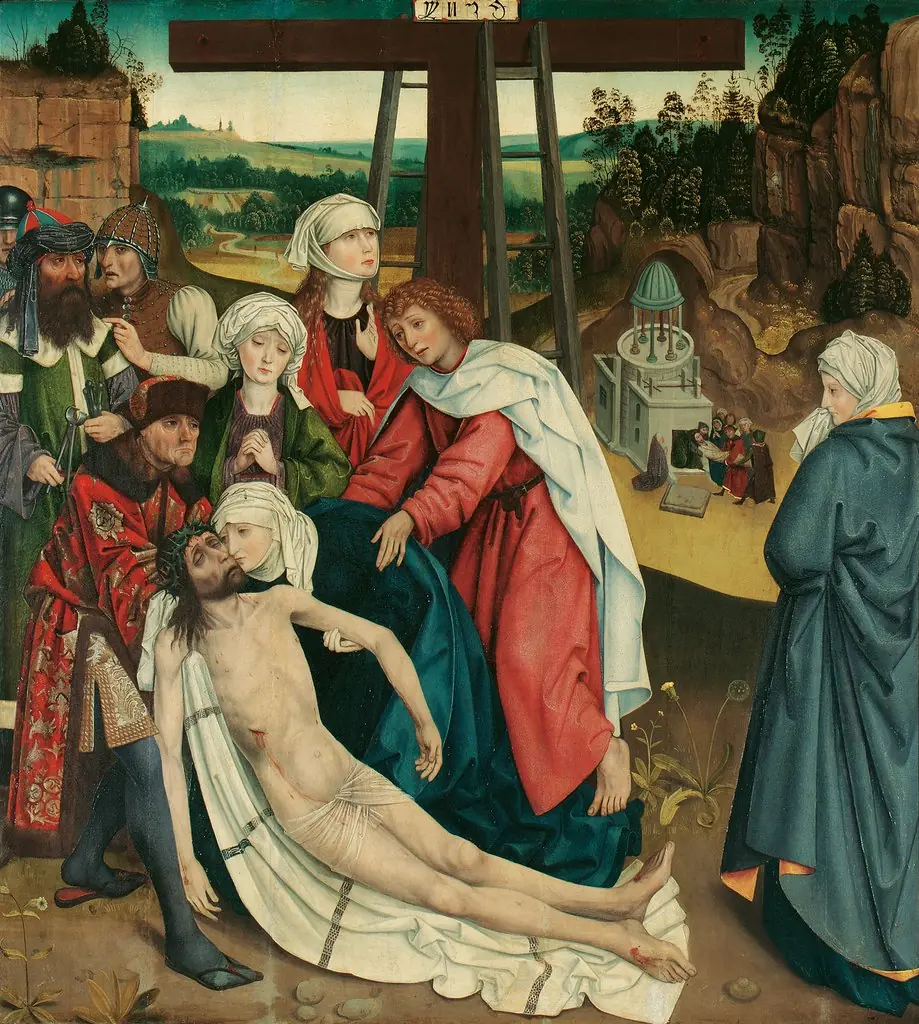 Lamentation of Christ
 Entombment and the Lamentaion over the dead Christ