Artwork
Dymphna’s Father Proposes to her
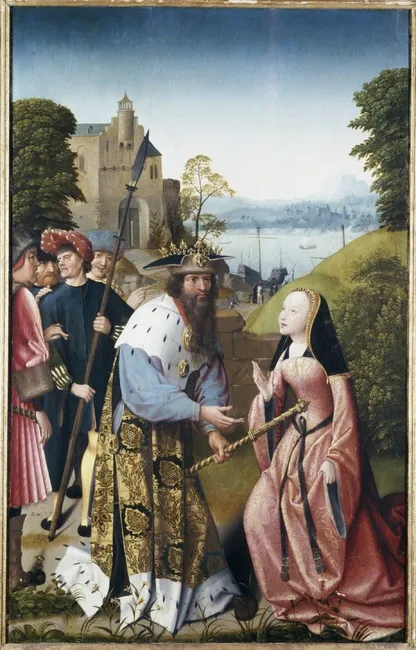
Dymphna’s Father Proposes to her is an oil painting by the Northern Renaissance artist Goswin van der Weyden. It dates from 1504 and is held in the collection of The Phoebus Foundation.
About this work
Overview
Goswin van der Weyden, a Flemish painter active in Antwerp at the turn of the sixteenth century, completed the oil painting *Dymphna’s Father Proposes to her* in 1504. The work belongs to the religious‑genre tradition, portraying a narrative drawn from the legend of Saint Dymphna. It is part of the collection of the Royal Museum of Fine Arts in Antwerp.
Subject & Meaning
The composition captures the moment a father, dressed in an elaborate blue and gold robe, presents a ring to his daughter, who wears a pink gown. The gesture, though intimate, references the hagiographic tale in which Dymphna is approached by her father with a marriage proposal, a scenario that underscores themes of familial duty and moral conflict in the saint’s story.
Technique & Style
Executed in oil on panel, the painting demonstrates the precise layering and luminous colour typical of early Antwerp workshops. Van der Weyden renders the figures with careful attention to texture—silken fabrics, polished metal, and delicate skin—while the background features a softly lit landscape with a distant castle, trees, and a river, creating a tranquil yet narrative‑rich setting.
History & Provenance
Since its creation, the work has remained associated with the Antwerp artistic milieu, reflecting the city’s emerging school that followed the legacy of Rogier van der Weyden, the artist’s grandfather. It entered the Royal Museum of Fine Arts Antwerp’s holdings in the nineteenth century, where it has been displayed as an example of early Flemish religious genre painting.
Context
The legend of Saint Dymphna, an Irish virgin who fled an incestuous advance by her father, was a popular subject in Northern Renaissance art, serving both devotional and moralizing purposes. Van der Weyden’s depiction focuses on the proposal itself, a moment that invites contemplation of virtue, obedience, and the dangers of familial overreach within the broader cultural discourse of the period.
Artist & collection
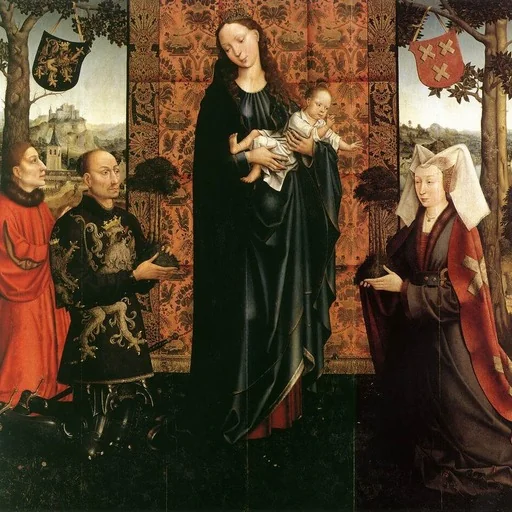
Artist
Goswin van der Weyden or Goossen van der Weyden (1455–1543) was a Flemish Renaissance painter active in Antwerp.

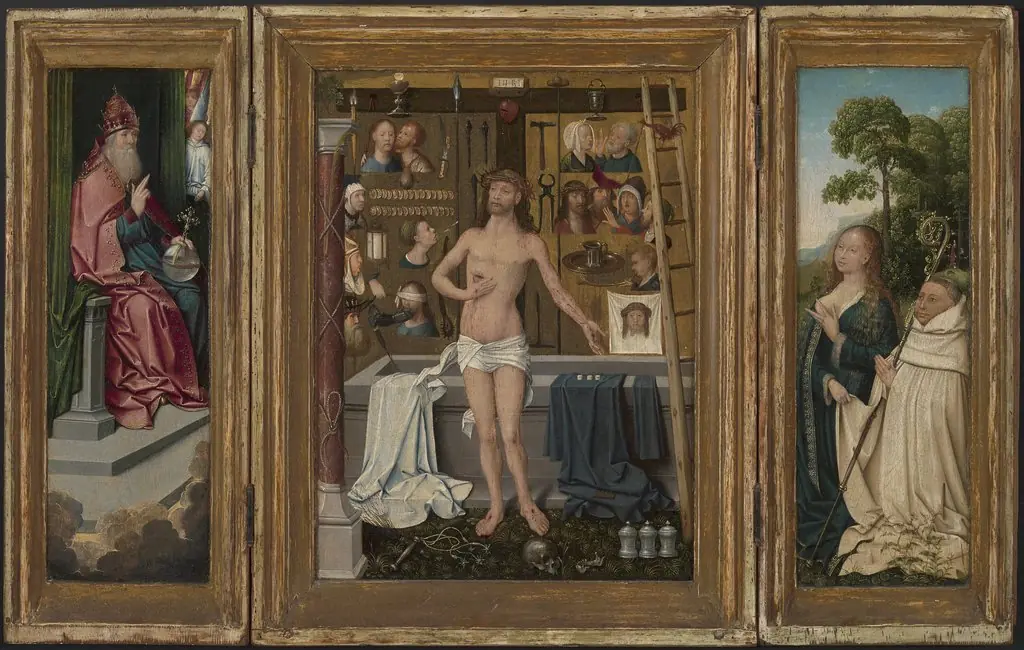 Triptych of Antonius Tsgrooten
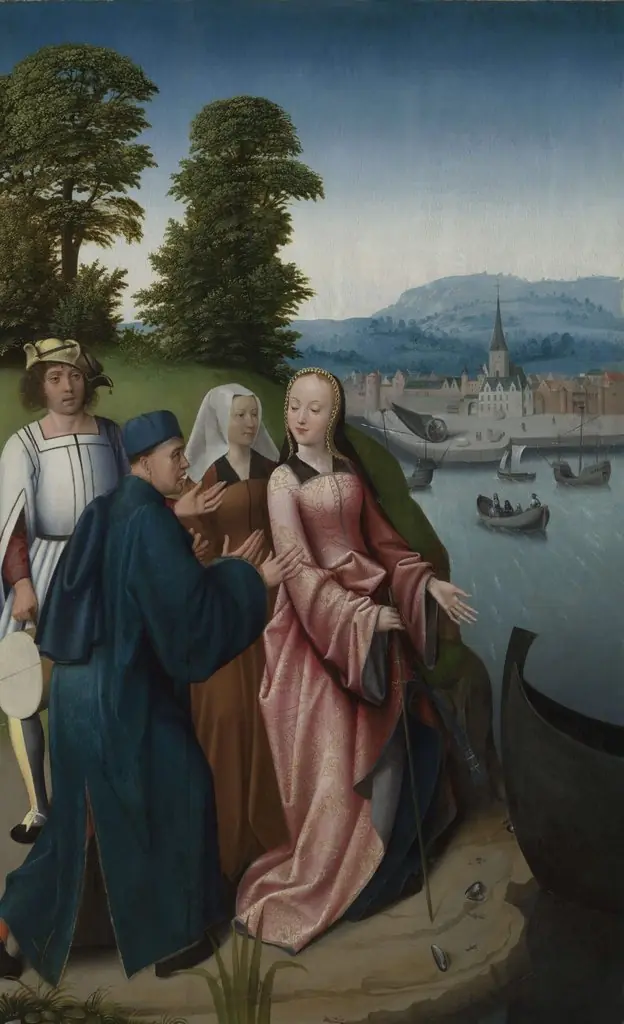 Dymphna and her Companions about to Embark
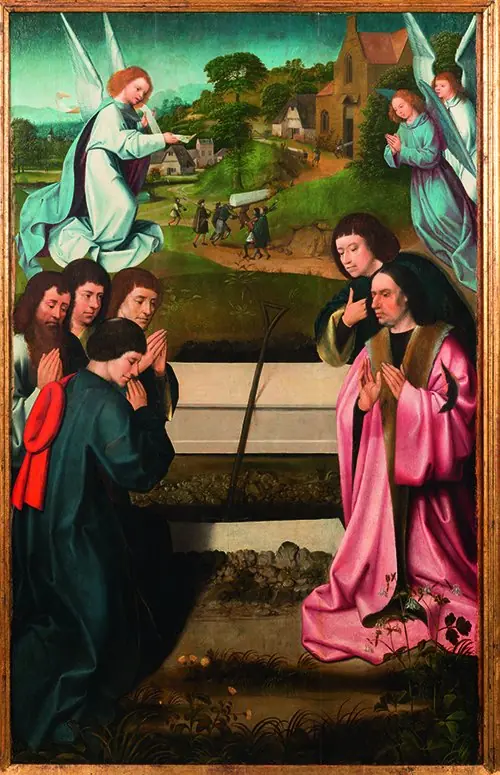 Discovery of the Sarcophagi Containing the Bodies of Dymphna and Gerebernus
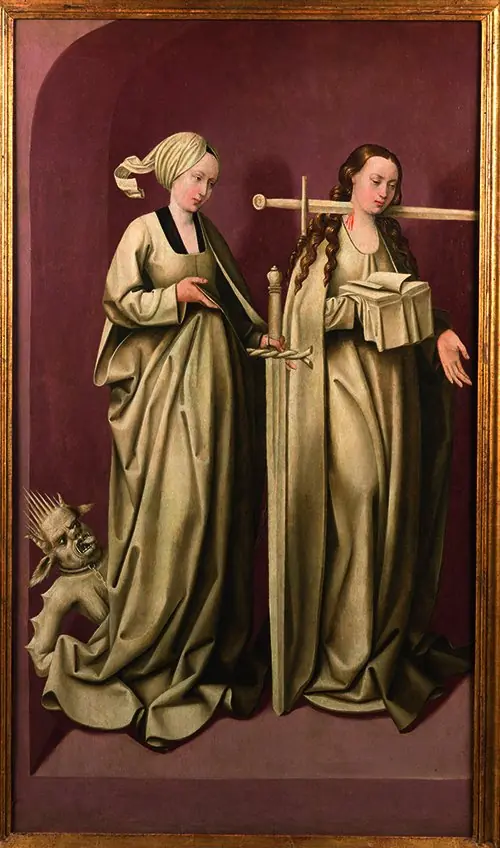 Saints Dymphna and Lucy
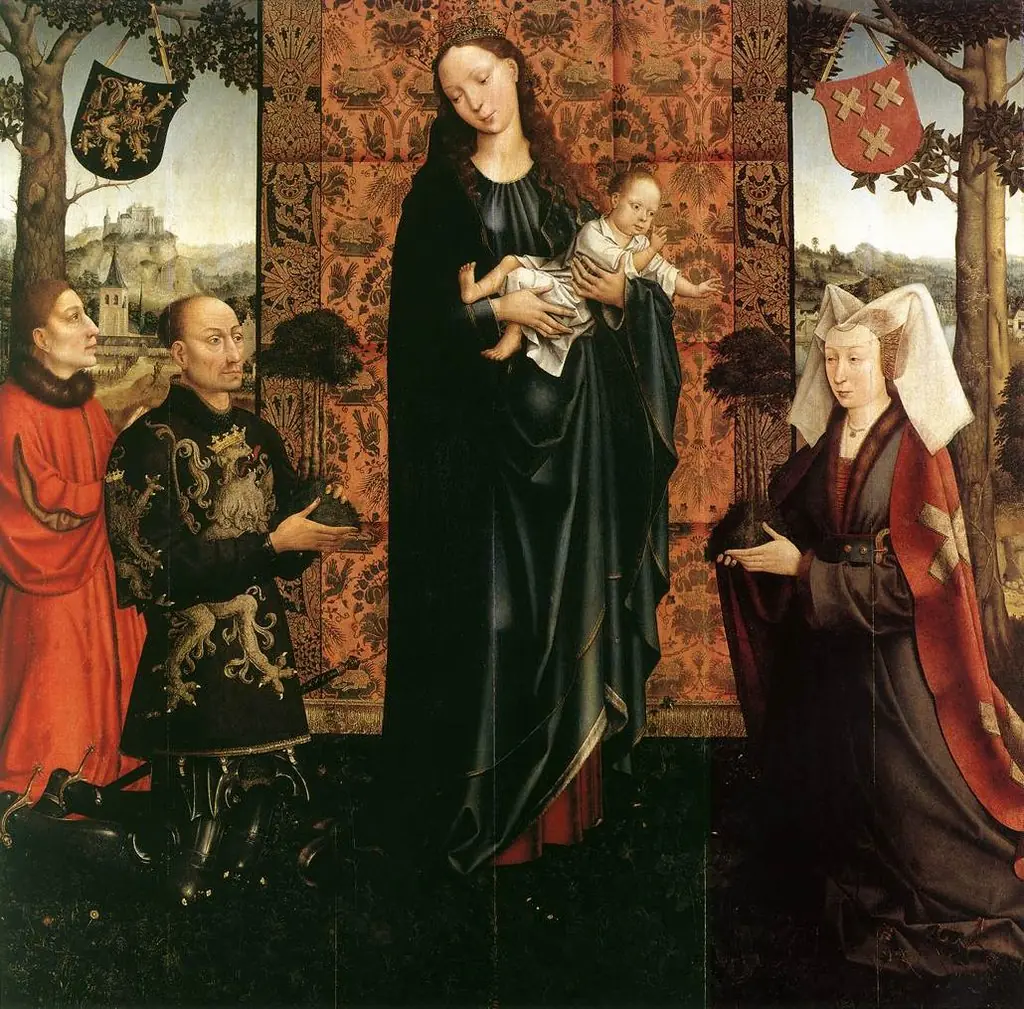 The Gift of Kalmthout
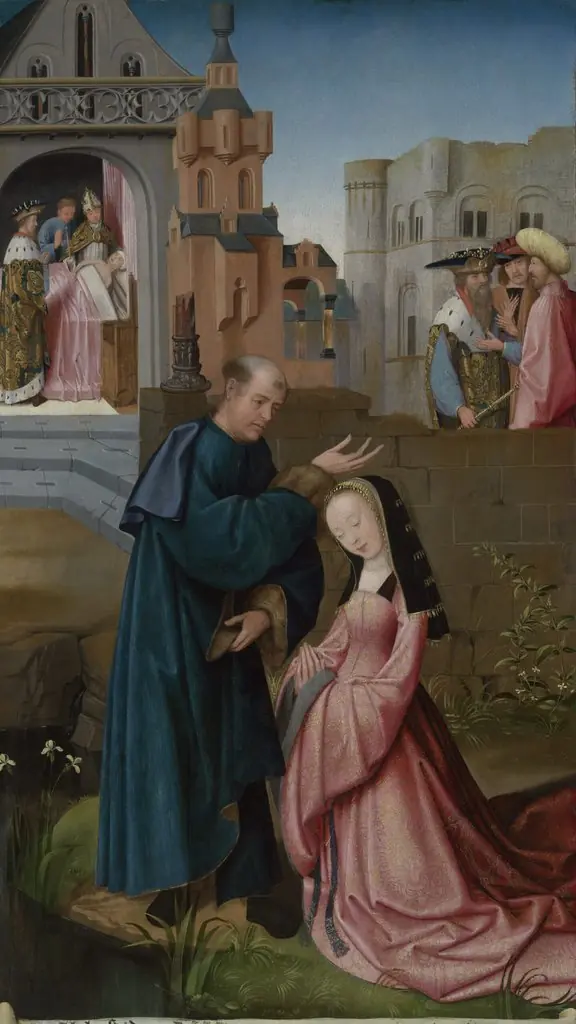 Baptism of Dymphna, with the Death of Dymphna’s Mother Represented in the Background
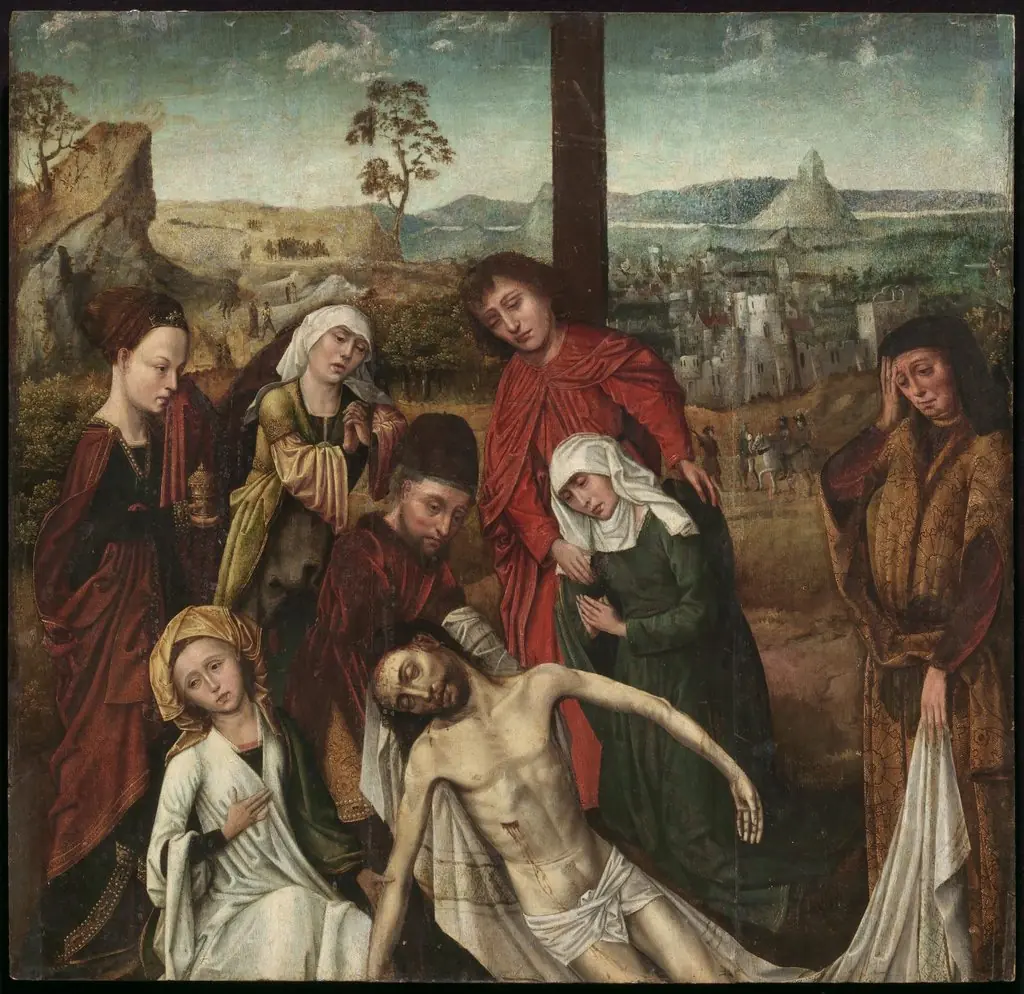 The Deposition of Christ
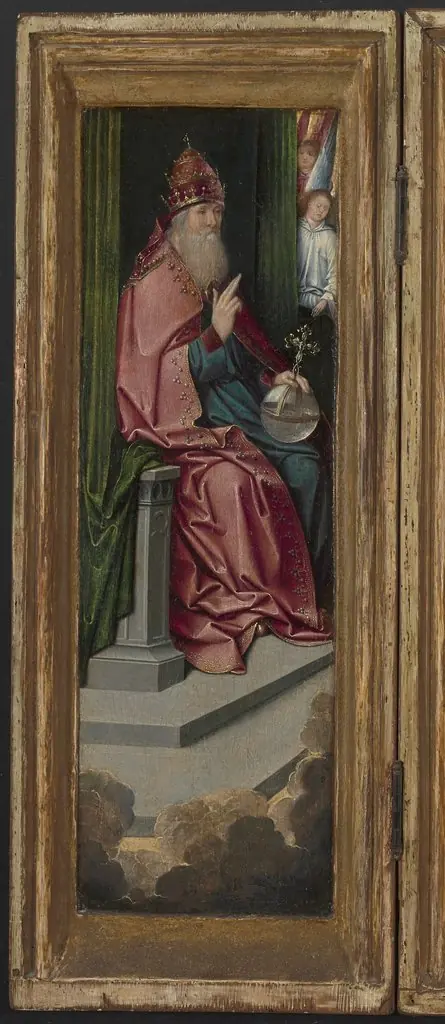 God the Father
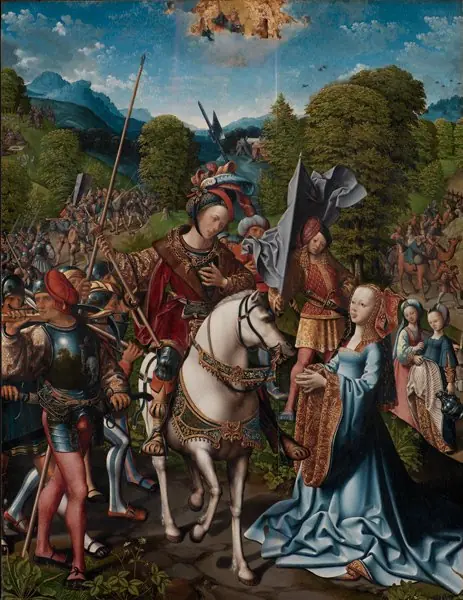 David and Abigail
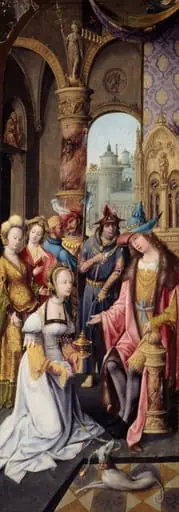 King Solomon Receiving the Queen of Sheba
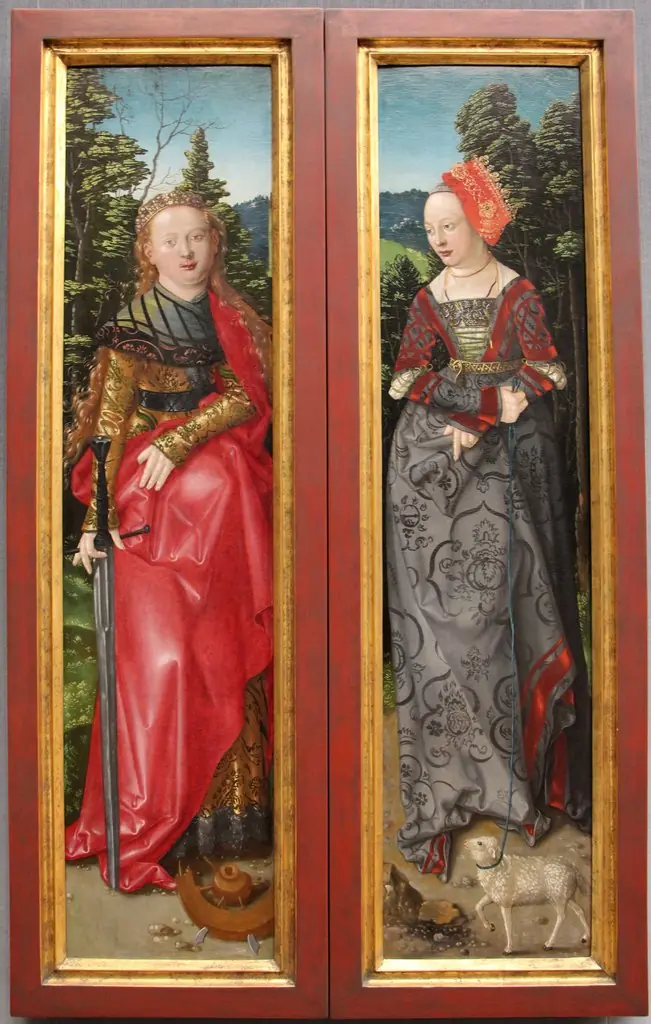 Der Dreikönigsaltar Außentafeln: Die Heiligen Katharina und Agnes
 The King’s Spies Bring Him News of Dymphna’s Hideout
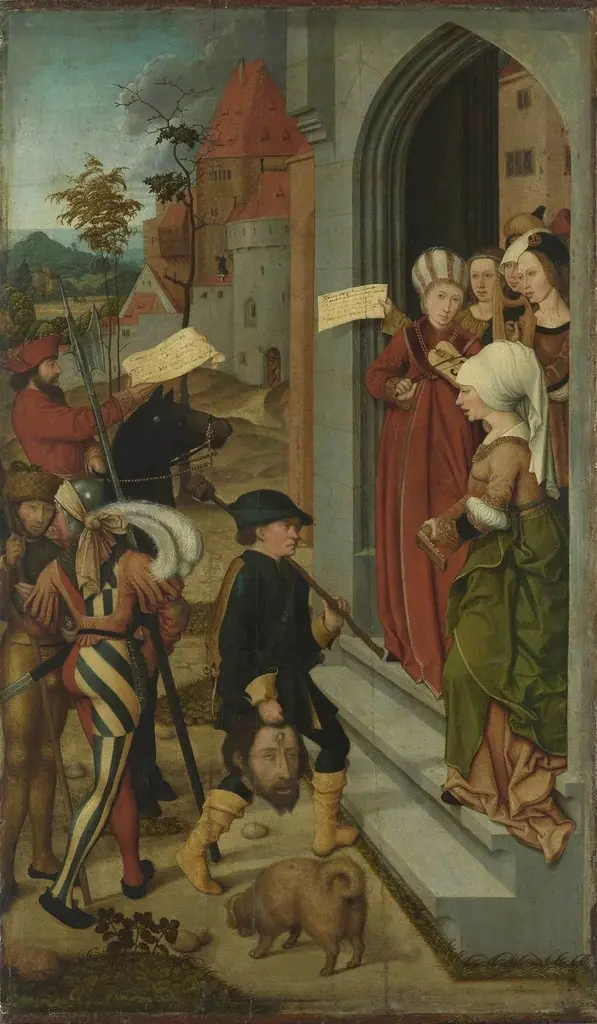 The returning of David with the head Goliath
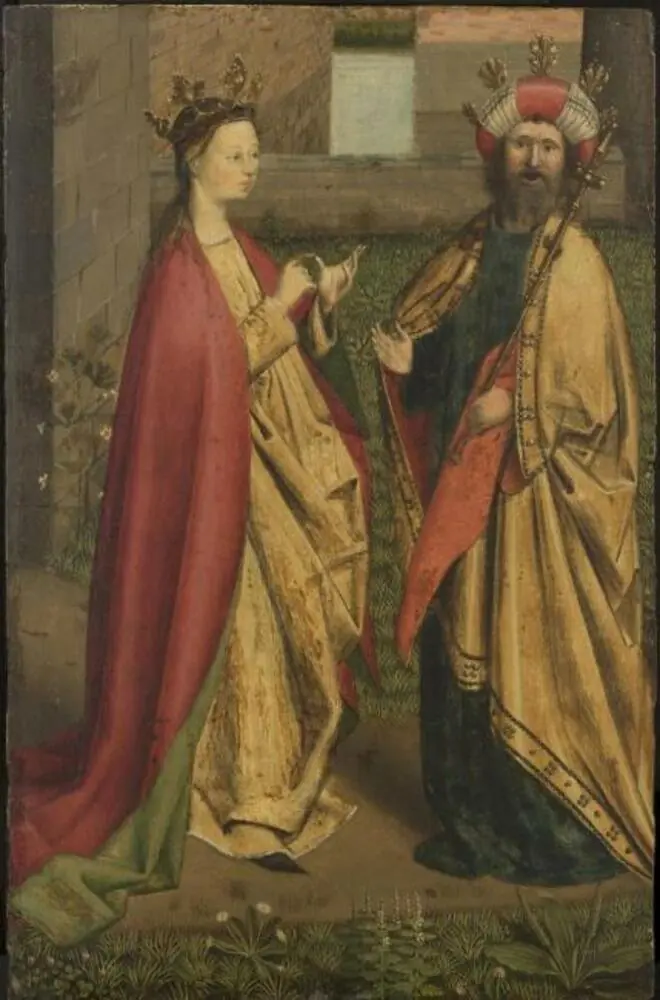 Saint Catherine of Alexandria Preaching to the Emperor
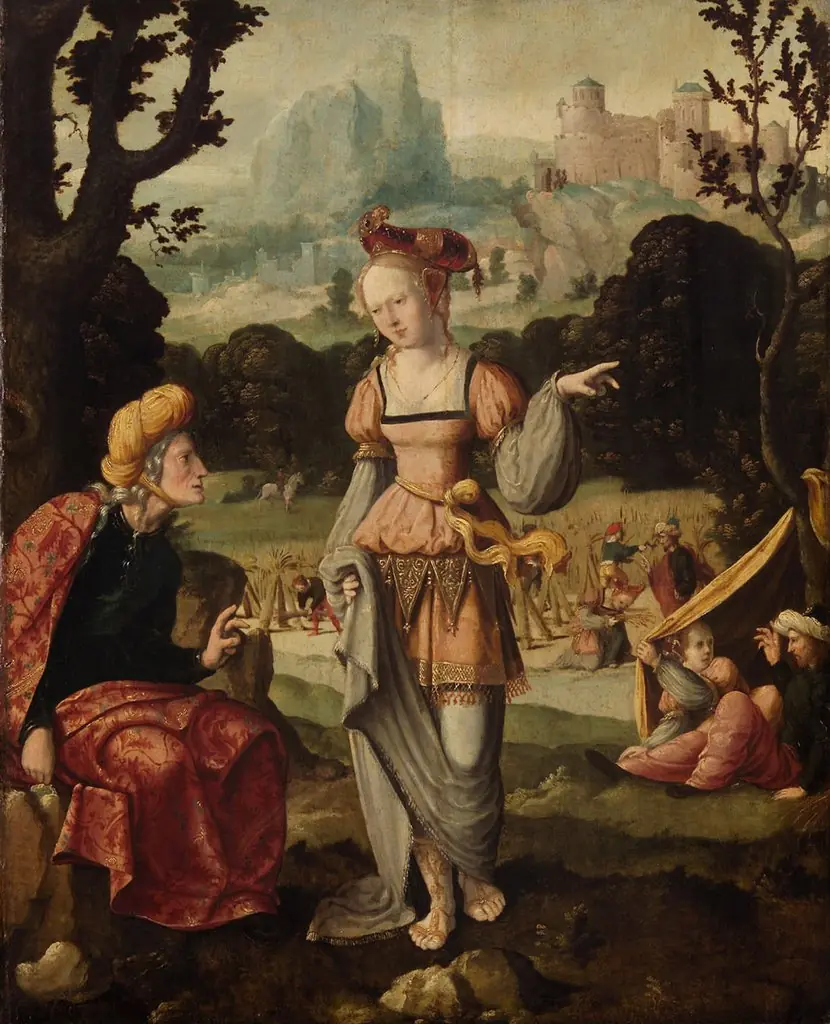 Ruth and Naomi in Boaz's field
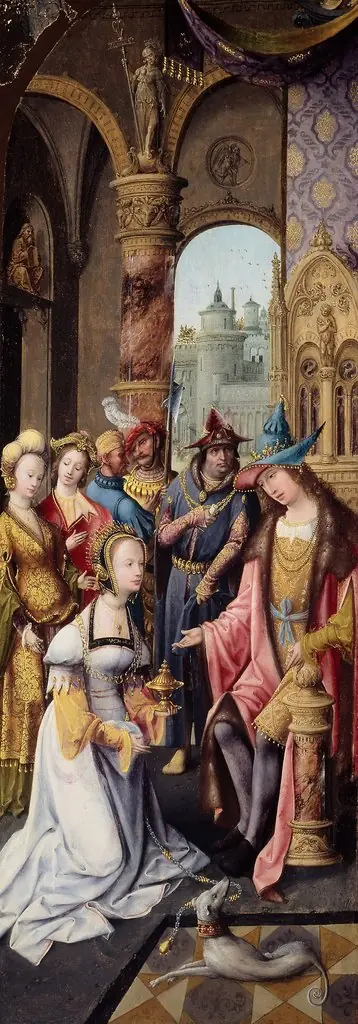 King Solomon Receiving the Queen of Sheba
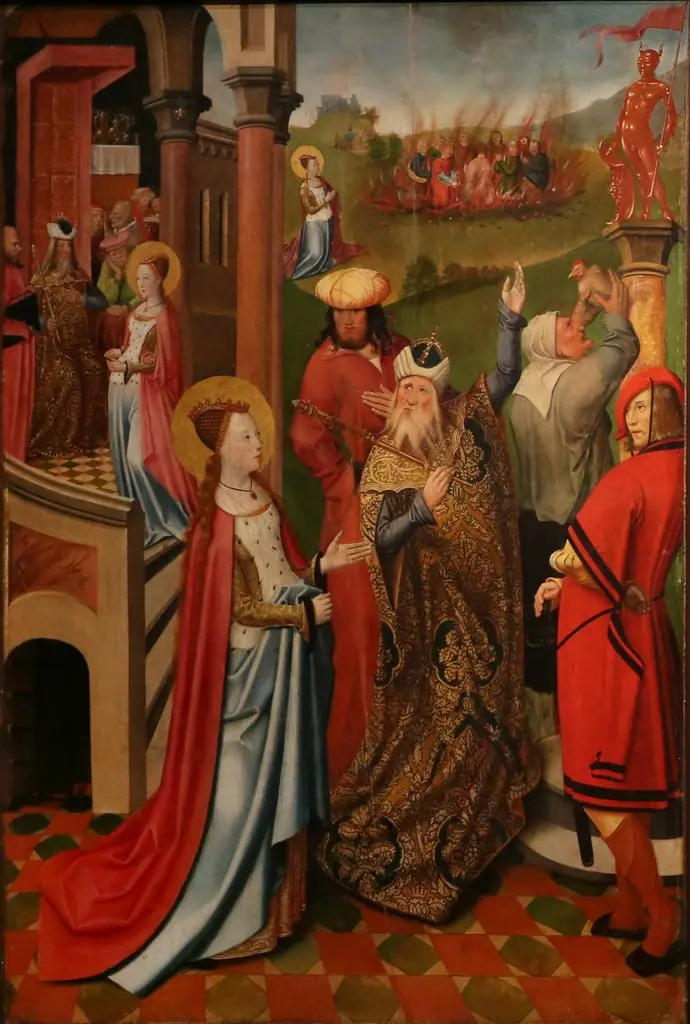 Saint Catherine refuses idolatry
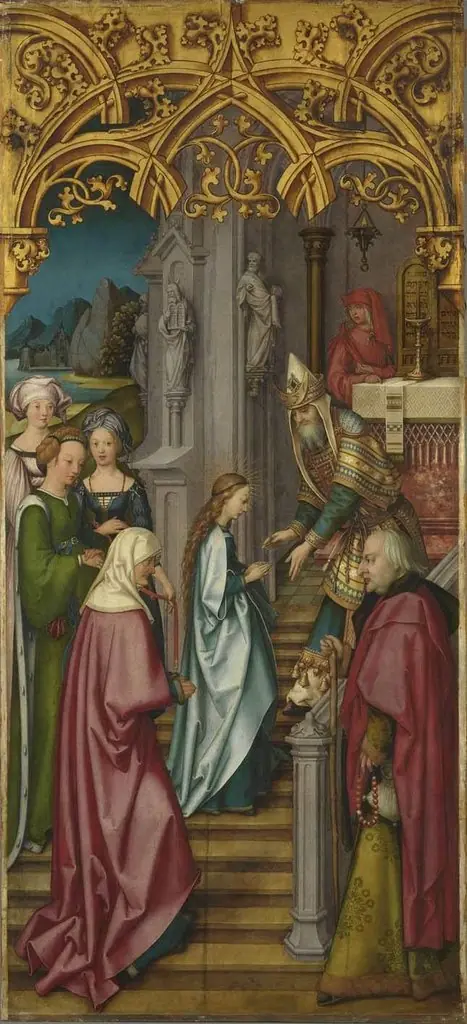 Kaisheimer Altar: Tempelgang Mariens