Artwork
The Landlady at the Inn of Westerlo Recognises the Foreign Coins of the Spies
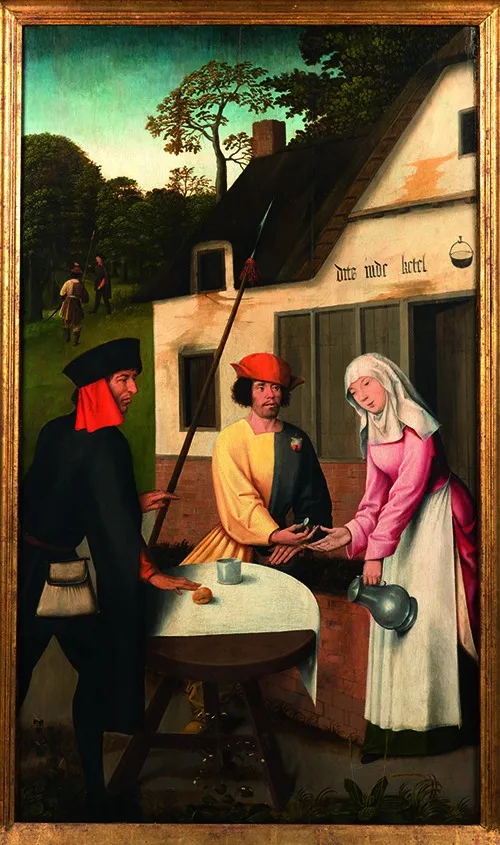
The Landlady at the Inn of Westerlo Recognises the Foreign Coins of the Spies is an oil painting by the Northern Renaissance artist Goswin van der Weyden. It dates from 1504 and is held in the collection of the Royal Museum of Fine Arts Antwerp.
About this work
Overview
Van der Weyden, active in Antwerp and part of a prominent artistic lineage, rendered the scene with careful attention to everyday detail.
Painted in 1504 by Goswin van der Weyden, this oil-on-panel work captures a quiet moment of suspicion in a rural inn. Van der Weyden, active in Antwerp and part of a prominent artistic lineage, rendered the scene with careful attention to everyday detail. Though rooted in the Northern Renaissance tradition, the subject diverges from religious or mythological themes, focusing instead on a moment of civic vigilance. The painting resides today in the Royal Museum of Fine Arts Antwerp.
Subject & Meaning
The scene depicts a landlady scrutinizing coins offered by a traveler, while a second figure, dressed in dark clothing and holding a staff, observes silently. The coins, identified as foreign, suggest possible espionage or illicit activity. The title implies the woman’s role as an alert custodian of her establishment, detecting threats through material signs. No overt religious symbolism is present; the narrative hinges on social awareness and the subtle tension of mistrust in a transient space.
Technique & Style
Van der Weyden employed oil paint to achieve fine textural detail, particularly in the folds of the landlady’s pink dress and white headscarf. The figures are rendered with naturalistic posture and expression, their gestures conveying unspoken narrative. The background features a modest inn facade with a clearly legible sign, grounded in observed reality. The blue-green sky and sparse trees provide a calm, unembellished setting, reinforcing the painting’s quiet, observational tone.
History & Provenance
Created in 1504, the painting entered the collection of the Royal Museum of Fine Arts Antwerp, where it remains today. Goswin van der Weyden, grandson of the renowned Rogier van der Weyden, worked within the evolving Antwerp artistic community, distancing himself from his grandfather’s more devotional style. This work reflects the regional shift toward secular, genre-based subjects in early 16th-century Flanders, though its specific commission and early ownership remain undocumented.
Context
In early 16th-century Flanders, travel and trade brought increased movement of people and currency, heightening local awareness of foreign influence and potential deception. Inns served as nodes of information and suspicion, making them fertile ground for narrative art. While religious imagery still dominated commissions, secular scenes like this one reveal a growing interest in everyday moral and social dynamics, reflecting broader cultural shifts in urban centers like Antwerp.
Legacy
Though Goswin van der Weyden’s oeuvre is limited, this painting stands as a rare example of early Northern Renaissance genre painting focused on civic vigilance. It anticipates later Dutch and Flemish depictions of domestic and commercial life, contributing to the tradition of narrative realism. Its preservation in Antwerp underscores the city’s role as a center for artistic innovation beyond religious commissions during the Renaissance.
Artist & collection
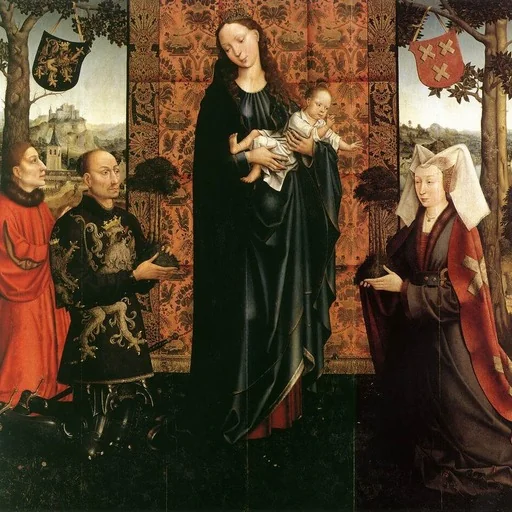
Artist
Goswin van der Weyden or Goossen van der Weyden (1455–1543) was a Flemish Renaissance painter active in Antwerp.

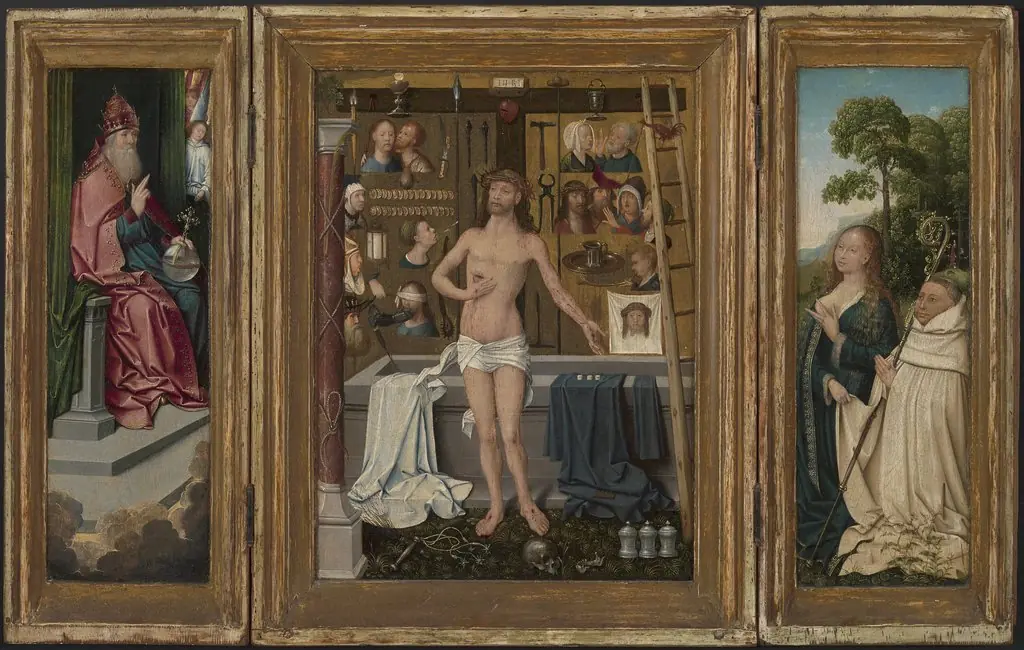 Triptych of Antonius Tsgrooten
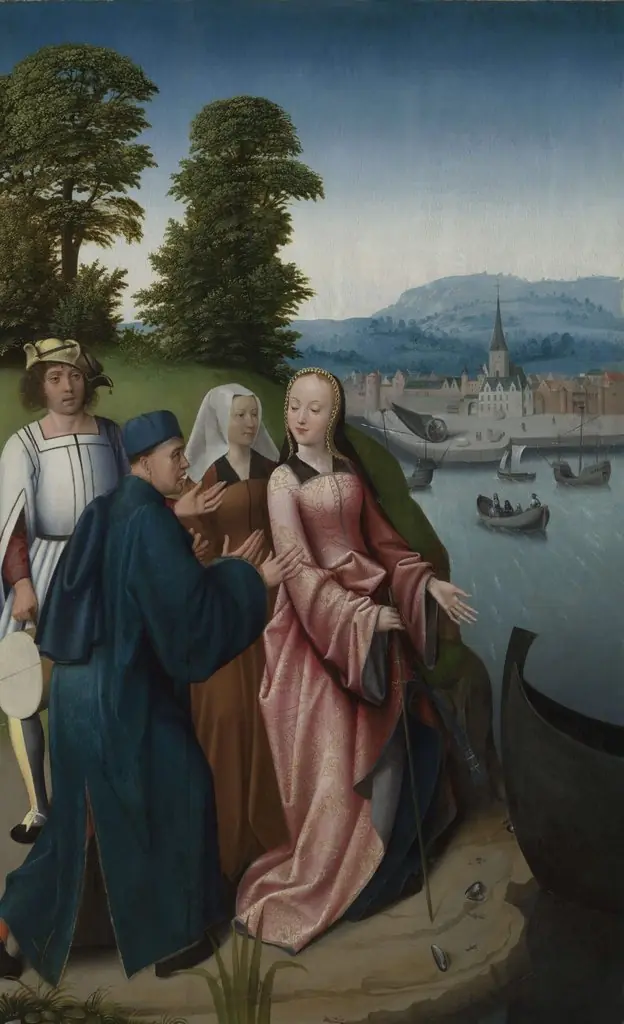 Dymphna and her Companions about to Embark
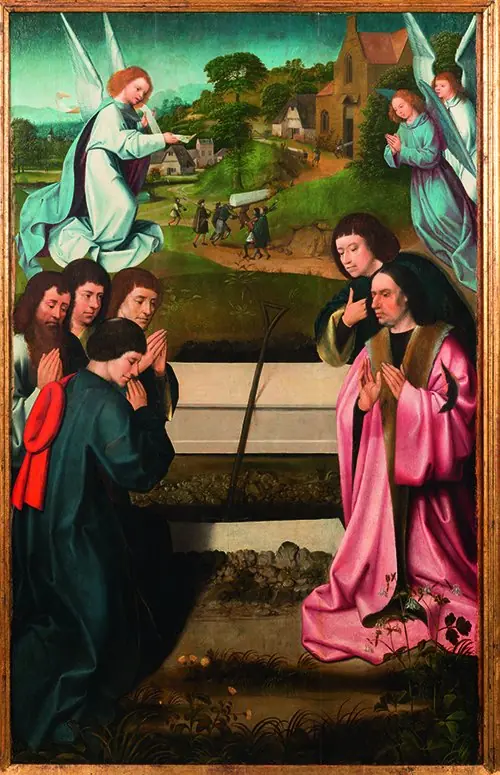 Discovery of the Sarcophagi Containing the Bodies of Dymphna and Gerebernus
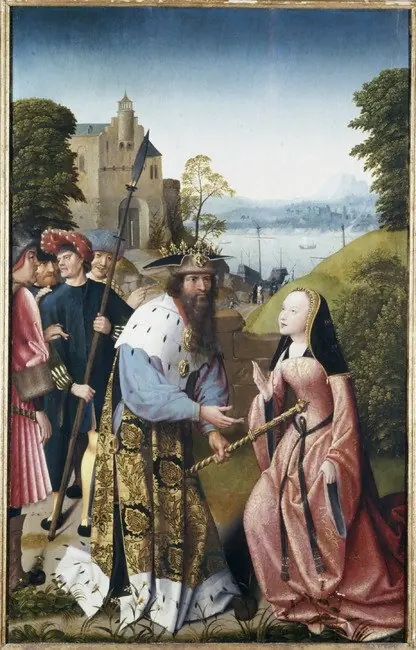 Dymphna’s Father Proposes to her
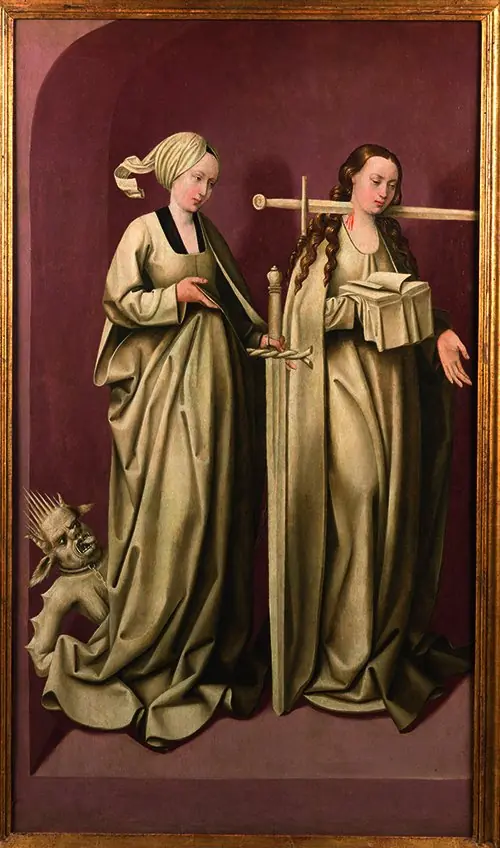 Saints Dymphna and Lucy
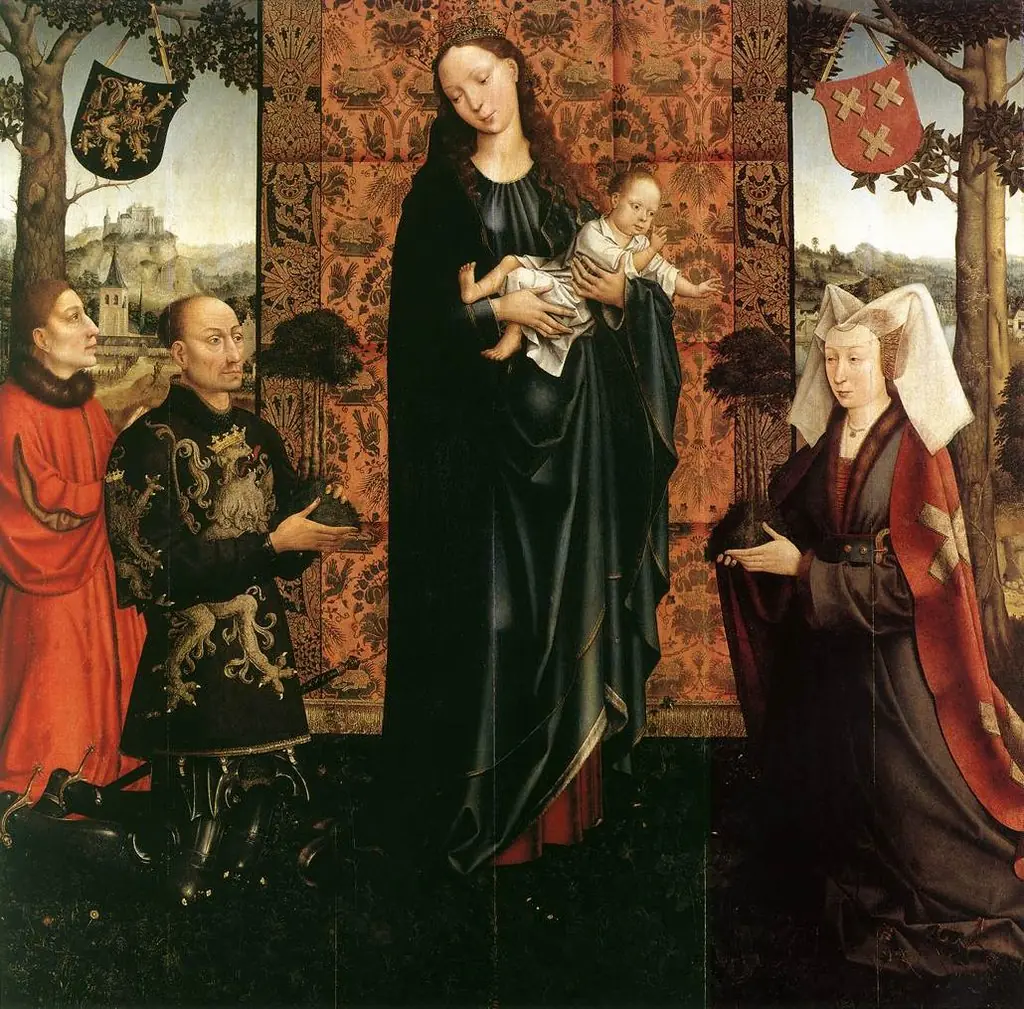 The Gift of Kalmthout
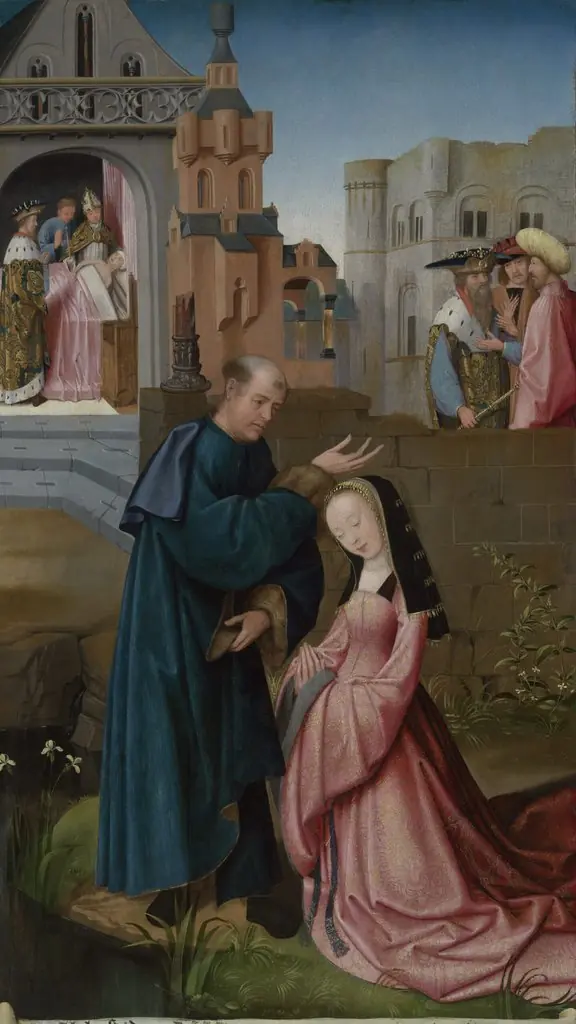 Baptism of Dymphna, with the Death of Dymphna’s Mother Represented in the Background
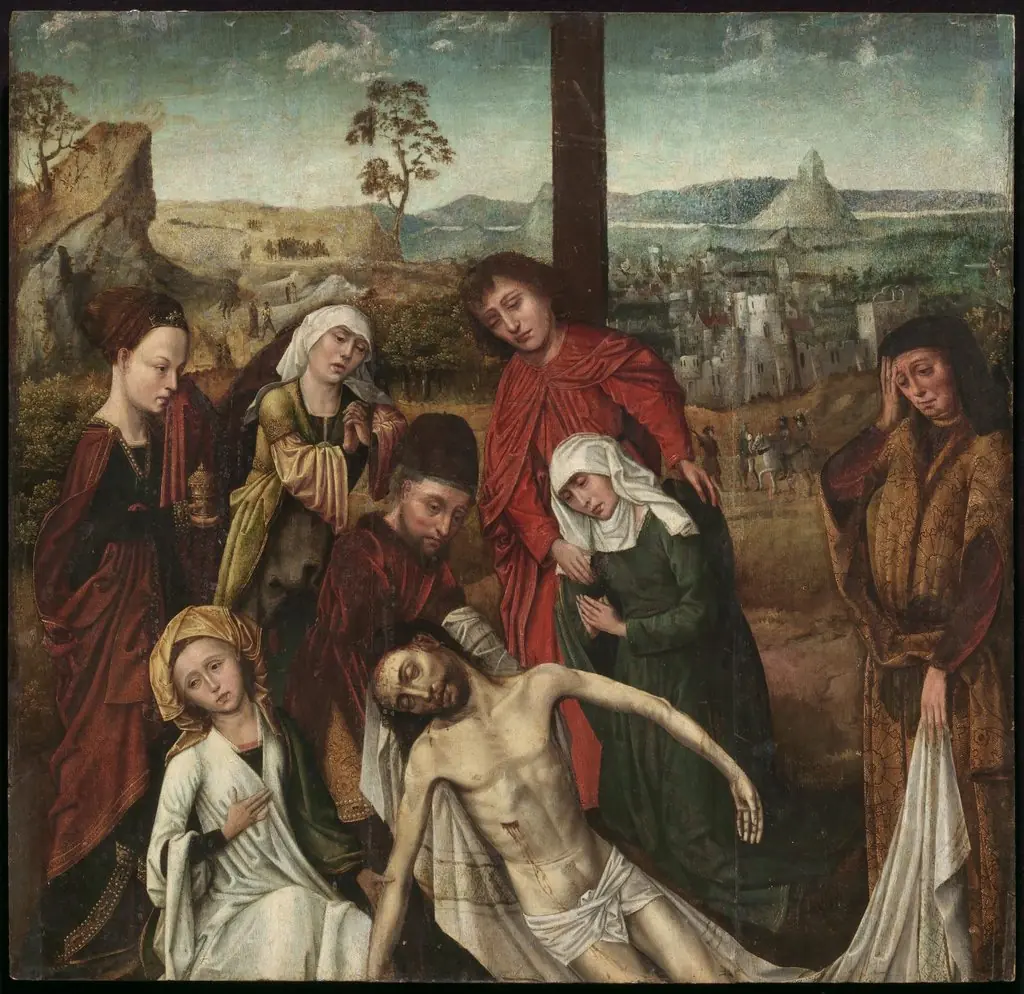 The Deposition of Christ