Artwork
Diana and her nymphs chasing the stag
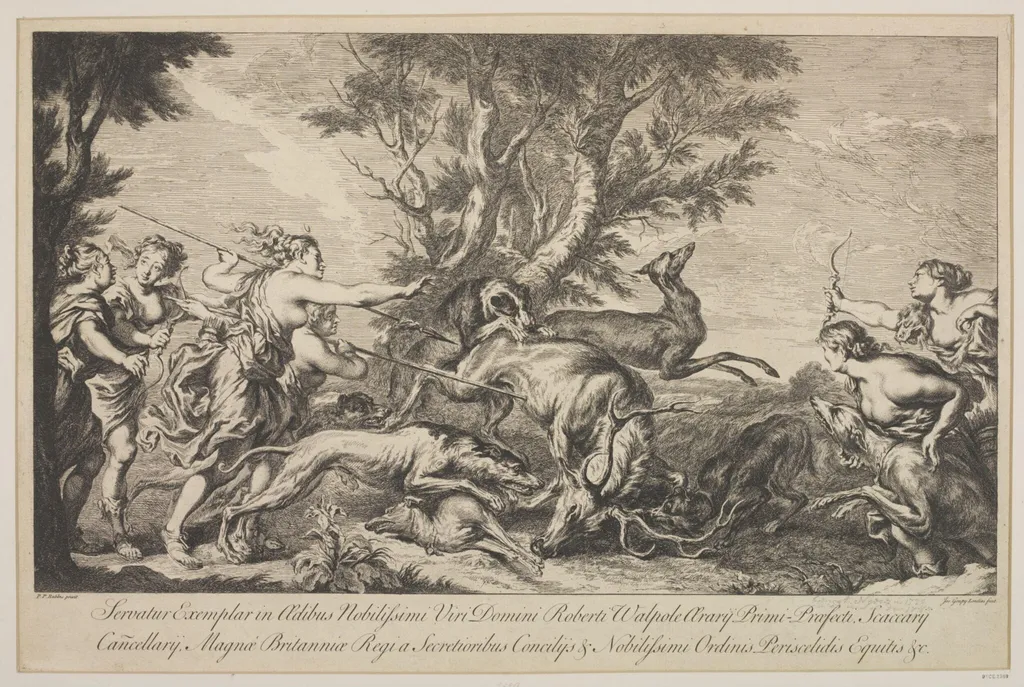
Diana and her nymphs chasing the stag is a print by Joseph Goupy. It dates from 1750 and is held in the collection of the Victoria and Albert Museum.
About this work
Overview
A mid-18th-century print by Joseph Goupy portrays Diana and her attendants in motion, pursuing a stag through a wooded landscape.
A mid-18th-century print by Joseph Goupy portrays Diana and her attendants in motion, pursuing a stag through a wooded landscape. Executed on paper, the work is a reproductive engraving derived from a composition originally painted by Peter Paul Rubens. The print carries the Latin inscription 'Servatur exemplar,' indicating its role as a preserved copy of an earlier model, reflecting the period’s practice of disseminating renowned compositions through print.
Subject & Meaning
The scene captures a moment from classical mythology: the goddess Diana, protector of the hunt and wilderness, along with her nymphs, in active pursuit of a stag. The chase symbolizes the untamed forces of nature and the divine authority over the wild. The stag, caught mid-flight with limbs extended, embodies both vulnerability and vitality, reinforcing the tension between pursuit and escape central to mythological hunting narratives.
Technique & Style
Goupy employed fine linear engraving to render movement and form, using cross-hatching and varying line density to suggest volume and shadow. The figures are arranged dynamically, their limbs and drapery conveying urgency, while the background foliage is rendered with lighter, looser strokes to imply depth. The contrast between darkened areas and open spaces echoes the chiaroscuro of Rubens’s original, adapted here for the tonal limitations of print media.
History & Provenance
The print was produced around 1750, during a period when reproductive engravings were widely circulated among collectors and artists as study aids. Goupy, known for his engagement with Old Master compositions, likely accessed Rubens’s painting through drawings or prints in British collections. The inclusion of 'Servatur exemplar' suggests the print was intended as a faithful archival record, aligning with scholarly interests in preserving artistic lineage.
Context
In 18th-century Britain, classical themes remained popular in visual culture, especially among those with antiquarian tastes. Reproductions of Rubens’s works were particularly valued for their compositional vigor and mythological resonance. Goupy’s print participated in this trend, serving both as an artistic homage and as a tool for disseminating Baroque aesthetics to audiences who could not access original paintings.
Legacy
Though not widely exhibited today, Goupy’s print contributes to the broader history of print culture in Europe, illustrating how Baroque compositions were reinterpreted and preserved through engraving. It reflects the transmission of artistic ideas across generations and media, offering insight into how mythological subjects were sustained in visual education and private collections long after their original creation.
Artist & collection
Artist
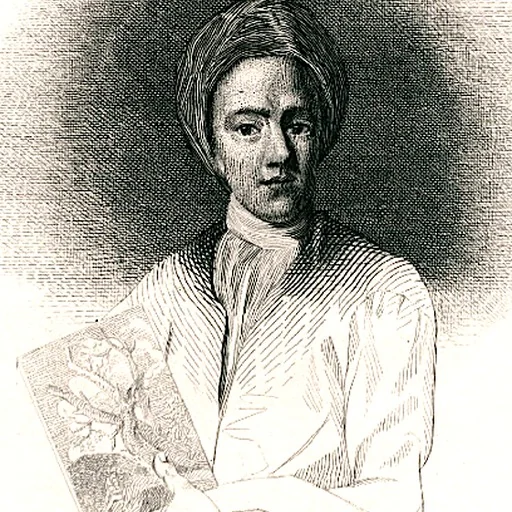
Joseph Goupy was an English engraver, painter, set designer and watercolourist. He was of French descent living and working in London from at least 1711.

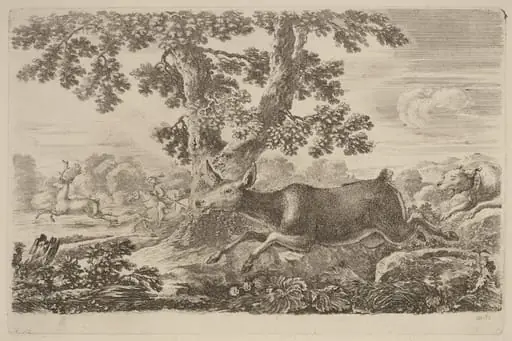 Deer Chased by a Dog to the Right
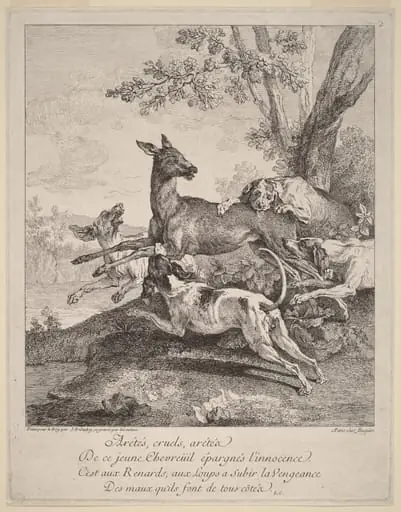 A Deer Attacked by Dogs
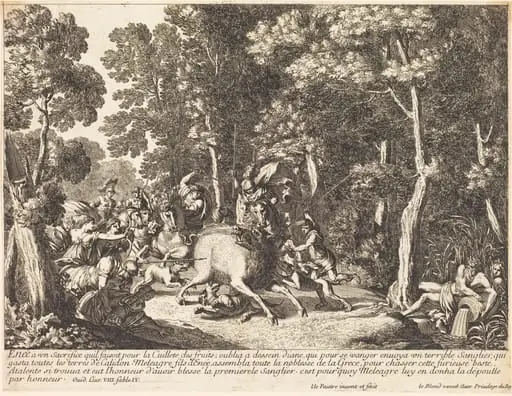 Atlanta and Meleager Hunting the Boar of Calydon
 Untitled
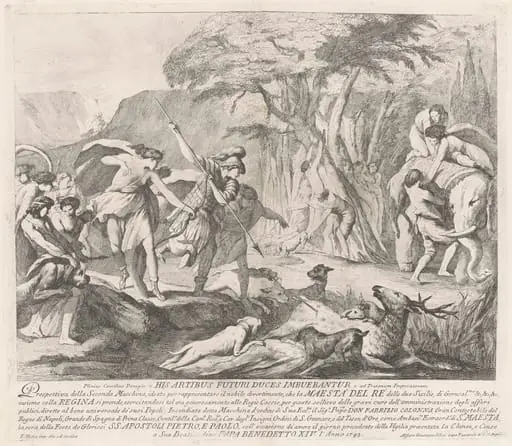 The Seconda Macchina for the Chinea of 1743: The Royal Hunt
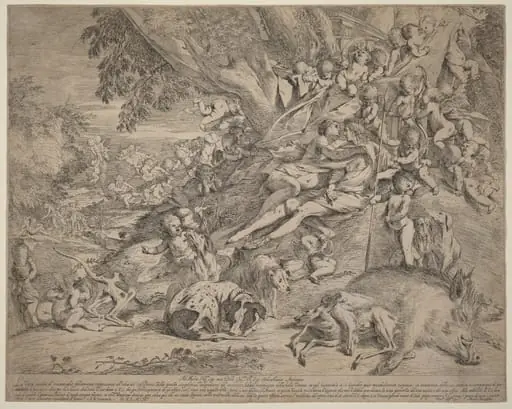 Venus and Adonis
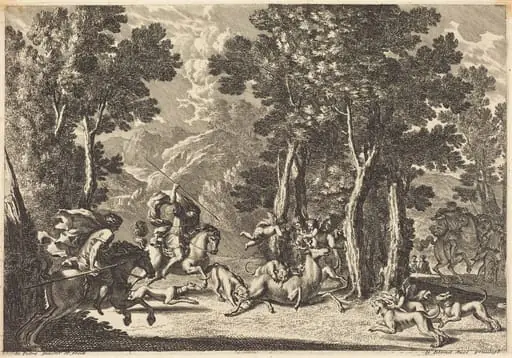 A Stag Hunt
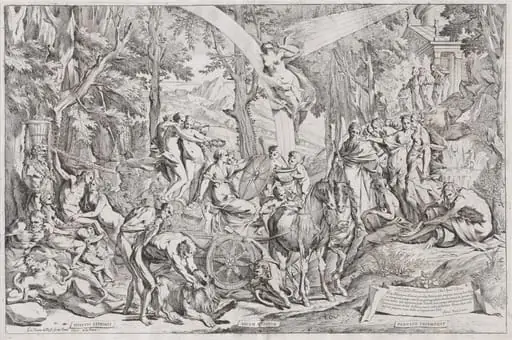 The Triumph of Painting on Parnassus
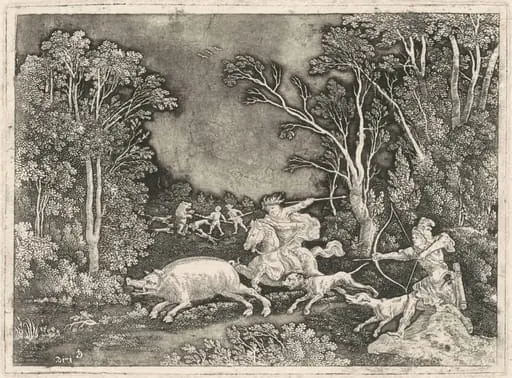 Antique Boar Hunt
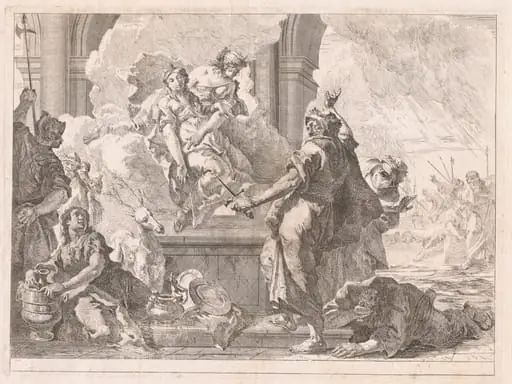 The Sacrifice of Iphigenia
 A Pastoral Journey with a Mother and Child on Horesback and an Elderly Shepherd Seated
 Clovis and Clotilda