Artwork
Atlanta and Meleager Hunting the Boar of Calydon
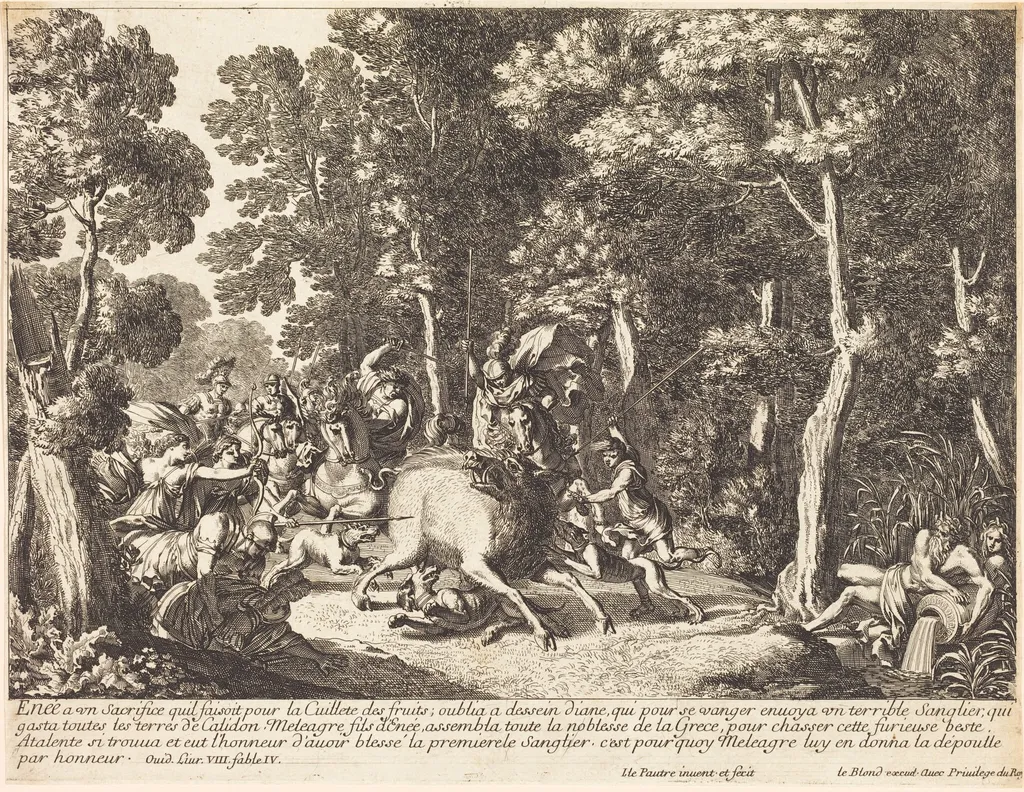
Atlanta and Meleager Hunting the Boar of Calydon is an ink print by the Baroque artist Jean Lepautre. It dates from 1650 and is held in the collection of the National Gallery of Art.
About this work
Overview
Jean Lepautre created this print around 1650 using etching and engraving techniques. The scene depicts a moment from Greek myth in which Atalanta and Meleager join forces to hunt the monstrous Calydonian boar. The composition is densely populated with figures and motion, capturing the chaos of the chase through intricate line work and dynamic positioning.
Subject & Meaning
The print illustrates the mythic hunt of the Calydonian boar, sent by Artemis to punish King Oeneus for neglecting her in sacrifices. Atalanta, a rare female hunter in classical myth, is shown alongside Meleager, highlighting themes of heroism and divine retribution. The boar’s central charge symbolizes uncontrollable nature, while the surrounding figures reflect human response to divine wrath.
Technique & Style
Lepautre employed fine, controlled etched lines to render textures of fur, fabric, and muscle with precision. The engraving’s dense cross-hatching enhances the sense of movement and depth, typical of 17th-century French printmaking. The composition avoids empty space, filling the frame with figures and foliage to amplify the urgency of the hunt.
History & Provenance
Created during Lepautre’s early career in Paris, the print likely served as part of a series illustrating classical myths for collectors and artists. It reflects the period’s revival of interest in antiquity and the popularity of mythological subjects in print form. No specific early ownership records are widely documented, but it circulated among European print enthusiasts.
Context
His prints bridged literary tradition and visual culture, appealing to educated audiences familiar with Ovid and other classical sources.
In mid-17th-century France, mythological themes were favored in decorative arts and prints, often commissioned by aristocratic patrons. Lepautre, trained as an architect and engraver, contributed to this trend by translating narrative scenes into detailed graphic works. His prints bridged literary tradition and visual culture, appealing to educated audiences familiar with Ovid and other classical sources.
Legacy
Lepautre’s print exemplifies the French academic tradition of mythological illustration, influencing later engravers in their treatment of dynamic action and classical subjects. While not widely reproduced today, it remains a representative example of mid-17th-century printmaking, valued for its technical finesse and adherence to literary sources.
Own this work as a print
Artist & collection


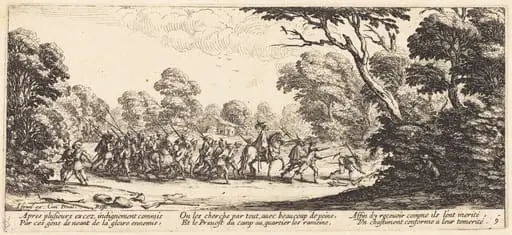 Discovery of the Criminal Soldiers
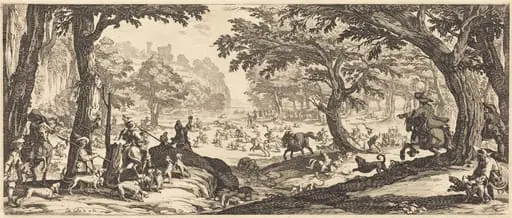 The Stag Hunt
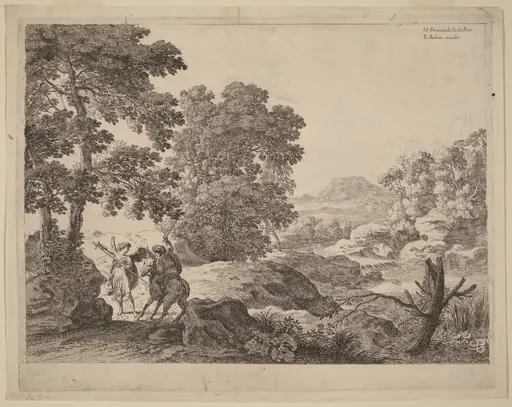 Balaam and the Ass
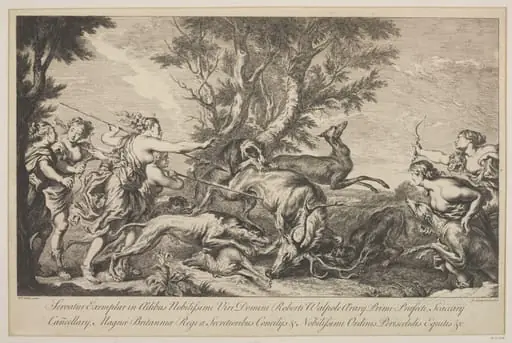 Diana and her nymphs chasing the stag
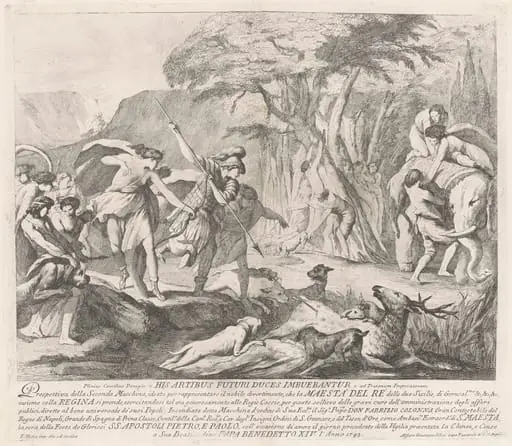 The Seconda Macchina for the Chinea of 1743: The Royal Hunt
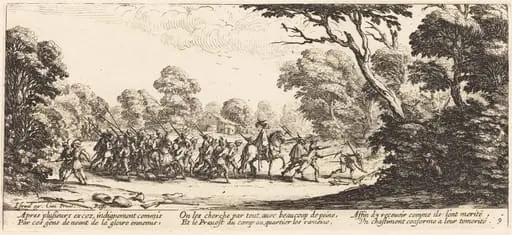 Discovery of the Criminal Soldiers
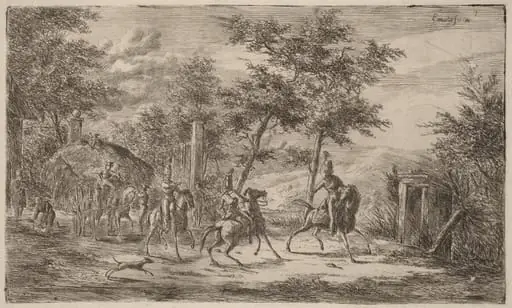 Cavalry and Hay Wagon
 The Deer Hunt
 Discovery of the Criminal Soldiers
 Untitled
 The Flight into Egypt (La fuite en Egypte)