Artwork
Untitled
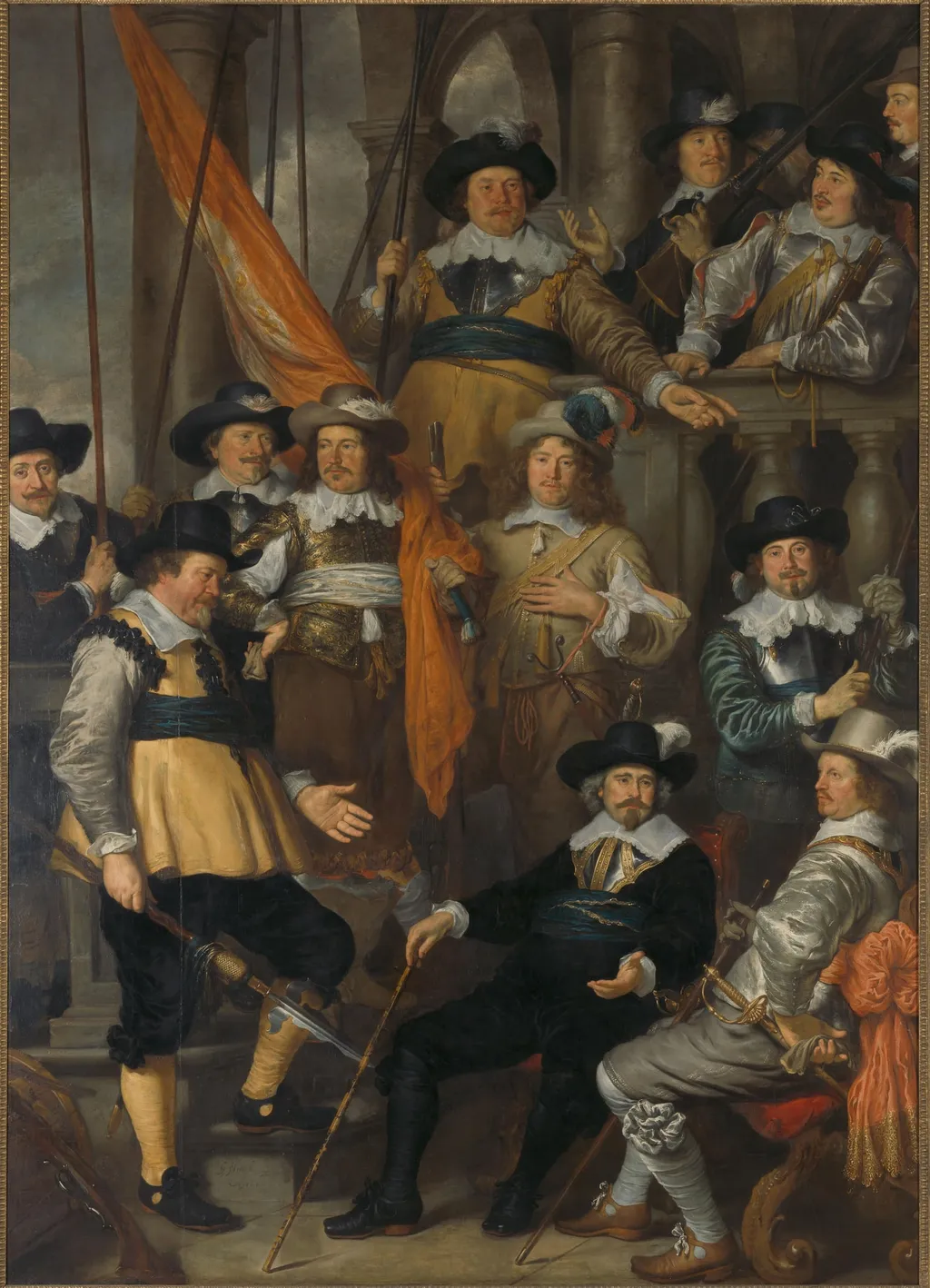
Untitled is an unspecified painting by the Dutch Golden Age artist Govert Flinck. It dates from 1645 and is held in the collection of the Rijksmuseum.
About this work
Overview
Alongside paintings by Rembrandt, van der Helst, and von Sandrart, it contributed to a cohesive decorative program celebrating the city’s armed citizenry.
Painted in 1645 by Govert Flinck, this work was commissioned as part of a series of civic guard portraits for the Kloveniersdoelen in Amsterdam. Its vertical format was determined by the narrow wall space beside a fireplace in the newly expanded militia hall. Alongside paintings by Rembrandt, van der Helst, and von Sandrart, it contributed to a cohesive decorative program celebrating the city’s armed citizenry.
Subject & Meaning
The painting depicts Captain Albert Bas and members of his crossbowmen’s company, arranged in a compact circle to accommodate the constrained space. The captain, distinguished by his bright sash, stands at the center, symbolizing leadership and cohesion. The composition reflects the collective identity of the militia, emphasizing unity rather than individual prominence, consistent with civic guard portraiture of the period.
Technique & Style
Flinck employed a restrained palette dominated by dark garments, with the captain’s sash providing a focal point of color. Brushwork is precise but not overly ornate, favoring clarity of form over dramatic lighting. The figures are tightly grouped, their poses natural yet controlled, reflecting the influence of Rembrandt’s compositional strategies while maintaining a more formal, orderly tone.
History & Provenance
Created for the Kloveniersdoelen, the painting remained in situ until the building’s function changed. In 1885, it was transferred to municipal ownership and placed on loan to what would become the Rijksmuseum. Its preservation reflects the city’s commitment to maintaining its civic heritage, even as the militia’s role faded into history.
Context
The painting belongs to a tradition of Dutch civic guard portraits that flourished in the mid-17th century, when wealthy burghers commissioned group images to assert their social status and civic duty. The Kloveniersdoelen’s renovation and the commissioning of six large canvases marked a peak in this practice, aligning Amsterdam’s military organizations with ideals of order and collective identity.
Legacy
Though less widely known than Rembrandt’s Night Watch, Flinck’s work remains a significant example of how spatial constraints shaped artistic composition in Dutch civic portraiture. It offers insight into the visual language of communal identity and the practical realities of decorating public spaces during the Golden Age.
Own this work as a print
Artist & collection

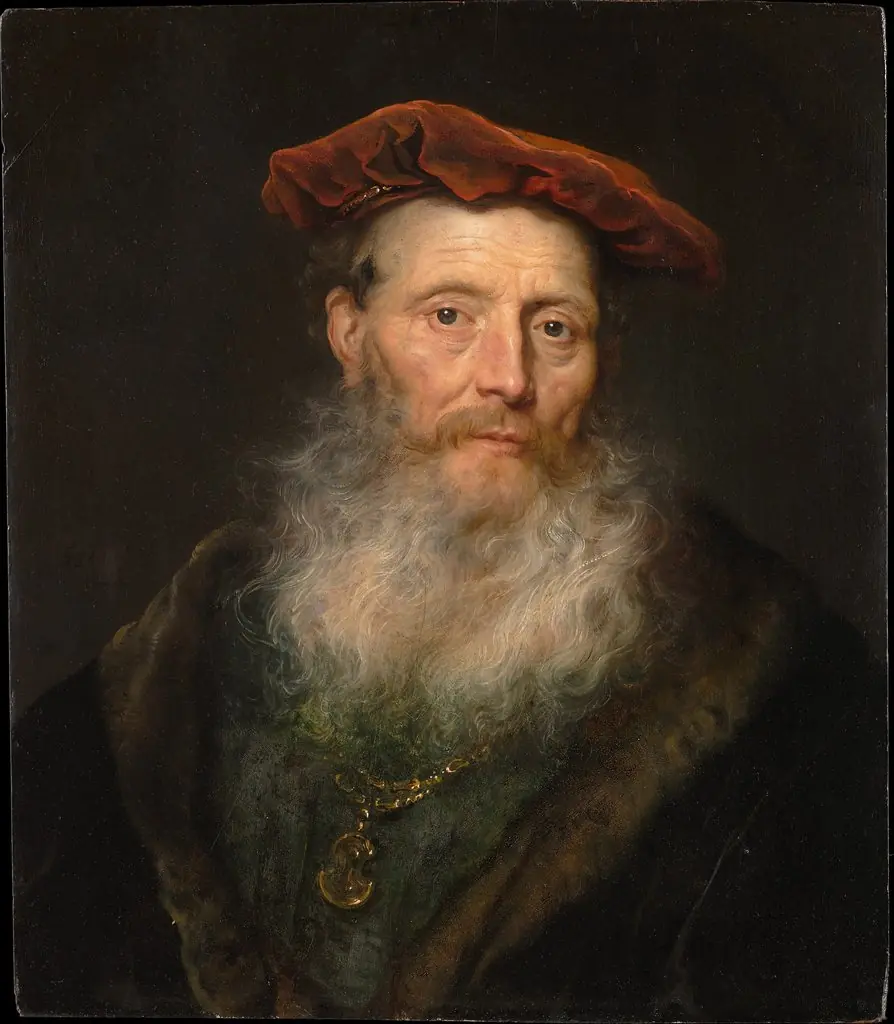 Bearded Man with a Velvet Cap
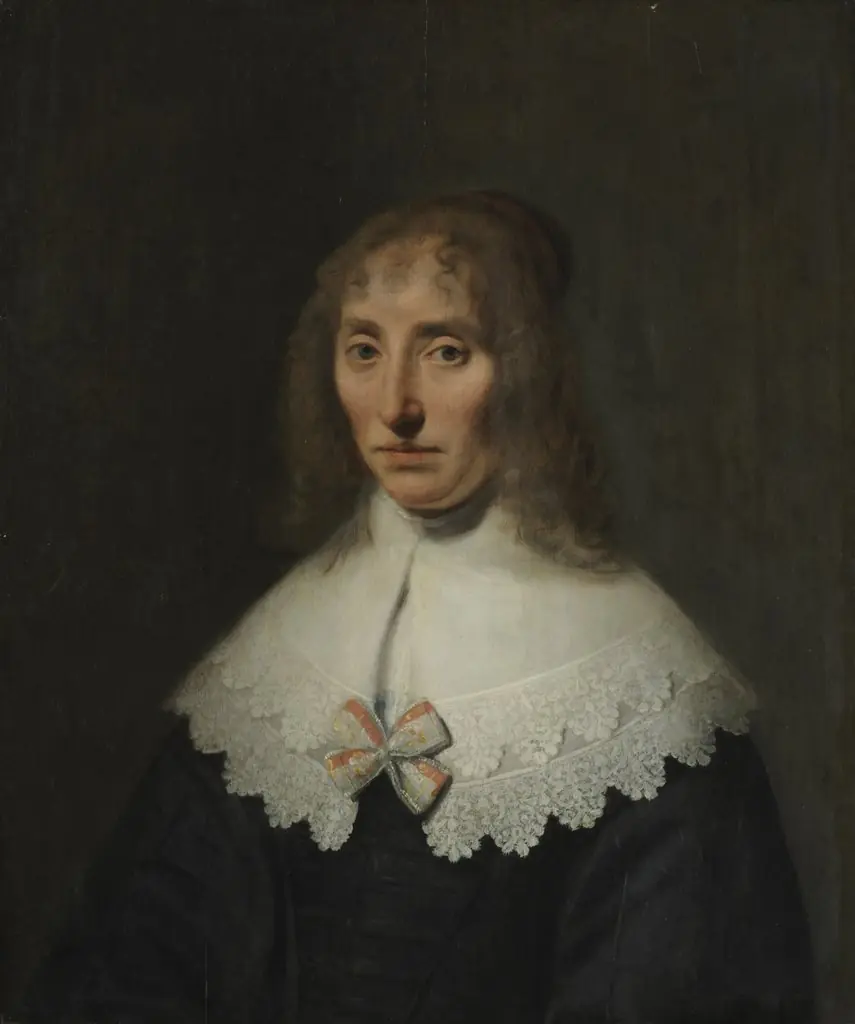 Portrait of a Woman
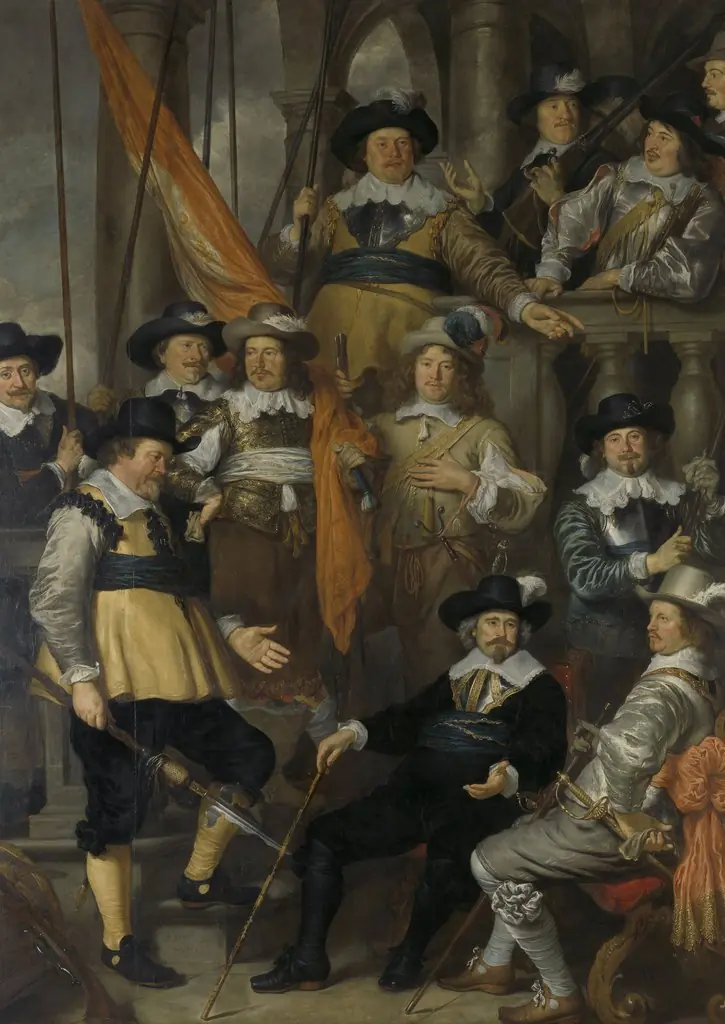 The Company of Captain Albert Bas and Lieutenant Lucas Conijn
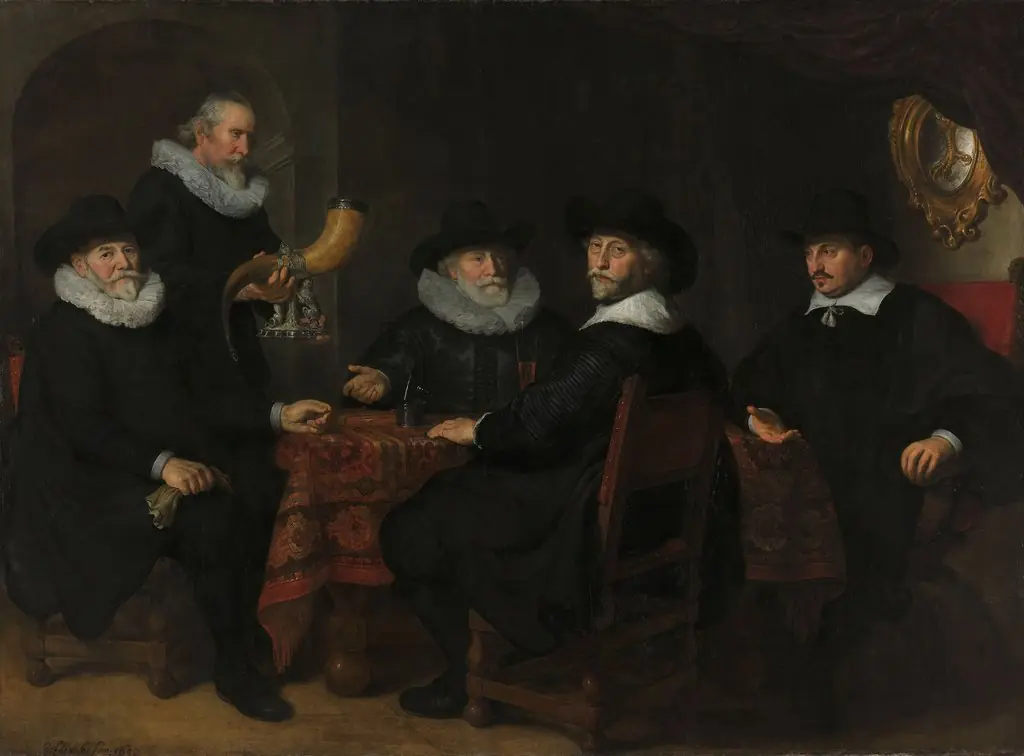 Four directors of the arquebusier's guild, Amsterdam, 1642
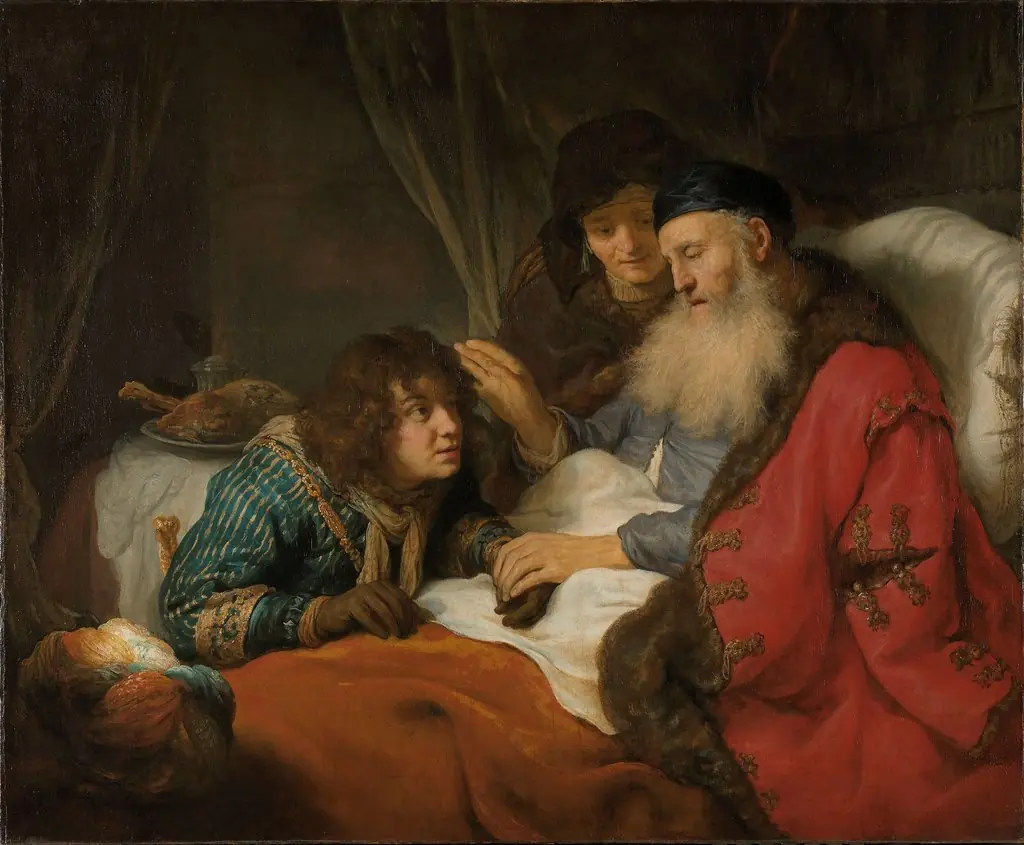 Isaac Blessing Jacob
 Mercury, Argus and Io
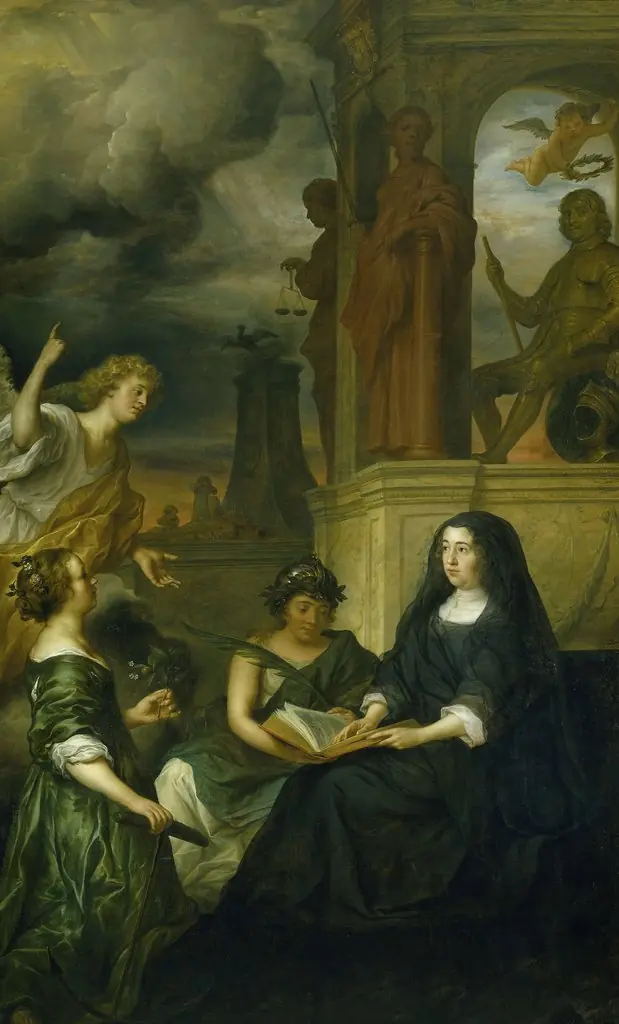 Allegory on the memory of Frederik Hendrik (1584-1647), prince of Orange, with the portrait of his widow Amalia van Solms
 Susanna and the Elders
 Officers and other civic guardsmen of the IIIrd District of Amsterdam, under the command of Captain Allaert Cloeck and Lieutenant Lucas Jacobsz Rotgans
 Officers and other Civic Guardsmen of the V District in Amsterdam under the command of Captain Cornelis de Graeff and Lieutenant Hendrick Lauwrensz
 Militia Company of District XI under the Command of Captain Reynier Reael
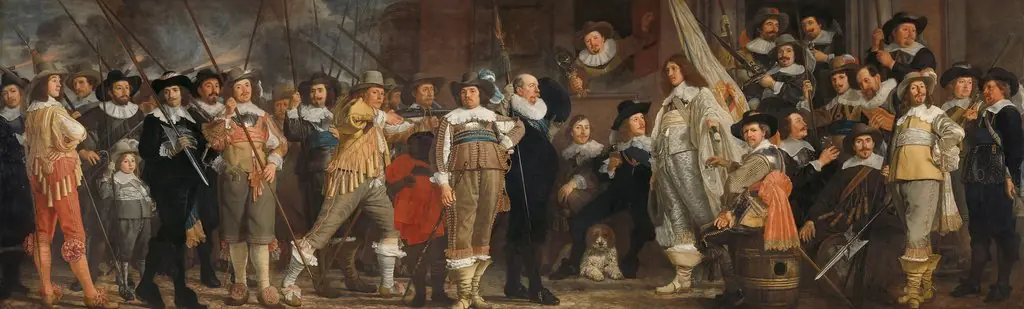 Militia Company of District VIII under the Command of Captain Roelof Bicker
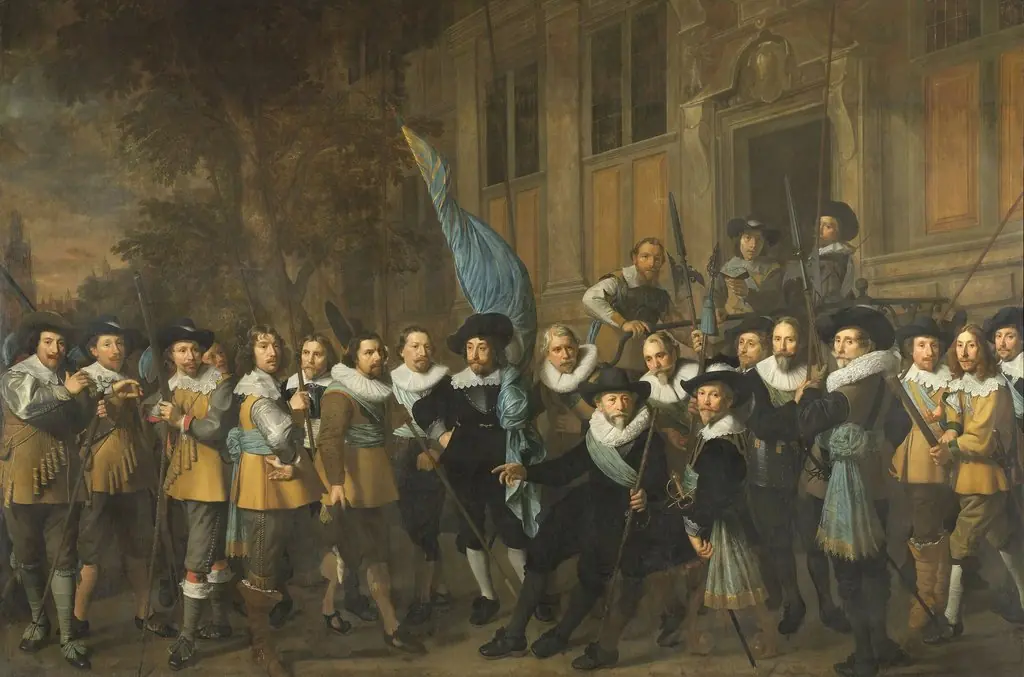 Officers and other civic guardsmen of the IVth District of Amsterdam, under the command of Captain Jan Claesz van Vlooswijck and Lieutenant Gerrit Hudde
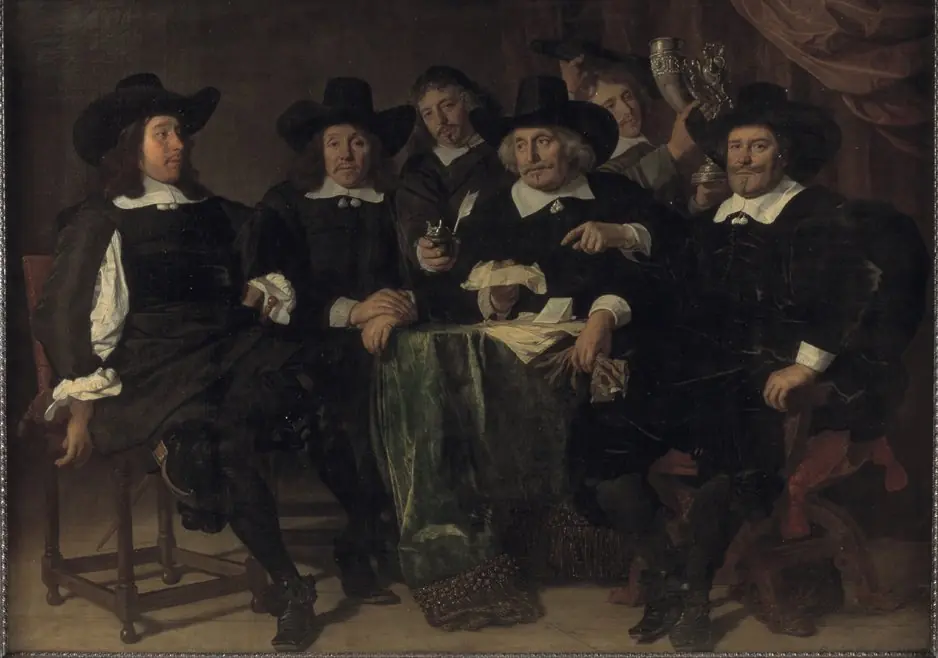 The directors of the Amsterdam civic guard of St. George in 1656
 Elegant Couples Courting
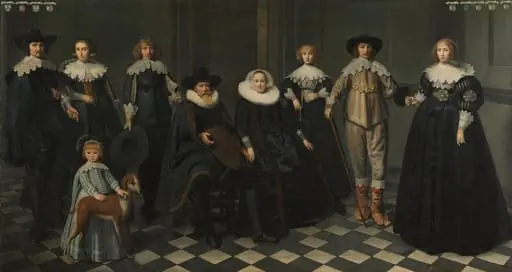 Portrait of the Family of Dirck Jacobsz Bas (1569-1637), Burgomaster of Amsterdam, and Margriet Snoeck (1588-1645)
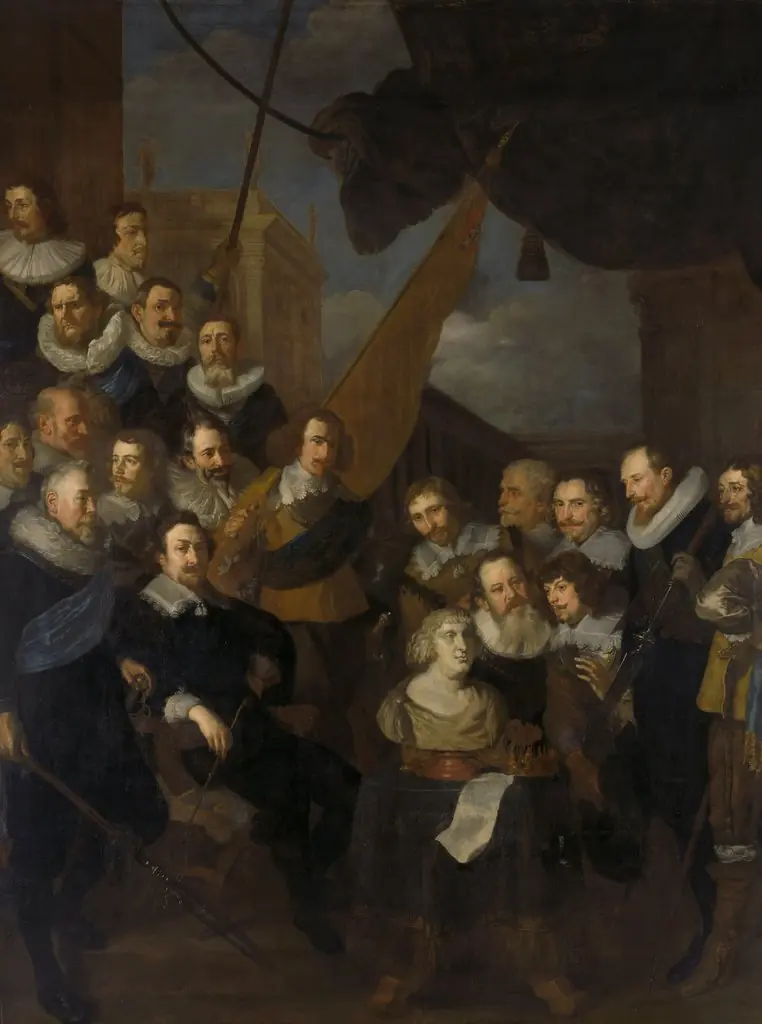 Officers of the militia of departmetn XIX in Amsterdam under the command of Cornelis Bicker and Frederick van Banchem, ready to receive Maria de' Medici in 1638