Artwork
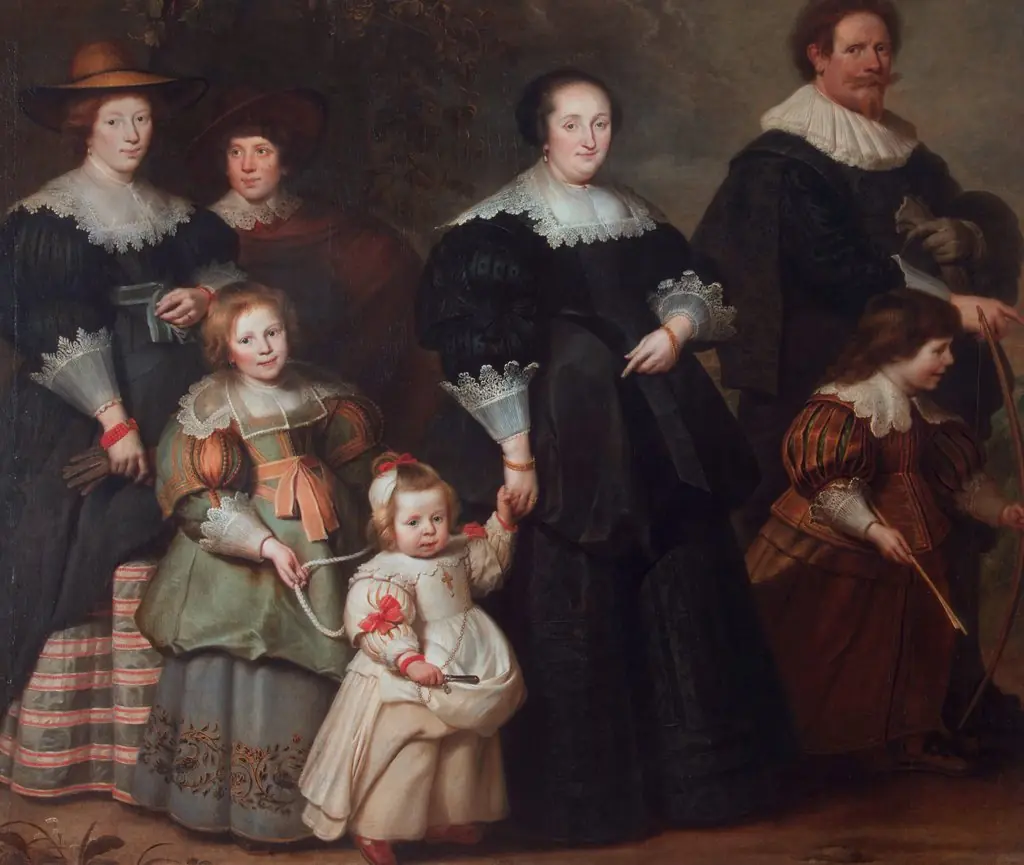
Portrait of the Family of Dirck Jacobsz Bas (1569-1637), Burgomaster of Amsterdam, and Margriet Snoeck (1588-1645)
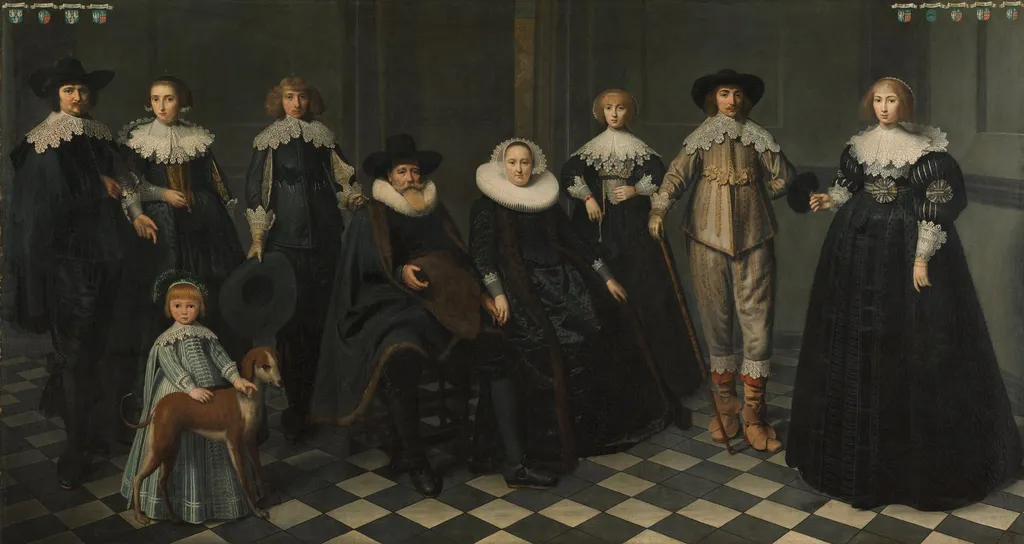
Portrait of the Family of Dirck Jacobsz Bas (1569-1637), Burgomaster of Amsterdam, and Margriet Snoeck (1588-1645) is an unspecified painting by the Dutch Golden Age artist Dirck van Santvoort. It dates from 1634 and is held in the collection of the Rijksmuseum.
About this work
Overview
The group portrait depicts Dirck Jacobsz Bas, mayor of Amsterdam, seated centrally with his second wife, Margriet Snoeck, while their children stand behind them. The family members are presented in a formal arrangement, each dressed in dark attire with contrasting white collars, and a small dog appears at the feet of the youngest son.
Subject & Meaning
The composition emphasizes the status and cohesion of a prominent civic family in early‑17th‑century Amsterdam. By placing the patriarch and his spouse at the centre and surrounding them with their offspring, the work conveys lineage, prosperity, and the social expectations of respectable Dutch households.
Technique & Style
Executed in oil on canvas, the painting displays meticulous attention to texture, evident in the rendering of the dog’s fur and the fine lace of the collars. The subdued palette of blacks and whites, combined with careful modeling of faces, reflects the sober aesthetic typical of Dutch portraiture of the period.
History & Provenance
The work is unsigned, leaving the artist unidentified. It records the family members by name, including the children Machteld, Jacob, Agatha, Claes, and Lysbeth, along with their spouses and dates of birth and death, providing a valuable genealogical record.
Context
Created during a time when Amsterdam’s municipal leaders commissioned family portraits to assert their civic authority, the painting aligns with contemporary practices of documenting wealth and social rank through domestic imagery.
Legacy
As a visual document of a 17th‑century Amsterdam mayoral family, the portrait offers insight into the conventions of Dutch portraiture, familial representation, and the role of heraldic symbols in affirming status within the Republic’s urban elite.
Artist & collection

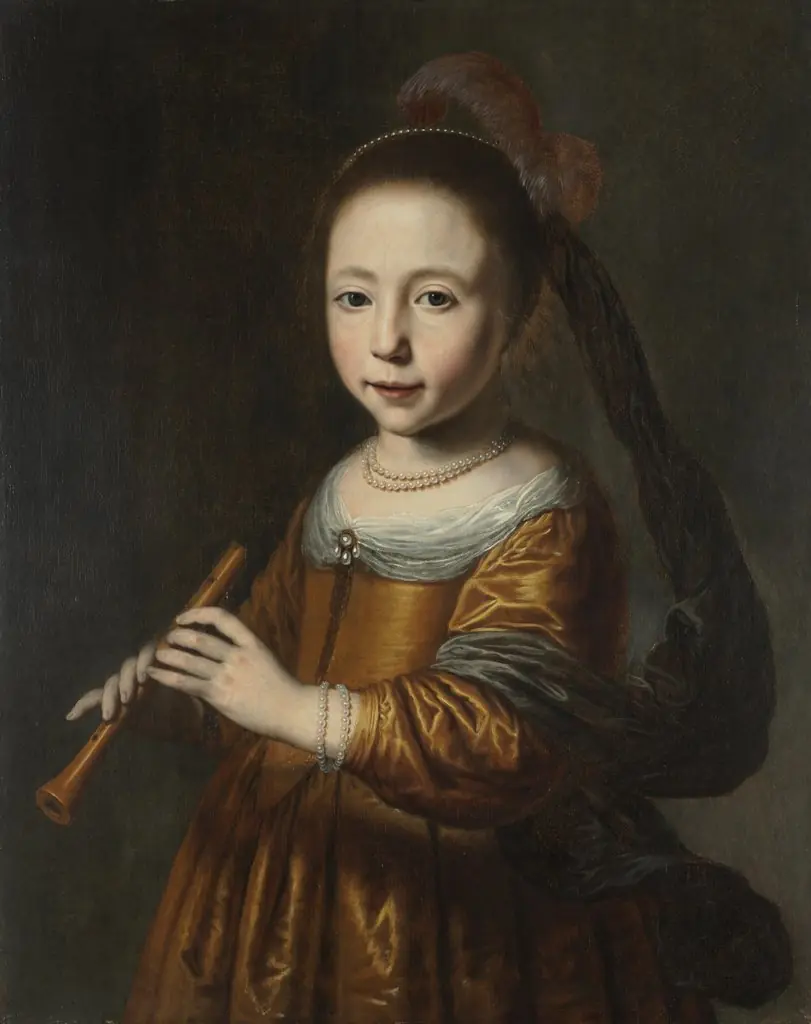 Portrait of Elizabeth Spiegel
 The family of Dirck Bas Jacobsz, burgomaster of Amsterdam
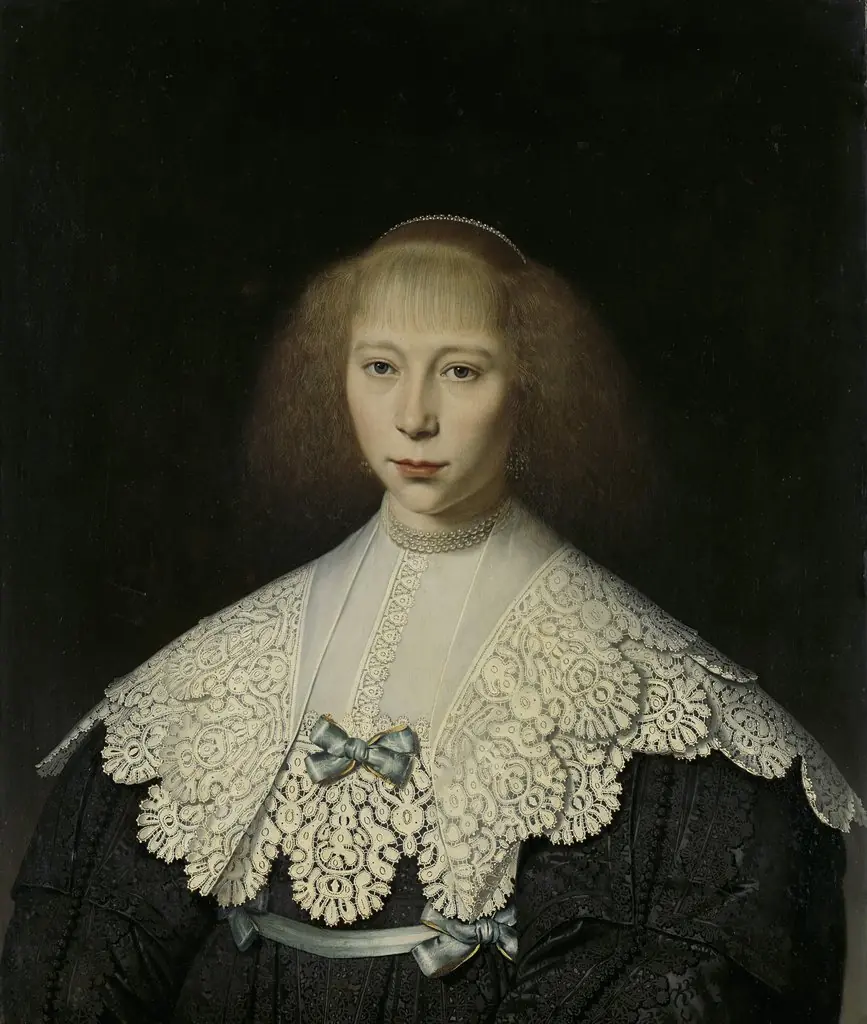 Agatha Geelvinck (1617-38). First wife of Frederik Dircksz Alewijn
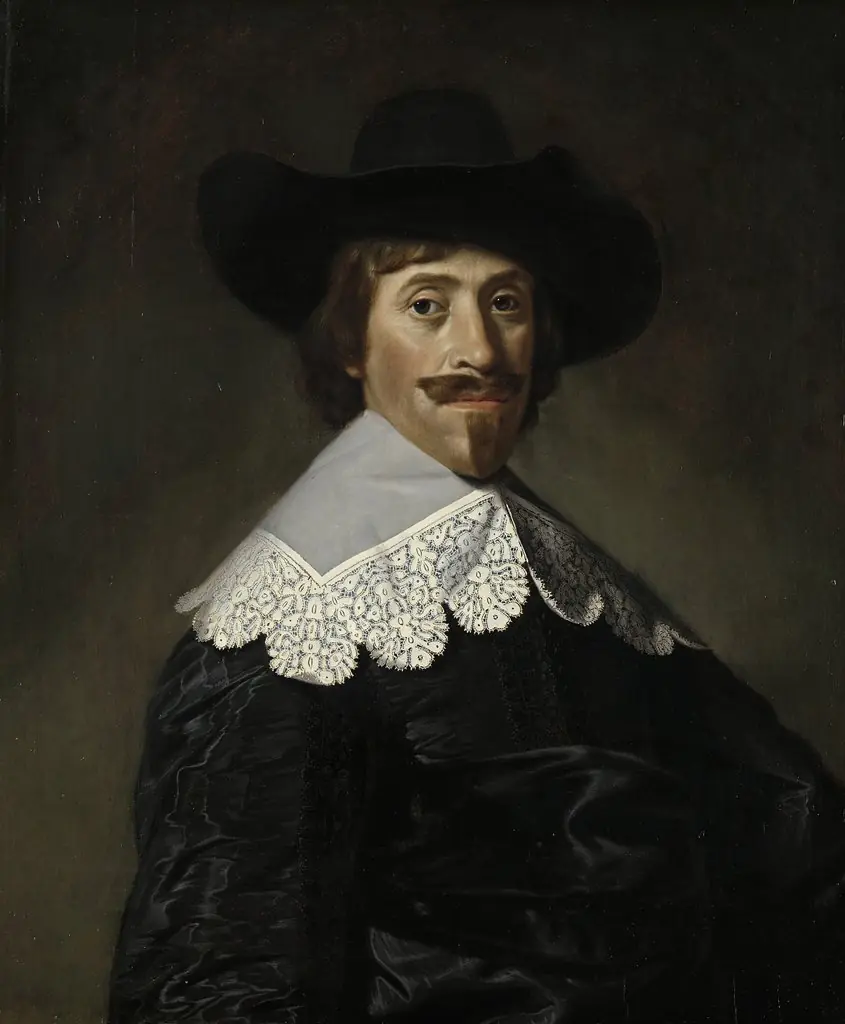 Frederik Dircksz Alewijn (1603-65). Alderman and councillor of Amsterdam
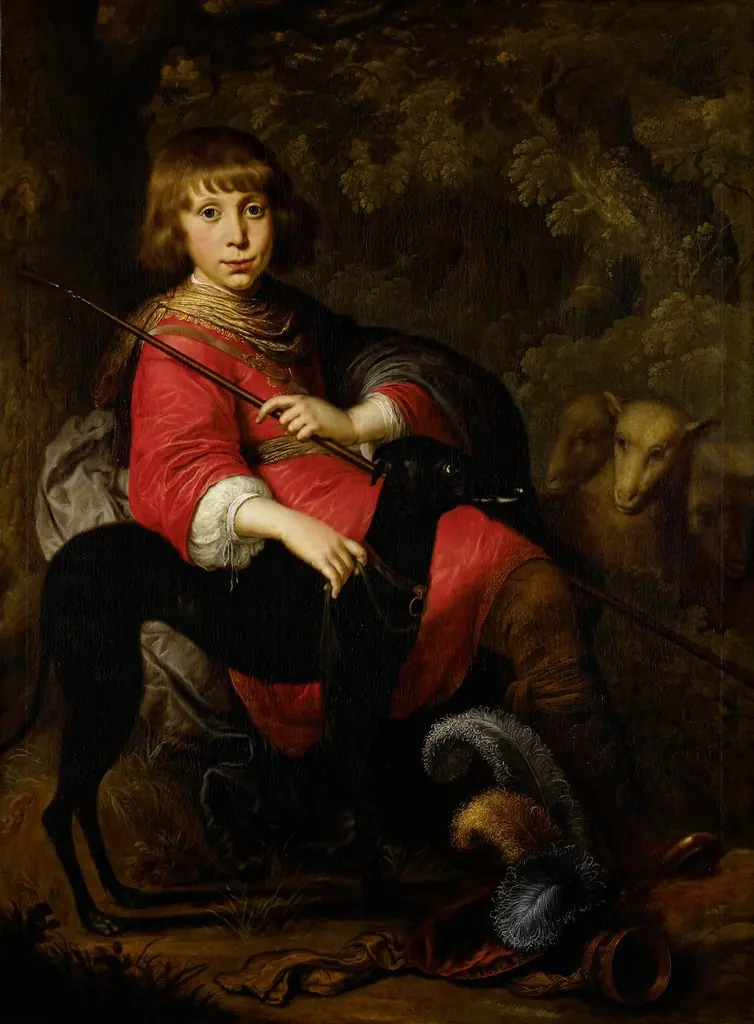 Martinus Alewijn (1634-84). Son of Abraham Alewijn and Geertruid Hooftman
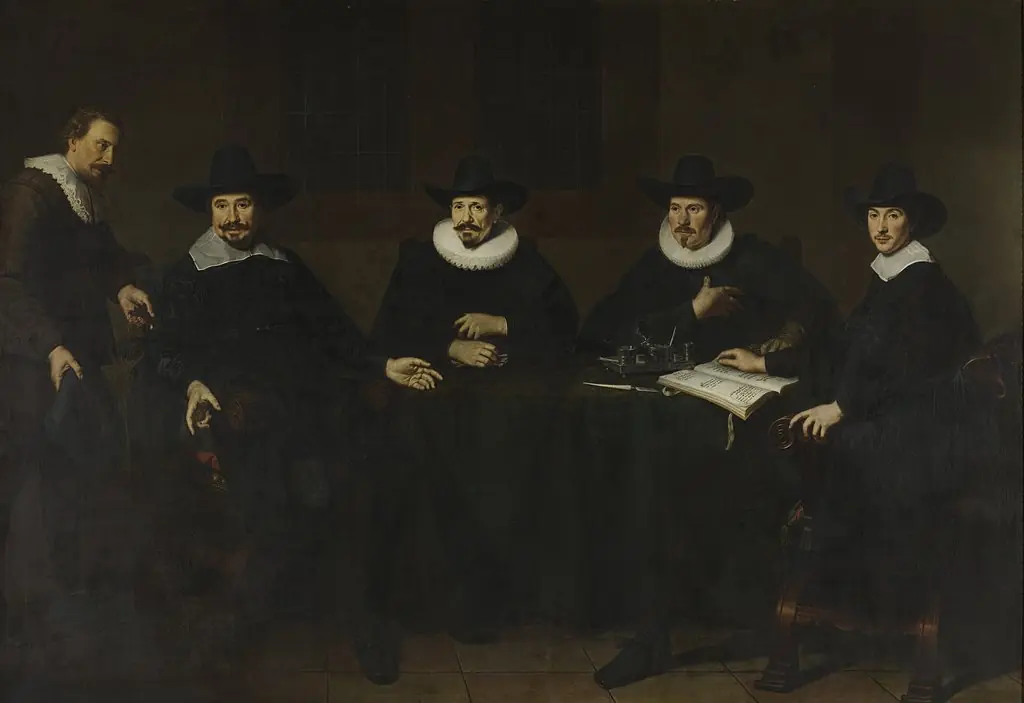 The directors of the serge cloth industry, Amsterdam, 1643
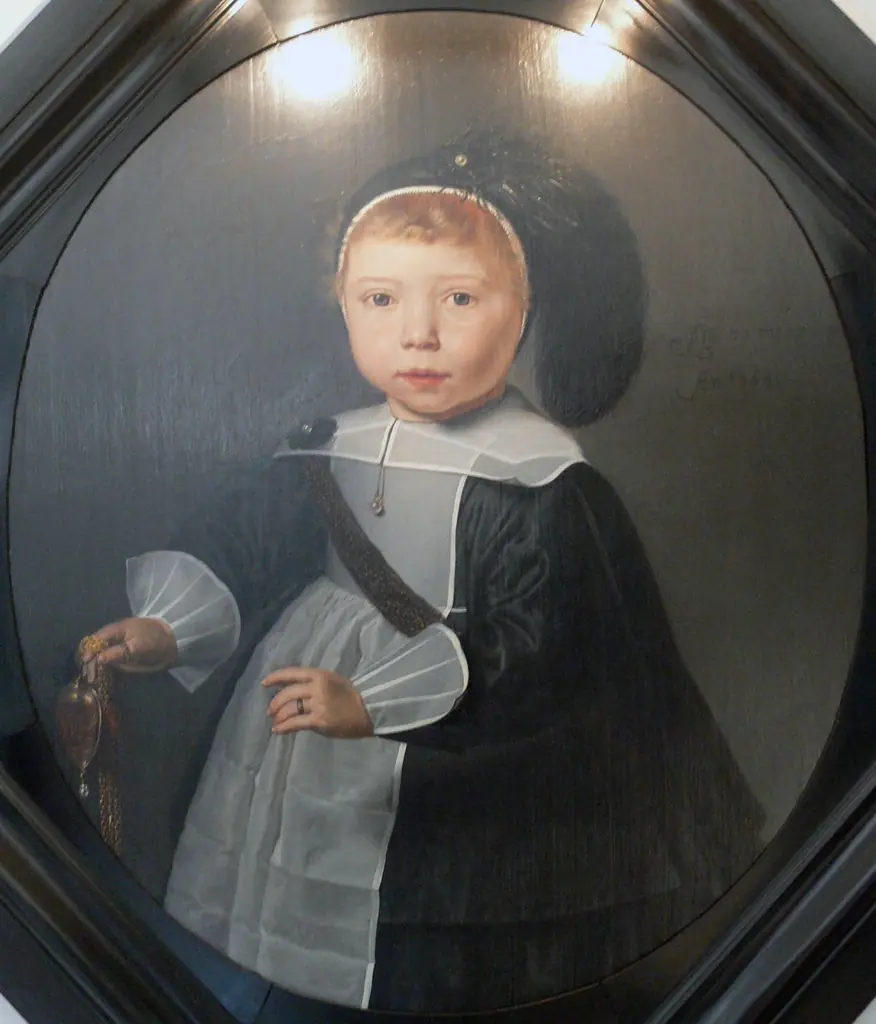 Portrait of Willem Van Loon (later mayor of Amsterdam), aged 2 1/2
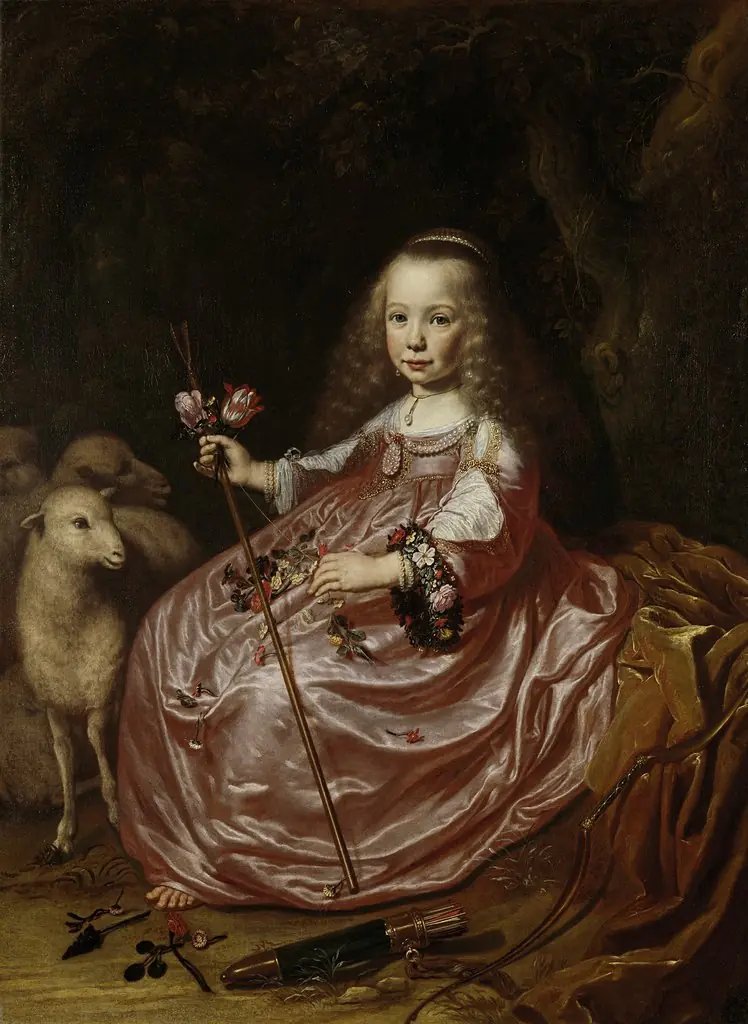 Clara Alewijn (1635-74). Daughter of Abraham Alewijn and Geertruid Hooftman
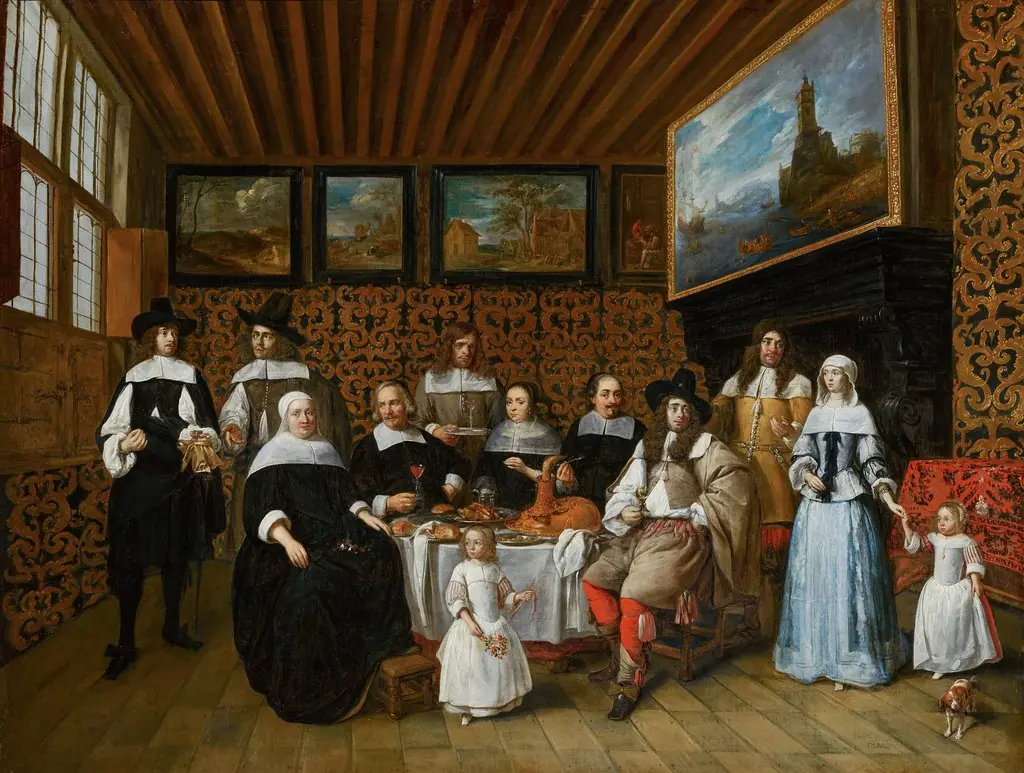 Family Portrait
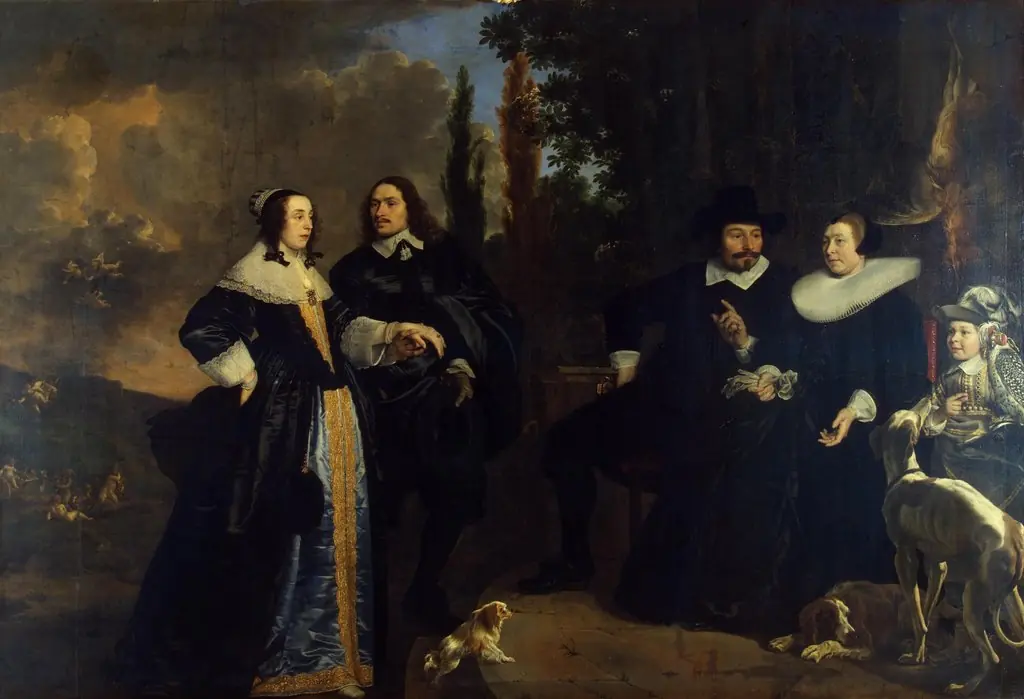 Family Portrait
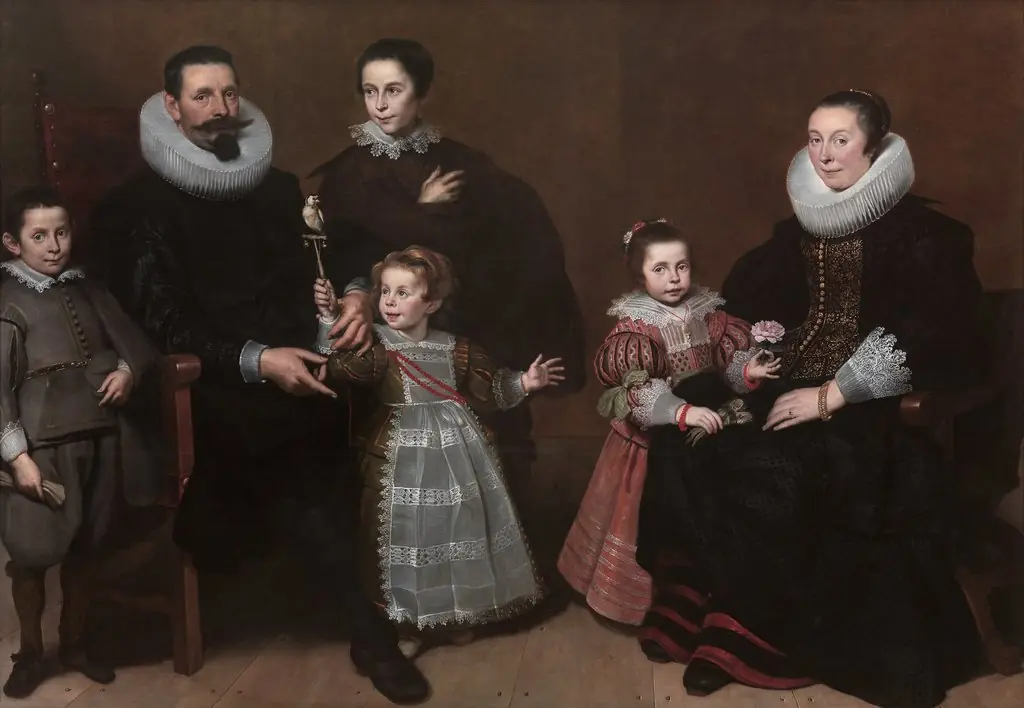 Portrait of a Family
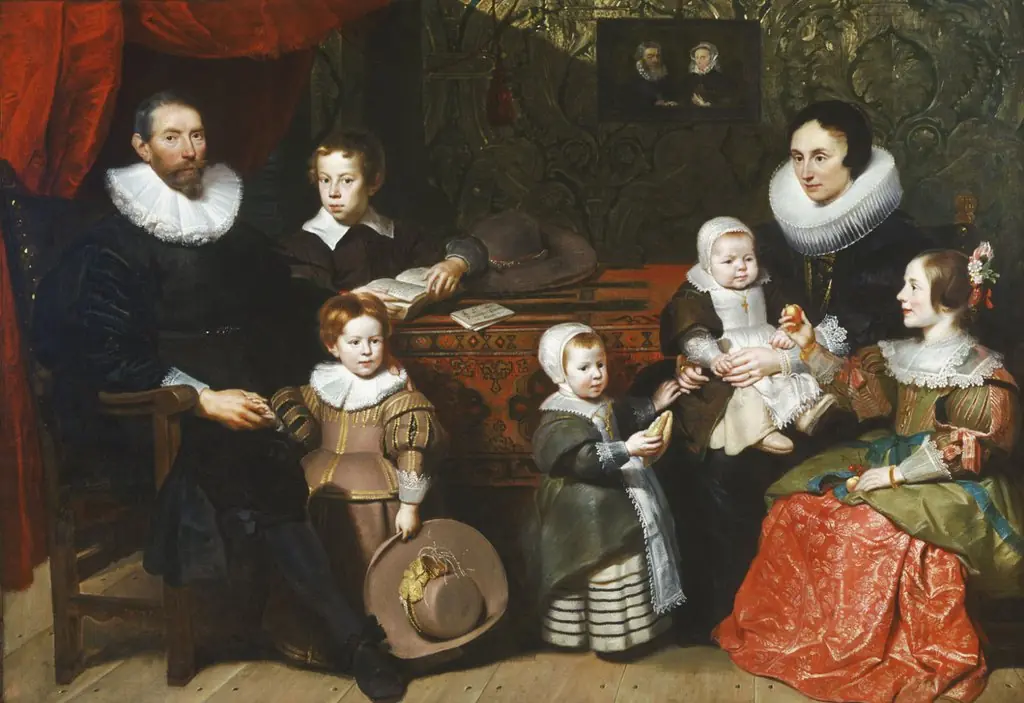 Portrait of Anthony Reyniers and His Family
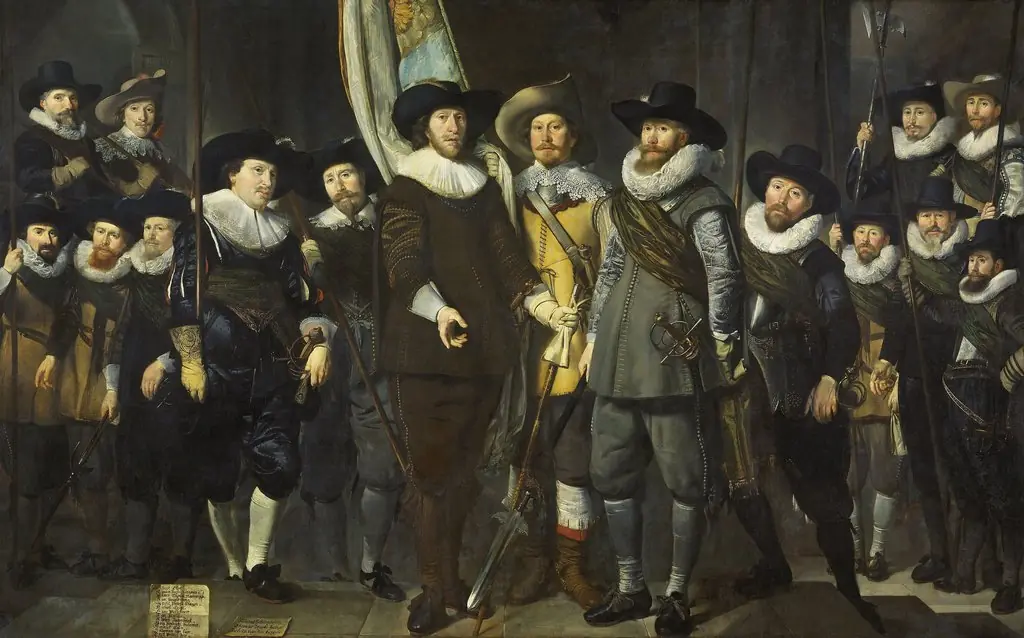 Officers and other civic guardsmen of the IIIrd District of Amsterdam, under the command of Captain Allaert Cloeck and Lieutenant Lucas Jacobsz Rotgans
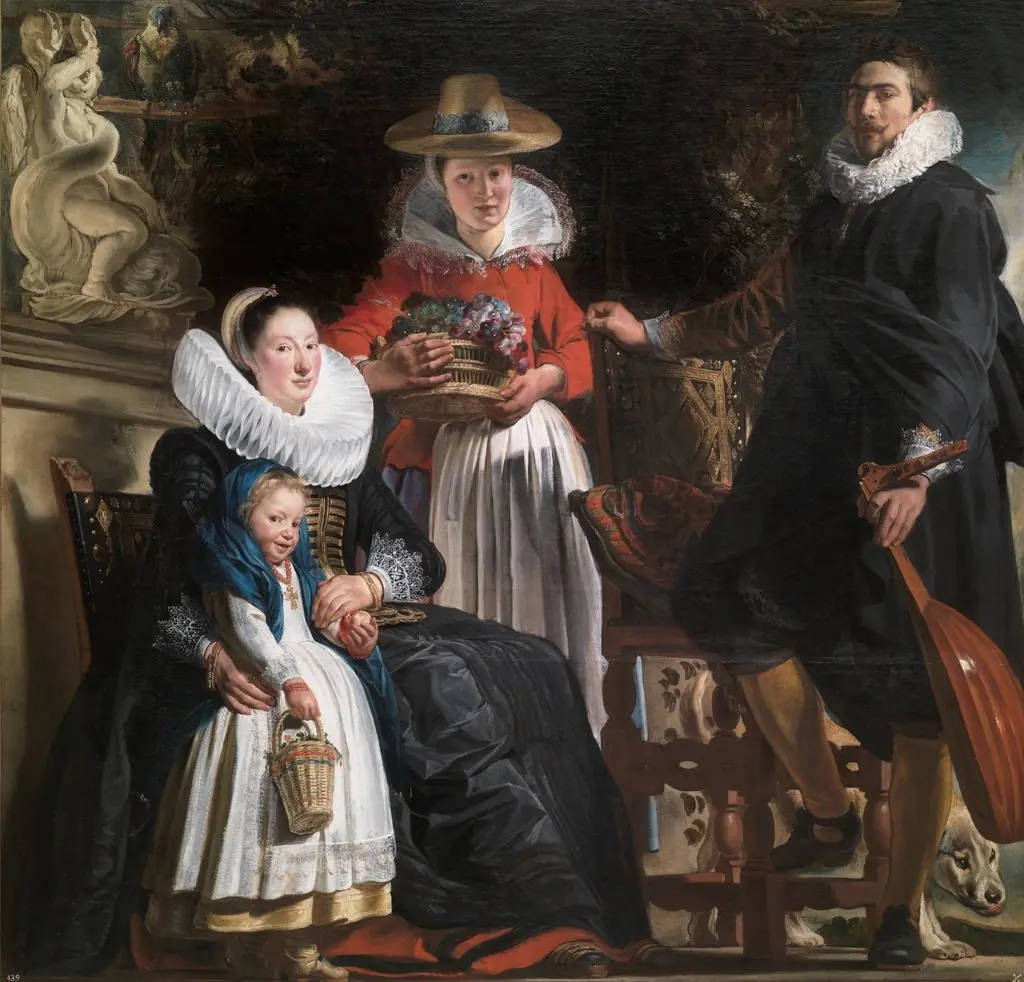 Portrait of the artist with his family
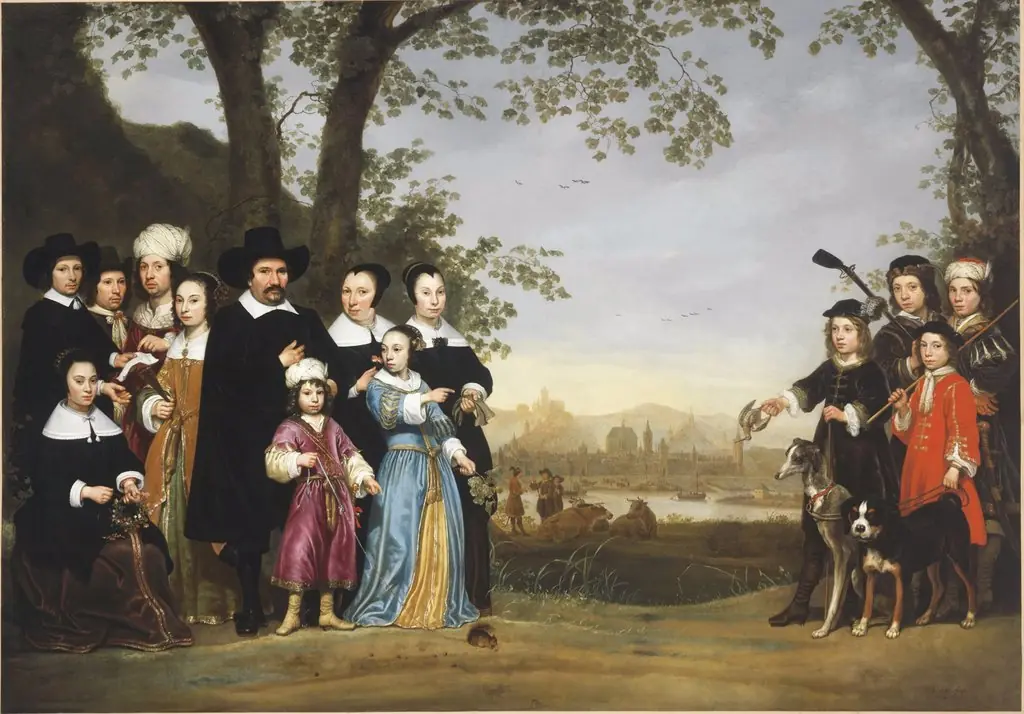 Portrait of the Sam Family
 Self-Portrait of the Artist with his Wife Suzanne Cock and their Children