Artwork
Nada (Nothing)
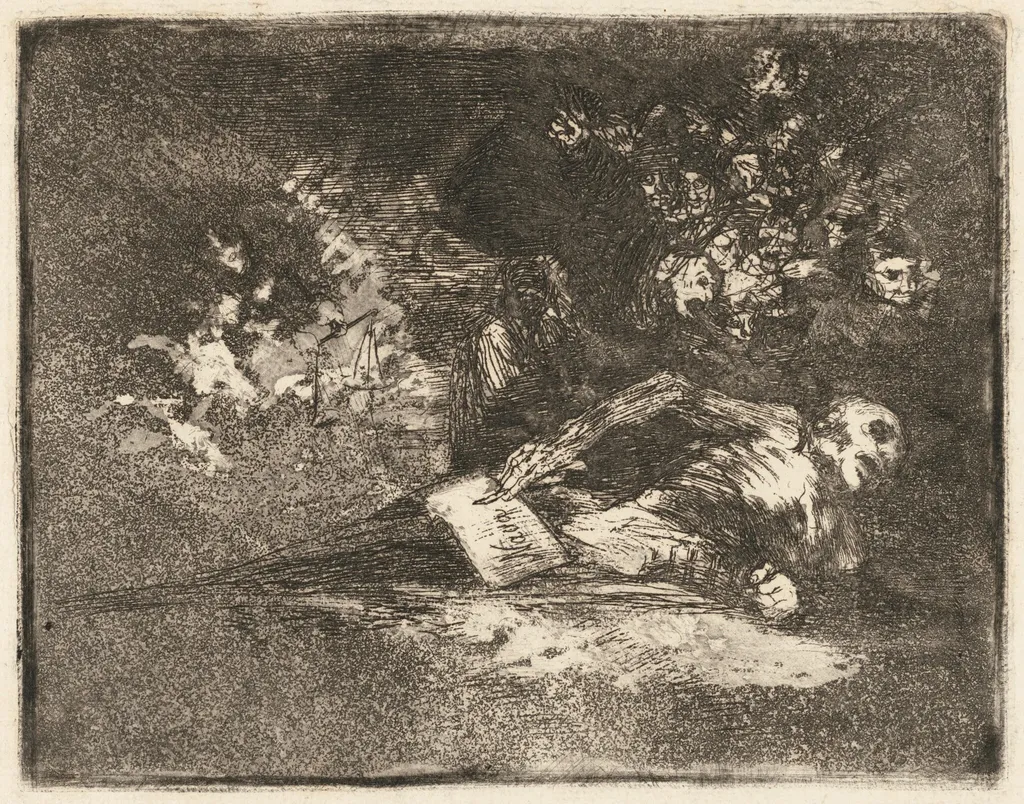
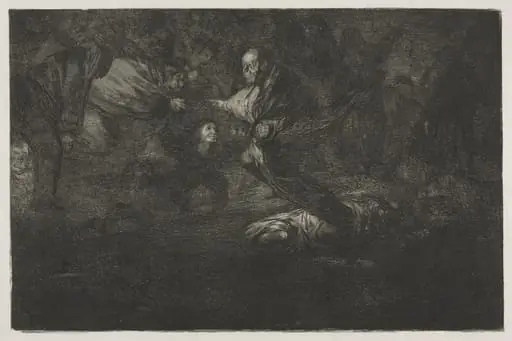
Nada (Nothing) is an ink print by the Romanticist artist Francisco Goya. It dates from 1815 and is held in the collection of the National Gallery of Art.
About this work
Overview
Nada (Nothing) is a print created by Francisco Goya in 1815 using a combination of etching, aquatint, lavis, and burnishing techniques on laid paper.
Subject & Meaning
The print depicts a haunting scene with two figures in a dark, wooded environment. One figure lies on the ground, wrapped in cloth, while another figure bends over them, holding a lantern. The title 'Nada' (Nothing) suggests a sense of desolation or hopelessness.
Technique & Style
Goya employed a range of techniques, including etching and burnishing, to achieve deep blacks and fine lines, creating an eerie atmosphere. The use of aquatint and lavis added texture and depth to the image.
Legacy
Goya's innovative printmaking techniques and expressive style have influenced artists in the 19th and 20th centuries, positioning him as a bridge between traditional and modern art.
Artist & collection
Artist
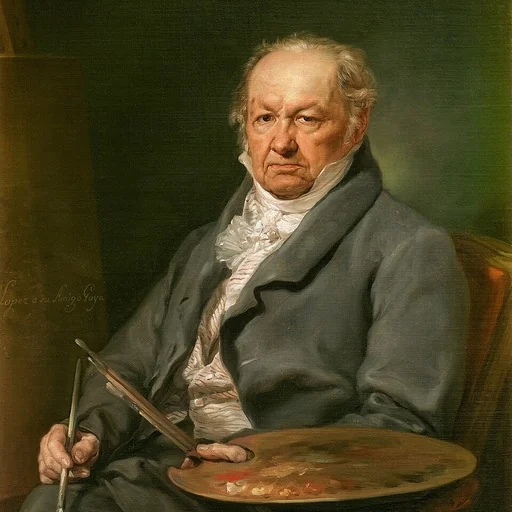
Francisco José de Goya y Lucientes (; Spanish: ; 30 March 1746 – 16 April 1828) was a Spanish romantic painter and printmaker.

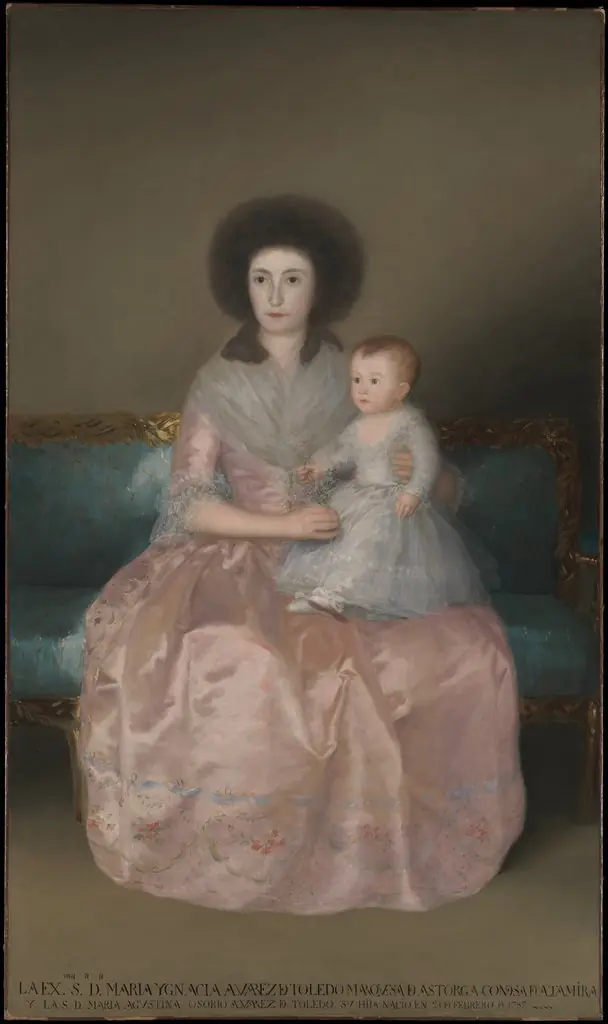
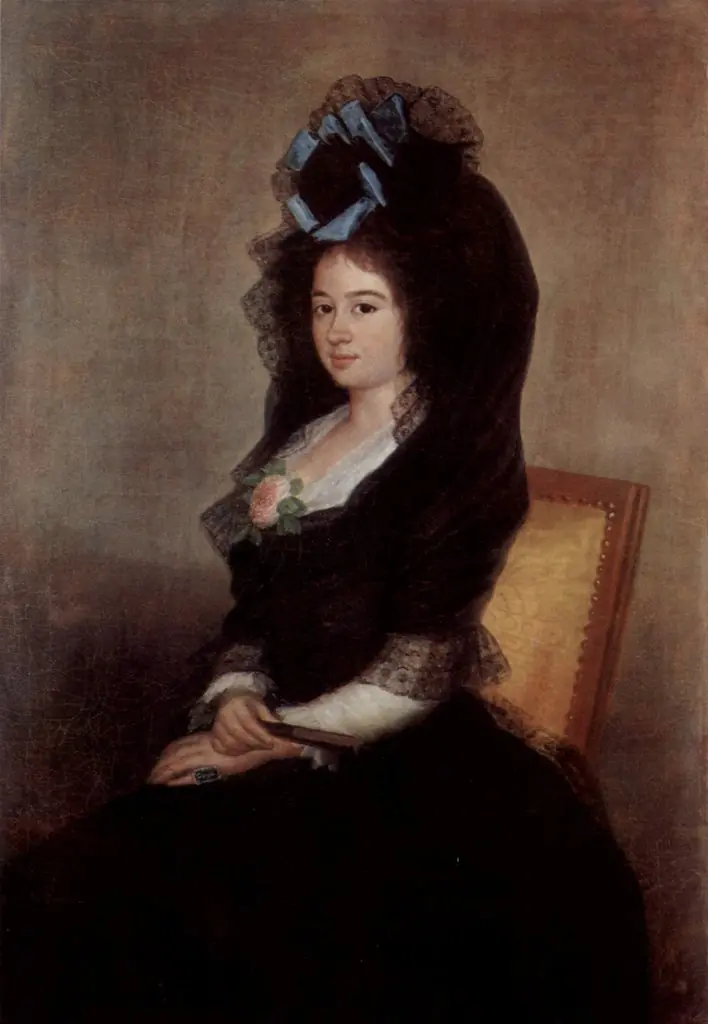
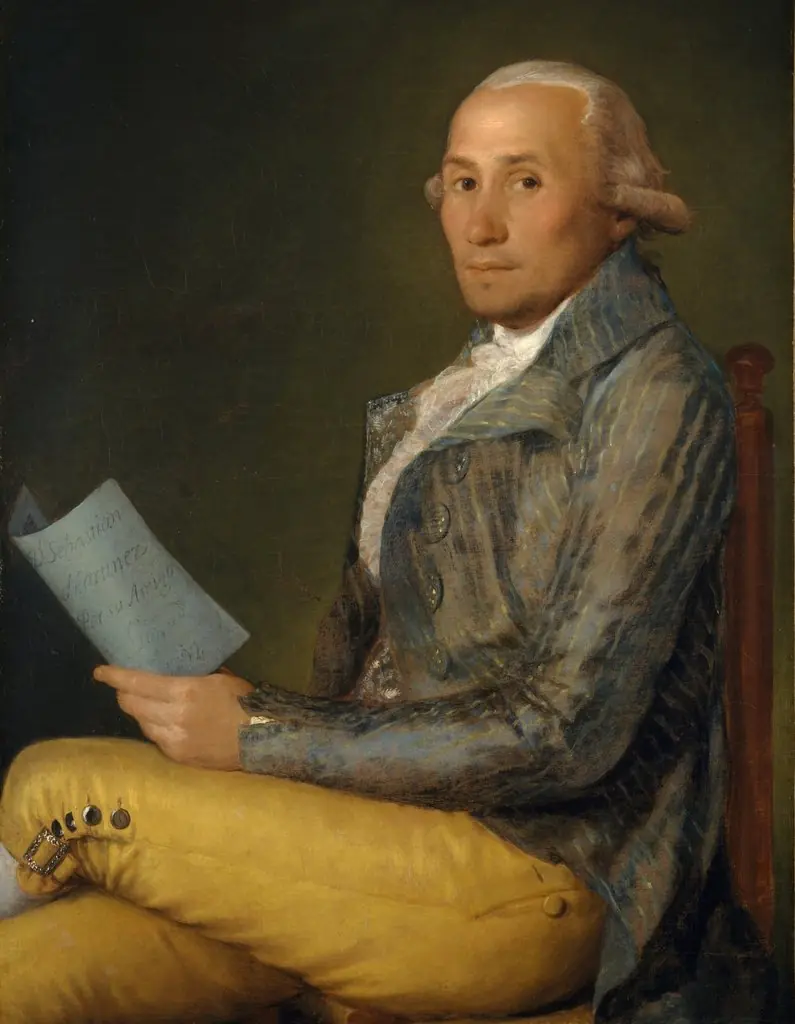
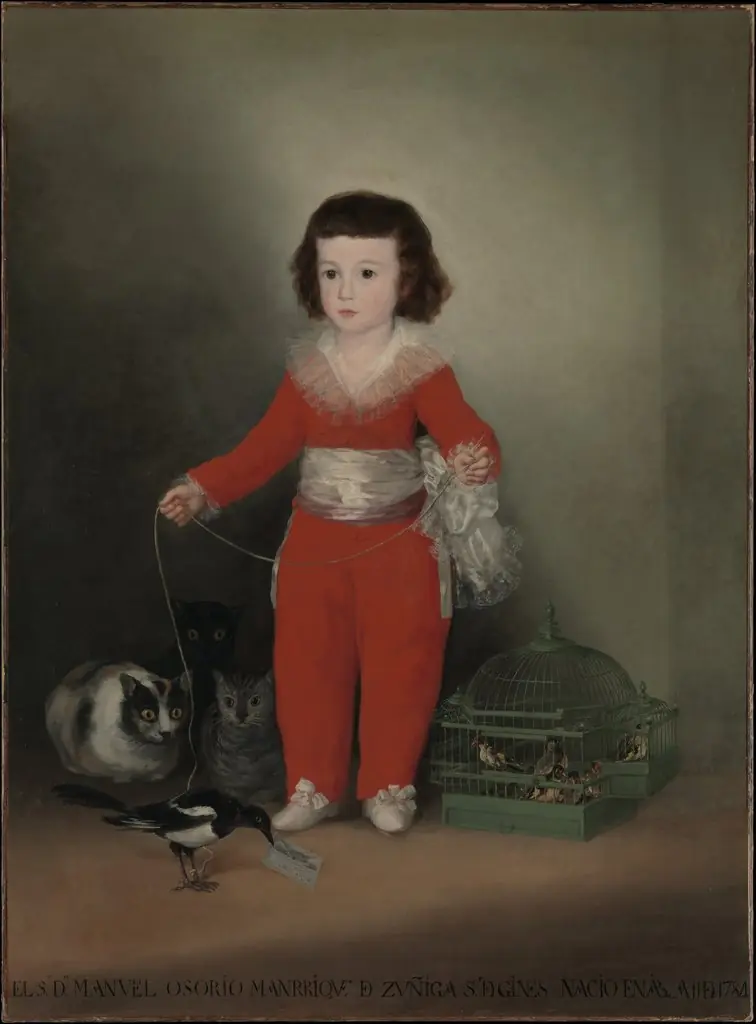
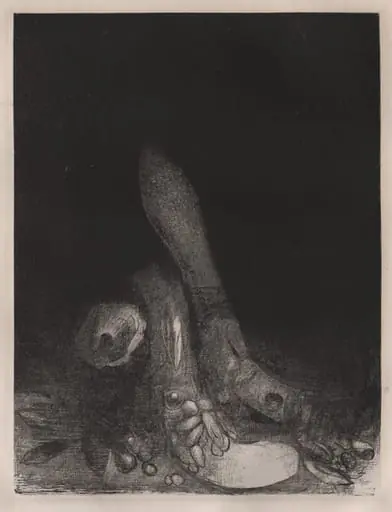 Flowers Fall and the Head of a Python Appears
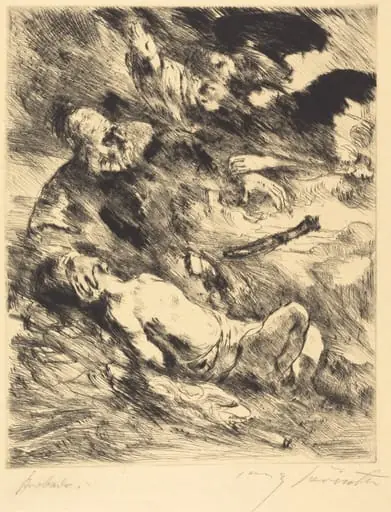 Die Opferung Isaacs (The Sacrifice of Isaac)
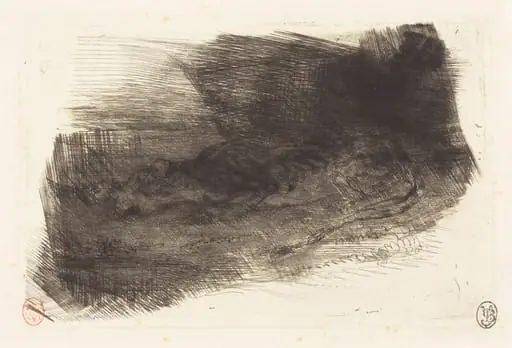 Tiger Sleeping at the Entrance to its Lair (Tigre couché à l'entrée de son antre)
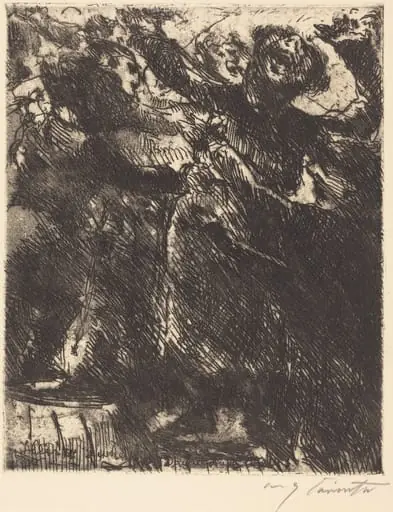 Kapuzinerpredigt—"Hetzt sich lieber herum mit der Dirn'" (The Capuchin's Sermon—"He Prefers to Run Around with a Girl")
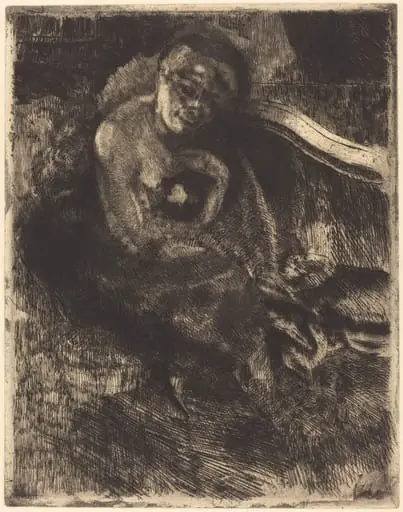 A Nude Woman in a Fur Wrap
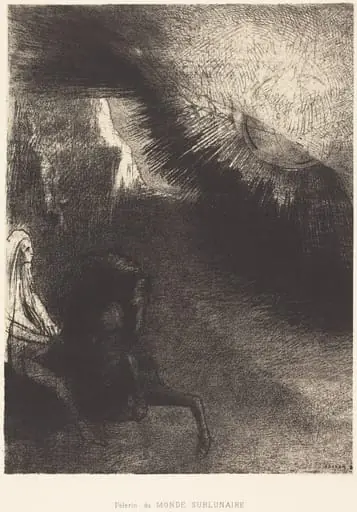 Pélerin du monde sublunaire (Pilgrim of the sublunary world)
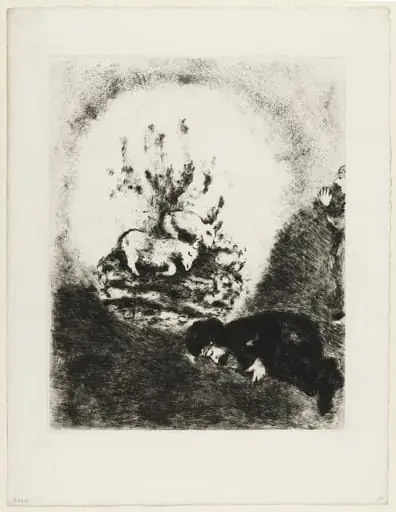 Untitled
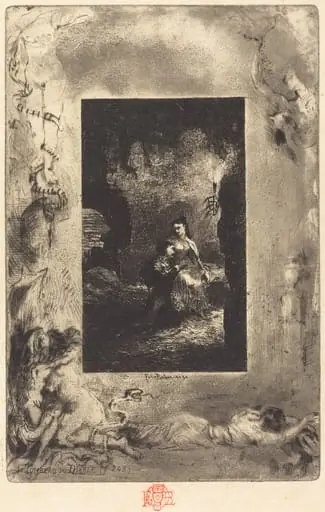 Le Tombeau du Diable (The Devil's Tomb)
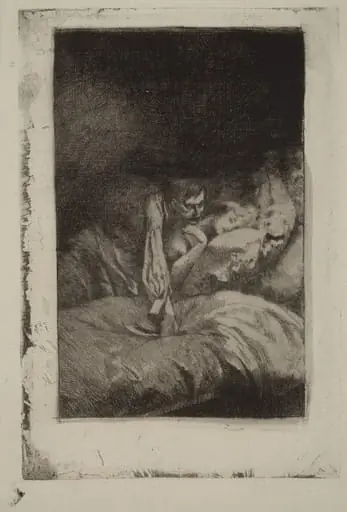 The Murder (Le Meurtre)
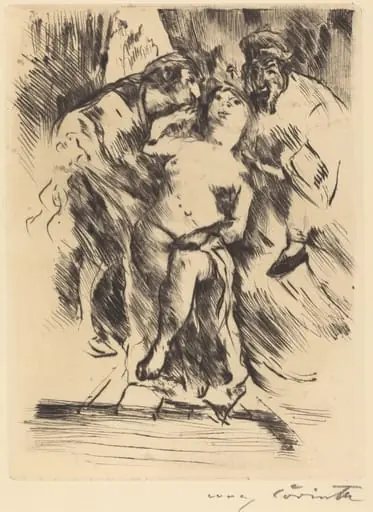 Susanna im Bade (Susanna in the Bath)
 The Proverbs: God Creates Them and They Join Up Together
 Getting Up (Le lever)