Artwork
Die Opferung Isaacs (The Sacrifice of Isaac)
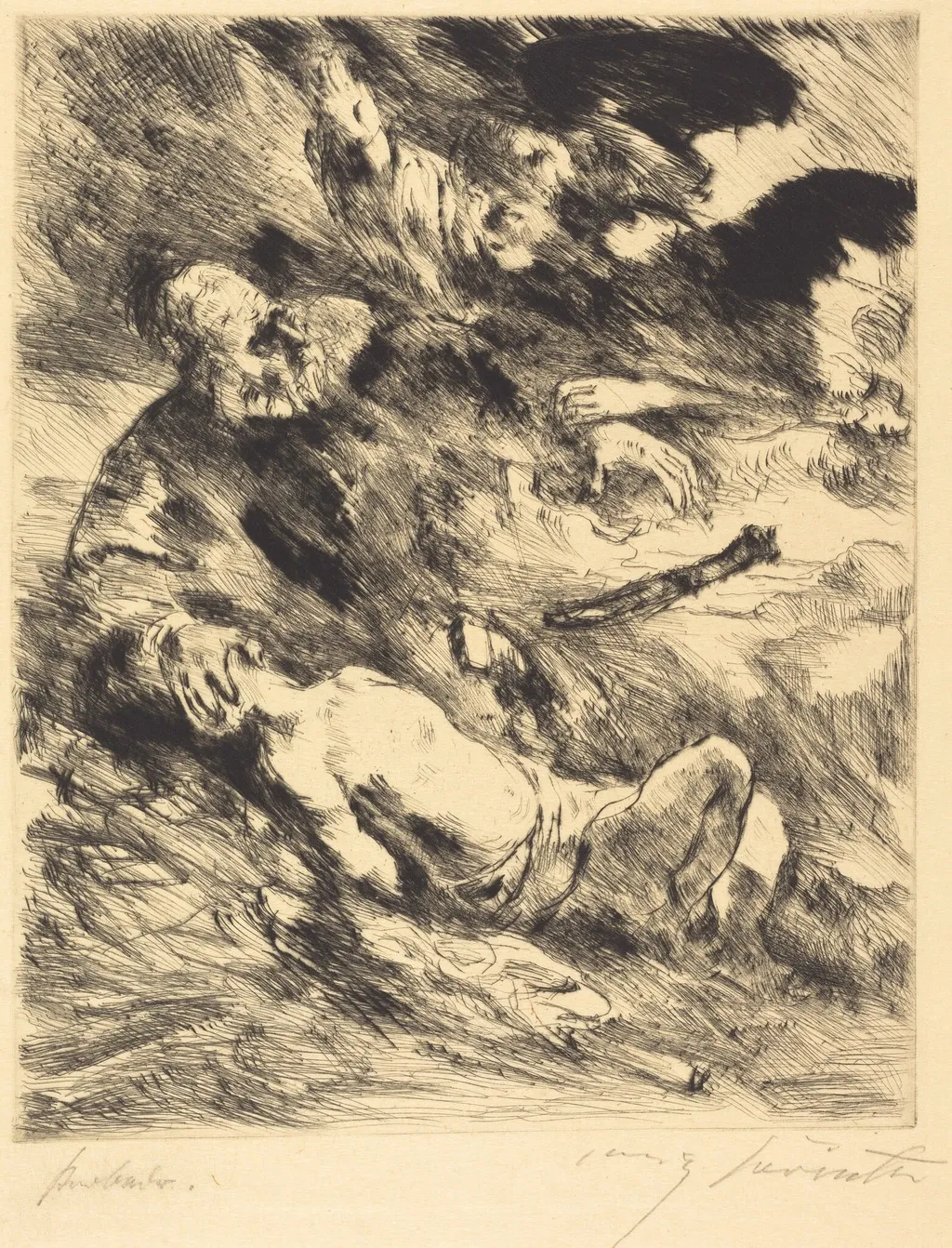
Die Opferung Isaacs (The Sacrifice of Isaac) is an ink print by Lovis Corinth. It dates from 1920 and is held in the collection of the National Gallery of Art.
About this work
Overview
Die Opferung Isaacs (The Sacrifice of Isaac) is a 1920 drypoint print on laid paper by German artist Lovis Corinth, blending impressionist and expressionist elements.
Subject & Meaning
The print illustrates a pivotal, tense moment from the biblical story of Abraham's near-sacrifice of Isaac, capturing the drama of the event with three figures: the bound Isaac, Abraham with the raised knife, and an observing third figure.
Technique & Style
Characterized by rough, dark lines and heavy shading, the work conveys urgency and chaos through quick, jagged strokes, emphasizing movement and emotion. The drypoint technique creates a textured appearance, as if the lines are etched into the paper.
History & Provenance
Created in 1920, the print reflects Corinth's post-1911 stroke style, which retained naturalistic roots while embracing more expressive qualities. His artistic background includes studies in Paris and Munich, and leadership of the Berlin Secession.
Context
Part of a broader early 20th-century European art movement, the piece sits at the intersection of impressionism's emphasis on light and expressionism's focus on emotional intensity, typical of Corinth's unique synthesis.
Legacy
As a work by a prominent figure in early 20th-century German art, Die Opferung Isaacs contributes to the understanding of Corinth's evolution and the blending of artistic movements during this period.
Artist & collection

Artist
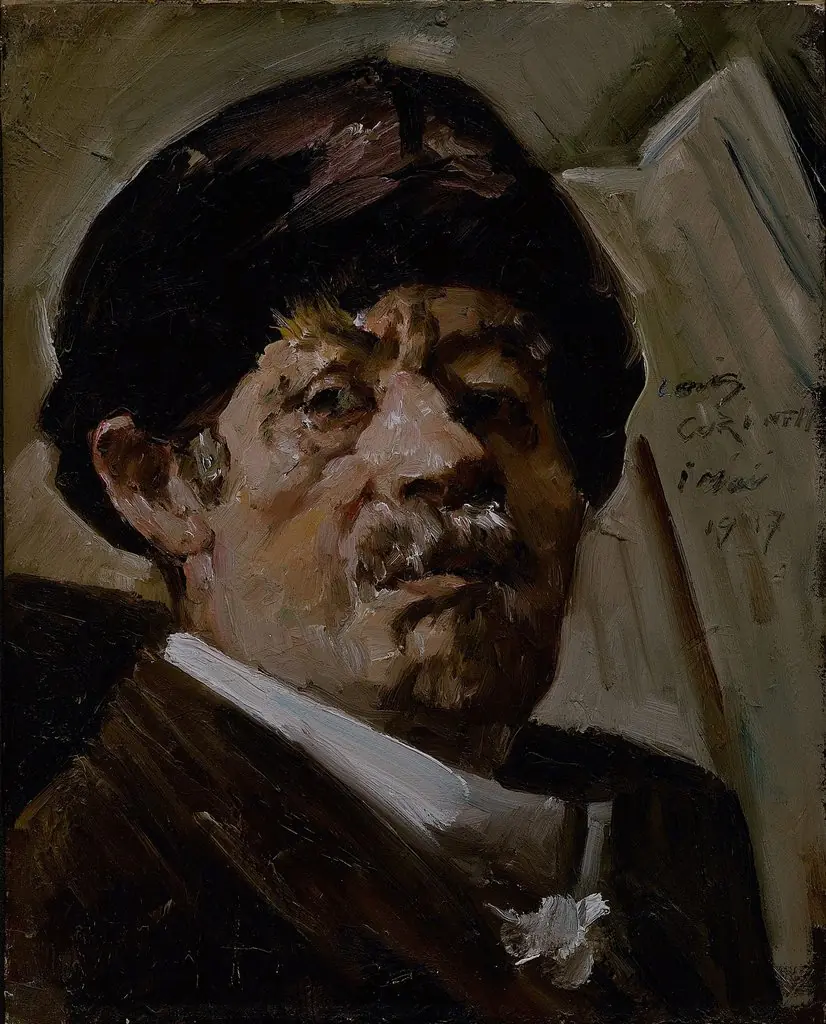
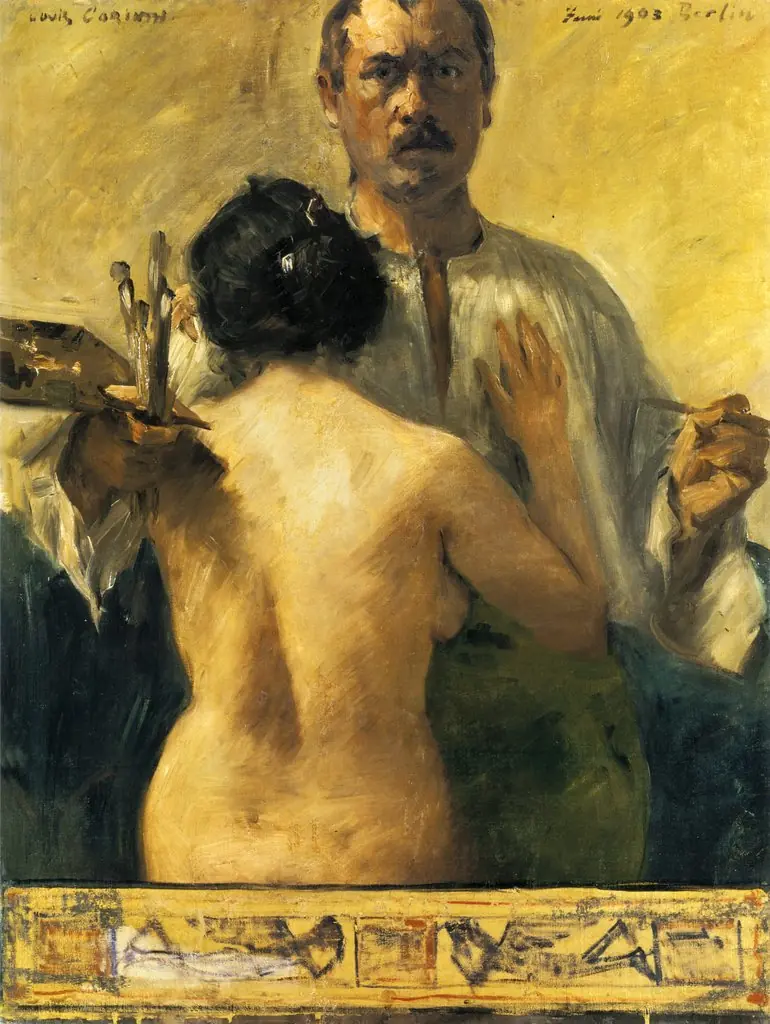
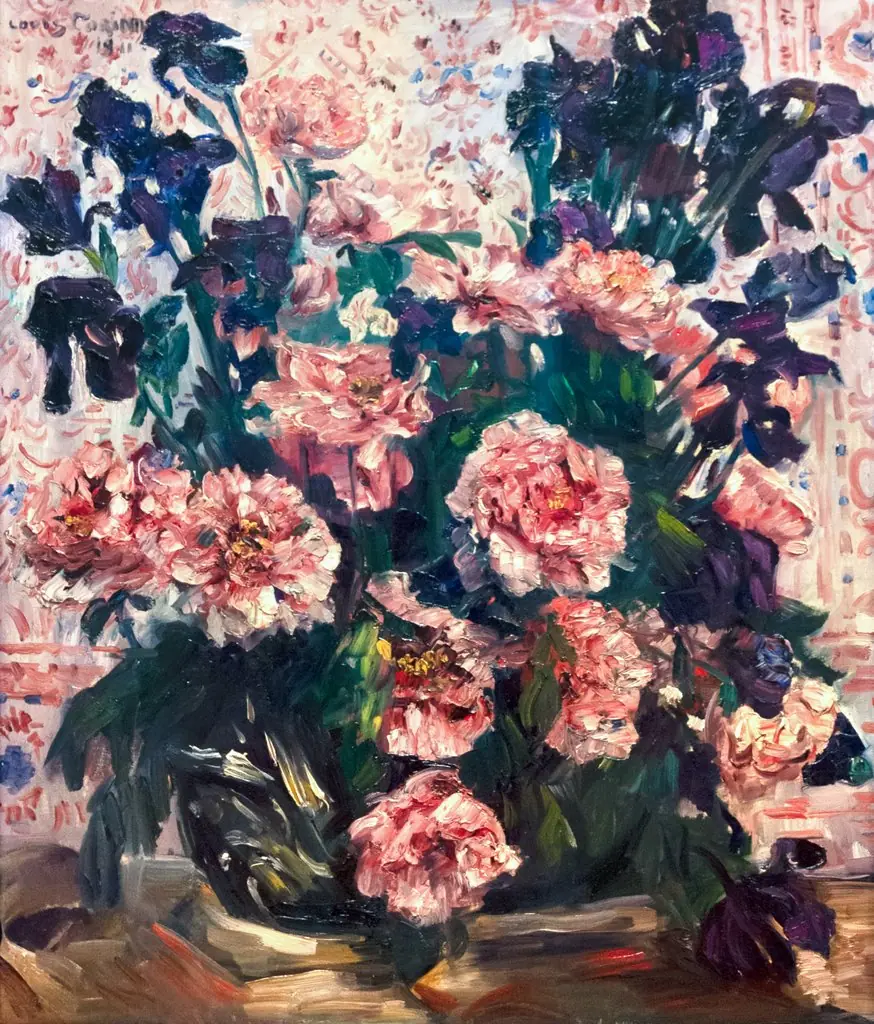
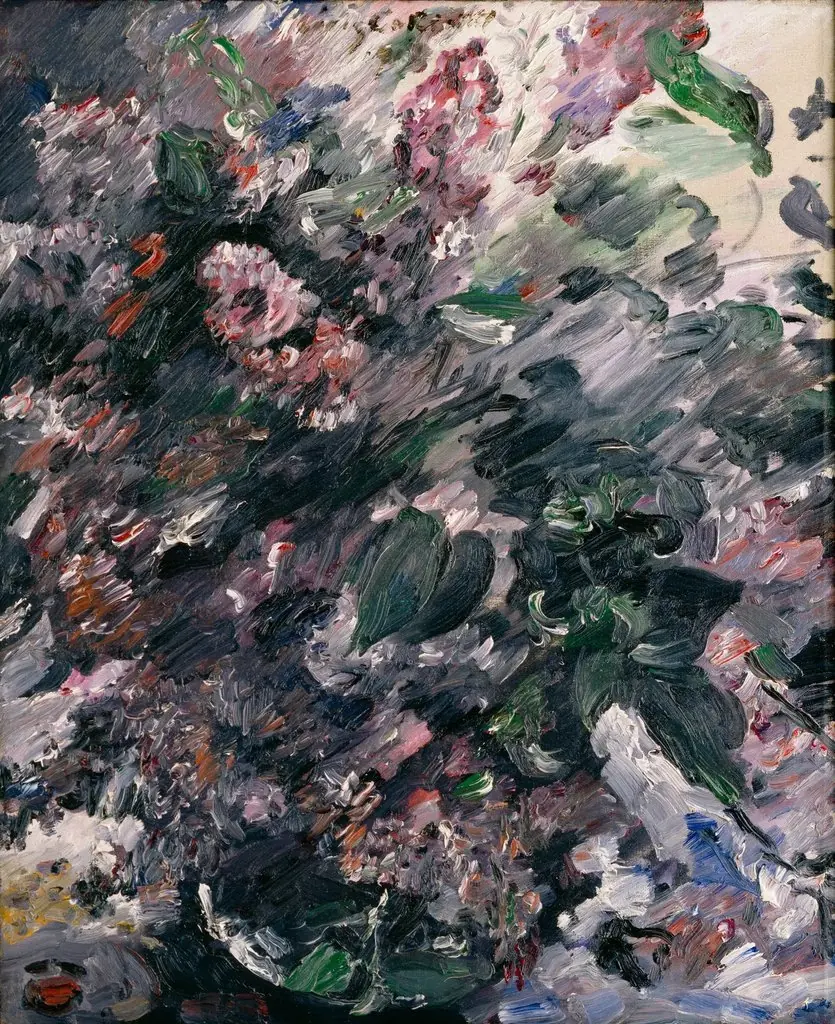
Lovis Corinth was a German artist and writer whose mature work as a painter and printmaker realized a synthesis of impressionism and expressionism.

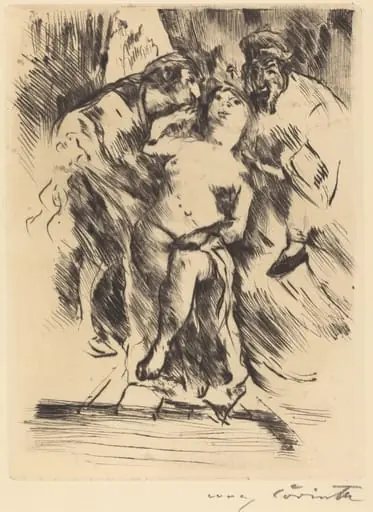 Susanna im Bade (Susanna in the Bath)
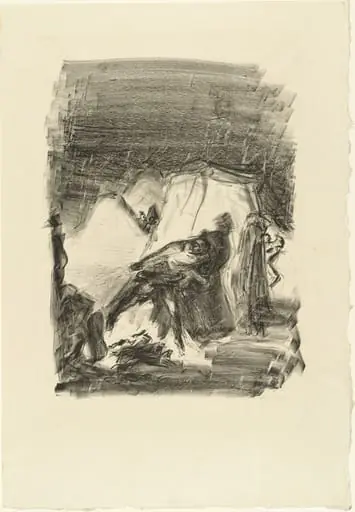 Untitled
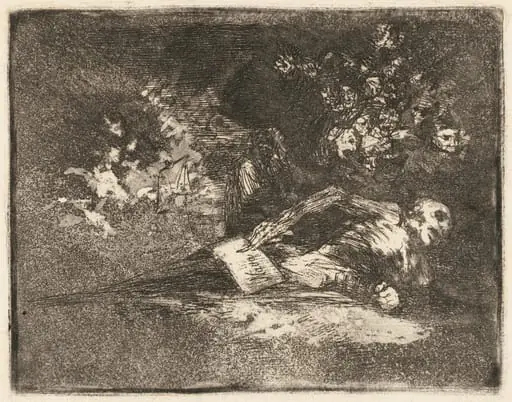 Nada (Nothing)
![Newborn in a Bonnet (Le nouveau-né au bonnet], by Eugène Carrière](https://artifactworldgallery.com/img/eugene-carriere--newborn-in-a-bonnet-le-nouveau-ne-au-bonnet--230a39adbc28b475-w320.webp) Newborn in a Bonnet (Le nouveau-né au bonnet]
Newborn in a Bonnet (Le nouveau-né au bonnet]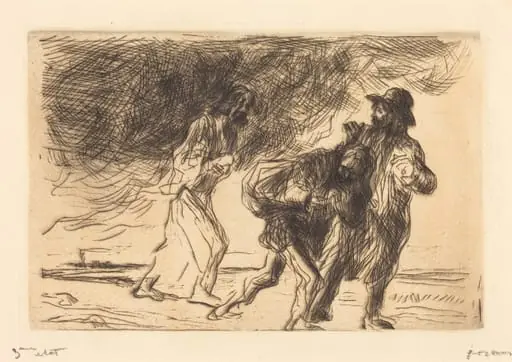 La route d'Emmaüs (1ère planche) (The Road to Emmaus) (first plate)
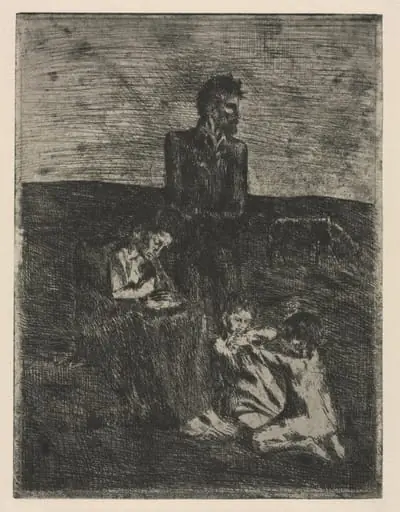 The Poor
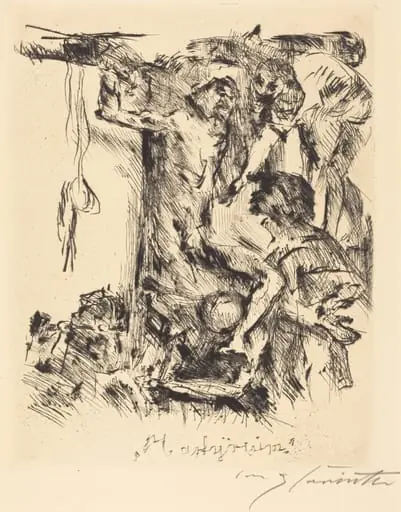 Martyrium (Martyrdom)
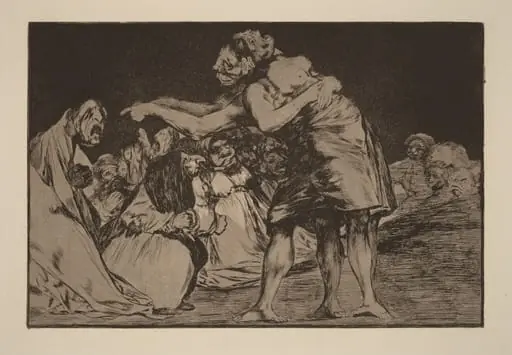 Disparate desordenado (Disorderly Folly)
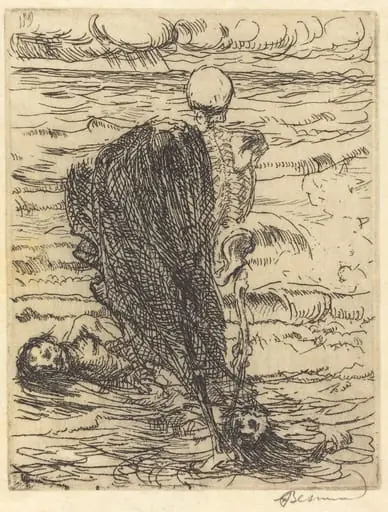 Cast of a Net (Le coup de filet)
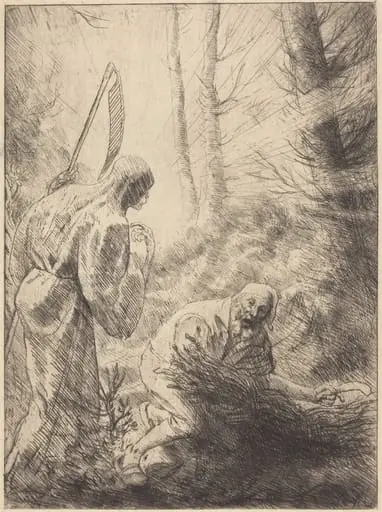 Death and the Woodcutter, 2nd plate (La Mort de le bucheron)
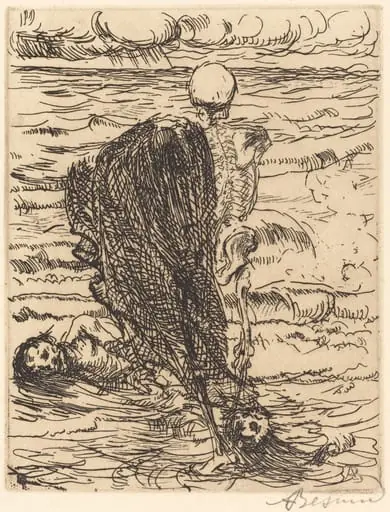 The Haul (Le coup de filet)
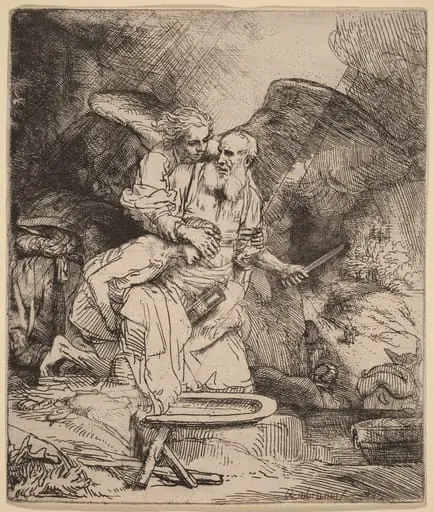 Abraham's Sacrifice