Artwork
Le Tombeau du Diable (The Devil's Tomb)
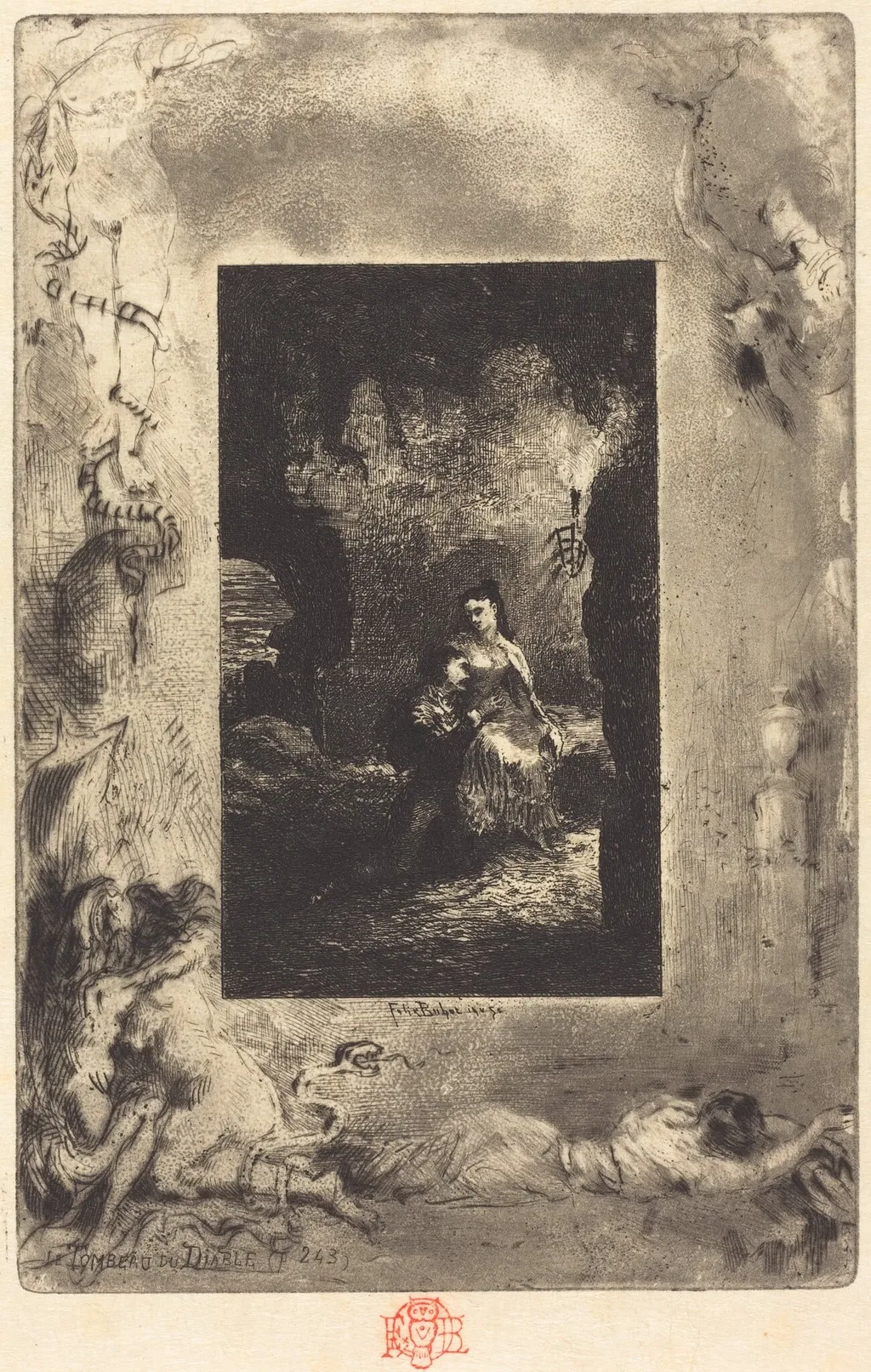
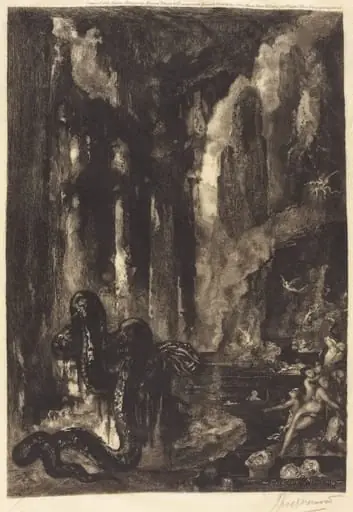
Le Tombeau du Diable (The Devil's Tomb) is an ink print by the Impressionist artist Félix-Hilaire Buhot. It dates from 1880 and is held in the collection of the National Gallery of Art.
About this work
Overview
Le Tombeau du Diable is a monochromatic print by Félix-Hilaire Buhot, made in 1880 using etching, drypoint, aquatint, and roulette techniques on Japanese paper.
Le Tombeau du Diable is a monochromatic print by Félix-Hilaire Buhot, made in 1880 using etching, drypoint, aquatint, and roulette techniques on Japanese paper. The composition centers on a solitary female figure in a long garment, standing in shallow water, holding a bouquet. The dark, textured background suggests a cavernous or rocky setting, while the foreground contains ambiguous forms. The image evokes quiet introspection through its restrained tonal range and layered printing methods.
Subject & Meaning
The figure, poised above water with flowers in hand, suggests a ritual or mourning act, though no explicit narrative is given. The title implies a connection to death or the supernatural, yet the scene resists literal interpretation. The woman’s downward gaze and stillness invite contemplation rather than storytelling, reinforcing an atmosphere of ambiguity. The absence of clear symbols leaves the meaning open, anchored in mood rather than myth.
Technique & Style
Buhot employed multiple intaglio methods to achieve subtle gradations of tone: etching for fine lines, drypoint for rich blacks, aquatint for atmospheric washes, and roulette for textured detail in the upper right. The use of Japanese paper enhanced the ink’s absorption, deepening contrasts. The print’s soft transitions and granular shadows create a sense of depth and moisture, aligning the medium’s capabilities with the scene’s ethereal quality.
History & Provenance
Created in 1880, the print emerged during Buhot’s mature period, when he focused on atmospheric urban and coastal scenes. It was likely produced in limited numbers, as was typical for artist-printmakers of the time. The work remained within private collections in France through the 20th century, with no public exhibition record until the late 1980s. Its current location is held in a European institutional collection.
Context
Buhot worked amid the French revival of printmaking in the late 19th century, influenced by Japanese woodcuts and the Symbolist interest in mood over narrative. While his contemporaries often depicted bustling city life, this piece turns inward, reflecting a quieter current in print culture—one that favored solitude, nature, and psychological resonance over social commentary.
Legacy
Le Tombeau du Diable exemplifies Buhot’s skill in translating emotional nuance through printmaking techniques. Though not widely reproduced, it is recognized in scholarly studies of French graphic art for its atmospheric precision and restraint. The work contributes to a broader understanding of how late 19th-century artists used print media to explore introspective, non-narrative themes.
Artist & collection

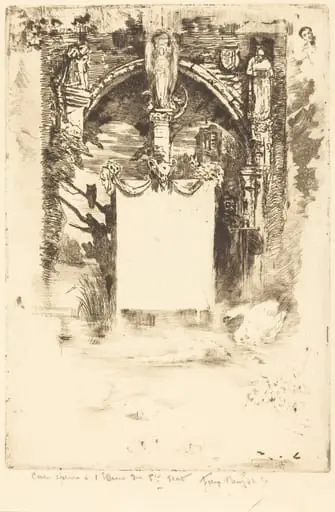 Ex-Libris pour "L'Ensorcelée" (Bookplate for "L'Ensorcelée")
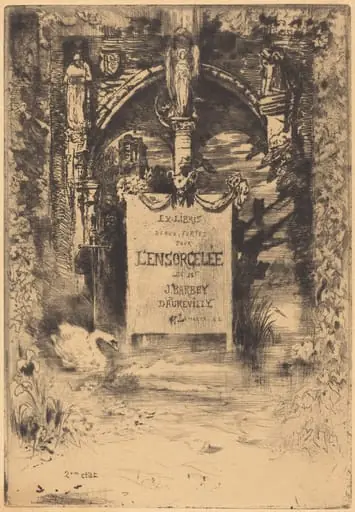 Ex-Libris pour "L'Ensorcelée" (Bookplate for "L'Ensorcelée")
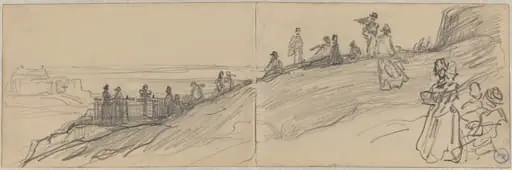 Figures on Top of a Hill, Overlooking the Sea
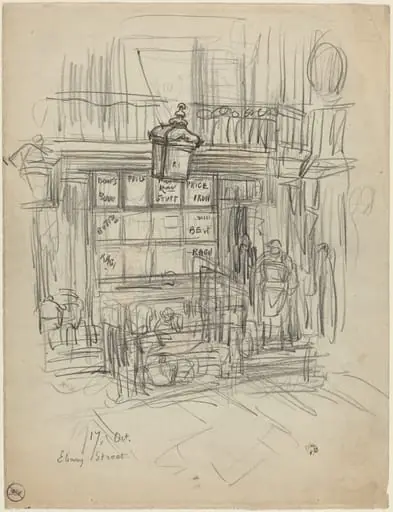 Ebury Street
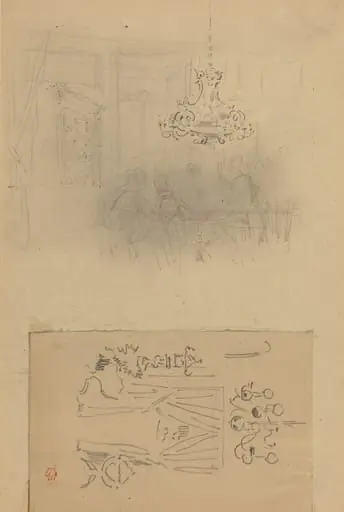 A Gathering in an Interior; A Curtained Doorway
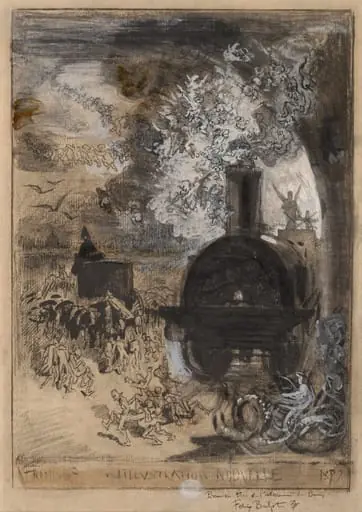 Frontispiece for L'Illustration Nouvelle: The Burial of the Burin
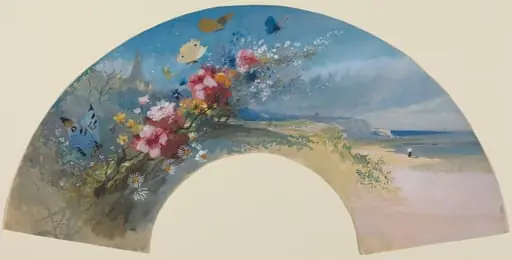 Fan with Wildflowers and Butterflies against the Norman Coast
![Gillingham Pier, London [verso], by Félix-Hilaire Buhot](https://artifactworldgallery.com/img/felix-hilaire-buhot--gillingham-pier-london-verso--641e03dd7de8217b-w320.webp) Gillingham Pier, London [verso]
Gillingham Pier, London [verso]