Artwork
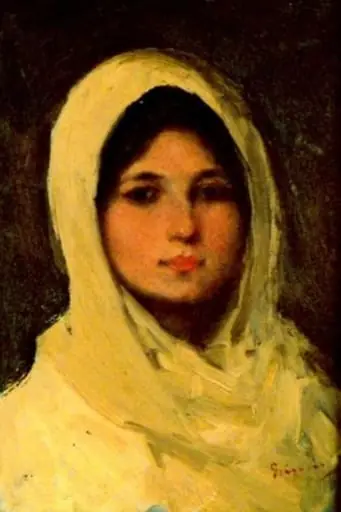
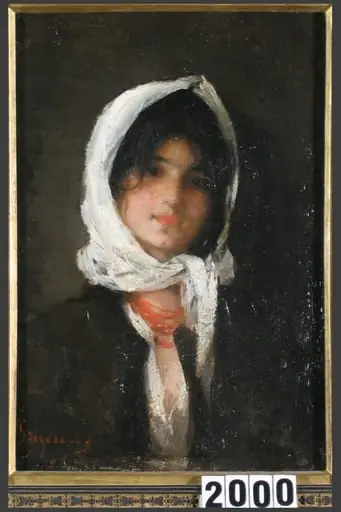
Portret de țărăncuță
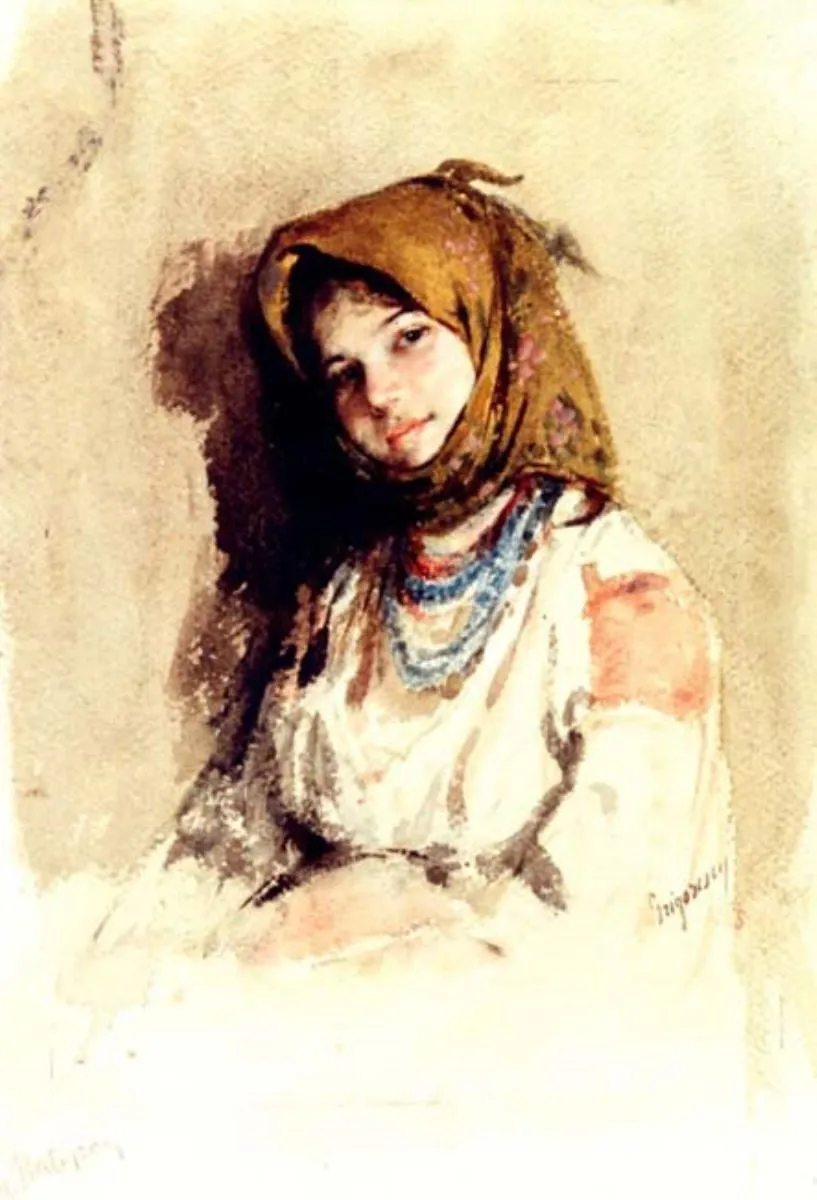
Portret de țărăncuță is an unspecified painting by Nicolae Grigorescu. It dates from 1882 and is held in the collection of the National Museum of Art of Romania.
About this work
Overview
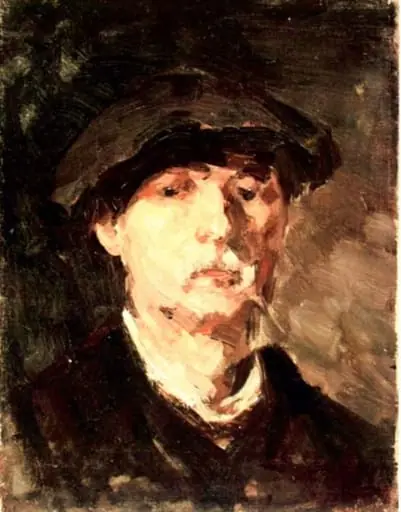
Painted around 1882 by Nicolae Grigorescu, this portrait depicts a young Romanian peasant woman with quiet dignity. Executed in oil on canvas, the work belongs to a series of intimate studies of rural life that Grigorescu produced during his travels in the Romanian countryside. The composition is spare, focusing entirely on the subject’s presence without narrative distraction.
Subject & Meaning
Her loose dark hair, simple white blouse, and the gesture of one hand resting on her cheek suggest introspection rather than performance.
The subject is a girl from the peasantry, portrayed without idealization or ornamentation. Her loose dark hair, simple white blouse, and the gesture of one hand resting on her cheek suggest introspection rather than performance. Grigorescu avoids sentimentality, presenting her as an individual with inner stillness, reflecting his broader interest in authentic rural life beyond romanticized stereotypes.
Technique & Style
Grigorescu employs loose, textured brushwork to capture the play of light on the girl’s skin and fabric. The brown background is left largely unmodeled, drawing attention to the figure’s form and the subtle variations in tone across her face and blouse. The technique conveys immediacy, as if the moment was observed and recorded directly, with minimal studio intervention.
History & Provenance
Created during a period when Grigorescu was deeply engaged with rural subjects, the painting likely originated from one of his extended stays in the Moldavian or Oltenian regions. It remained within Romanian collections after his death, eventually entering a public museum. Its provenance reflects its status as a representative work of 19th-century Romanian realism.
Context
In the late 19th century, Romanian artists increasingly turned to peasant life as a source of national identity, moving away from European academic traditions. Grigorescu’s portraits, including this one, contributed to this shift by emphasizing sincerity over spectacle. His approach aligned with broader European realist movements but remained rooted in local observation and cultural specificity.
Legacy
This portrait exemplifies Grigorescu’s influence on Romanian art’s turn toward naturalism. His focus on ordinary people, rendered with empathy and technical restraint, helped establish a visual language for national subjectivity. Later generations of artists looked to works like this as models for depicting rural life without exoticism or condescension.
Artist & collection

Artist
Nicolae Grigorescu was one of the founders of modern Romanian painting. He is considered by Romanians the greatest Romanian painter, and one of the founders of modern Romanian art. He is most known for paintings…