Artwork
Valea Oltețului
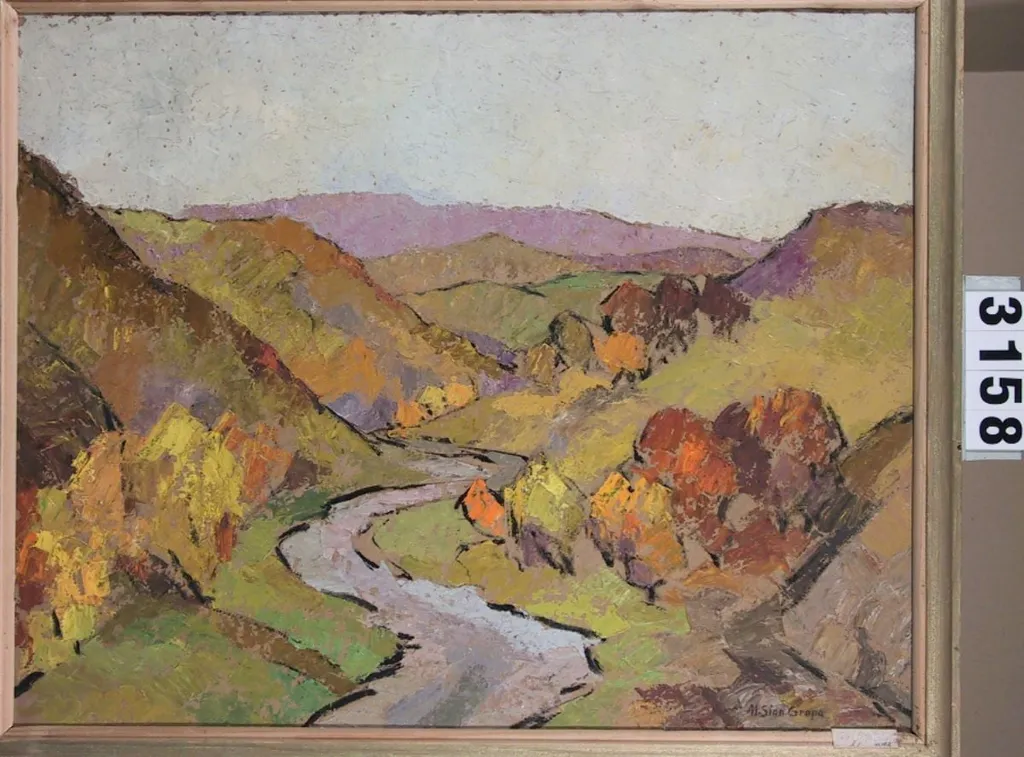
Valea Oltețului is a print by Maria Gropa-Sion. It is held in the collection of the Brukenthal National Museum.
About this work
Overview
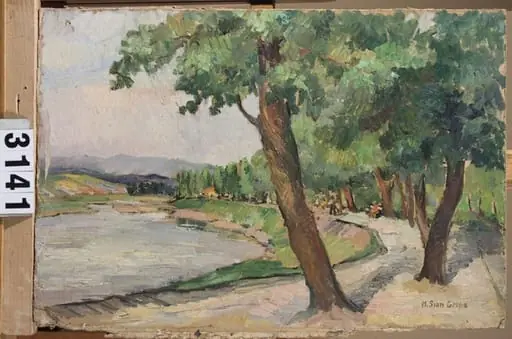
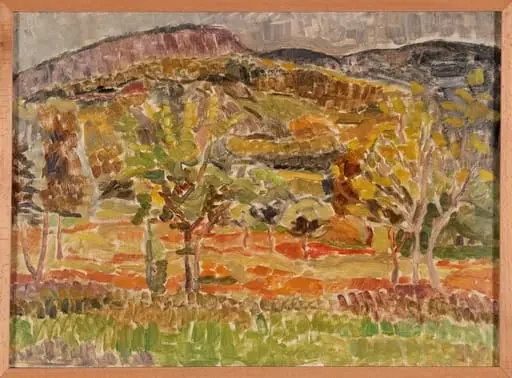
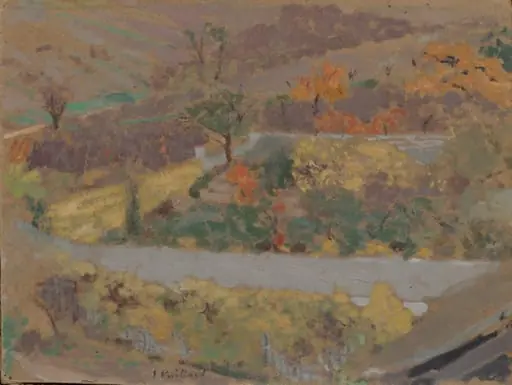
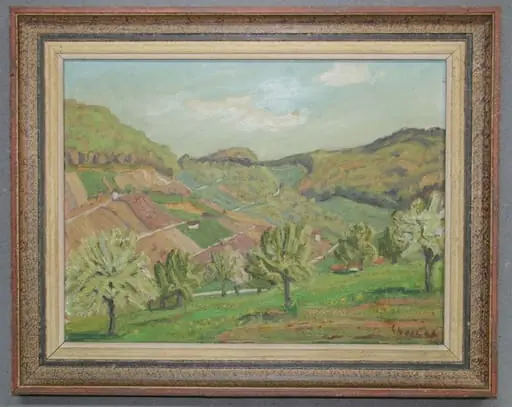
The composition emphasizes natural harmony, with layered tones of green, brown, and muted purple suggesting atmospheric perspective.
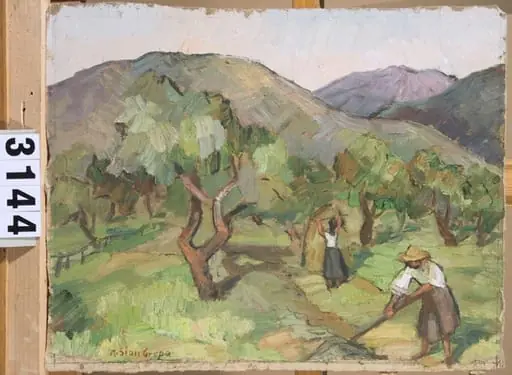
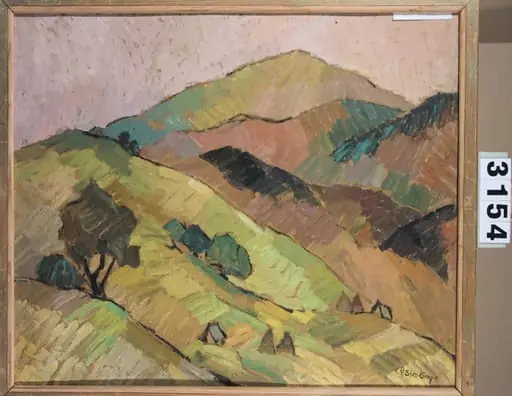
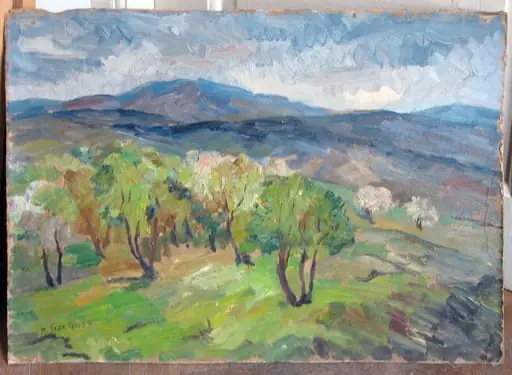
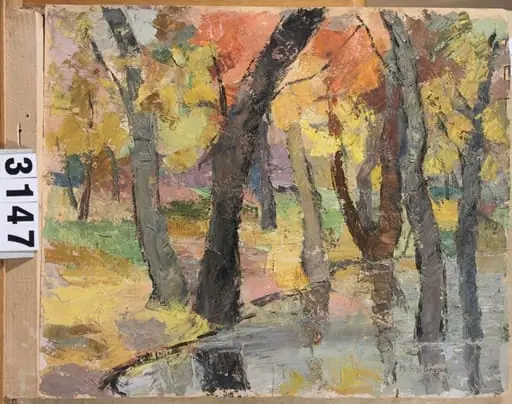
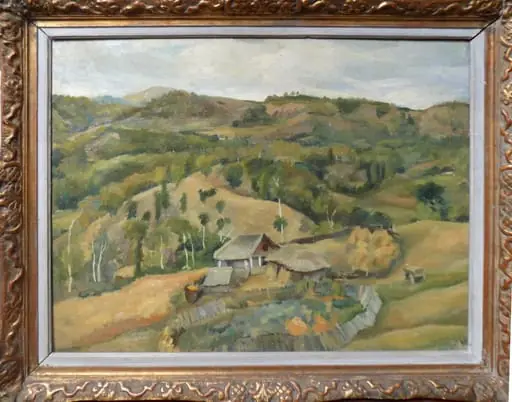
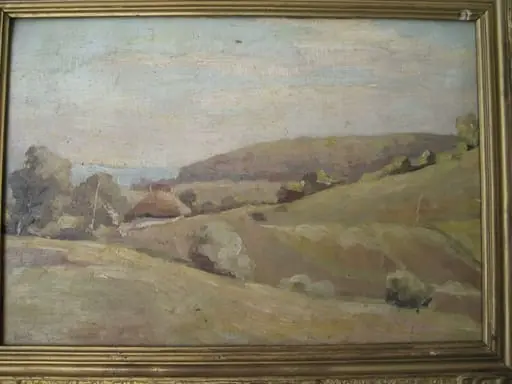
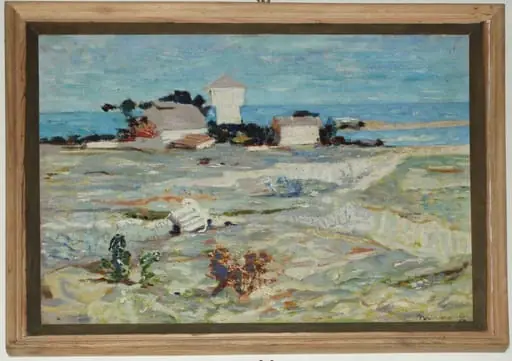
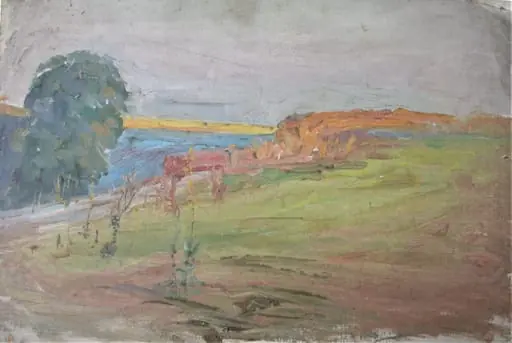
Valea Oltețului is a landscape painting that captures a quiet rural scene in Romania, characterized by undulating hills, a meandering path, and a narrow stream cutting through the valley. The composition emphasizes natural harmony, with layered tones of green, brown, and muted purple suggesting atmospheric perspective. The work reflects a contemplative engagement with the land, avoiding dramatic elements in favor of subtle, observed detail.
Subject & Meaning
The painting portrays a tranquil valley in autumn, where seasonal changes are gently rendered through the hues of falling leaves and fading light. The winding road and flowing stream imply quiet human presence and natural flow, without figures or structures to dominate the scene. The absence of overt narrative invites reflection on the rhythms of the countryside, aligning with a tradition of Romanian landscape painting that values stillness and place.
Technique & Style
The artist employs layered brushwork to build texture in the foliage and soft blending in the distant hills, creating a sense of spatial depth. Color transitions—from warm oranges and yellows in the foreground to cool purples in the background—enhance atmospheric perspective. The stream is rendered with delicate, fluid strokes that suggest movement without sharp definition, reinforcing the painting’s quiet, meditative tone.
History & Provenance
The painting is attributed to Maria Gropa-Sion, a Romanian artist active in the early 20th century, known for her intimate depictions of rural landscapes. While specific details of its creation and early ownership are not widely documented, its style and subject align with her body of work from the 1920s–1940s, a period when Romanian artists increasingly turned to native scenery as a subject of cultural identity.
Context
Valea Oltețului emerges from a broader Romanian artistic movement that sought to define national identity through depictions of the countryside during the interwar years. Unlike urban or historical themes favored by some contemporaries, Gropa-Sion focused on unidealized, everyday landscapes. This work reflects a quiet resistance to foreign artistic models, grounding its aesthetic in local topography and seasonal change.
Legacy
The painting contributes to the recognition of Maria Gropa-Sion as a significant, though underrepresented, voice in Romanian modernism. Her focus on subtle naturalism influenced later generations of landscape painters who prioritized emotional resonance over spectacle. While not widely exhibited, Valea Oltețului remains a representative example of a regional tradition that valued observation, restraint, and the dignity of the ordinary landscape.
Artist & collection
Artist
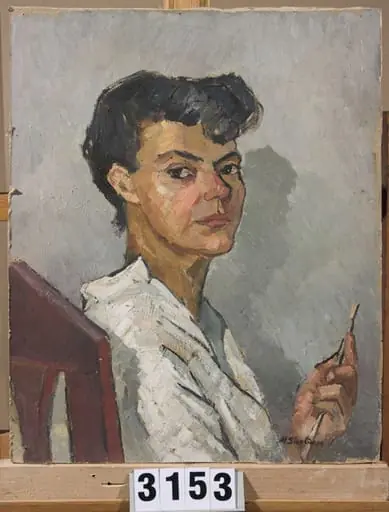
Maria Gropa-Sion painted ordinary people and places with quiet attention. In *La cosit* you’ll see women working in fields, in *Autoportret I* she shows herself looking straight ahead. *Valea Oltețului* is a print of a…