Artwork
The Chief of the Mamelukes on Horseback
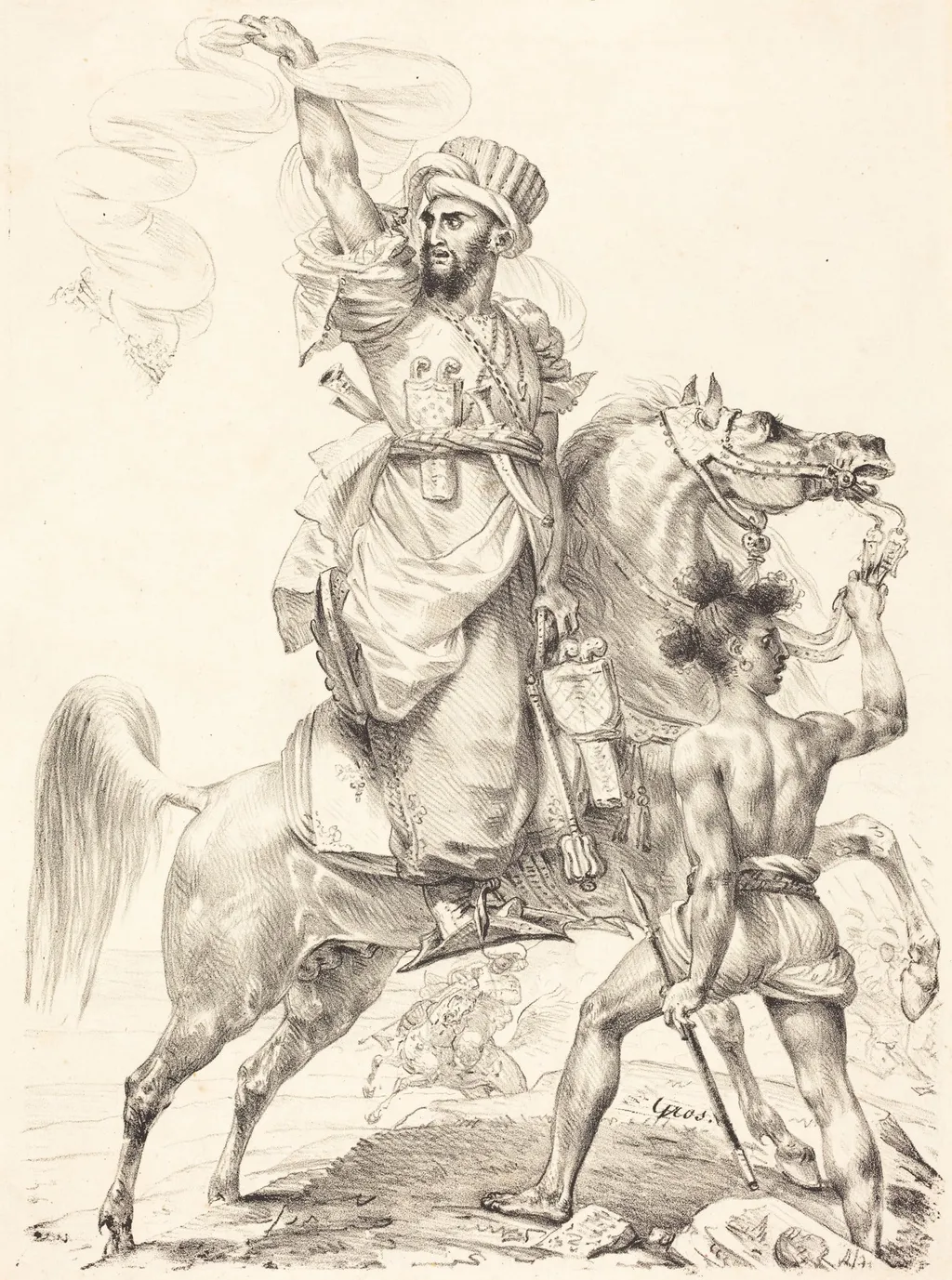
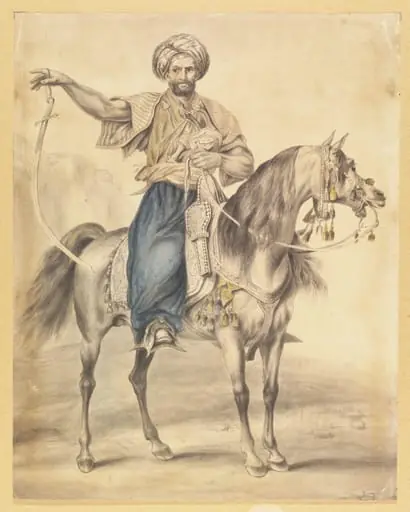
The Chief of the Mamelukes on Horseback is an ink print by the Romanticist artist Antoine-Jean Gros. It dates from 1817 and is held in the collection of the National Gallery of Art.
About this work
Overview
It reflects his sustained interest in Eastern military figures, shaped by his experiences accompanying Napoleon’s expedition to Egypt.
Created in 1817, this lithograph by Antoine-Jean Gros portrays a Mameluke leader mounted on horseback. Though Gros was primarily known for oil paintings of Napoleonic campaigns, this work belongs to his later exploration of printmaking. It reflects his sustained interest in Eastern military figures, shaped by his experiences accompanying Napoleon’s expedition to Egypt. The image is not a painting but a printed reproduction, part of a broader trend in early 19th-century Europe to disseminate exotic imagery through accessible media.
Subject & Meaning
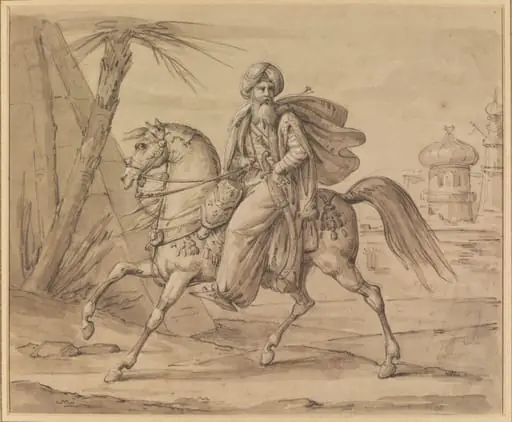
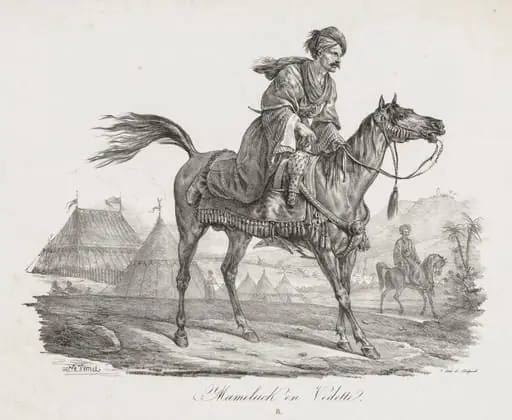
The figure is a Mameluke commander, depicted in traditional attire—turban, flowing robes, and ornate weaponry—embodying the romanticized ideal of the Oriental warrior. His poised stance, raised arm, and controlled grip on the reins convey authority and composure. The profile view emphasizes his dignified bearing, aligning with European fascination with the East as a realm of noble savagery. The absence of narrative context invites contemplation of identity and power rather than historical specificity.
Technique & Style
Gros employed lithography to achieve fine tonal gradations and delicate line work, capturing the texture of fabric and the sheen of horsehide with subtle ink contrasts. The composition is tightly focused, with a muted background that isolates the rider and steed, enhancing their monumentality. The style blends academic precision with Romantic sensibility: controlled form meets emotional resonance, avoiding theatricality in favor of restrained grandeur.
History & Provenance
Produced in Paris in 1817, the lithograph emerged during Gros’s post-Napoleonic period, when he turned from large-scale battle scenes to smaller, more intimate subjects. It was likely part of a series of Orientalist prints intended for collectors and the growing middle-class market. No definitive record of its early ownership exists, but its production aligns with the rise of lithography as a medium for artistic and ethnographic dissemination in post-revolutionary France.
Context
The image reflects Europe’s broader Orientalist fascination following Napoleon’s Egyptian campaign (1798–1801), which sparked renewed interest in Middle Eastern culture. Gros, having witnessed the region firsthand, avoided caricature in favor of dignified representation. While contemporaries like Delacroix would later dramatize the East, Gros’s approach remains restrained, rooted in observation rather than fantasy, and aligned with early Romanticism’s emphasis on individual dignity and exotic authenticity.
Legacy
Though less celebrated than Gros’s monumental canvases, this lithograph contributed to the visual vocabulary of Orientalism in print culture. It influenced later artists and illustrators seeking credible depictions of non-European figures. Its quiet authority helped shift perceptions of Eastern subjects from exotic curiosities to figures of noble bearing, laying groundwork for more nuanced representations in 19th-century European art.
Own this work as a print
Artist & collection
Artist
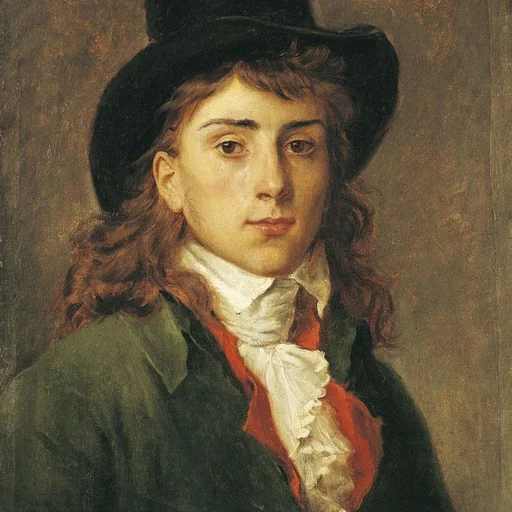
Antoine-Jean Gros (French pronunciation: ; 16 March 1771 – 25 June 1835) was a French painter of historical subjects.

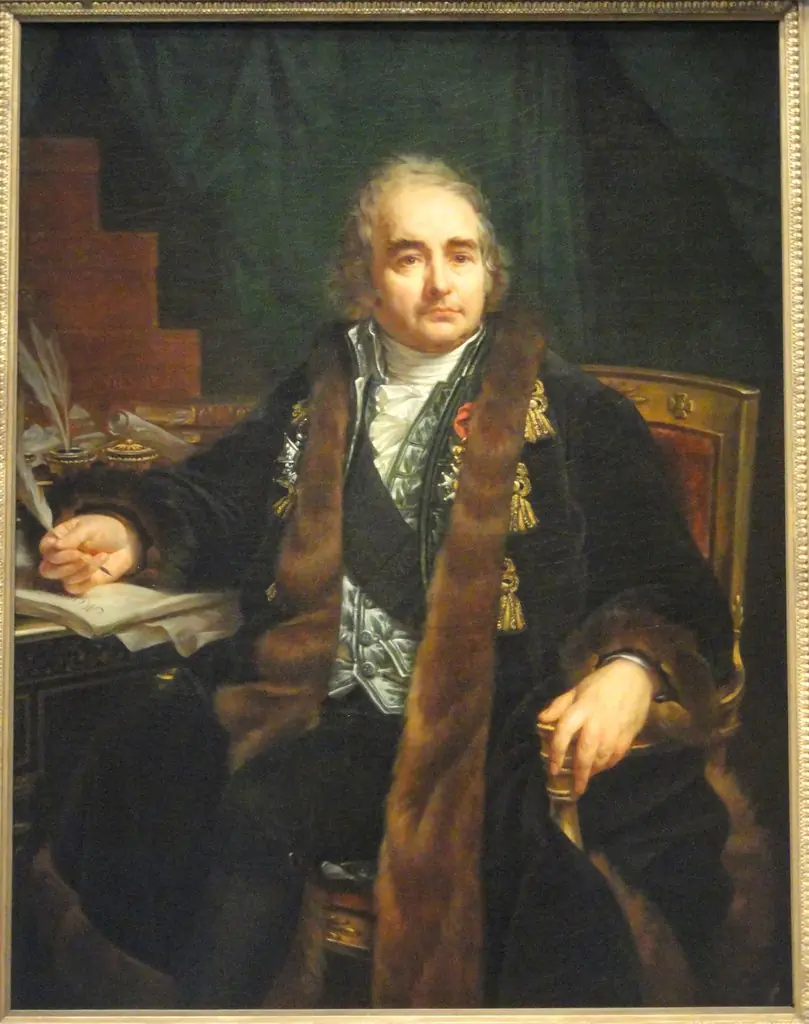 portrait of Jean-Antoine Chaptal
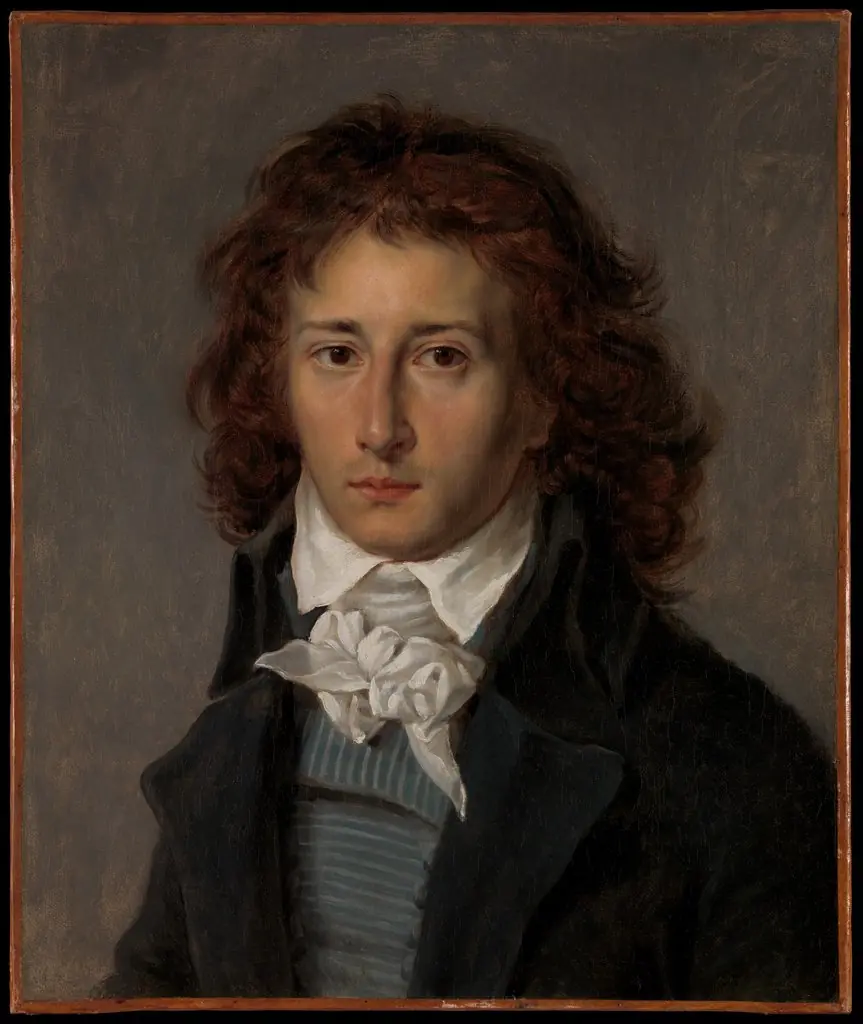 François Gérard (1770–1837), later Baron Gérard
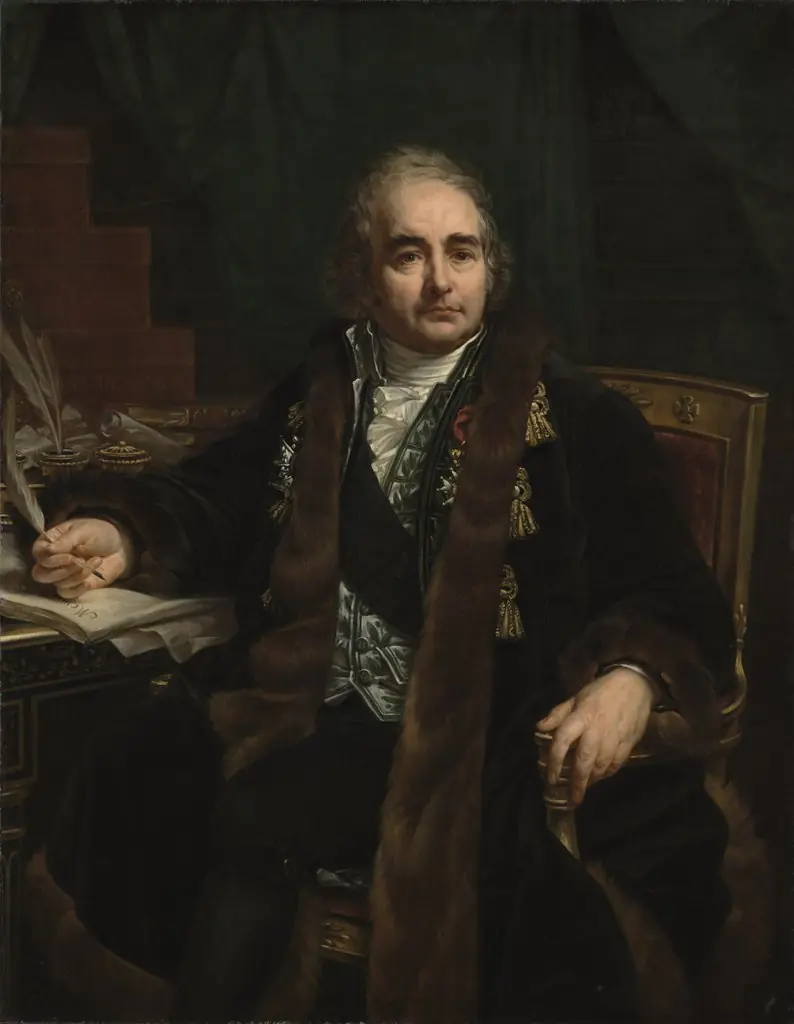 Portrait of Count Jean-Antoine Chaptal
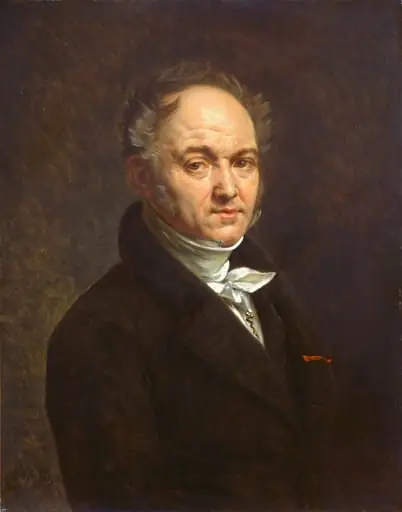 Dr. Vignardonne
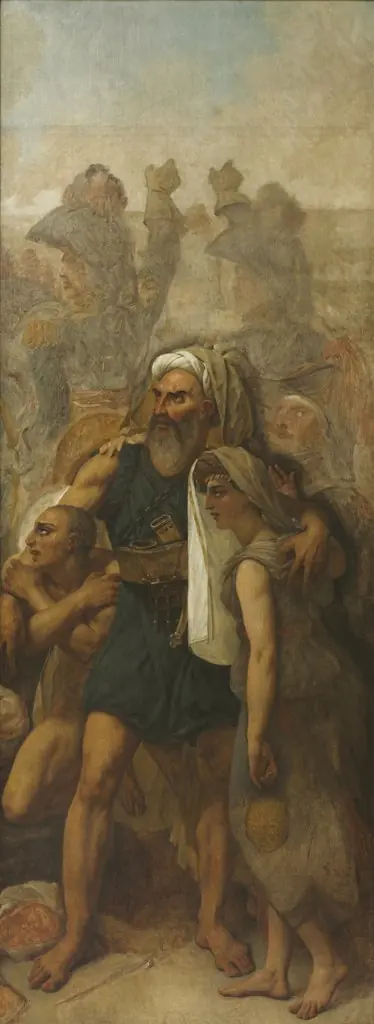 Egyptian Family (Sketch for "The Battle of the Pyramids")
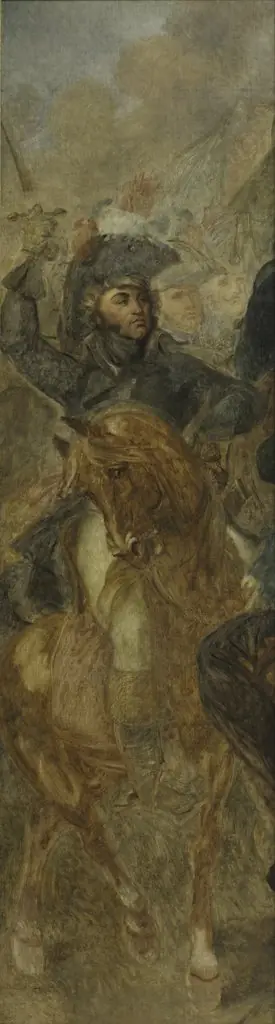 General Jean-Baptiste Kléber (Sketch for "The Battle of the Pyramids")
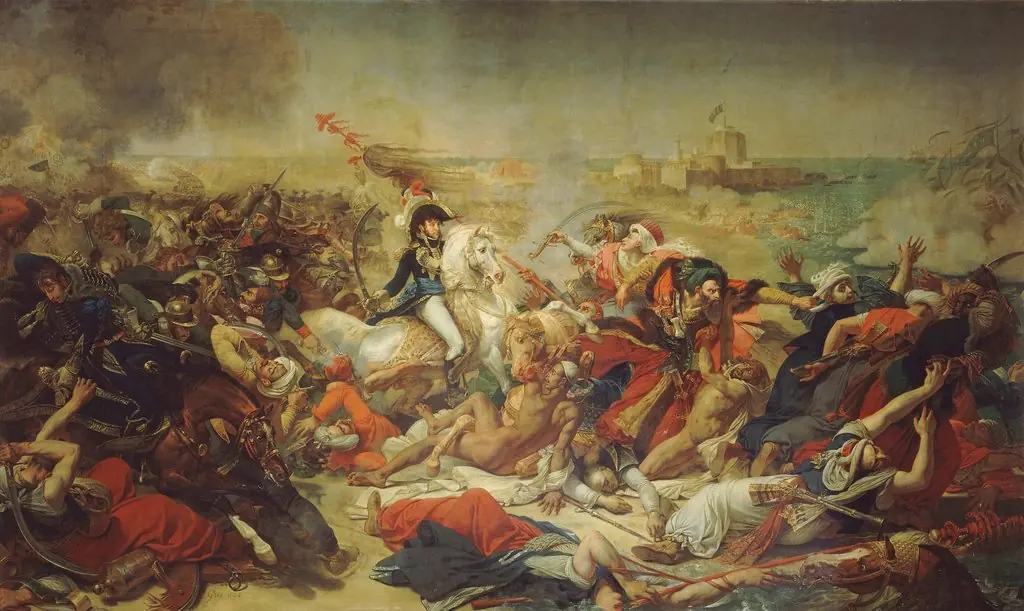 Bataille d'Aboukir, 25 Juillet 1799
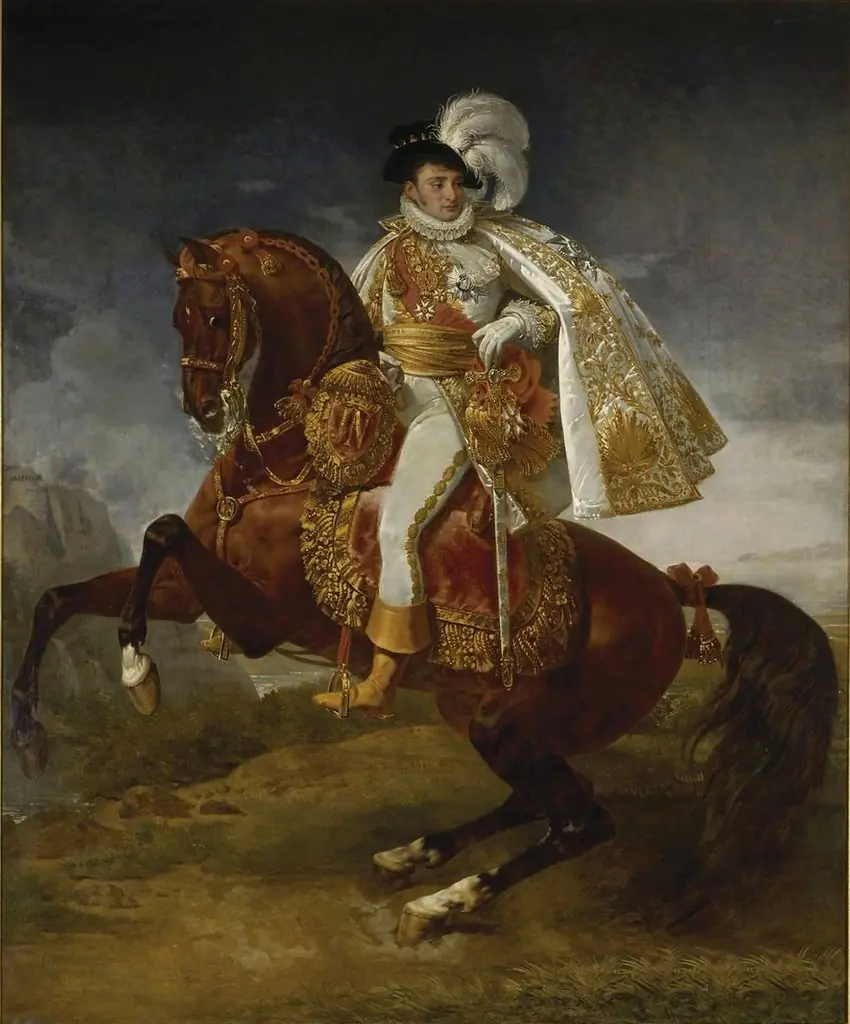 Jérôme Bonaparte, King of Westphalia