Artwork
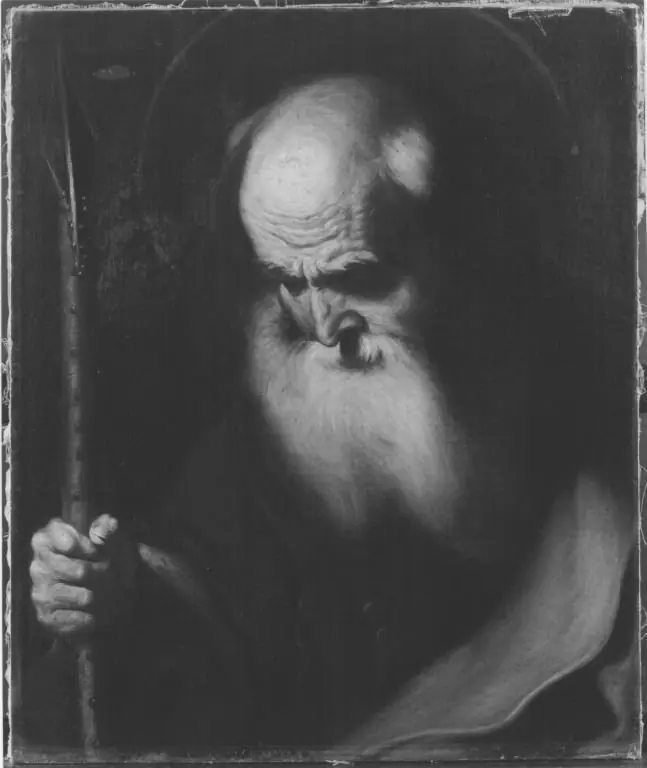
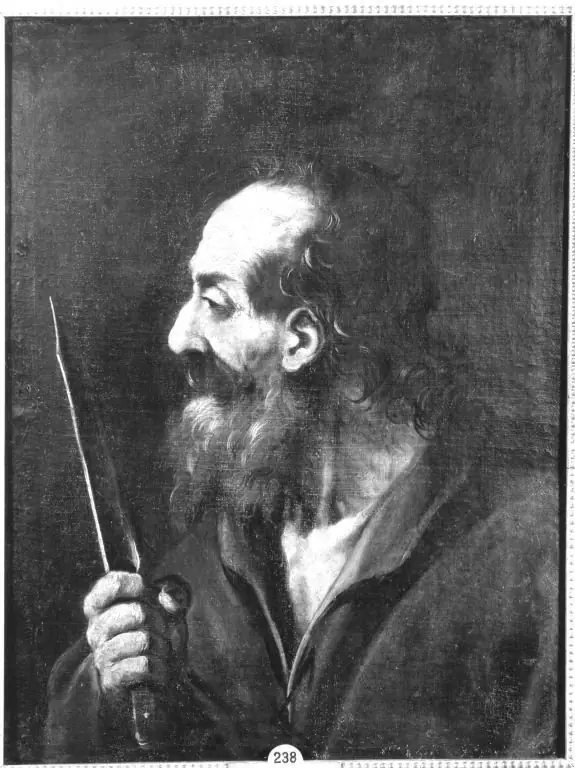
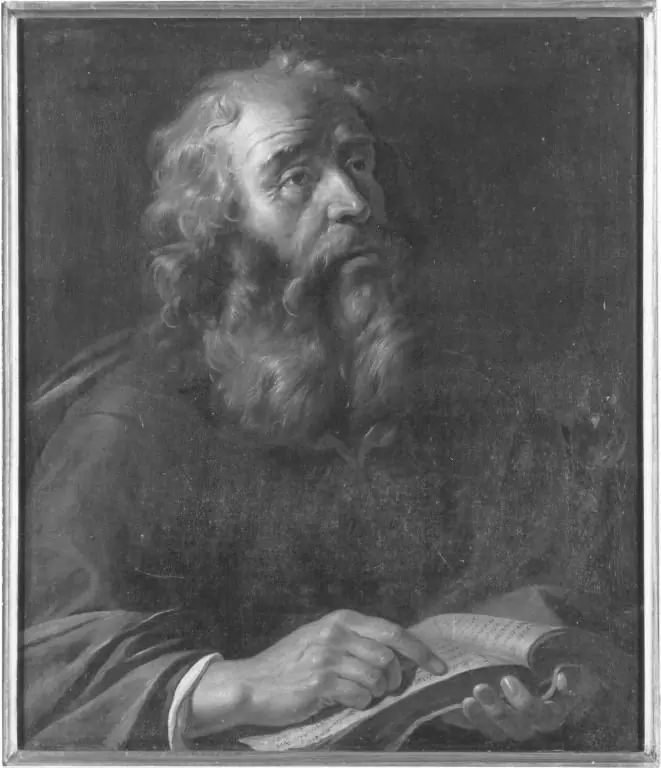
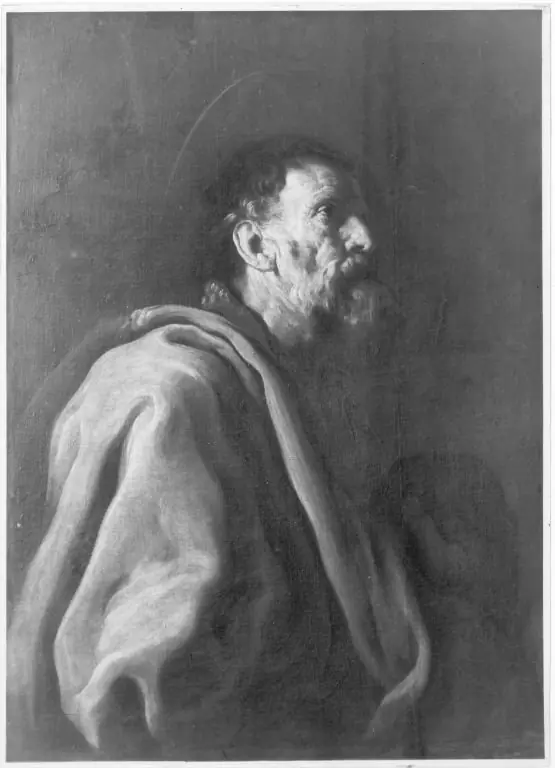
Der hl. Hieronymus (Kopie nach)
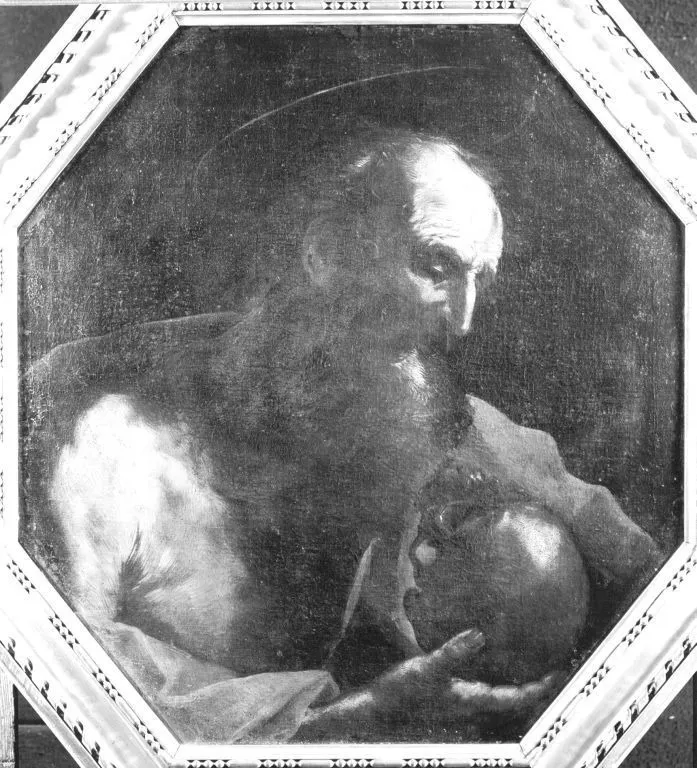
Der hl. Hieronymus (Kopie nach) is an unspecified painting by the Early Baroque Italian artist Guido Reni. It dates from 1618 and is held in the collection of the Bavarian State Painting Collections.
About this work
Overview
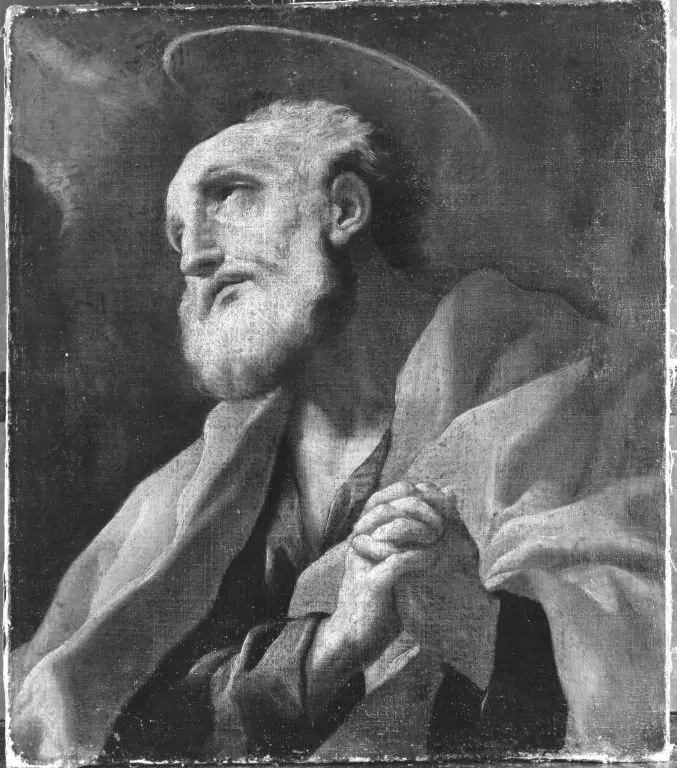
This painting is a 17th-century copy after an original by Guido Reni, dated around 1618. It portrays Saint Jerome, a Church Father known for translating the Bible into Latin. The work resides in the Alte Pinakothek in Munich, where it is displayed as part of a collection of early modern religious art. The composition is restrained, focusing intently on the figure without extraneous detail.
Subject & Meaning
His aged face and white beard signify wisdom and devotion, aligning with traditional iconography of the scholar-saint.
Saint Jerome is depicted in quiet contemplation, his hands resting on his chest as if in prayer or reflection. His aged face and white beard signify wisdom and devotion, aligning with traditional iconography of the scholar-saint. The absence of books or writing tools shifts emphasis from his scholarly role to his spiritual presence, suggesting inner stillness and piety rather than intellectual labor.
Technique & Style
The artist employs chiaroscuro to model the face and robe with sharp contrasts between light and shadow, giving the figure a sculptural presence. The dark, unbroken background isolates the saint, enhancing the three-dimensionality of his form. Brushwork is controlled and precise, avoiding ornamental flourishes. The monochromatic palette, though rendered in color originally, now appears in grayscale, emphasizing tonal gradations over hue.
History & Provenance
The original painting by Guido Reni was likely commissioned for private devotion or ecclesiastical use. This version is a faithful copy, made shortly after the original’s completion, possibly by a studio assistant or admirer. It entered the Bavarian royal collection in the 19th century and was later transferred to the Alte Pinakothek, where it remains as part of a broader study of Baroque religious imagery.
Context
In early 17th-century Italy, depictions of Saint Jerome were common among Counter-Reformation artists seeking to inspire personal piety. Reni’s style, blending classical harmony with emotional restraint, aligned with Church ideals of dignified devotion. Copies like this one circulated widely, helping disseminate his compositional approach beyond major centers, particularly in German-speaking regions where devotional imagery was highly valued.
Legacy
Though not the original, this copy preserves the essential character of Reni’s treatment of the saint, reflecting his influence on later Baroque portraiture. Its presence in a major European museum underscores the enduring interest in religious figures rendered with psychological depth and technical precision. It serves as a reference point for understanding how iconic images were reproduced and adapted across regions in the early modern period.
Artist & collection
Artist
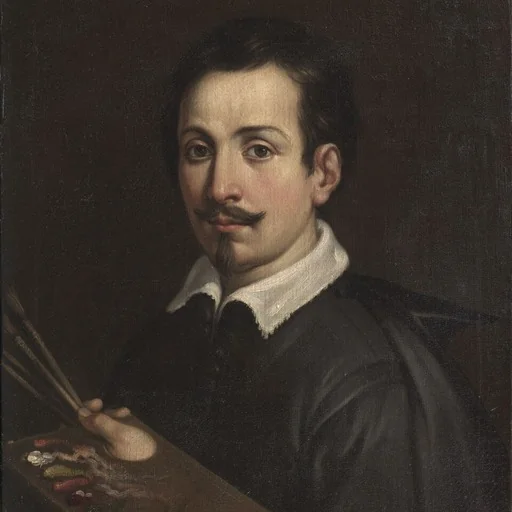
Guido Reni was an Italian Baroque painter, although his works showed a classical manner, similar to Simon Vouet, Nicolas Poussin, and Philippe de Champaigne.