Artwork
Salome with the Head of Saint John the Baptist
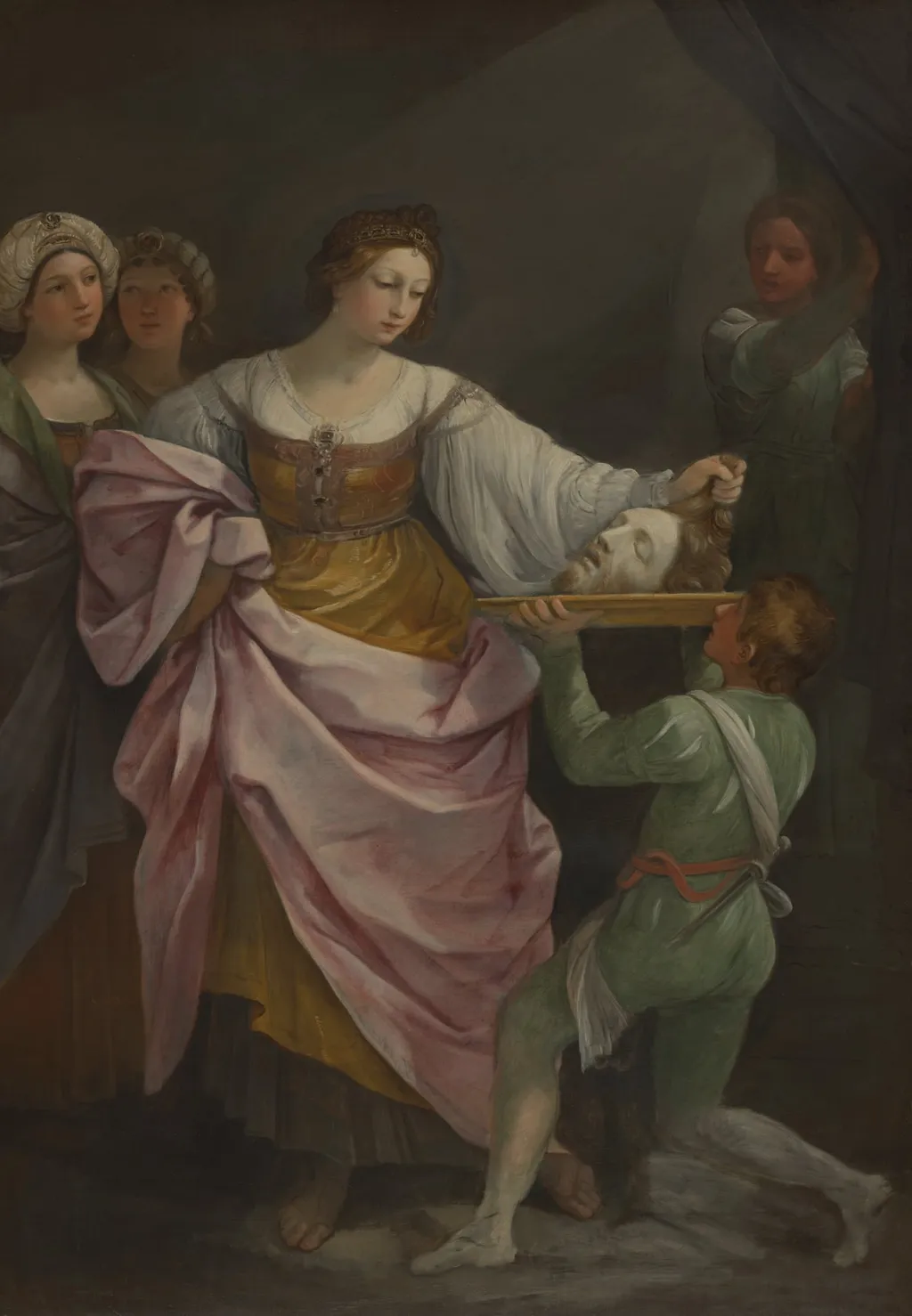
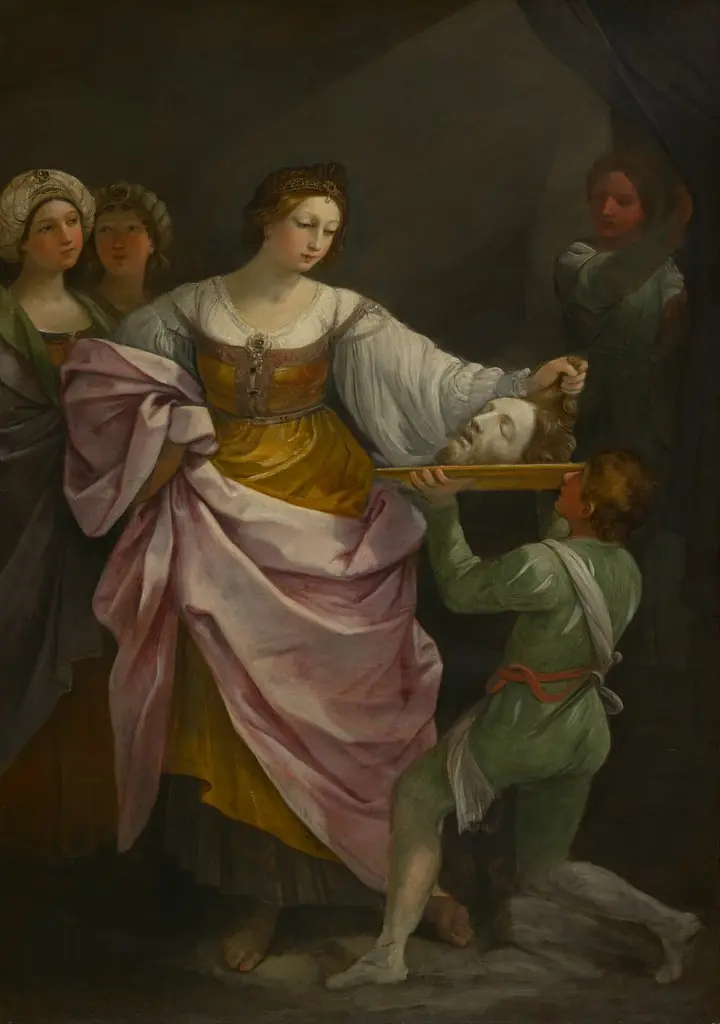
Salome with the Head of Saint John the Baptist is an oil painting by the Baroque artist Guido Reni. It dates from 1640 and is held in the collection of the Art Institute of Chicago.
About this work
Overview
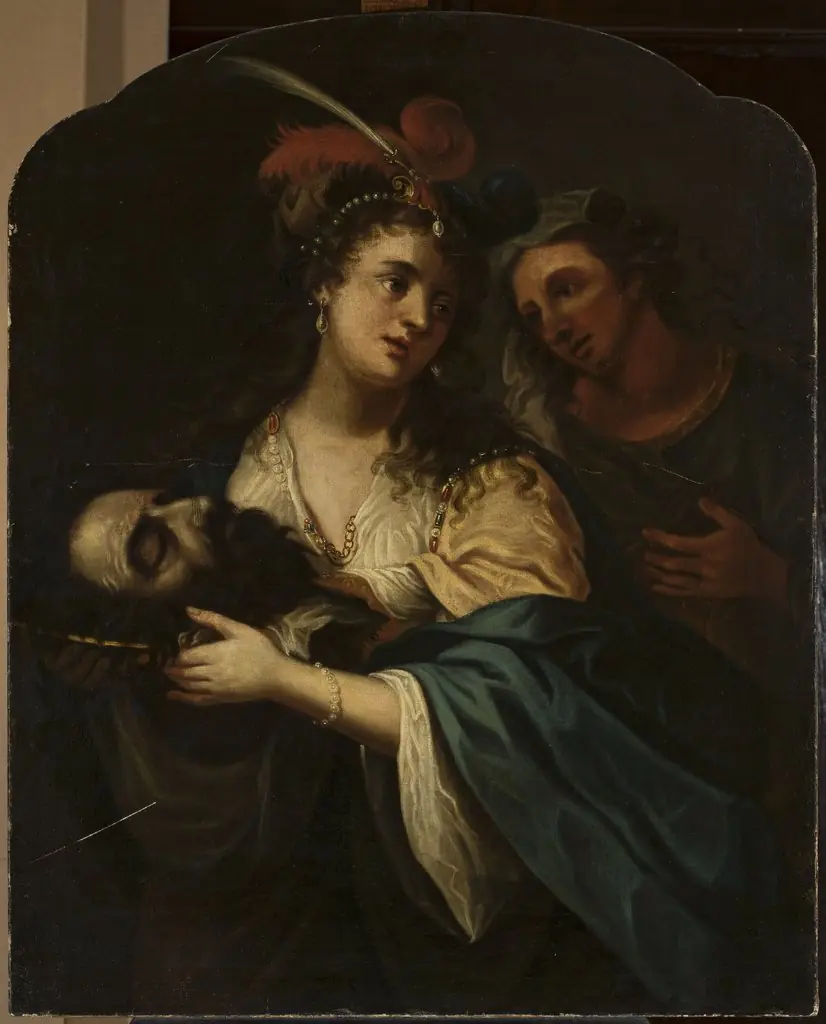
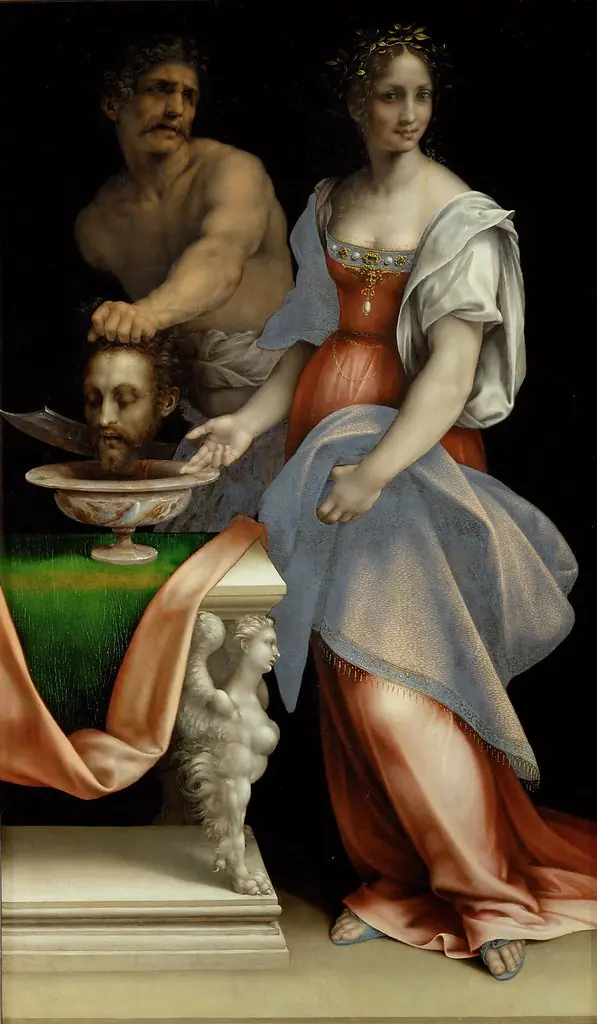
The scene draws from the Gospel narrative in which Salome, at her mother’s urging, demands the prophet’s head after dancing for Herod Antipas.
This oil on canvas painting by Guido Reni portrays Salome receiving the severed head of John the Baptist on a silver platter. Executed in the artist’s later years, the work remains unfinished, yet it conveys a quiet intensity through its restrained composition and delicate handling of light. The scene draws from the Gospel narrative in which Salome, at her mother’s urging, demands the prophet’s head after dancing for Herod Antipas.
Subject & Meaning
The painting captures the moment of psychological distance: Salome averts her gaze, lips slightly parted, as if stunned by the consequence of her request. The head, still dripping, lies inert on the platter, its stillness contrasting with the implied tension of the act. Reni avoids overt horror, instead emphasizing emotional ambiguity—suggesting guilt, detachment, or numbness rather than triumph or revulsion.
Technique & Style
Reni employs a refined, translucent brushwork typical of his late period, with soft modeling and subtle tonal shifts. The light falls gently across Salome’s skin and the platter, creating a luminous, almost ethereal atmosphere. Chiaroscuro is present but muted, avoiding dramatic contrasts in favor of a hushed, contemplative mood. The unfinished state reveals underpainting and loose strokes, offering insight into his working method.
History & Provenance
Painted during Reni’s time in Bologna, this work likely dates to the 1620s or 1630s, when he was producing spiritually charged subjects for private patrons. Its incomplete condition suggests it may have been set aside or abandoned, possibly due to shifting commissions or personal circumstances. The painting remained in Italian collections until entering a major museum’s holdings in the 19th century.
Context
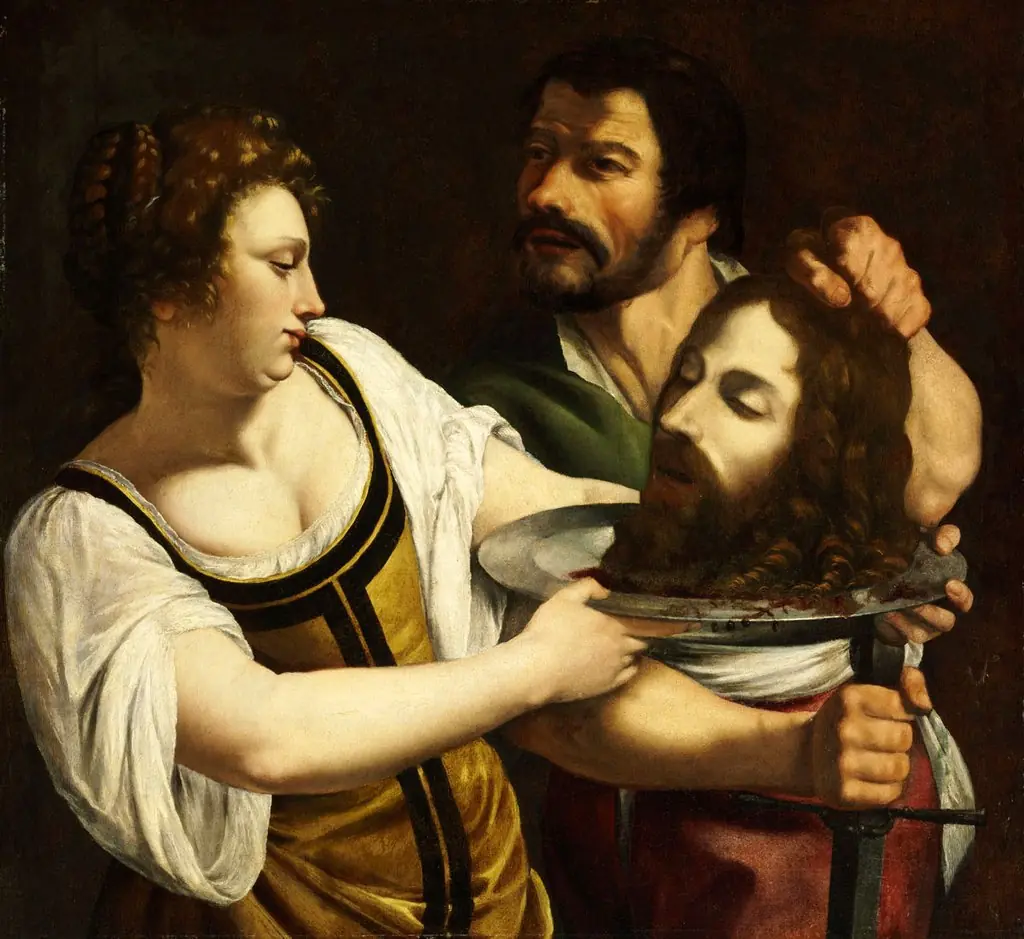
The story of Salome and John the Baptist had been a recurring theme in Italian Renaissance and Baroque art, valued for its blend of moral gravity, erotic undertones, and violent climax. Reni’s treatment diverges from the more theatrical versions of Caravaggio or Artemisia Gentileschi, favoring introspection over spectacle. His approach reflects the Counter-Reformation emphasis on inner piety and emotional restraint.
Legacy
Though less widely known than his religious altarpieces, this painting exemplifies Reni’s ability to infuse disturbing narratives with quiet lyricism. Its restrained power influenced later artists seeking psychological depth over sensationalism. The work stands as a testament to his mastery in balancing beauty with moral unease, shaping how later generations interpreted biblical drama through subtlety rather than spectacle.
Own this work as a print
Artist & collection
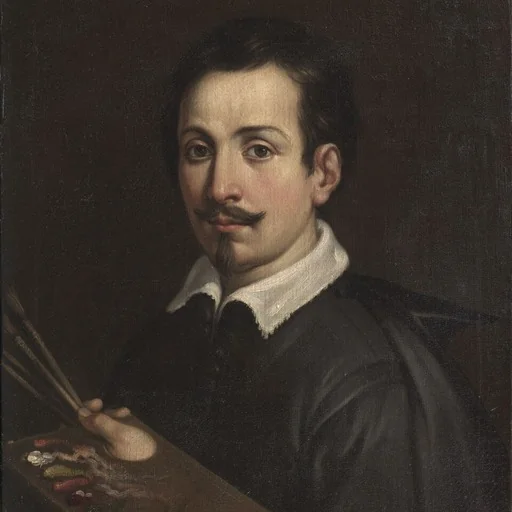
Artist
Guido Reni was an Italian Baroque painter, although his works showed a classical manner, similar to Simon Vouet, Nicolas Poussin, and Philippe de Champaigne.