Artwork
Salome with the Head of Saint John the Baptist
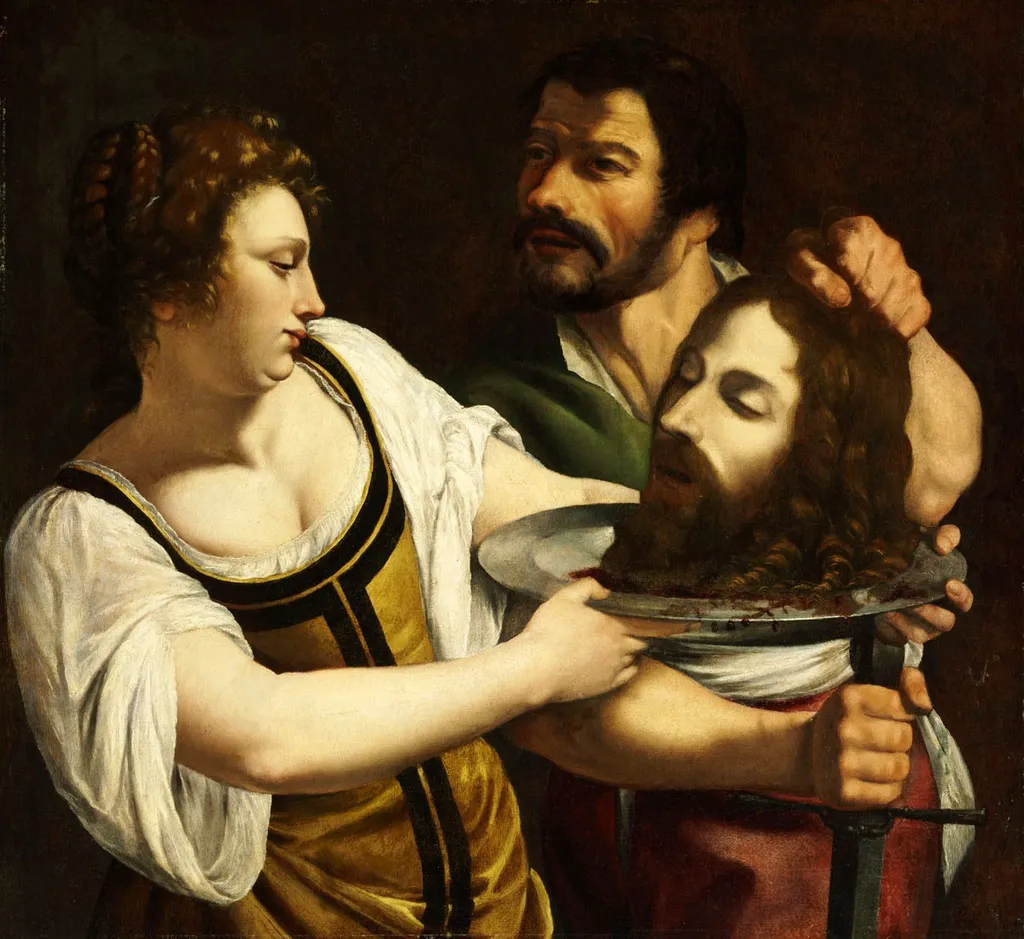
Salome with the Head of Saint John the Baptist is an oil painting by the Early Baroque Italian artist Artemisia Gentileschi. It dates from 1615 and is held in the collection of the Museum of Fine Arts, Budapest.
About this work
Overview
Painted in 1615 by Artemisia Gentileschi, this oil-on-canvas work portrays a moment from the biblical story of John the Baptist’s execution.
Painted in 1615 by Artemisia Gentileschi, this oil-on-canvas work portrays a moment from the biblical story of John the Baptist’s execution. Created during the early Baroque period, it reflects the artist’s engagement with Caravaggio’s dramatic visual language. Gentileschi, one of the few women of her time to achieve professional recognition, produced this piece while active in Florence, where she later became the first woman admitted to the Accademia di Arte del Disegno.
Subject & Meaning
The scene captures Salome, dressed in a white gown with dark and gold accents, holding a metal tray bearing the severed head of John the Baptist. Her expression is solemn, neither triumphant nor horrified, suggesting contemplation rather than violence. Behind her, the executioner grips his sword, his face taut with tension. The composition avoids sensationalism, focusing instead on the psychological weight of the act and its moral ambiguity.
Technique & Style
Gentileschi employs chiaroscuro to model forms with stark contrasts between light and shadow, a hallmark of Caravaggisti technique. The illumination falls sharply across Salome’s face and the head on the tray, isolating them from the surrounding darkness. Textures of fabric, metal, and skin are rendered with precise detail, enhancing the tactile realism. The figures are tightly framed, heightening the intimacy and emotional gravity of the moment.
History & Provenance
The painting was completed in 1615, during Gentileschi’s time in Florence. It entered the collection of the Museum of Fine Arts, Budapest, in the 19th century, likely through European art market channels. Its attribution has remained consistent, supported by stylistic analysis and historical records of the artist’s known works from this period. No significant alterations or restorations are documented.
Context
In early 17th-century Italy, women artists faced institutional barriers yet found avenues through patronage and guild networks. Gentileschi’s access to the Accademia di Arte del Disegno marked a rare professional breakthrough. Her depiction of biblical women, often in moments of agency or trauma, diverged from male contemporaries’ more passive portrayals, reflecting her lived experience and distinctive perspective.
Legacy
This painting contributes to a broader recognition of Gentileschi’s role in reshaping Baroque narrative painting through female subjectivity. While not widely exhibited in her lifetime, its survival and current placement in a major European museum underscore its enduring significance. Scholars increasingly view it as part of a larger body of work that redefined gender and power in early modern art.
Artist & collection
Artist
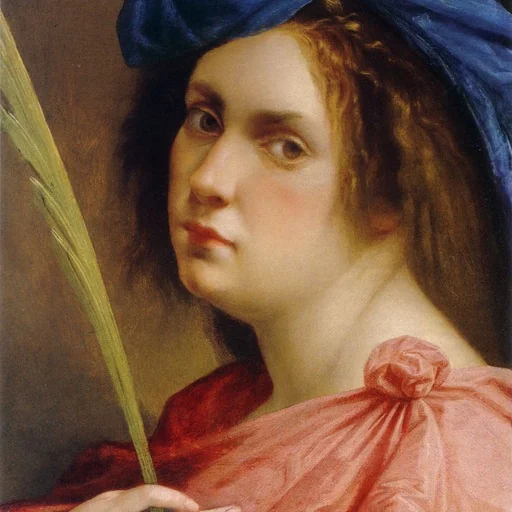
Artemisia Lomi Gentileschi (US: JEN-til-ESK-ee, -teel-; Italian: ; 8 July 1593 – after January 1654) was an Italian Baroque painter.

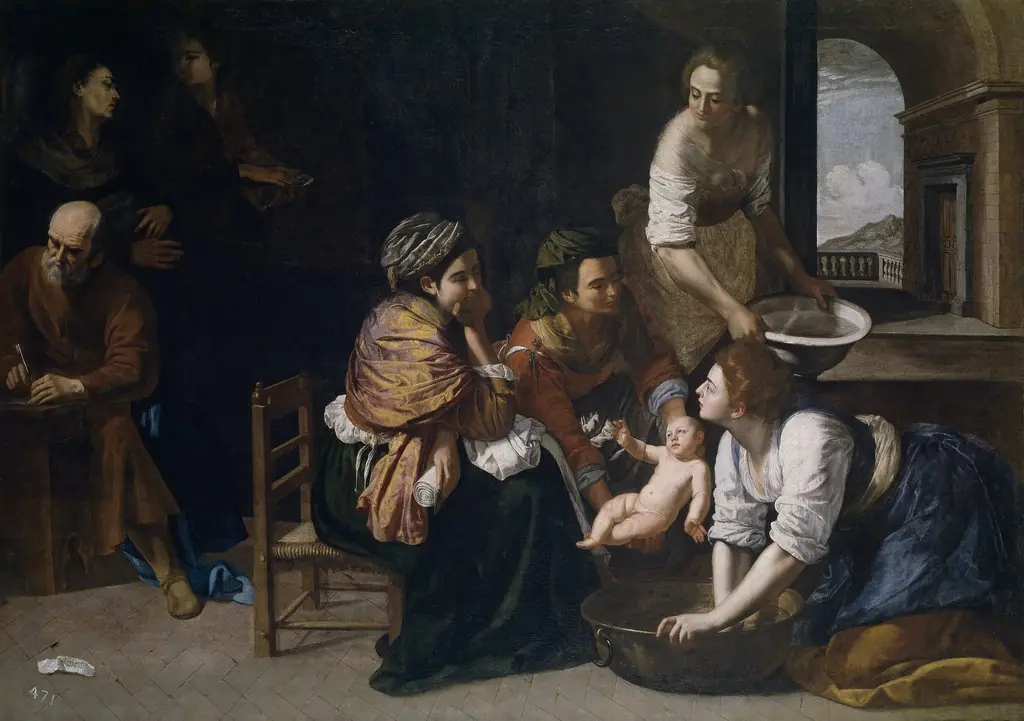
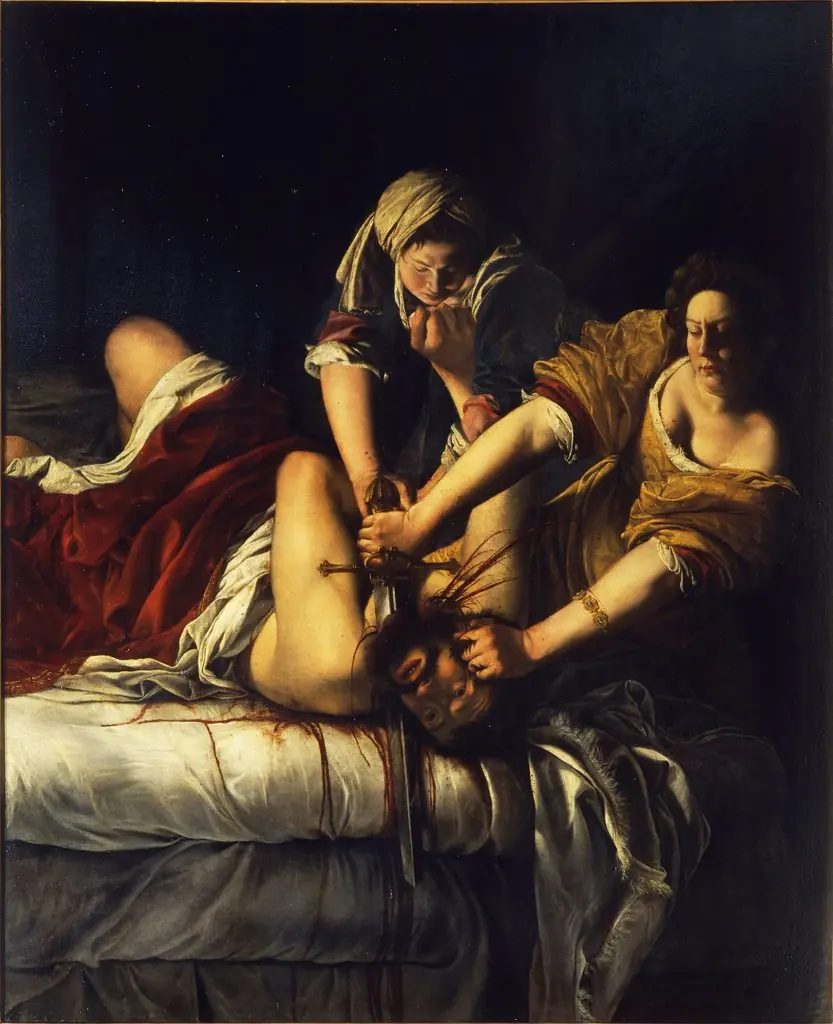
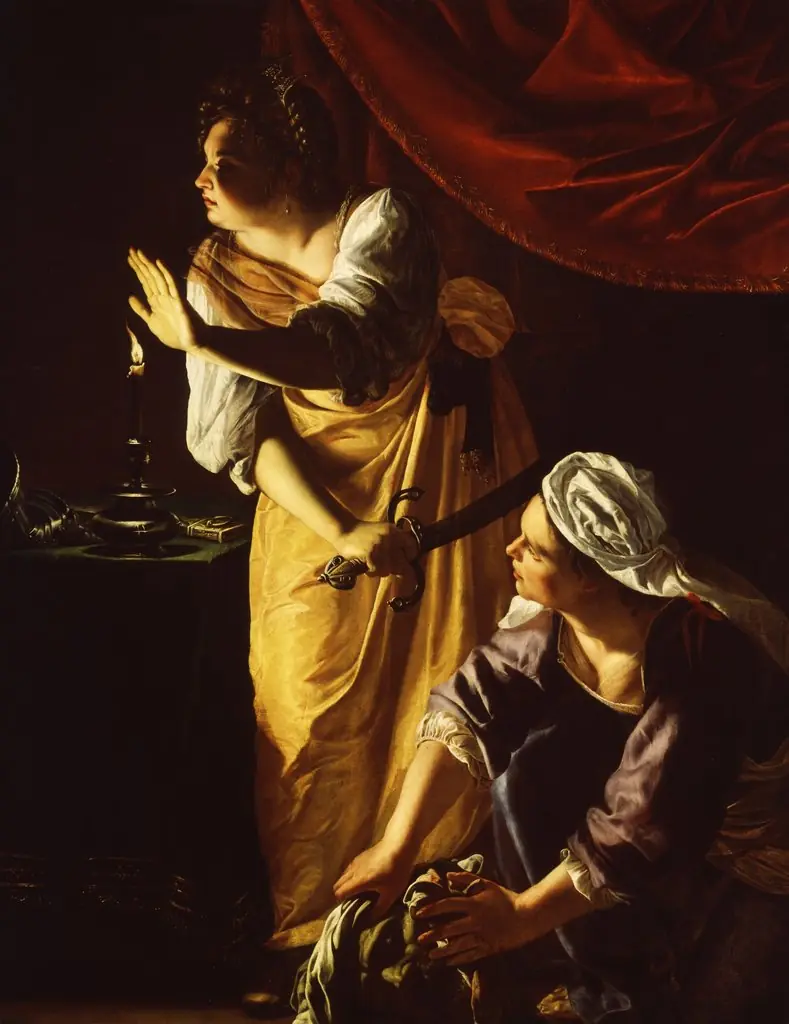
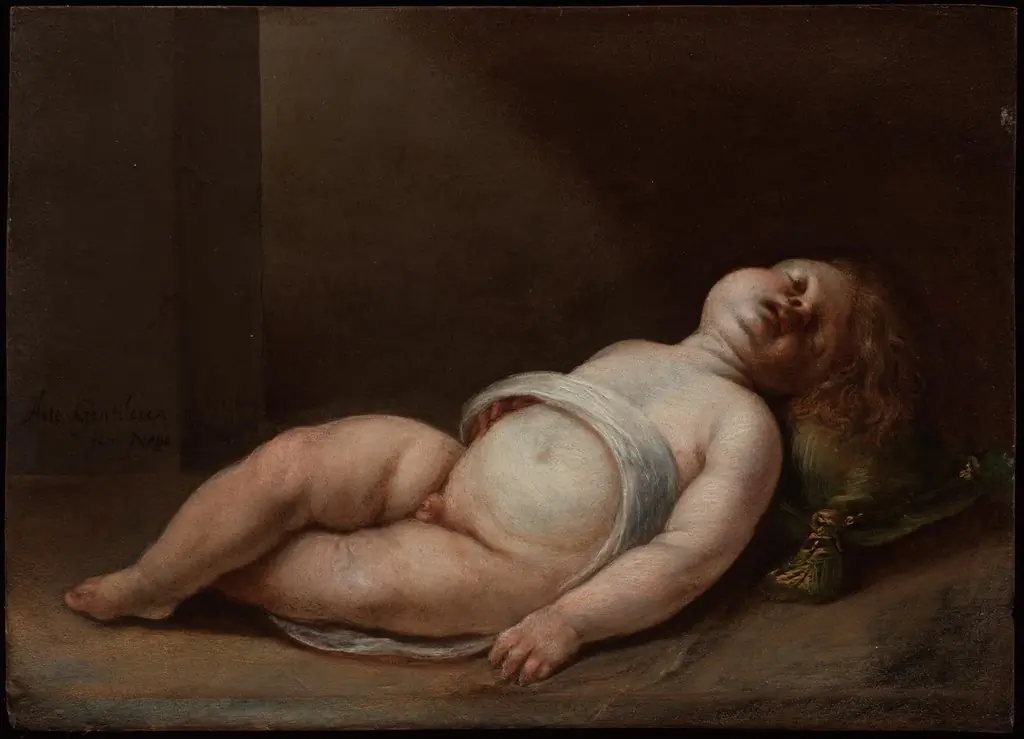
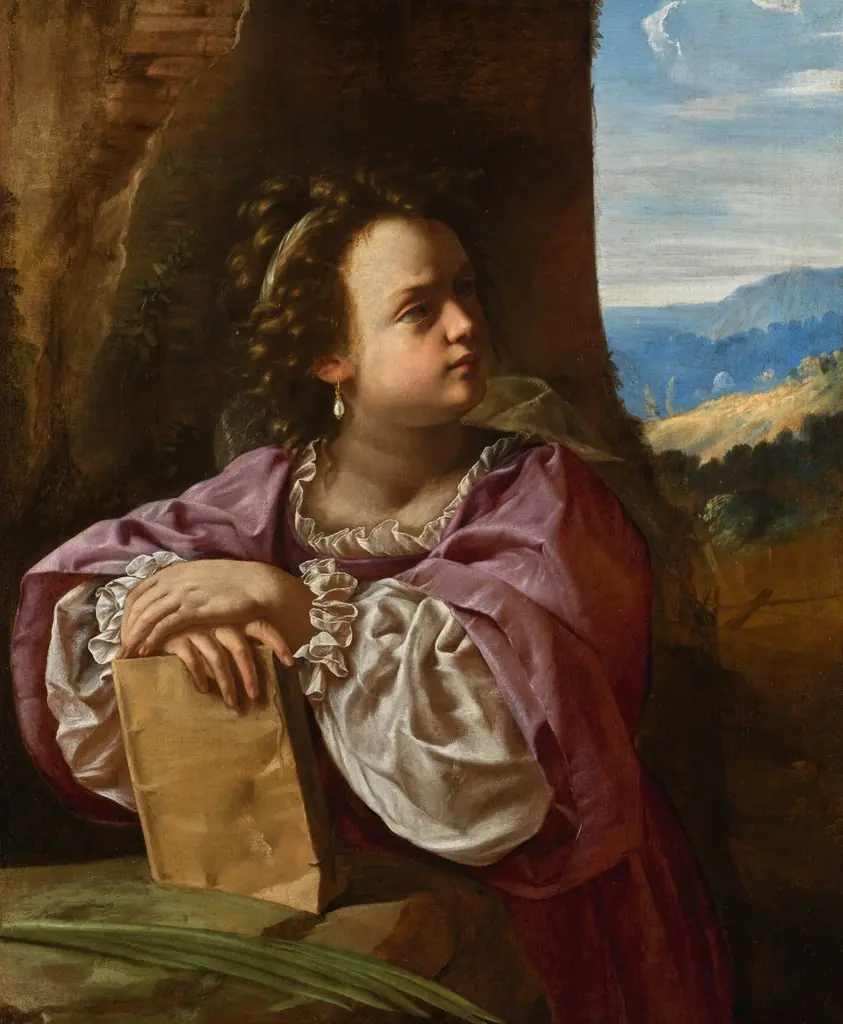
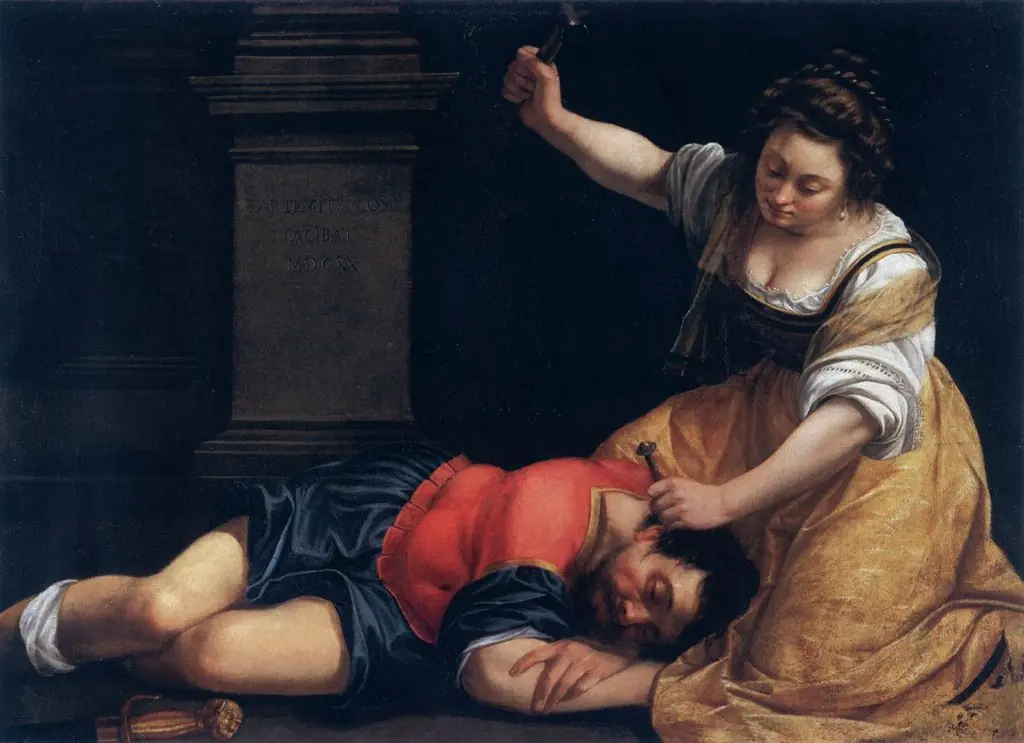
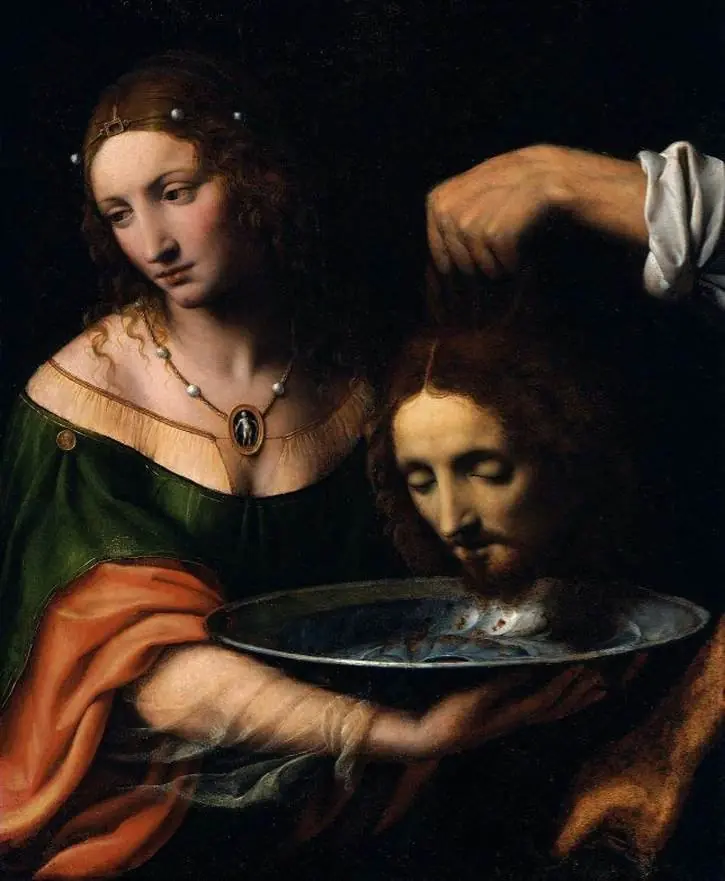 Salome with the Head of Saint John the Baptist
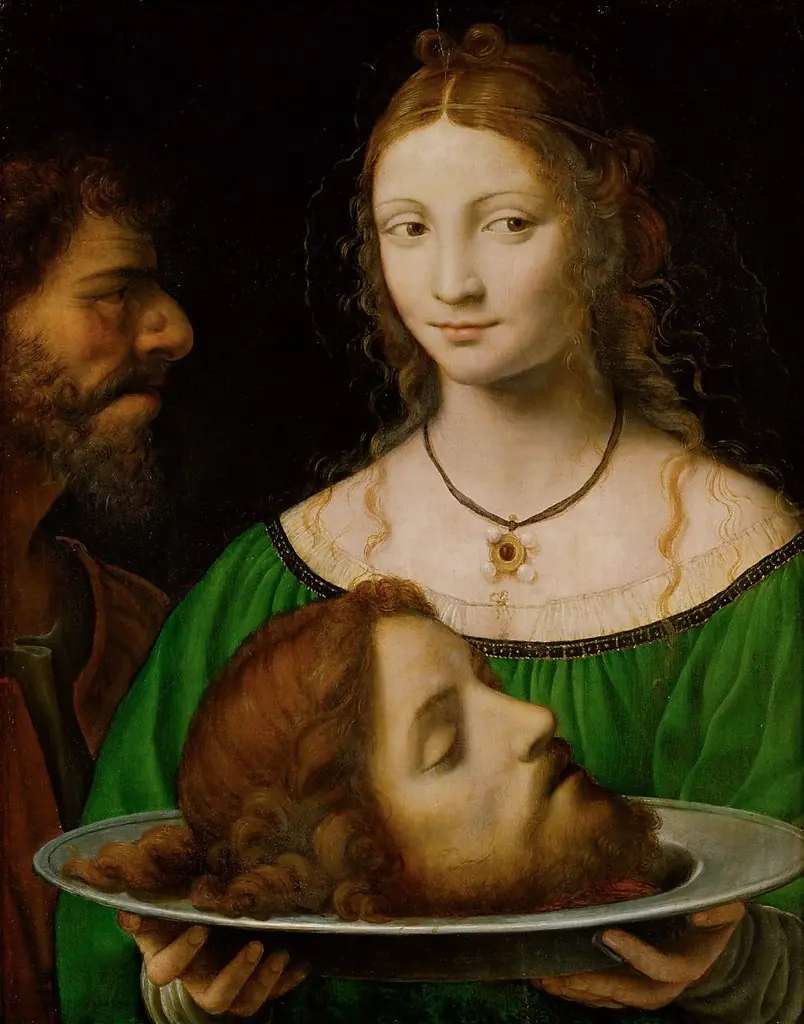 Salome with the Head of John the Baptist
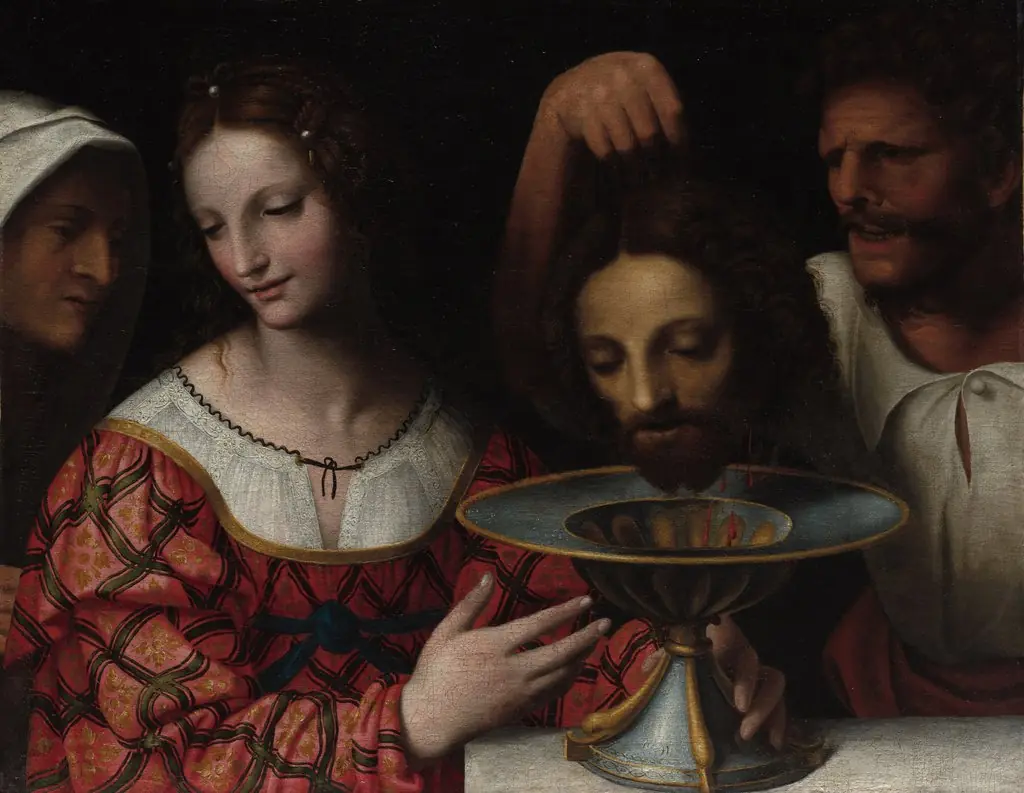 Salome with the Head of Saint John the Baptist
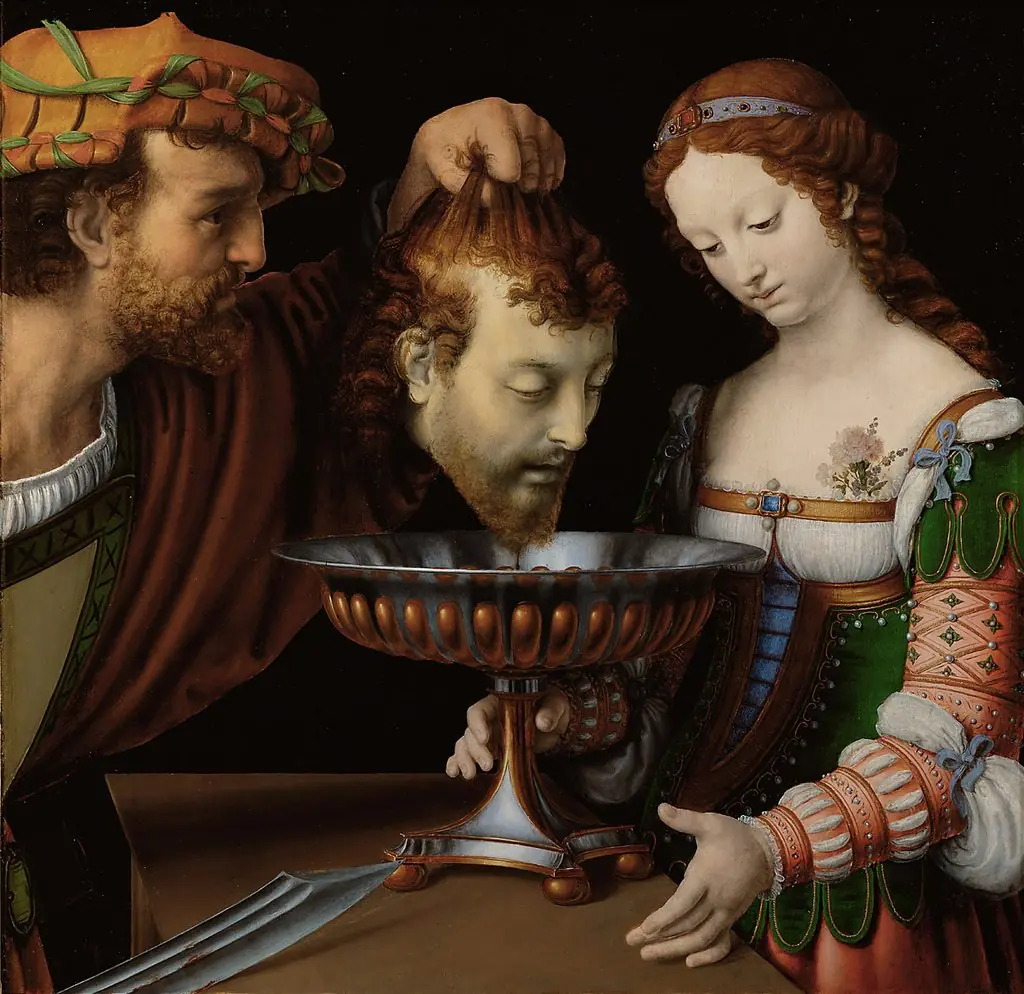 Salome with John the Baptist's head
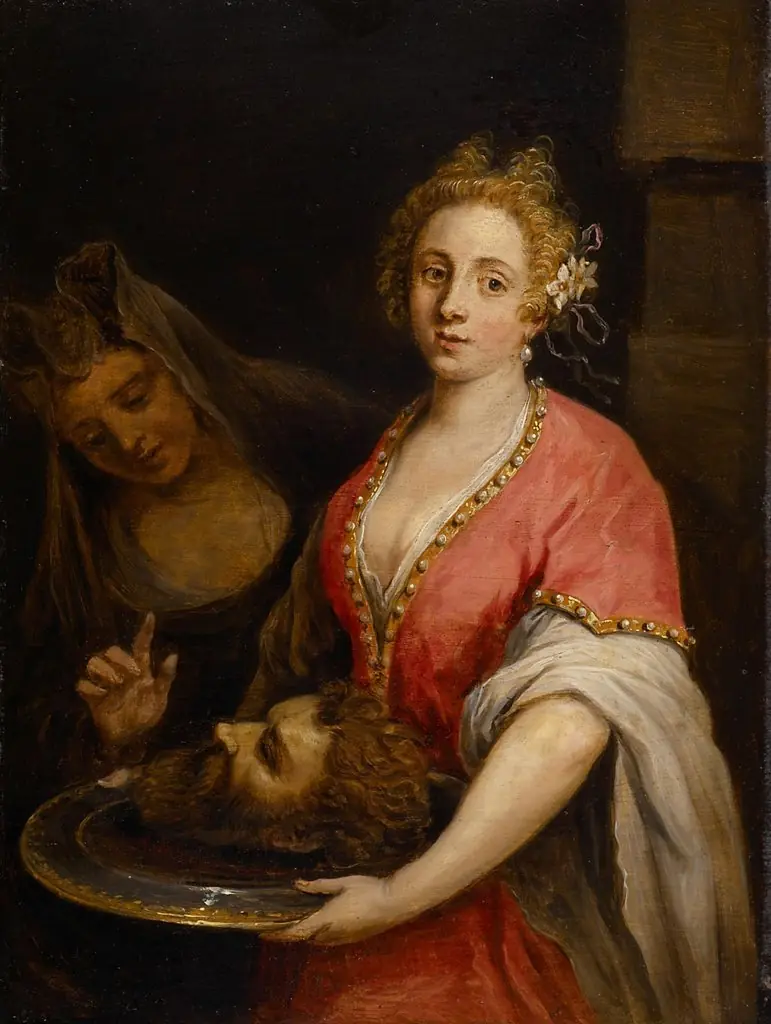 Salome with the Head of John the Baptist
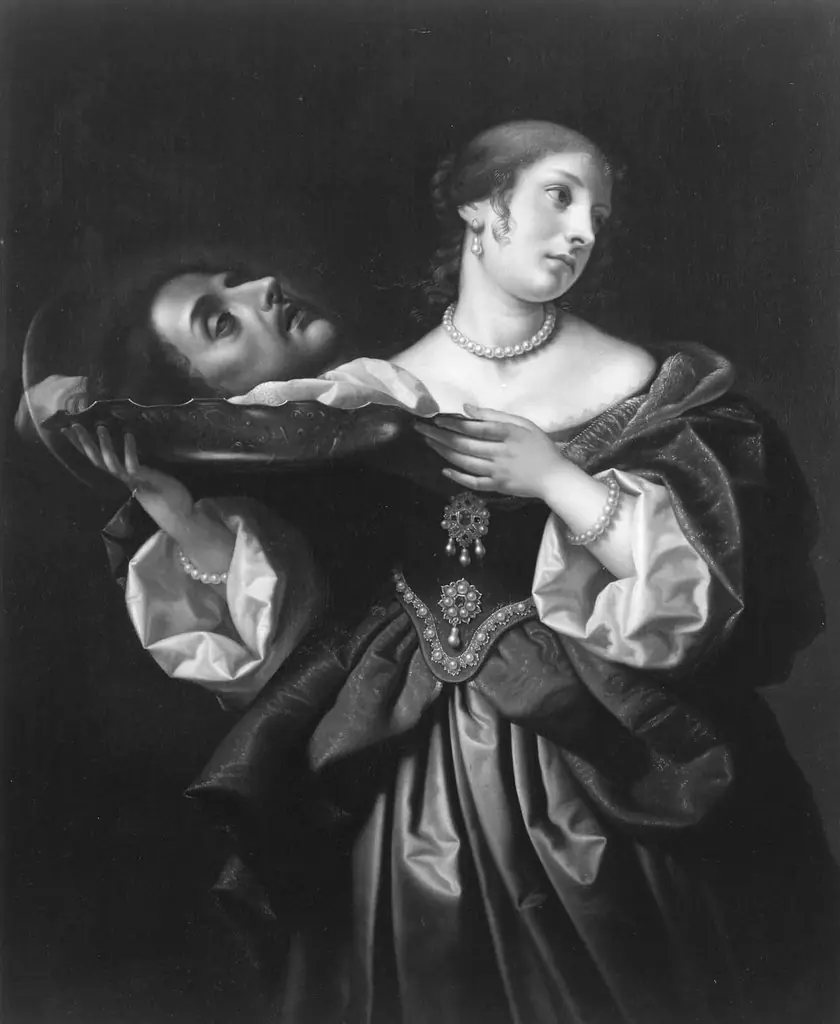 Salome with the Head of Saint John the Baptist
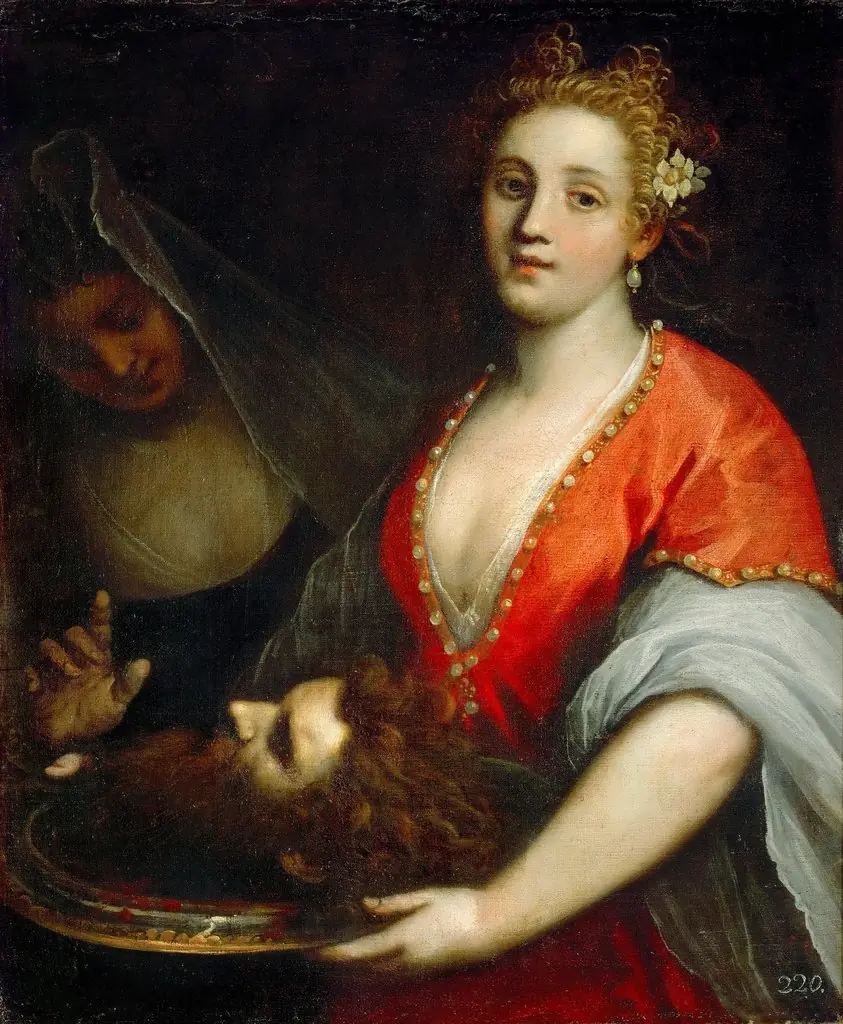 Salomé with the Head of John the Baptist
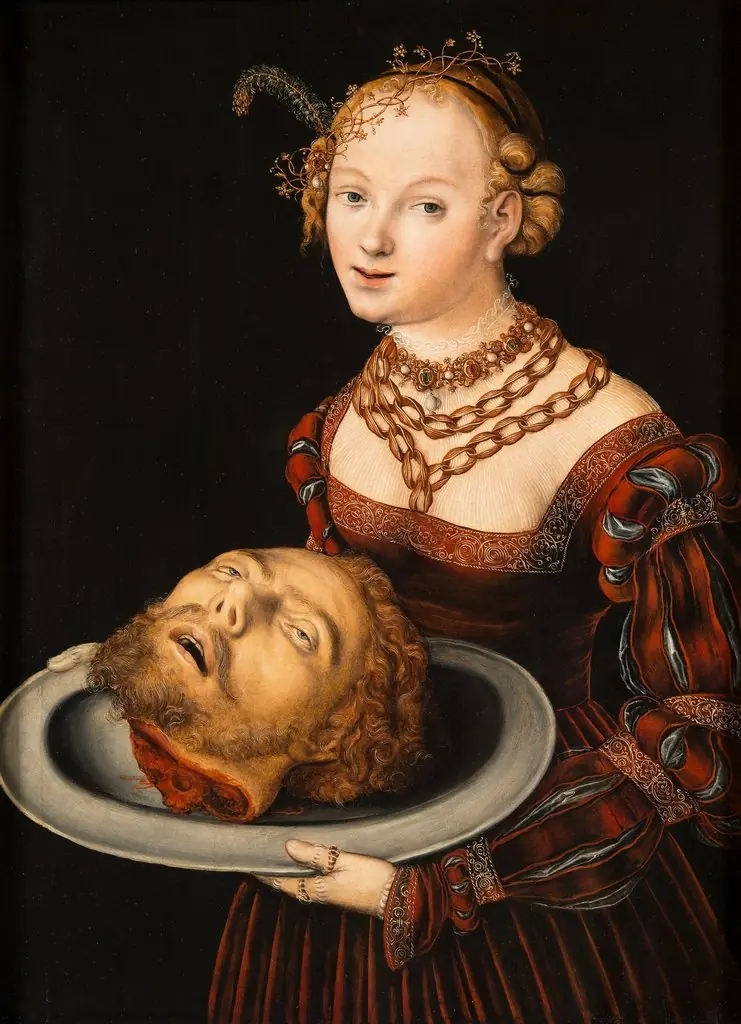 Salome with the Head of St John the Baptist
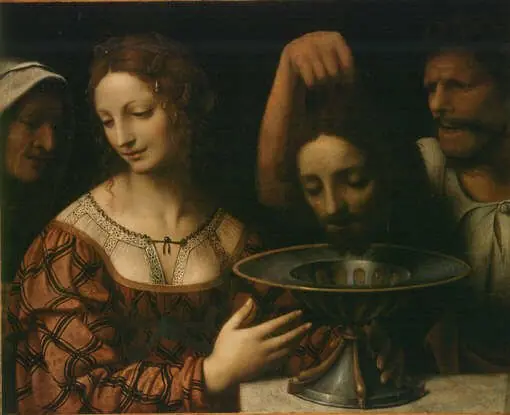 Salome with the head of John the Baptist
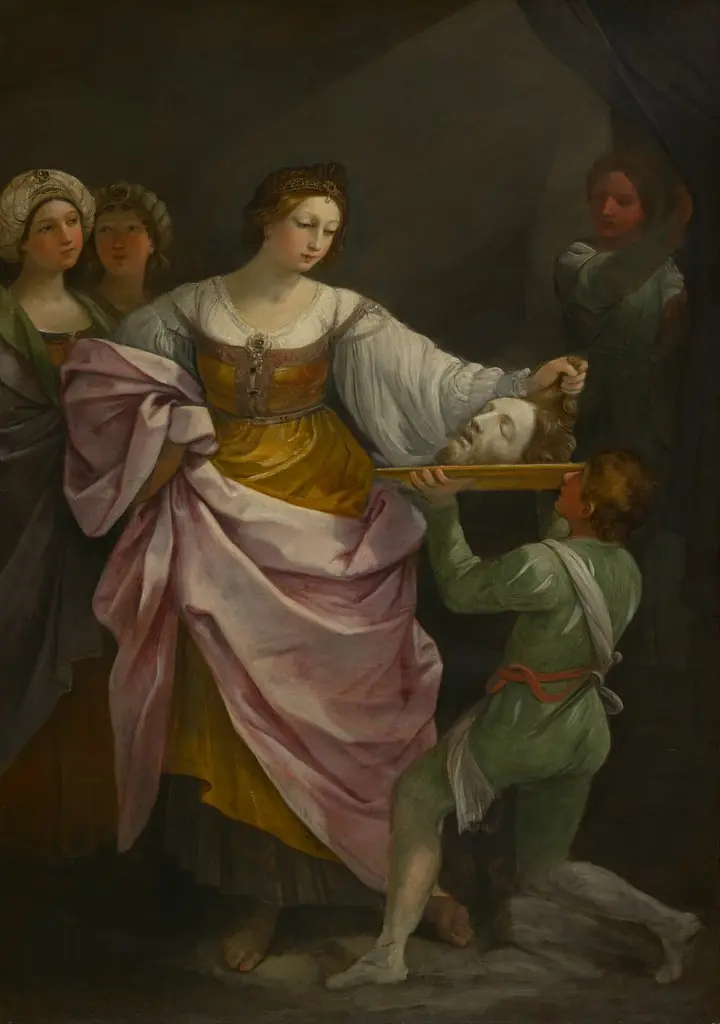 Salome with the Head of Saint John the Baptist
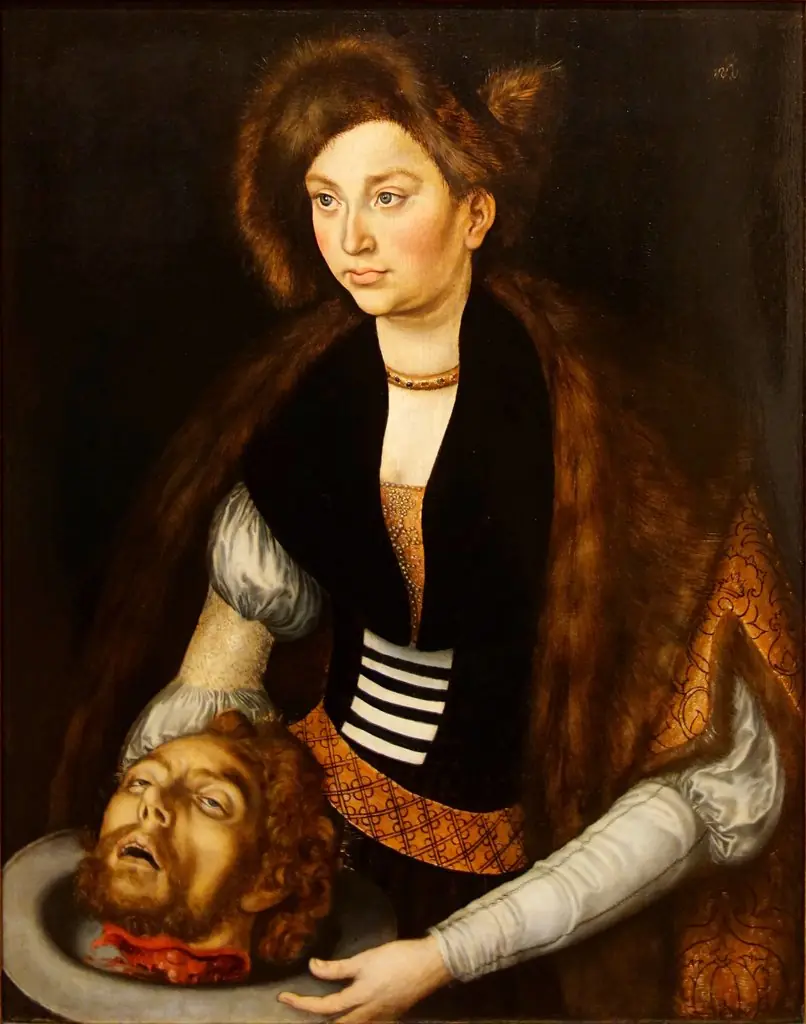 Salome with the head of Saint John the Baptist
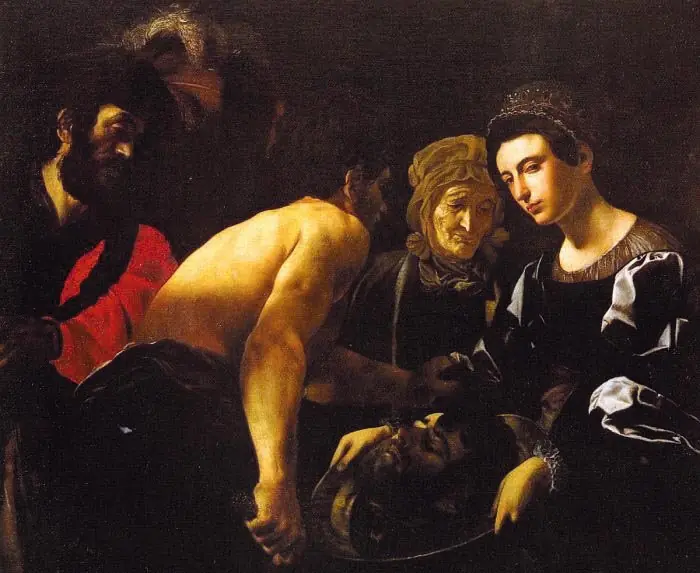 Salome receives the Head of St. John the Baptist