Artwork
Marsh in the Sunlight
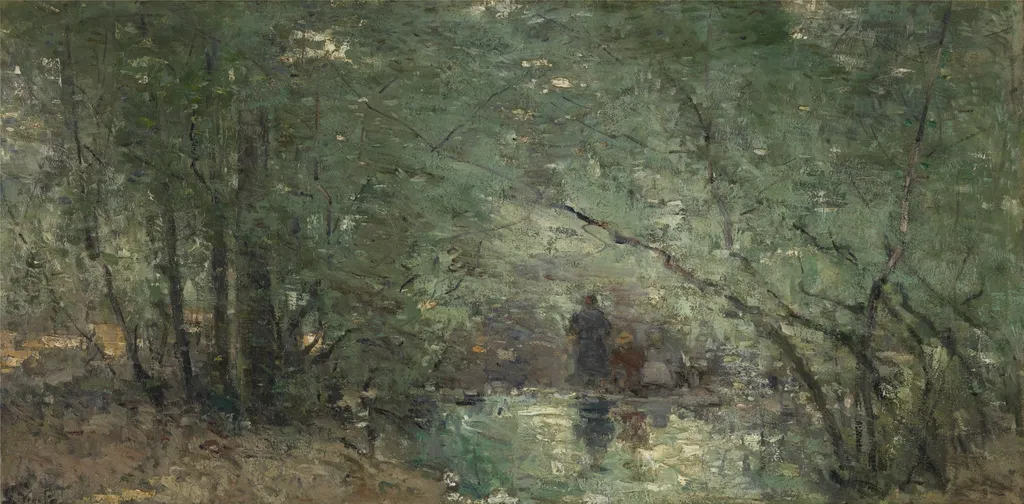
Marsh in the Sunlight is an oil painting by the Impressionist artist Guillaume Vogels. It dates from 1894 and is held in the collection of the Royal Museum of Fine Arts Antwerp.
About this work
Overview
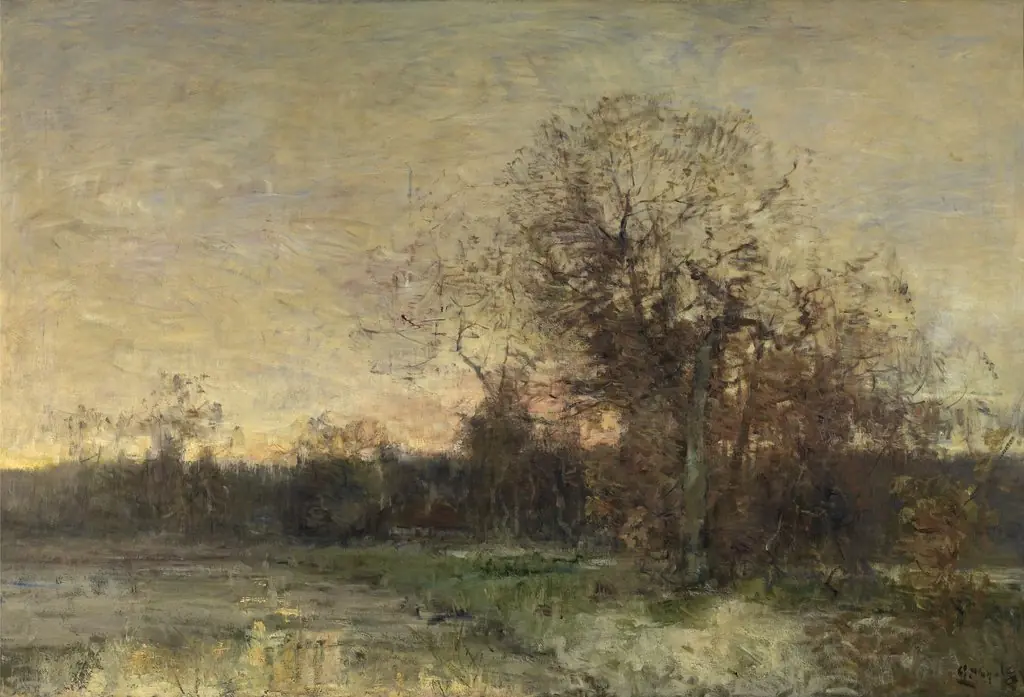
Guillaume Vogels painted *Marsh in the Sunlight* in 1894, an oil work now housed in the Royal Museum of Fine Arts Antwerp. The composition centers on a wetland scene, rendered with an emphasis on natural light and organic forms. Trees, foliage, and open water dominate the view, while a single human figure provides scale, grounding the expansive landscape in a tangible sense of place.
Subject & Meaning
The painting captures a marsh under bright daylight, evoking tranquility and the quiet vitality of undisturbed nature. The distant figure, though small, introduces a human presence, suggesting themes of solitude or the intersection of human experience with the natural world. The scene’s stillness and luminosity may reflect the artist’s interest in fleeting atmospheric effects.
Technique & Style
Vogels employed loose, energetic brushwork to convey the textures of vegetation and the play of light across the marsh. His palette balances warm and cool tones, creating depth and a sense of spatial recession. The handling of light—both direct and diffused—demonstrates a keen observation of natural illumination, characteristic of late 19th-century landscape painting.
History & Provenance
Completed in 1894, *Marsh in the Sunlight* entered the collection of the Royal Museum of Fine Arts Antwerp, where it remains part of the institution’s holdings. The painting’s early history, including its initial exhibition or commission, is not extensively documented. Its inclusion in the museum’s collection underscores its significance within Vogels’ body of work.
Context
The work emerges from a period when European artists increasingly turned to natural landscapes as subjects, often emphasizing mood and light over topographical accuracy. Vogels’ approach aligns with broader trends in late 19th-century painting, where outdoor scenes served as vehicles for exploring color, atmosphere, and the emotional resonance of nature.
Artist & collection

 Mühlebach bei Langenthal
 Willows at a pond
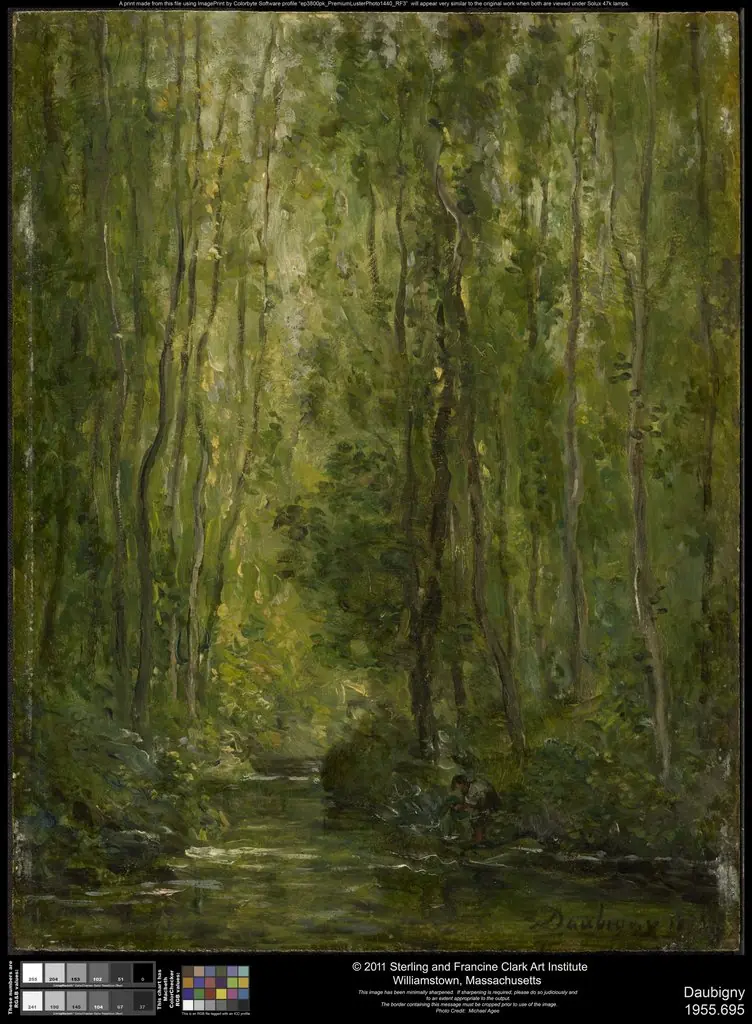 Woodland Scene
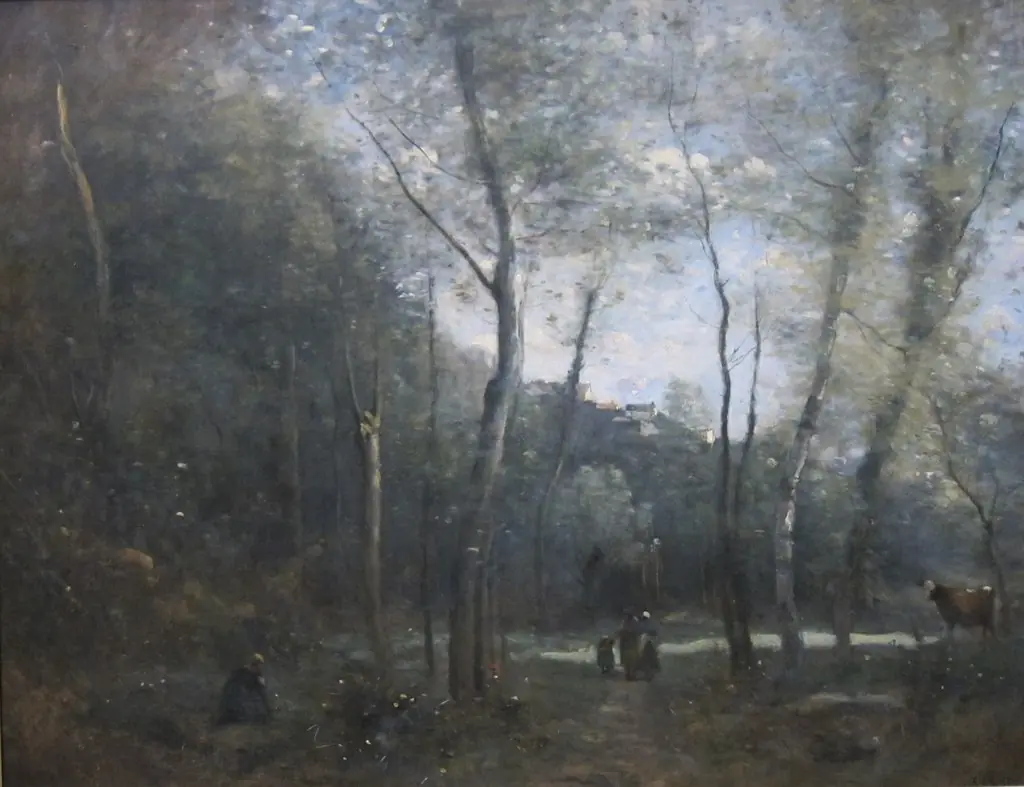 Souvenir of a Meadow at Brunoy
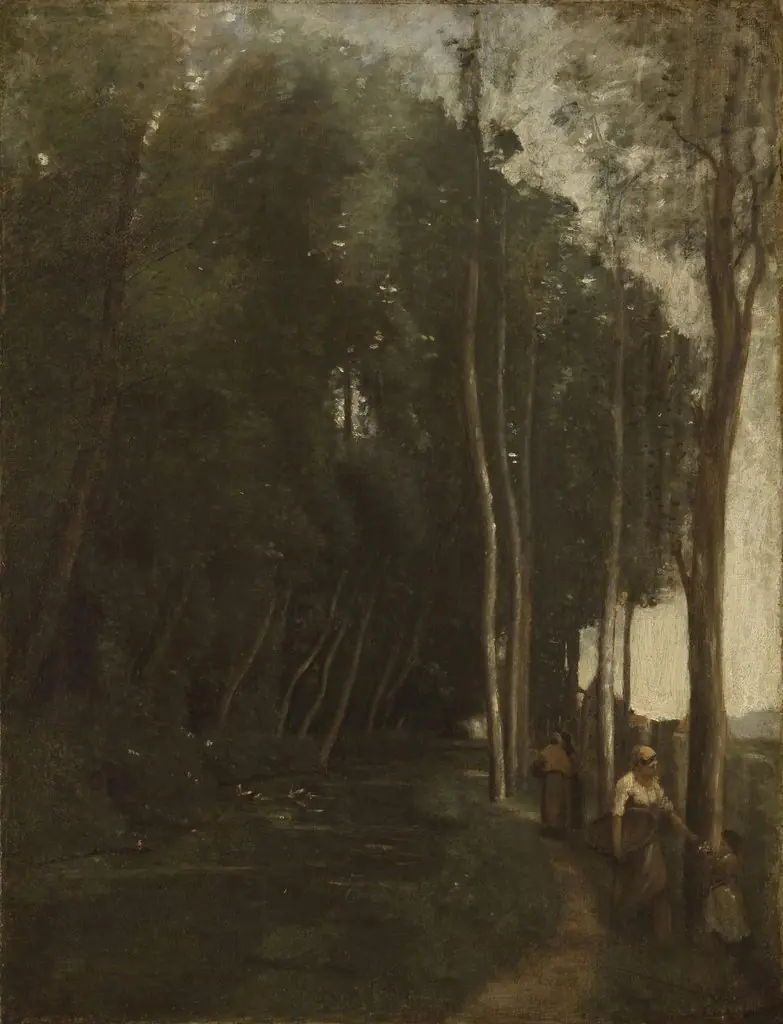 Under Trees, Marcoussy
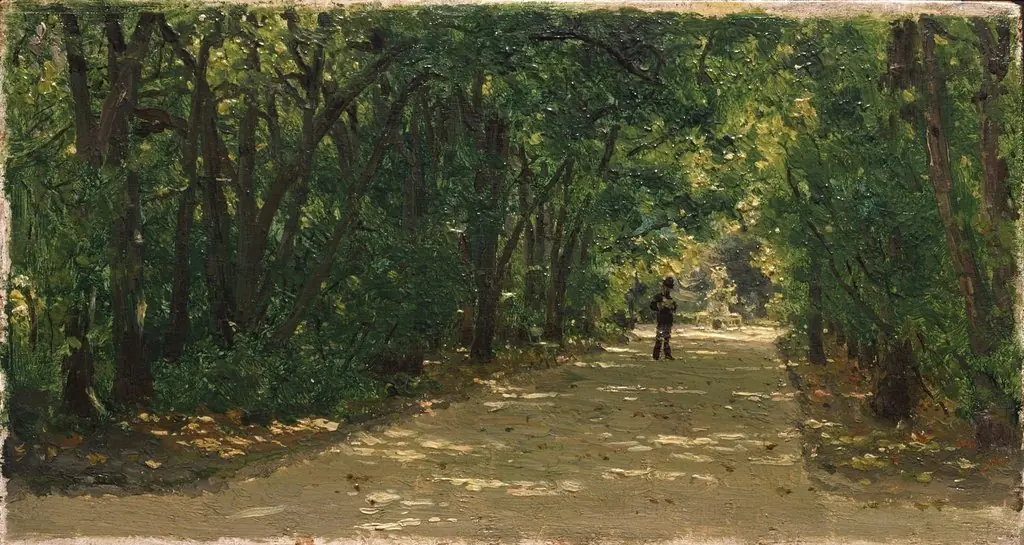 Álea no parque
 Abramtsevo. Forest shore
 Along the River Epte in Gasny
 Water Meadows on the River IJssel
 Kaivopuiston lammikko
 Landscape
 A Brook in a Clearing (possibly "Brook, Valley of Fontcouverte; Study")