Artwork
Portret van Peter Paul Rubens
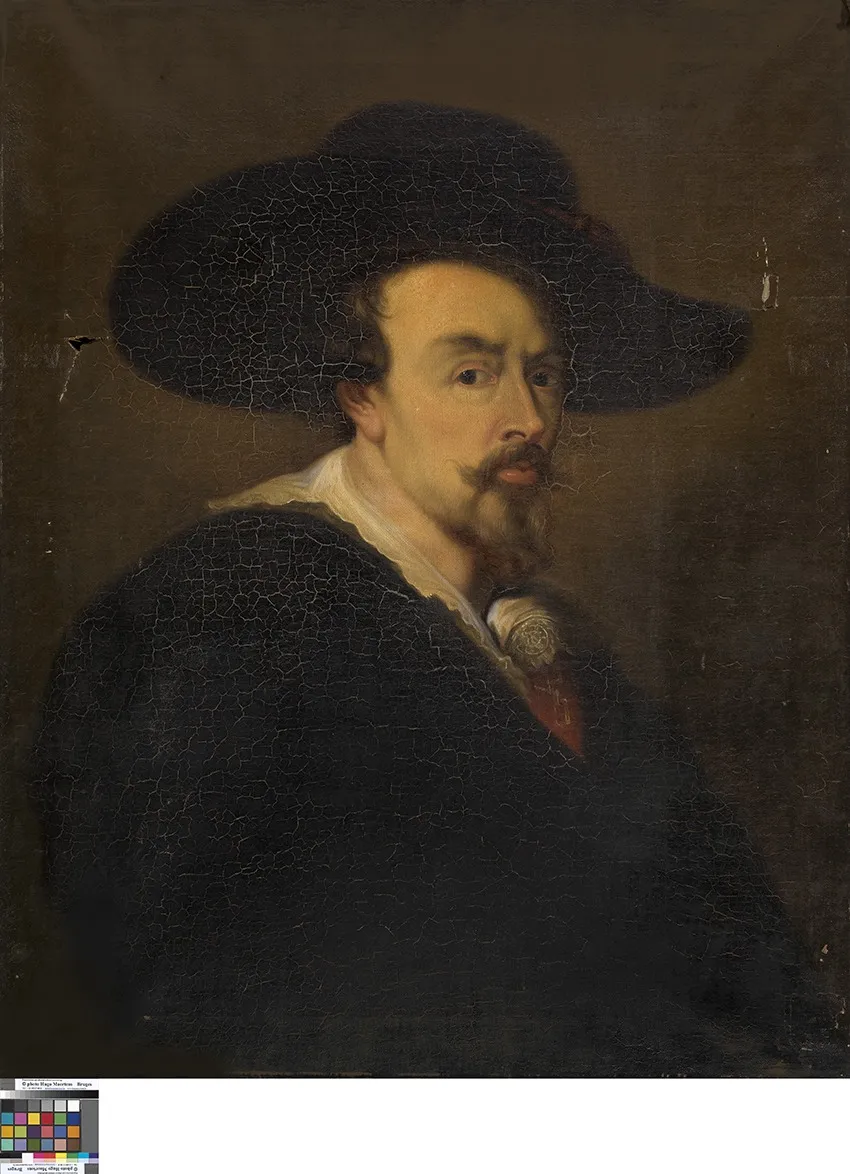
Portret van Peter Paul Rubens is an oil painting by Guillielmus Petrus Geysen. It dates from 1796 and is held in the collection of the Groeningemuseum.
About this work
If you're interested in learning more about the artist who created this painting, you might want to look up Guillielmus Petrus Geysen.
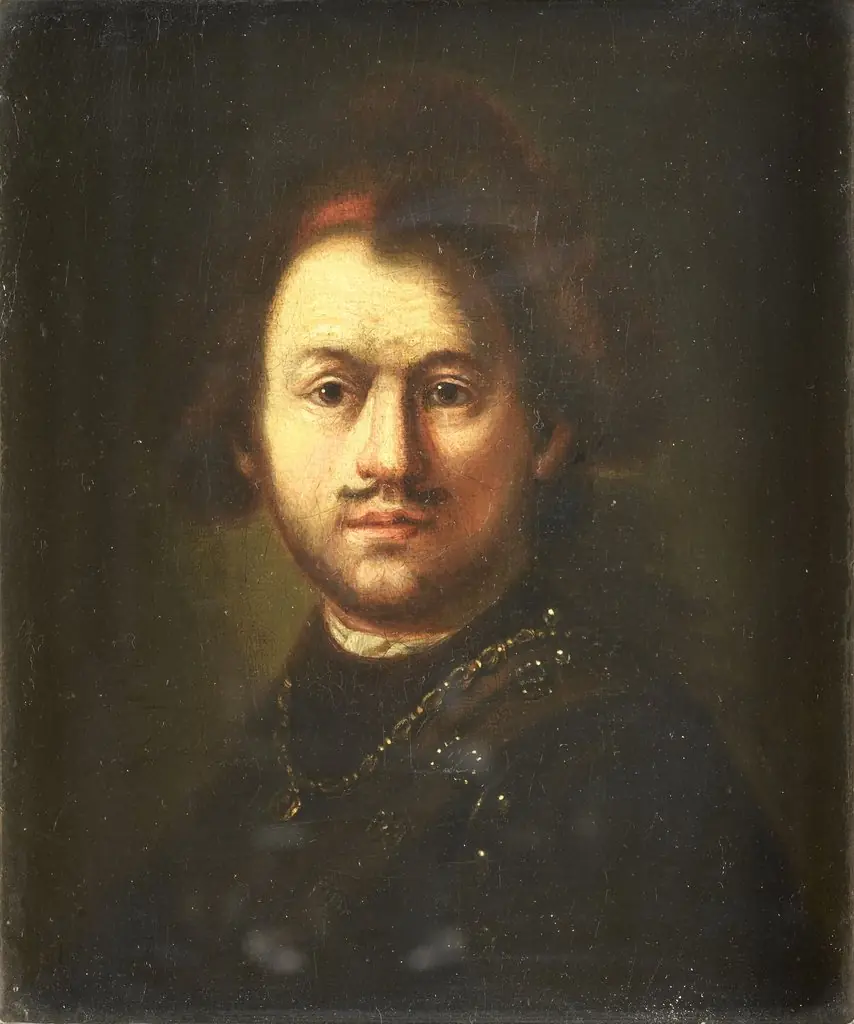
This portrait depicts a man wearing a black hat and a black jacket with a white collar. The man's face is turned to the right, and he has a mustache and a goatee. The background of the painting is dark brown.
The painting appears to be quite old, with visible cracks in the paint. The man's clothing and hairstyle suggest that the painting was created in the 18th century.
If you're interested in learning more about the artist who created this painting, you might want to look up Guillielmus Petrus Geysen.
Overview
This oil painting, completed in 1796 by Guillielmus Petrus Geysen, portrays the Flemish Baroque painter Peter Paul Rubens. Though created nearly two centuries after Rubens’s death, the portrait serves as a posthumous tribute. It is part of the collection at the Groeningemuseum in Bruges, where it is preserved as a historical representation rather than a contemporary likeness.
Subject & Meaning
The subject is Peter Paul Rubens, depicted in formal attire typical of late 18th-century portraiture. The black hat, high white collar, and trimmed facial hair reflect an idealized image of intellectual and artistic dignity. The portrait does not attempt to capture Rubens’s actual appearance but instead constructs a respectful, timeless image aligned with 18th-century reverence for past artistic figures.
Technique & Style
Geysen employed traditional oil painting methods, with careful attention to texture in fabric and subtle modeling of the face. The dark brown background isolates the figure, emphasizing form over context. Visible craquelure suggests age and material degradation, consistent with the painting’s age and environmental exposure. The brushwork is restrained, prioritizing clarity and solemnity over expressive flourish.
History & Provenance
Painted in 1796, the work entered the Groeningemuseum’s collection as part of its broader effort to document Flemish cultural heritage. Its origin likely stems from a period of renewed interest in historical figures during the late Enlightenment. No record indicates it was commissioned by Rubens’s descendants; instead, it appears to be a scholarly or institutional tribute, reflecting contemporary attitudes toward artistic legacy.
Context
In the late 18th century, European museums and academies increasingly sought to canonize past artists through portraiture. Rubens, though long deceased, remained a towering figure in Flemish art. Geysen’s portrait aligns with this trend, using conventional visual language to connect the present with a revered past, reinforcing cultural continuity amid political and social change.
Legacy
The portrait endures as a historical document rather than a biographical record. It illustrates how later generations interpreted and memorialized Rubens, filtering his image through 18th-century aesthetics. Today, it contributes to the museum’s narrative of artistic lineage, offering insight into how cultural memory is visually constructed over time.
Artist & collection
Artist
Geysen painted only when the light slanted just so across his Antwerp attic, leaving half-finished canvases stacked like bread loaves in the corner.

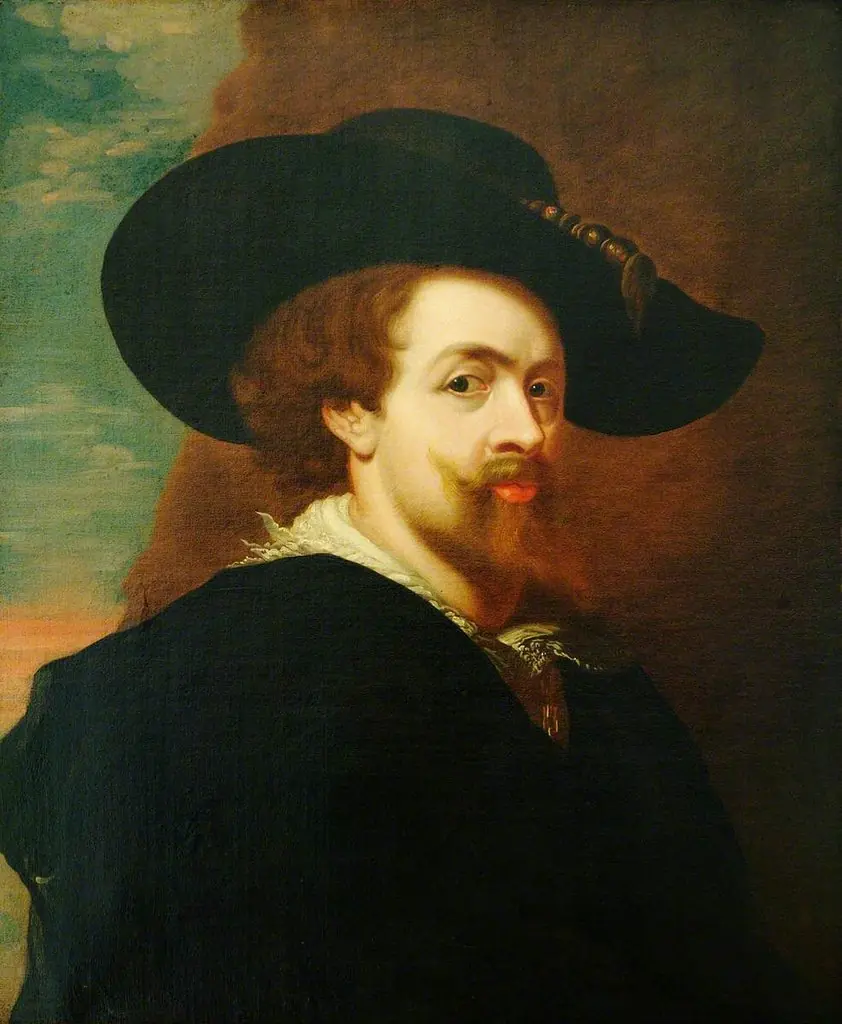 Self Portrait
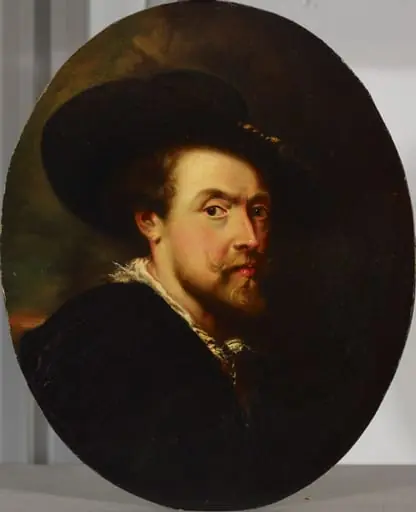 Peter Paul Rubensin omakuva, kopio
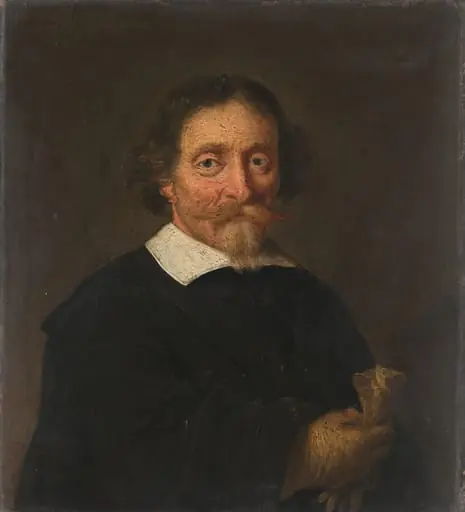 Portrait of a Man
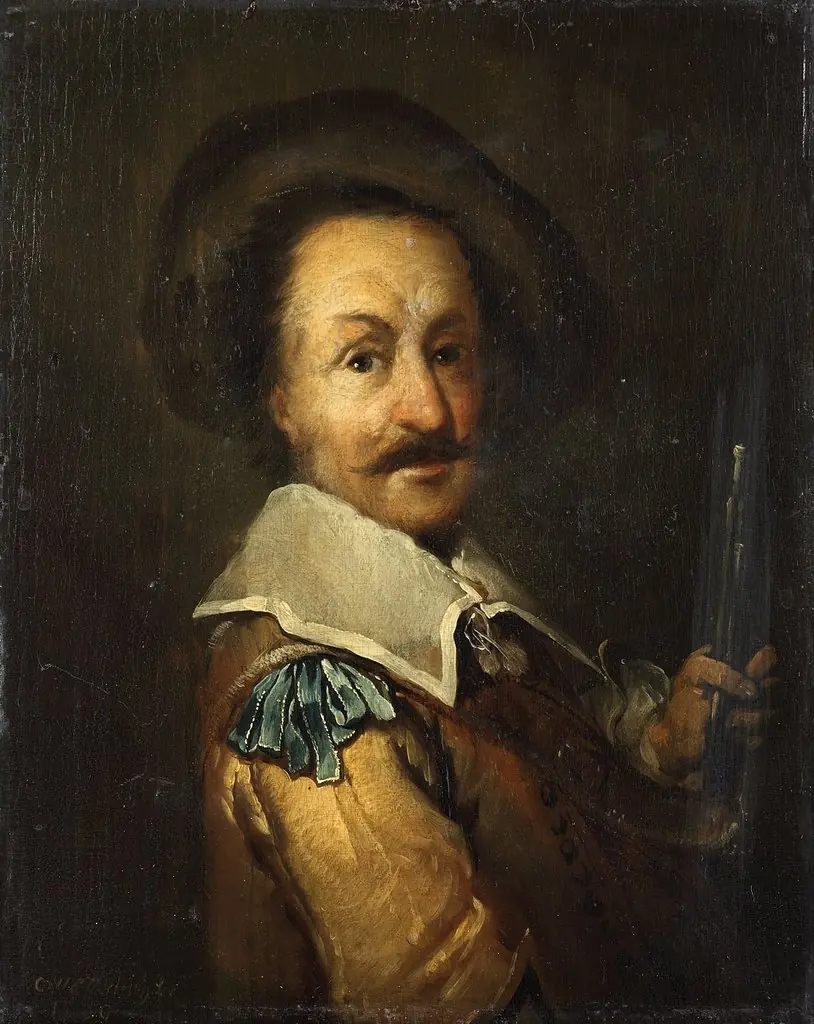 Portrait of a Man
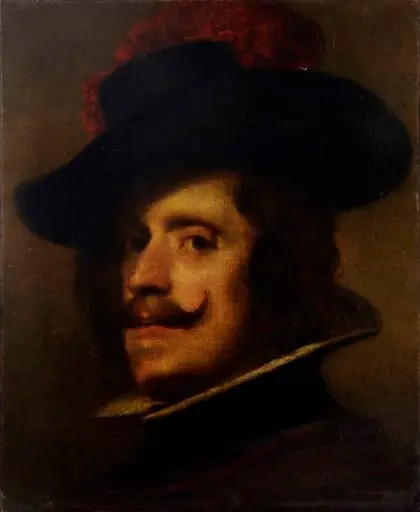 Regele Filip al IV-lea al Spaniei
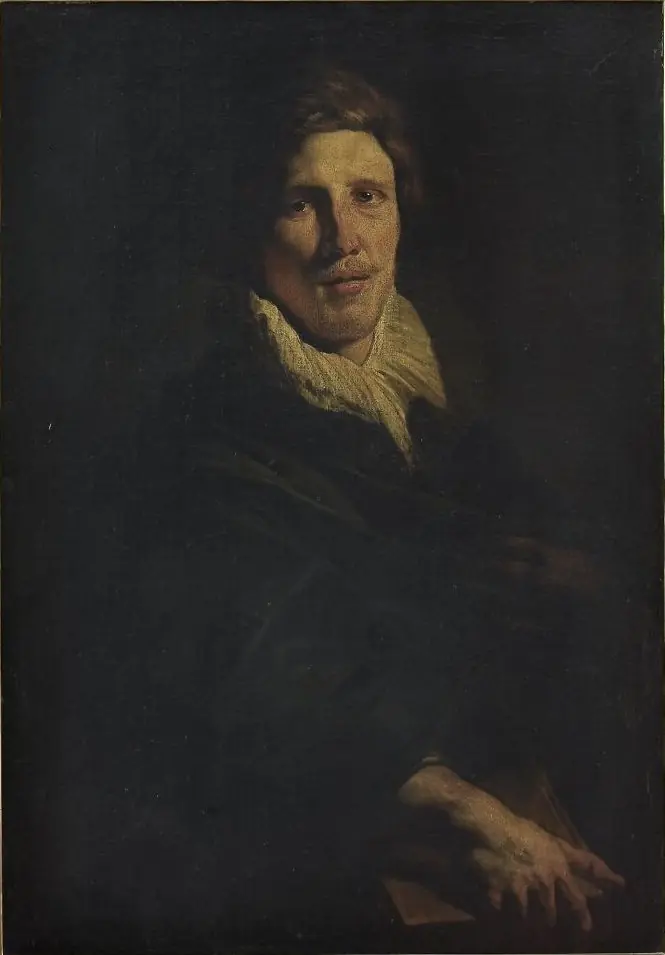 Portrait of a young gentleman, formerly believed to be a self-portrait
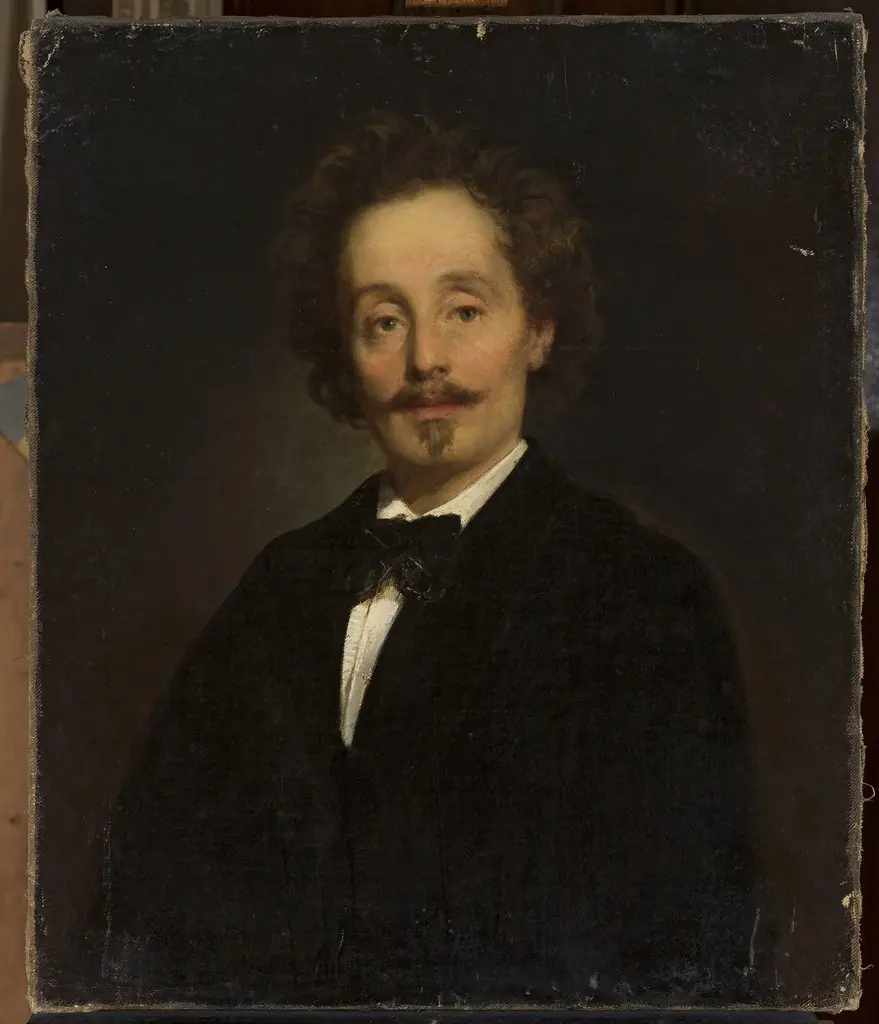 Portrait of Wiktor Brodzki, sculptor
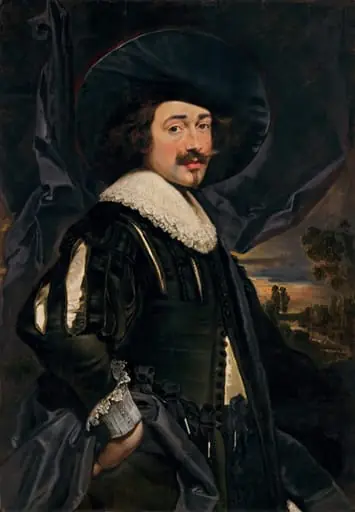 Portrait of a Man in a Wide-Brimmed Hat
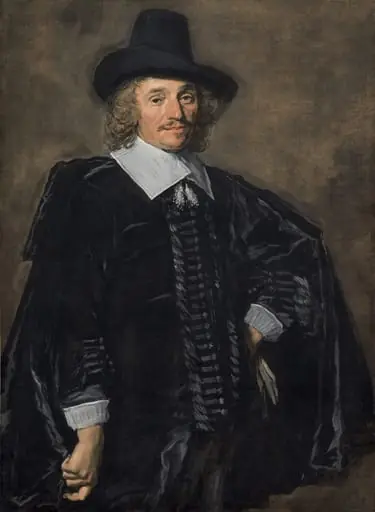 Portrait of a Gentleman
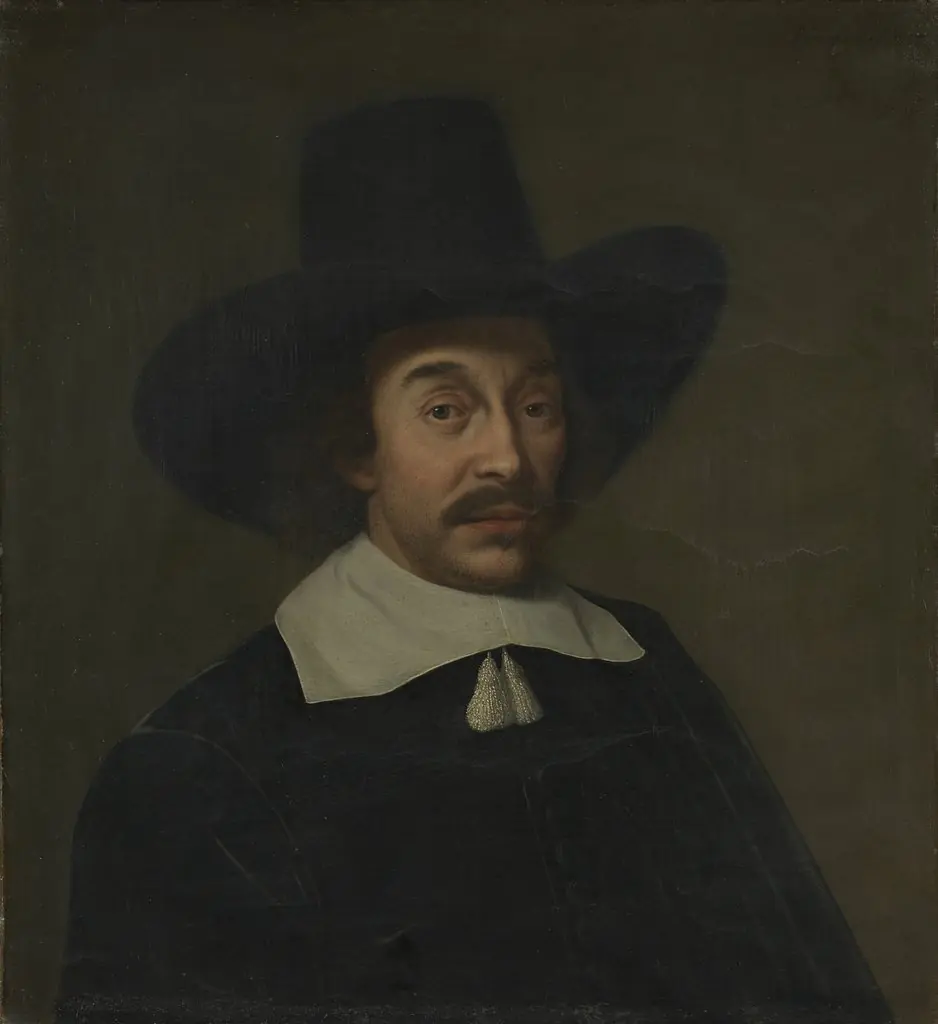 Jan de Hooghe (1608-82). Father-in-law of the painter Ludolf Bakhuysen
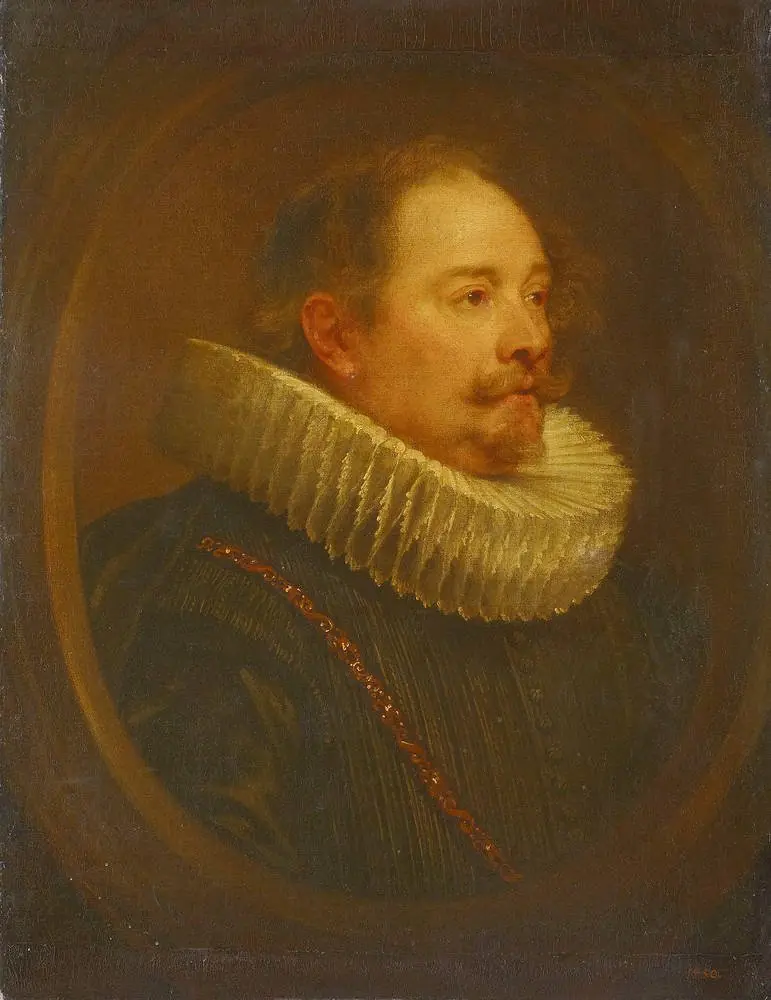 Portrait of Engelbert Taye, Baron von Wemmel
 Portrait of Rembrandt