Artwork
Peter Paul Rubensin omakuva, kopio
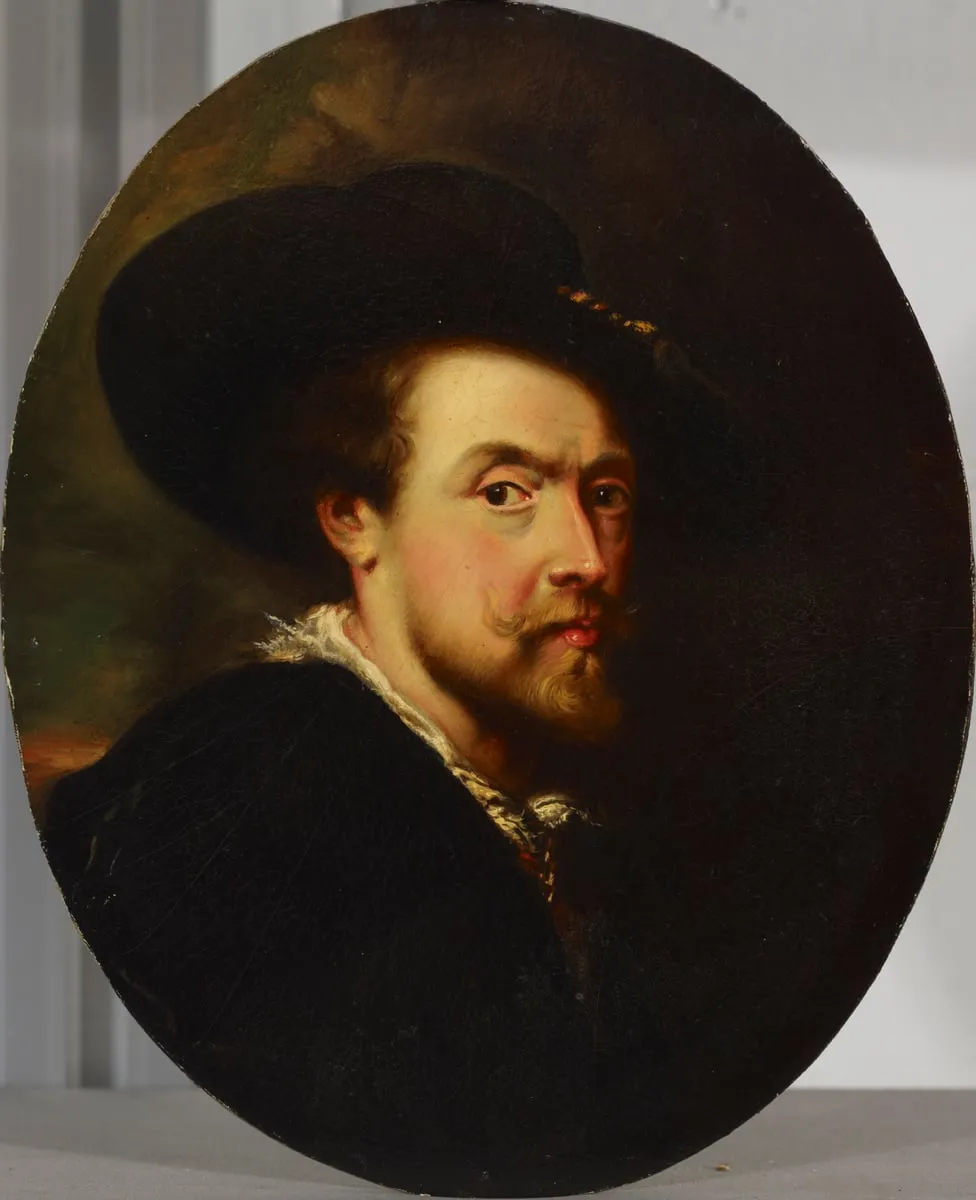
Peter Paul Rubensin omakuva, kopio is an unspecified painting by tekijä ei tiedossa. It is held in the collection of the Finnish National Gallery. This portrait presents a close-up view of a man, likely the artist Peter Paul Rubens, rendered in oil on panel.
About this work
Overview
This portrait presents a close-up view of a man, likely the artist Peter Paul Rubens, rendered in oil on panel.
This portrait presents a close-up view of a man, likely the artist Peter Paul Rubens, rendered in oil on panel. The composition focuses tightly on the upper body and face, set against a deep, unmodulated background. The subject wears a dark garment edged with gold, and a broad-brimmed hat casts subtle shadow over his brow. The lighting emphasizes volume and texture, drawing attention to the face with precision.
Subject & Meaning
The sitter is identified as Rubens himself, depicted in a contemplative, half-turn pose that suggests introspection rather than formal display. His light beard and composed expression convey maturity and quiet authority. The absence of symbols or elaborate setting shifts focus to the individual’s presence, possibly reflecting an artist’s self-examination or a private statement of identity.
Technique & Style
Rubens employs chiaroscuro to model the face with dramatic contrasts between light and shadow, enhancing the three-dimensionality of his features. The brushwork is controlled yet fluid, particularly in the rendering of facial hair and the sheen of the gold trim. The dark background isolates the figure, heightening the effect of the illuminated skin and creating a sense of immediacy and intimacy.
History & Provenance
The work is a copy, likely made in the 17th or early 18th century, of a lost original portrait by Rubens. While the exact provenance is unclear, such copies were common among collectors seeking to preserve the likeness of renowned artists. The copy retains the essential composition and lighting of the prototype, suggesting careful observation by the copyist.
Context
During Rubens’s time, self-portraits were rare among Northern European artists unless intended for personal or familial use. This type of intimate depiction aligns with a growing trend of artists asserting their intellectual and professional identity through image-making. The restrained elegance of the attire and lighting reflects the influence of Italian Renaissance portraiture, which Rubens studied extensively.
Legacy
Though a copy, this portrait preserves the visual language of Rubens’s self-representation, offering insight into how his image was transmitted after his death. It contributes to the broader understanding of how artists’ likenesses were preserved and valued in early modern Europe, serving as a reference for later generations studying his appearance and artistic persona.
Artist & collection
Artist
This unknown artist left behind work that feels like a hushed conversation in a candlelit chapel.

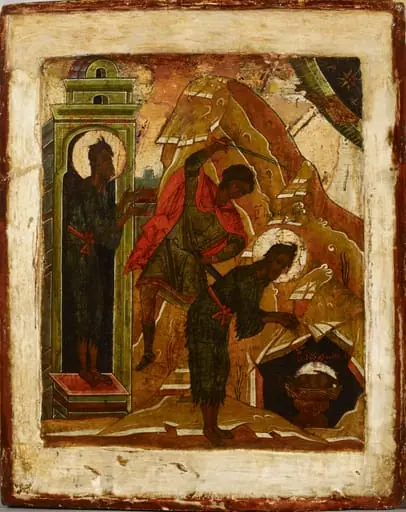 Johannes Kastajan mestaus, venäläinen ikoni
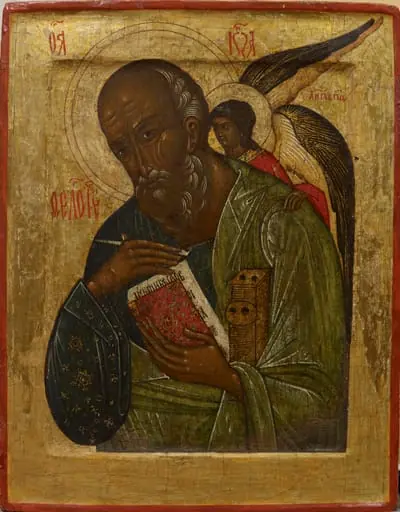 Johannes Evankelista, venäläinen ikoni
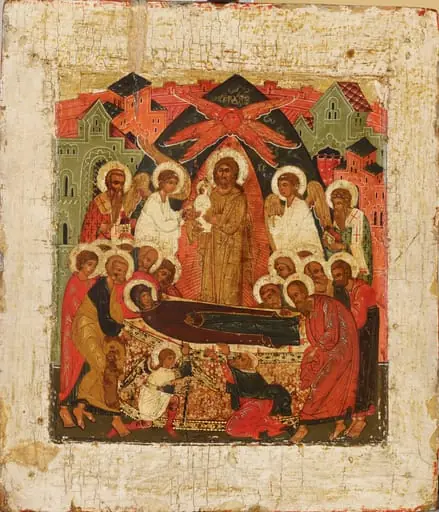 Jumalanäidin kuolonuneen nukkuminen, venäläinen ikoni
 Pyhä Nikolaus, venäläinen ikoni
 Pääsiäinen ja kirkkovuoden juhlia, venäläinen ikoni
 Apollo ja Dafne
 Jerusalemin Jumalanäiti, (Hodigitria), venäläinen ikoni
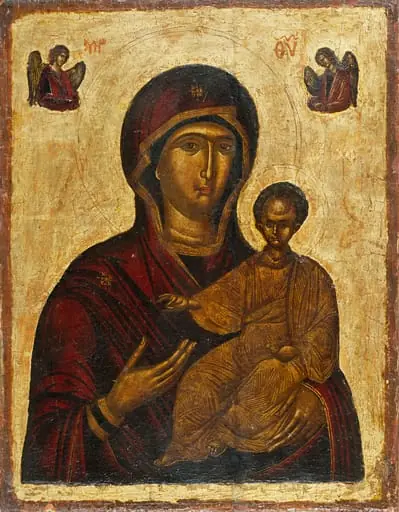 Jumalanäiti, Hodigitria - Tiennäyttäjä, bysanttilainen ikoni
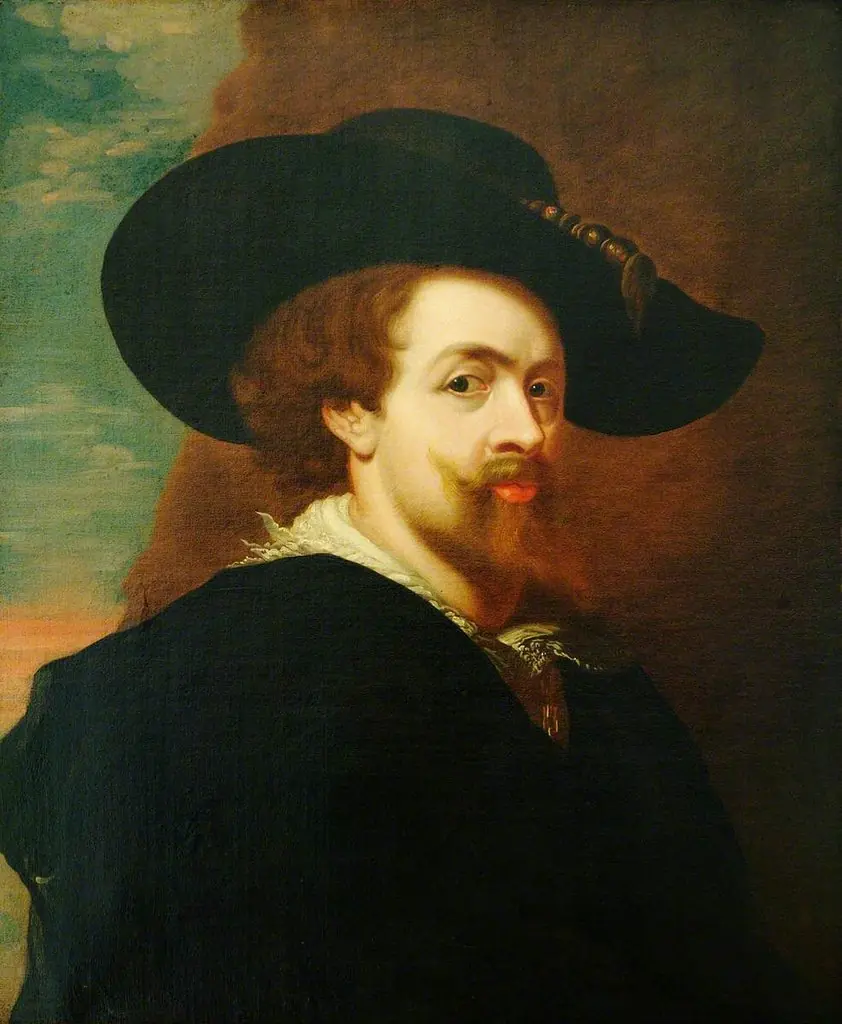 Self Portrait
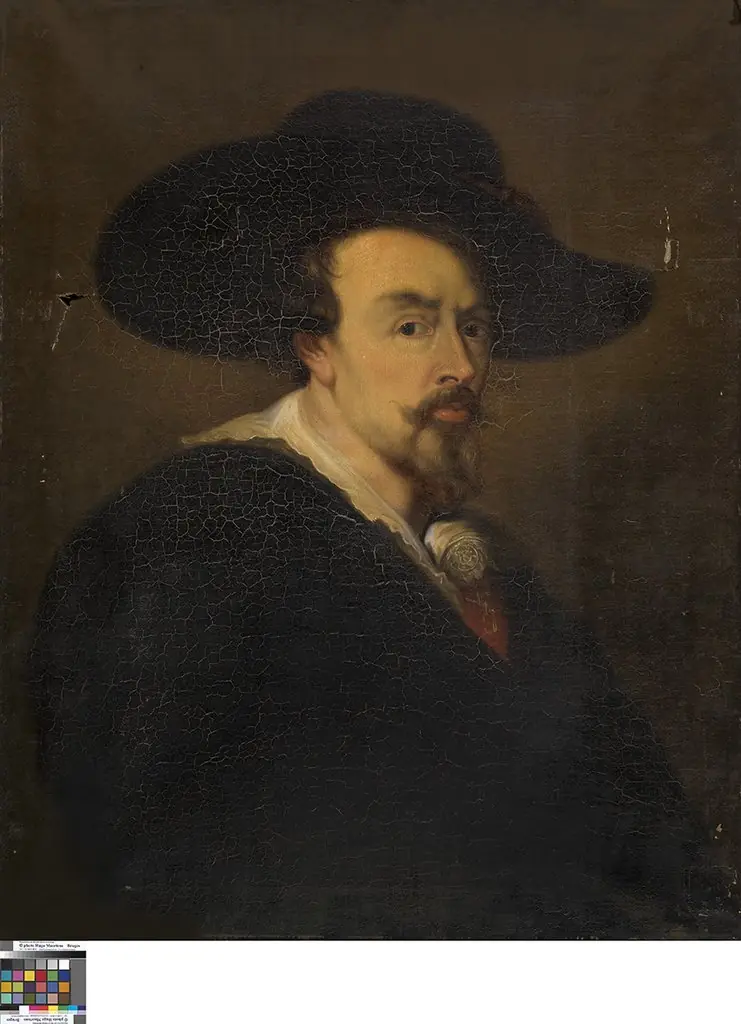 Portret van Peter Paul Rubens
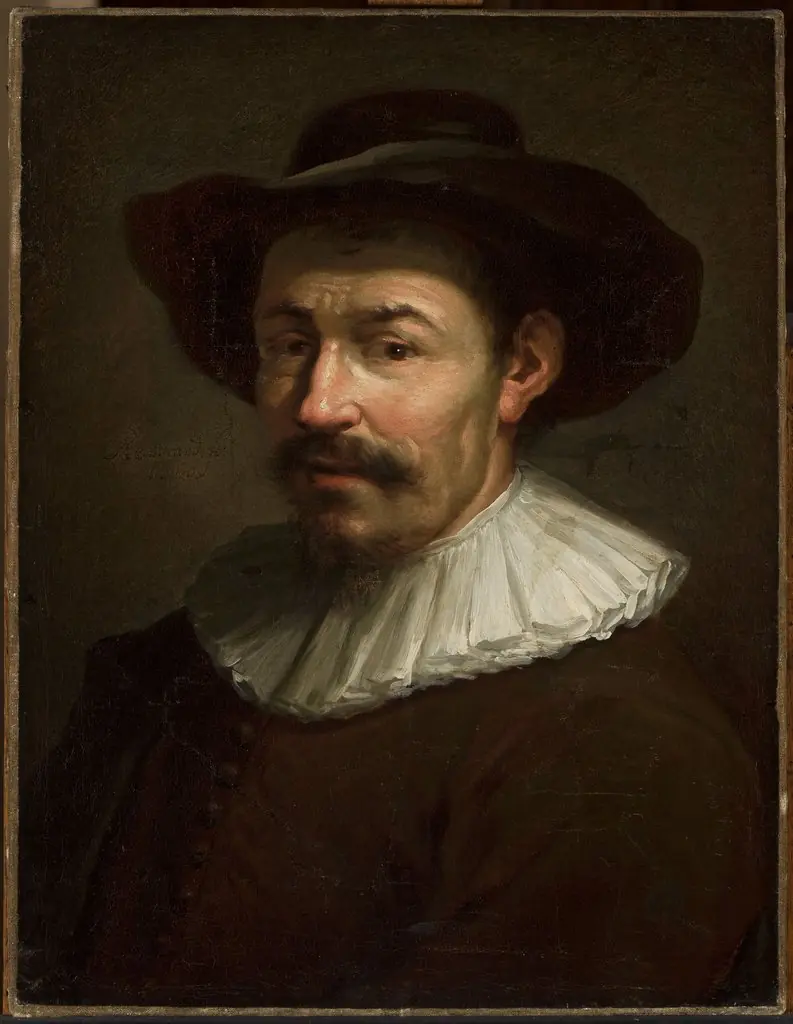 Portrait of a man in a white frill
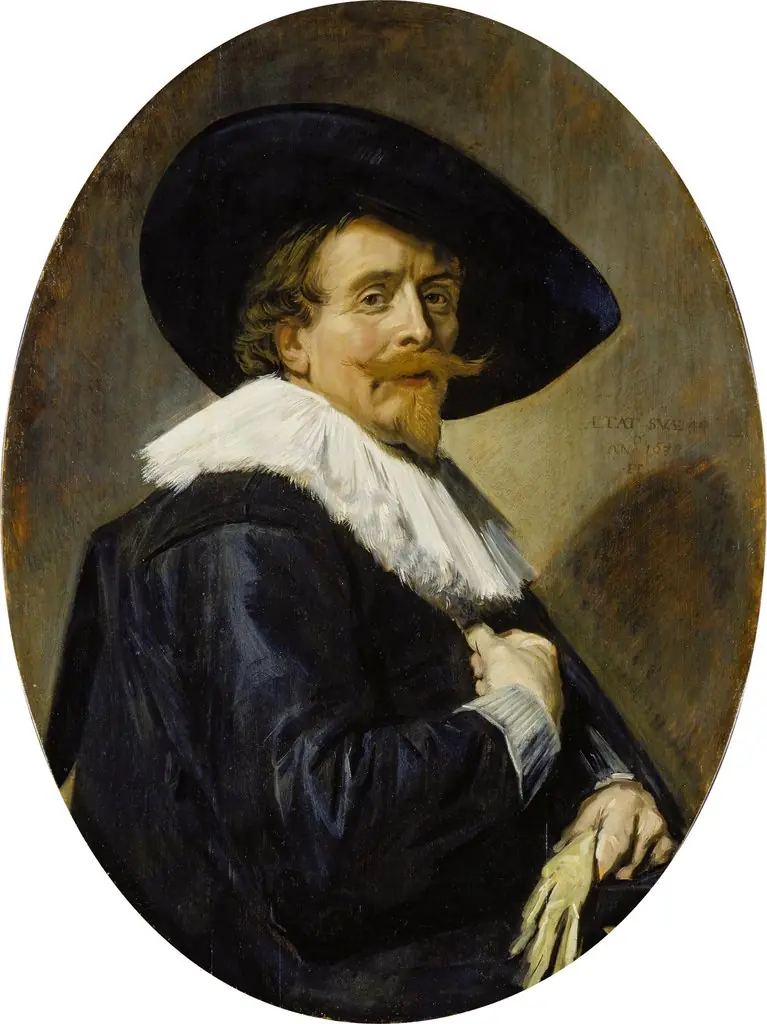 Portrait of a man aged 34
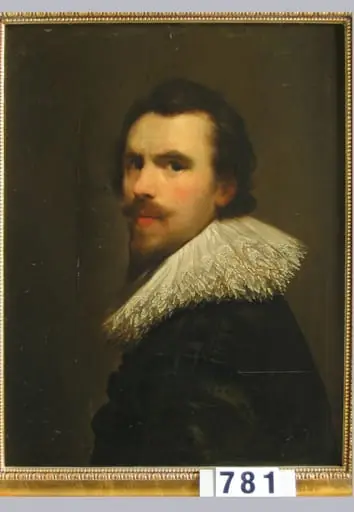 Autoportret
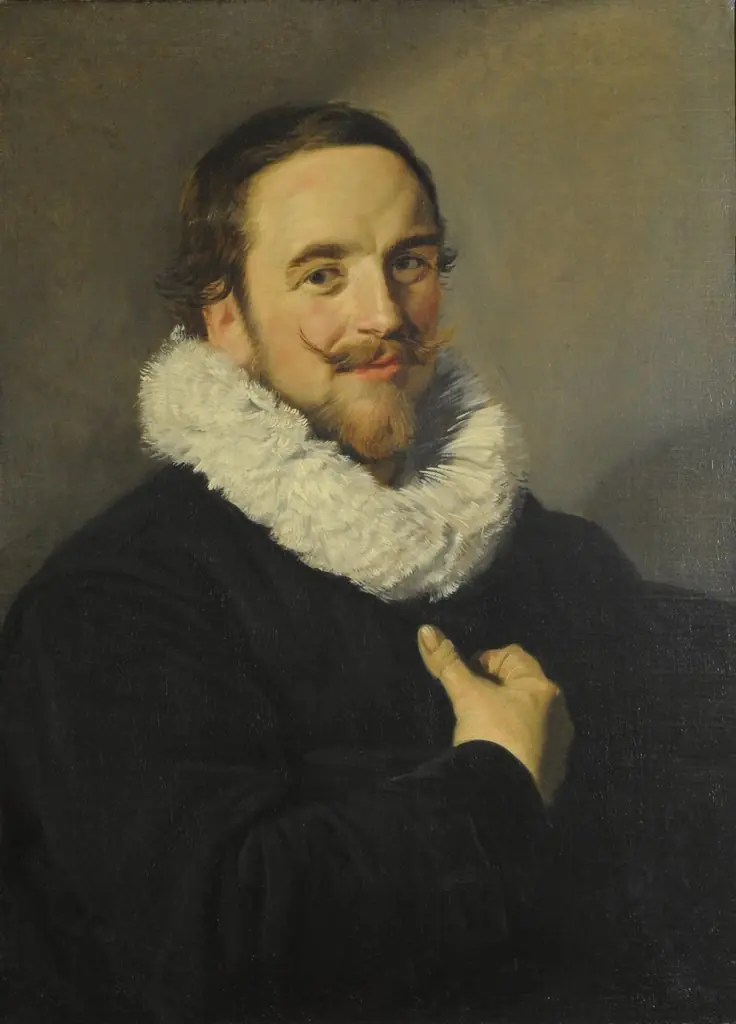 Portrait of a gentleman
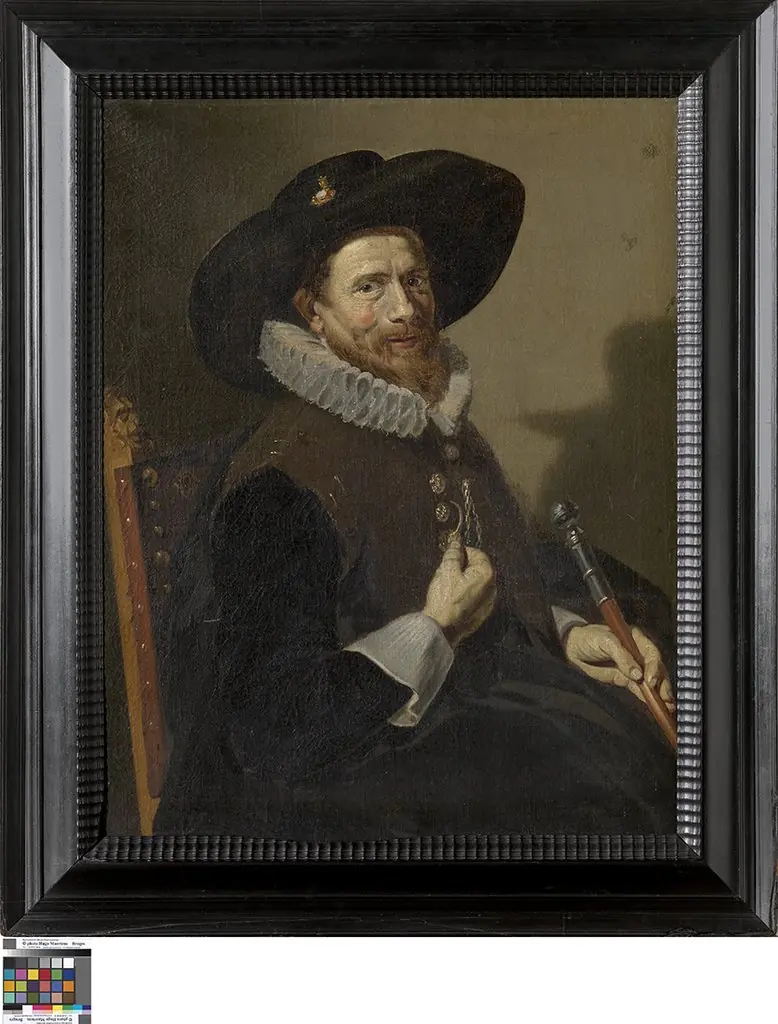 Portret van een man
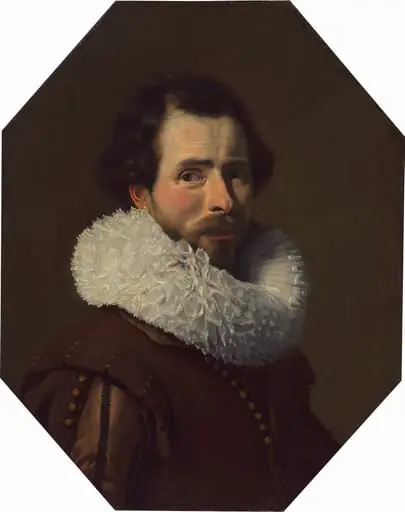 Portrait of a Gentleman Wearing a Fancy Ruff
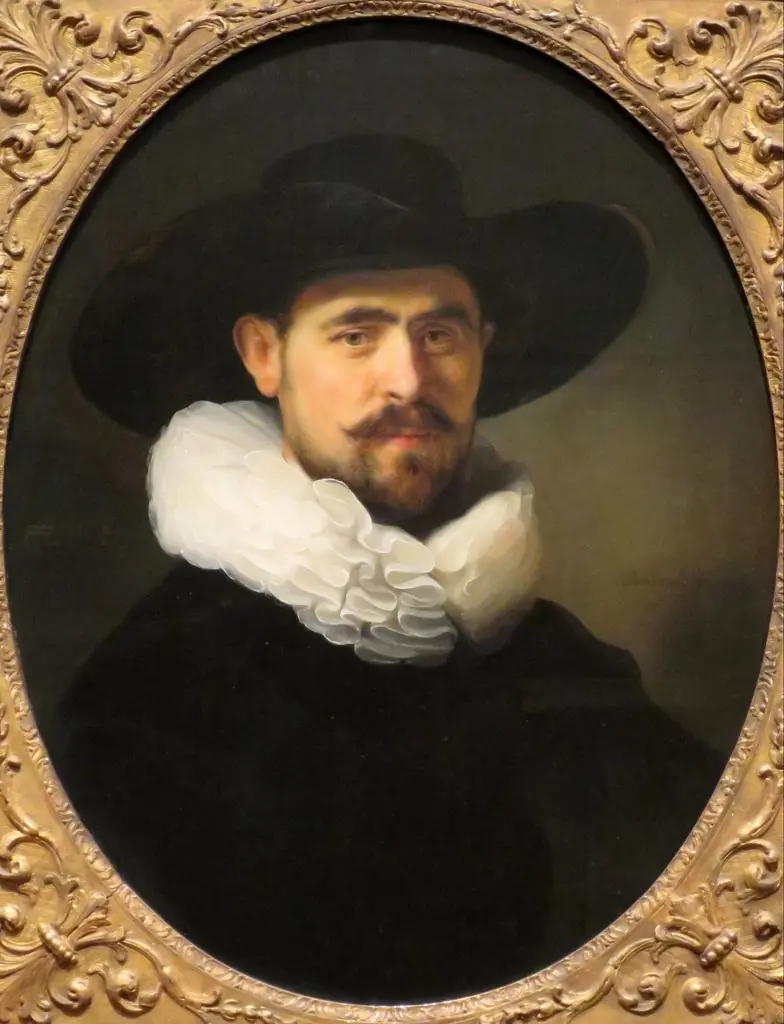 Portrait of a Bearded Man in a Wide-Brimmed Hat, probably Pieter Seijen (1592-1652)
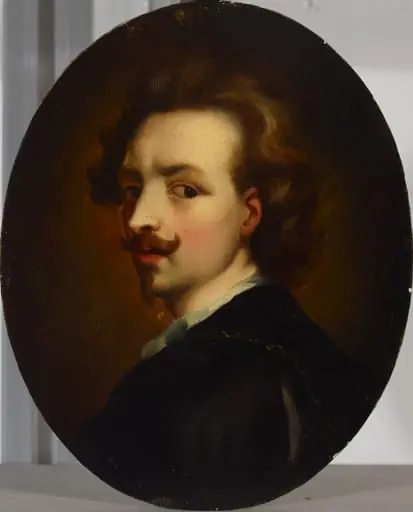 Anton van Dyckin omakuva