Artwork
Self Portrait
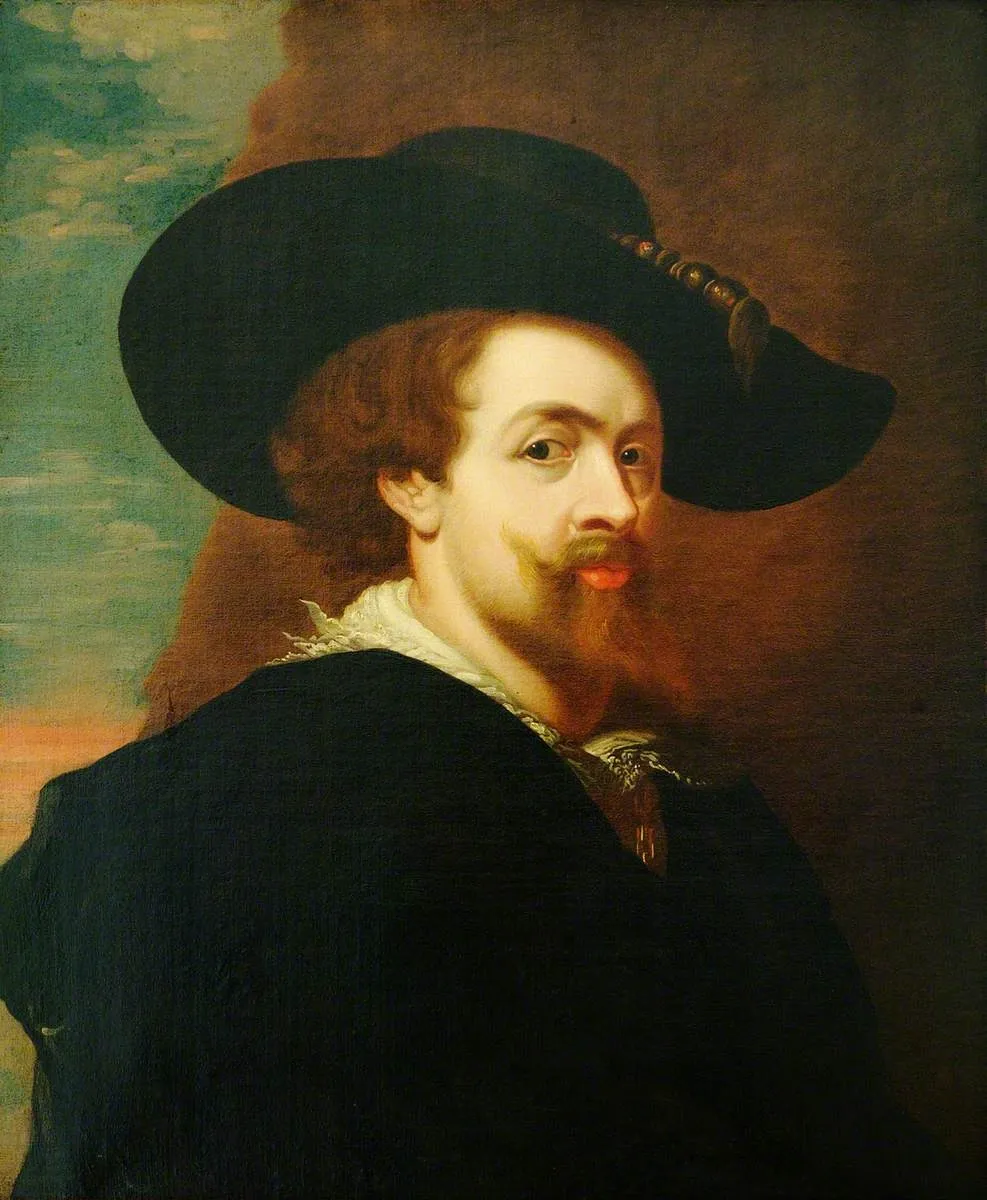
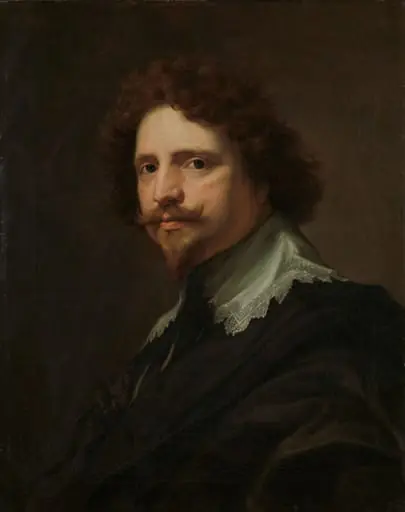
Self Portrait is an oil painting by the Rococo painting artist Unknown. It dates from 1700 and is held in the collection of the British Museum. This oil painting presents a direct, unadorned depiction of the artist himself, rendered with restrained precision.
About this work
Overview
This oil painting presents a direct, unadorned depiction of the artist himself, rendered with restrained precision. The figure occupies the foreground, framed by a dark, neutral background that draws focus to his face and posture. His gaze meets the viewer’s without flinching, establishing a quiet, sustained connection. The composition avoids theatricality, emphasizing presence over performance.
Subject & Meaning
The subject is the artist, portrayed without idealization or embellishment. His attire—a black hat and coat—suggests formality or professional identity, while his full beard and curly hair convey a sense of personal character rather than fashion. The serious expression and direct gaze imply introspection and self-possession, suggesting a meditation on identity rather than a declaration of status.
Technique & Style
Facial features are rendered with subtle gradations of tone, capturing the weight of shadow and light without dramatic contrast.
Oil paint is applied with controlled brushwork, favoring texture over polish. The mottled brown background lacks detail, creating a sense of depth without distraction. Facial features are rendered with subtle gradations of tone, capturing the weight of shadow and light without dramatic contrast. The handling of hair and beard suggests careful observation, not stylization, reinforcing the portrait’s grounded realism.
History & Provenance
The painting’s origin is tied to the artist’s personal studio practice, likely created as a study or record of self. No documented commission or public exhibition history is known. Its survival suggests it was retained within the artist’s circle, possibly passed down privately. Its modest scale and unassuming nature point to an intimate, non-commercial purpose.
Context
Created during a period when self-portraiture was a common tool for artists to explore identity and technique, this work aligns with a tradition of quiet introspection rather than public display. Unlike grand ceremonial portraits, it reflects the private act of looking inward, consistent with artistic practices in non-courtly or non-urban settings of the time.
Legacy
The painting endures as a quiet testament to the artist’s self-perception. Its lack of embellishment and emotional reserve distinguishes it from more flamboyant contemporaries. It contributes to a broader understanding of how artists used portraiture not for acclaim, but for personal reckoning, influencing later generations who valued authenticity over spectacle.
Artist & collection

 Domestic Scene
 Giacomo and Cardinal Marco, investing Andrea, Abbot of San Zeno, with his Benefice
 The Nymph of Fontainebleau
 Portrait of a Woman
 Madonna and Child with Saints in the Enclosed Garden
 Venus and Minerva
 Family Group of Four on Sofa
 Wall painting from Room H of the Villa of P. Fannius Synistor at Boscoreale
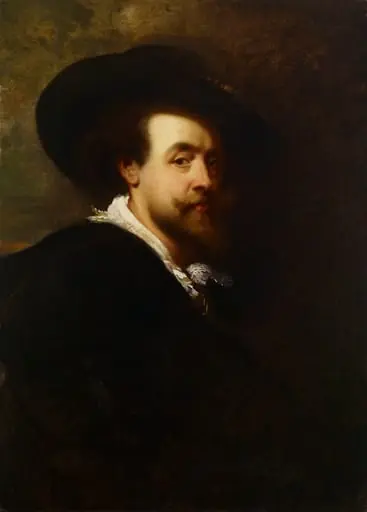 Peter Paul Rubensin omakuva, kopio
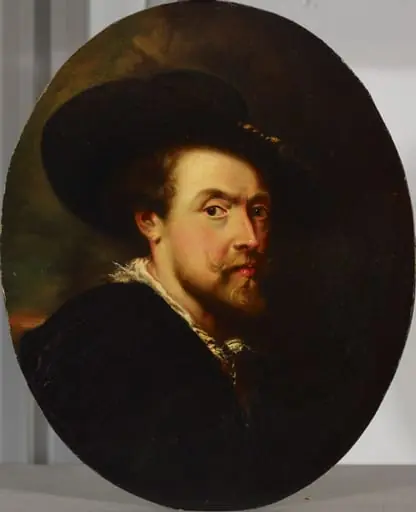 Peter Paul Rubensin omakuva, kopio
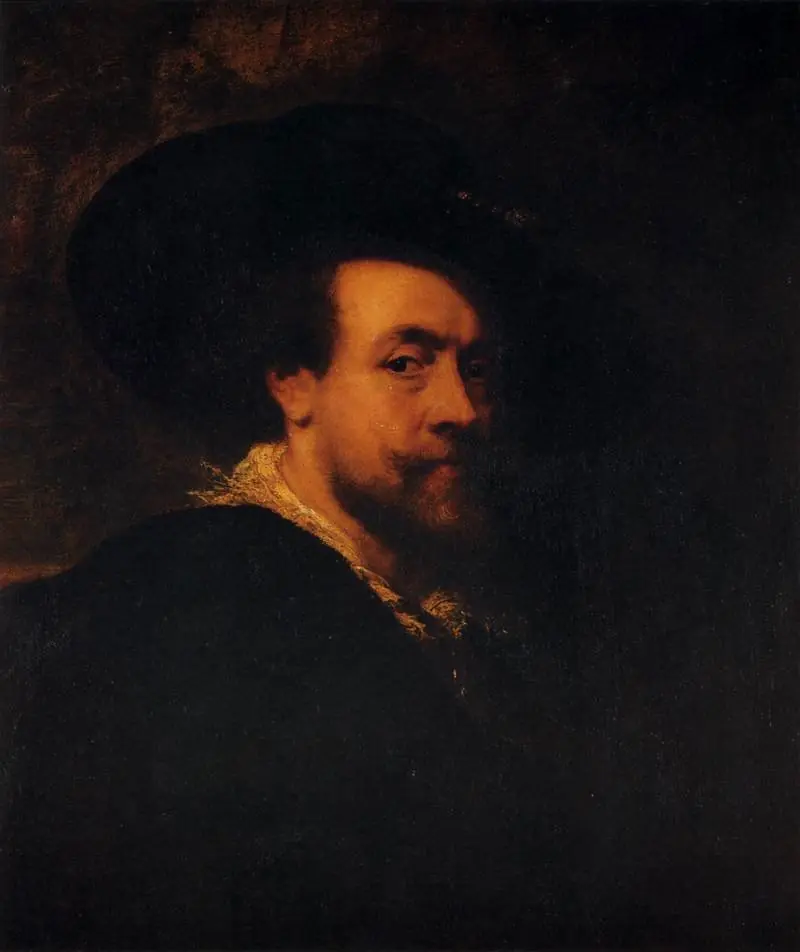 Self-portrait with hat
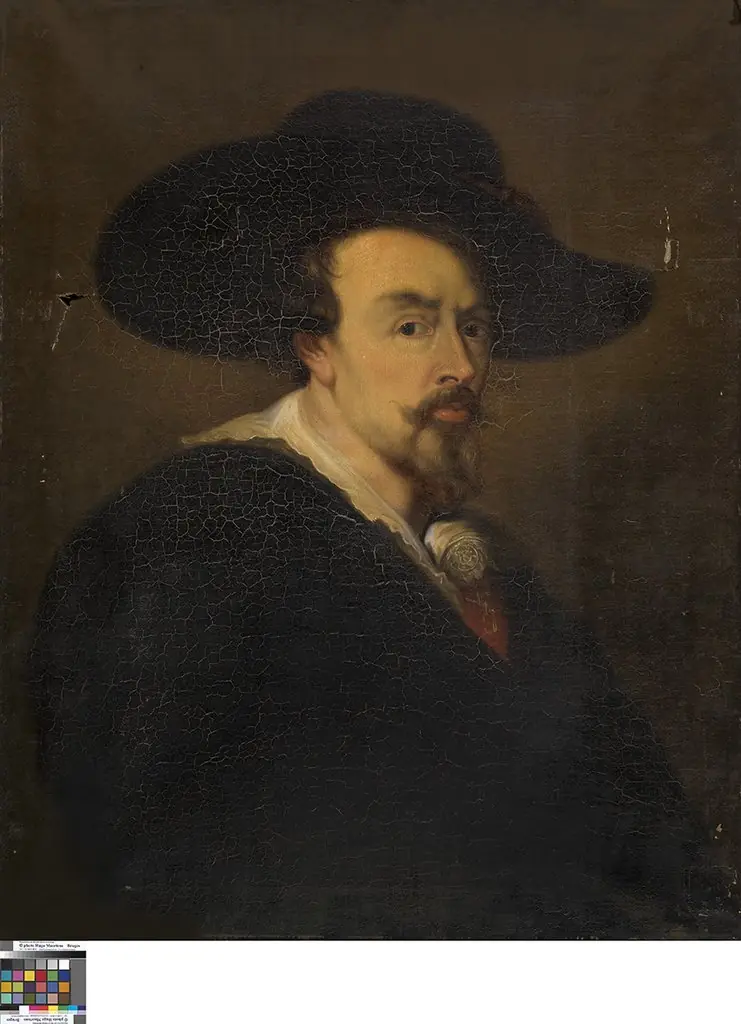 Portret van Peter Paul Rubens
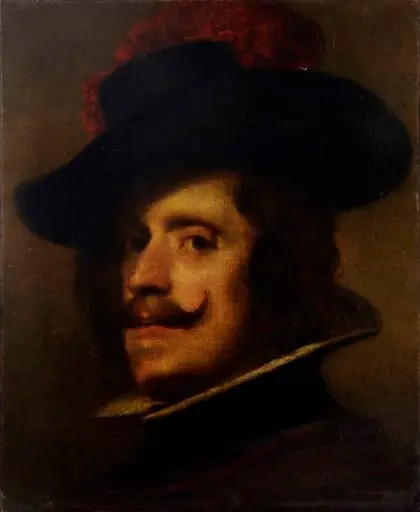 Regele Filip al IV-lea al Spaniei
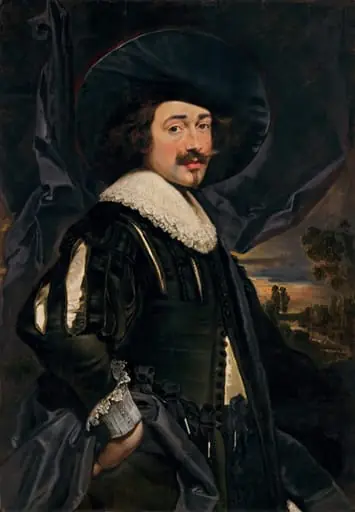 Portrait of a Man in a Wide-Brimmed Hat
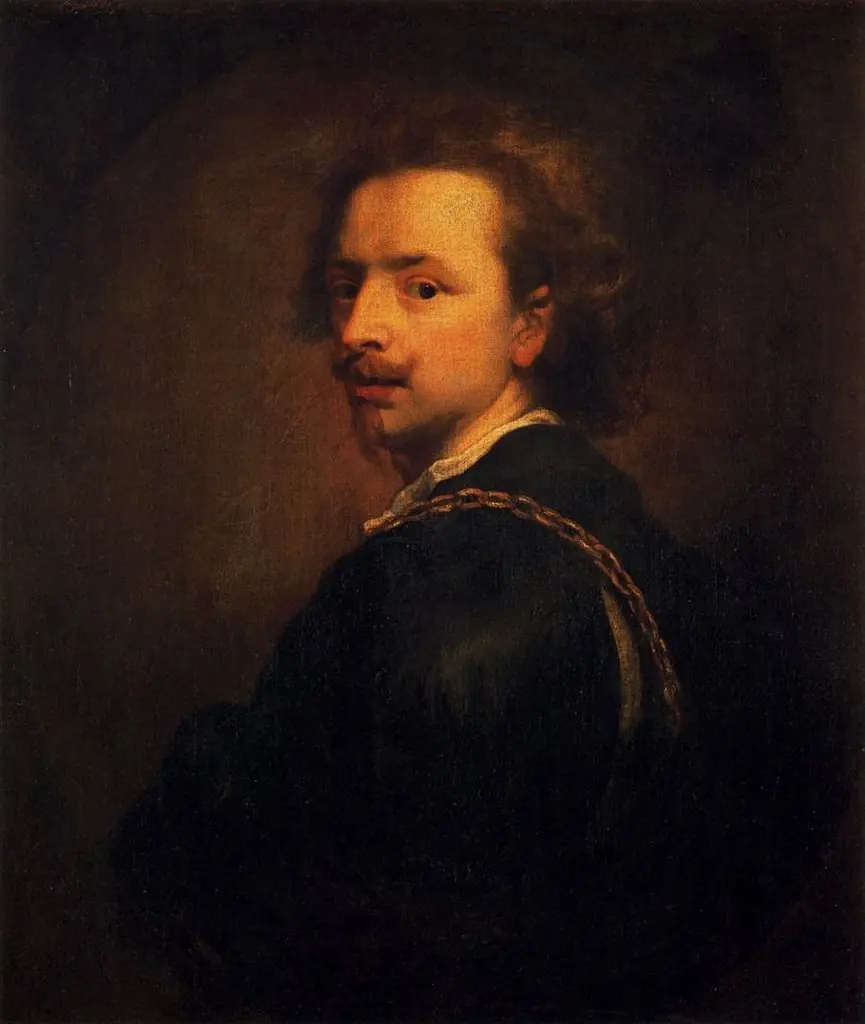 Self-Portrait
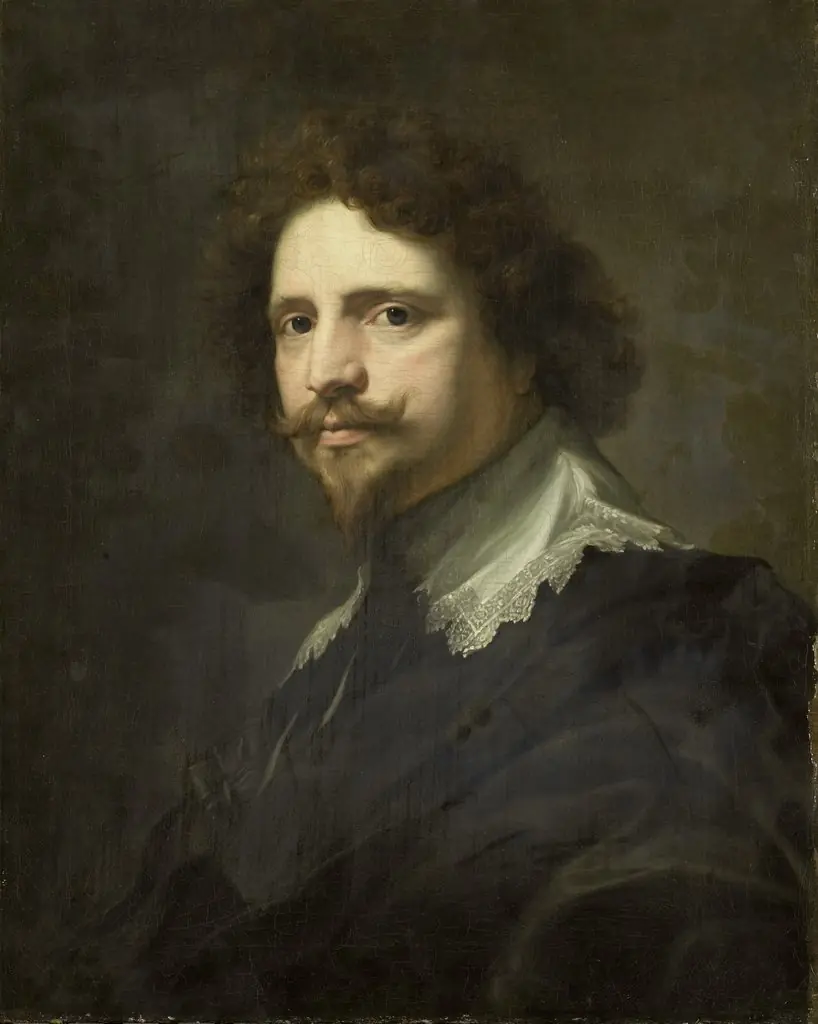 Portrait of Michel le Blon (1587-1657). Agent of Queen Christina of Sweden, goldsmith and engraver
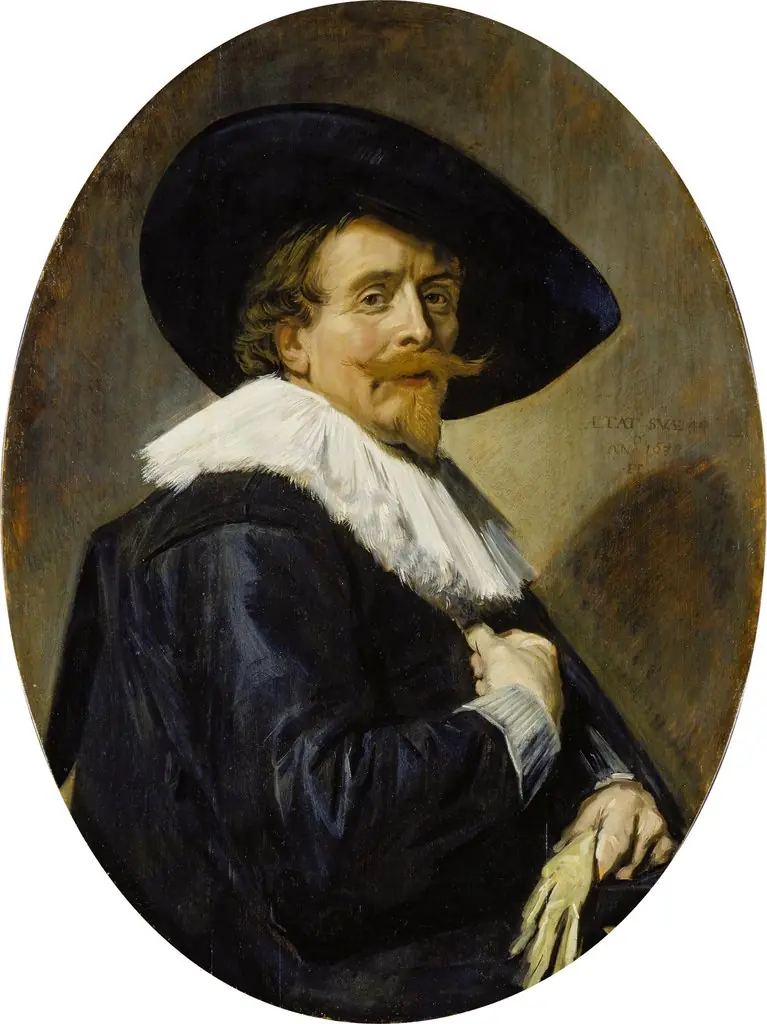 Portrait of a man aged 34
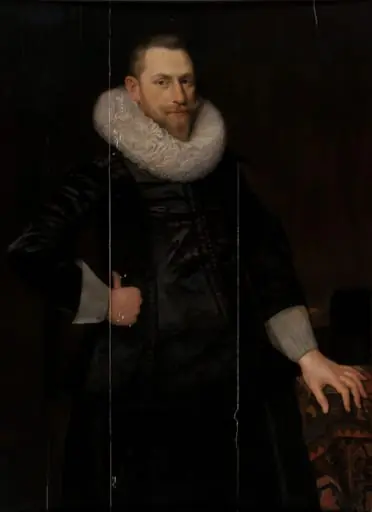 Untitled
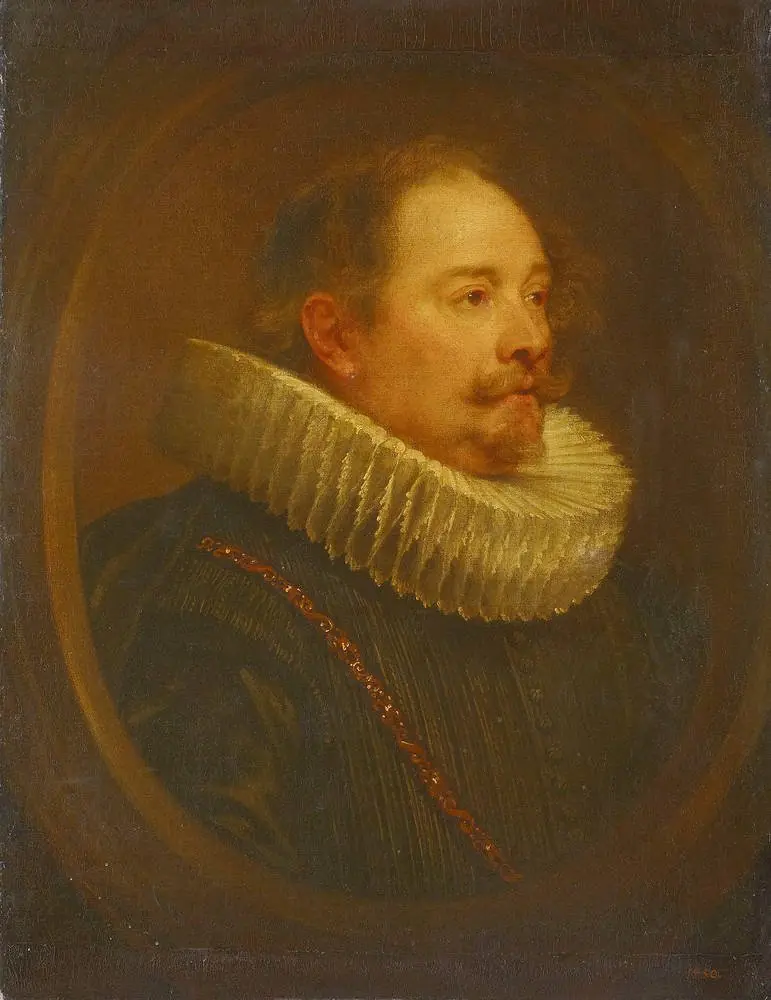 Portrait of Engelbert Taye, Baron von Wemmel
 Portrait of Michel Le Blon (1587-1656)