William Morris Hunt
1886
From the collection of Cleveland Museum of Art
1886
From the collection of Cleveland Museum of Art
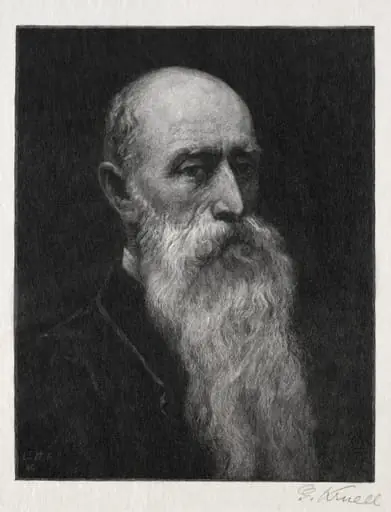
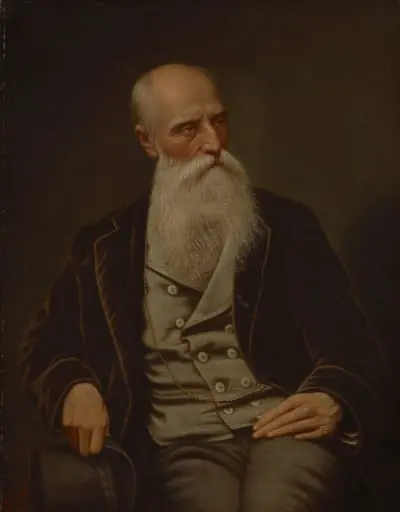
William Morris Hunt is a 1886 by Gustav Kruell, a Impressionism work, held at Cleveland Museum of Art.
This is a black-and-white portrait of an older man with a full white beard and bald head. His face is lit from the side, showing deep shadows under his nose and chin. The background is plain, keeping all focus on his wrinkled skin and serious expression. The artist used shading to make the face look three-dimensional, almost like sculpting with light. This style was common in the 1800s for portraits. Look up chiaroscuro next to see how this lighting trick works.
This 1886 portrait by Gustav Kruell depicts William Morris Hunt, an American artist and art educator. Rendered in black-and-white, the image is a photographic print that captures Hunt in mid-life, emphasizing his aged features with careful tonal contrast. The work resides in The Cleveland Museum of Art, where it serves as a documentary record of a key figure in 19th-century American art circles.
William Morris Hunt, shown with a full white beard and balding head, presents a composed, introspective demeanor. His serious expression and the absence of decorative elements suggest a focus on intellectual gravitas rather than social status. The portrait conveys the dignity of a man known for his contributions to art education and his role in shaping American aesthetic thought during a period of cultural transition.
Kruell employs chiaroscuro to model Hunt’s face, using sharp contrasts between light and shadow to create volume and texture. The side lighting accentuates the contours of his brow, nose, and jawline, while the plain background eliminates distraction. The technique, rooted in 19th-century photographic and print traditions, prioritizes realism and psychological presence over ornamentation.
Created in 1886, the portrait was made during the final years of Hunt’s life, likely as part of a broader effort to document prominent cultural figures. It entered The Cleveland Museum of Art’s collection through established acquisition channels, reflecting the institution’s interest in American artistic heritage. Its preservation underscores its value as a historical document rather than a decorative object.
In the late 19th century, photographic portraiture became a standard medium for honoring public figures, especially in intellectual and artistic communities. Kruell’s work aligns with this trend, mirroring the aesthetic values of realism and solemnity favored in academic circles. Hunt’s prominence as a painter and teacher made him a natural subject for such a portrait.
The portrait endures as a visual reference for Hunt’s public persona, frequently reproduced in scholarly texts on American art history. Its restrained composition and technical precision reflect the era’s commitment to capturing character through observation. Though not widely exhibited, it remains a quiet but significant artifact of 19th-century American cultural life.
Read the full account in the museum source.
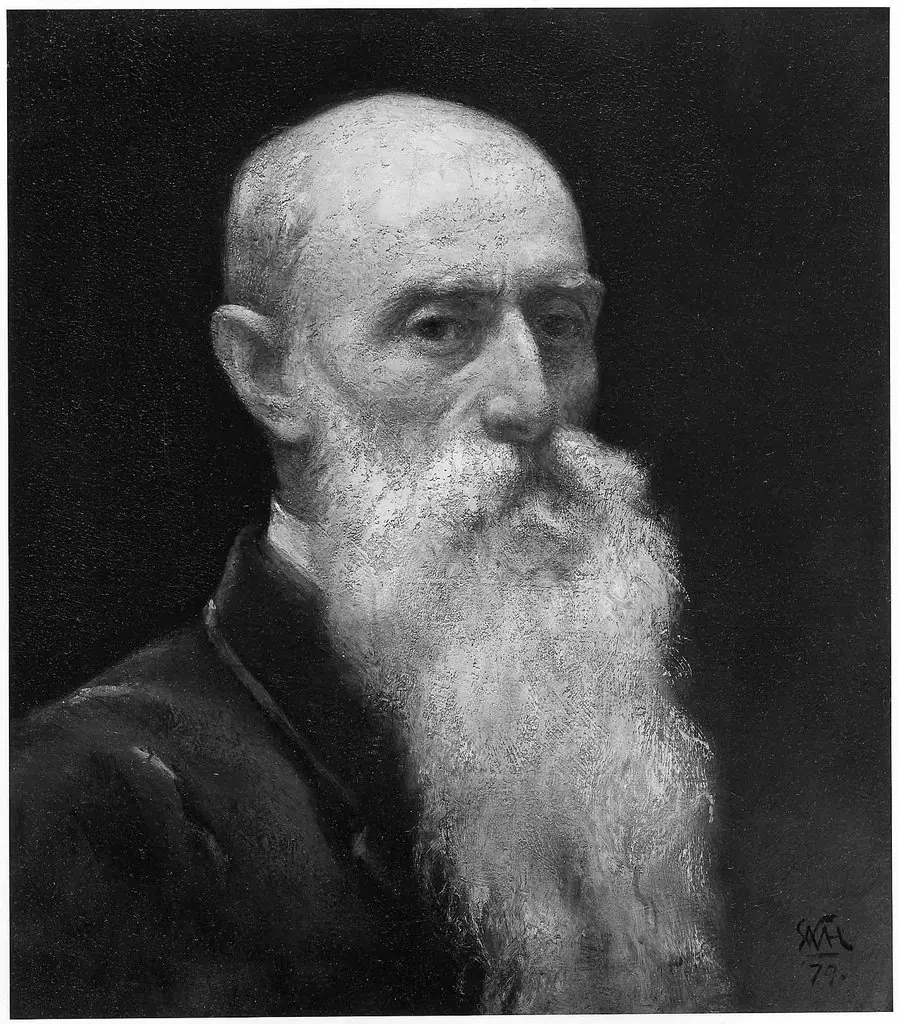
William Morris Hunt
Self Portrait
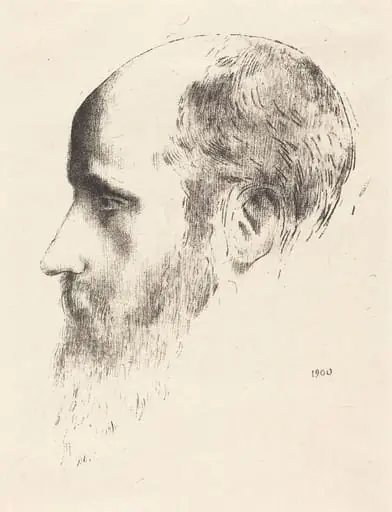
Edouard Vuillard
William Morris Hunt
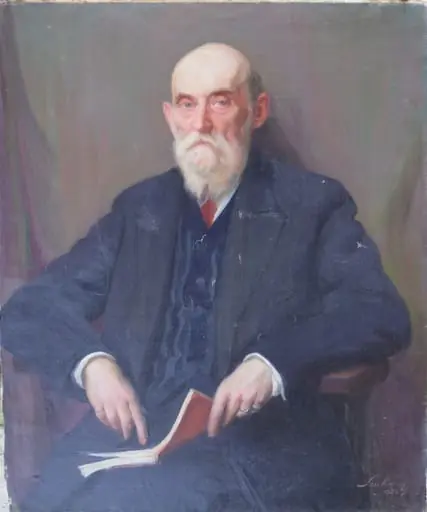
Portret (Constantin Lahovari, fost președinte al societății Ileana?)
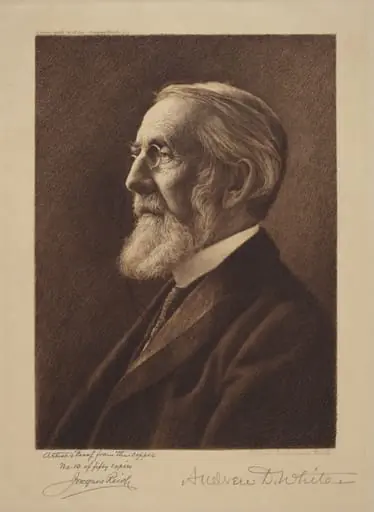
Andrew D. White
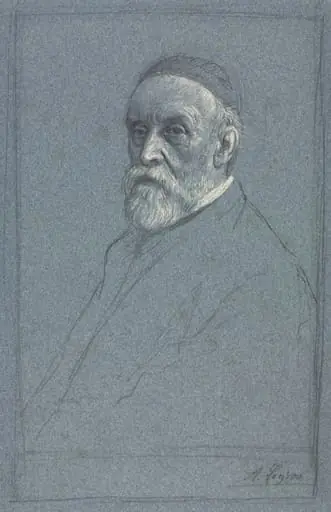
George Frederic Watts, R.A.
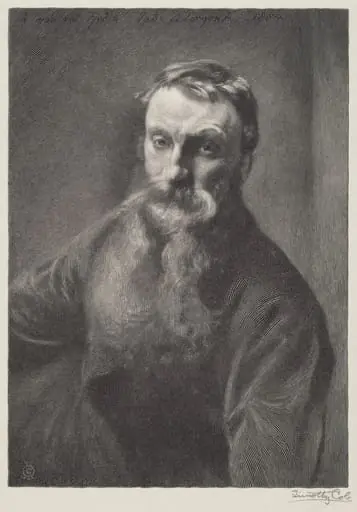
Rodin
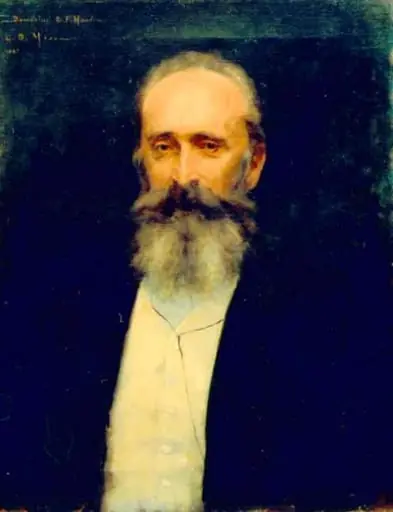
Bogdan Petriceicu Hasdeu
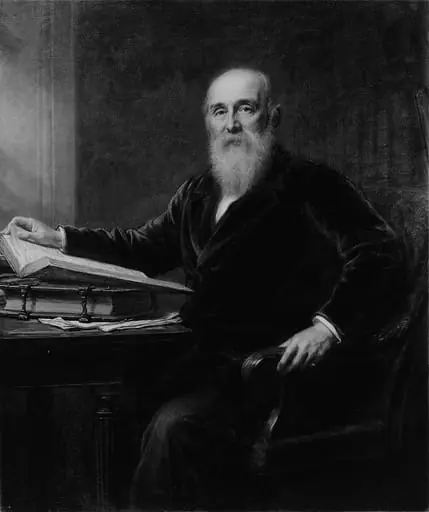
William C. Prime
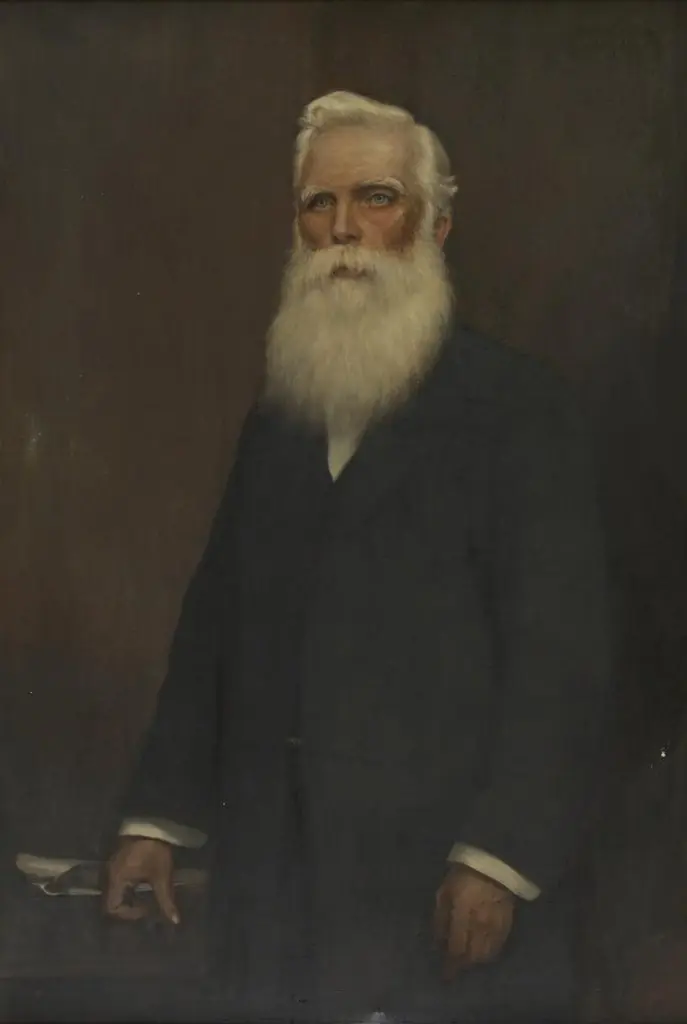
Rev. David Rowlands
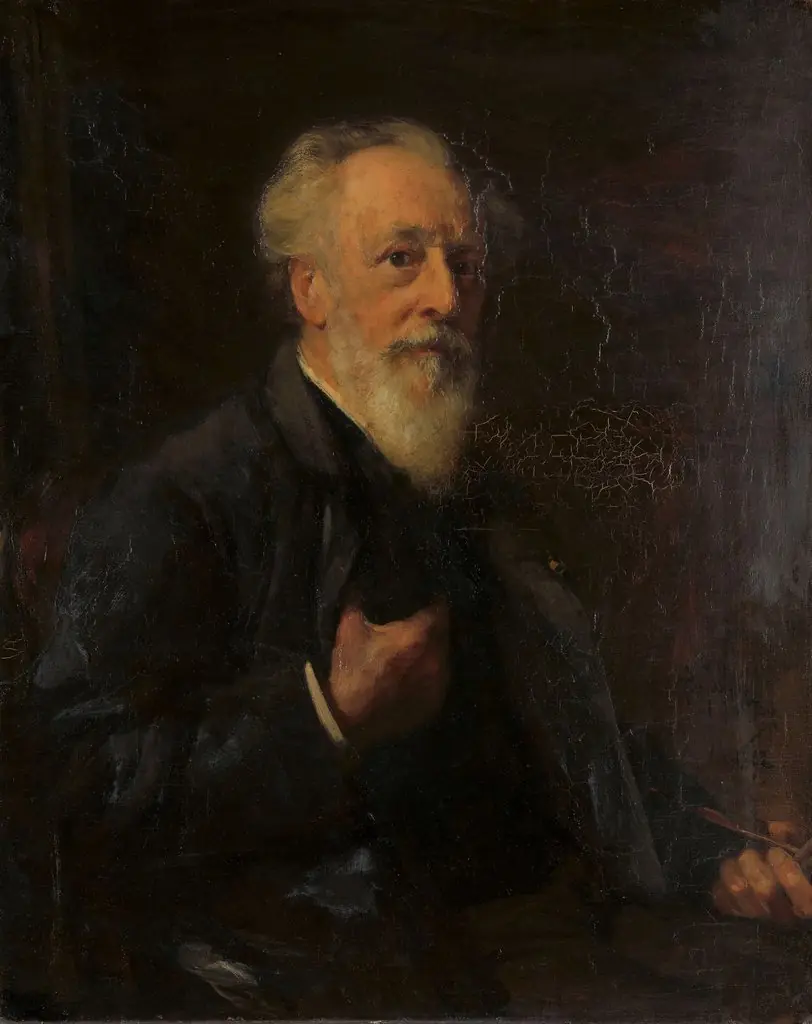
Portret van J.A.B. Stroebel (1821-1905), kunstschilder
Your cart is empty
Explore artworks →