Artwork
Winter Landscape
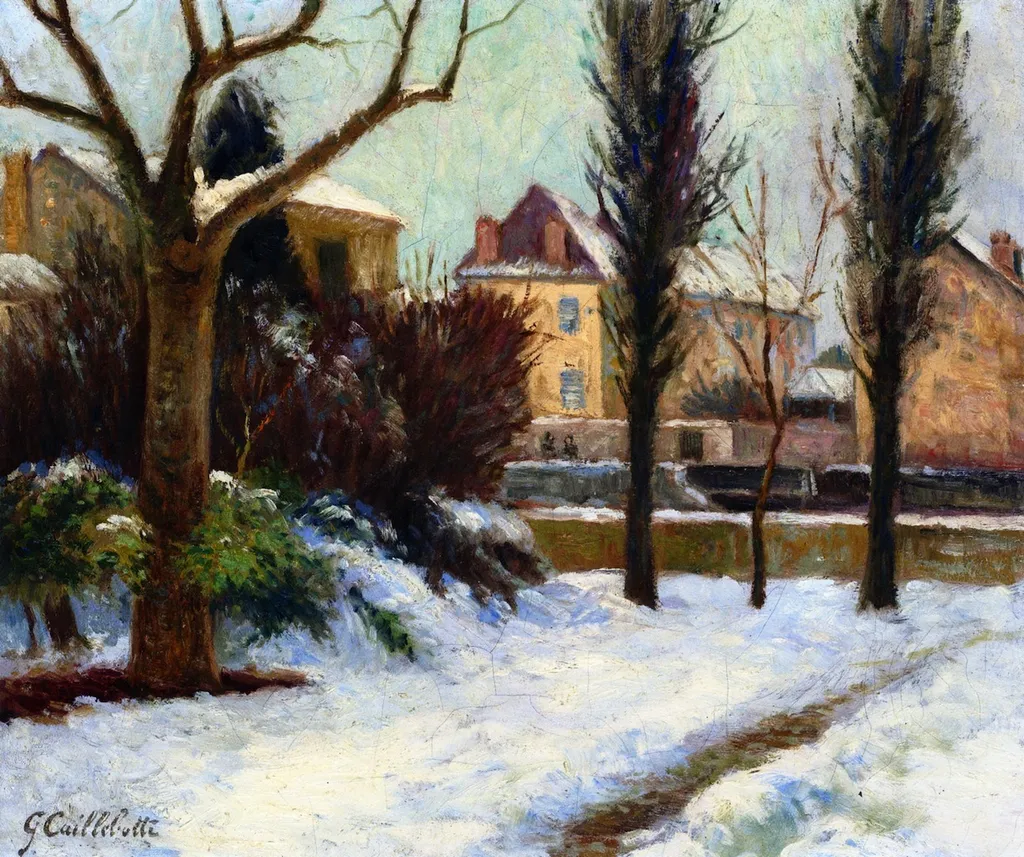
Winter Landscape is an oil painting by the Impressionist artist Gustave Caillebotte. It dates from 1894 and is held in the collection of the Israel Museum.
About this work
Overview
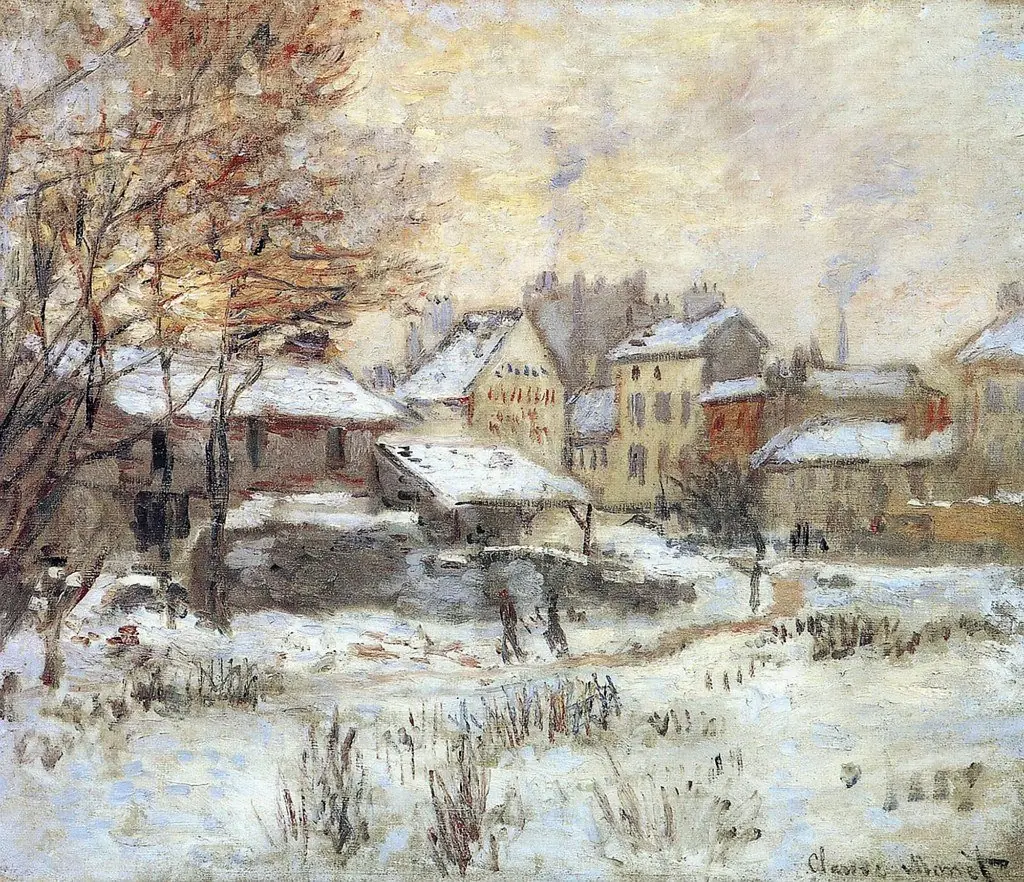
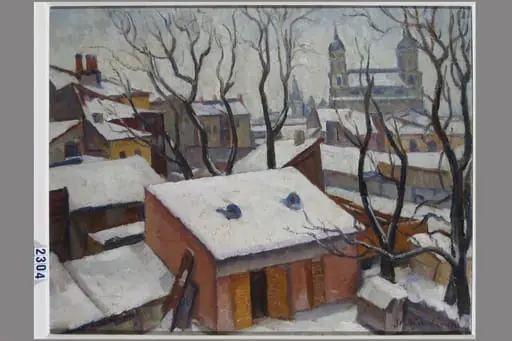
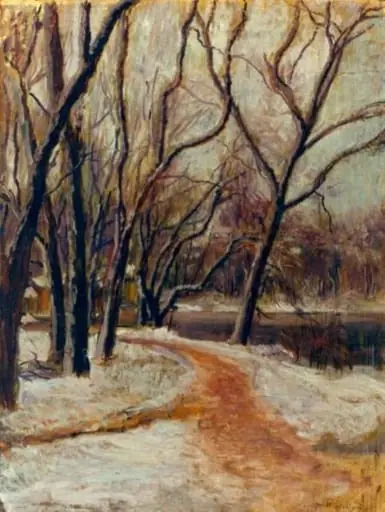
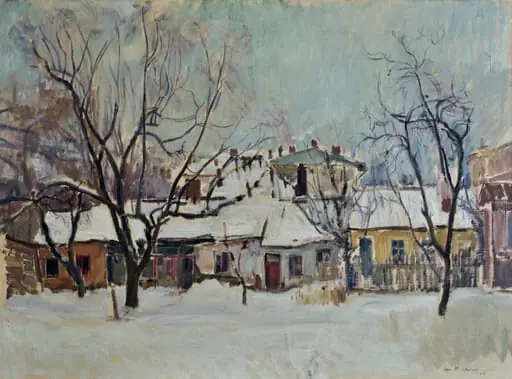
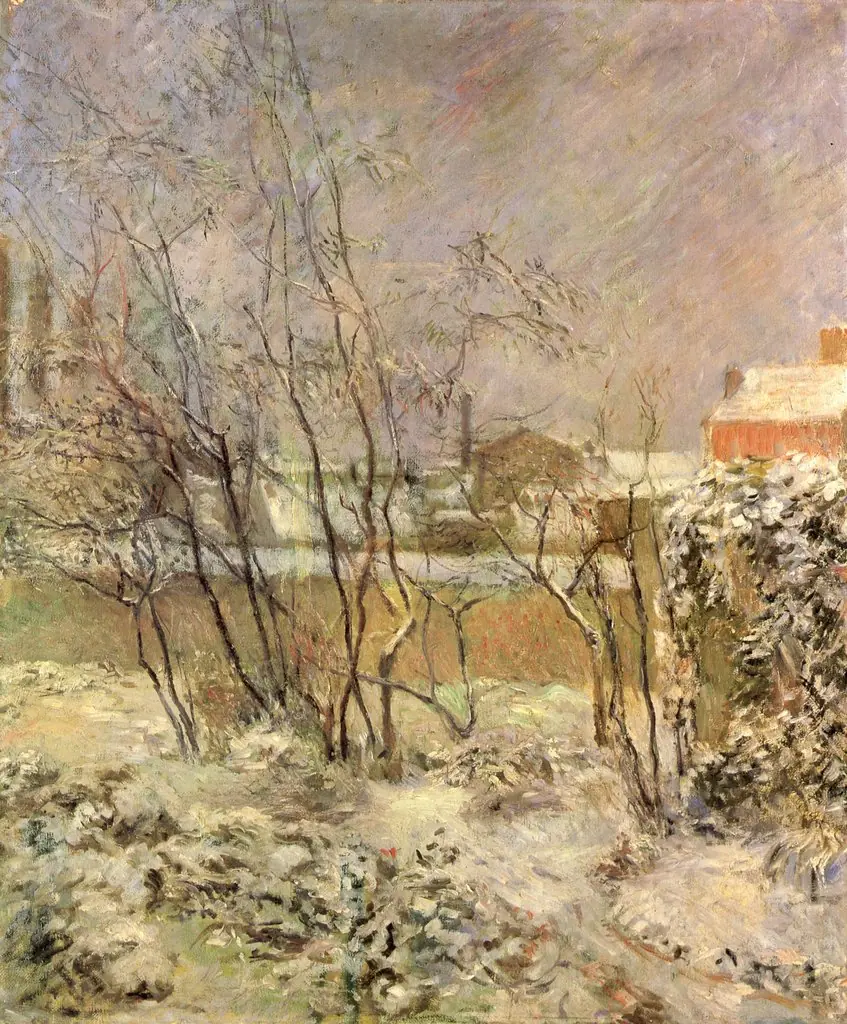
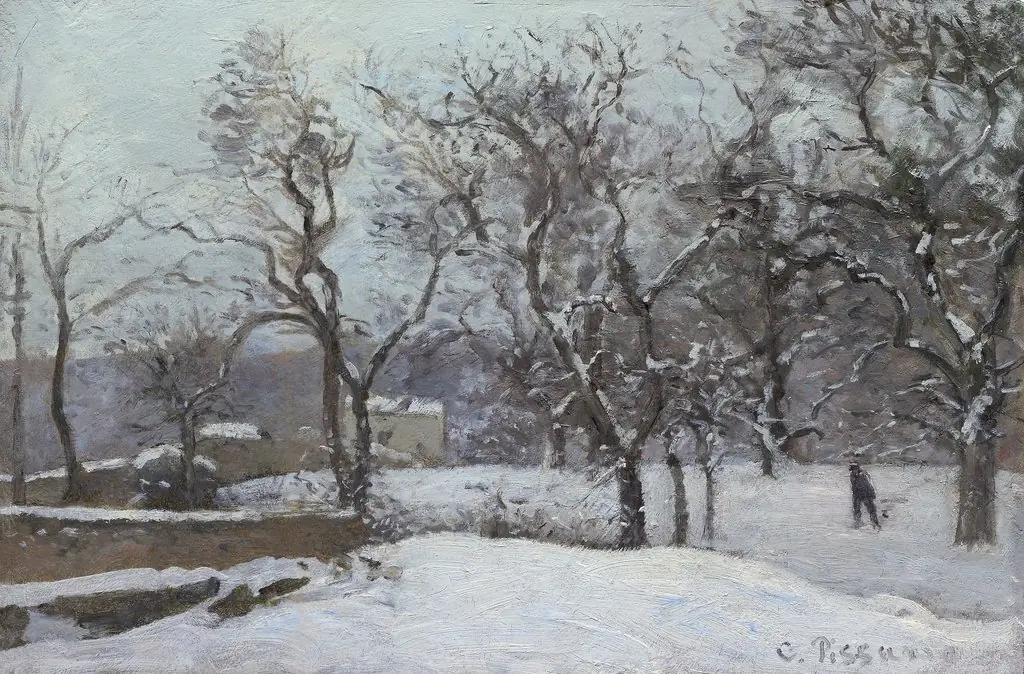
Winter Landscape, an 1894 oil painting by Gustave Caillebotte, captures a serene winter scene. Characterized by muted tones and meticulous attention to light and shadow, the work reflects Caillebotte's unique blend of Impressionist associations and realistic execution.
Subject & Meaning
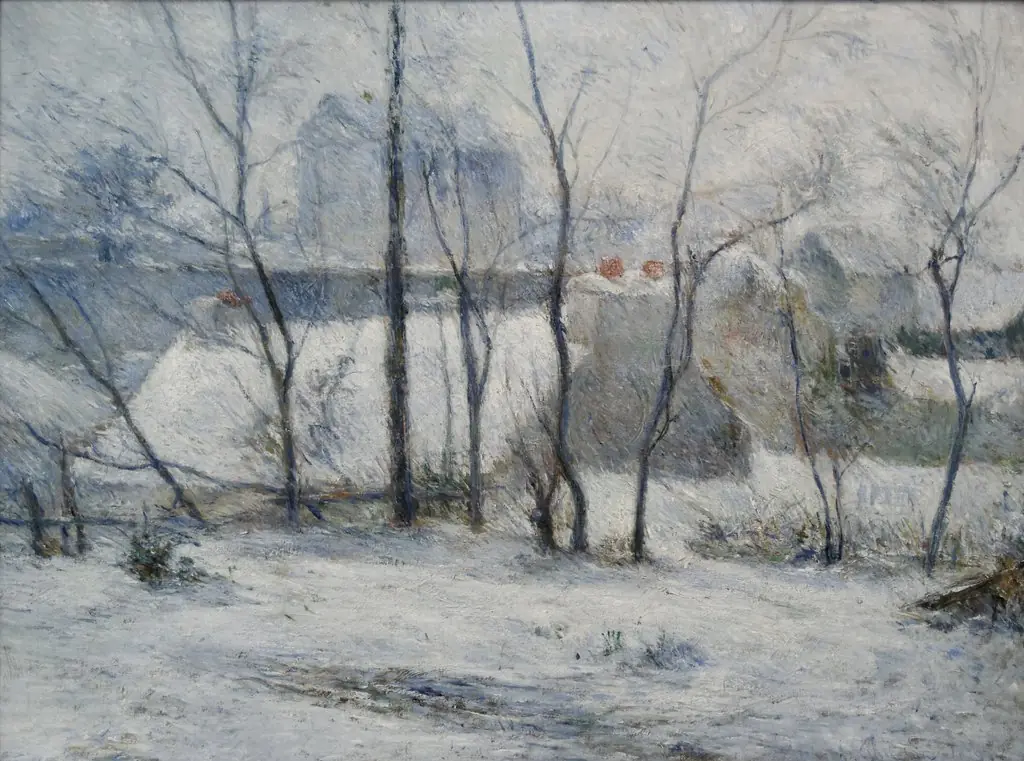
The painting portrays a small town or village under snow, with snow-clad trees and buildings in the background. The subject matter aligns with Caillebotte's penchant for landscapes, offering a tranquil, everyday winter tableau.
Technique & Style
Caillebotte employed soft, feathery brushstrokes for snow-covered elements, juxtaposed with darker, defined shadows to achieve depth and texture. The palette is predominantly brown, gray, and blue, underscoring a realistic, subdued aesthetic.
History & Provenance
Created in 1894, Winter Landscape is part of the Israel Museum's collection. While Caillebotte was closely tied to the Impressionist movement as a patron, his artistic style in this work leans towards realism.
Context
This painting reflects late 19th-century French artistic trends, where Impressionism's influence coexisted with more traditional realistic approaches. Caillebotte's dual role as artist and patron of Impressionists adds complexity to his artistic identity.
Legacy
Winter Landscape contributes to Caillebotte's reputation for nuanced, detailed landscapes. Though not as widely recognized as some of his contemporaries' works, it exemplifies his contribution to the broader Impressionist and realist dialogue of his time.
Artist & collection
Artist
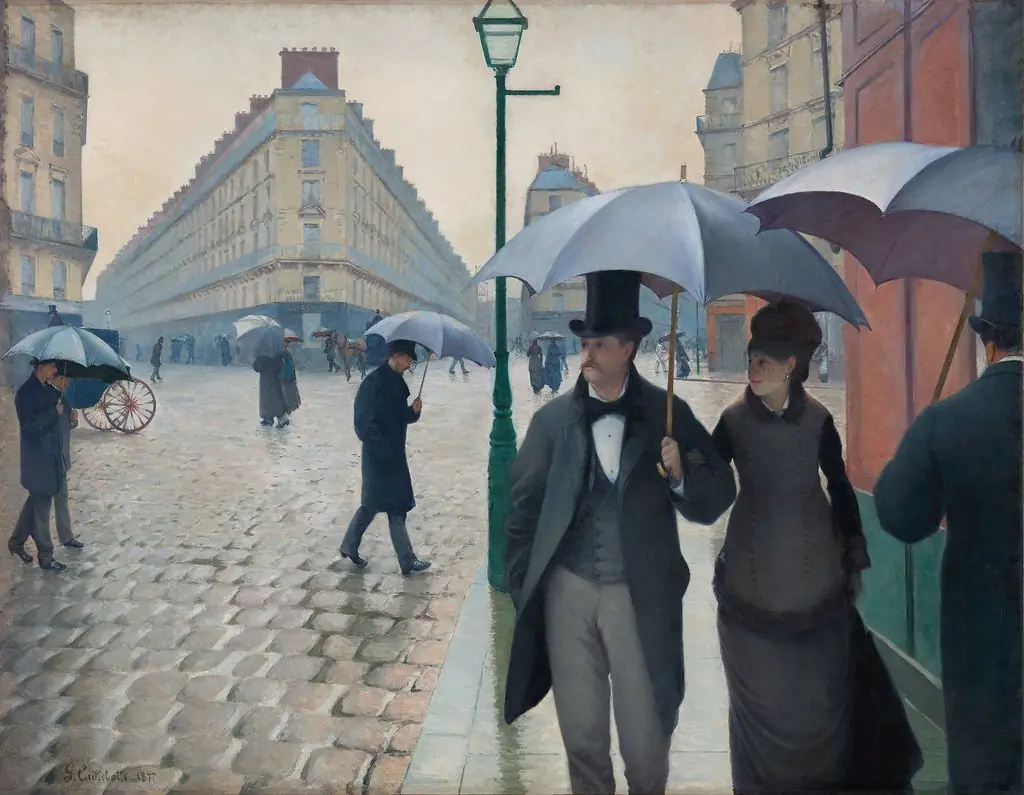
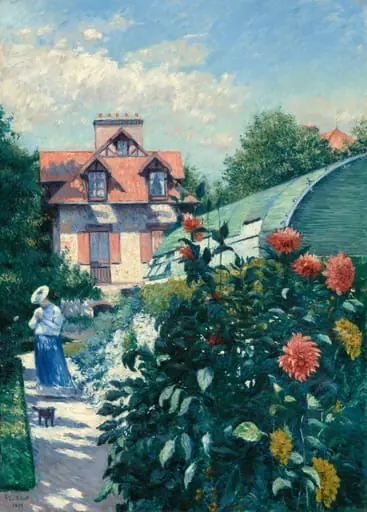
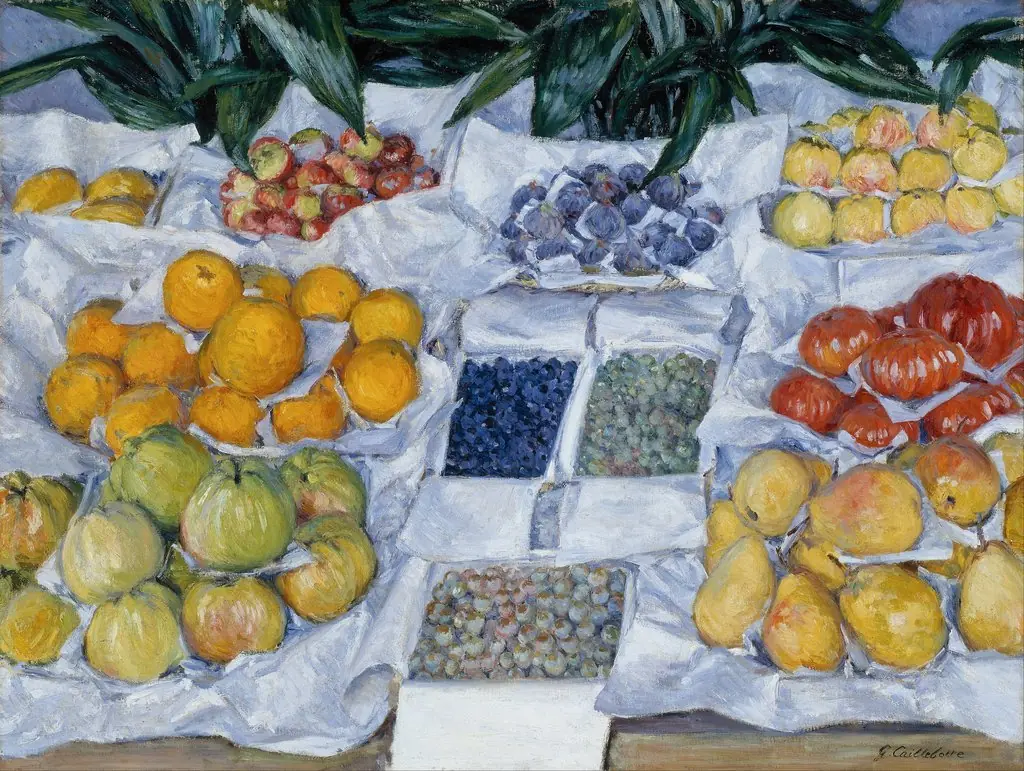
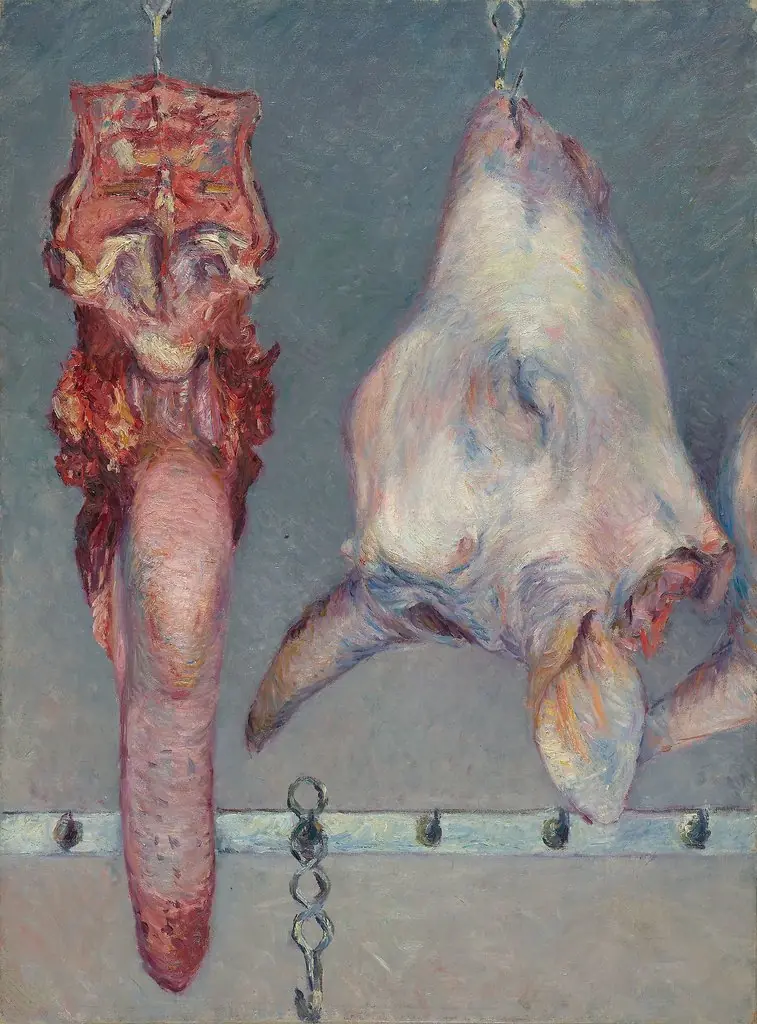
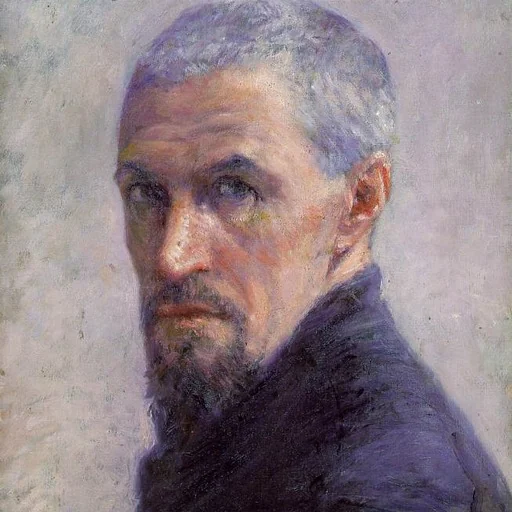
Gustave Caillebotte (French: ; 19 August 1848 – 21 February 1894) was a French painter who was a member and patron of the Impressionists, although he painted in a more realistic manner than many others in the group.