Artwork
Mme L . . . (Laure Borreau)
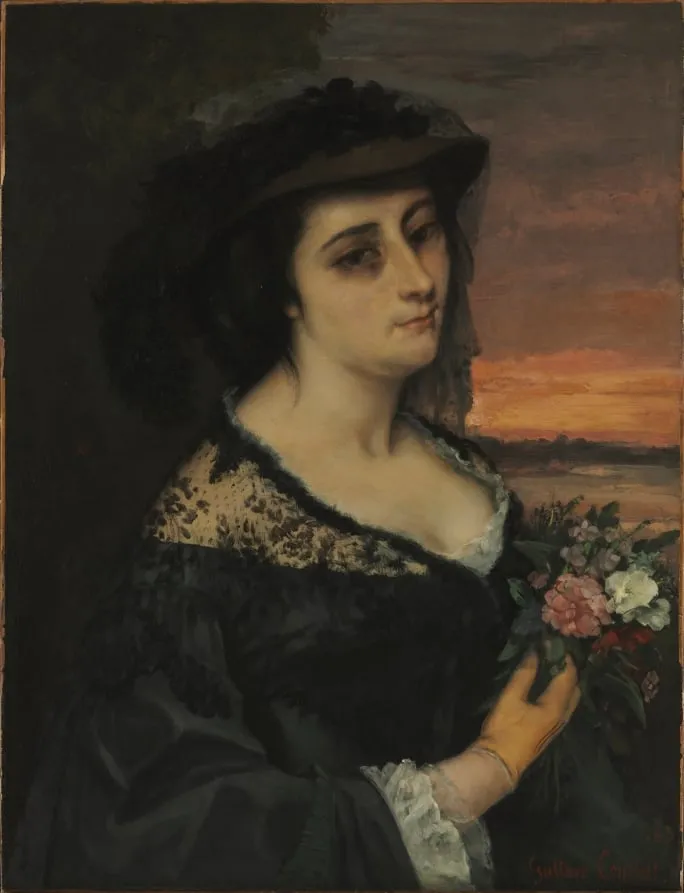
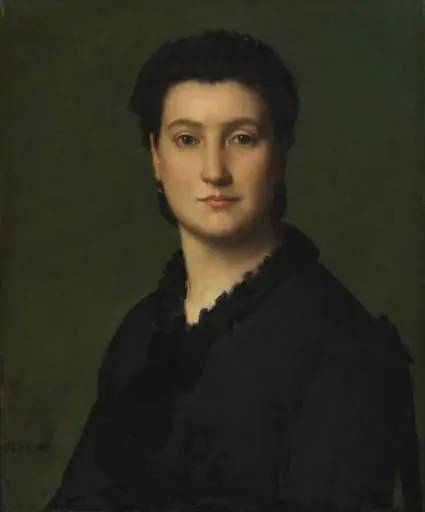
Mme L . . . (Laure Borreau) is an unspecified painting by the Impressionist artist Gustave Courbet. It dates from 1863 and is held in the collection of the Cleveland Museum of Art.
About this work
Overview
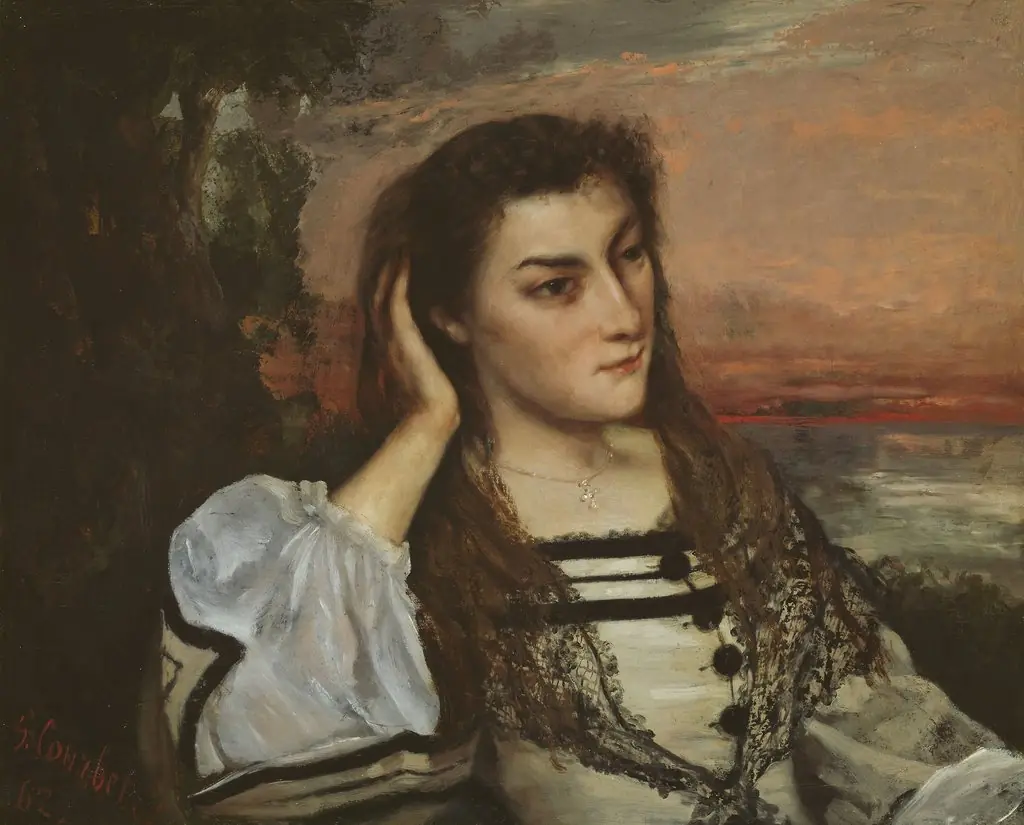
The composition centers on her seated form, dressed in black silk and lace, against a softly lit background that suggests the fading glow of evening.
Gustave Courbet painted Madame Laure Borreau four times, with this final version representing his most refined approach to her likeness. Unlike conventional portraiture of the time, it avoids idealization, presenting her with unembellished physical detail. The composition centers on her seated form, dressed in black silk and lace, against a softly lit background that suggests the fading glow of evening.
Subject & Meaning
Laure Borreau, a woman of Courbet’s social circle, is depicted not as a symbol of status or beauty, but as a tangible individual. Her presence is grounded in physical reality—her posture, attire, and facial features are rendered without adornment. The portrait challenges 19th-century norms by refusing to soften or elevate her appearance, instead asserting the dignity of unvarnished truth in representation.
Technique & Style
Courbet employed thick, deliberate brushwork to capture the texture of fabric and the weight of flesh, using impasto to give material presence to the dress and skin. The sunset’s glow, rendered in muted gold and violet, casts subtle shadows across her face and neck, enhancing the sense of natural light. His method prioritizes tactile realism over idealized harmony, emphasizing the physicality of the subject.
History & Provenance
Painted in the late 1860s, this portrait was among Courbet’s final studies of Borreau. It drew immediate criticism for its unflinching realism, with one reviewer calling the depiction offensive. Despite the backlash, Courbet retained the work, suggesting his commitment to his artistic principles. The painting remained in private hands until entering a public collection in the 20th century.
Context
In an era dominated by romanticized portraiture and academic conventions, Courbet’s Realism stood in deliberate opposition. His focus on ordinary subjects and unidealized forms aligned with broader cultural shifts toward empirical observation. This portrait reflects his belief that art should reflect lived experience, not inherited notions of beauty or class.
Legacy
Courbet’s portrait of Madame Borreau influenced later generations of artists who sought to depict the human form without embellishment. Its rejection of flattery paved the way for modern portraiture that values psychological and physical authenticity. Though controversial in its time, it now stands as a quiet testament to the power of seeing—and painting—truth as it is.
Artist & collection
Artist
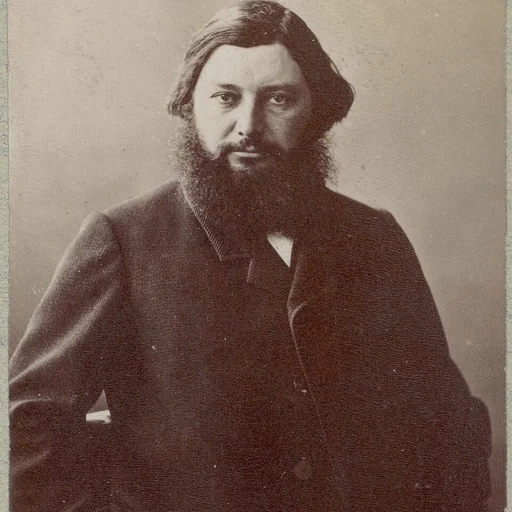
Jean Désiré Gustave Courbet (UK: KOOR-bay; US: koor-BAY; French: ; 10 June 1819 – 31 December 1877) was a French painter who led the Realism movement in 19th-century French painting.


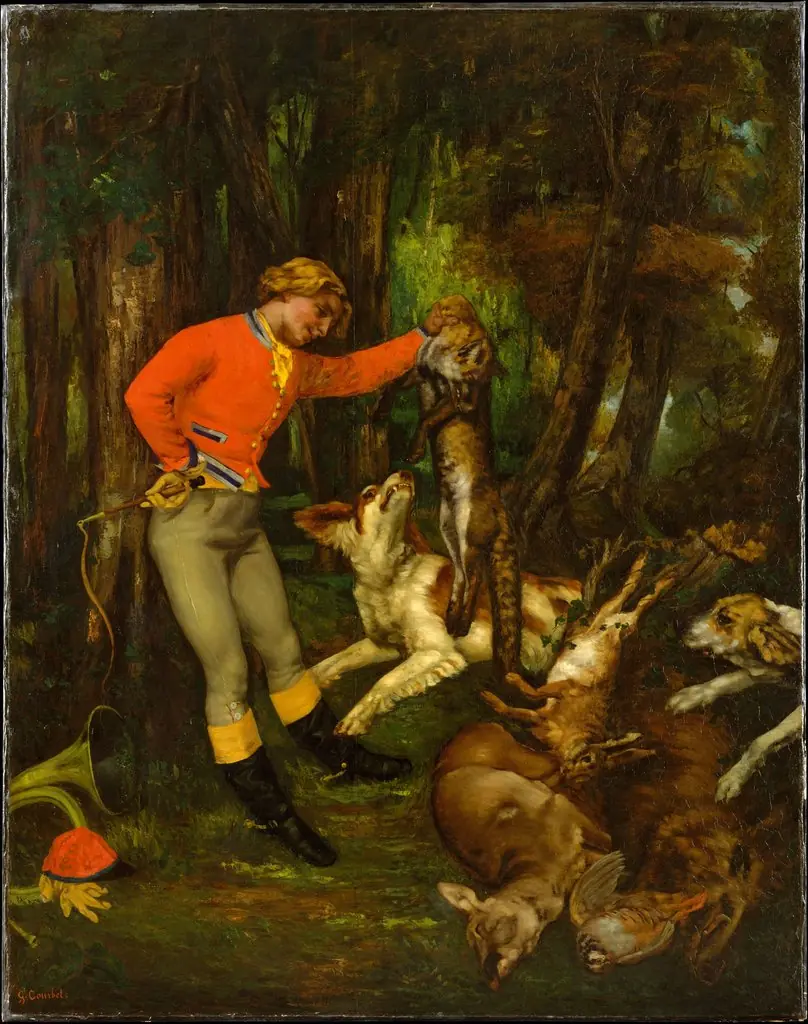
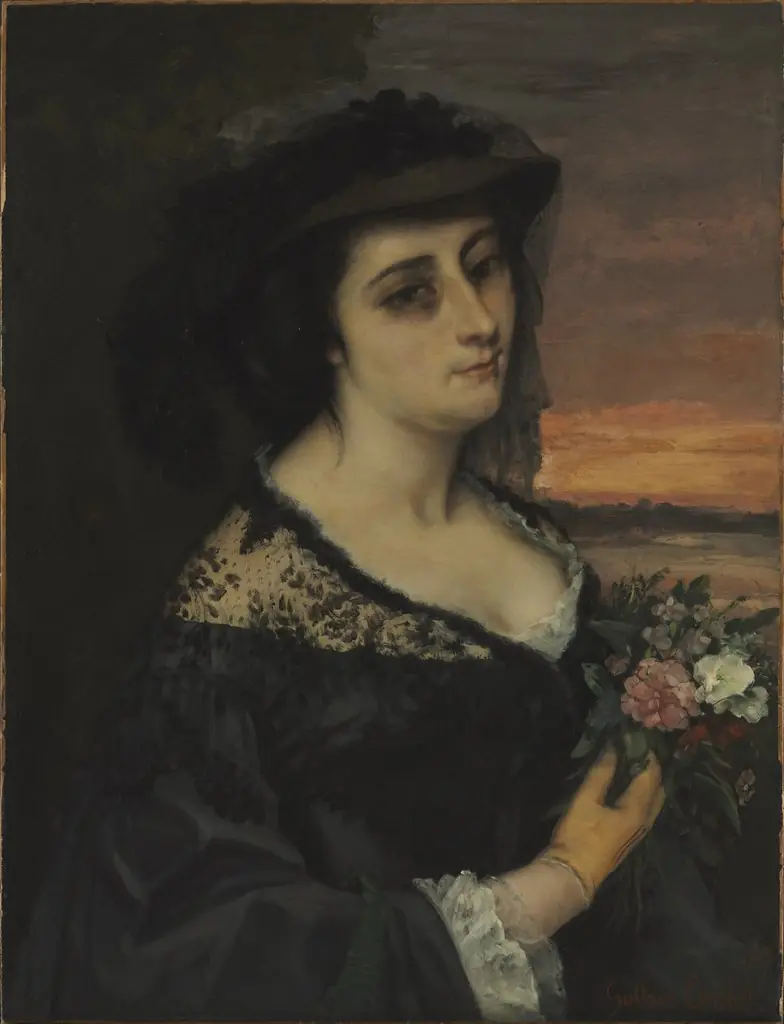 Mme L... (Laure Borreau)
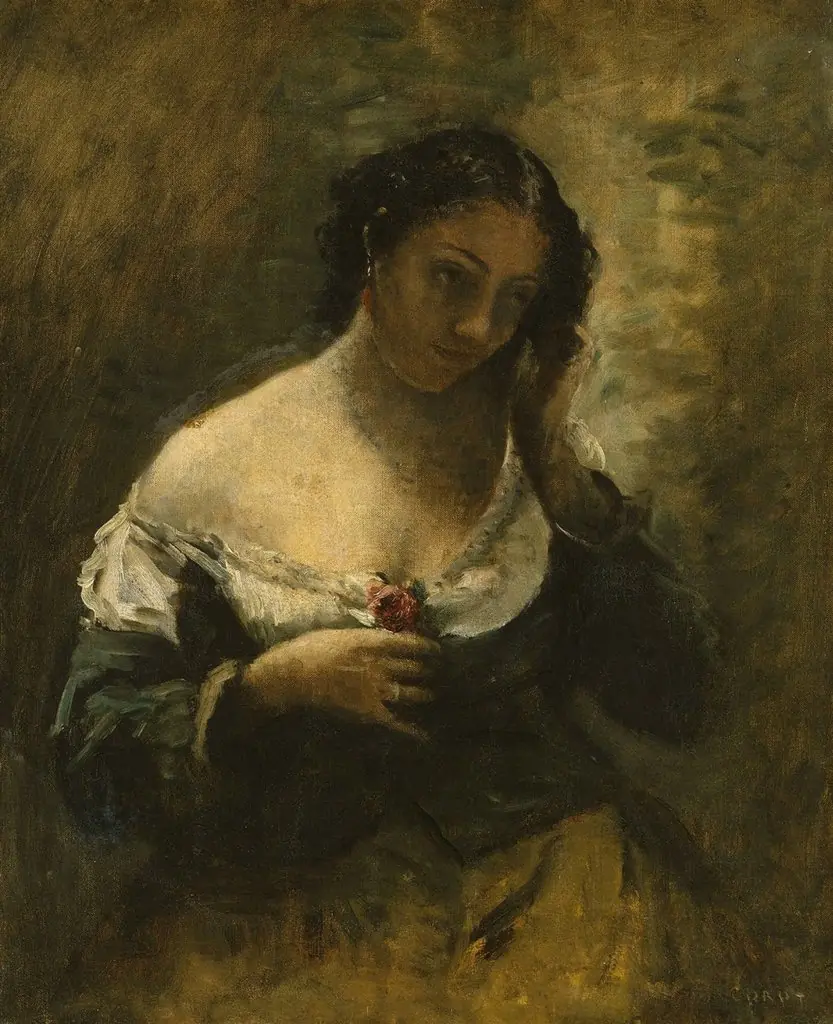 La fille à la rose
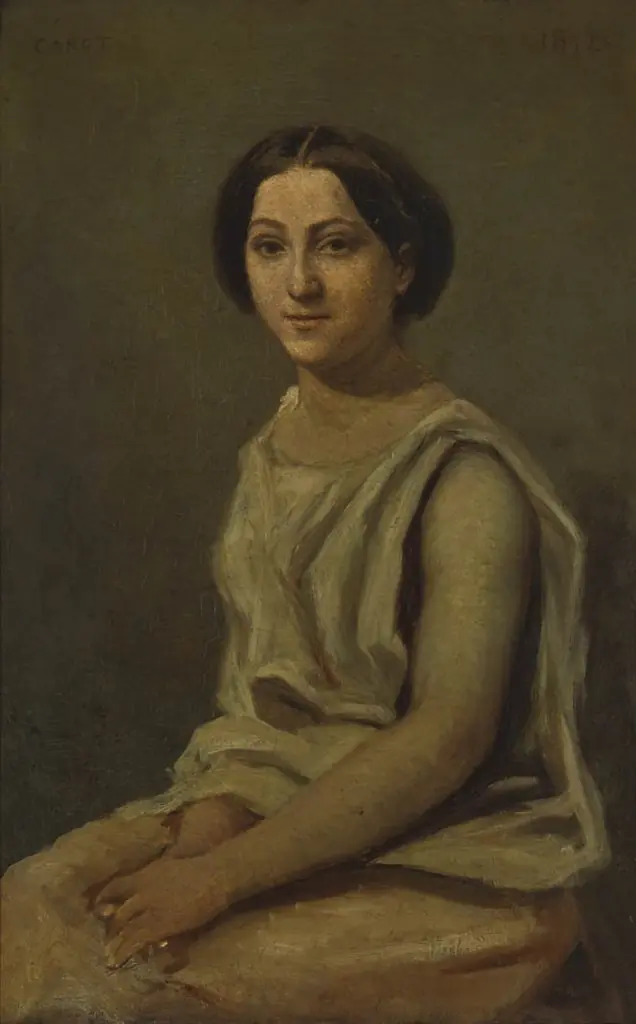 Louise Audiat
 Agostina
 Rêverie (Portrait of Gabrielle Borreau)
 Young Lady Wearing a Mantilla and Basquina
 Woman Meditating
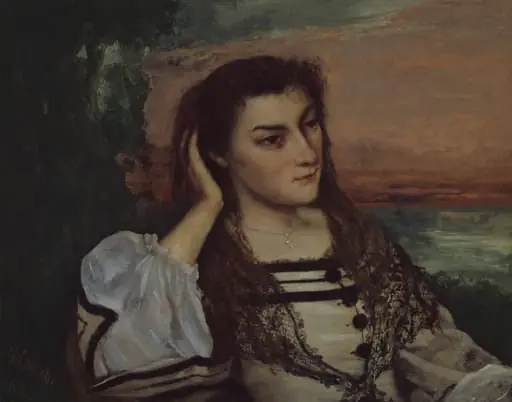 Rêverie (Portrait of Gabrielle Borreau)
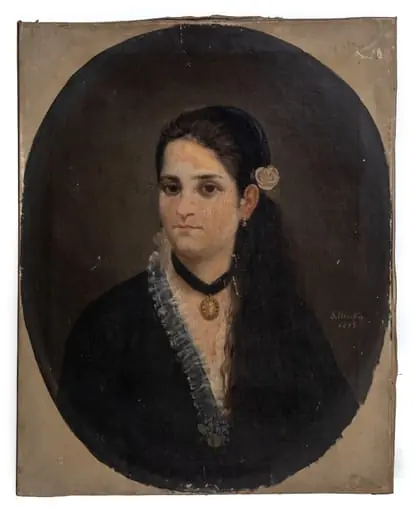 Portret de femeie
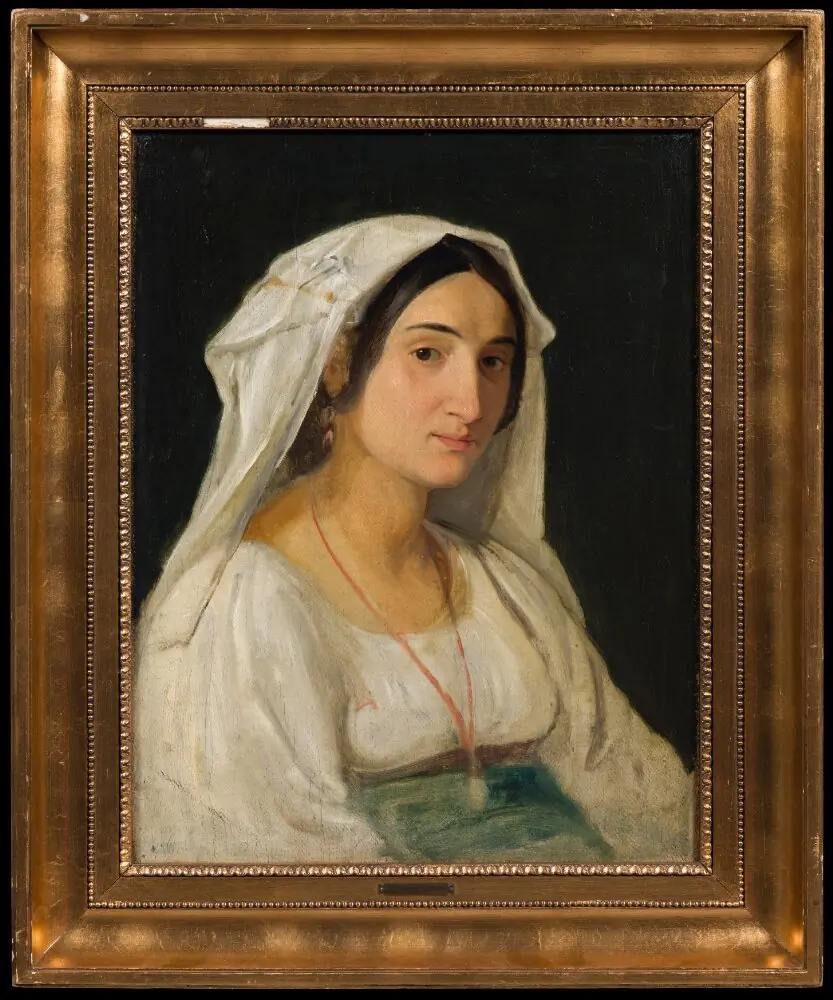 An Italian Woman From the Area of Lake Albano Wearing a White Head Piece
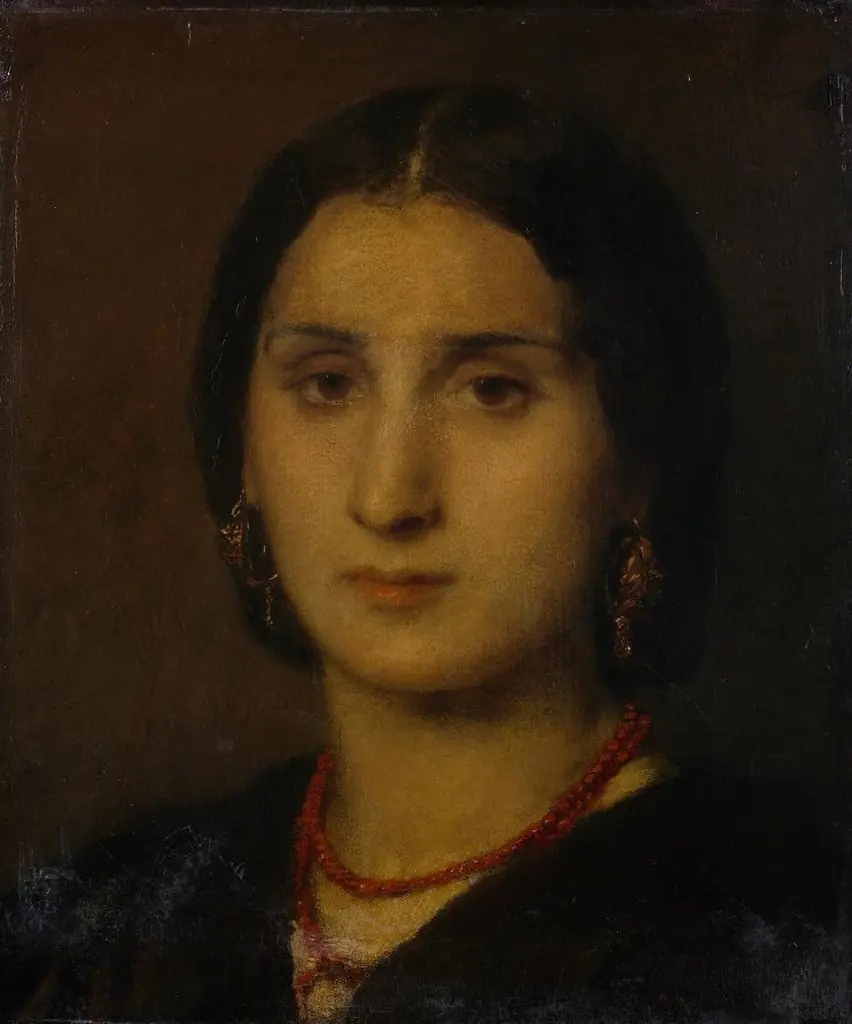 Römerin
 Portrait of a Woman