Artwork
Henri Rochefort
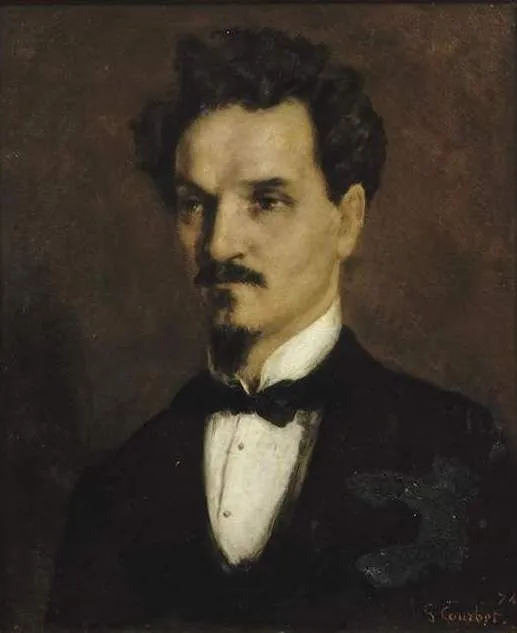
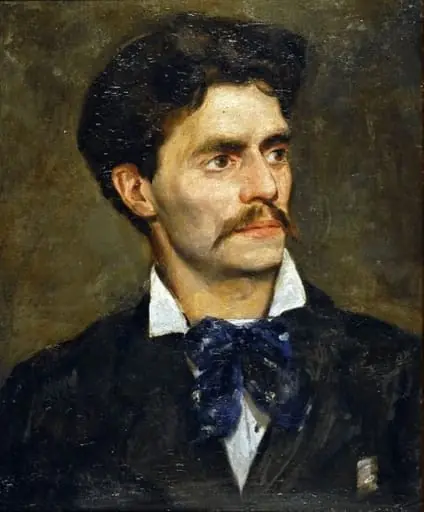
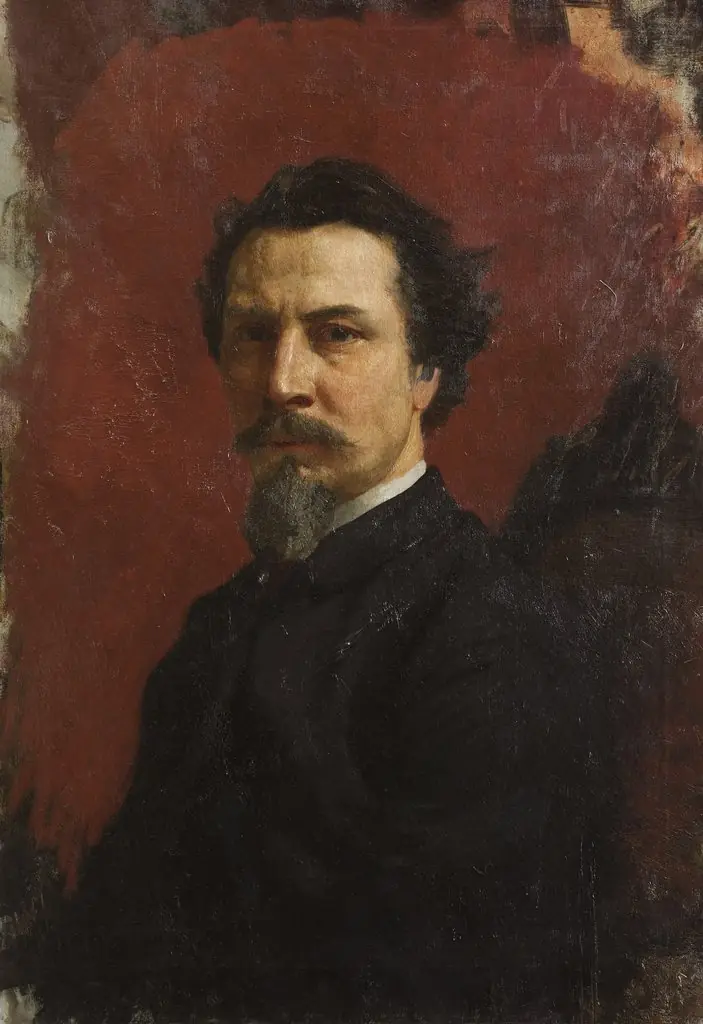
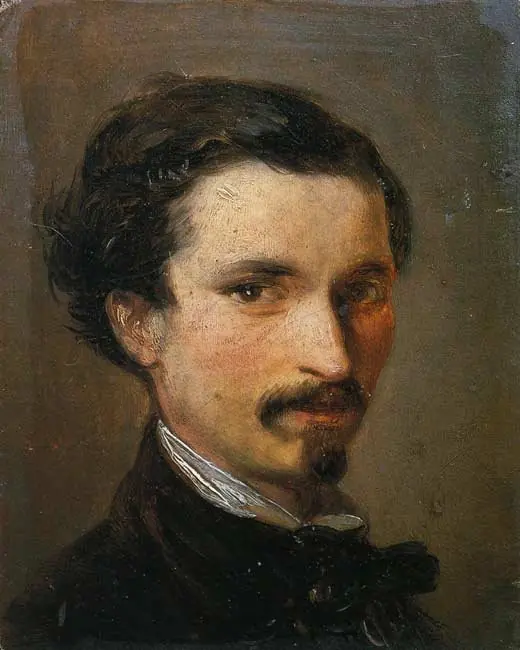
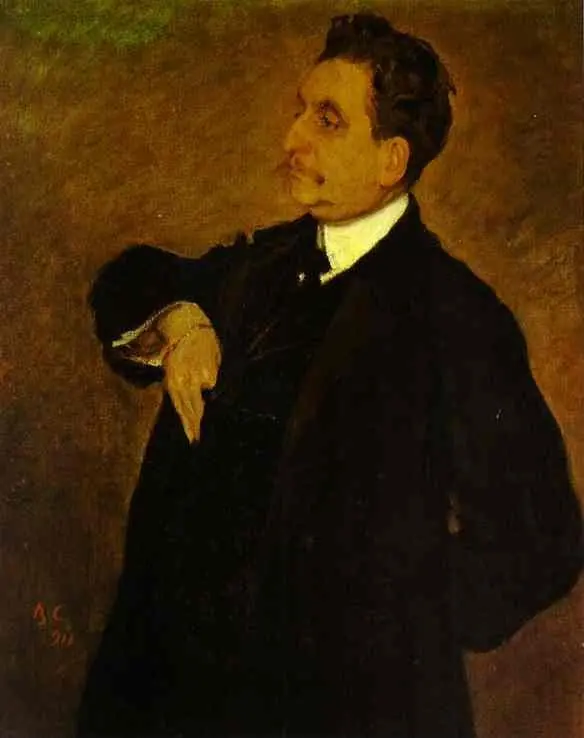
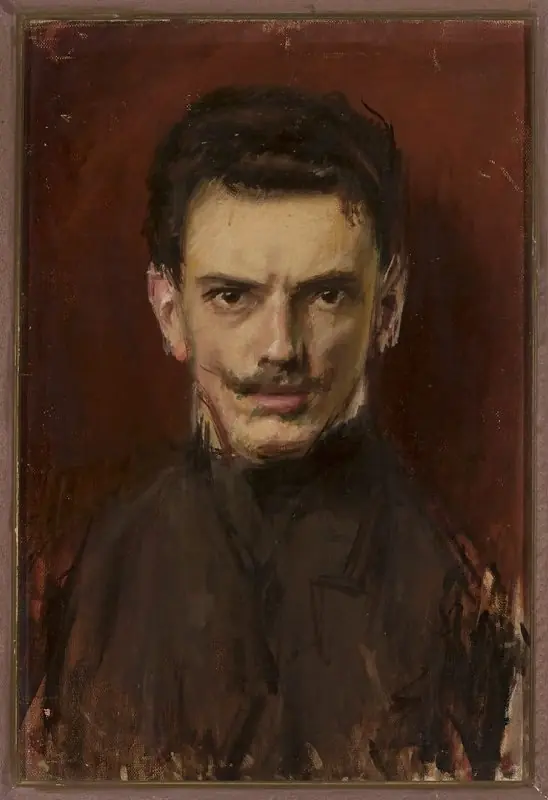
Henri Rochefort is an oil painting by the Realist artist Gustave Courbet. It dates from 1874 and is held in the collection of the Norton Simon Museum.
About this work
Overview
Painted in 1874, this oil-on-canvas portrait by Gustave Courbet captures Henri Rochefort, a French journalist and political figure.
Painted in 1874, this oil-on-canvas portrait by Gustave Courbet captures Henri Rochefort, a French journalist and political figure. Courbet, a central voice in the Realist movement, avoided romanticized portrayals in favor of direct observation. The work reflects his dedication to portraying individuals as they appeared, without embellishment or symbolic flourish, grounding the image in the tangible world.
Subject & Meaning
Henri Rochefort was a provocative writer and republican activist known for his sharp critiques of authority. Courbet’s depiction avoids overt political messaging, instead presenting him with quiet composure. The neutral expression and unadorned attire suggest an emphasis on presence over persona, inviting viewers to engage with the man rather than his reputation, aligning with Courbet’s belief in art as a mirror of reality.
Technique & Style
Courbet employed thick, deliberate brushwork and a restrained palette to model Rochefort’s form. Subtle shifts in light across the face and neck create a sense of volume, achieved through chiaroscuro without theatrical contrast. The dark background isolates the figure, focusing attention on the texture of fabric and skin. The painting’s matte surface and lack of gloss reinforce its unidealized, matter-of-fact character.
History & Provenance
Completed during Courbet’s exile in Switzerland following his involvement in the Paris Commune, the portrait was likely painted in relative isolation from the French art establishment. It entered the Norton Simon Museum’s collection in the 20th century, having passed through private hands after its creation. Its survival reflects enduring interest in Courbet’s unorthodox portraiture beyond his political controversies.
Context
In the 1870s, French academic painting still favored idealized histories and mythological themes. Courbet’s portrait stood in deliberate opposition, asserting the legitimacy of contemporary individuals as worthy subjects. Rochefort, though a public figure, was rendered not as a hero but as a man — a choice that resonated with emerging trends in realism and later, naturalism in literature and visual art.
Legacy
This portrait exemplifies Courbet’s influence on the rejection of academic idealism, paving the way for artists like Degas and Cézanne to prioritize psychological presence over formal perfection. Its unembellished approach contributed to a broader shift in portraiture, where authenticity replaced ceremonial representation, leaving a quiet but lasting imprint on modern visual culture.
Artist & collection
Artist
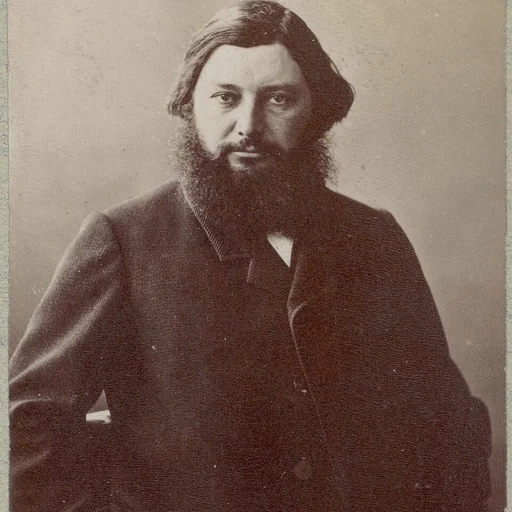
Jean Désiré Gustave Courbet (UK: KOOR-bay; US: koor-BAY; French: ; 10 June 1819 – 31 December 1877) was a French painter who led the Realism movement in 19th-century French painting.