Artwork
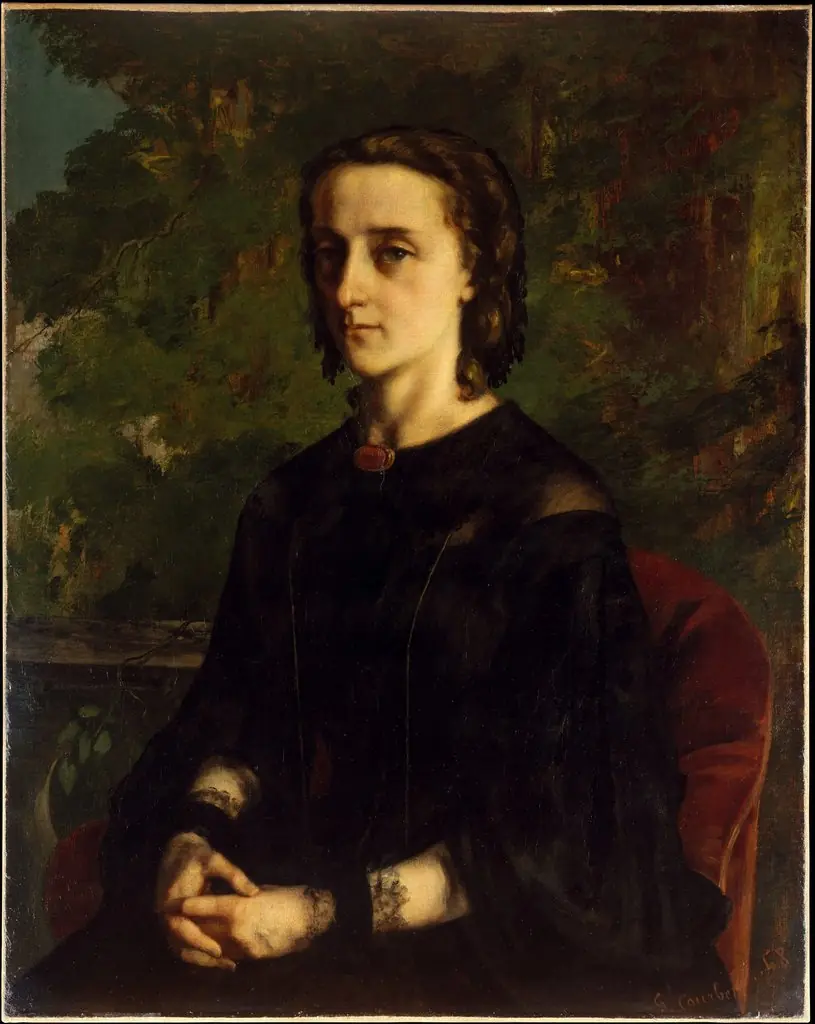
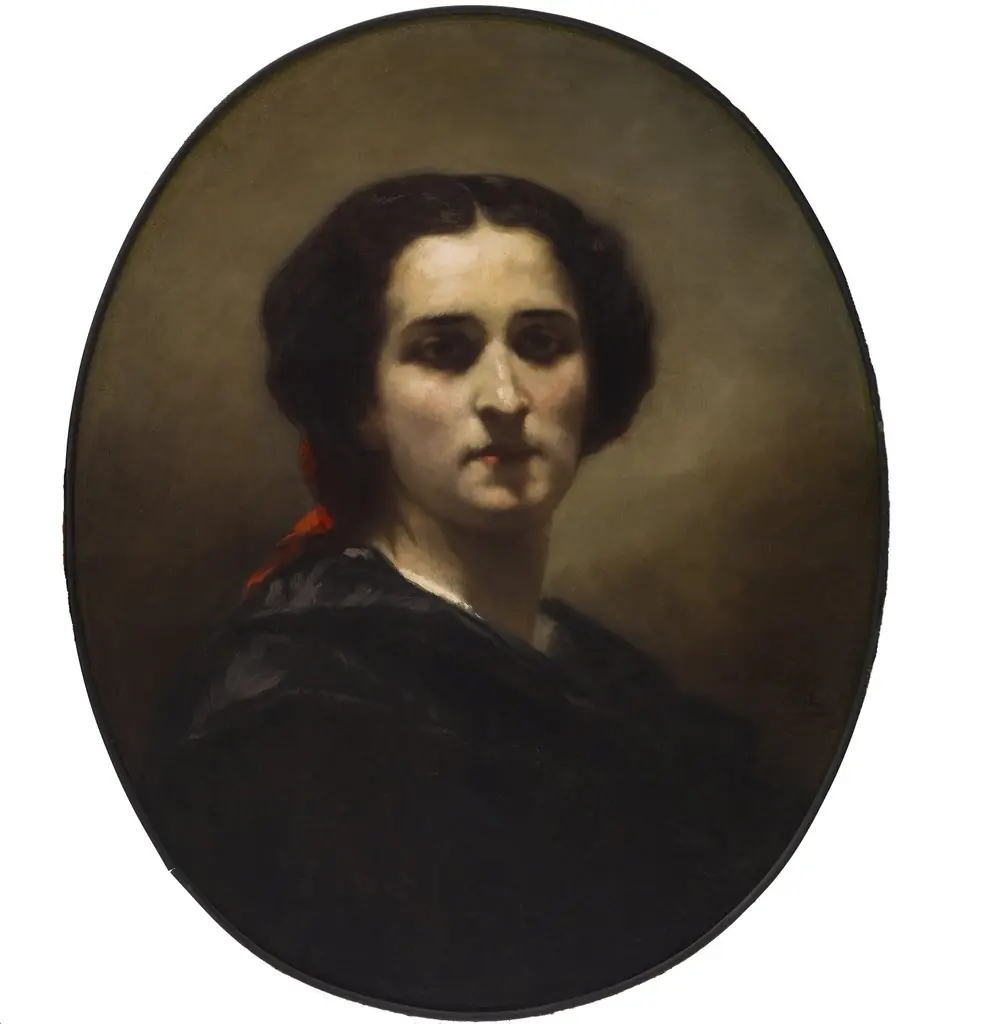
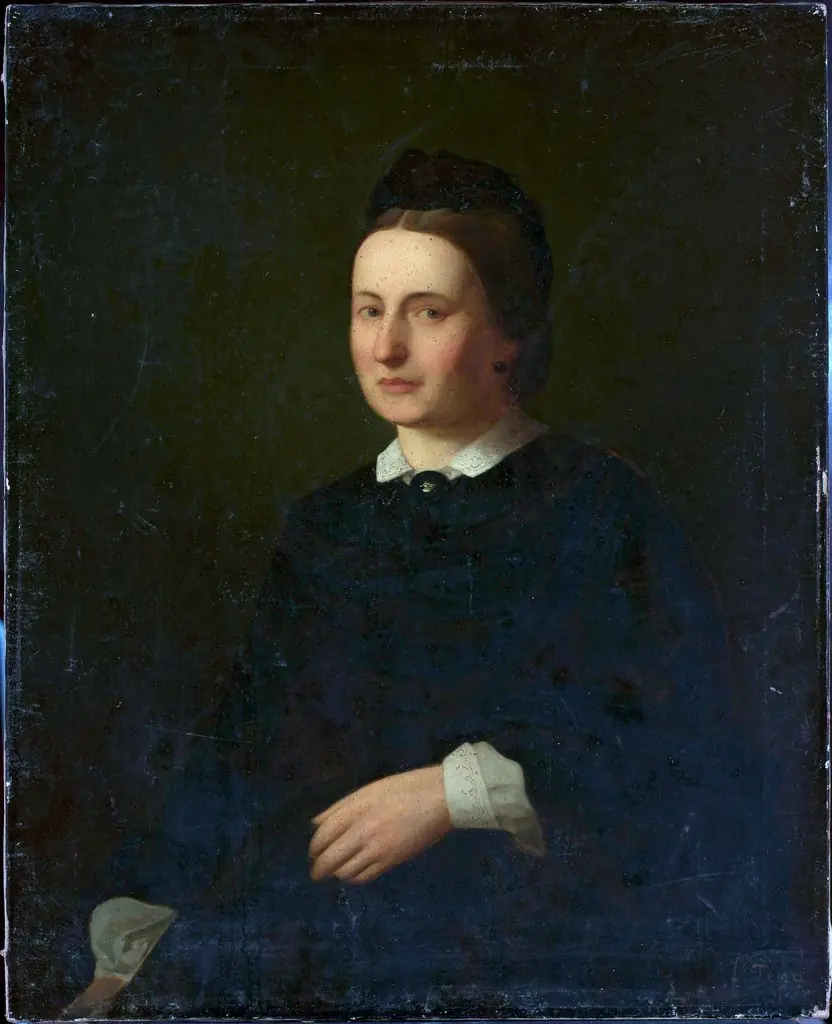
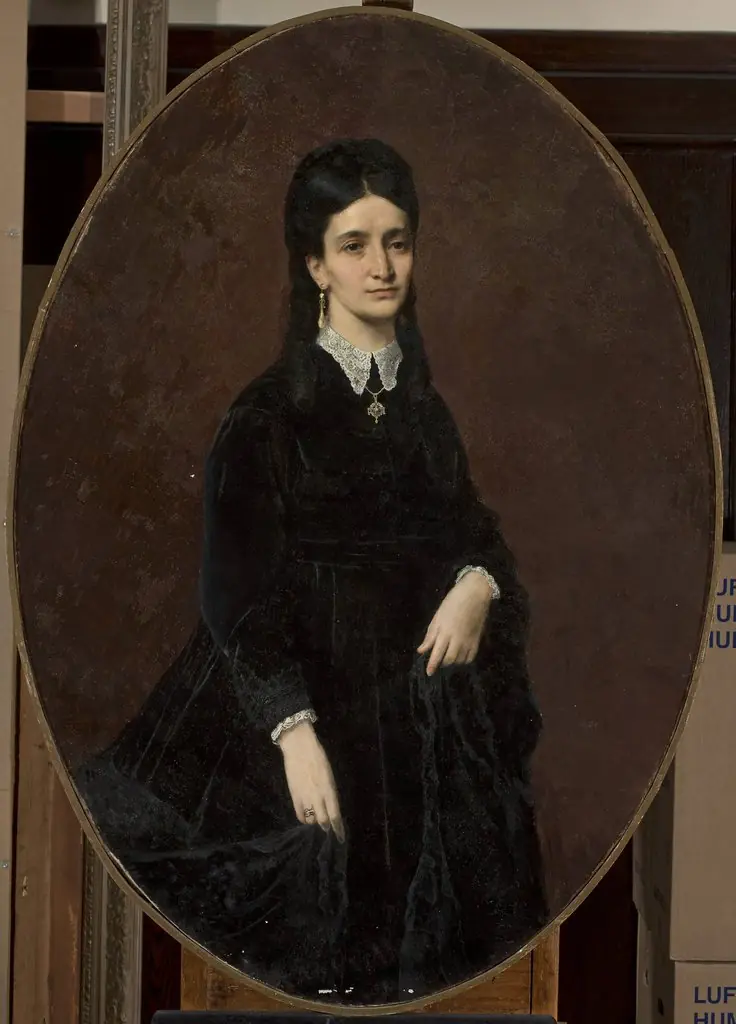
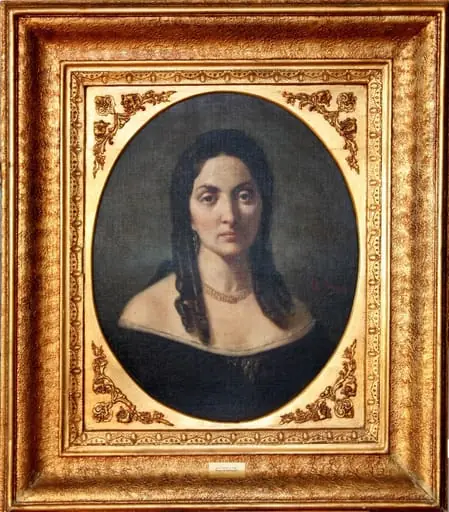
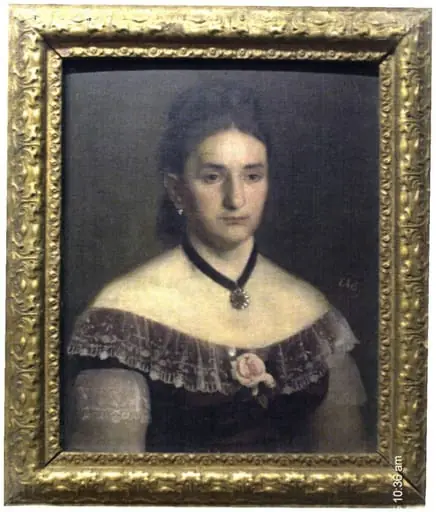
Portrait of madame Léon Fontaine, born Laure Janné
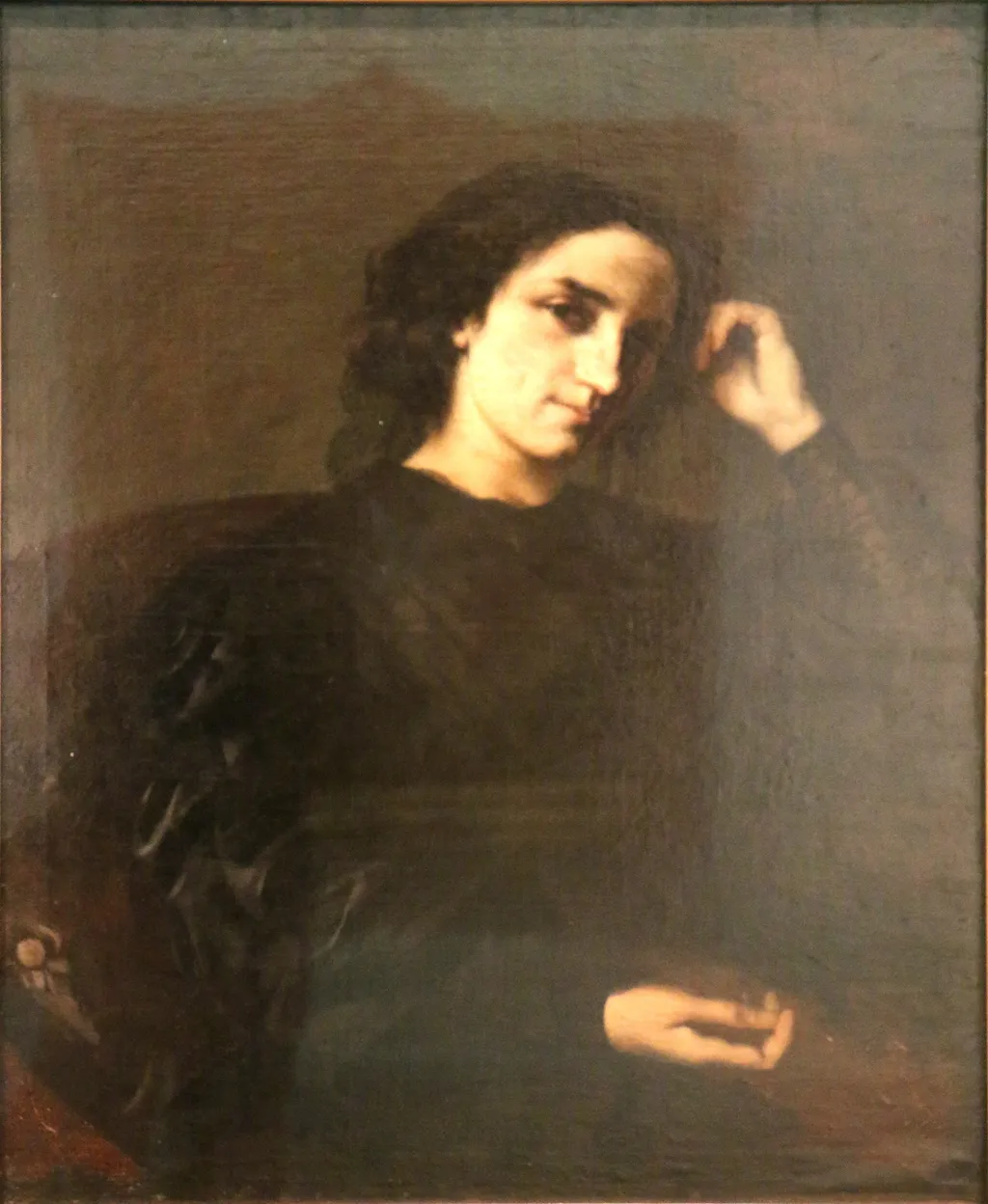
Portrait of madame Léon Fontaine, born Laure Janné is an oil painting by the Realist artist Gustave Courbet. It dates from 1856 and is held in the collection of the Royal Museums of Fine Arts of Belgium.
About this work
Overview
The work is held in the Royal Museums of Fine Arts of Belgium, reflecting its significance within 19th-century French painting traditions.
Painted in 1856 by Gustave Courbet, this oil portrait captures Laure Janné, wife of Léon Fontaine. Courbet, a central figure in the Realism movement, turned away from idealized forms and dramatic narratives, instead presenting his subject with unembellished attention. The work is held in the Royal Museums of Fine Arts of Belgium, reflecting its significance within 19th-century French painting traditions.
Subject & Meaning
The sitter, Laure Janné, is depicted in a quiet, introspective pose, her hand gently touching a strand of hair. Her neutral expression and modest attire convey dignity without theatricality. Courbet avoids sentimentality or social signaling, focusing instead on the presence of an ordinary woman. The portrait resists narrative or symbolic embellishment, emphasizing authenticity over idealization.
Technique & Style
Courbet employs a restrained palette of earth tones and uses chiaroscuro to model form with subtle gradations of light. The brushwork is deliberate yet unpolished, avoiding the smooth finish favored by academic painters. The muted brown background isolates the figure, directing focus to her face and hands, where texture and weight are rendered with tactile precision.
History & Provenance
Commissioned by the Fontaine family, the portrait entered the collection of the Royal Museums of Fine Arts of Belgium in the late 19th century. Its acquisition reflects growing institutional recognition of Realist works during a period when Courbet’s rejection of academic norms was still controversial. The painting has remained in public ownership since then, with no documented private sales.
Context
In 1856, Courbet was challenging the Salon’s dominance by portraying everyday subjects with the gravity once reserved for historical or mythological scenes. This portrait aligns with his broader project to elevate ordinary life through direct observation. It emerged amid debates over artistic legitimacy, positioning Realism as a counterpoint to Romanticism and academic idealism.
Legacy
The portrait stands as a quiet testament to Courbet’s influence on modern portraiture. By rejecting embellishment and focusing on the physical presence of his subject, he paved the way for later artists to treat individuals with psychological depth rather than social ornamentation. Its enduring placement in a major European museum underscores its role in redefining artistic value.
Artist & collection
Artist
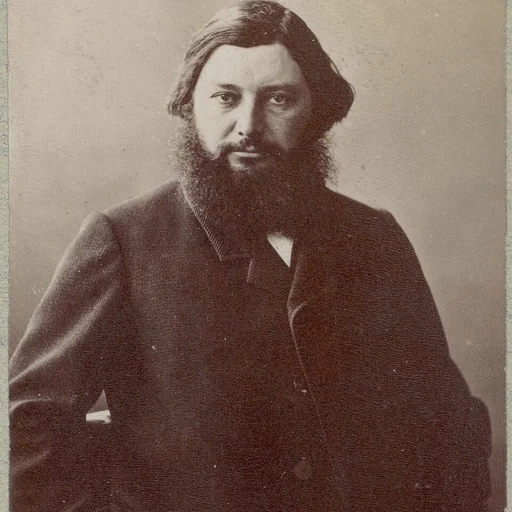
Jean Désiré Gustave Courbet (UK: KOOR-bay; US: koor-BAY; French: ; 10 June 1819 – 31 December 1877) was a French painter who led the Realism movement in 19th-century French painting.

Museum
Royal Museums of Fine Arts of Belgium
Continue through works from the same source collection.