Artwork
Portrait of Paul Chenavard
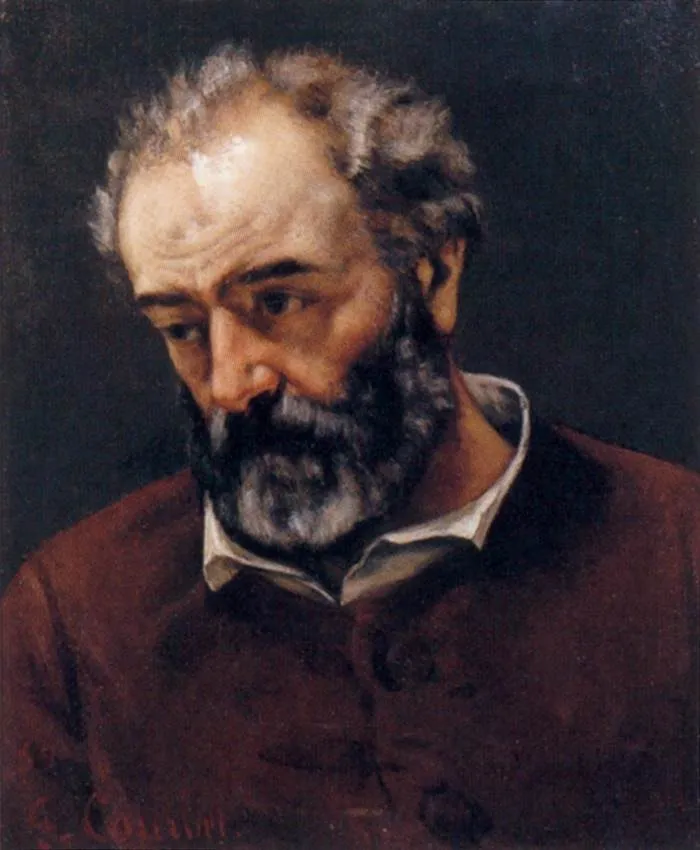
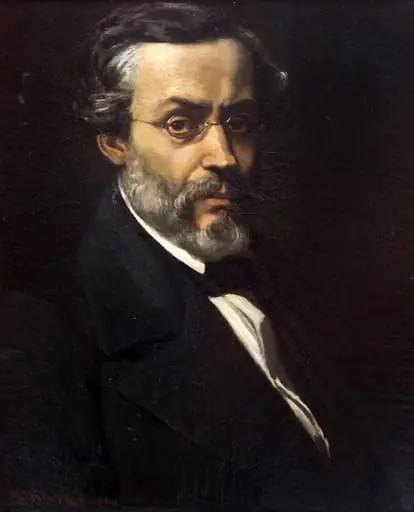
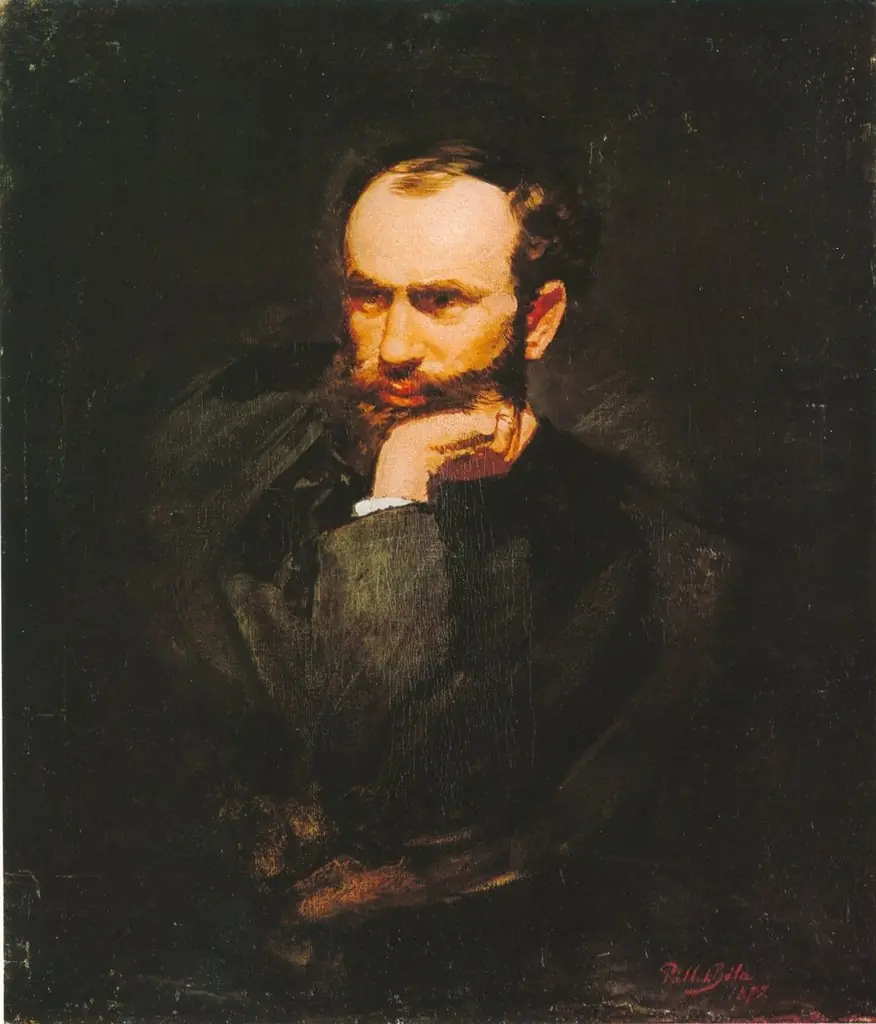
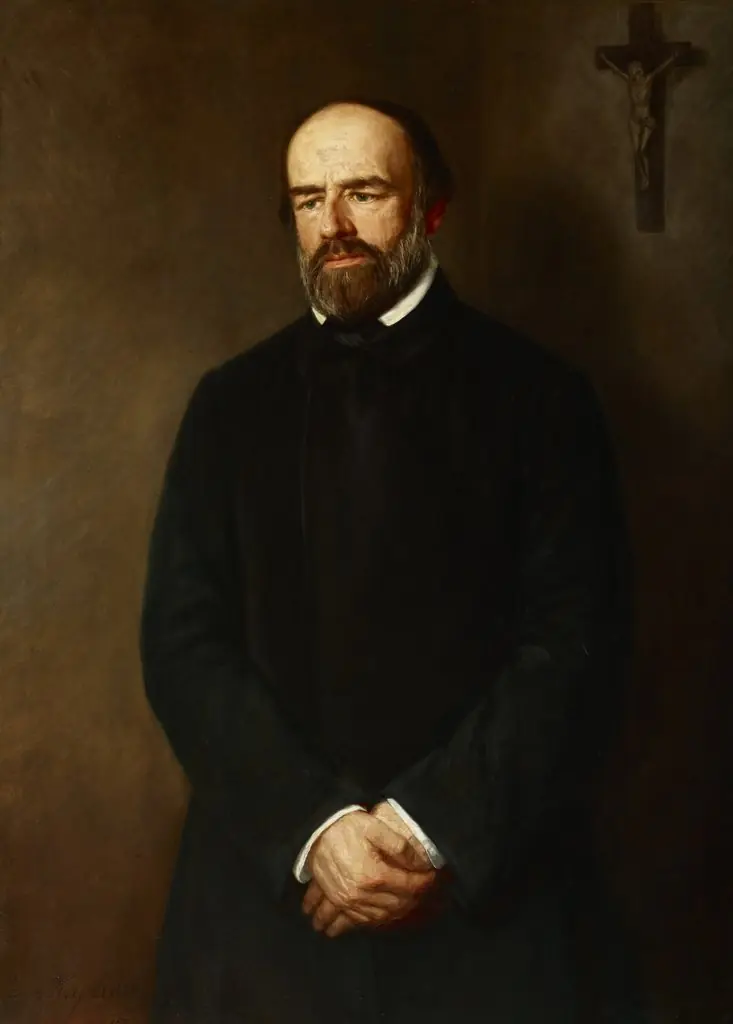
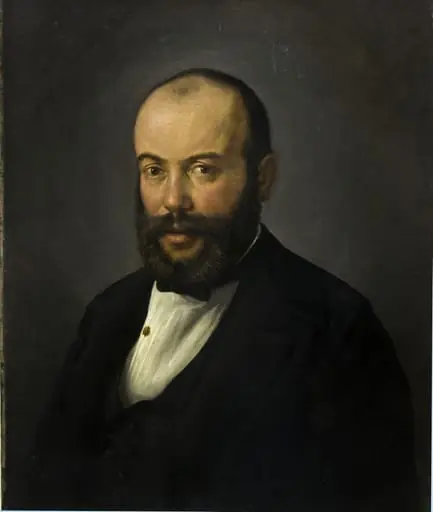
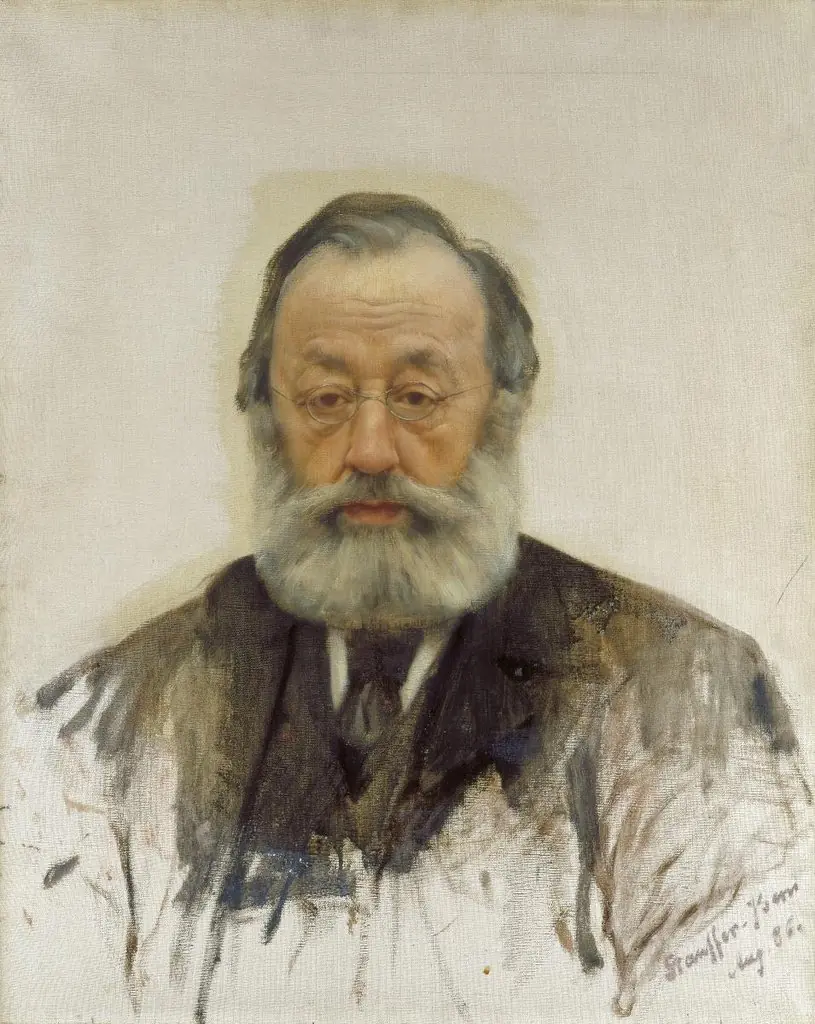
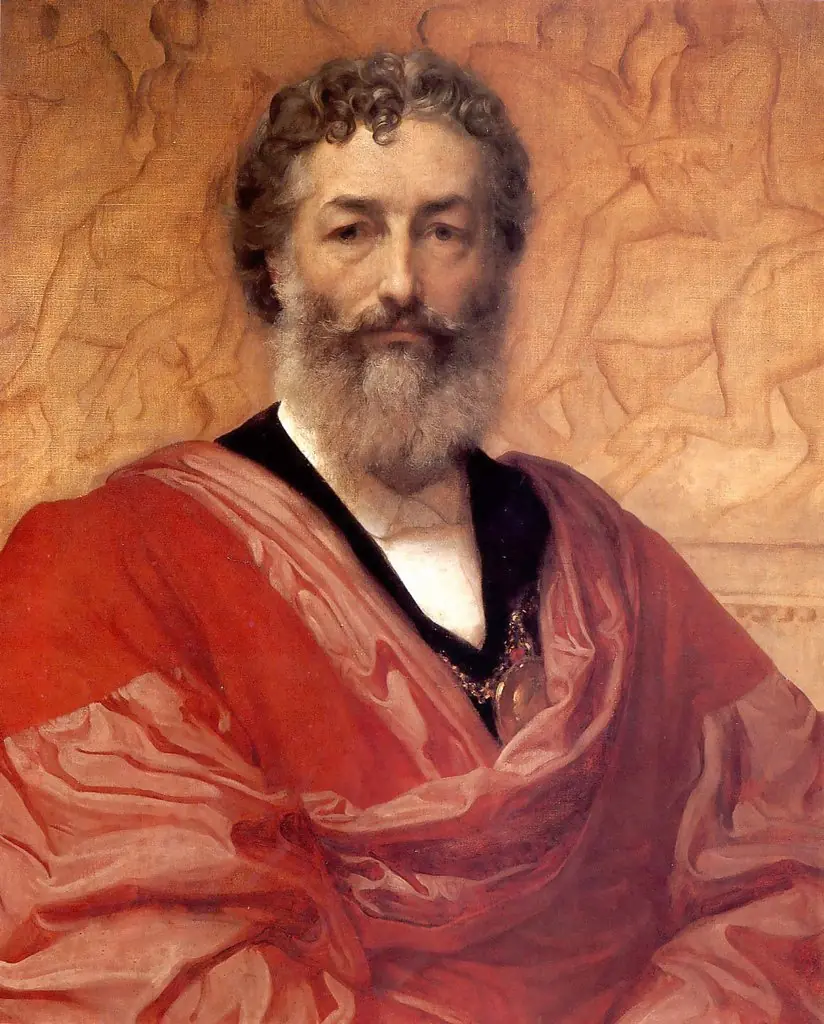
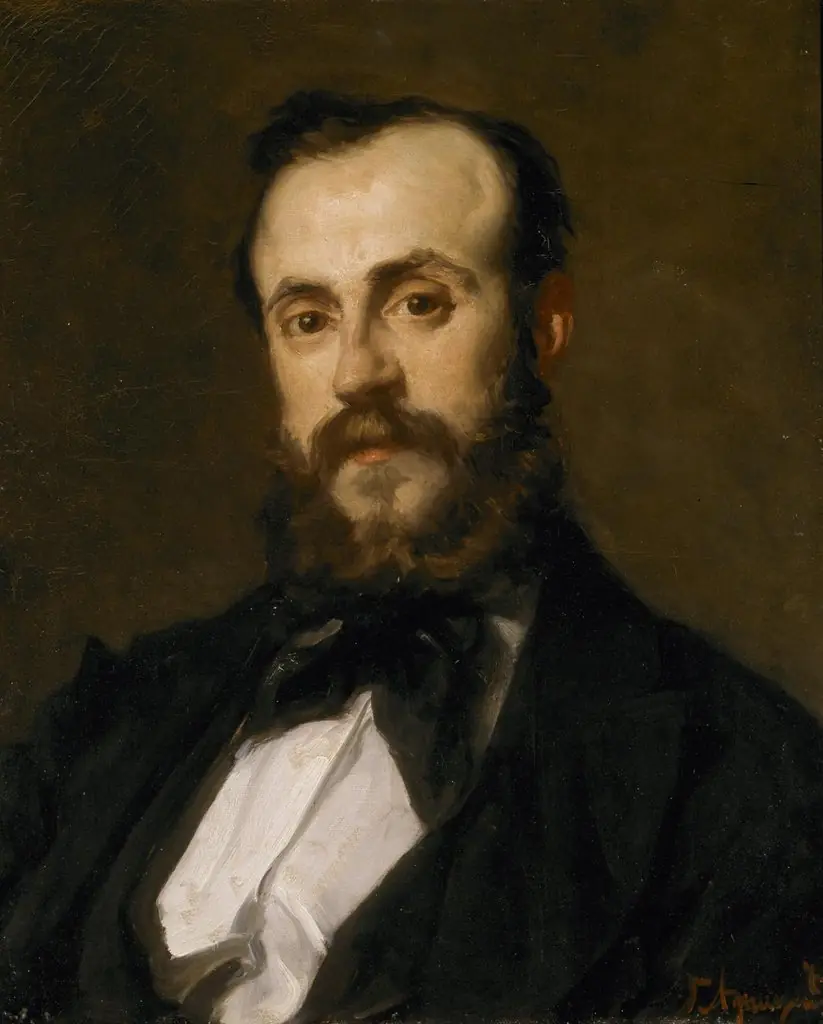
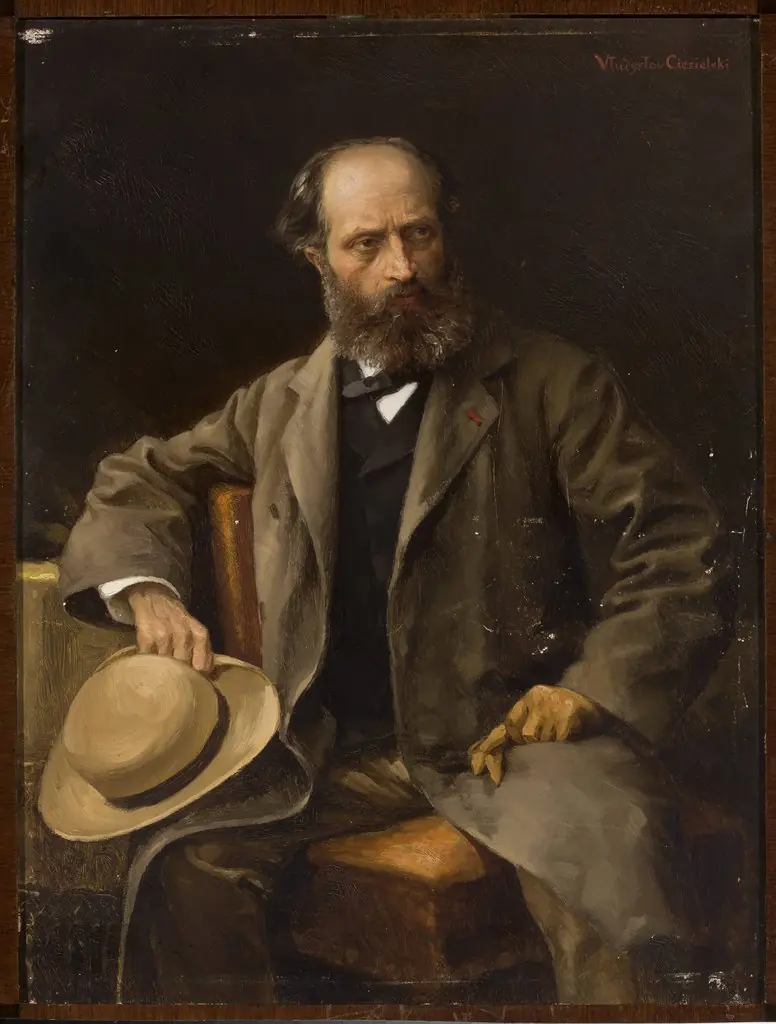
Portrait of Paul Chenavard is an oil painting by the Realist artist Gustave Courbet. It dates from 1869 and is held in the collection of the Museum of Fine Arts of Lyon. Painted in 1869, this oil-on-canvas portrait captures the French artist Paul Chenavard at age sixty-two.
About this work
Overview
Executed by Gustave Courbet during a stay in Munich, the work emerged amid Chenavard’s struggles to exhibit his large-scale project The Divine Tragedy.
Painted in 1869, this oil-on-canvas portrait captures the French artist Paul Chenavard at age sixty-two. Executed by Gustave Courbet during a stay in Munich, the work emerged amid Chenavard’s struggles to exhibit his large-scale project The Divine Tragedy. The painting is now held in the Musée des Beaux-Arts de Lyon, where it stands as a quiet testament to a mutual artistic bond between two figures of the Realist movement.
Subject & Meaning
Chenavard, a fellow painter and intellectual companion of Courbet, is portrayed with solemnity and presence. His thick beard, thinning hair, and intense gaze convey a sense of inner resolve, perhaps reflecting the personal and professional challenges he faced during this period. The absence of contextual details shifts focus entirely to his character, suggesting a psychological depth rather than a ceremonial representation.
Technique & Style
Courbet employs thick, deliberate brushwork to render texture in Chenavard’s clothing and facial features. The dark red jacket contrasts sharply with the pale collar and the shadowed background, creating a strong chiaroscuro effect. The palette is restrained yet rich, emphasizing volume and form without embellishment. The background remains unmodeled, isolating the figure and reinforcing the portrait’s introspective tone.
History & Provenance
The portrait was likely painted during Chenavard’s time in Munich, where he was attempting to display his controversial mural project for the Panthéon. Courbet, visiting him, produced this likeness as a personal gesture. After Chenavard’s death, the painting remained in private hands before entering the collection of the Musée des Beaux-Arts de Lyon, where it has been held since the early twentieth century.
Context
In the late 1860s, both Courbet and Chenavard were navigating the tensions between artistic ambition and institutional rejection. While Courbet championed realism in opposition to academic norms, Chenavard’s grand historical visions faced bureaucratic resistance. This portrait, made outside the official art world, reflects a quieter, more personal form of resistance — an affirmation of identity beyond public acclaim.
Legacy
Though less known than Courbet’s larger social works, this portrait endures as a nuanced study of an artist’s inner life. It exemplifies how Realism extended beyond social commentary into intimate psychological observation. The painting’s directness and emotional restraint have influenced later generations seeking to portray creative individuals without romanticization.
Artist & collection
Artist
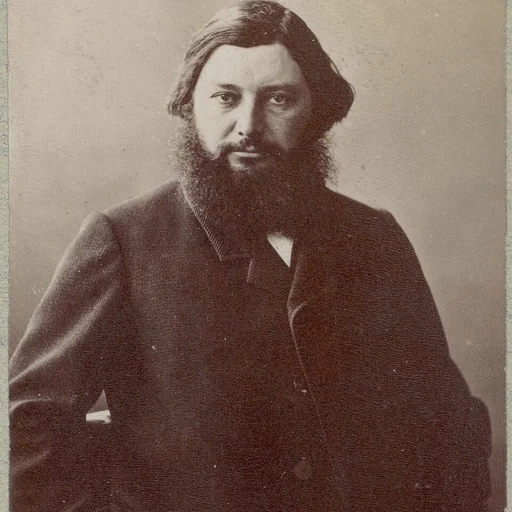
Jean Désiré Gustave Courbet (UK: KOOR-bay; US: koor-BAY; French: ; 10 June 1819 – 31 December 1877) was a French painter who led the Realism movement in 19th-century French painting.