Artwork
Self-portrait
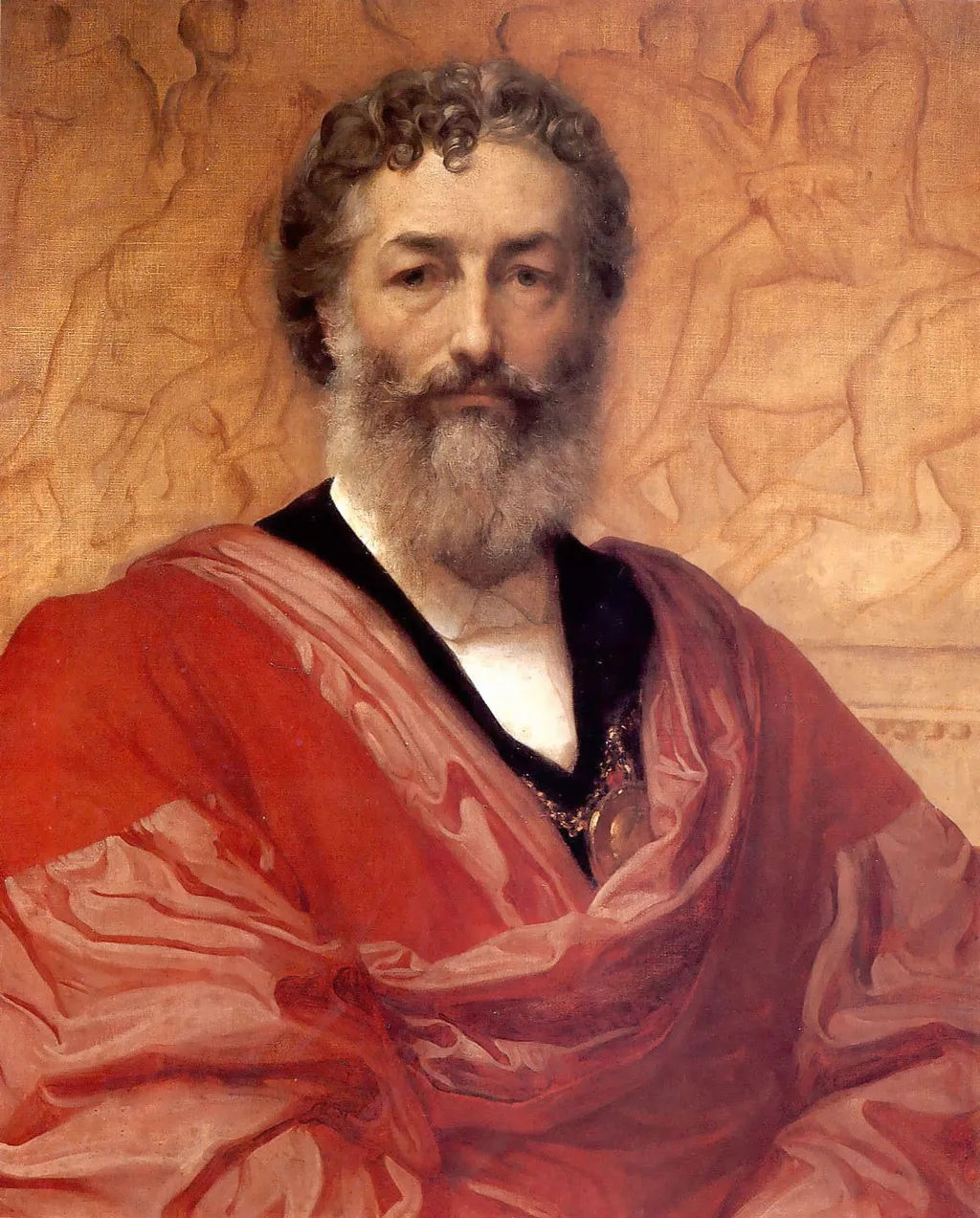
Self-portrait is an oil painting by Frederic Leighton. It dates from 1890 and is held in the collection of the Uffizi Gallery.
About this work
Overview
Painted in 1890, this oil portrait presents Frederic Leighton as an older man, rendered with direct gaze and restrained expression.
Painted in 1890, this oil portrait presents Frederic Leighton as an older man, rendered with direct gaze and restrained expression. Executed in oil on canvas, the work belongs to the Uffizi Gallery’s collection. Its composition centers the artist against a muted, indistinct background, emphasizing his presence without narrative distraction. The visible brushwork and subdued palette reflect a deliberate, introspective approach to self-representation.
Subject & Meaning
Leighton portrays himself in middle age, his curly hair and full beard framing a face marked by time. Dressed in a rich red robe over a dark vest and white shirt, he adopts the attire of a man of culture rather than formal dress. His steady gaze toward the viewer conveys quiet authority and self-awareness, suggesting a meditation on identity and artistic legacy rather than vanity or spectacle.
Technique & Style
The painting employs traditional oil techniques with loose, tactile brushstrokes that define form without excessive detail. The background is softly suggested, with faint silhouettes hinting at figures, creating depth without distraction. Color is controlled: the red robe draws attention while the neutral tones of skin and clothing ground the figure. The handling of light and texture reveals Leighton’s command of academic tradition, tempered by a personal, almost intimate touch.
History & Provenance
Leighton painted this self-portrait near the end of his life, likely as a personal statement rather than a commission. It entered the Uffizi Gallery’s collection in 1924, following the bequest of the Italian art patron and collector, Alessandro Contini-Bonacossi. Its inclusion in a major Italian institution reflects the international esteem Leighton held, despite his British roots and association with the Royal Academy.
Context
Created during the late Victorian era, the portrait emerges amid shifting artistic currents—realism and impressionism gaining ground, while academic traditions persisted. Leighton, a leading figure of the latter, used this work to assert his identity as an artist grounded in classical ideals. Unlike flamboyant self-portraits of contemporaries, his is restrained, aligning with the dignity and decorum expected of a president of the Royal Academy.
Legacy
This self-portrait remains one of Leighton’s few direct representations of himself, offering insight into how he wished to be seen in his final years. It is studied for its quiet confidence and technical refinement, illustrating the transition from grand historical painting to personal introspection in late 19th-century British art. Its presence in the Uffizi underscores his recognition beyond national borders.
Artist & collection

Artist
Frederic Leighton, 1st Baron Leighton,, known as Sir Frederic Leighton between 1878 and 1896, was a British Victorian painter, draughtsman, and sculptor.

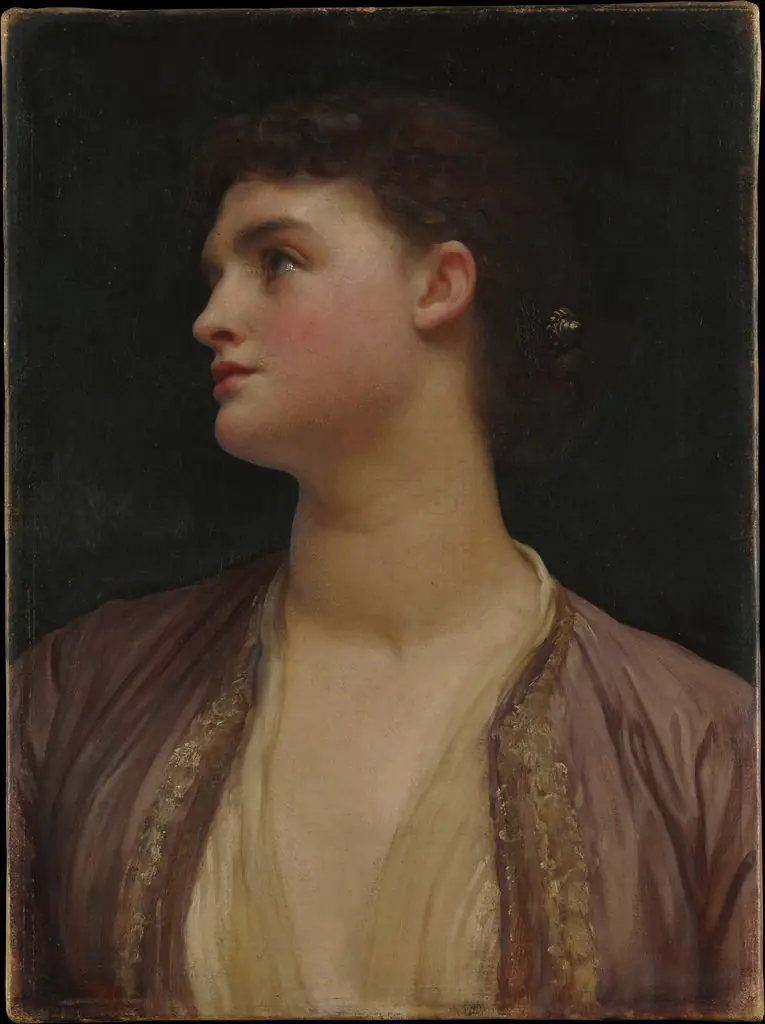 Lucia
Lucia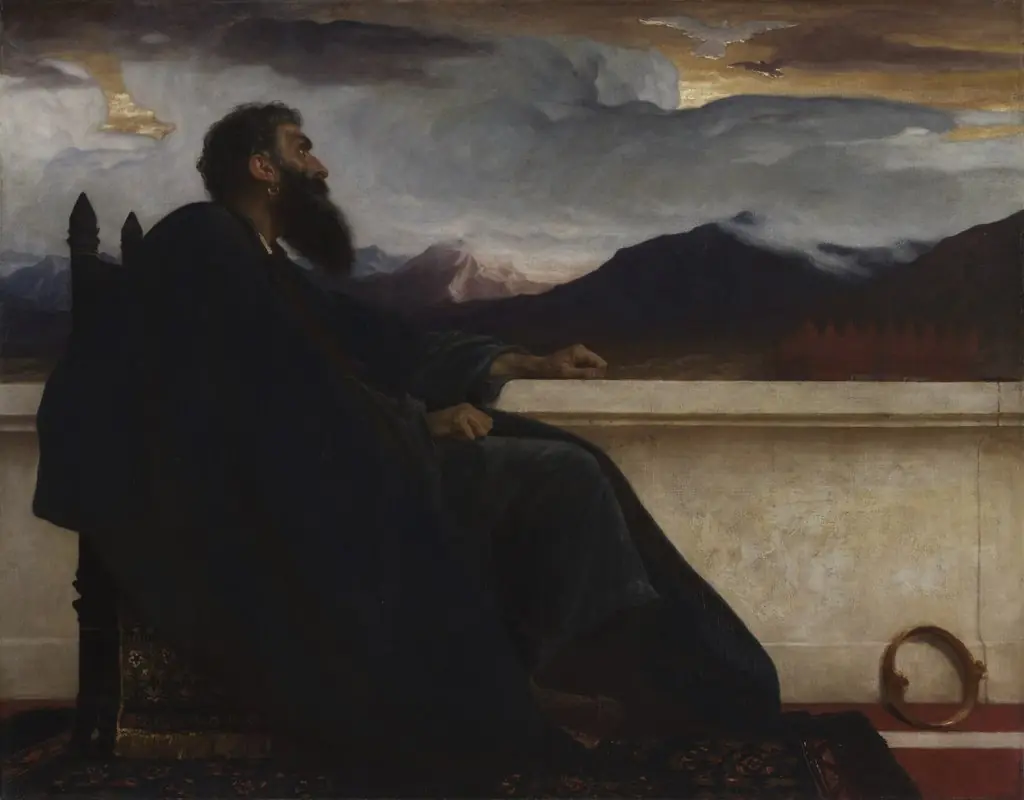 David: "Oh, that I had wings like a Dove! For then would I fly away, and be at rest." Psalm 55:6
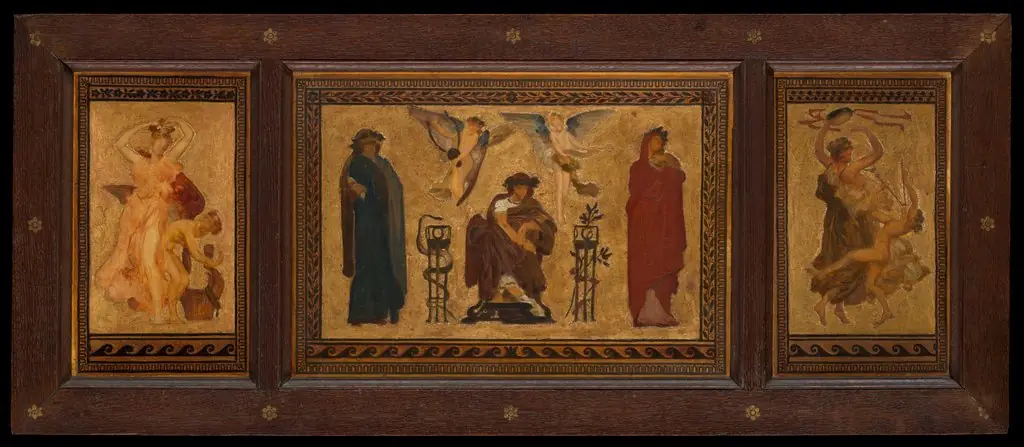 Study for the Ceiling of the Marquand Music Room
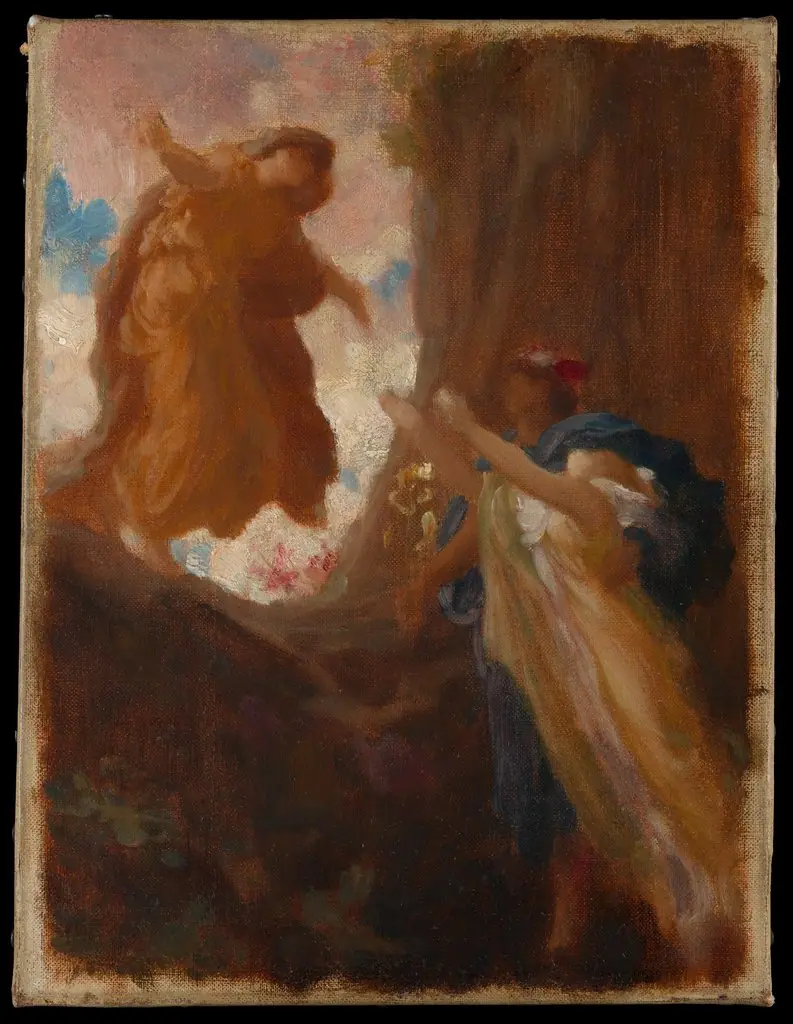 The Return of Persephone
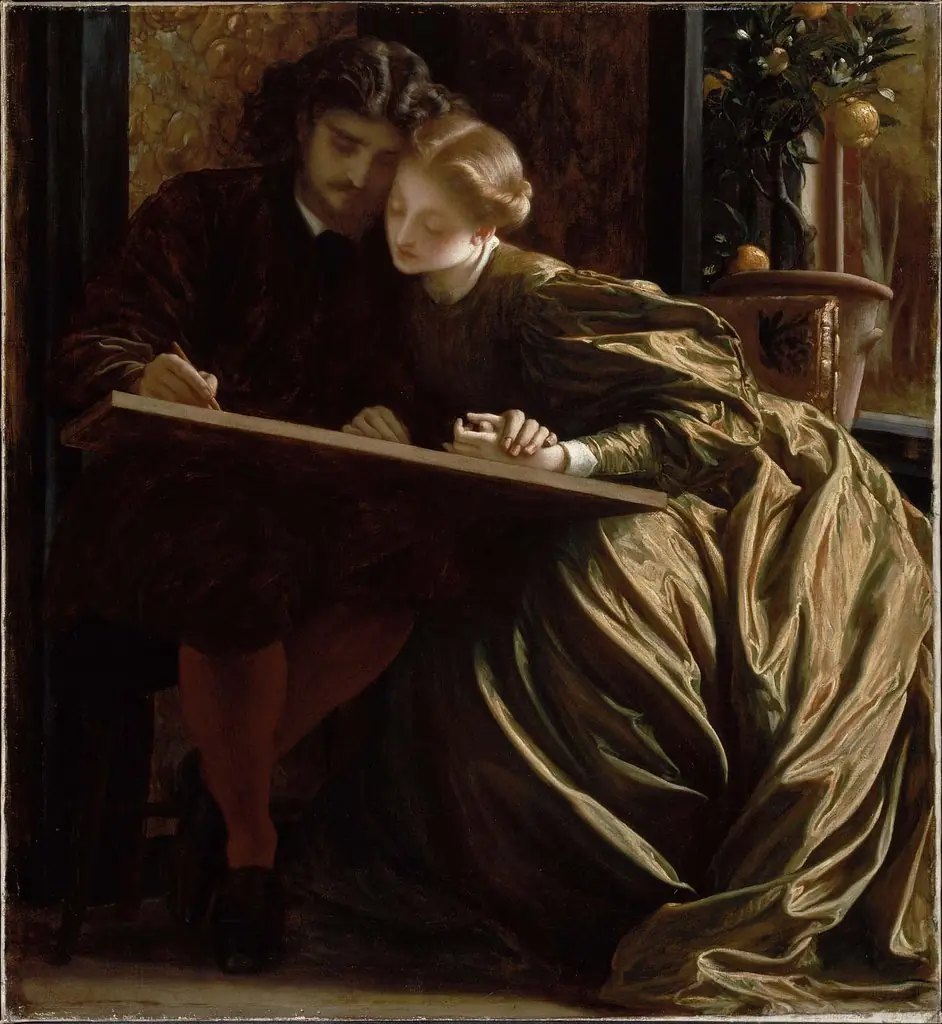 The Painter's Honeymoon
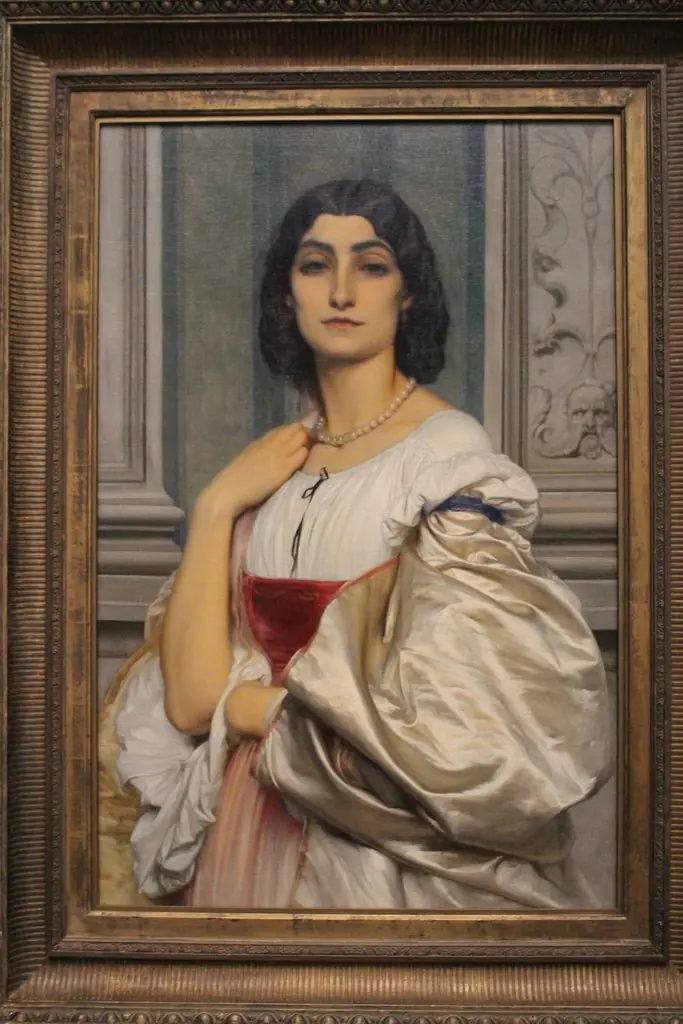 Portrait of a Roman Lady (La Nanna)
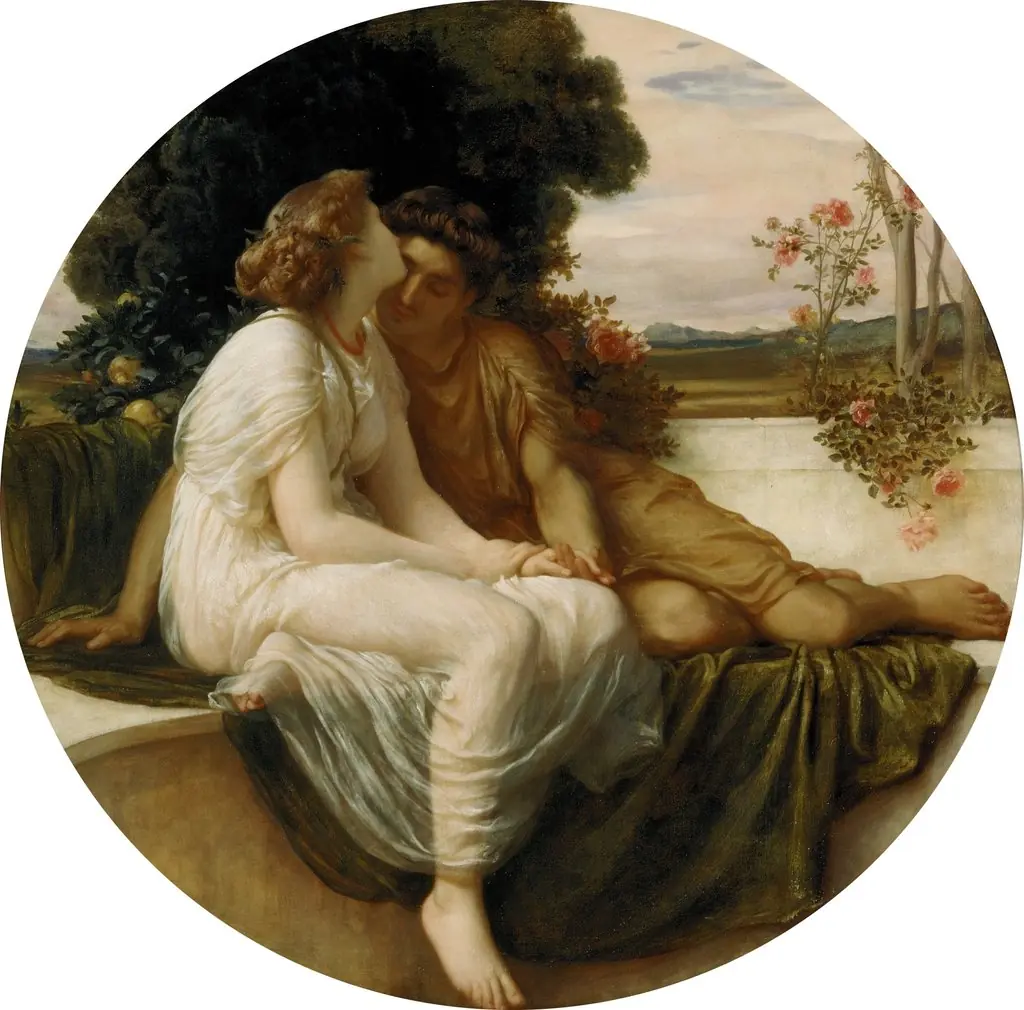 Acme and Septimius
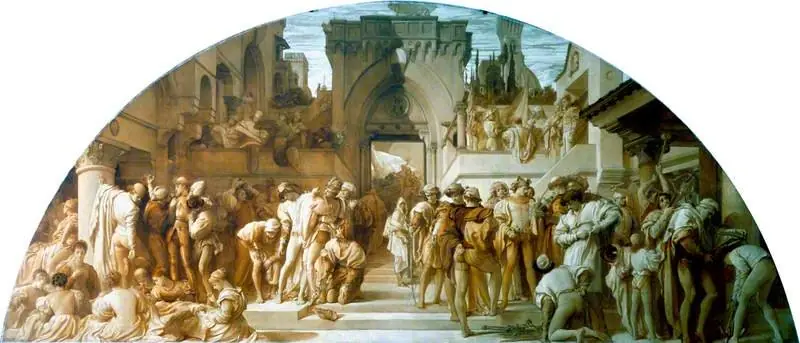 The Arts of Industry as Applied to War (cartoon for a wall painting in the Victoria and Albert Museum)
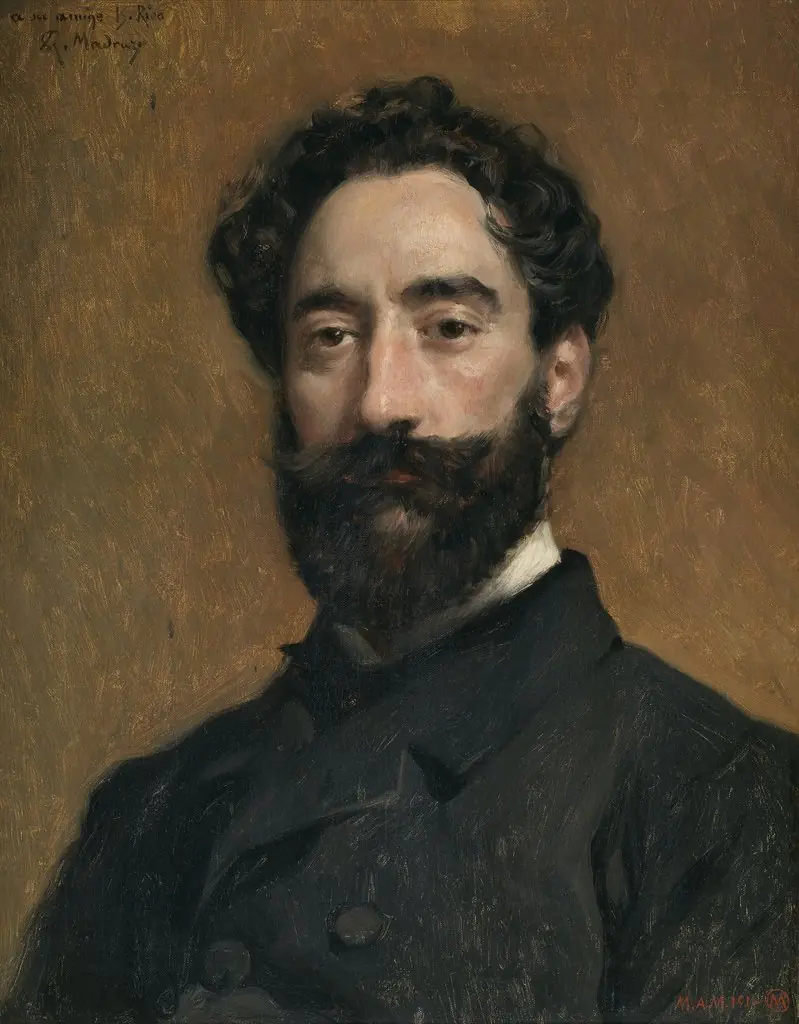 The Printmaker Bernardo Rico
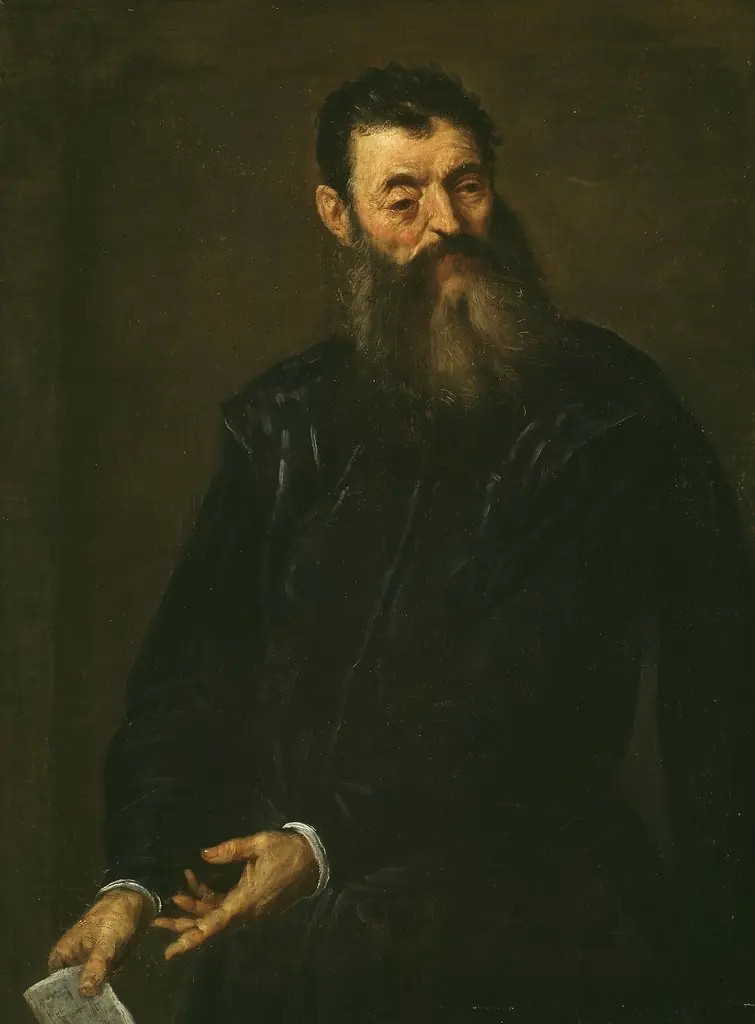 Portrait of a Gentleman
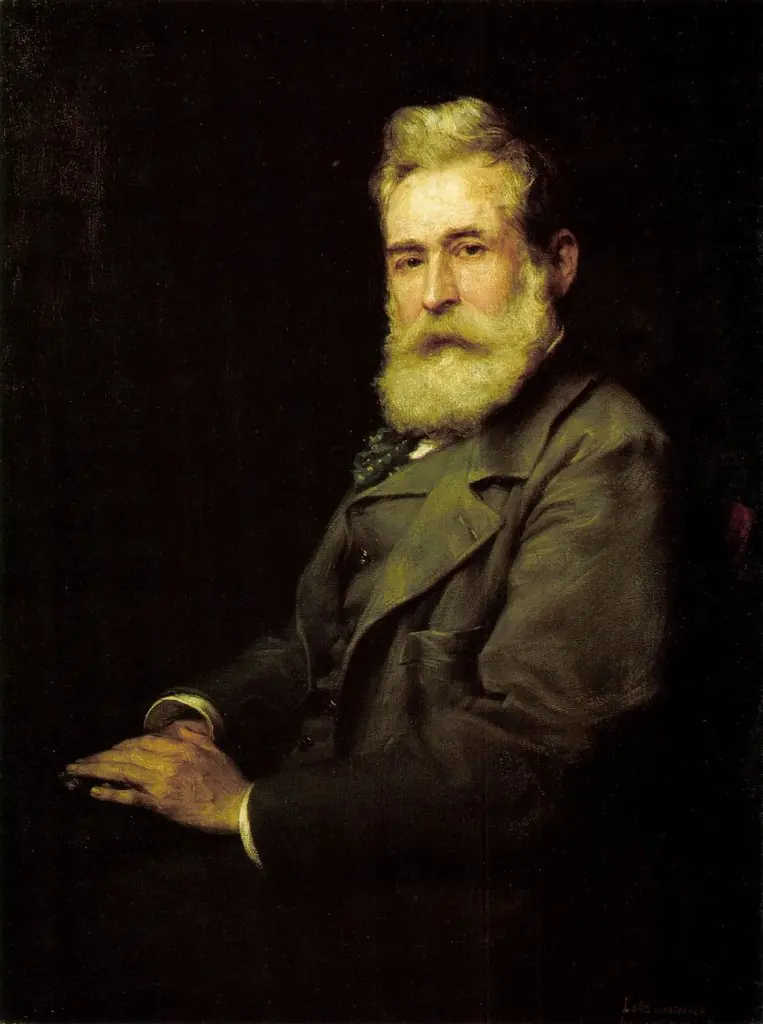 Portrait of Károly Lotz
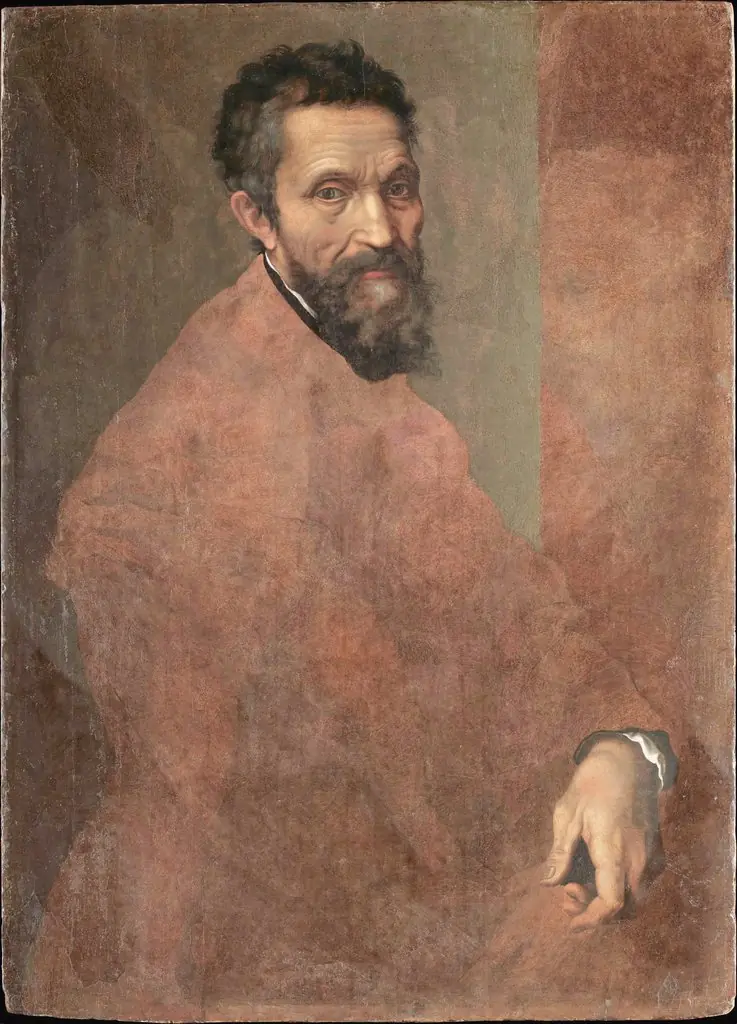 Michelangelo Buonarroti
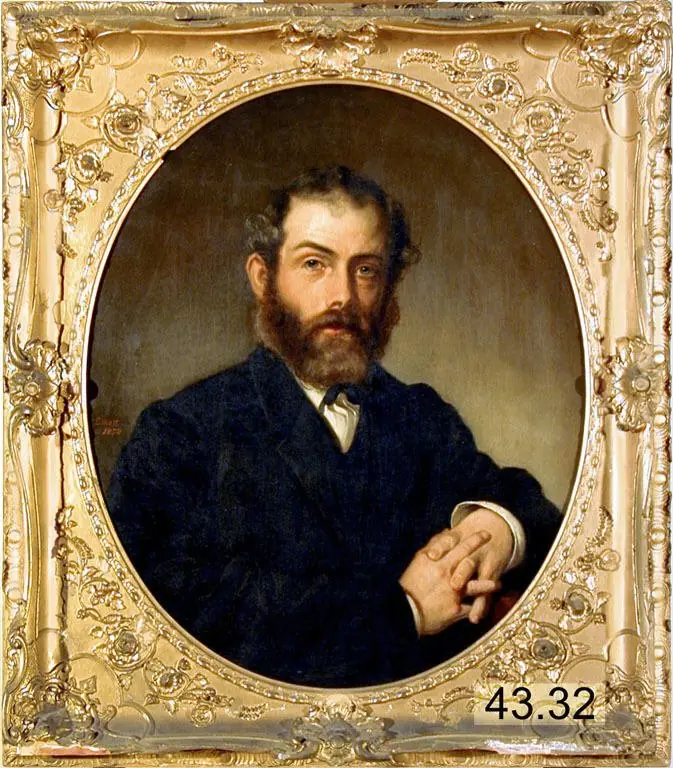 John Frederick Kensett
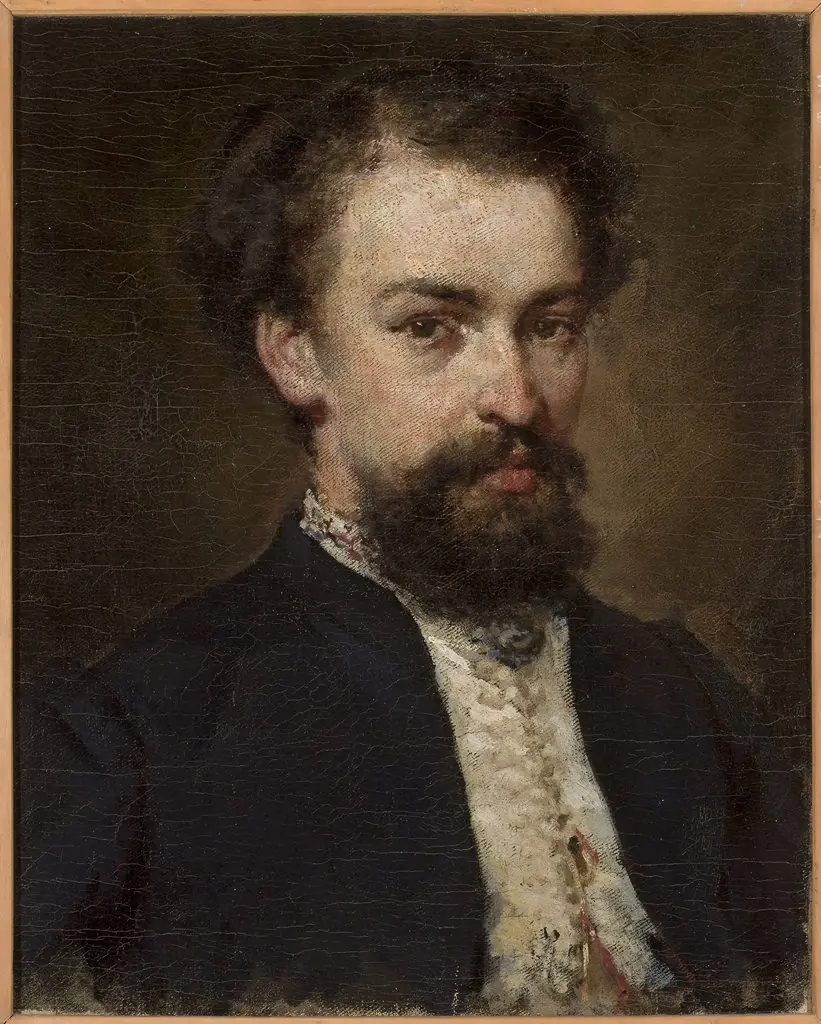 Portrait of Włodzimierz de Rosenwerth Rużycki
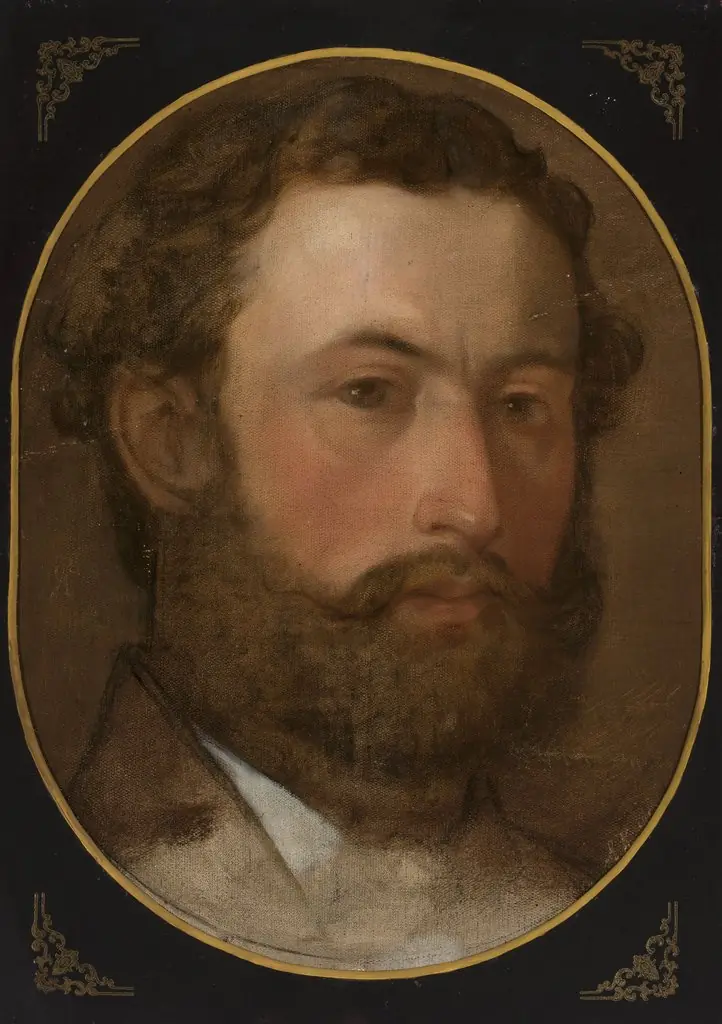 Self-portrait
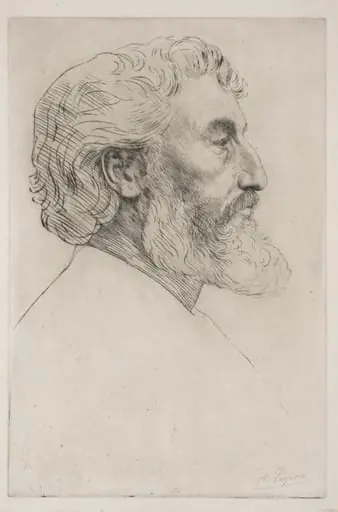 Portrait of Sir Frederick Leighton (first plate)
 Bildnis eines Prokurators
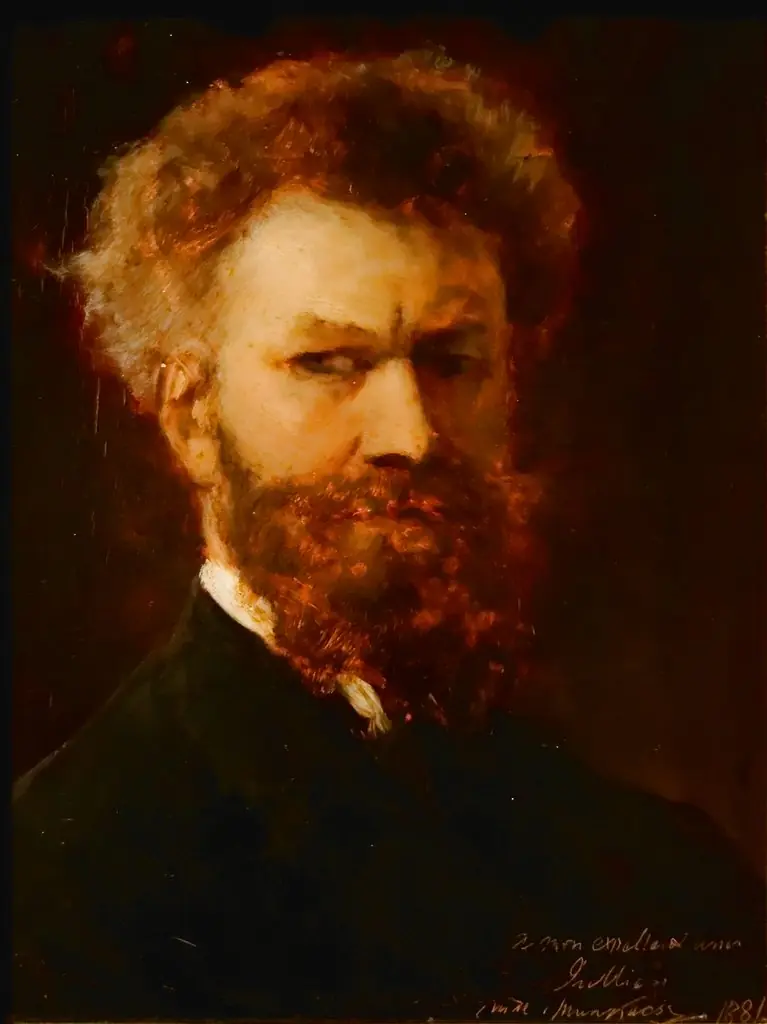 Self-Portrait II.
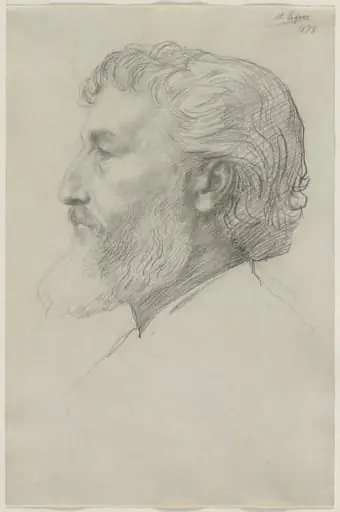 Sir Frederick Leighton
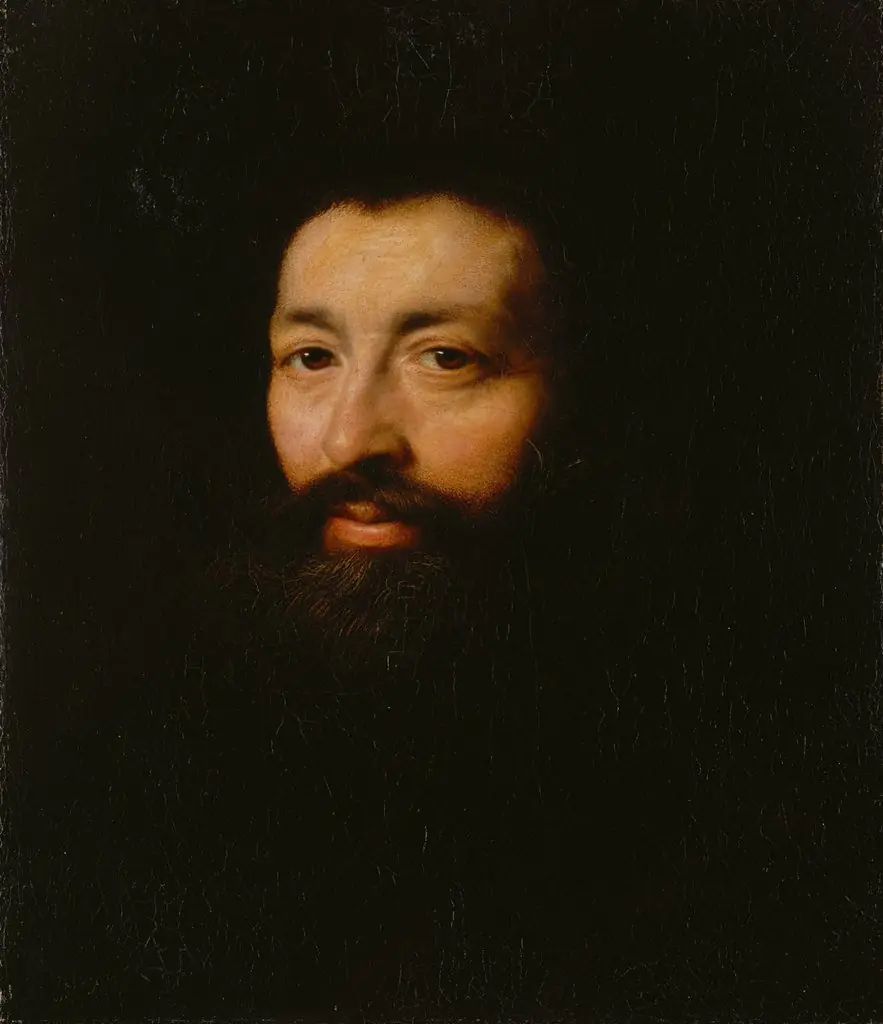 Portrait of a Jesuit