Artwork
View of Lake Geneva
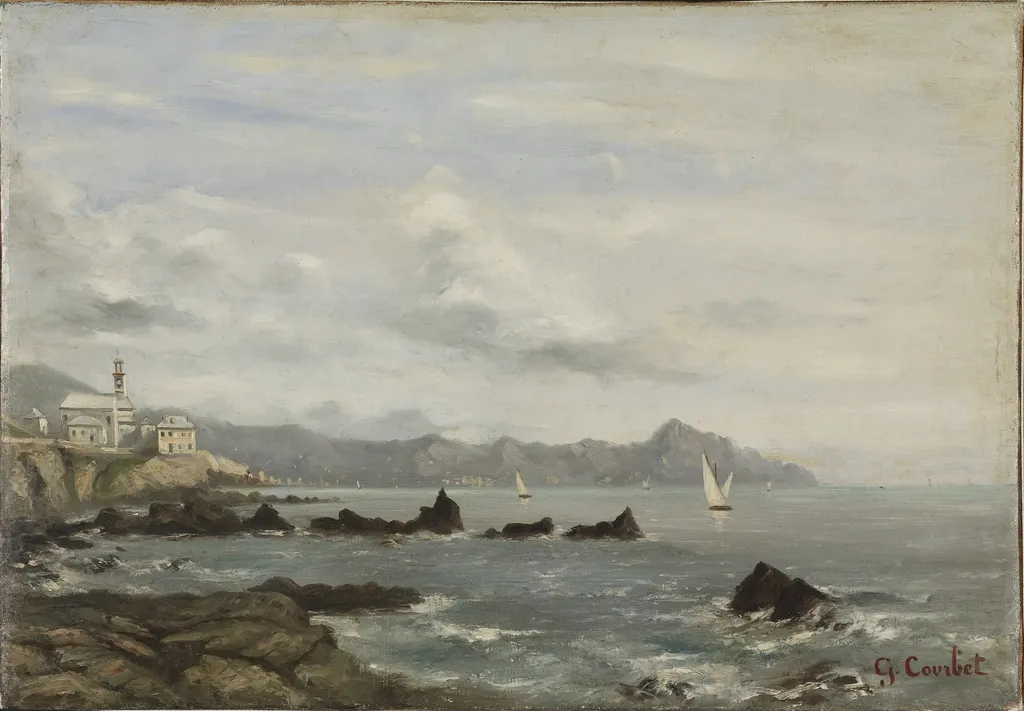
View of Lake Geneva is an oil painting by the Realist artist Gustave Courbet. It is held in the collection of the Walters Art Museum.
About this work
Overview
It belongs to the Walters Art Museum’s collection, where it stands as a quiet example of Courbet’s later engagement with natural light and topography.
Painted in 1891, *View of Lake Geneva* is an oil on canvas work by Gustave Courbet, late in his career. Though best known for rural and social scenes, this landscape reflects his enduring focus on direct observation. The painting captures a quiet stretch of water under an open sky, with subtle human elements like sailboats and distant architecture. It belongs to the Walters Art Museum’s collection, where it stands as a quiet example of Courbet’s later engagement with natural light and topography.
Subject & Meaning
The scene presents a tranquil lakeside vista in the Swiss Alps, with no dramatic narrative or symbolic intent. A few sailboats drift across the water, while a structure—possibly a church or manor—rises on the left shore. The absence of figures or action underscores Courbet’s interest in the quiet dignity of ordinary places. The painting invites contemplation rather than storytelling, aligning with Realism’s preference for unembellished reality over romanticized landscapes.
Technique & Style
Courbet applied oil paint with deliberate, visible brushwork, creating texture across the water, sky, and mountains. Cool grays and blues dominate the lake and atmosphere, while warmer ochres and browns define the landforms and architecture. Light is rendered subtly, with soft transitions between shadow and highlight to suggest depth. The composition avoids idealized perspective, instead grounding the scene in the physical presence of its elements through tactile brush handling.
History & Provenance
Executed in 1891, this work dates from the final years of Courbet’s life, following his exile in Switzerland after the Paris Commune. He spent much of this period painting Alpine landscapes, often from direct observation near Lake Geneva. The painting entered the Walters Art Museum’s collection in the early 20th century, likely through acquisition from a private European source. Its provenance reflects Courbet’s later years spent in relative isolation, focused on nature rather than political themes.
Context
By 1891, the Realist movement had waned, and Impressionism was gaining prominence. Courbet, however, remained committed to his earlier principles: painting what he saw, without embellishment. This landscape, though serene, resists the atmospheric effects favored by younger contemporaries. It stands as a quiet affirmation of his lifelong belief in the authority of the visible world, even as artistic trends shifted toward light and sensation over structural solidity.
Legacy
Though less celebrated than his earlier social scenes, *View of Lake Geneva* contributes to understanding Courbet’s sustained engagement with landscape as a subject worthy of serious attention. It demonstrates how his technique—grounded in physicality and observation—extended beyond urban or rural labor into natural settings. The painting remains a testament to his consistent artistic philosophy, influencing later artists who valued directness over idealization.
Artist & collection
Artist
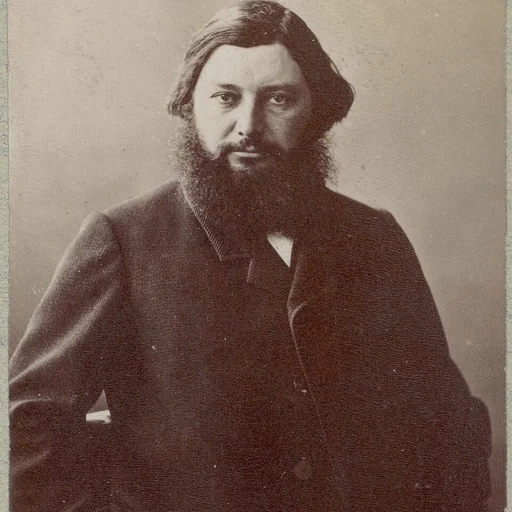
Jean Désiré Gustave Courbet (UK: KOOR-bay; US: koor-BAY; French: ; 10 June 1819 – 31 December 1877) was a French painter who led the Realism movement in 19th-century French painting.

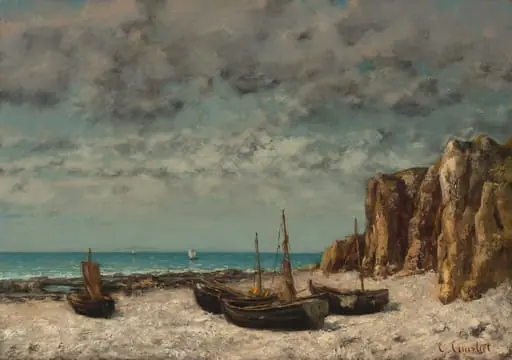
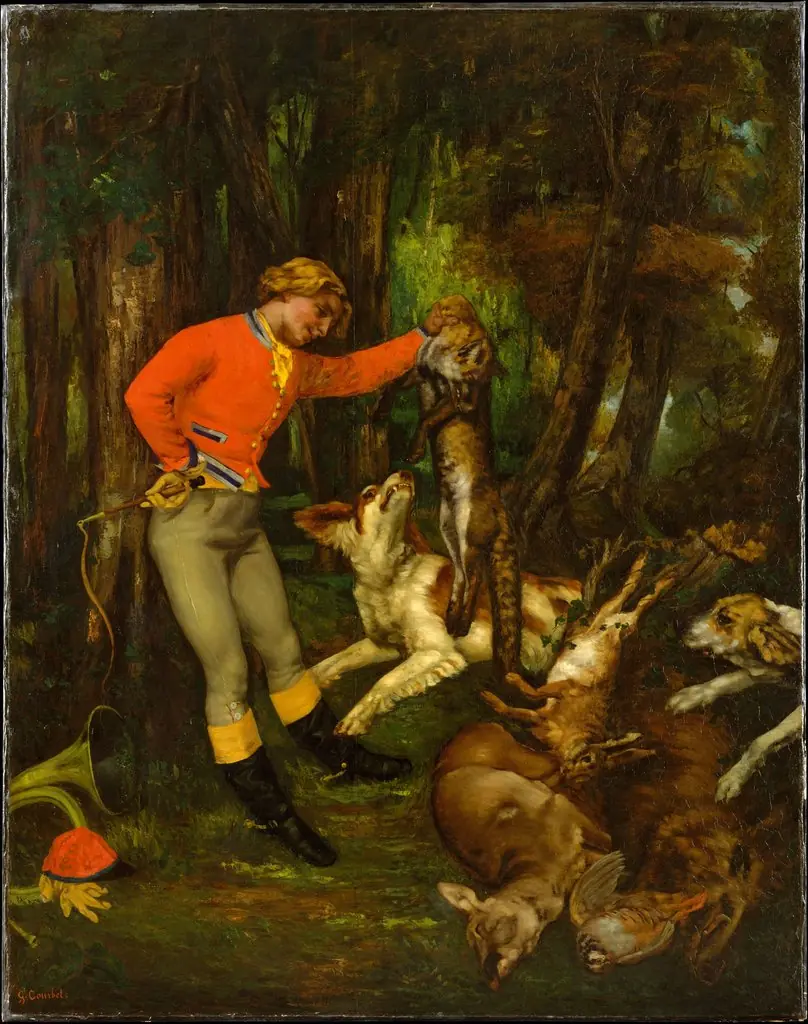
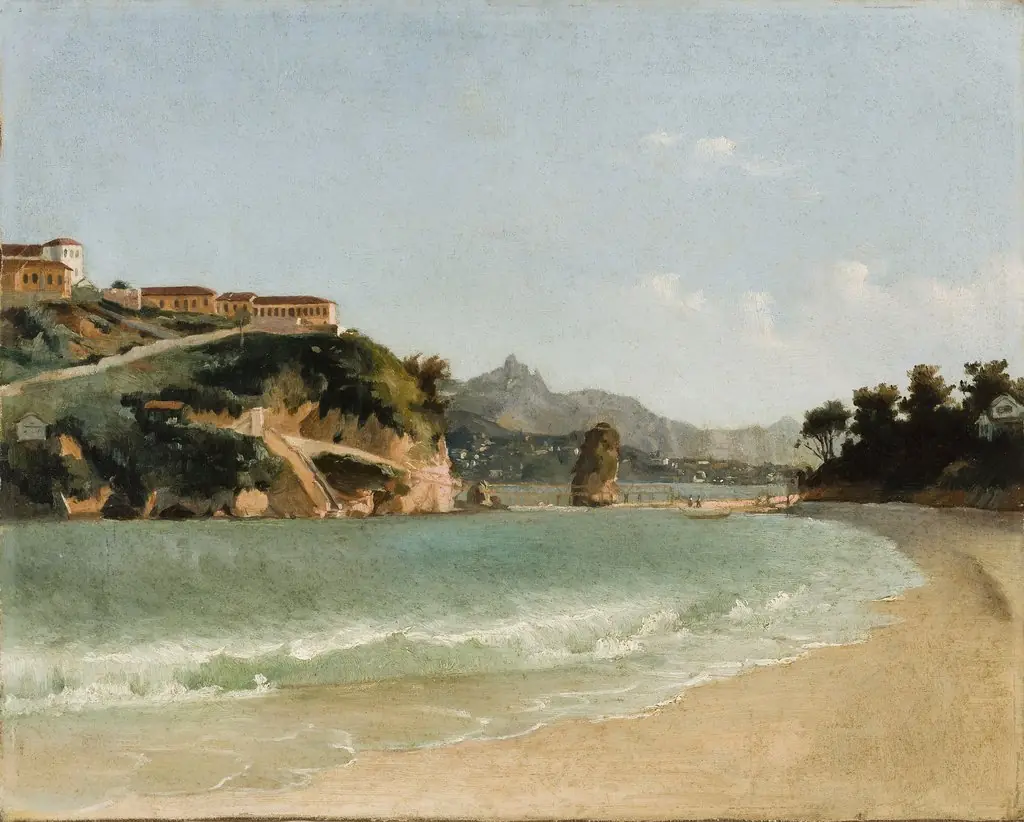 Praia da Boa Viagem, Niterói (atribuído)
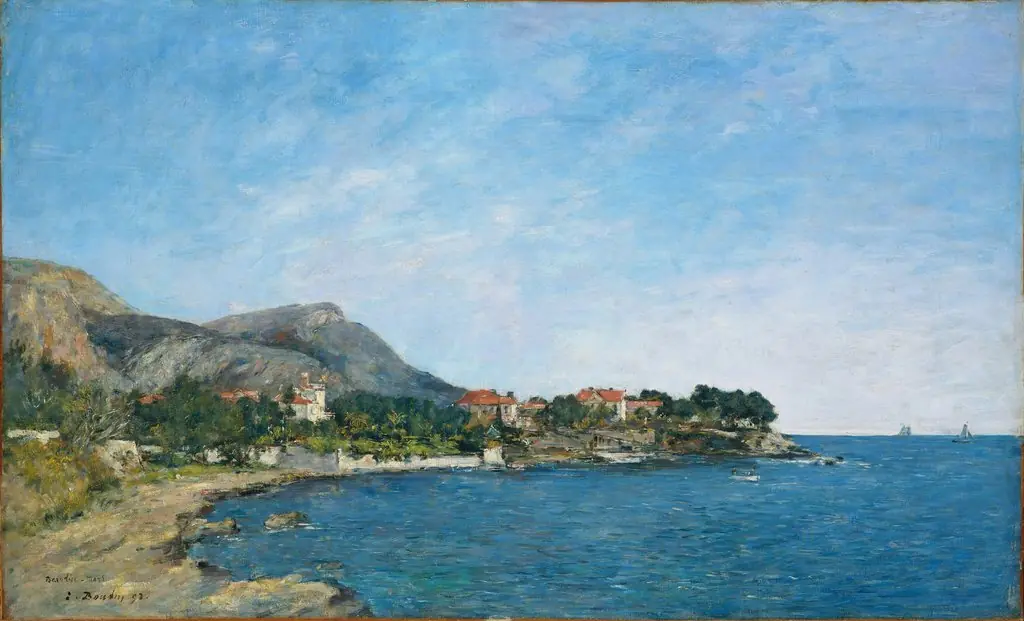 Beaulieu: The Bay of Fourmis
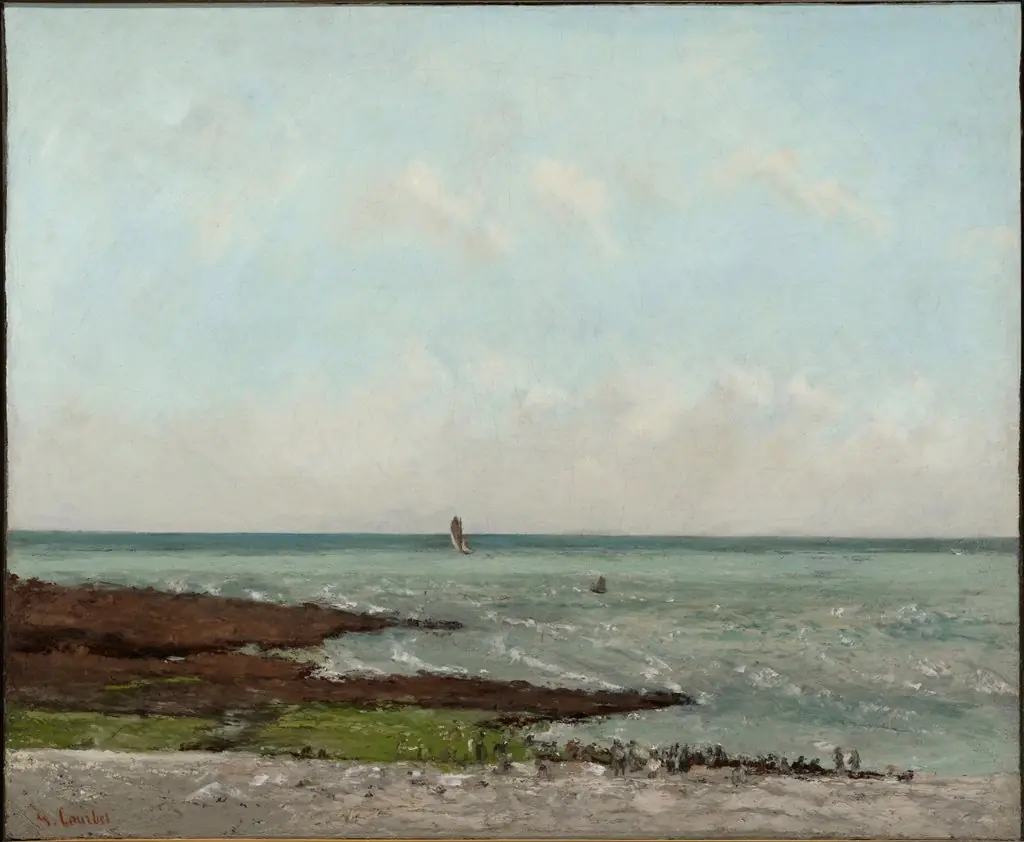 Laundresses at Low Tide, Étretat
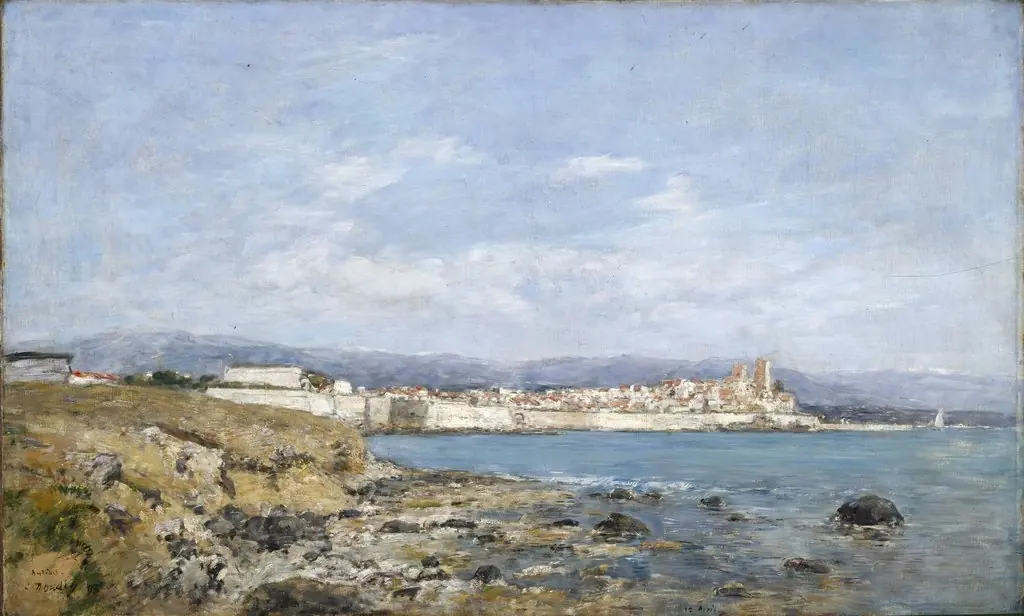 View of Antibes
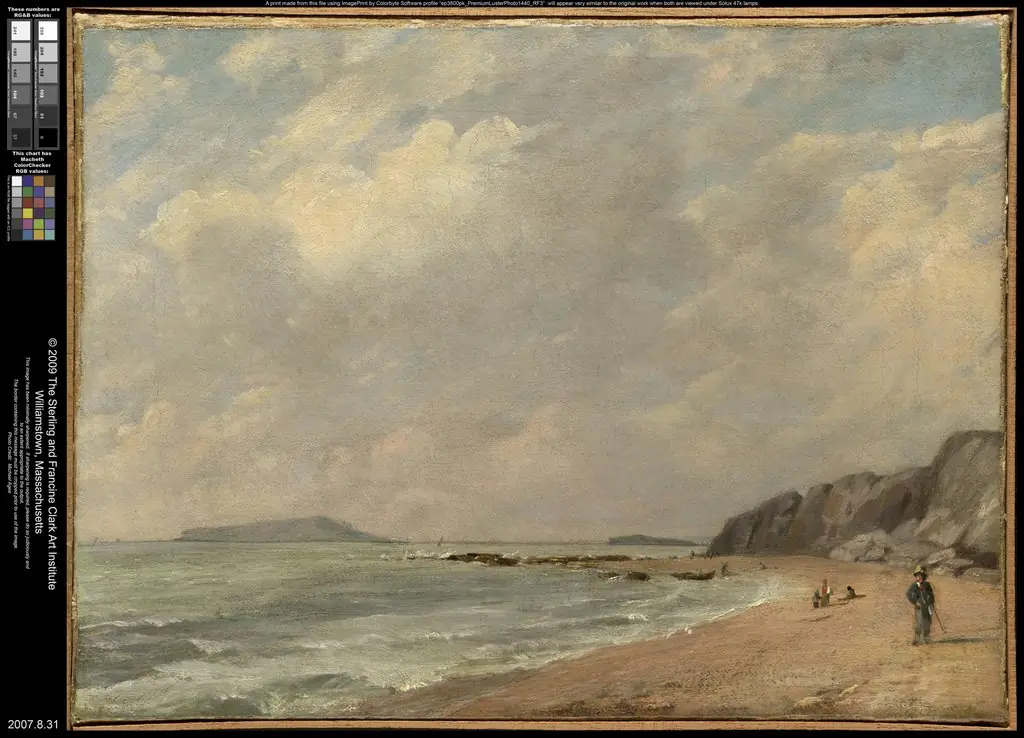 Osmington Bay
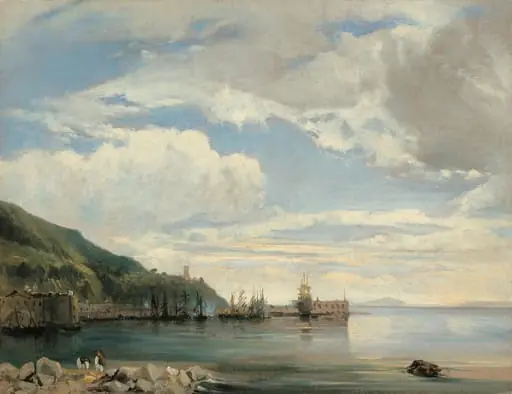 On the Bay of Naples
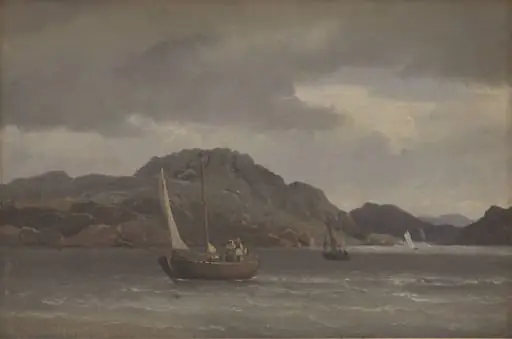 The Skerries at Marstrand. Sweden
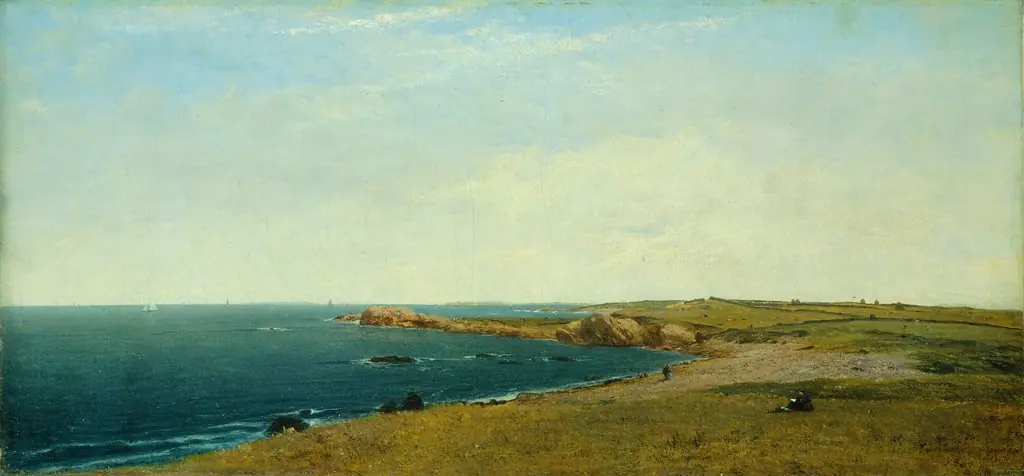 Near Newport
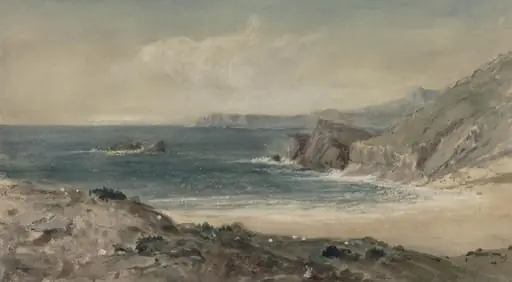 St. David's Head, St. Bride's Bay
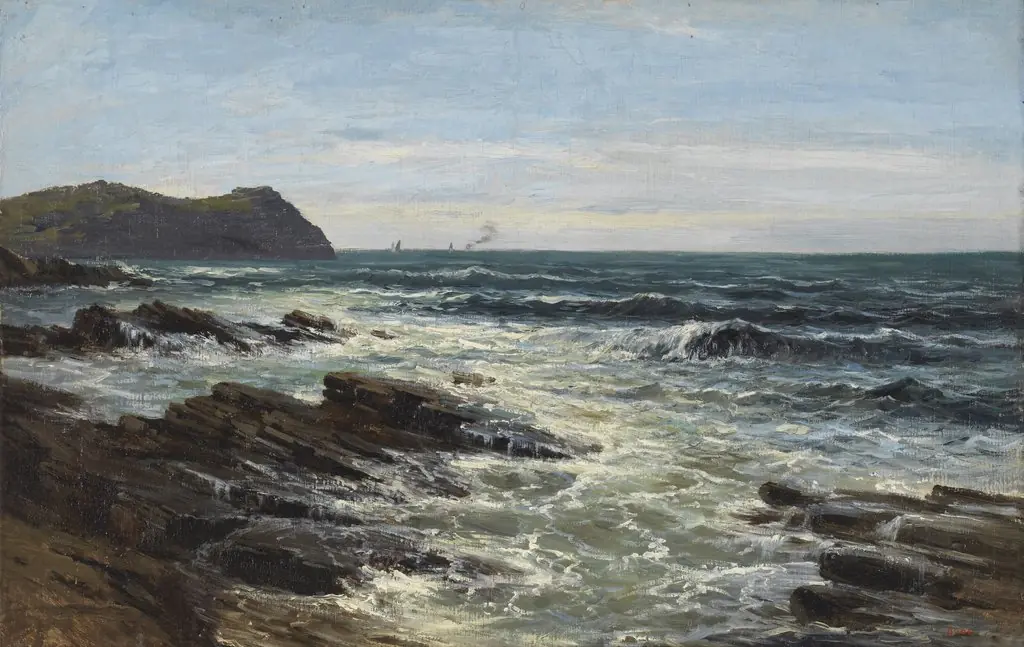 Acantilados (Guéthary)
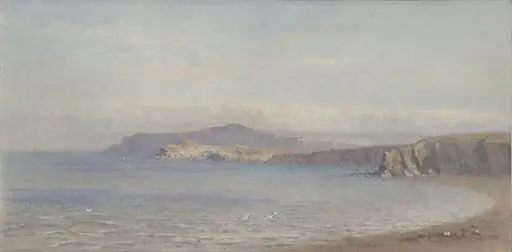 Newquay Bay, Cornwall
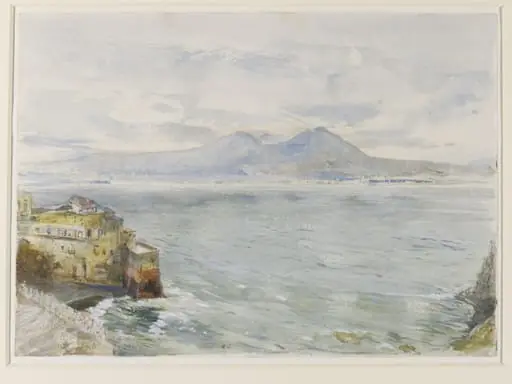 Vesuvius and the Bay of Naples from Posilipo