Artwork
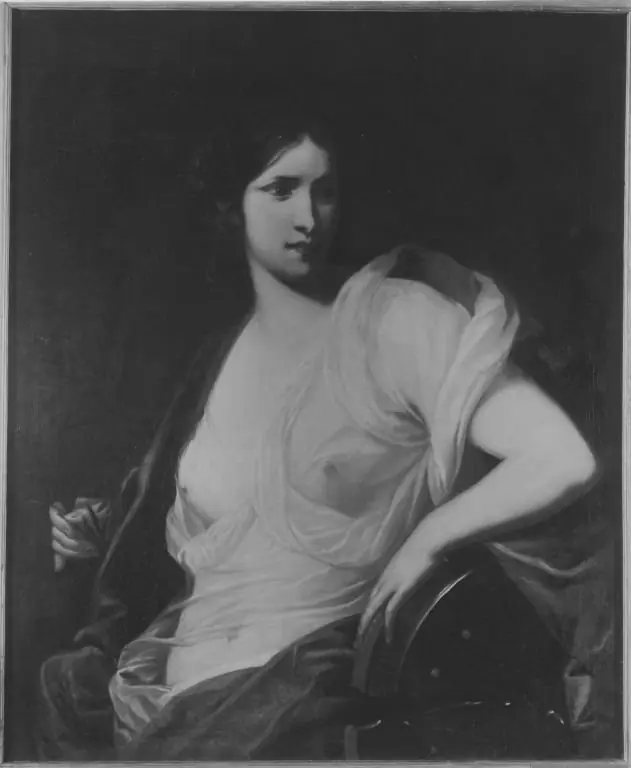
Woman with Bared Breast
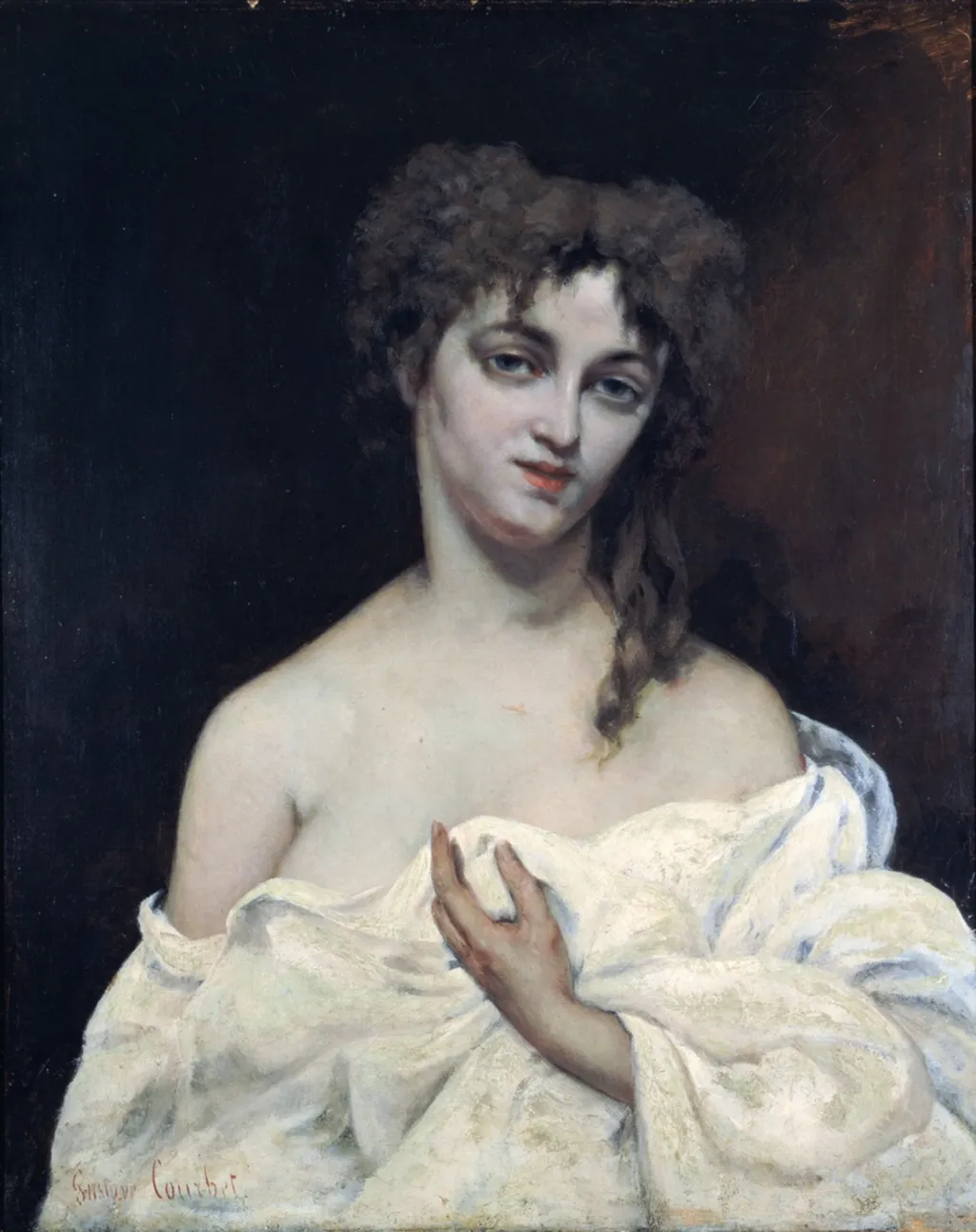
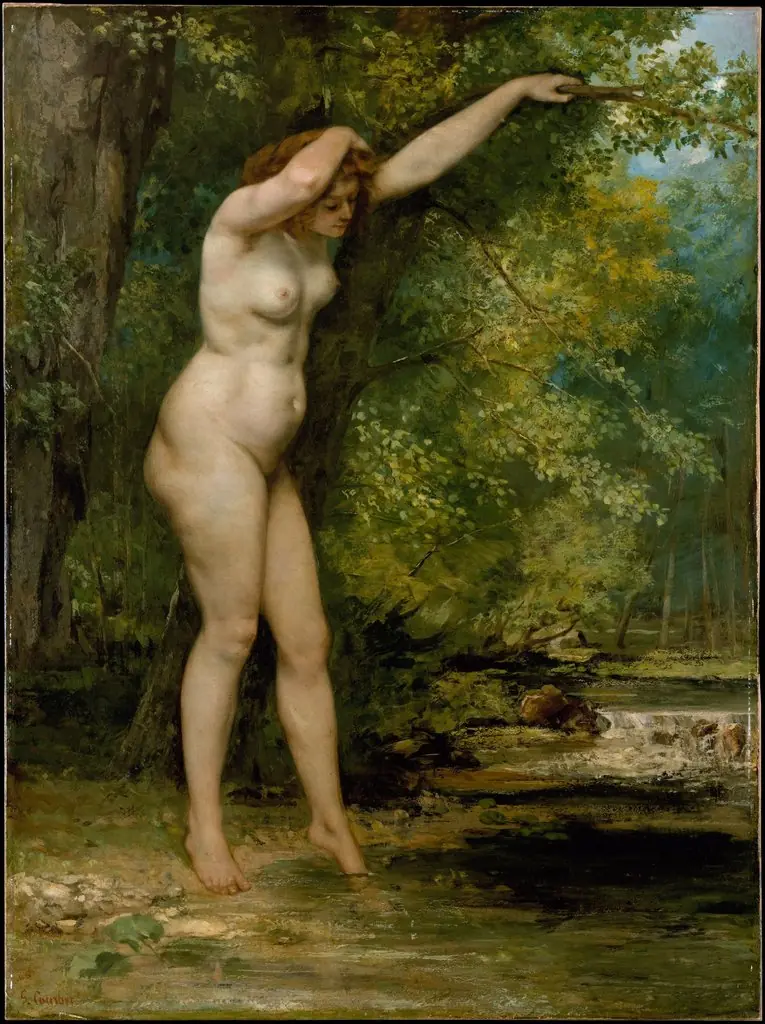
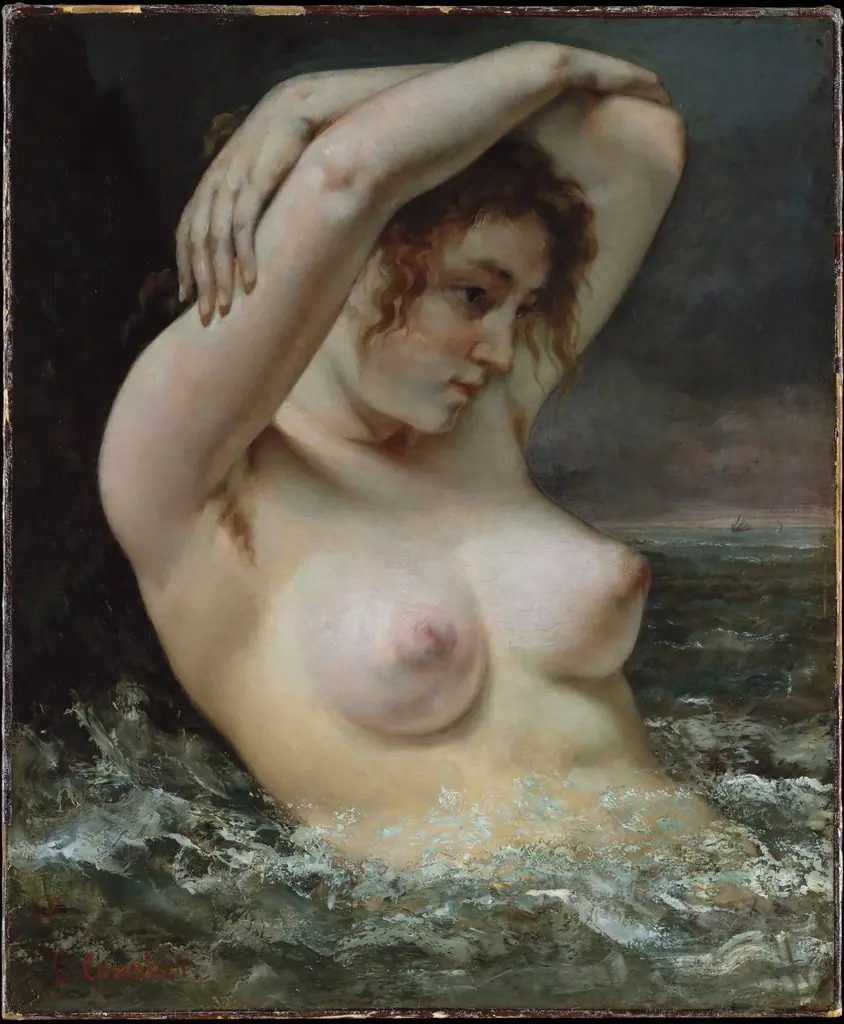
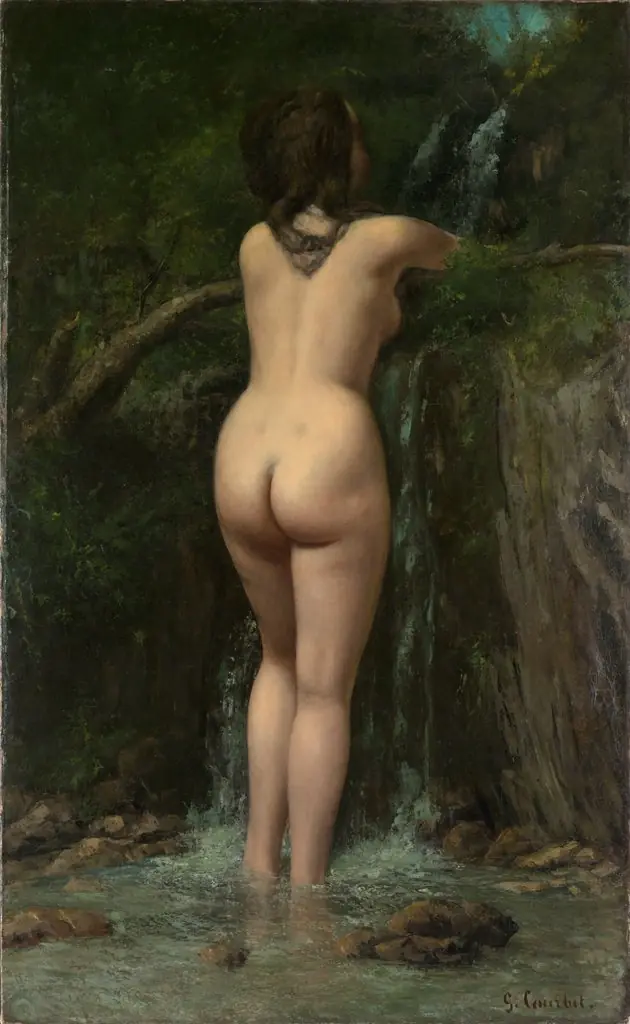
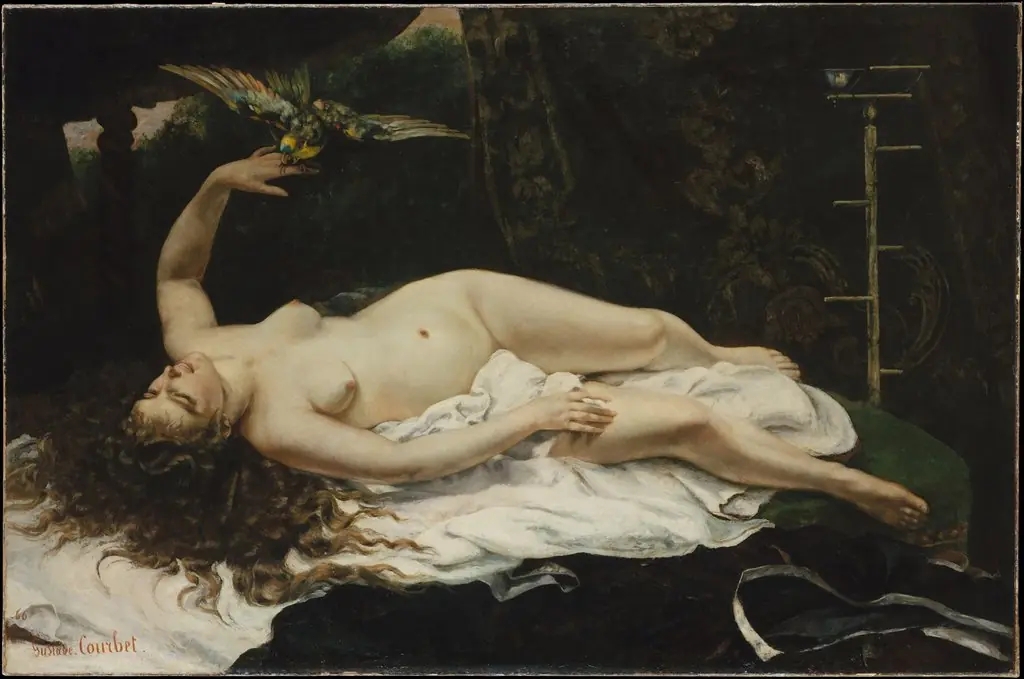
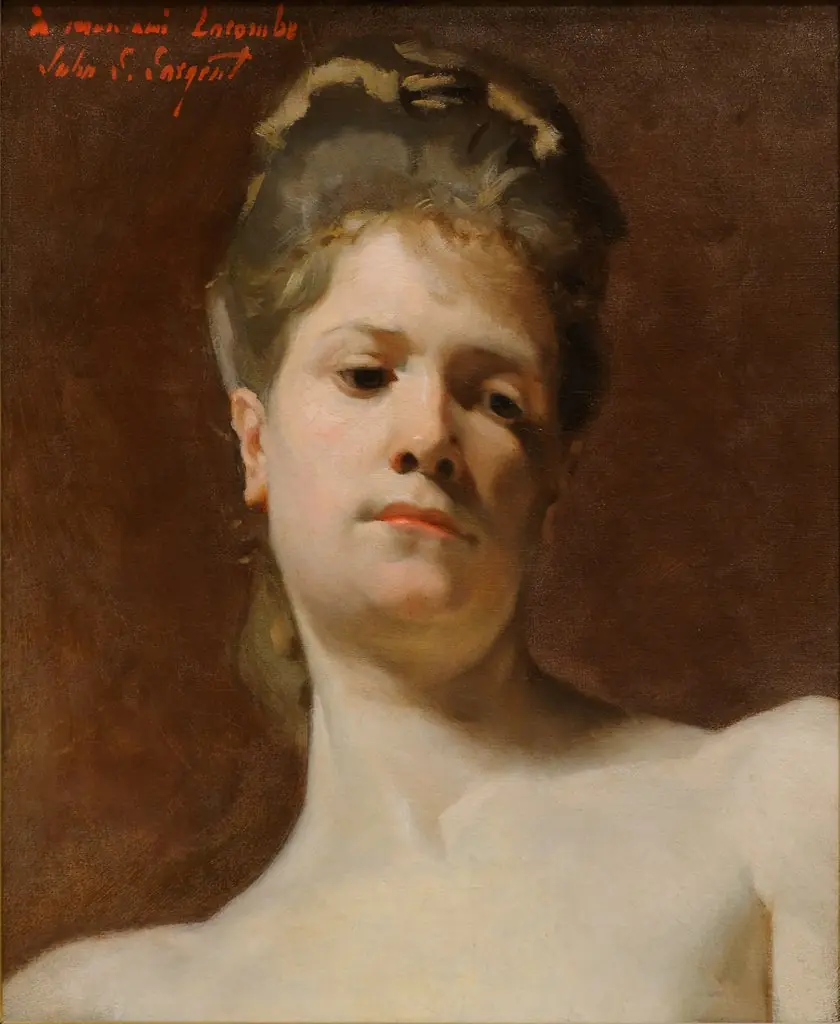
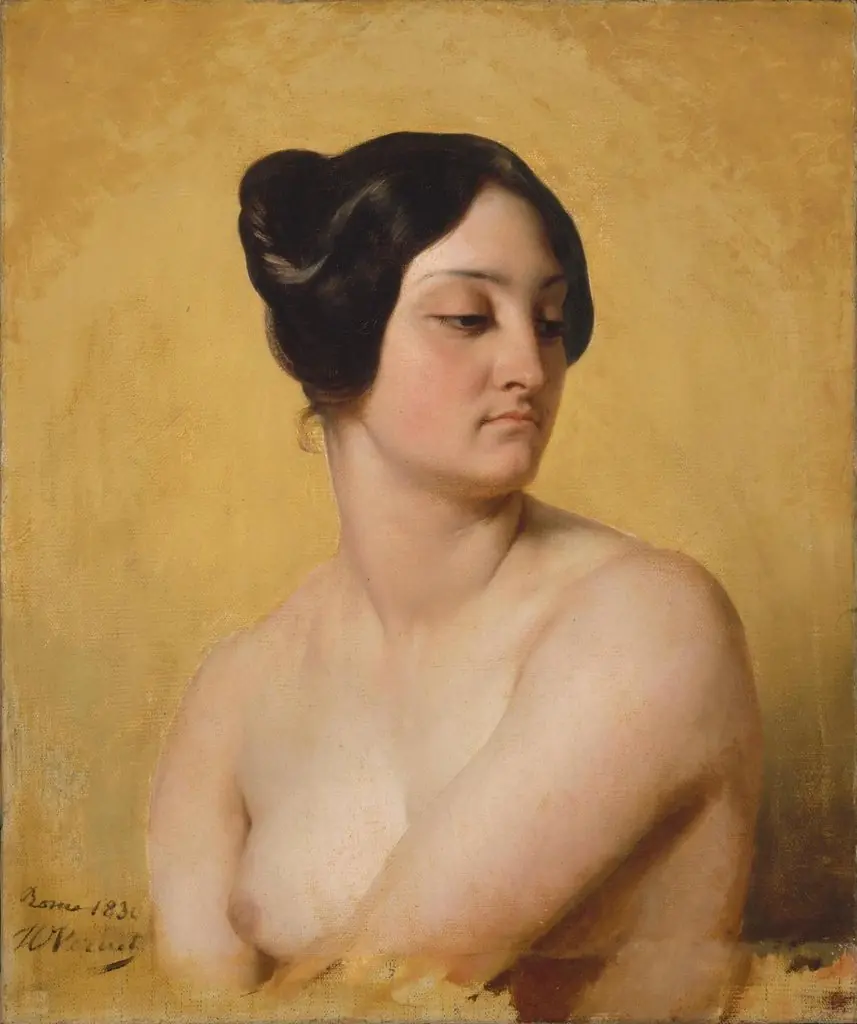
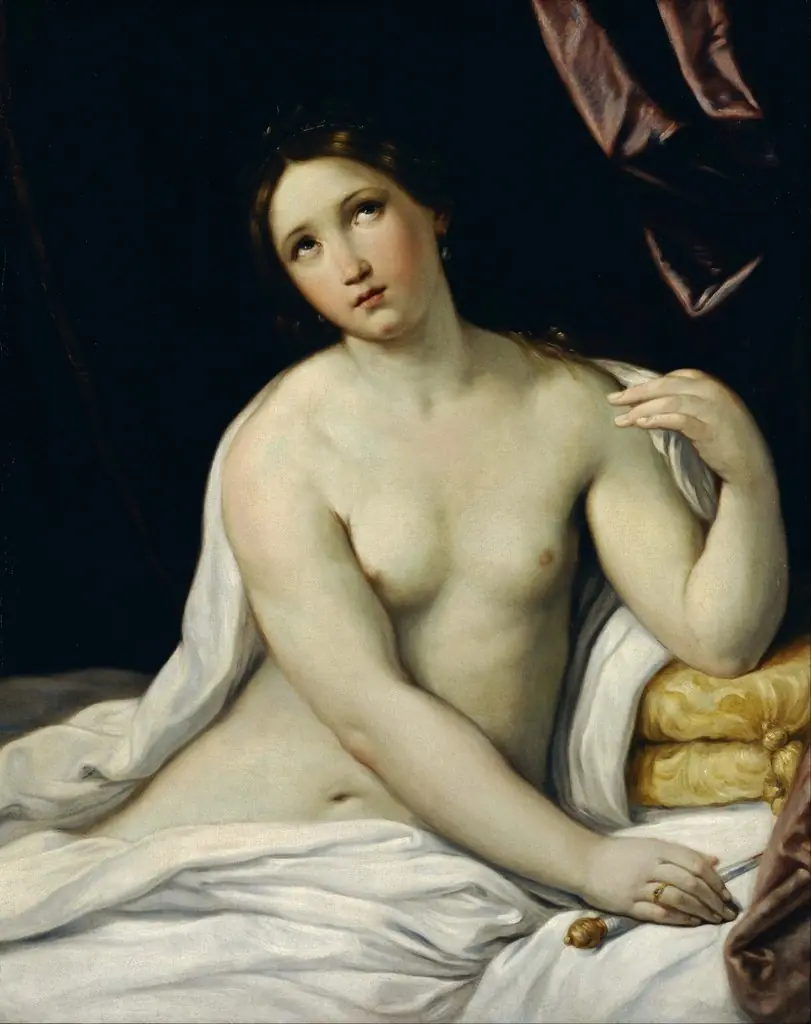
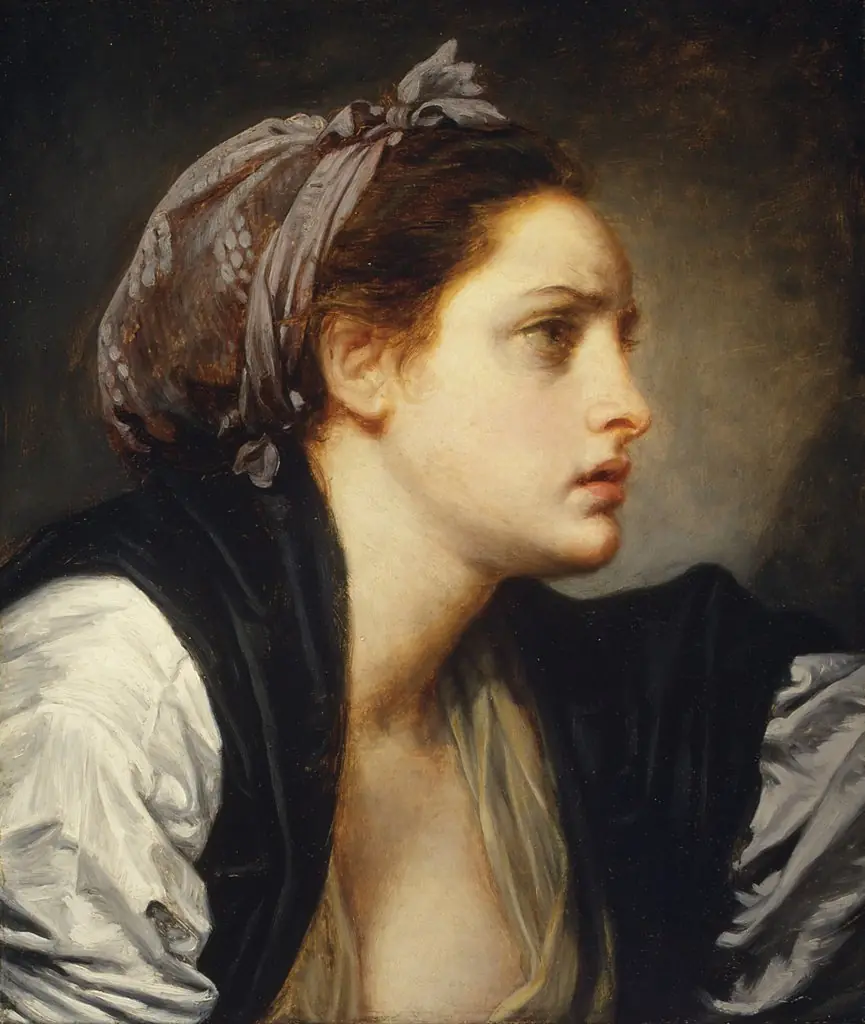
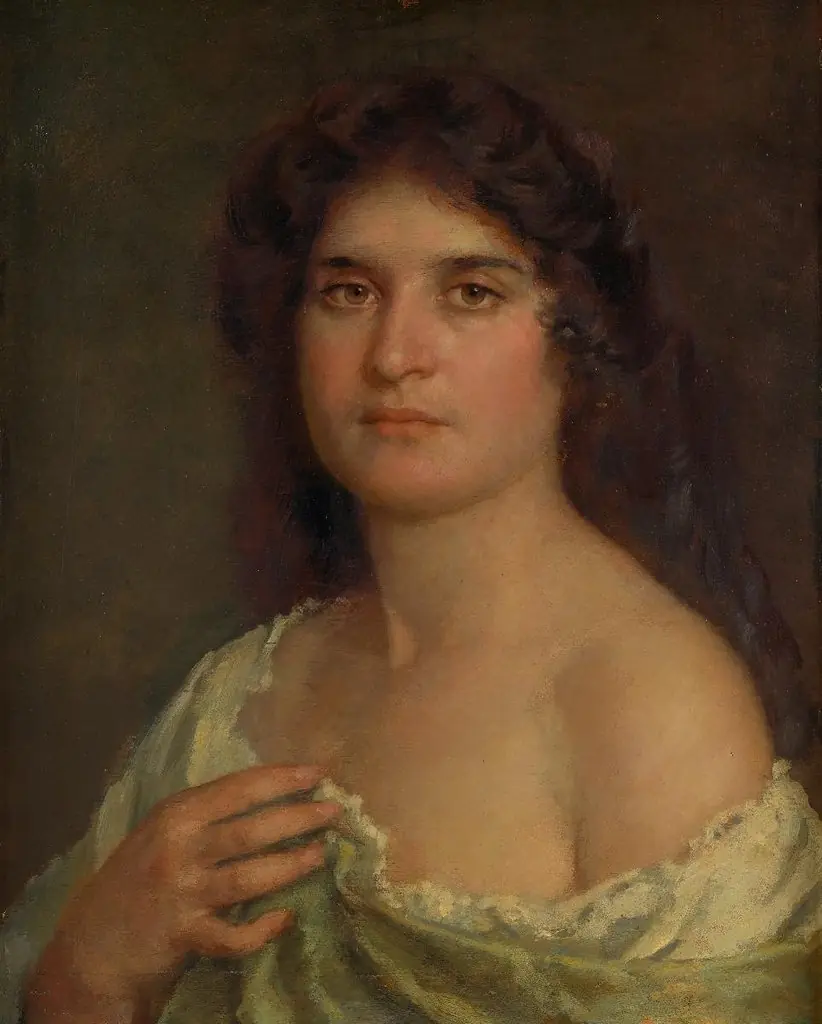
Woman with Bared Breast is an oil painting by the Realist artist Gustave Courbet. It dates from 1867 and is held in the collection of the National Museum of Western Art.
About this work
Overview
Painted in 1867 by Gustave Courbet, this oil on canvas portrays a solitary woman in a moment of quiet exposure. Courbet, a central figure in French Realism, avoided mythological or idealized subjects, instead focusing on unadorned human presence. The work reflects his belief in art grounded in direct observation, rejecting academic norms in favor of unembellished truth.
Subject & Meaning
The woman, depicted with calm composure, meets the viewer’s gaze without overt sensuality or shame. Her hand lightly rests over her bare breast, suggesting modesty rather than concealment. The absence of narrative context or symbolic props shifts focus to her humanity, inviting contemplation of bodily autonomy and the act of being seen without romanticization.
Technique & Style
Courbet employs chiaroscuro to model the figure with subtle gradations of light and shadow, enhancing volume without theatricality.
Courbet employs chiaroscuro to model the figure with subtle gradations of light and shadow, enhancing volume without theatricality. The pale skin contrasts against a dark, indistinct background, isolating the subject. Brushwork is deliberate yet unpolished, avoiding smooth academic finishes. The white drape, rendered with thick pigment, anchors the composition while emphasizing the naturalism of the form.
History & Provenance
Created during Courbet’s mature period, the painting was not exhibited publicly in his lifetime and remained in private hands until acquired by the National Museum of Western Art in Tokyo. Its late recognition reflects its ambiguous reception—neither scandalous nor celebrated in its era—yet it endures as a quiet testament to Courbet’s uncompromising realism.
Context
In 1867, France’s art world was dominated by academic ideals and Salon expectations. Courbet’s choice to depict an ordinary woman, unidealized and unallegorized, challenged prevailing norms. While other artists turned to exoticism or sentimentality, he turned inward—to the physical presence of the individual—as a subject worthy of serious artistic attention.
Legacy
Though not widely reproduced or discussed in his time, the painting has come to represent Courbet’s radical commitment to truth in representation. It influenced later realist and modernist approaches to the human figure, particularly in its refusal to objectify or elevate the body through convention. Today, it stands as a quiet but persistent challenge to traditional modes of viewing the female form.
Artist & collection
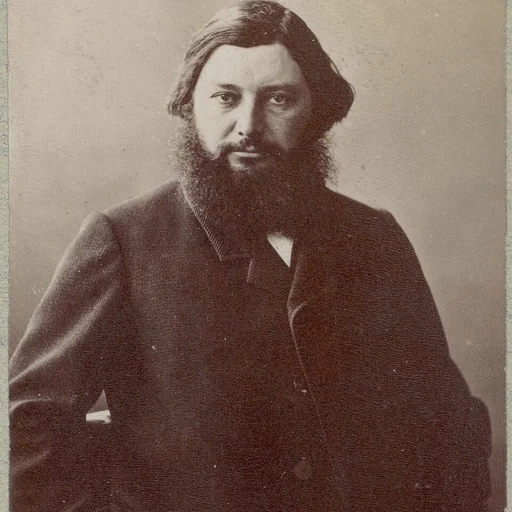
Artist
Jean Désiré Gustave Courbet (UK: KOOR-bay; US: koor-BAY; French: ; 10 June 1819 – 31 December 1877) was a French painter who led the Realism movement in 19th-century French painting.