Artwork
Lucretia
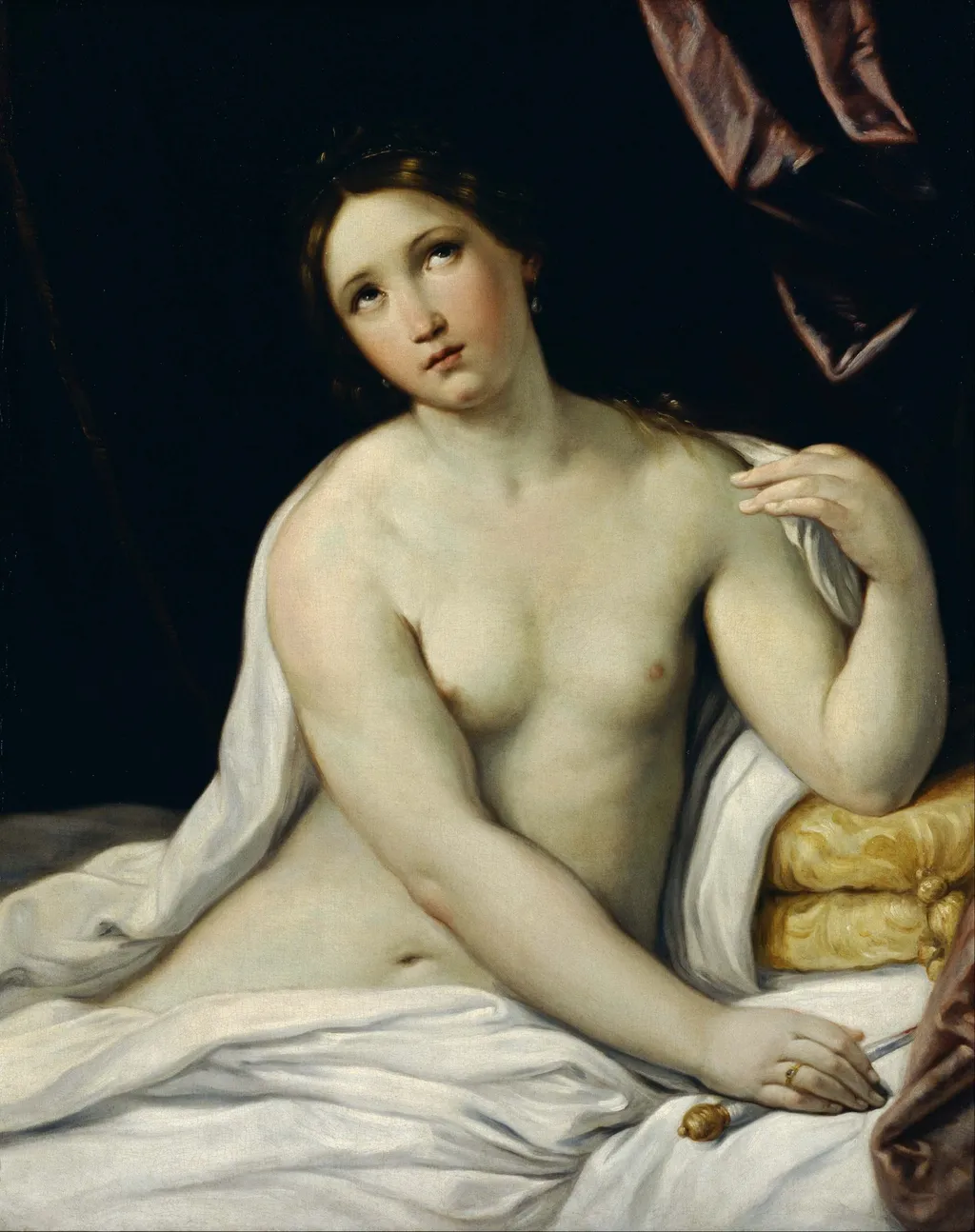
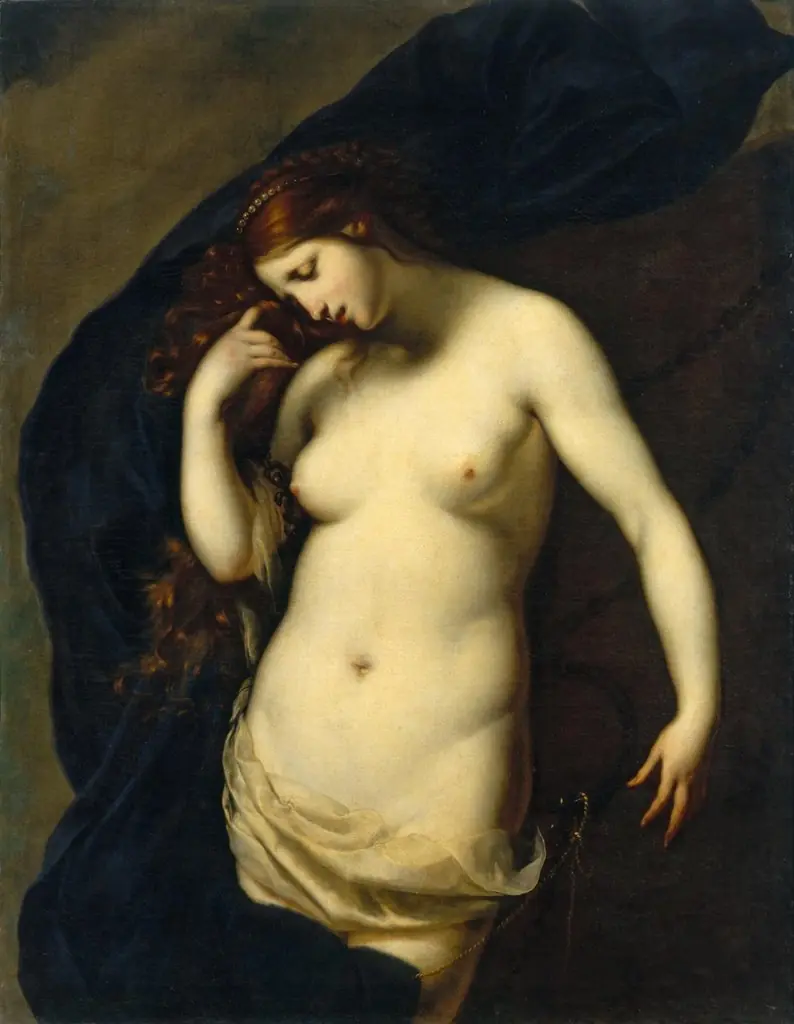
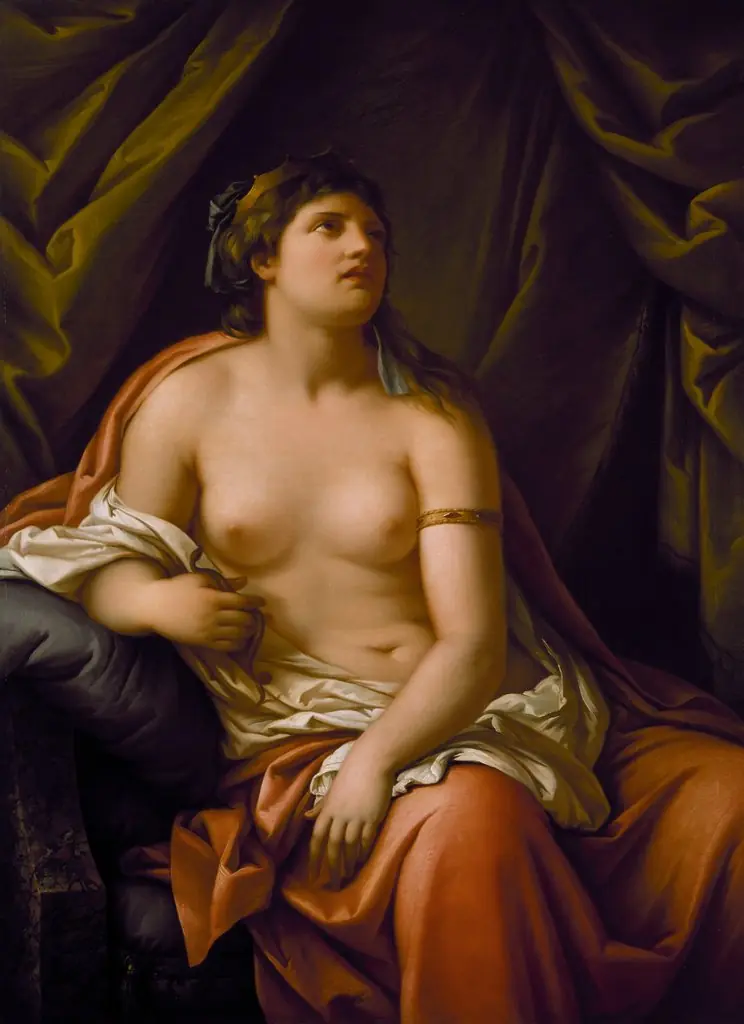
Lucretia is an oil painting by the Early Baroque Italian artist Guido Reni. It dates from 1636 and is held in the collection of the National Museum of Western Art.
About this work
Overview
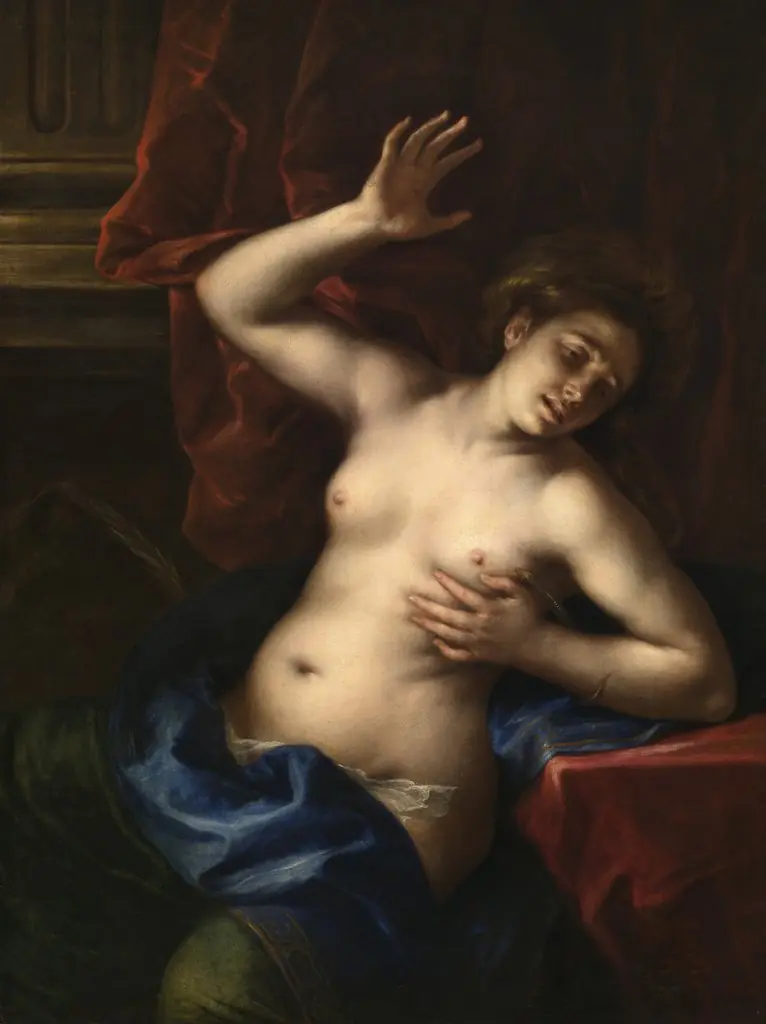
Guido Reni’s 1636 oil painting titled Lucretia presents the Roman heroine in a moment of private tragedy. The work is part of the collection of the National Museum of Western Art and exemplifies the artist’s engagement with historical subjects.
Subject & Meaning
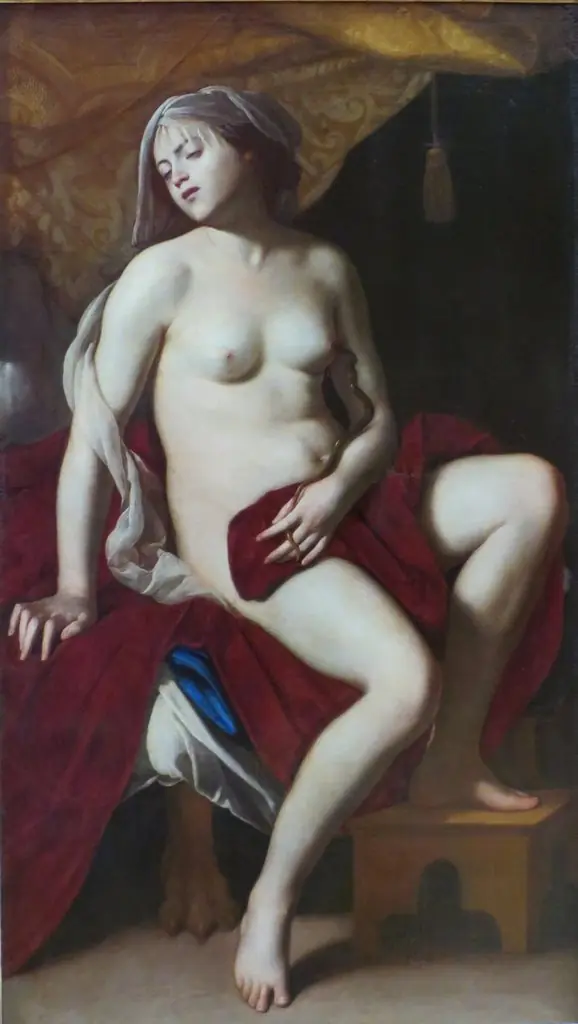
The composition shows Lucretia seated on a bed, her body draped only by a white sheet that covers her lower half. In her left hand she clutches a dagger, the instrument of her self‑inflicted death, while her gaze is cast downward, suggesting remorse and resolve.
Technique & Style
Reni employs chiaroscuro, contrasting illuminated areas of the figure and the gold‑toned headboard with a deep, shadowy background. This handling of light emphasizes the flesh and the gleam of the dagger, creating a dramatic focal point within the intimate setting.
History & Provenance
Completed in 1636, the painting has remained in the public domain, eventually entering the holdings of the National Museum of Western Art, where it is displayed among other works of the Baroque period.
Own this work as a print
Artist & collection
Artist
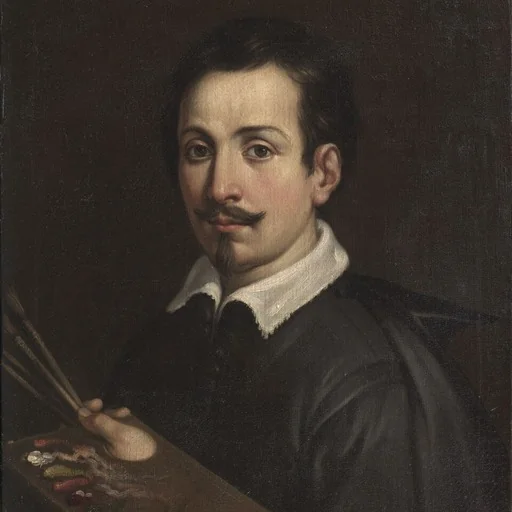
Guido Reni was an Italian Baroque painter, although his works showed a classical manner, similar to Simon Vouet, Nicolas Poussin, and Philippe de Champaigne.