Artwork
Der Friede
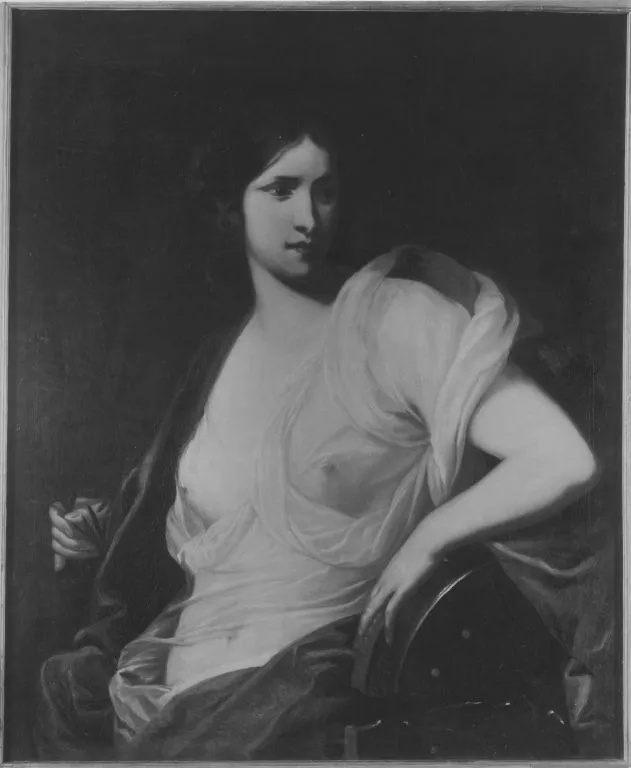
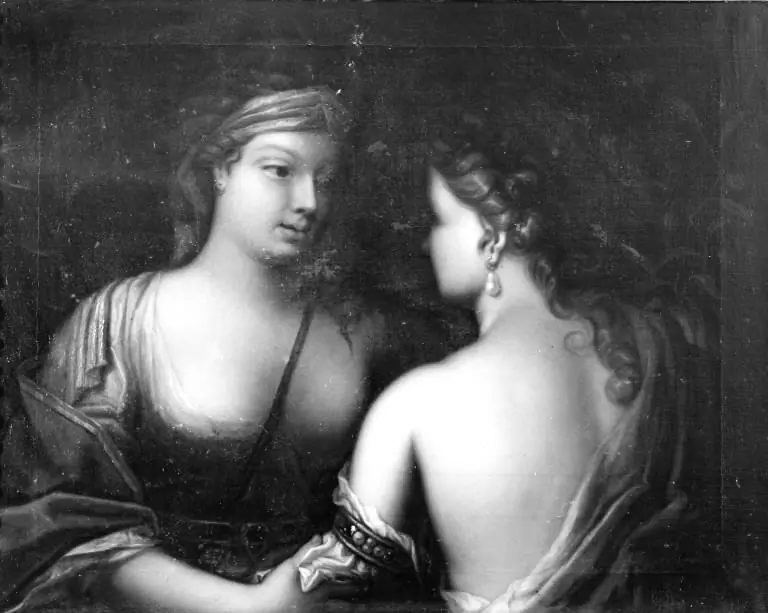
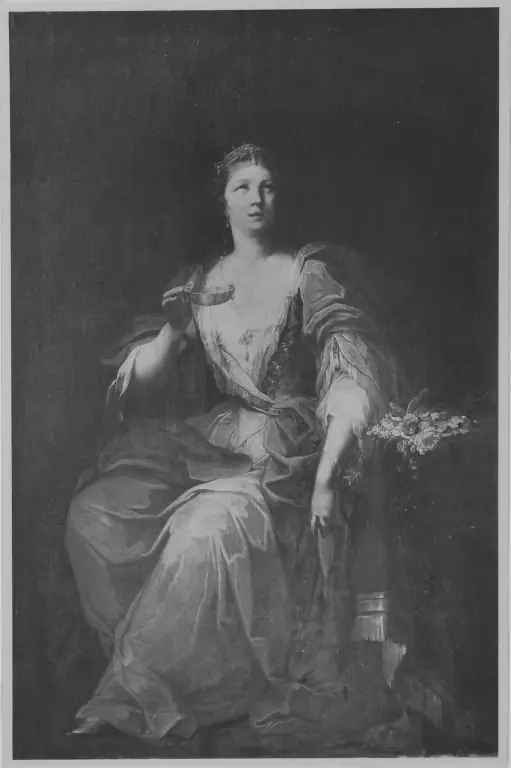
Der Friede is an unspecified painting by the Rococo painting artist Johann Rudolf Byss. It dates from 1700 and is held in the collection of the Bavarian State Painting Collections.
About this work
Overview
Its composition centers on the figure against a deep, unbroken background, emphasizing her presence through controlled lighting and restrained detail.
Painted in 1700 by Johann Rudolf Byss, this portrait captures a solitary woman in a moment of stillness. Executed in oil on canvas, the work is part of the Alte Pinakothek’s collection in Munich. Its composition centers on the figure against a deep, unbroken background, emphasizing her presence through controlled lighting and restrained detail. The absence of narrative elements directs focus to her posture and expression.
Subject & Meaning
The woman, dressed in a white gown with a dark shawl, sits with one arm resting on the chair back and the other clenched in a loose fist. Her neutral gaze and pulled-back hair suggest introspection rather than emotion. The clenched hand introduces subtle tension, contrasting with the calm of her posture. No symbolic objects or settings are present, leaving interpretation open to the quiet dignity of her solitude.
Technique & Style
Byss employs chiaroscuro to model the figure with soft gradations of light, enhancing the volume of fabric and skin. The folds of the dress are rendered with precise brushwork, conveying texture without ornamentation. The dark background isolates the subject, reinforcing the intimate scale of the scene. The palette is muted, dominated by white, gray, and deep brown, contributing to the painting’s somber, contemplative tone.
History & Provenance
The painting entered the Alte Pinakothek’s collection in the 19th century, likely through the Bavarian royal acquisitions. Its attribution to Johann Rudolf Byss, a Swiss painter active in southern Germany, is based on stylistic comparison with his documented works. No earlier records of ownership are known, suggesting it may have remained in private hands until its institutional acquisition.
Context
Created during the early 18th century, the work reflects the persistence of portrait traditions in German-speaking regions, even as Baroque grandeur gave way to quieter modes of representation. Unlike formal court portraits, this piece avoids heraldic symbols or elaborate settings, aligning instead with emerging interests in psychological depth and individual presence.
Legacy
Though not widely reproduced or studied, the painting stands as an example of regional portraiture that prioritizes emotional restraint over theatricality. Its quiet intensity has influenced later interpretations of interiority in 18th-century German art, offering a counterpoint to more ornate contemporary styles. It remains a quiet testament to the expressive potential of minimalism in portraiture.
Artist & collection