Artwork
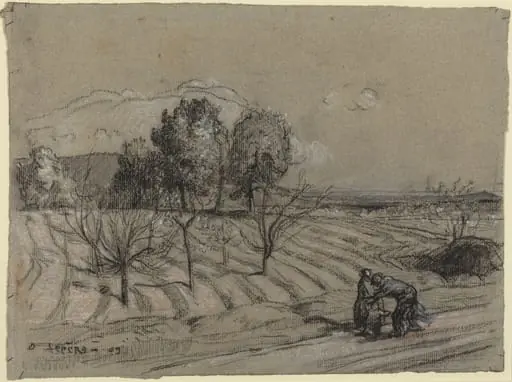
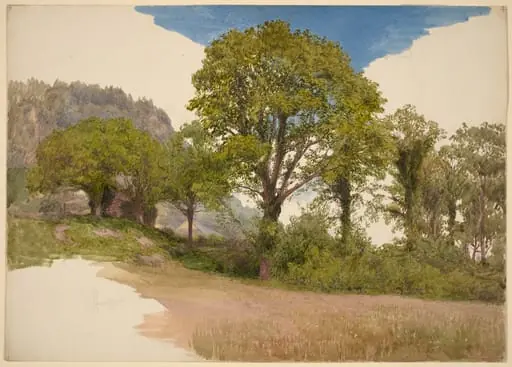
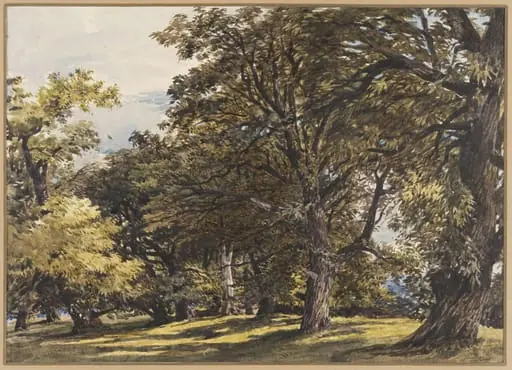
Chestnut Trees above a River
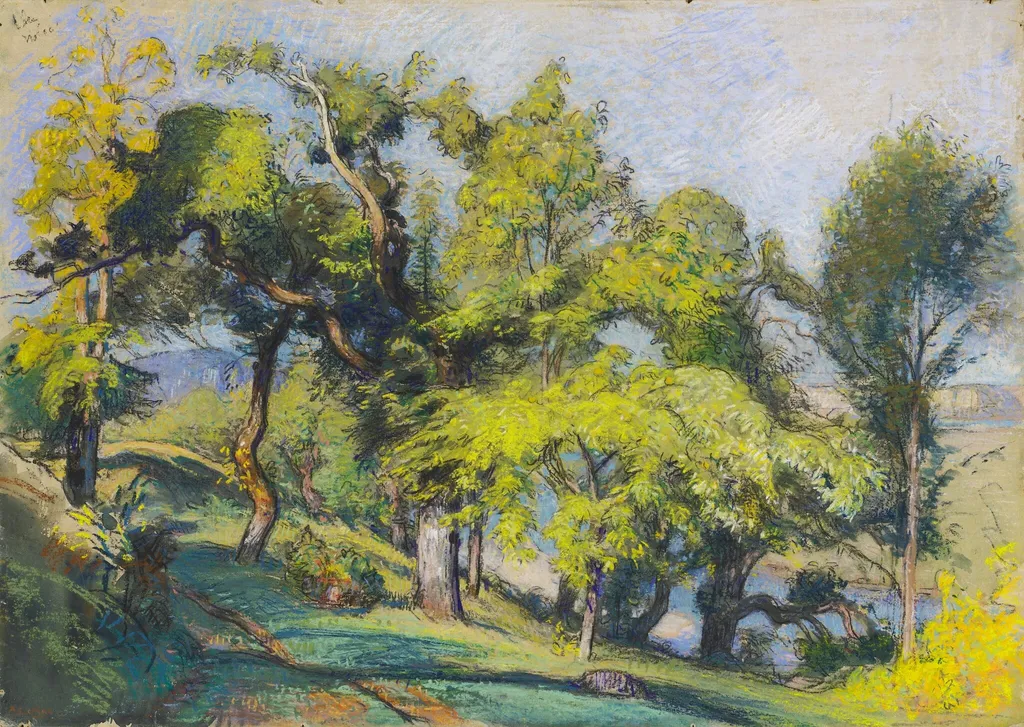
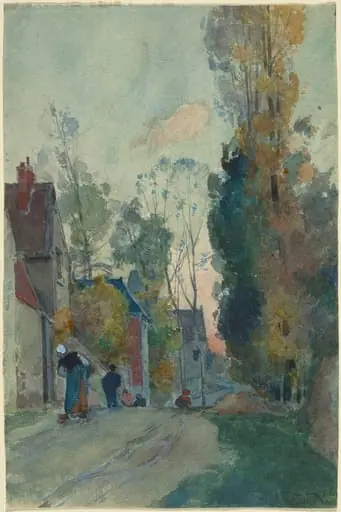
Chestnut Trees above a River is a gouache drawing by the Impressionist artist Auguste Lepère. It dates from 1900 and is held in the collection of the National Gallery of Art.
About this work
Overview
Chestnut Trees above a River, created circa 1900 by French artist Auguste Lepère, is a pastel, watercolor, and gouache on paperboard drawing. It captures a serene natural scene, blending elements of Impressionism and Realism.
Subject & Meaning
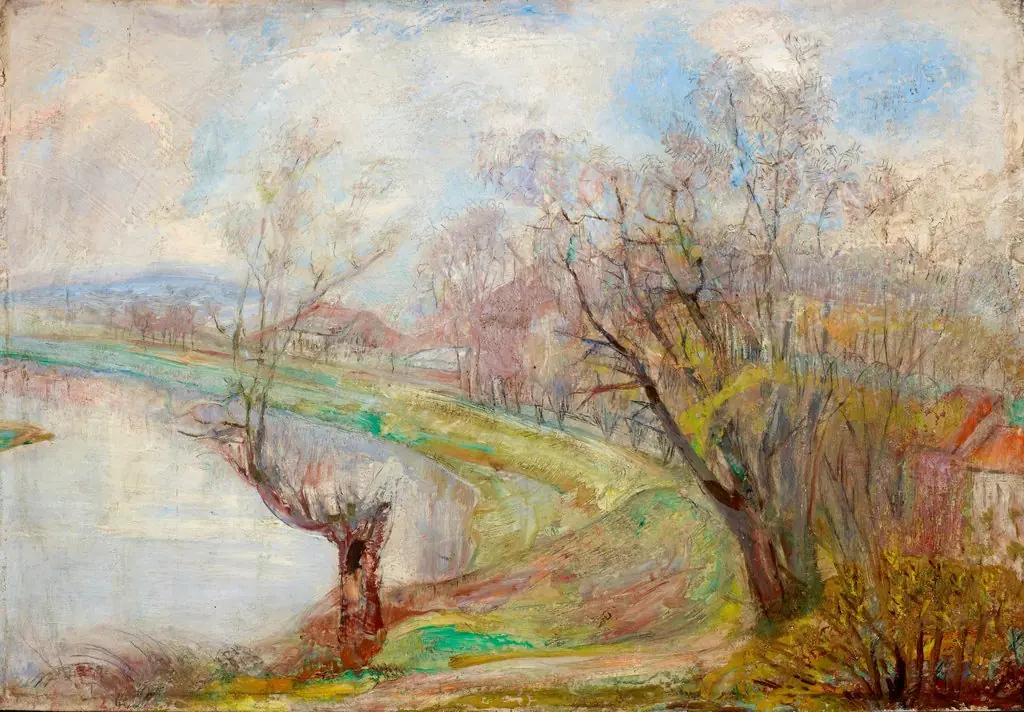
The artwork depicts a peaceful riverside landscape with chestnut trees, characterized by their vibrant green foliage and gnarled trunks set against a softly rendered, flowing river. The composition conveys a sense of natural tranquility.
Technique & Style
Lepère employed a layered approach, combining pastel, watercolor, and gouache to achieve depth and texture. Loose, expressive brushstrokes impart a dynamic energy to the otherwise serene scene, aligning with Impressionist and Realist aesthetics.
History & Provenance
Created during a period of Lepère's involvement in European wood engraving revival and broader printmaking innovations, the piece reflects his naturalistic landscape focus during the late 19th to early 20th century.
Context
While primarily a painter and etcher, this work showcases Lepère's versatility with mixed media, possibly influencing or reflecting contemporary printmaking explorations.
Legacy
As a piece emblematic of late 19th-century French landscape practices, it contributes to the broader legacy of Impressionist and Realist movements, though specific lasting impacts or notable exhibitions of this work are not detailed.
Own this work as a print
Artist & collection
Artist
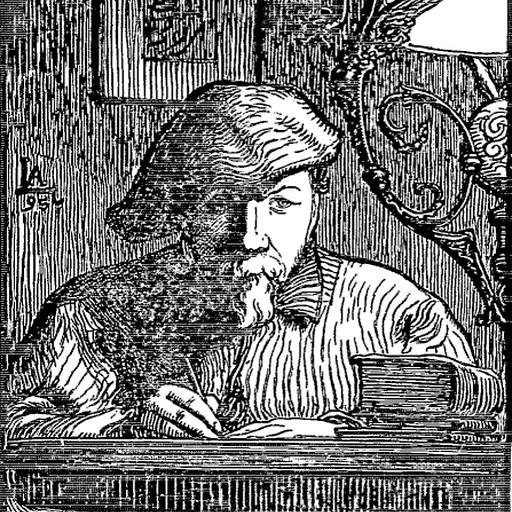
Louis-Auguste Lepère (30 November 1849 – 20 November 1918) was a French painter and etcher. Lepère is also considered a leader in the creative revival of wood engraving in Europe.