Artwork
Polnischer Tanz
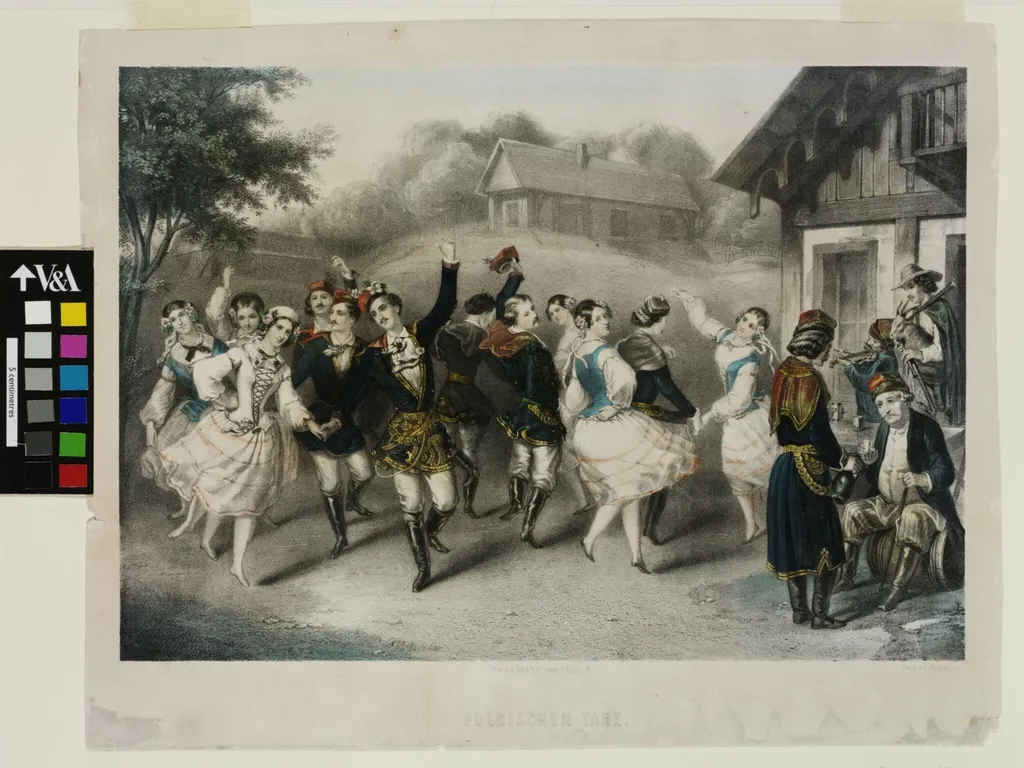
Polnischer Tanz is a print by H. Waldow jun. It dates from 1850 and is held in the collection of the Victoria and Albert Museum. This 19th-century print depicts a group of dancers and a musician in a scene intended to evoke Polish folk tradition.
About this work
Overview
This 19th-century print depicts a group of dancers and a musician in a scene intended to evoke Polish folk tradition. While the figures are rendered with attention to regional costume details, certain elements reveal the artist’s unfamiliarity with authentic Polish instruments and customs, suggesting the image was constructed from secondhand observations rather than direct experience.
Subject & Meaning
The inclusion of a bagpiper anchors the scene in a pastoral, rural idiom common in 19th-century ethnographic imagery.
The scene portrays a communal dance, likely meant to represent a Polish folk celebration. The women’s attire blends ballet-style garments with symbolic Eastern European features like halos and elongated bodices, while the men wear garments consistent with Polish national dress, including flat caps and cape-lined jackets. The inclusion of a bagpiper anchors the scene in a pastoral, rural idiom common in 19th-century ethnographic imagery.
Technique & Style
The print employs fine linework and tonal shading typical of period illustrative prints. The figures are arranged in a static, almost theatrical formation, emphasizing costume over movement. The bagpipe’s depiction—featuring a real goat’s head attached to the bag—deviates from known instruments, indicating a literal misinterpretation of decorative carving as anatomical detail.
History & Provenance
The work is attributed to H. Waldow jun., a German artist known for genre scenes. Its production reflects the 19th-century European fascination with folk cultures, often filtered through romanticized or inaccurate lenses. No record of the print’s original commission survives, but its circulation suggests it was intended for domestic or educational use among audiences curious about Eastern European life.
Context
During the 1800s, prints like this were common in illustrated periodicals and albums, serving as visual anthropology for urban viewers with little exposure to rural Eastern Europe. Artists frequently relied on engravings or travelers’ tales, leading to hybridized or fantastical representations. The goat-headed bagpipe, though implausible, mirrors a broader trend of conflating exoticism with literalism in ethnographic art.
Legacy
The print remains a document of cultural perception rather than accurate representation. Its inaccuracies, particularly the bagpipe’s construction, highlight the gap between European imagination and lived tradition. Today, it is studied not for its authenticity but as an artifact of how folk identity was visually constructed and disseminated in the 19th century.
Artist & collection
Artist
This was a printmaker in the mid-1800s who carved scenes of folk life. The bundle includes Polnischer Tanz, a lively etching of dancers in traditional Polish costume. Look for the musicians’ raised fiddles and the…

 Untitled
 Untitled
![Dance of Peasants [possibly in Belgrade near Constantinople], by Luigi Mayer](https://artifactworldgallery.com/img/luigi-mayer--dance-of-peasants-possibly-in-belgrade-near-constantinople--e0530a0b87d5c4c1-w320.webp) Dance of Peasants [possibly in Belgrade near Constantinople]
Dance of Peasants [possibly in Belgrade near Constantinople]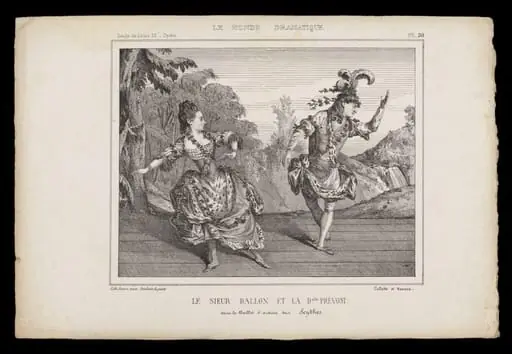 H Beard Print Collection
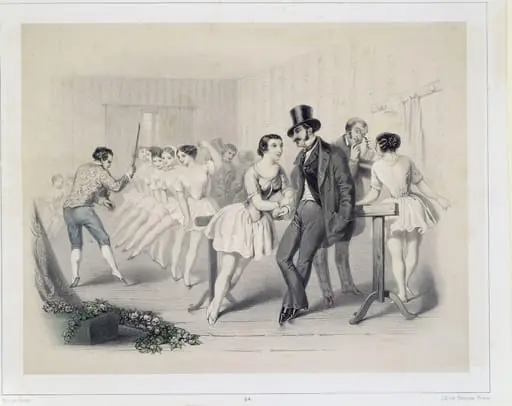 Print Collection
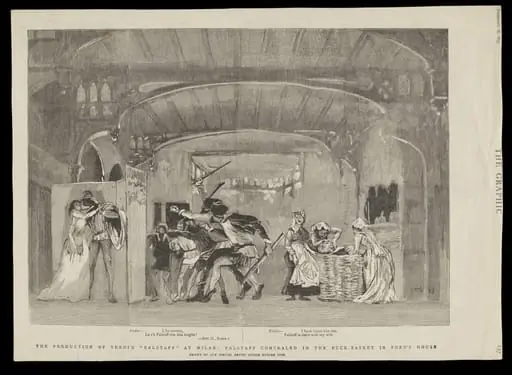 H Beard Print Collection
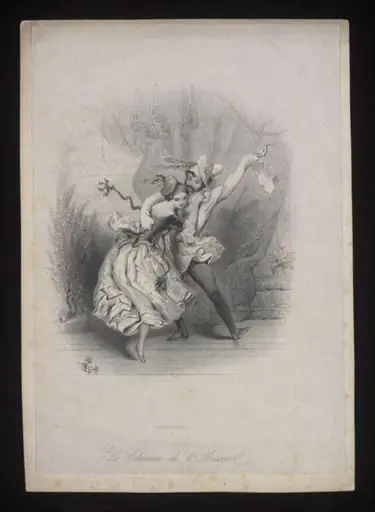 "Le Chemin de l'Amour."
![Women greeting travellers by throwing barley to them, observed near the village of Ciala Kavak [Kawak] in Bulgaria, by Luigi Mayer](https://artifactworldgallery.com/img/luigi-mayer--women-greeting-travellers-by-throwing-barley-to-them-observe--983c1a6622c69e6c-w320.webp) Women greeting travellers by throwing barley to them, observed near the village of Ciala Kavak [Kawak] in Bulgaria
Women greeting travellers by throwing barley to them, observed near the village of Ciala Kavak [Kawak] in Bulgaria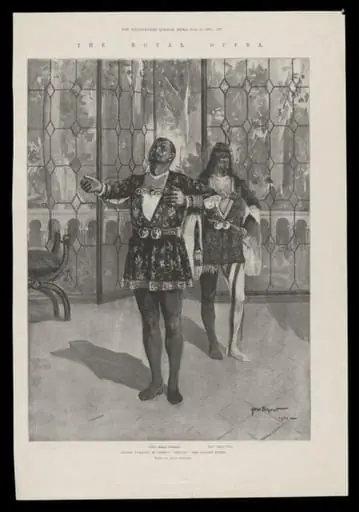 H Beard Print Collection
 H Beard Print Collection
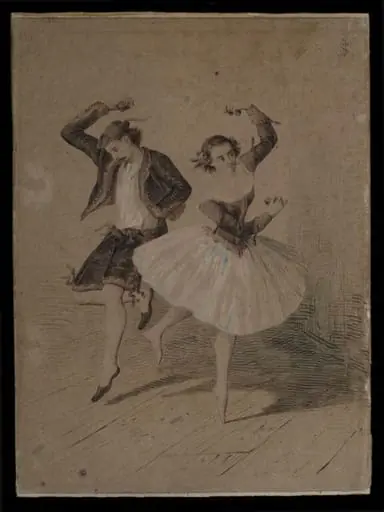 Fanny Cerrito and Arthur Saint-Leon
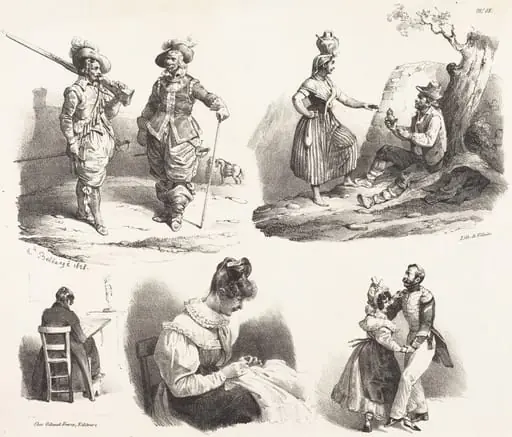 Five Vignettes