Artwork
Portrait of L.T. Spittler
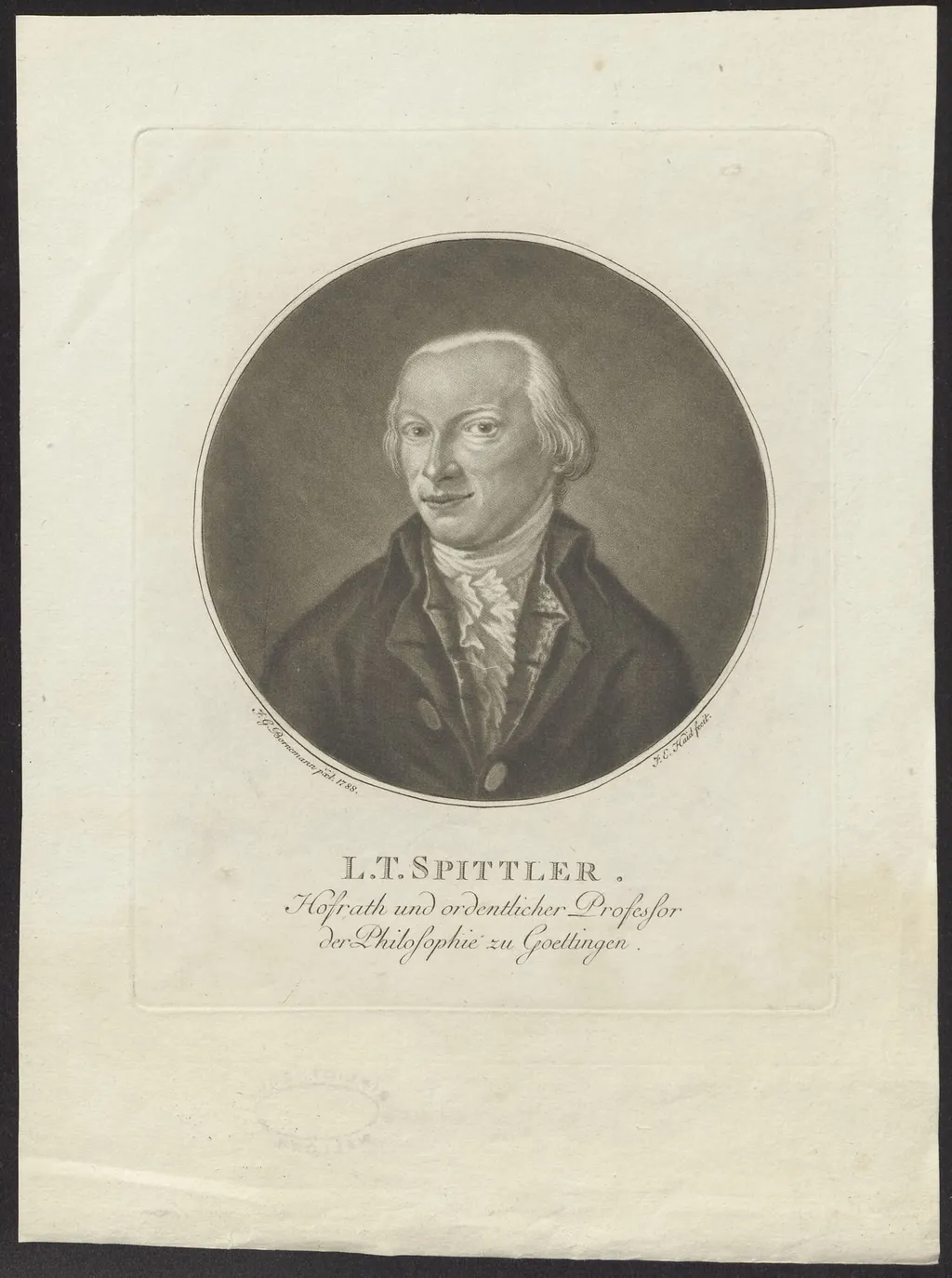
Portrait of L.T. Spittler is an unspecified painting by the Rococo painting artist Johann Elias, Haid. It dates from 1750 and is held in the collection of the Leiden University Libraries. The work presents a formal portrait of L.
About this work
The artist likely used this earlier work as a reference to create their own version.
This painting shows a man, L.T. Spittler, in a formal pose.
He's dressed in old-fashioned clothes.
The painting is based on an earlier work by F.G. Bornemann from 1788, which is an interesting fact about its history.
The artist likely used this earlier work as a reference to create their own version.
You can learn more about this style by looking at the work of artist: Haid, Johann Elias, (1739-1809)
Overview
The work presents a formal portrait of L.T. Spittler, rendered in a restrained composition that emphasizes the sitter’s dignified bearing. The figure is shown in period attire, his posture and expression conveying a sense of authority typical of late‑eighteenth‑century portraiture.
Subject & Meaning
L.T. Spittler is depicted in traditional clothing, suggesting his social status and the conventions of his time. The solemn pose and direct gaze imply a desire to record his identity and standing, serving both personal commemoration and public representation.
Technique & Style
The image follows the conventions of eighteenth‑century portraiture, employing a balanced arrangement of light and shadow to model the sitter’s features. The artist’s handling of fabric and subtle tonal variations reflects a study of earlier models, achieving a realistic yet composed visual effect.
History & Provenance
The portrait is derived from an earlier painting executed by F.G. Bornemann in 1788. The later artist appears to have used Bornemann’s original as a reference, reproducing the composition while adapting details to suit a new context. This relationship anchors the work within a lineage of copyist practice.
Context
Portraits of this type were common among the professional and mercantile classes in the late eighteenth century, serving as markers of personal achievement. Comparable works by contemporaries such as Johann Elias Haid illustrate the broader stylistic trends that informed the rendering of attire and pose in this piece.
Artist & collection
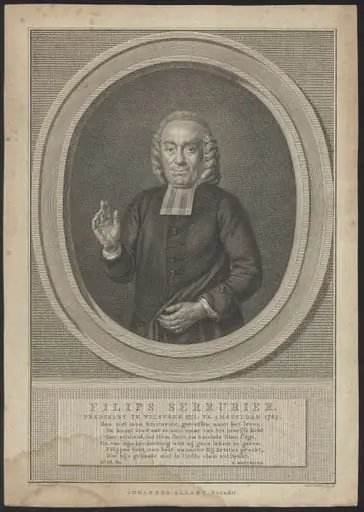 Portrait of Filips Serrurier
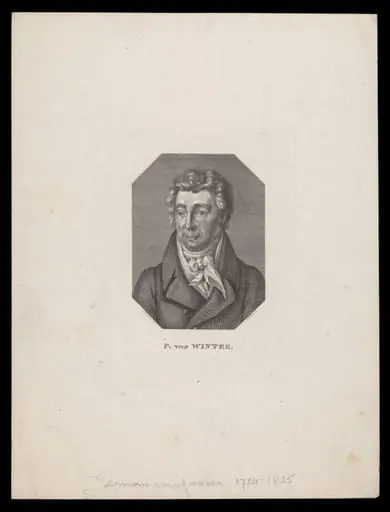 H Beard Print Collection
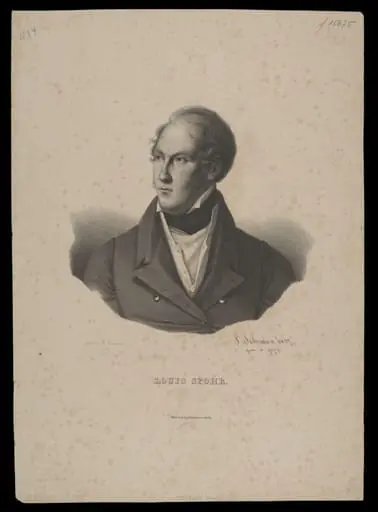 H Beard Print Collection
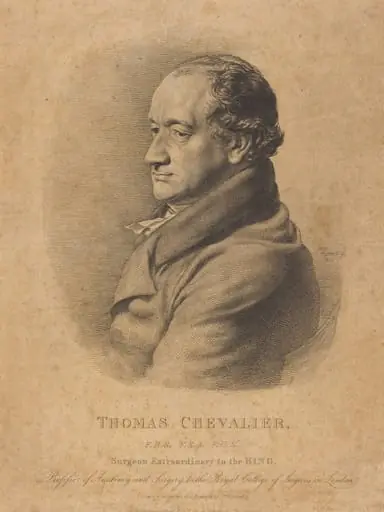 Thomas Chevalier
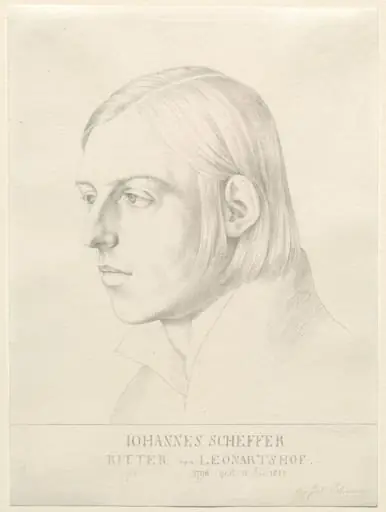 Johann Evangelist Scheffer von Leonhardshoff
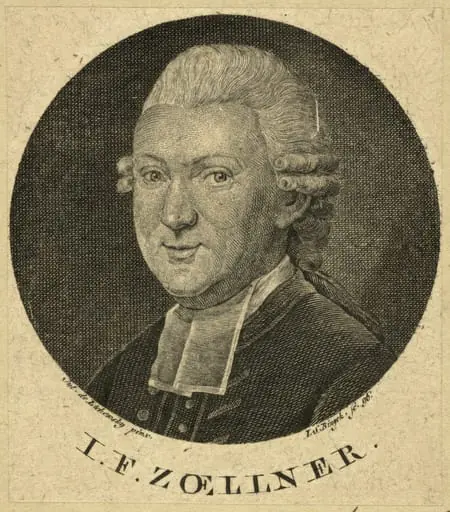 Lisiewska, Friederike Julie (Vorlage): Porträt Johann Friedrich Zöllner
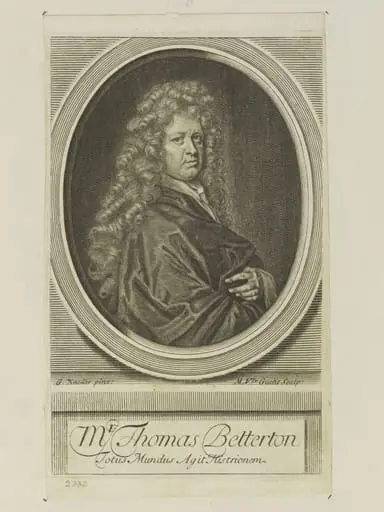 Mr. Thomas Betterton
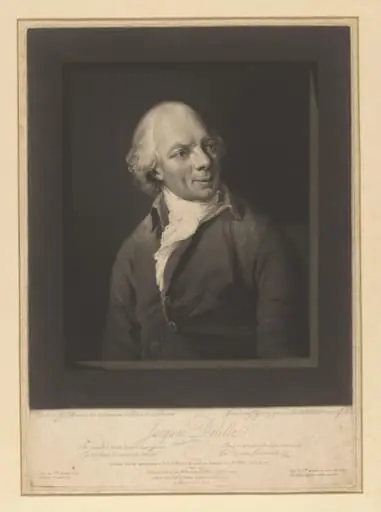 H Beard Print Collection
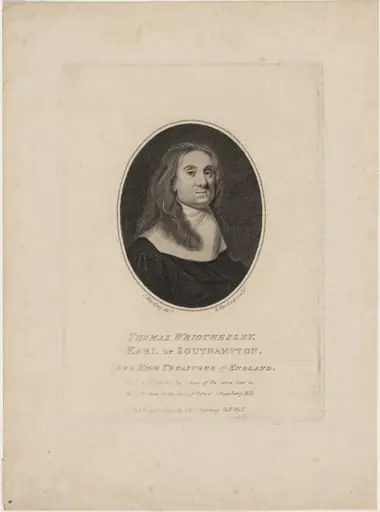 Thomas Wriothesley, Earl of Southampton
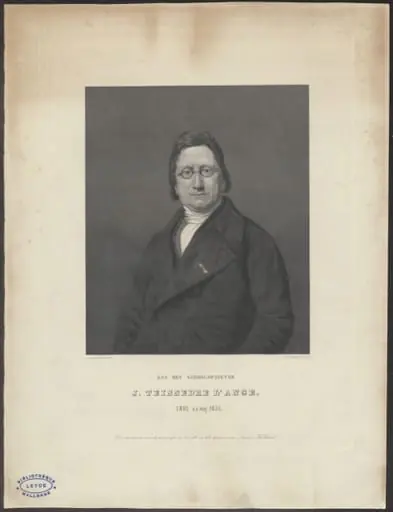 Portrait of J. Teissedre l'Ange, school intendant
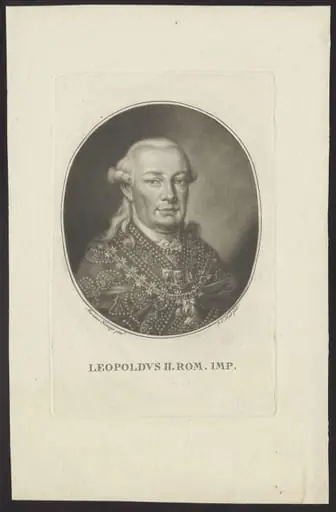 Portrait of the Emperor Leopold II