Artwork
Portrait of Johannes Petrus Miller
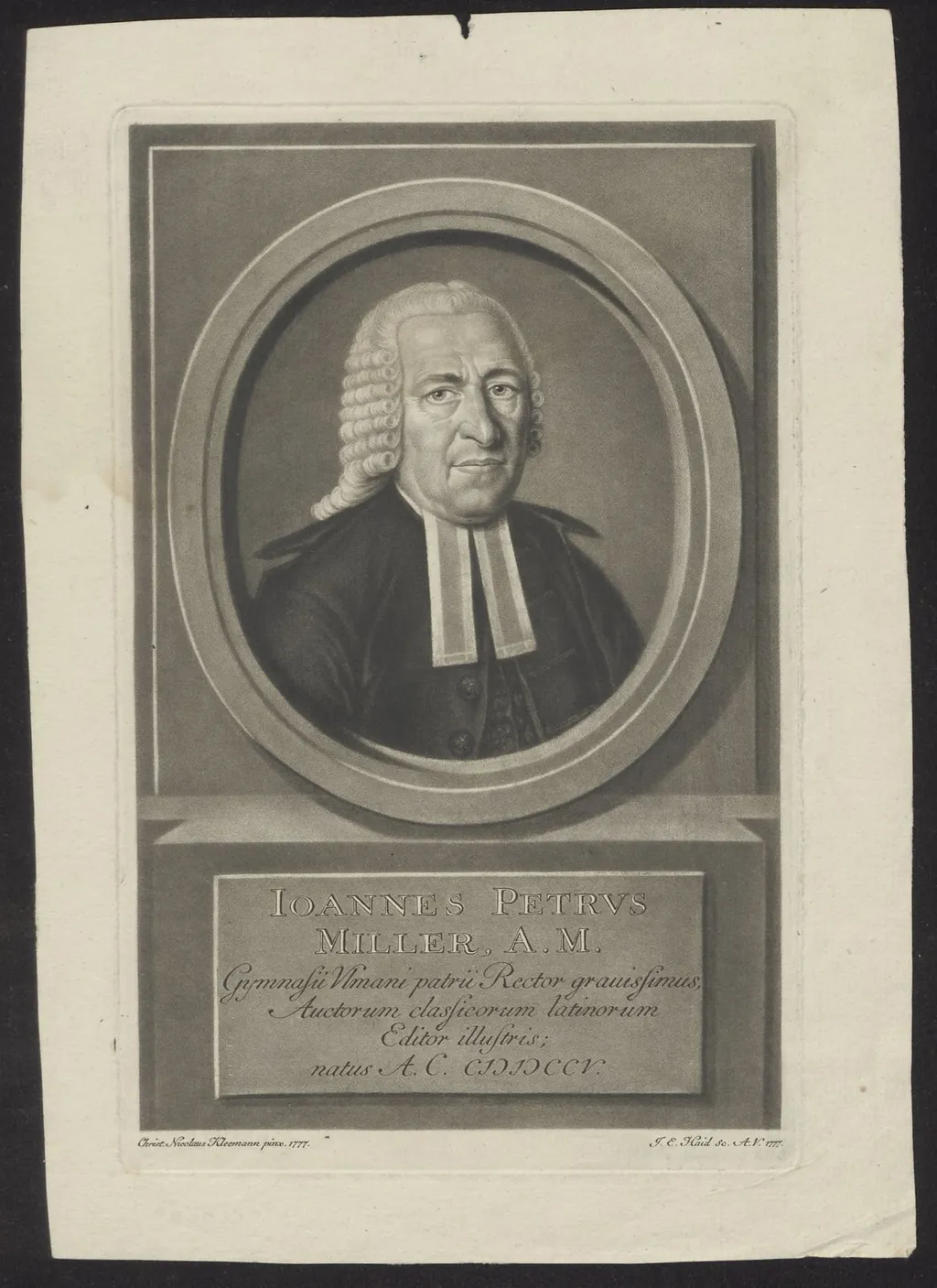
Portrait of Johannes Petrus Miller is an unspecified painting by the Rococo painting artist Johann Elias, Haid. It dates from 1777 and is held in the collection of the Leiden University Libraries. This image is a reproduction of a 1777 portrait by Nicolaus Kleemann, depicting Johannes Petrus Miller.
About this work
Overview
Unlike an original painting, this version exists as a printed or copied image, likely made to disseminate the likeness more widely.
This image is a reproduction of a 1777 portrait by Nicolaus Kleemann, depicting Johannes Petrus Miller. Unlike an original painting, this version exists as a printed or copied image, likely made to disseminate the likeness more widely. The subject is shown seated among books and documents, suggesting an intellectual profession. The composition retains the original’s quiet dignity and attention to domestic detail.
Subject & Meaning
Johannes Petrus Miller is portrayed as a scholar or man of letters, surrounded by books and papers that imply his engagement with knowledge. His thoughtful expression and restrained posture convey introspection rather than grandeur. The setting, though modest, emphasizes his identity through personal objects rather than symbols of status, reflecting an 18th-century shift toward valuing intellectual character over aristocratic display.
Technique & Style
The portrait employs careful rendering of fabric textures and subtle lighting to define form and depth. While not using sfumato in the Renaissance sense, it demonstrates a refined handling of tone and detail characteristic of late 18th-century German portraiture. The brushwork, though softened in reproduction, originally aimed for naturalism, capturing the quiet realism favored by Kleemann’s circle.
History & Provenance
The original painting by Nicolaus Kleemann from 1777 served as the model for this image. The existence of a reproduced version indicates the portrait’s circulation beyond its initial commission, possibly as a print or copy made for private collectors or institutions. Its survival as a reproduced image suggests enduring interest in Miller’s likeness, though the original’s current location remains unconfirmed.
Context
In late 18th-century Germany, portraiture increasingly reflected Enlightenment ideals, emphasizing individual intellect and moral character. Kleemann’s work aligns with this trend, portraying subjects not as nobles but as thoughtful individuals. Miller’s depiction fits within a broader cultural movement that valued education and private virtue, mirrored in the domestic setting and scholarly props.
Legacy
Though not widely known today, the portrait contributes to the historical record of German civic portraiture. Its reproduction underscores how images of educated professionals were preserved and shared in pre-modern societies. The work remains a quiet example of how personal identity was visually constructed during a period of intellectual transformation in Europe.
Artist & collection
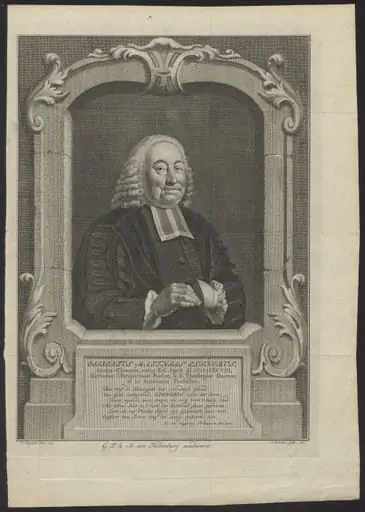 Portrait of Gisbertus Matthias Elsnerus
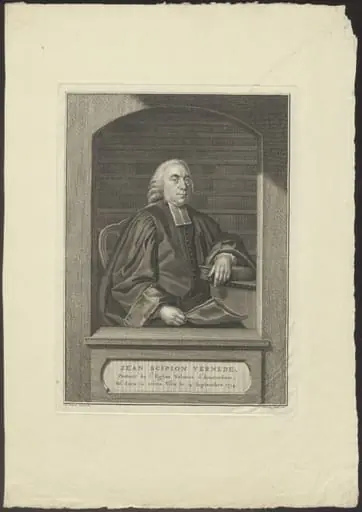 Portrait of Jean Scipion Vernede, Walloon minister in Amsterdam
![Portrait of J. Basnage, [Walloon minister and historian], by Unknown](https://artifactworldgallery.com/img/unknown--portrait-of-j-basnage-walloon-minister-and-historian--5c5b22a95cb99991-w320.webp) Portrait of J. Basnage, [Walloon minister and historian]
Portrait of J. Basnage, [Walloon minister and historian]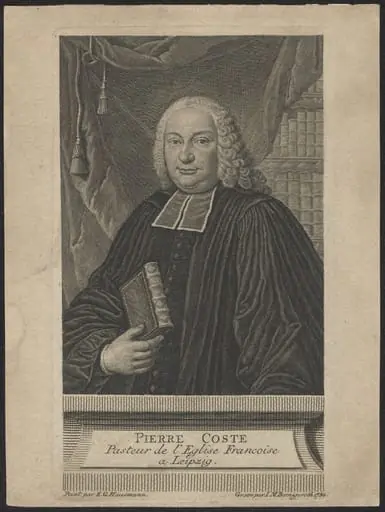 Portrait of Pierre Coste, Walloon minister in Leipzig
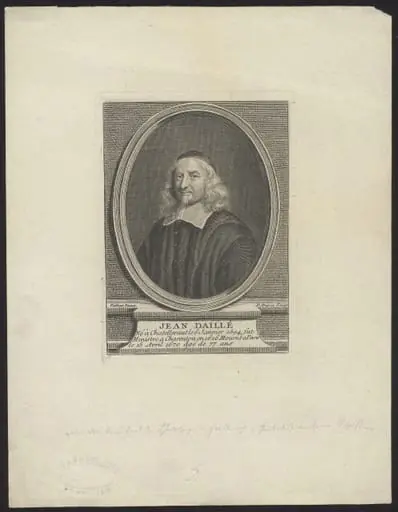 Portrait of Johannes Dallaeus/ Jean Daillé
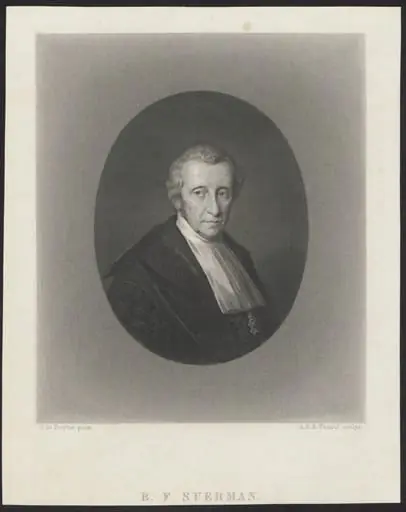 Portrait of B.F. SUERMAN
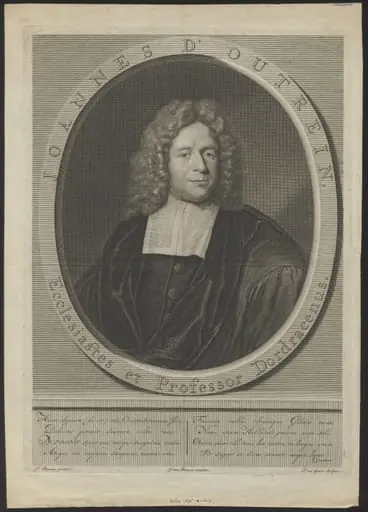 Portrait of Johannes D'Outrein, minister and professor in Dordrecht
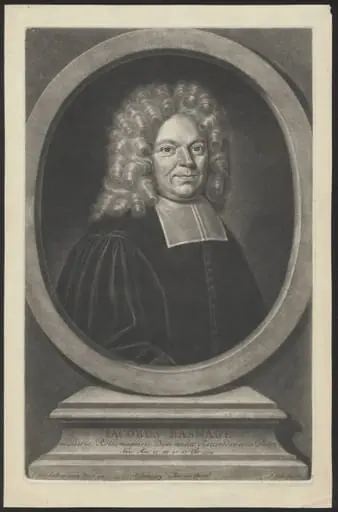 Portrait of Jacobus Basnage, Walloon minister and historian
![Portrait of Joannes Clericus, by [G. de jr.?], Broen](https://artifactworldgallery.com/img/g-de-jr-broen--portrait-of-joannes-clericus--9051c61b6d50f488-w320.webp) Portrait of Joannes Clericus
Portrait of Joannes Clericus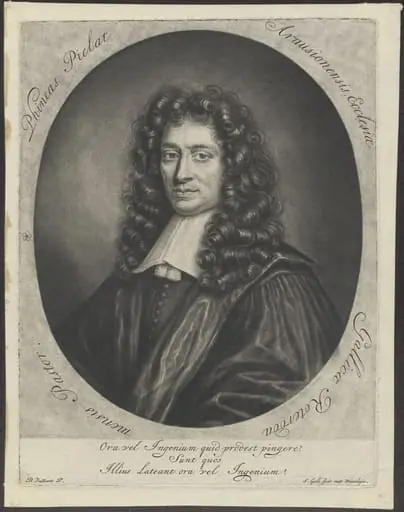 Portrait of Phinéas Piélat, Walloon minister in Rotterdam
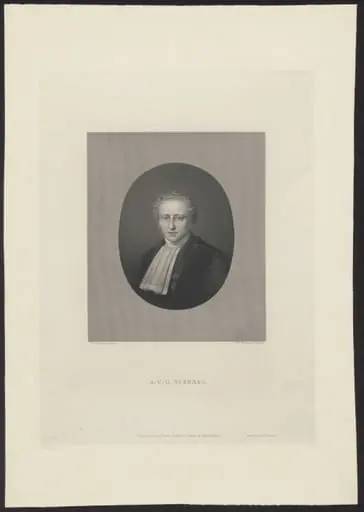 Portrait of A.C.G. Suerman, clergyman