Artwork
Malle Babbe
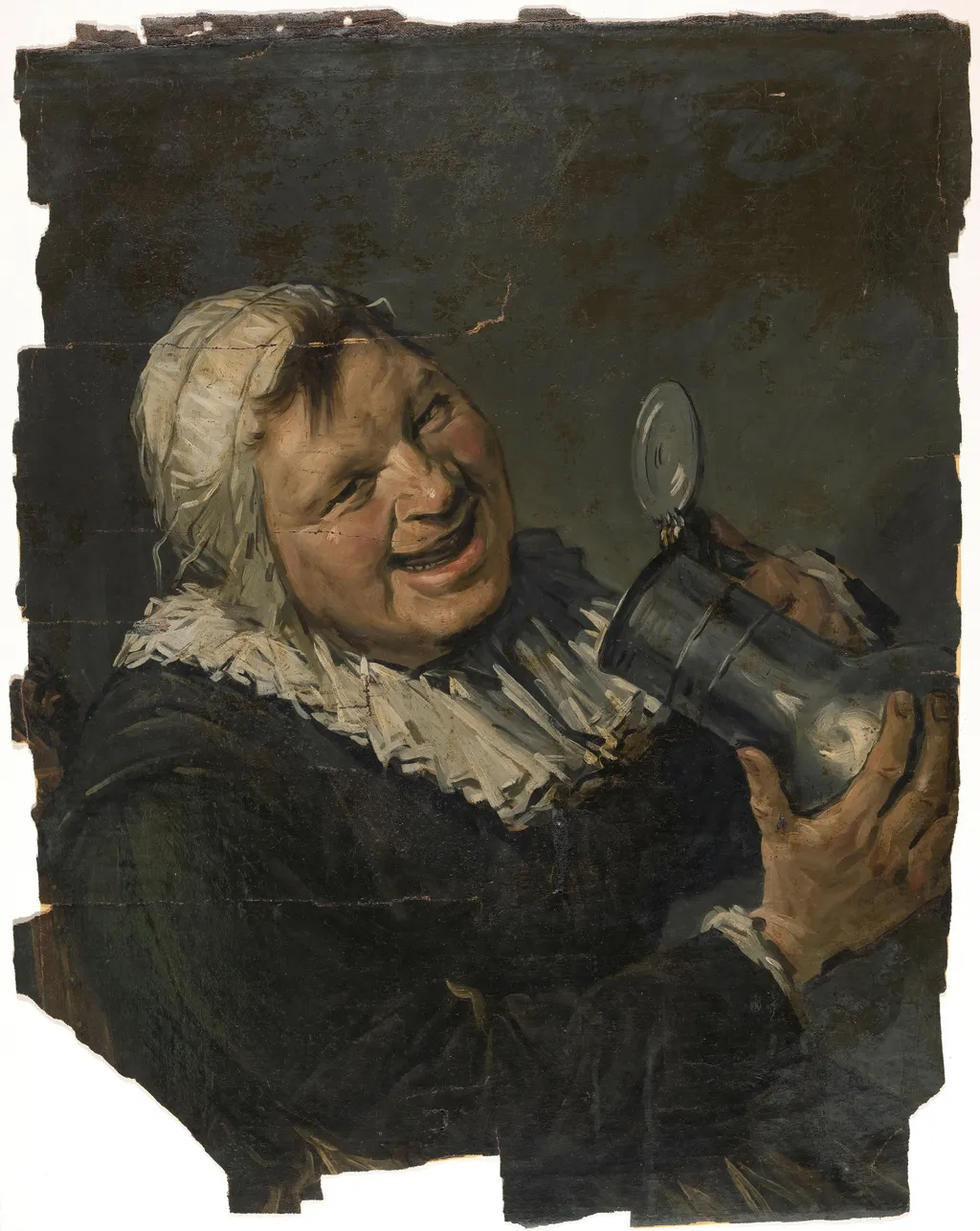
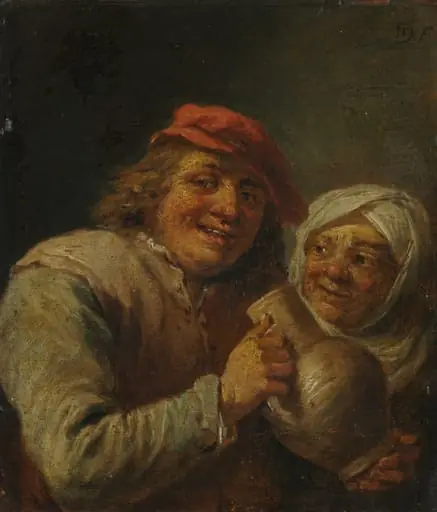
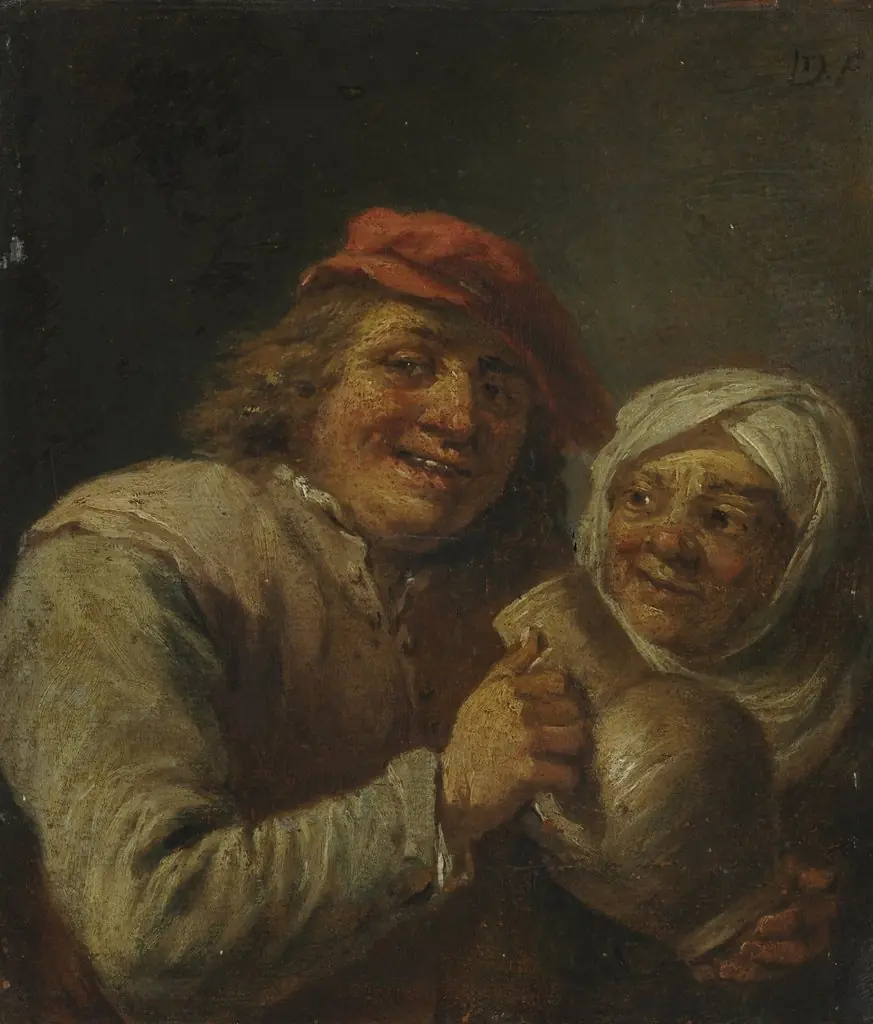
Malle Babbe is an oil painting by the Dutch Golden Age artist Han van Meegeren. It dates from 1935 and is held in the collection of the Rijksmuseum.
About this work
Overview
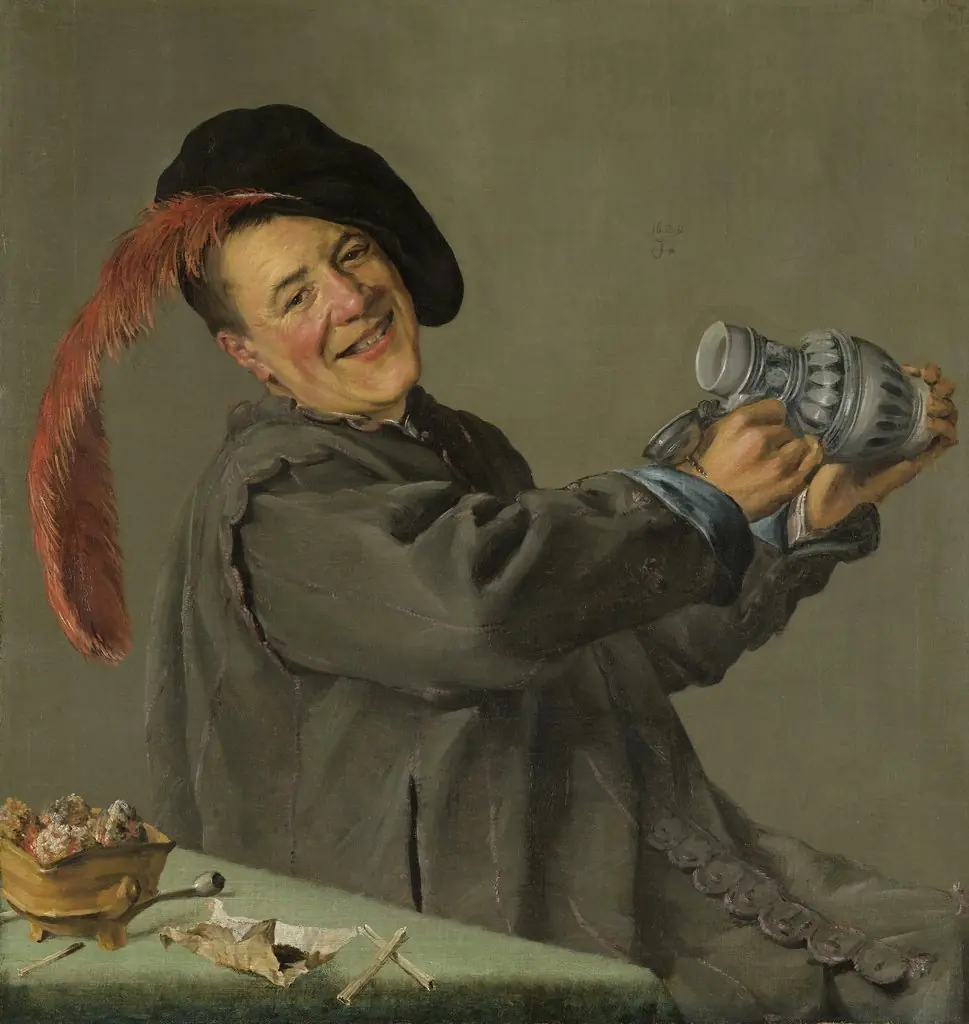
Han van Meegeren’s 1935 oil painting *Malle Babbe* presents a single figure rendered with a pronounced impasto technique. The work is catalogued in the Rijksmuseum’s collection and is generally classified within the aesthetic lineage of the Dutch Golden Age, despite being a twentieth‑century creation.
Subject & Meaning
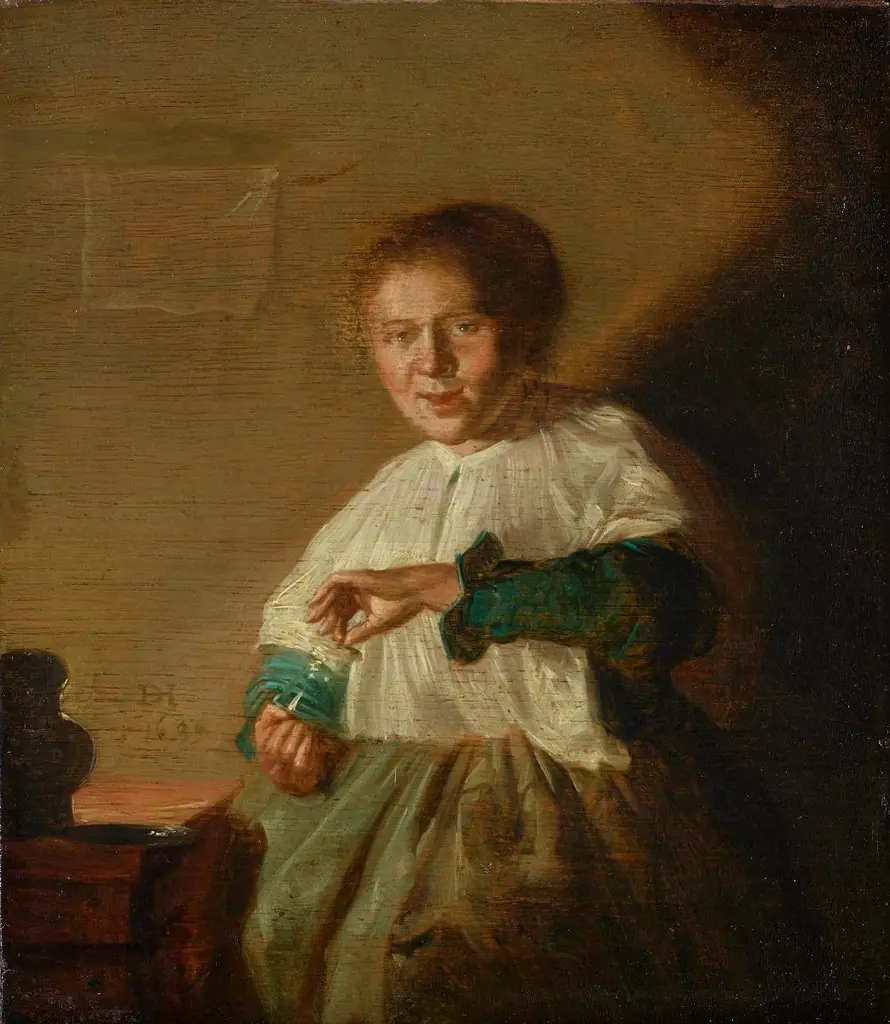
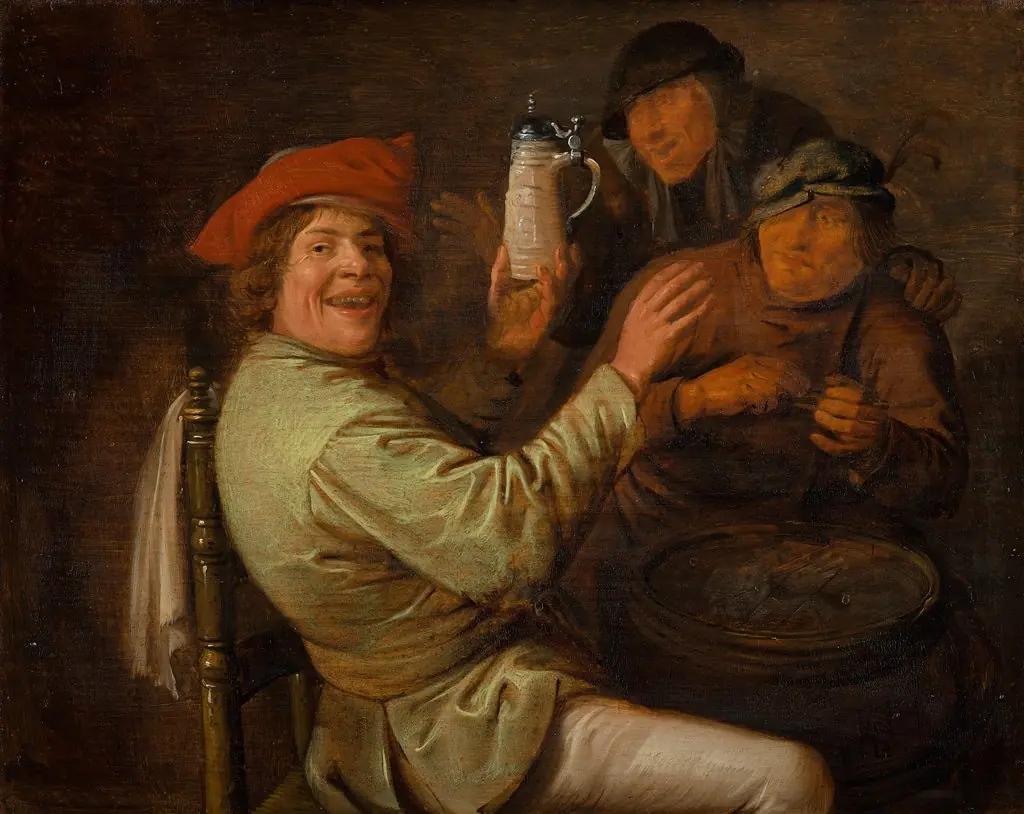
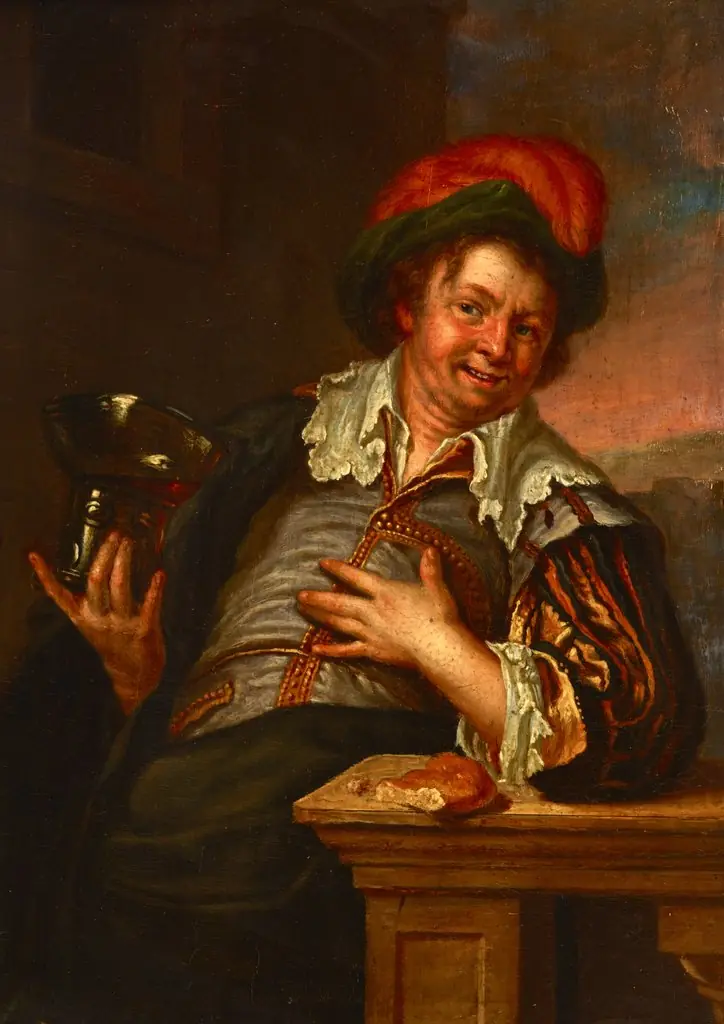
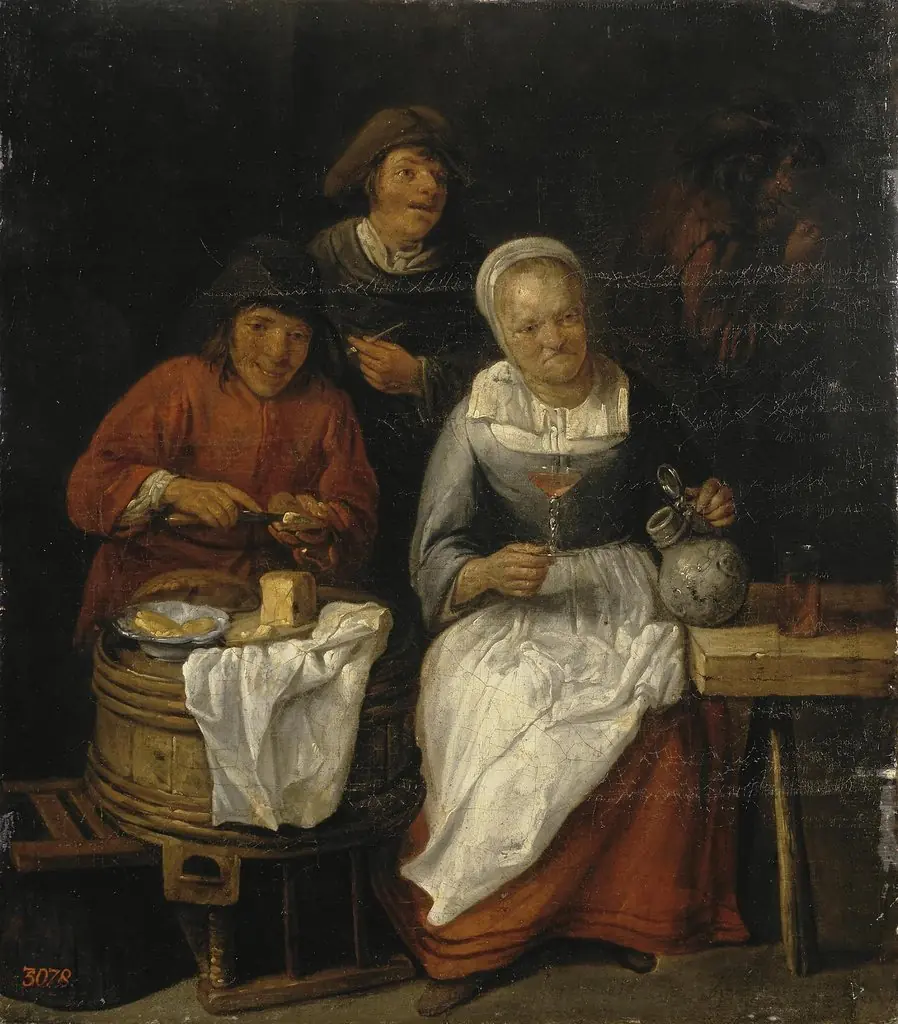
The canvas depicts a cheerful woman wearing a white cap and a dark dress, grasping a rounded vessel with a handle—interpreted as a barrel or jug. Her open smile and lively gaze convey a sense of good‑natured merriment, inviting viewers to consider everyday joy in a domestic setting.
Technique & Style
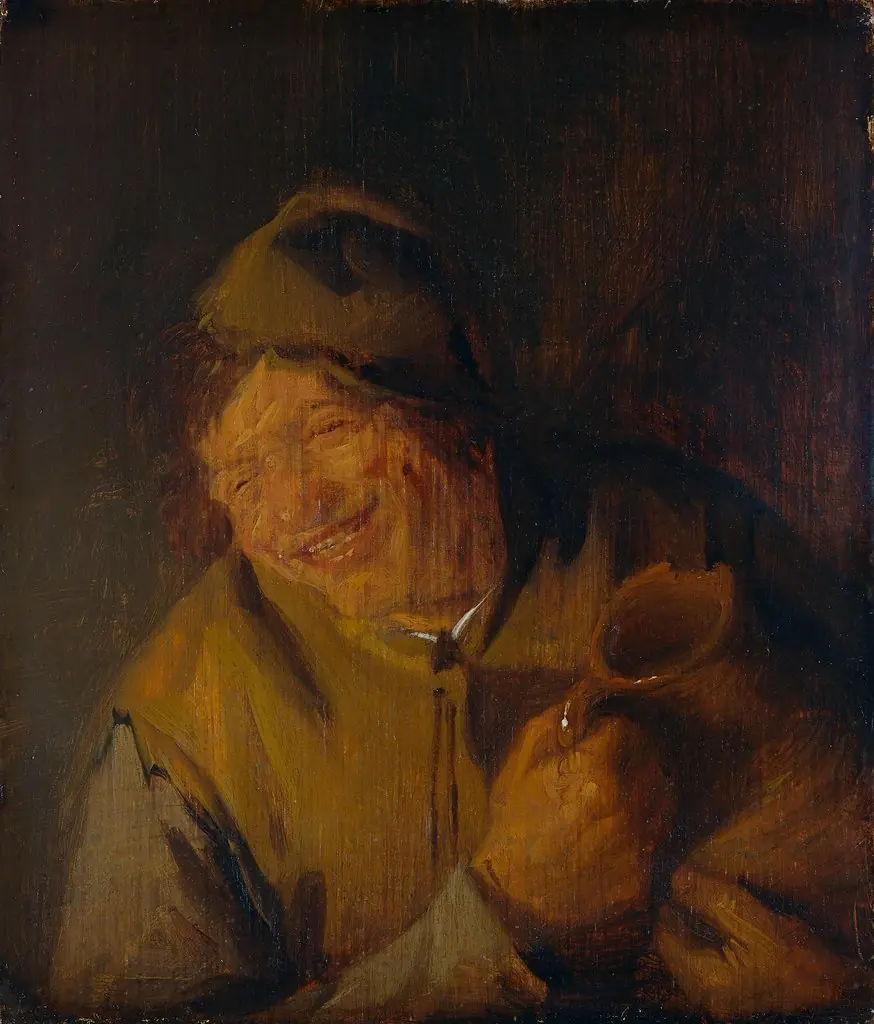
Van Meegeren applied paint thickly in selective areas, especially on the figure’s skin and clothing, creating a textured surface that catches light. This impasto approach accentuates the contours of the face and the folds of the garment, while the dark background recedes, allowing the subject to dominate the visual field.
History & Provenance
Created during a period when van Meegeren was primarily known for portraiture, *Malle Babbe* entered the Rijksmuseum’s holdings through acquisition in the mid‑20th century. Its provenance traces back to the artist’s own studio, reflecting his interest in reviving historic Dutch motifs.
Context
The painting references the folklore figure Malle Babbe, a character from 17th‑century Dutch literature associated with tavern life and merrymaking. By invoking this archetype, van Meegeren aligns his modern portrait with a tradition of genre scenes that celebrated ordinary, convivial moments.
Artist & collection
Artist
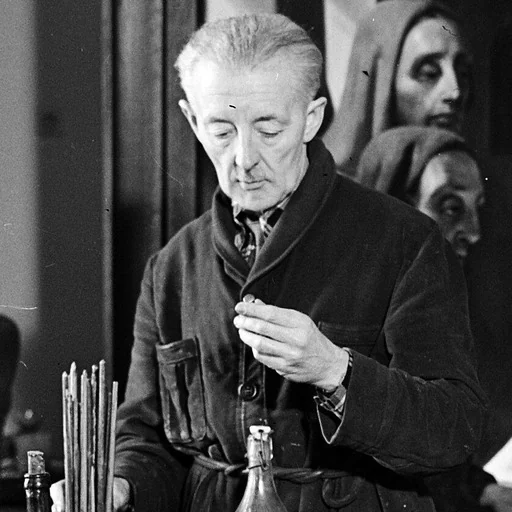
Henricus Antonius "Han" van Meegeren (Dutch pronunciation: ; 10 October 1889 – 30 December 1947) was a Dutch painter and portraitist, considered one of the most ingenious art forgers of the 20th century.