Artwork
The Reflection
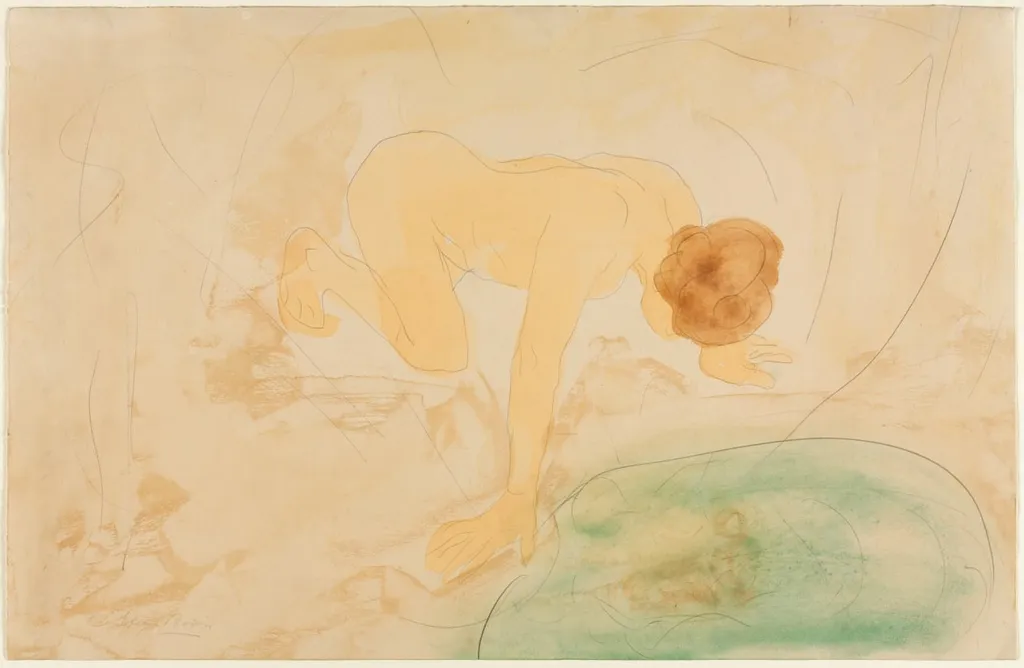
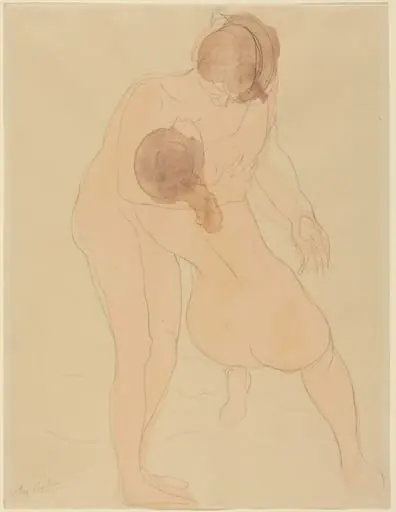
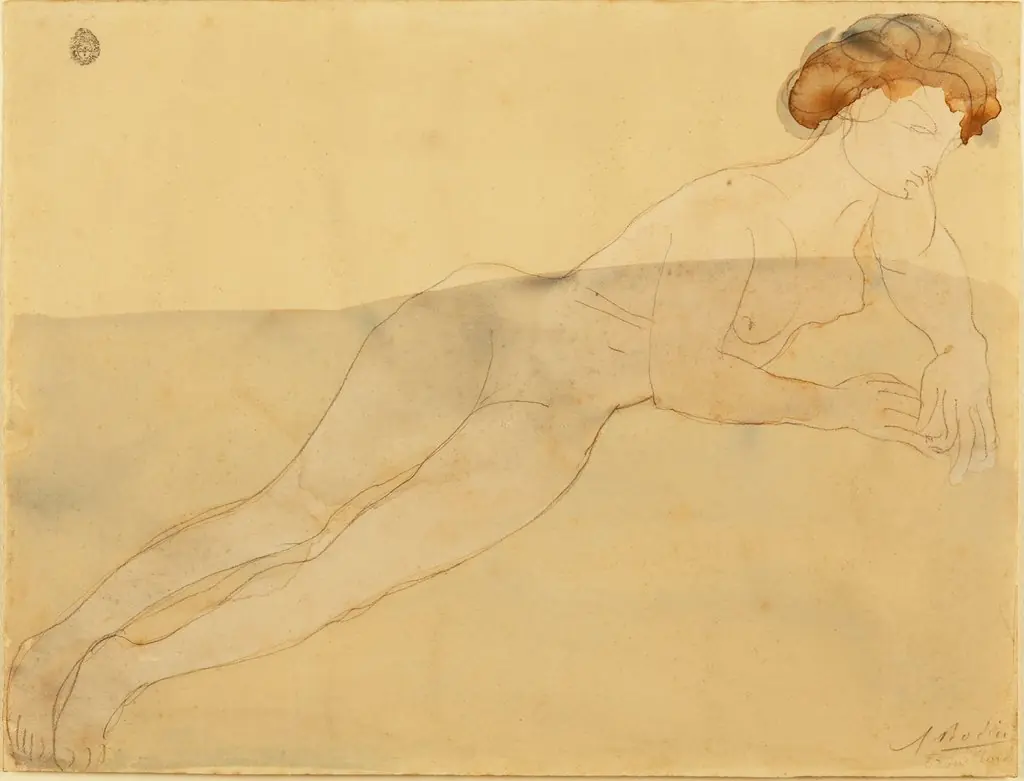
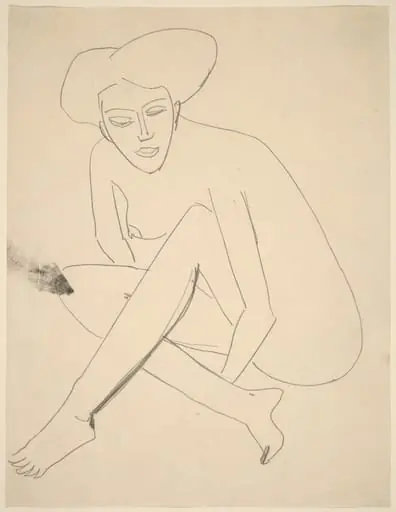
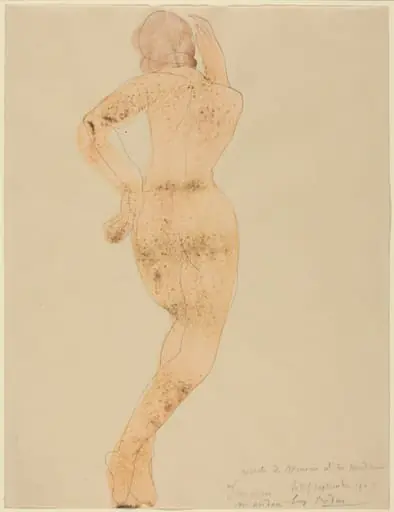
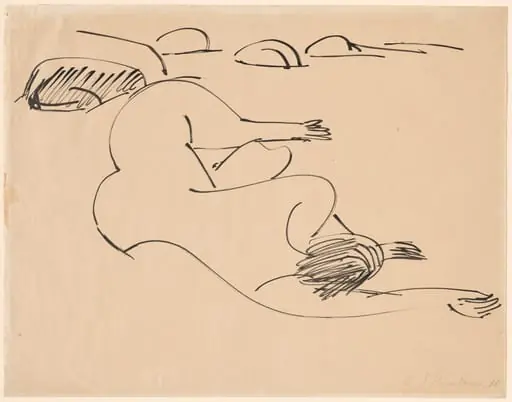
The Reflection is a drawing by Hand B. It dates from 1905 and is held in the collection of the Cleveland Museum of Art.
About this work
Overview
Created around 1905 by an artist identified as Hand B, this drawing is part of the collection at The Cleveland Museum of Art.
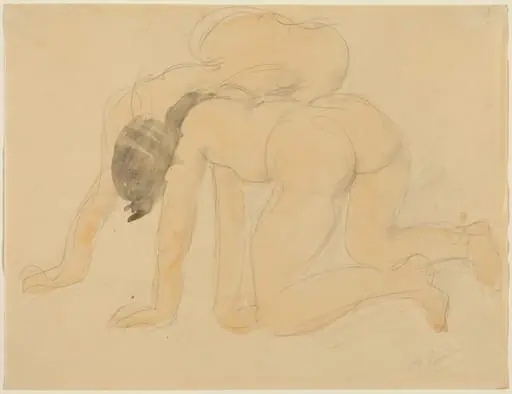
Created around 1905 by an artist identified as Hand B, this drawing is part of the collection at The Cleveland Museum of Art. Executed in a loose, evocative manner, it captures two indistinct figures in repose against a pale, washed background. The absence of defined features and the softness of the lines suggest an emphasis on mood over detail, aligning it with experimental approaches to figure drawing at the time.
Subject & Meaning
The two figures, rendered without clear facial or bodily features, appear to be reclining in a state of rest or slumber. A dark, rounded form near one head may indicate a hat or a shadow, but its ambiguity invites multiple interpretations. The scene resists narrative clarity, instead evoking a quiet, introspective moment, possibly reflecting on vulnerability, solitude, or the transient nature of rest.
Technique & Style
The drawing employs fluid, sketch-like lines with minimal definition, favoring atmospheric suggestion over precision. The pale yellow background is thinly applied, allowing the paper’s texture to show through, while a greenish, hazy area in the lower right adds subtle tonal contrast. The lack of sharp contours and the blurring of forms reflect an interest in transient effects, akin to the soft transitions seen in sfumato techniques.
History & Provenance
The work is attributed to Hand B, a designation used for an unidentified artist associated with a group of early 20th-century drawings studied by scholars. It entered The Cleveland Museum of Art’s collection through documented acquisition, though its earlier history remains undocumented. Its attribution reflects ongoing research into lesser-known artists active in the period around 1905.
Context
Created during a period when many artists were moving away from academic realism, this drawing reflects broader explorations in modern drawing—emphasizing gesture, mood, and impermanence. Similar approaches appear in the works of contemporaries experimenting with spontaneity and psychological depth, often influenced by Symbolist and Post-Impressionist sensibilities that valued suggestion over literal representation.
Legacy
Though not widely exhibited, the drawing contributes to the understanding of experimental drawing practices in early 20th-century Europe. Its anonymity and stylistic restraint highlight how artists of the time used minimal means to convey emotional resonance. It remains a quiet example of how ambiguity and suggestion became tools for expressing inner states beyond traditional figuration.
Artist & collection
Artist
This artist painted quiet indoor scenes with mirrors and windows around the early 1900s.