Artwork
Märta Rudbeck, the Artist
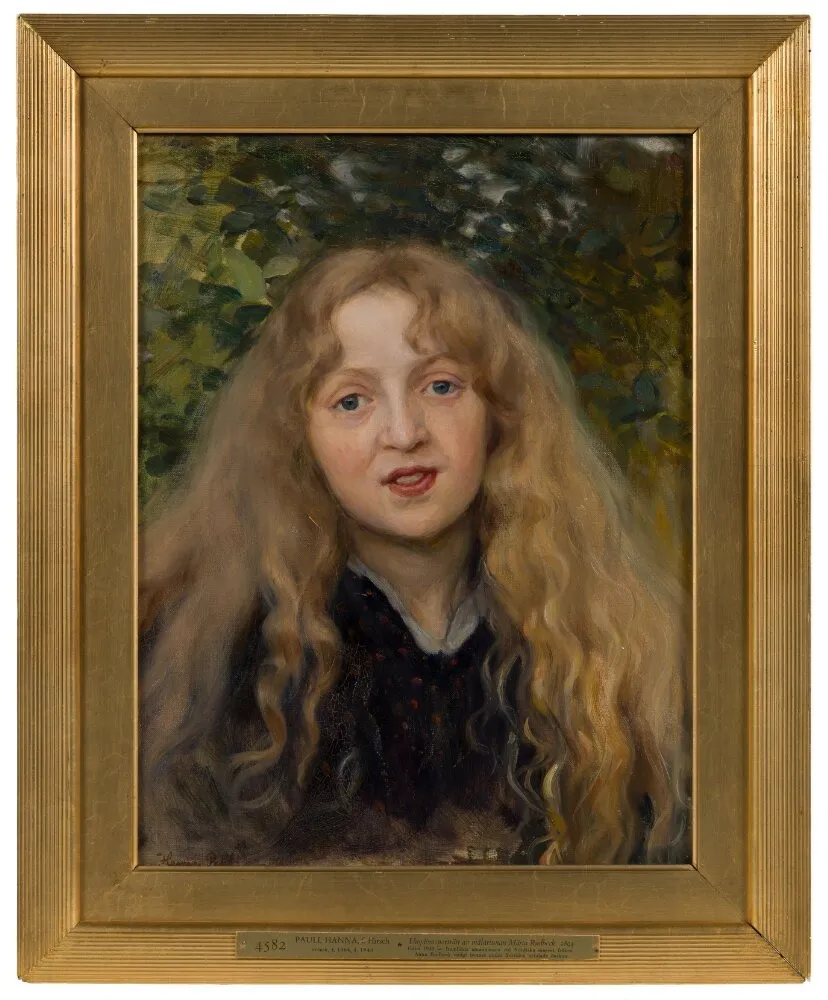
Märta Rudbeck, the Artist is an oil painting by the Post-Impressionist artist Hanna Hirsch-Pauli. It dates from 1898 and is held in the collection of the Nationalmuseum.
About this work
Overview
Rendered with quiet precision, the painting avoids theatricality, focusing instead on the sitter’s presence and character within a subdued domestic setting.
Hanna Hirsch-Pauli created this oil-on-canvas portrait in 1898, depicting the Swedish artist Märta Rudbeck. The work is part of the Nationalmuseum’s collection and reflects Hirsch-Pauli’s interest in intimate, psychologically nuanced portraiture. Rendered with quiet precision, the painting avoids theatricality, focusing instead on the sitter’s presence and character within a subdued domestic setting.
Subject & Meaning
Märta Rudbeck, a fellow artist and contemporary of Hirsch-Pauli, is portrayed not as a social figure but as a thoughtful individual. Her direct yet gentle gaze suggests self-possession, while the subtle smile hints at inner reflection rather than performative charm. The portrait affirms Rudbeck’s identity as a creative woman in a male-dominated field, presenting her with dignity and quiet authority.
Technique & Style
Hirsch-Pauli employed soft brushwork and muted tones to convey texture and atmosphere. The background, a blend of earthy greens and browns, recedes gently, drawing focus to the sitter’s face and attire. The white collar and flowing blonde hair are rendered with delicate contrast, enhancing the sense of realism. The style leans toward post-impressionist sensitivity, prioritizing emotional resonance over decorative flourish.
History & Provenance
Painted in 1898, the portrait remained within Swedish artistic circles before entering the Nationalmuseum’s collection. Hirsch-Pauli and Rudbeck were part of a network of women artists navigating professional recognition in late 19th-century Sweden. The painting’s preservation reflects its significance as a document of female artistic solidarity during a period of gradual institutional change.
Context
In the 1890s, Swedish women artists were increasingly visible in exhibitions and academies, though still marginalized. Hirsch-Pauli’s choice to portray Rudbeck with such personal intensity aligns with broader efforts to assert the legitimacy of women’s artistic identities. The portrait resists idealization, offering instead a candid, unadorned representation of a working artist.
Legacy
The portrait endures as a quiet testament to the relationships among Swedish women artists of the era. It contributes to the historical record of female creativity beyond the male gaze, preserving not just an image but a sense of mutual recognition among peers. Today, it stands as a reference point in discussions of gender and artistic representation in Nordic art.
Artist & collection
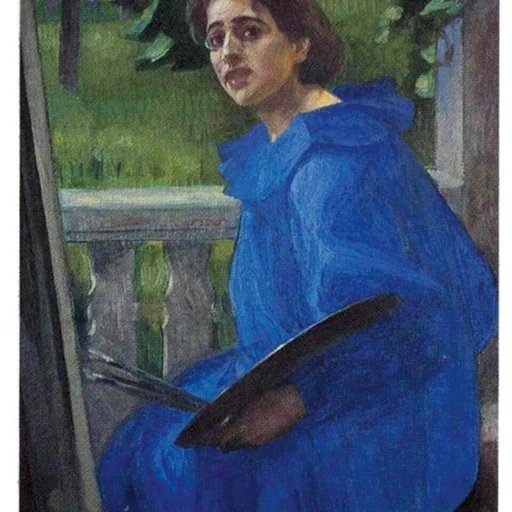
Artist
Hanna Hirsch, later Hanna Pauli (Stockholm, 13 January 1864 – 29 December 1940, Solna), was a Swedish painter; primarily of genre scenes and portraits.

 Portret van een meisje
 Antti
Antti Little Nell
 Cap de fetiță
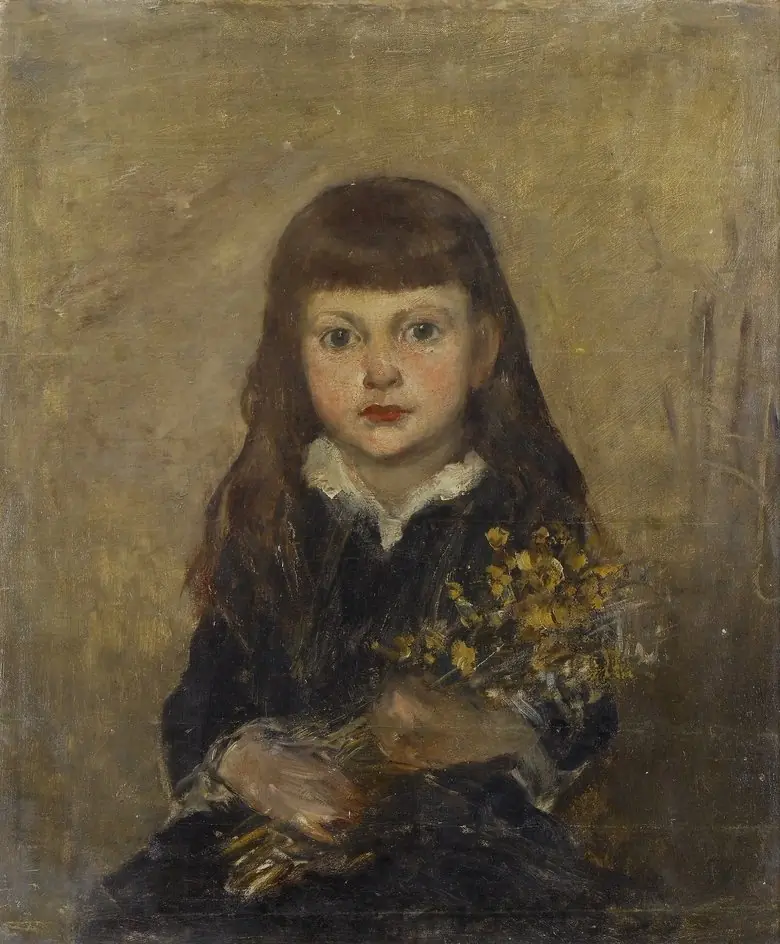 Portrait of Margaret Millicent Fisher Prout, the Artist's Daughter
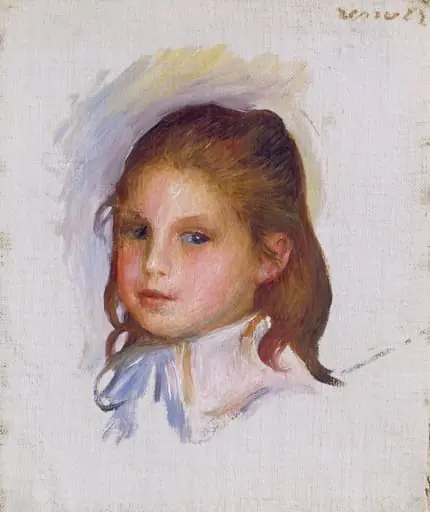 Child with Brown Hair
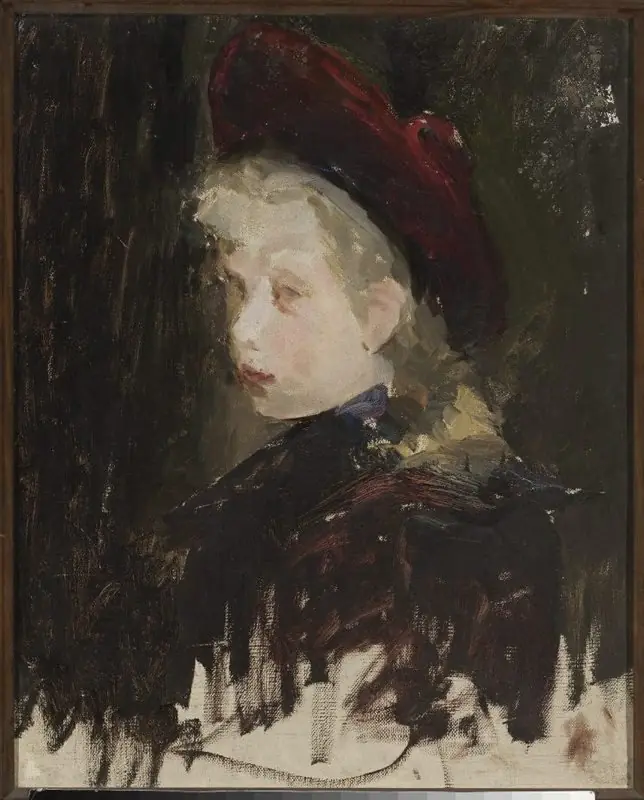 Head of a girl
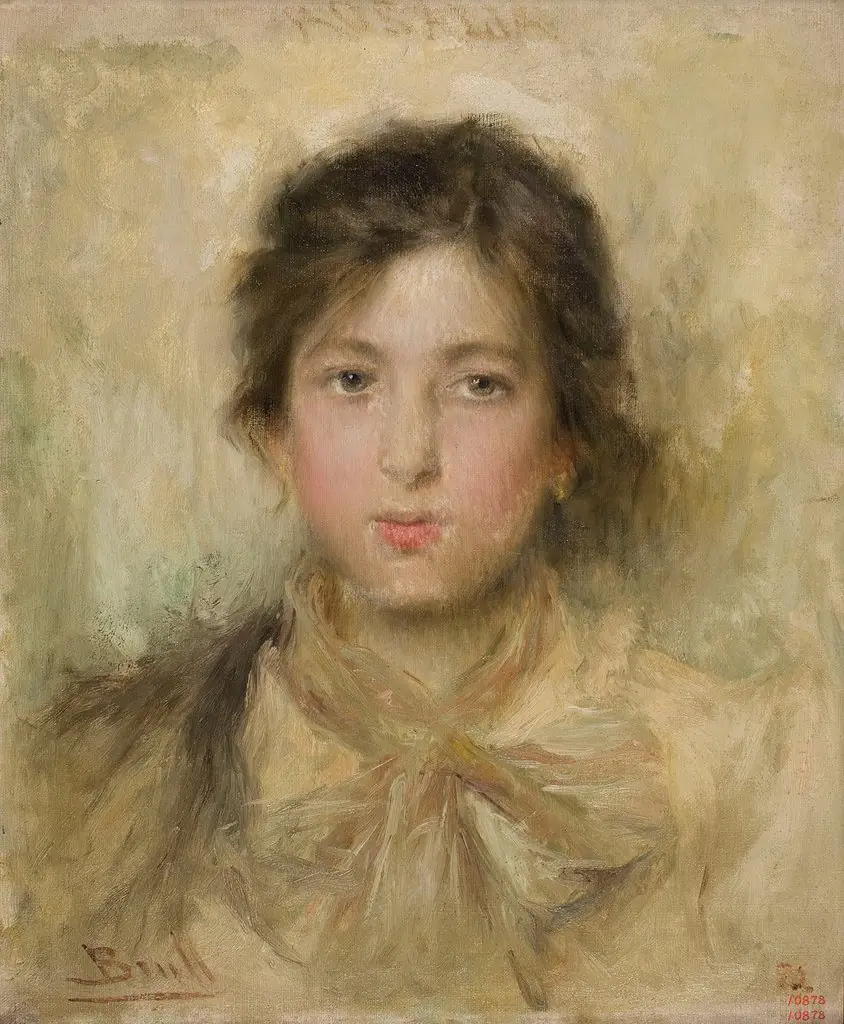 Rosalia
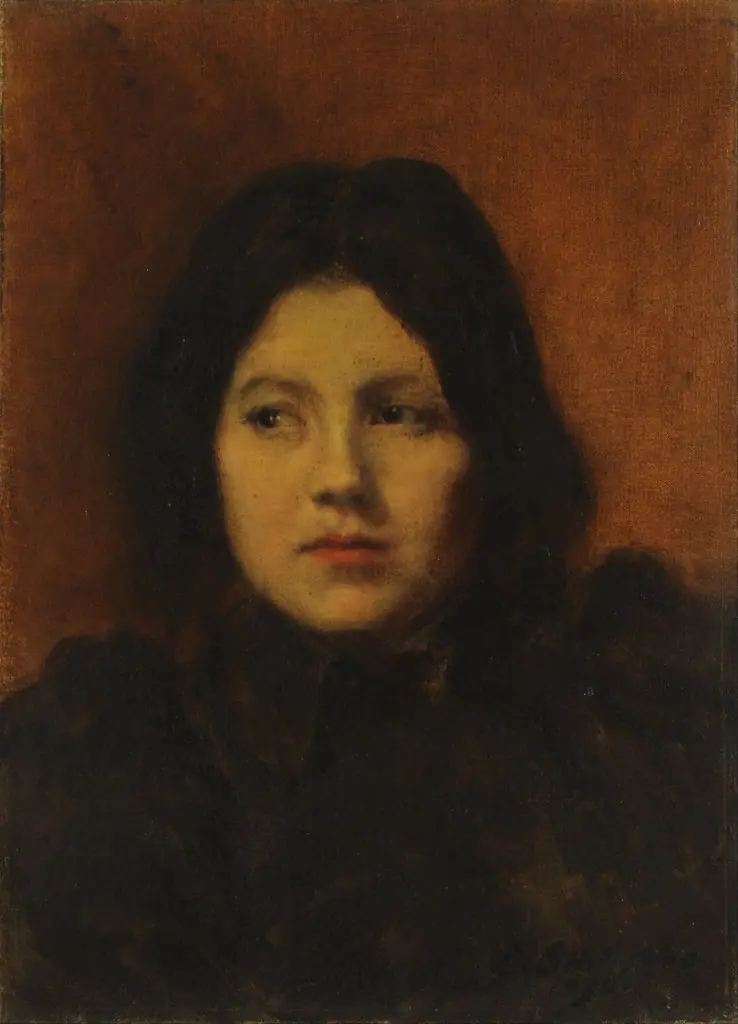 Margot
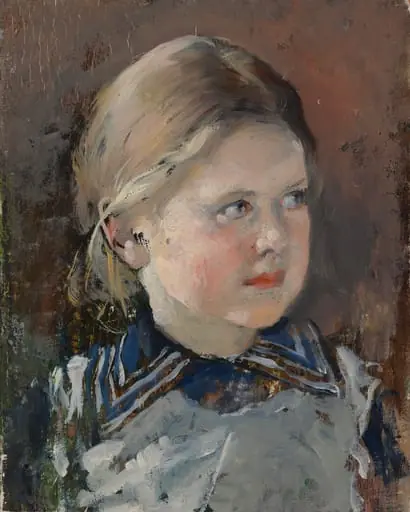 Tytön pää, harjoitelma vapaaherra Viktor Magnus von Bornin perhemuotokuvaa varten
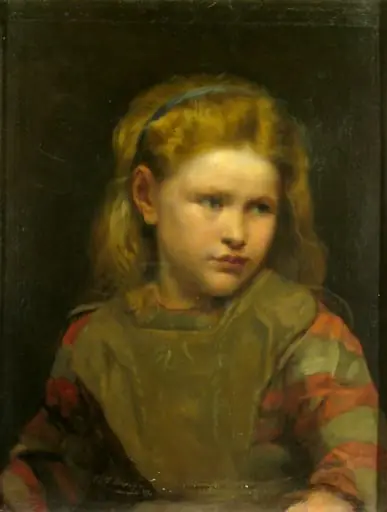 Portret de fetiță
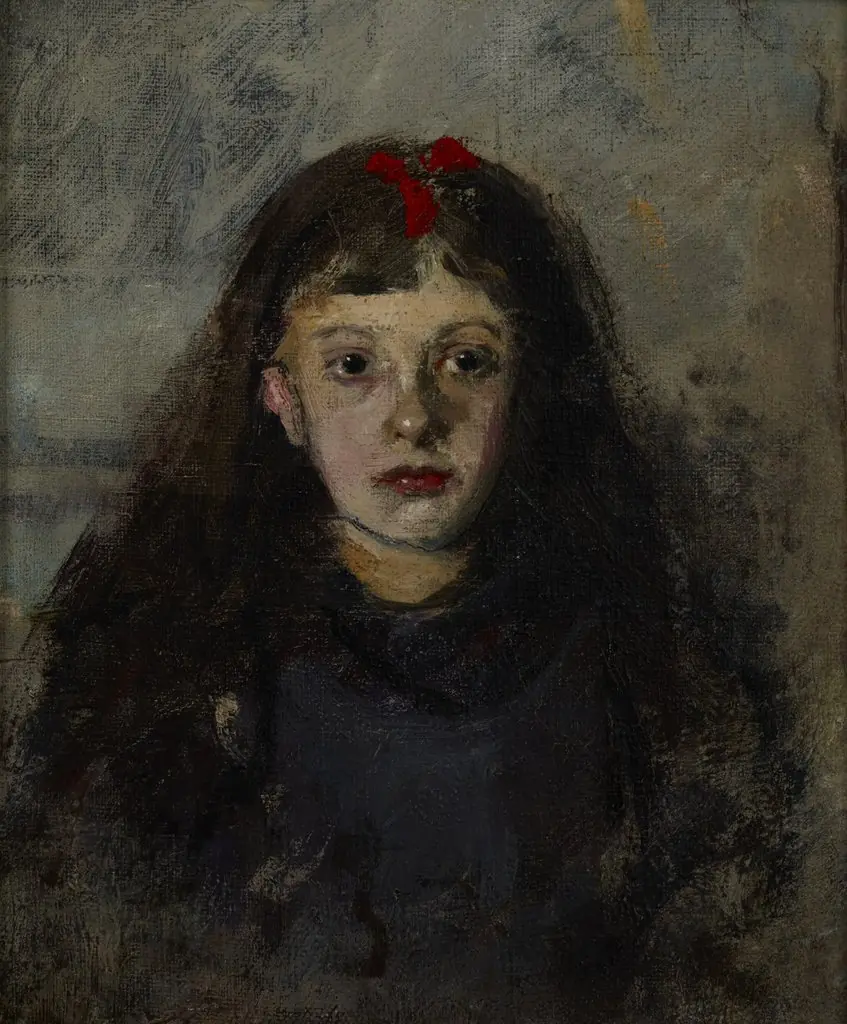 Portrait of a Girl – Zofia Sokołowska