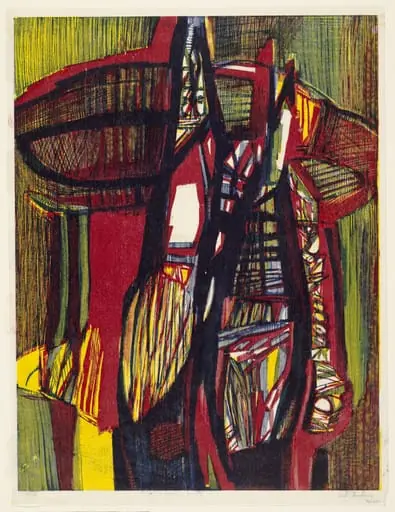
Artwork
Untitled
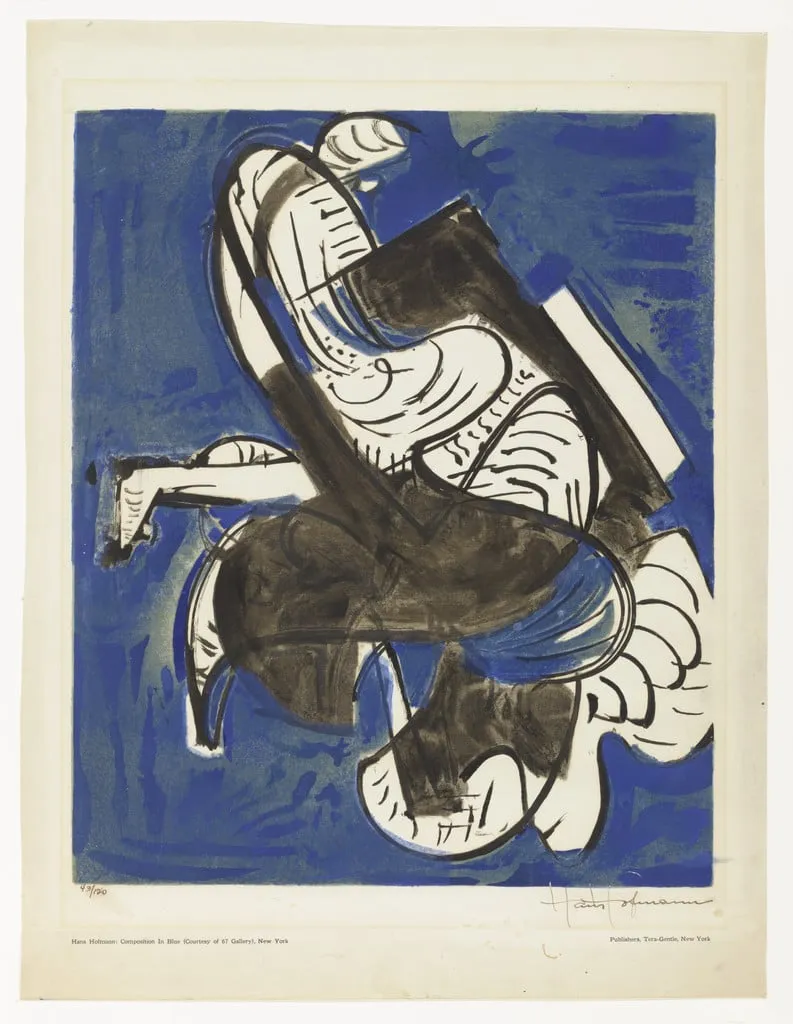
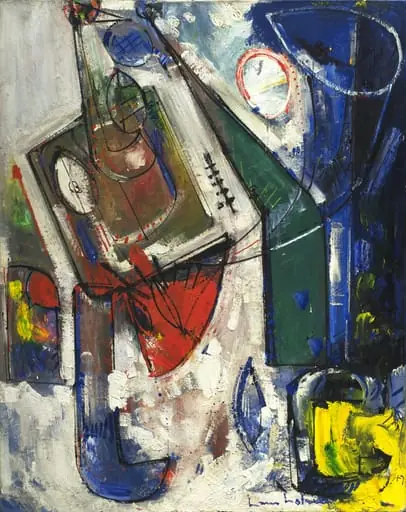
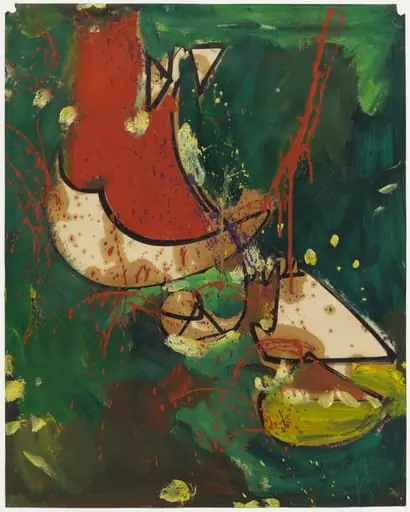
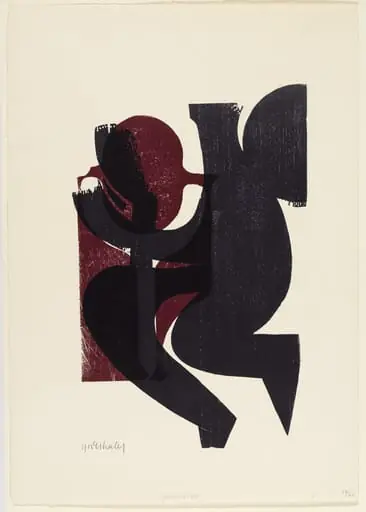
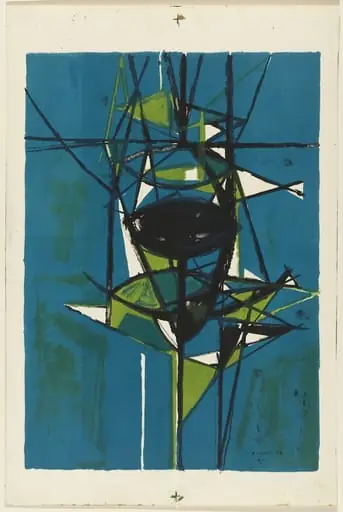
Untitled is a gouache print by Hans Hofmann. It dates from 1952 and is held in the collection of the Museum of Modern Art.
About this work
Overview
The work blends mechanical reproduction with manual intervention, resulting in a composition that feels both structured and spontaneous.
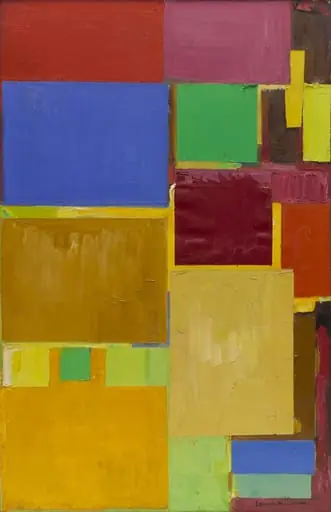
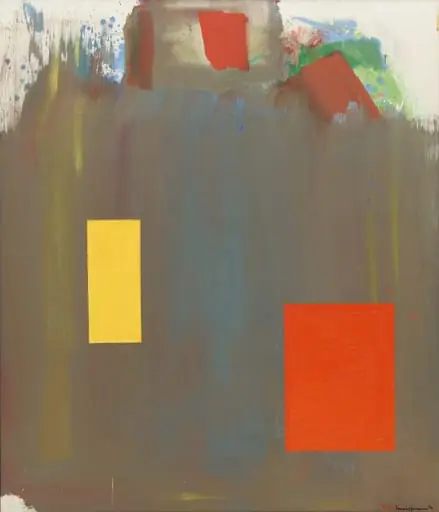
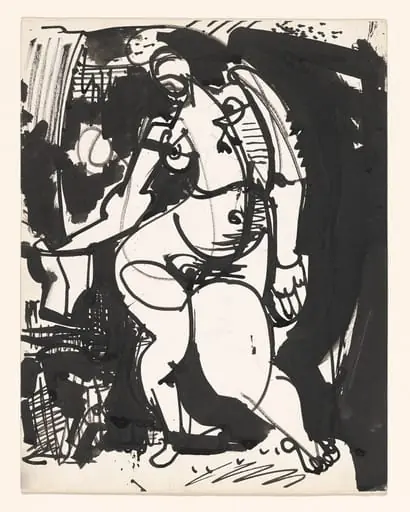
Created in 1952, this screenprint by Hans Hofmann incorporates hand-applied gouache to modify the printed layers. It resides in the collection of The Museum of Modern Art. The work blends mechanical reproduction with manual intervention, resulting in a composition that feels both structured and spontaneous. Its abstract forms resist literal interpretation, emphasizing materiality and gesture over representation.
Subject & Meaning
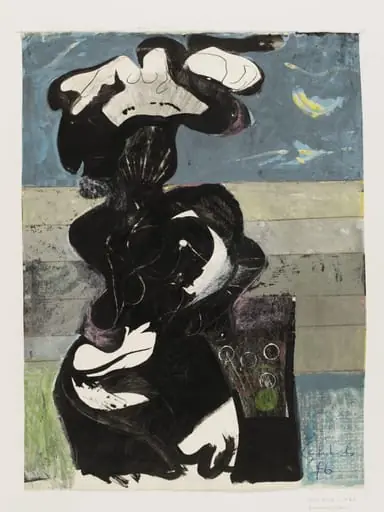
No identifiable subject is present; the work operates purely through formal relationships. A dark, irregular shape overlaps a lighter one, both suspended against a deep blue field. The forms suggest movement or tension, as if pushed or pulled through space. The ambiguity invites contemplation of energy and balance rather than narrative, aligning with Hofmann’s interest in visual dynamics over depiction.
Technique & Style
Hofmann employed screenprinting to lay down broad fields of color, then added gouache by hand to introduce texture and variation. White and gray patches break through the black forms, creating a sense of luminosity and weightlessness. The uneven edges and deliberate irregularities in line and tone reflect an emphasis on process, where the artist’s hand intervenes to disrupt the print’s uniformity.
History & Provenance
The work entered The Museum of Modern Art’s collection shortly after its creation, reflecting the institution’s early commitment to postwar American abstraction. It was produced during a period when Hofmann was actively exploring printmaking alongside his painting practice. Its inclusion in the museum’s holdings underscores its significance within the broader context of 1950s experimental print culture.
Context
Made during the height of Abstract Expressionism, this print reflects Hofmann’s role as a bridge between European modernism and American avant-garde movements. While contemporaries like Pollock emphasized gesture on canvas, Hofmann adapted similar principles to print media, using layered techniques to achieve depth without illusionism. The work engages with contemporary debates about spontaneity, material, and the limits of representation.
Legacy
This piece exemplifies Hofmann’s innovative approach to printmaking, expanding its potential beyond reproduction into a medium for expressive experimentation. Its integration of gouache into screenprinting influenced later artists seeking to hybridize techniques. The work remains a key reference in discussions of how abstraction evolved in postwar American art, particularly in the interplay between control and accident.
Artist & collection

Artist
Hans Hofmann was a German-born American painter, renowned as both an artist and teacher.