Artwork
Jane Seymour
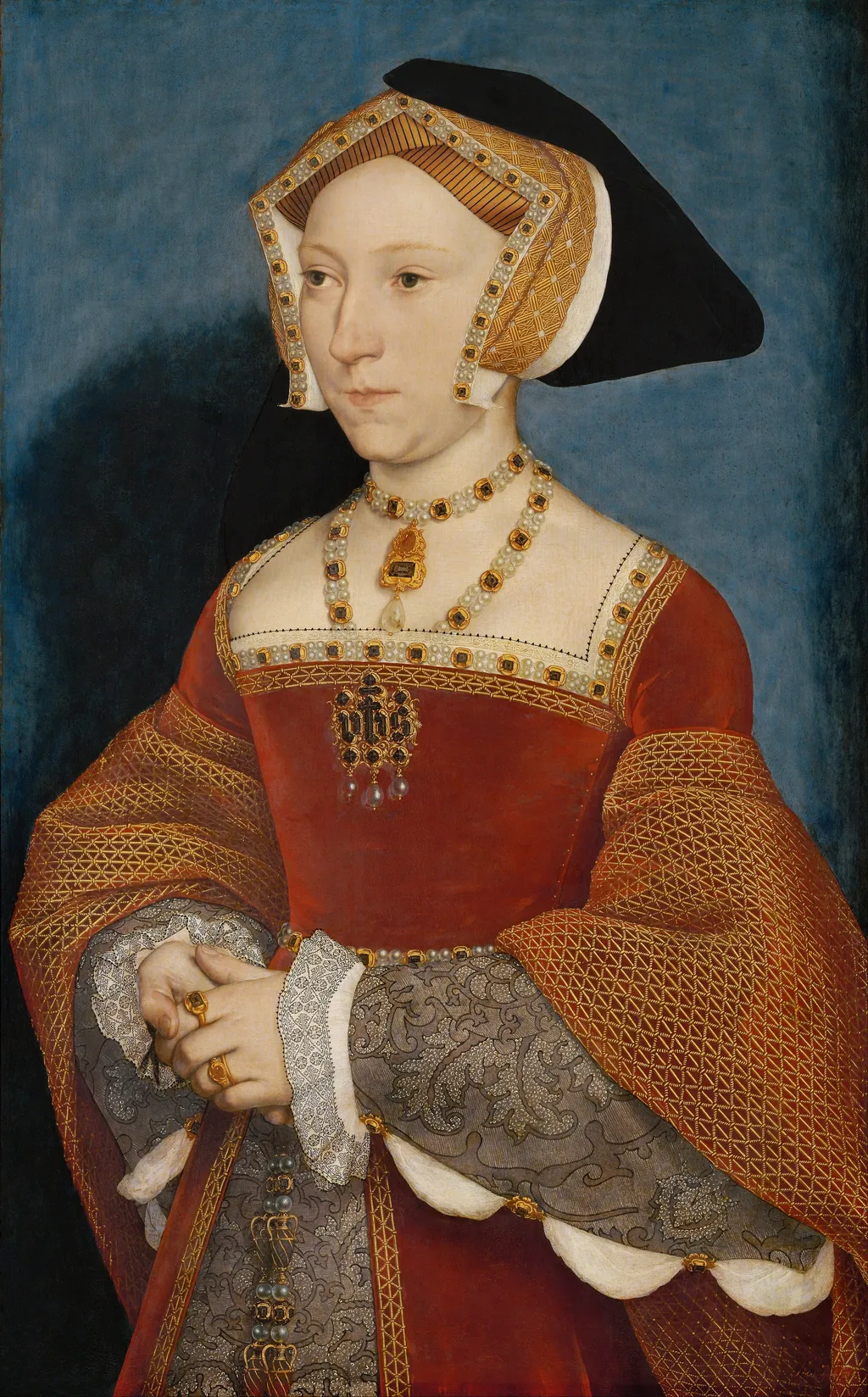
Jane Seymour is an oil painting by the Early Baroque Italian artist Hans Holbein the Younger. It dates from 1536 and is held in the collection of the Kunsthistorisches Museum.
About this work
Overview
Hans Holbein the Younger completed this oil portrait of Jane Seymour in 1536. The work is held in the Kunsthistorisches Museum and presents the Tudor queen in a richly rendered composition that highlights her status as Henry VIII’s third wife.
Subject & Meaning
The sitter is Jane Seymour, who married King Henry VIII in 1536. Her dignified pose, clasped hands, and sumptuous attire convey the courtly ideals of modesty and elegance expected of a queen consort during the early Tudor period.
Technique & Style
Holbein employs the precise, detailed brushwork characteristic of the Northern Renaissance, rendering textures such as the silk of the red dress, the metallic sheen of gold trim, and the luminous pearls with meticulous care. The deep blue background provides a stark contrast that emphasizes the figure’s vivid clothing.
History & Provenance
Created shortly after Jane Seymour’s marriage, the portrait entered the Habsburg imperial collection and eventually became part of the Kunsthistorisches Museum’s holdings. Its survival offers a rare visual record of a queen whose reign lasted only a year.
Context
Holbein, a German‑Swiss artist active in England, was renowned for his court portraits, which combined realistic observation with subtle symbolism. This painting reflects his role as a leading portraitist of the 16th century, alongside his work on religious and Reformation subjects and contributions to book design.
Own this work as a print
Artist & collection
Artist
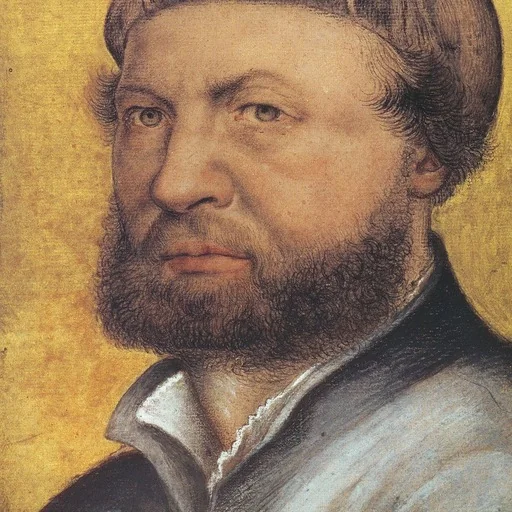
Hans Holbein the Younger (UK: HOL-byne, US: HOHL-byne, HAWL-; German: Hans Holbein der Jüngere; c.

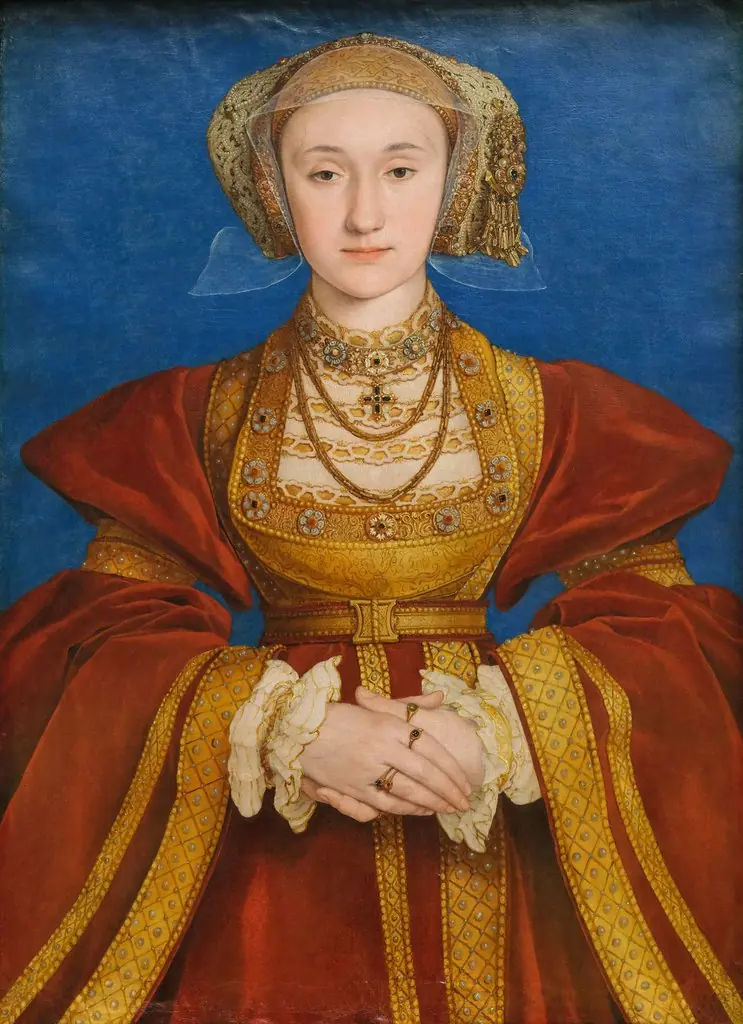 Betrothal portrait of Anne of Cleves
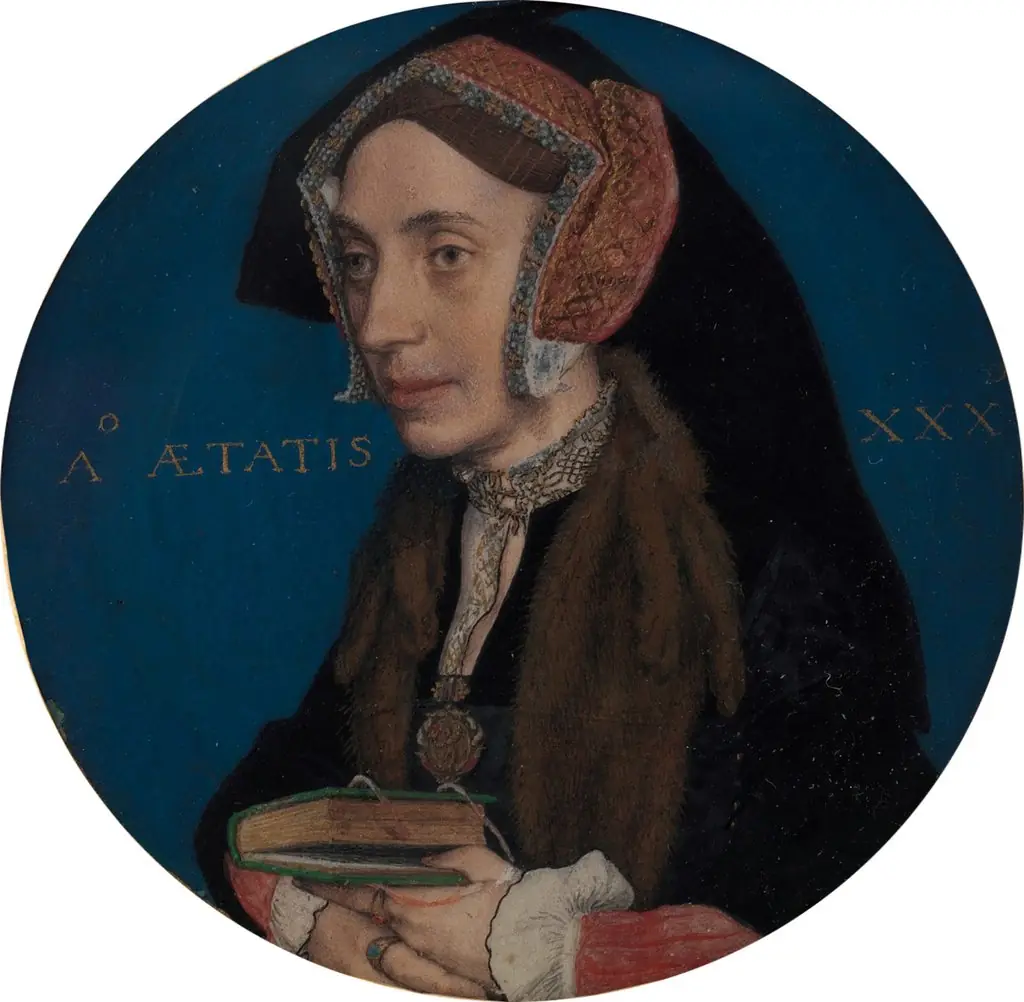
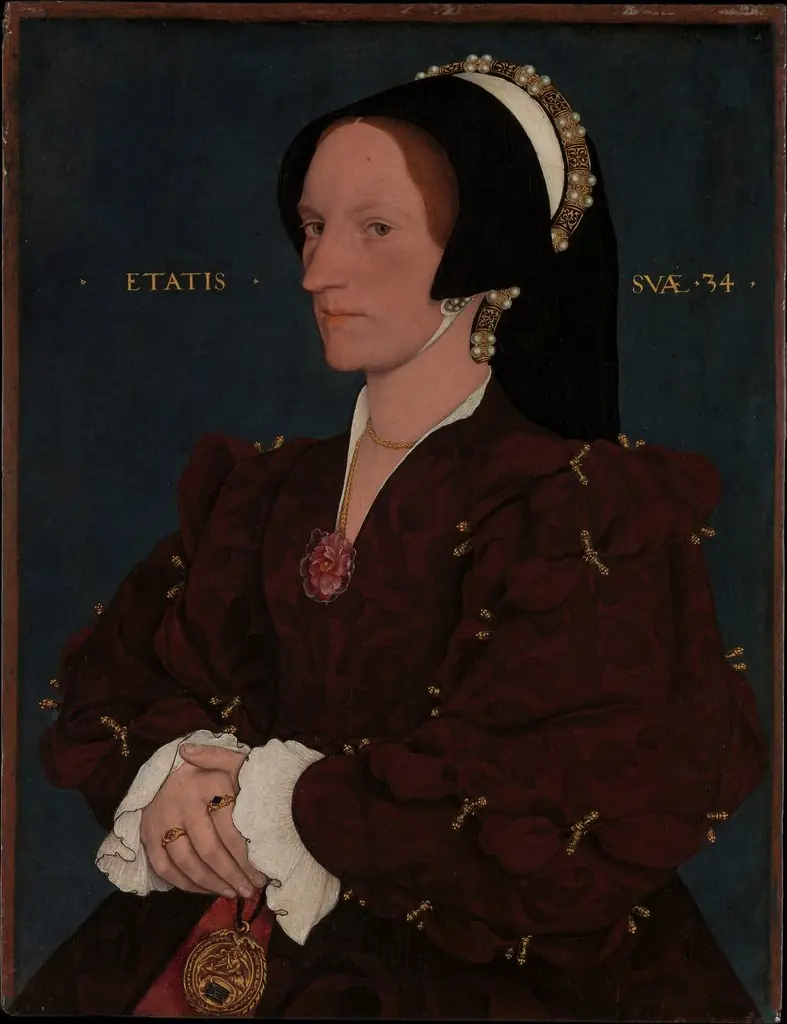 Lady Lee (Margaret Wyatt, born about 1509)
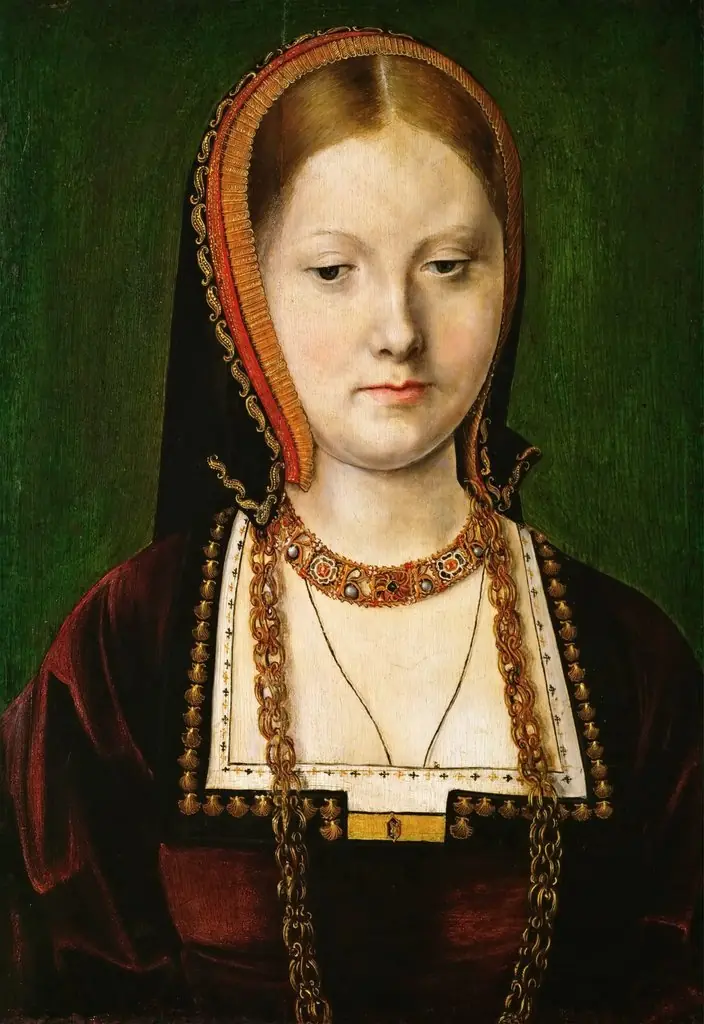 Mary Rose Tudor (1496-1533), Schwester Heinrichs VIII. von England (?)
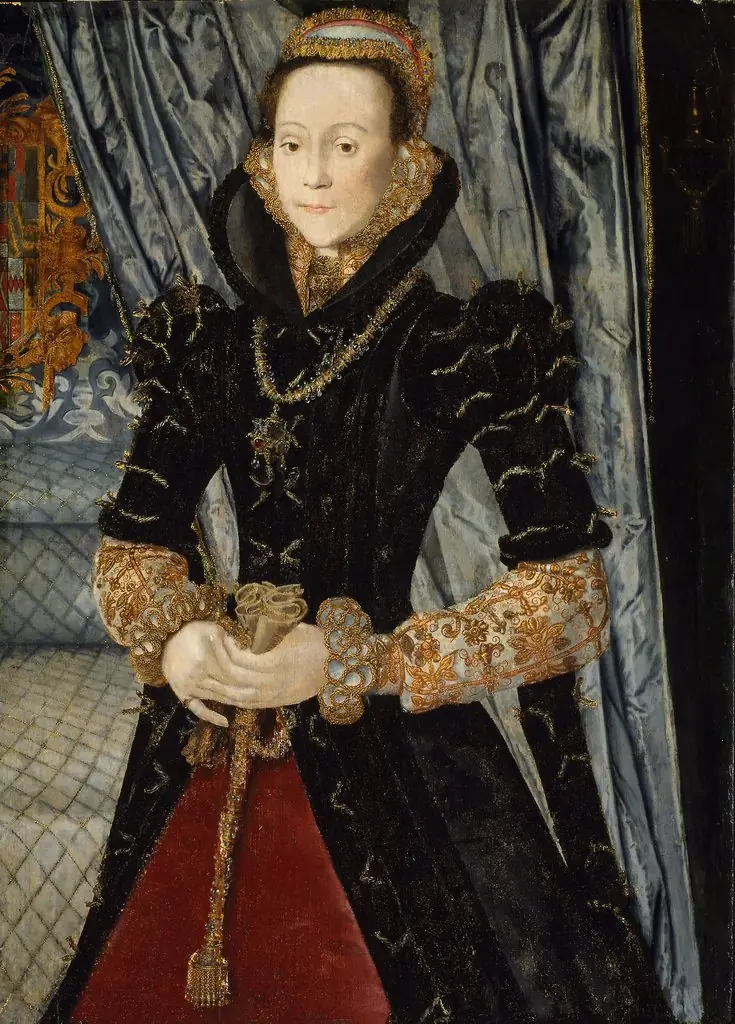 Portrait of a Lady of the Wentworth Family (Probably Jane Cheyne)
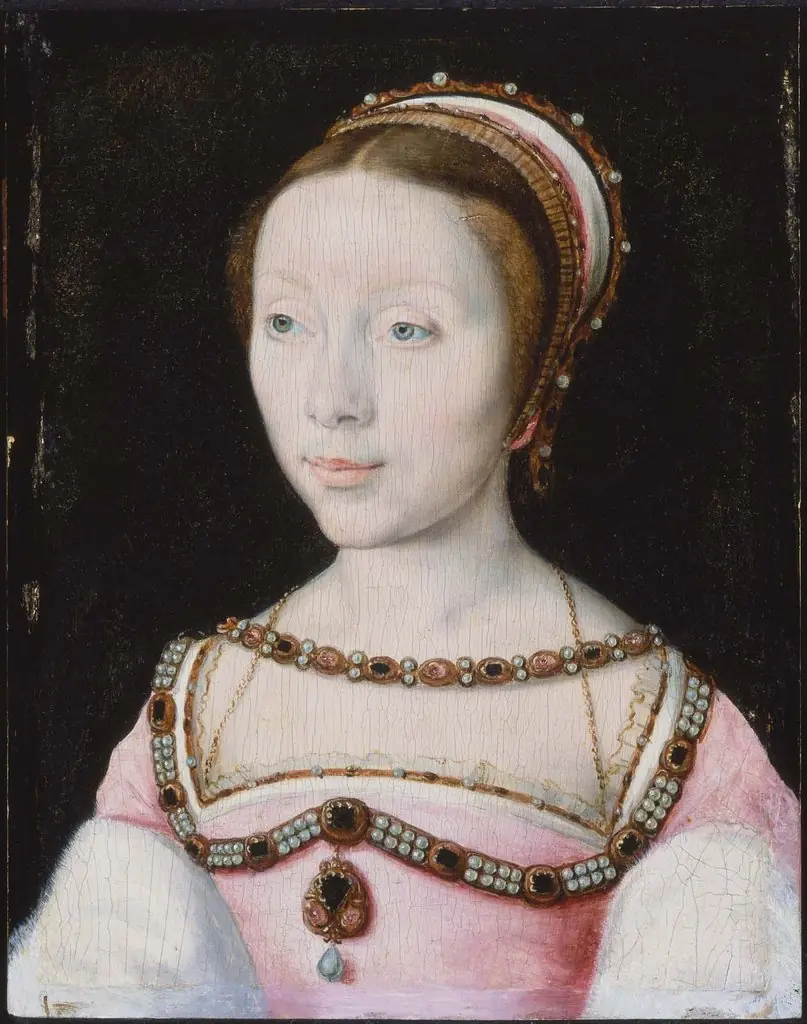 Françoise de Longwy
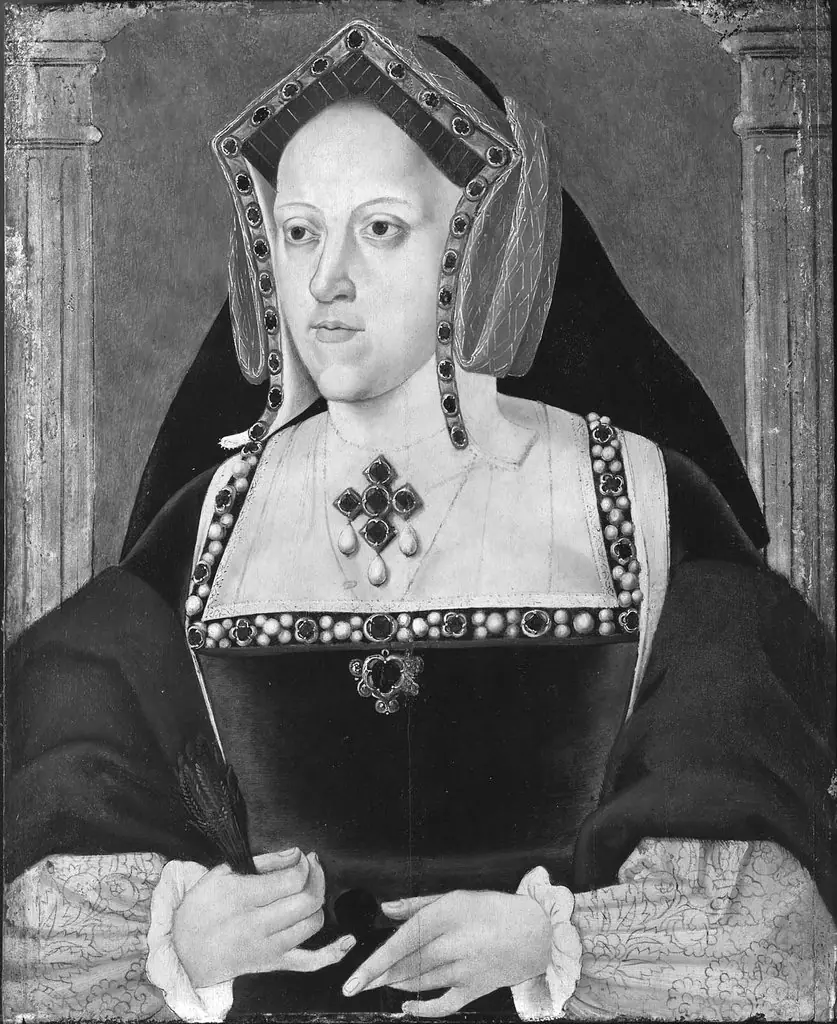 Katharina von Aragon
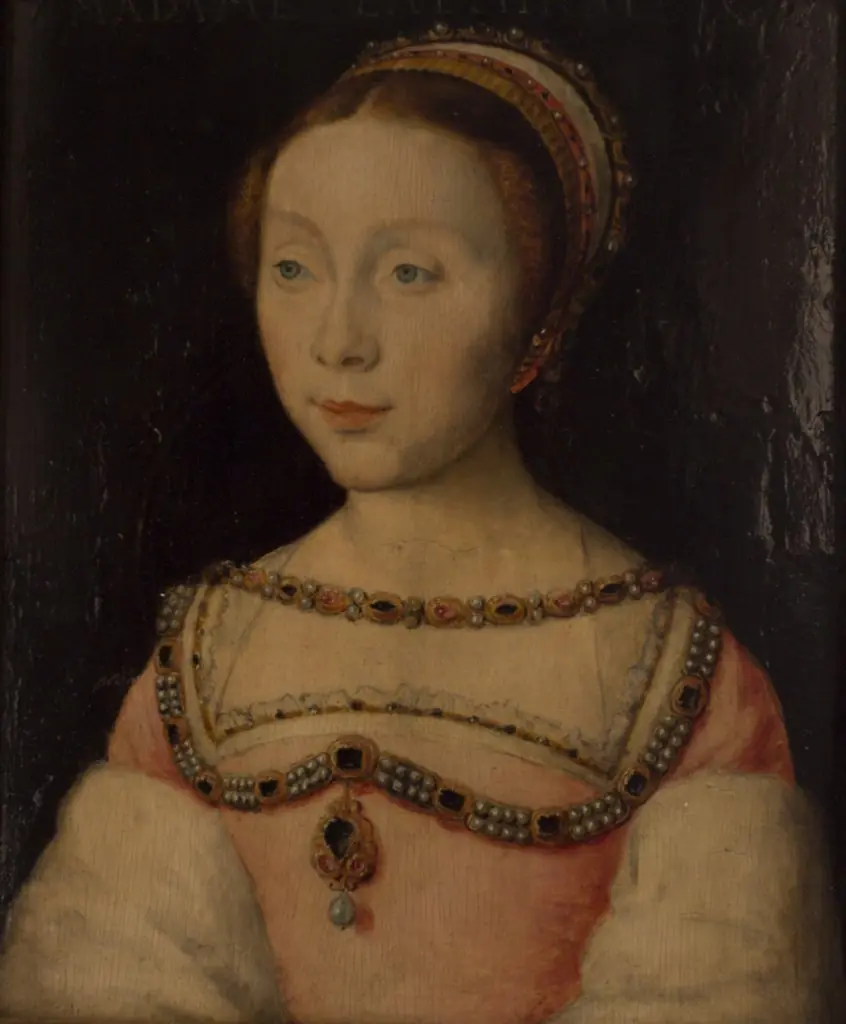 Françoise de Longwy, Countess of Chabot
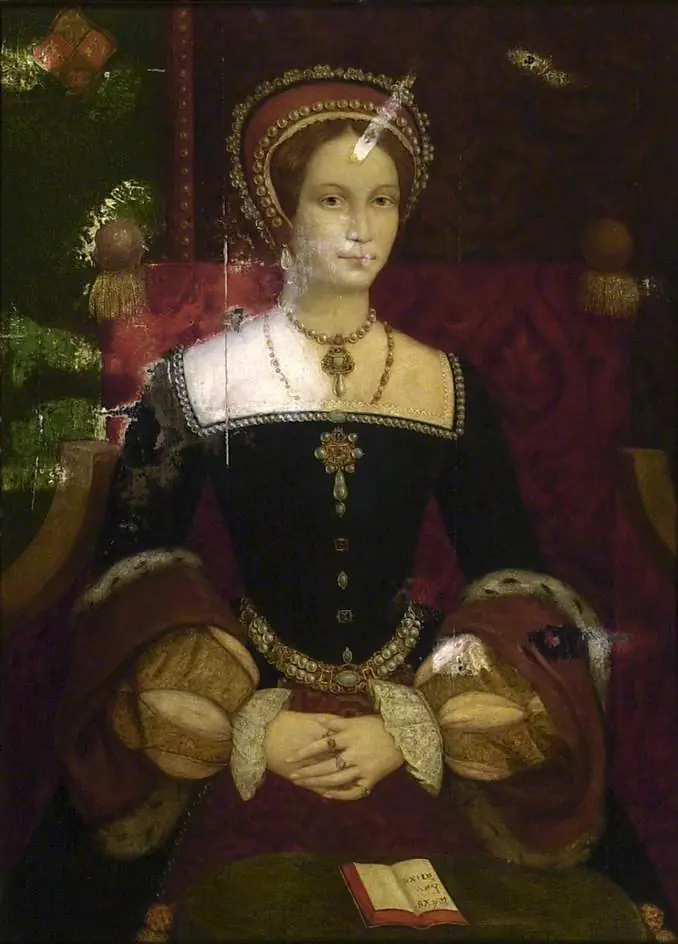 Princess Mary Tudor
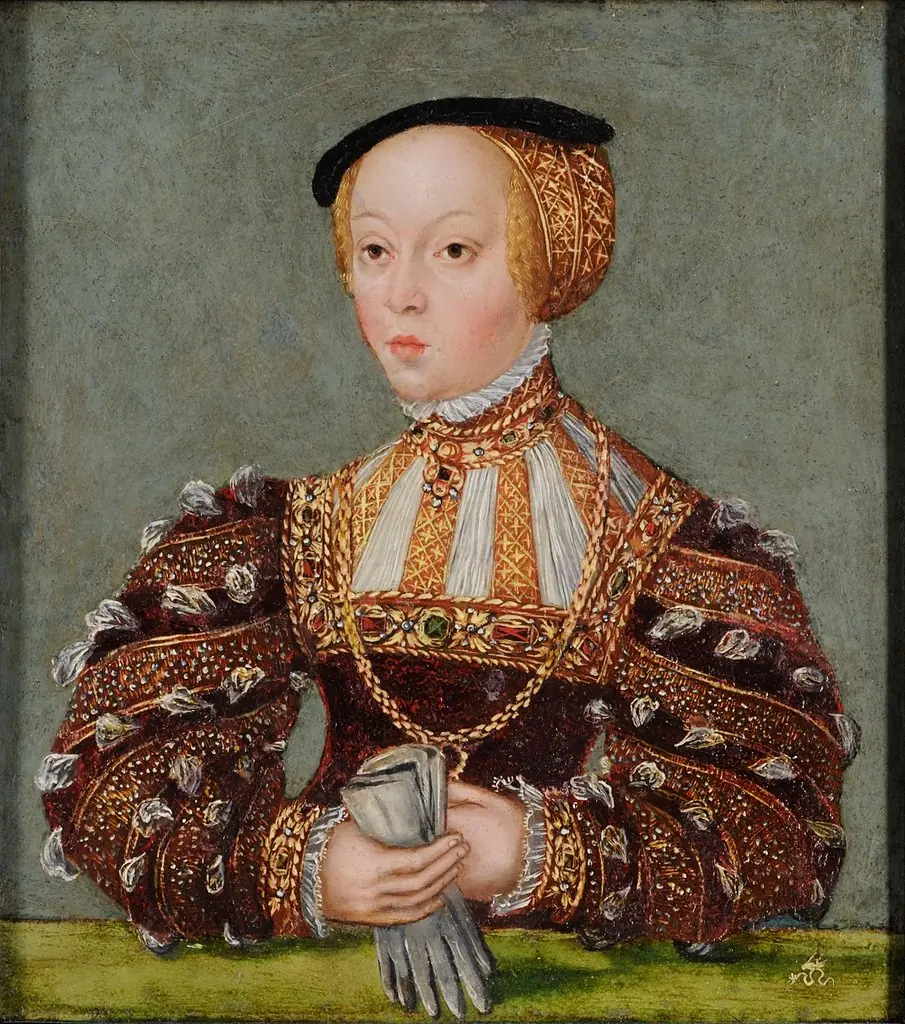 Elisabeth of Austria
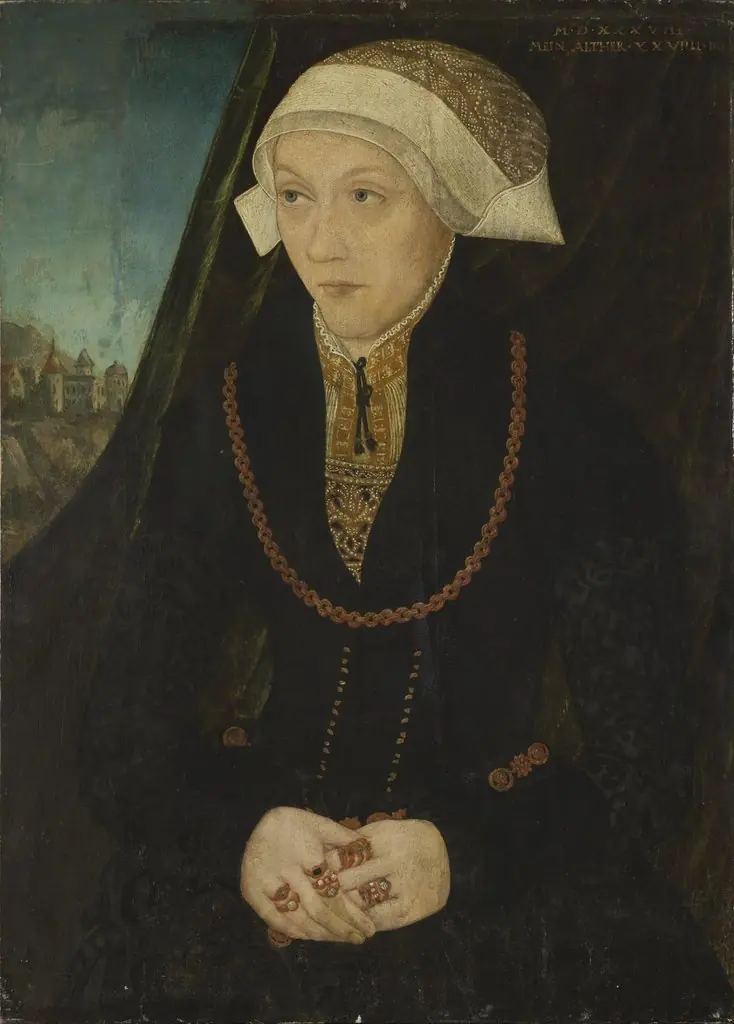 Portrait of a woman
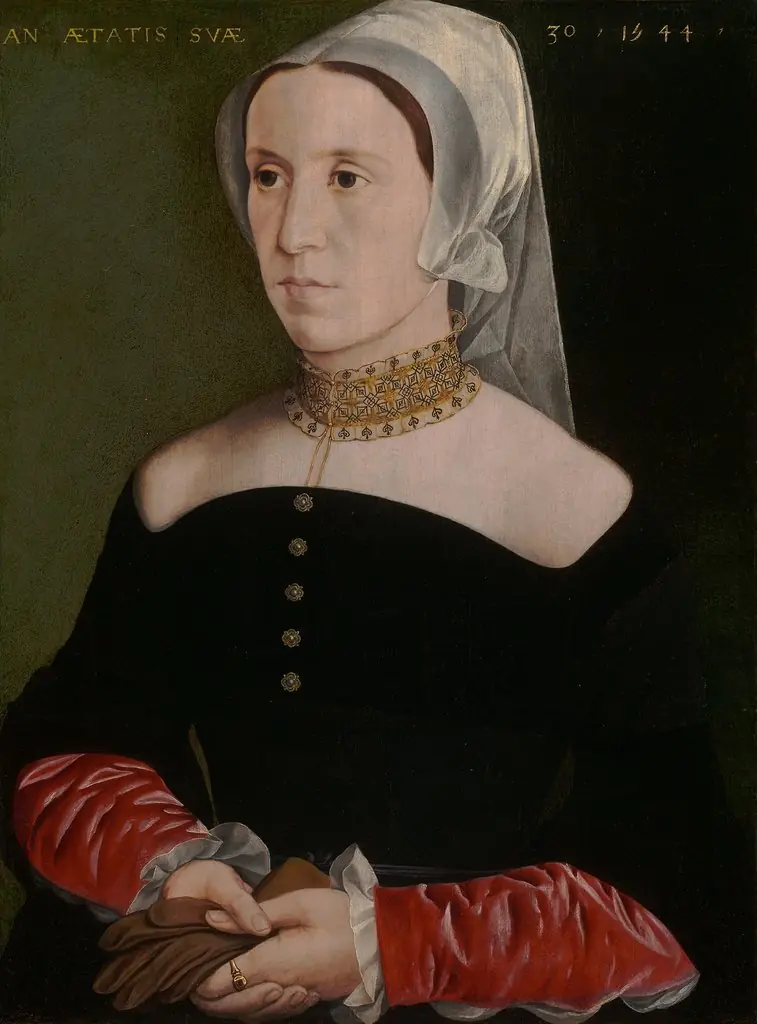 Portrait of a Woman
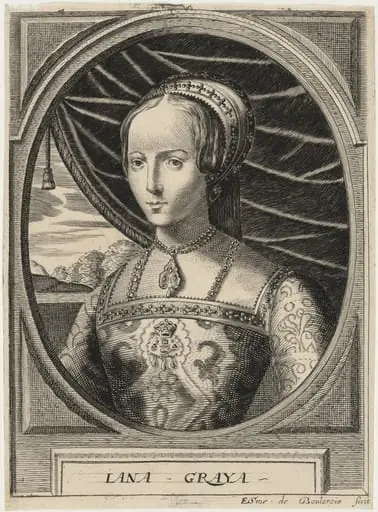 Lady Jane Gray