Artwork
Princess Mary Tudor
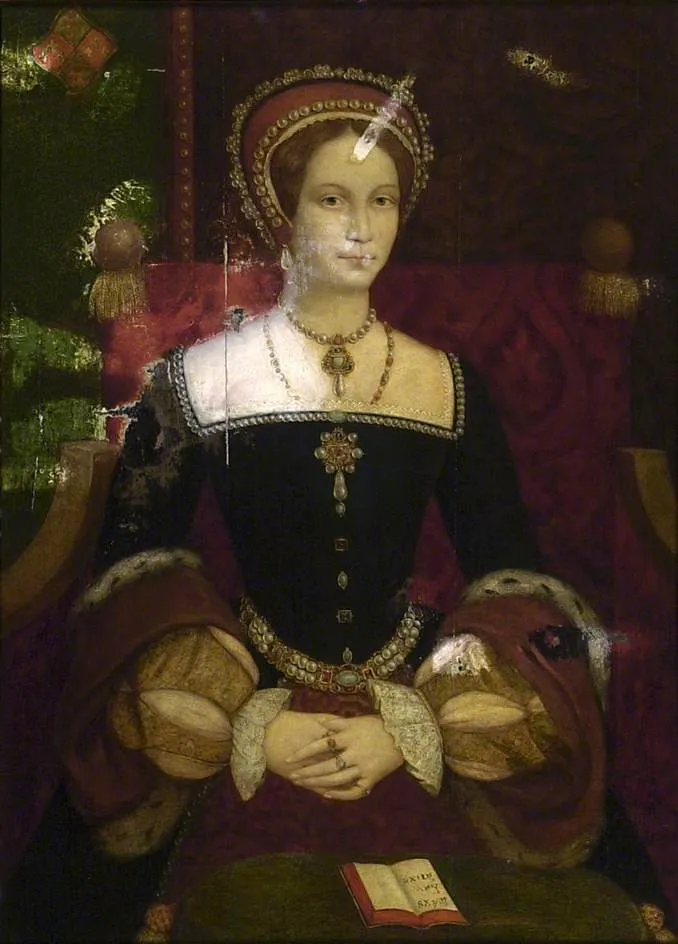
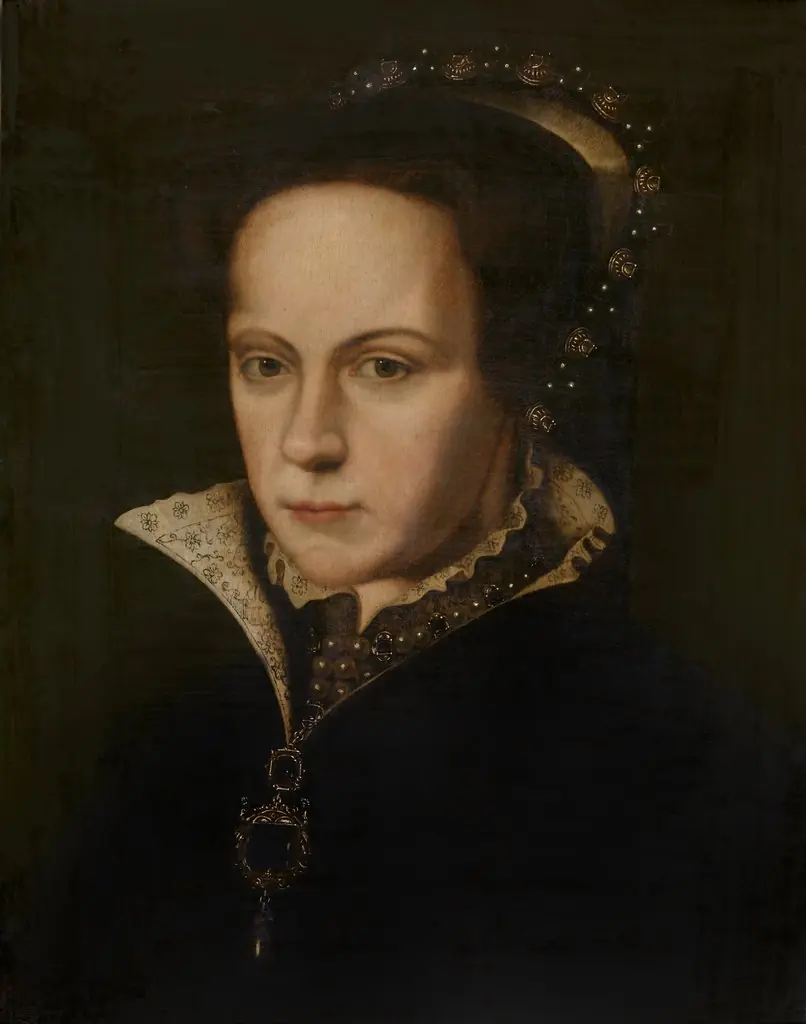
Princess Mary Tudor is an oil painting by Unknown. It dates from 1830 and is held in the collection of the Ashmolean Museum.
About this work
Overview
This oil painting portrays Princess Mary Tudor, daughter of Henry VIII, in formal attire against a dark background. The composition emphasizes stillness and dignity, with careful attention to her clothing and the book before her. The use of chiaroscuro enhances the three-dimensionality of her figure, grounding the portrait in a quiet sense of authority rather than flamboyance.
Subject & Meaning
Mary is depicted as a learned and solemn noblewoman, seated with an open book that signals intellectual engagement and religious devotion. Her black dress, white collar, and ornate headpiece reflect her status and the conservative dress codes of the English court. The absence of overt symbolism suggests an emphasis on personal gravitas over political messaging.
Technique & Style
The artist employs chiaroscuro to model the princess’s form, creating subtle transitions between light and shadow that define her face, hands, and garments. The texture of fabric—silk, lace, and metal thread—is rendered with precision, while the dark, unbroken background isolates her figure, focusing attention on her presence and attire.
History & Provenance
The portrait is held by the Ashmolean Museum in Oxford, where it has been part of the collection since the 19th century. Its origins trace to the early 16th century, likely commissioned during Mary’s youth, possibly as a diplomatic or dynastic image. No definitive record of the artist survives, though stylistic traits align with court painters of the period.
Context
Painted during the reign of Henry VIII, the portrait reflects the Tudor emphasis on lineage and piety. Mary’s image as a learned princess aligned with humanist ideals promoted among royal women. The restrained palette and formal pose contrast with the more flamboyant styles emerging in continental courts, underscoring England’s distinct aesthetic at the time.
Legacy
The portrait remains a key visual record of Mary Tudor before her ascension to the throne. Its quiet intensity offers insight into how royal women were represented in early Tudor England—not as symbols of power through spectacle, but through composed dignity and intellectual presence. It continues to inform scholarly understanding of courtly portraiture in the period.
Artist & collection

 Domestic Scene
 Giacomo and Cardinal Marco, investing Andrea, Abbot of San Zeno, with his Benefice
 The Nymph of Fontainebleau
 Portrait of a Woman
 Madonna and Child with Saints in the Enclosed Garden
 Venus and Minerva
 Family Group of Four on Sofa
 Wall painting from Room H of the Villa of P. Fannius Synistor at Boscoreale
 Françoise de Longwy, Countess of Chabot
 Lady Lee (Margaret Wyatt, born about 1509)
 Jane Seymour
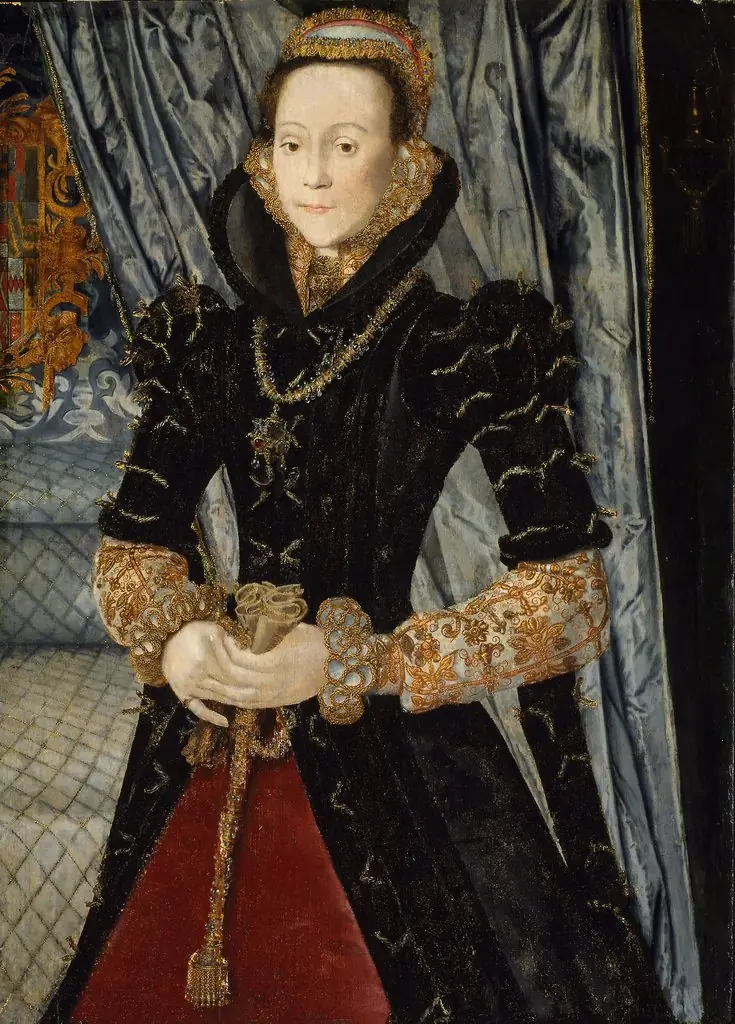 Portrait of a Lady of the Wentworth Family (Probably Jane Cheyne)
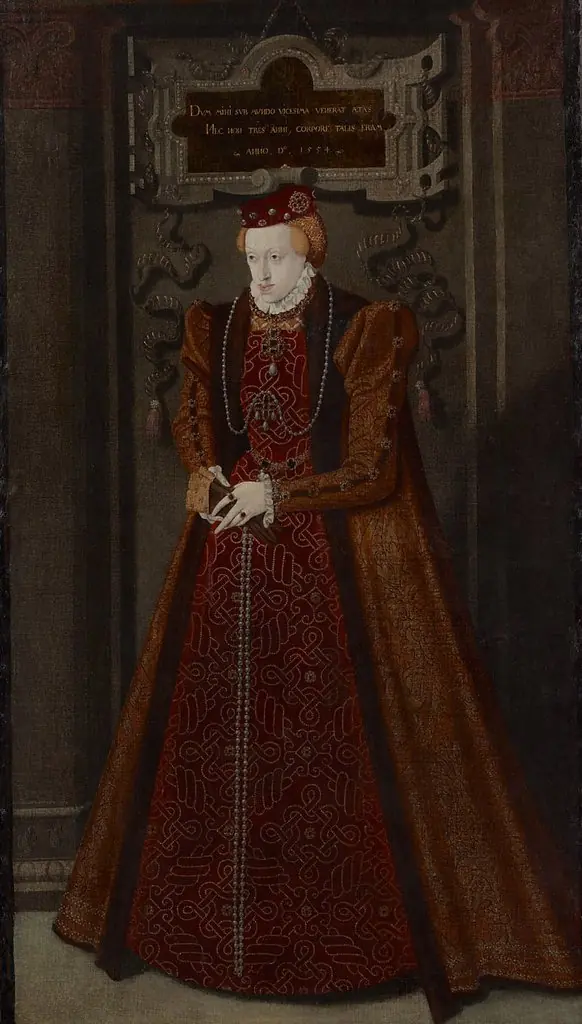 Erzherzogin Maria (1531-1581), Herzogin von Jülich - Cleve - Berg, Bildnis in ganzer Figur
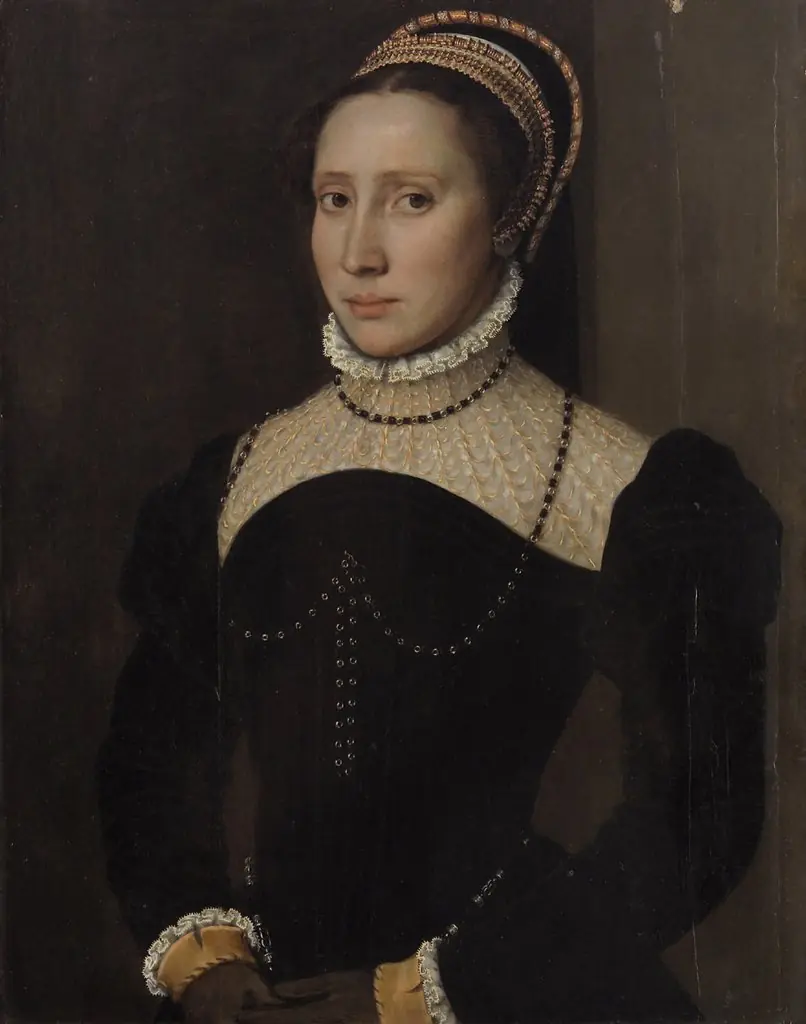 Weibliches Bildnis
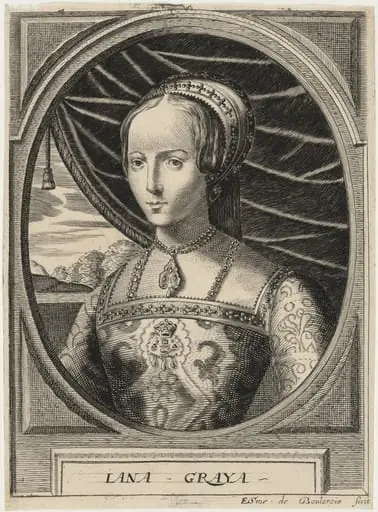 Lady Jane Gray
 Betrothal portrait of Anne of Cleves
 Portrait of a Woman
 Elizabeth Woodville, Queen of Edward IV
 Portrait of Louise de Halluin, dame de Cipierre
 Mary Tudor