Artwork
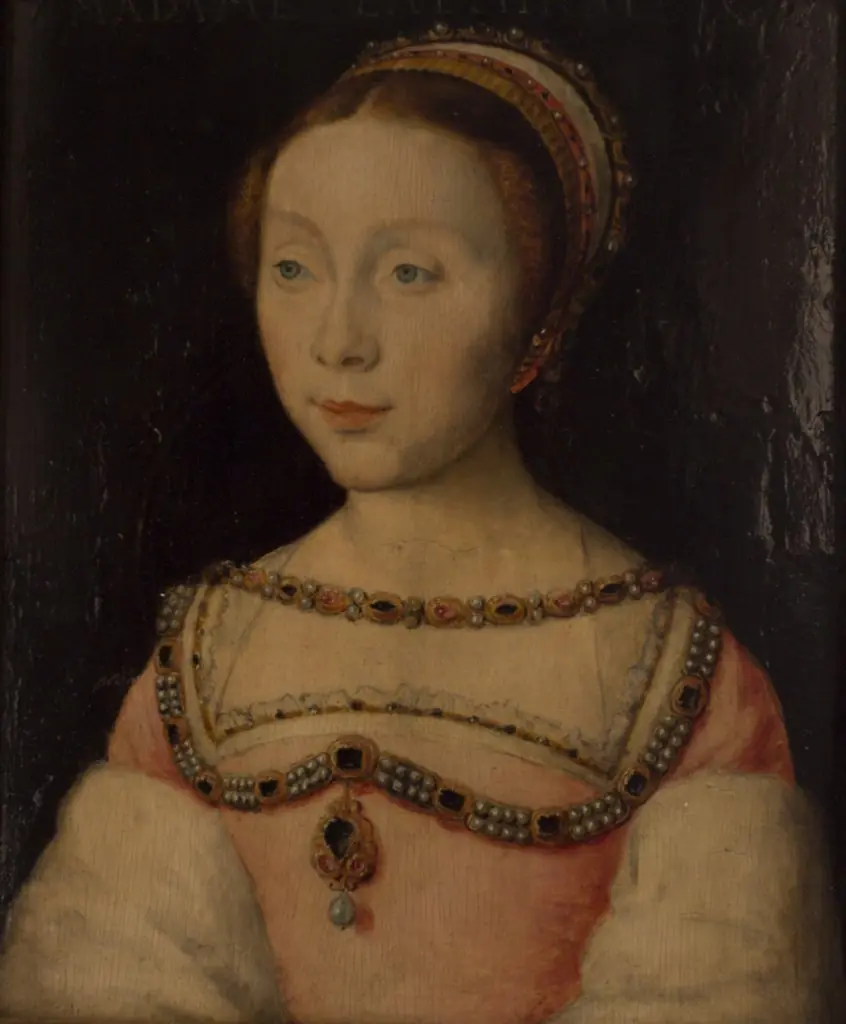
Mary Rose Tudor (1496-1533), Schwester Heinrichs VIII. von England (?)
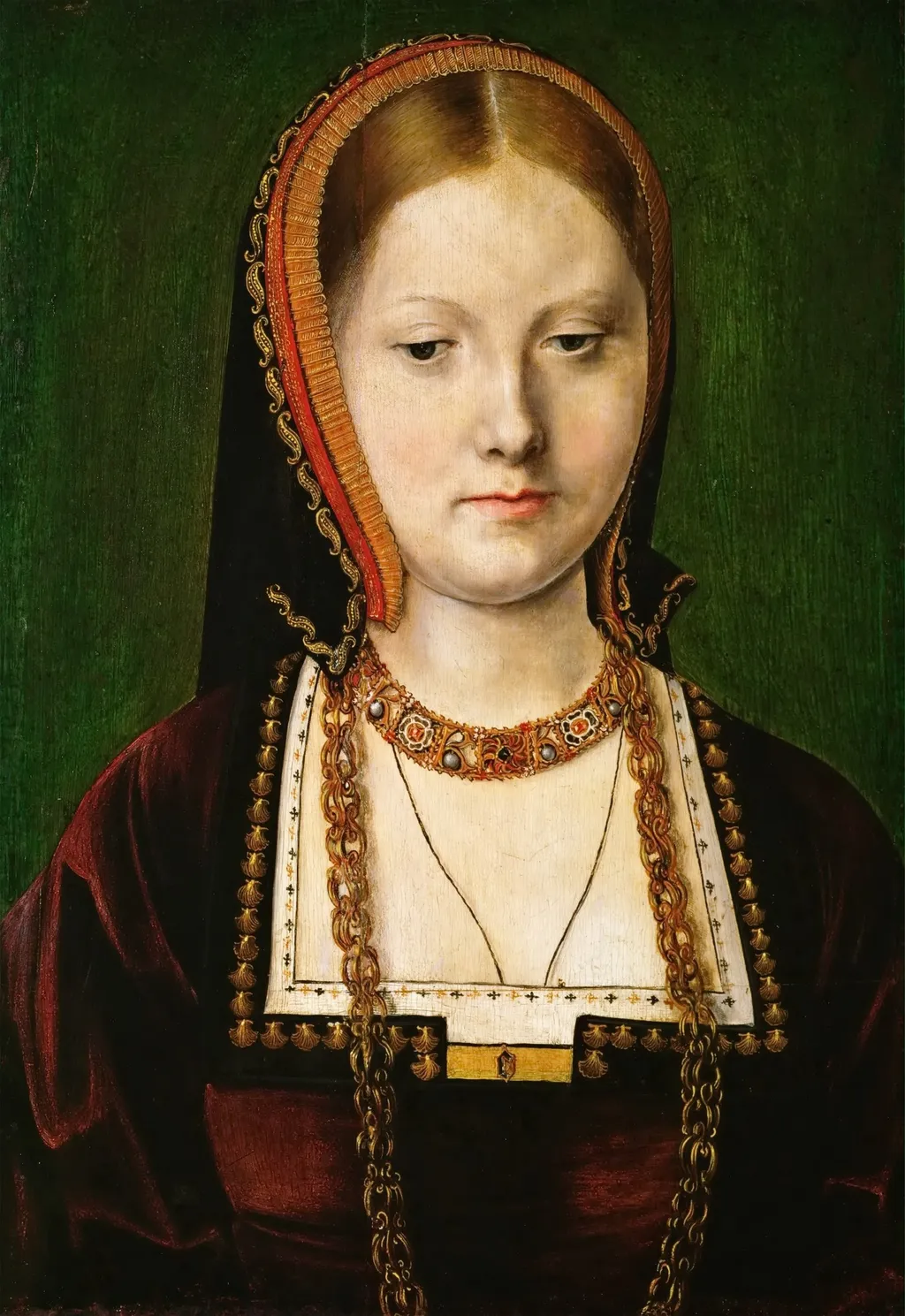
Mary Rose Tudor (1496-1533), Schwester Heinrichs VIII. von England (?) is an oil painting by the Early Baroque Italian artist Unknown. It dates from 1550 and is held in the collection of the Kunsthistorisches Museum. The portrait depicts a woman in elaborate Tudor attire, rendered in oil on canvas.
About this work
Overview
The portrait depicts a woman in elaborate Tudor attire, rendered in oil on canvas. She is presented against a muted dark‑green backdrop, her serene expression illuminated by soft, diffused light that highlights the smoothness of her skin and the sheen of her garments.
Subject & Meaning
The sitter is identified as Mary Rose Tudor (1496‑1533), possibly linked to the sister of Henry VIII of England. Her attire—white collar edged in gold, a red hood, and a beaded necklace—signals high status and may reflect courtly fashion or a commemorative intent.
Technique & Style
The artist employed layered glazing to achieve depth, allowing light to penetrate successive translucent pigments. This method produces a luminous quality in the flesh tones and a subtle interplay of highlights on the gold‑trimmed collar and the intricate chain of the necklace.
History & Provenance
Attributed to the early 16th‑century English court, the work has been catalogued under the title "Schwester Heinrichs VIII. von England" in German collections. Its provenance traces through private holdings before entering a museum context, though precise ownership records remain limited.
Context
During the Tudor period, portraiture served both personal commemoration and political display. The sumptuous fabrics and jewelry in the painting reflect contemporary expectations of aristocratic display, while the restrained composition aligns with emerging Renaissance influences in England.
Legacy
Although not widely reproduced, the portrait contributes to the visual record of Tudor court dress and the representation of female members of Henry VIII’s family, offering scholars material for studies of fashion, identity, and early English portraiture.
Artist & collection

 Domestic Scene
 Giacomo and Cardinal Marco, investing Andrea, Abbot of San Zeno, with his Benefice
 The Nymph of Fontainebleau
 Portrait of a Woman
 Madonna and Child with Saints in the Enclosed Garden
 Venus and Minerva
 Family Group of Four on Sofa
 Wall painting from Room H of the Villa of P. Fannius Synistor at Boscoreale
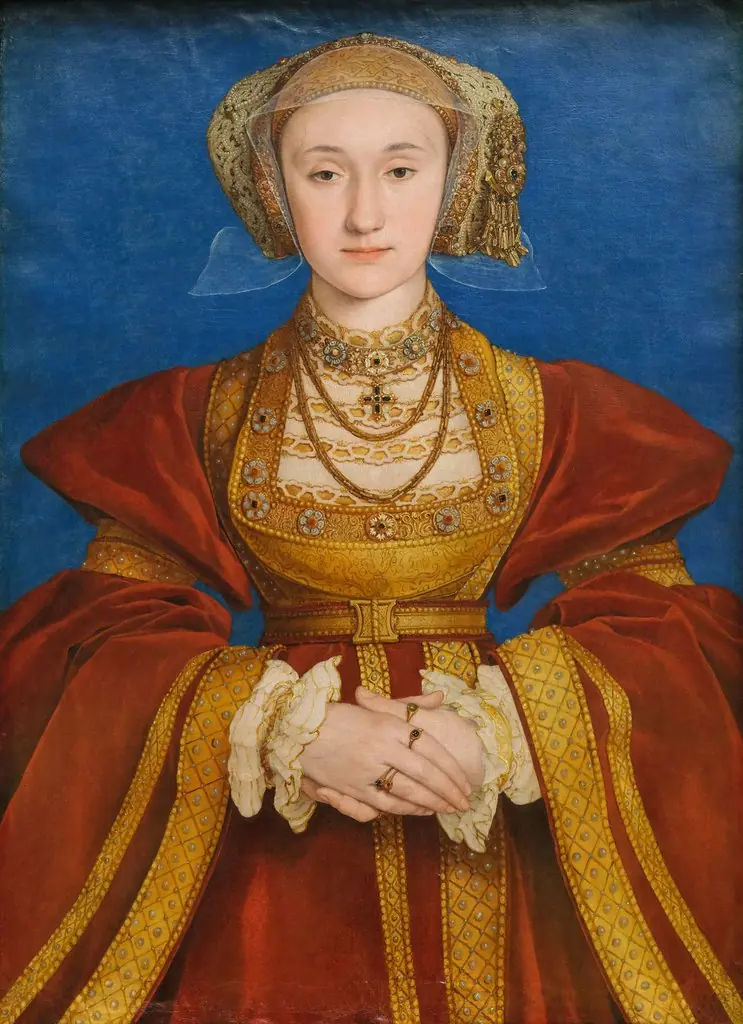 Betrothal portrait of Anne of Cleves
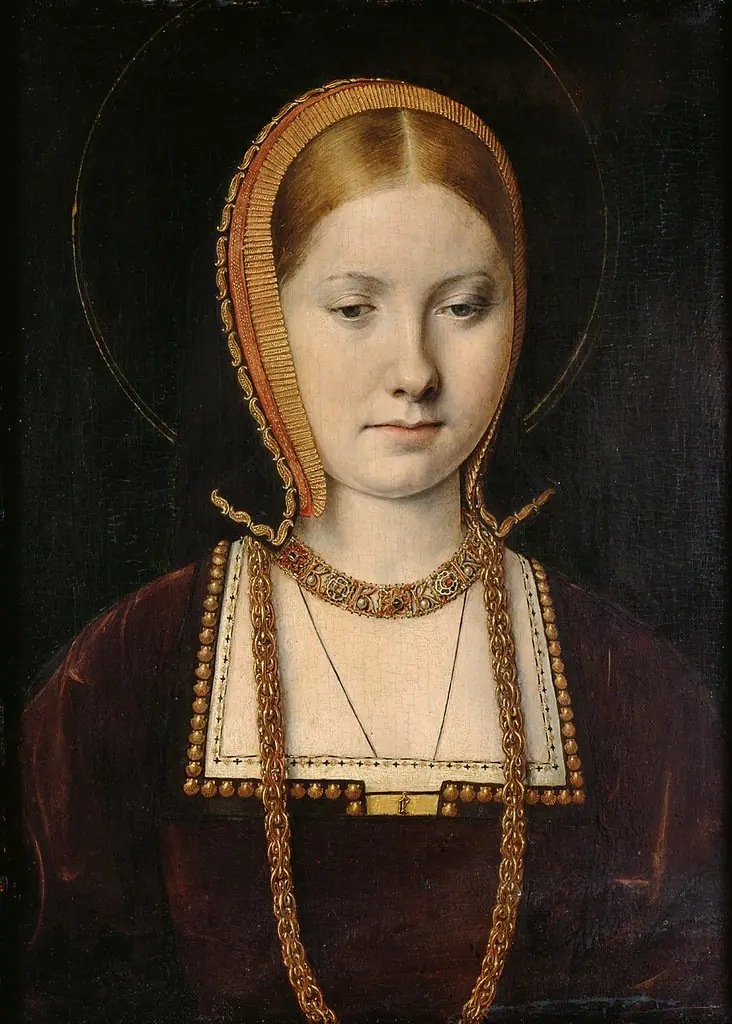 Mary Rose Tudor, sister of Henry the Eighth of England
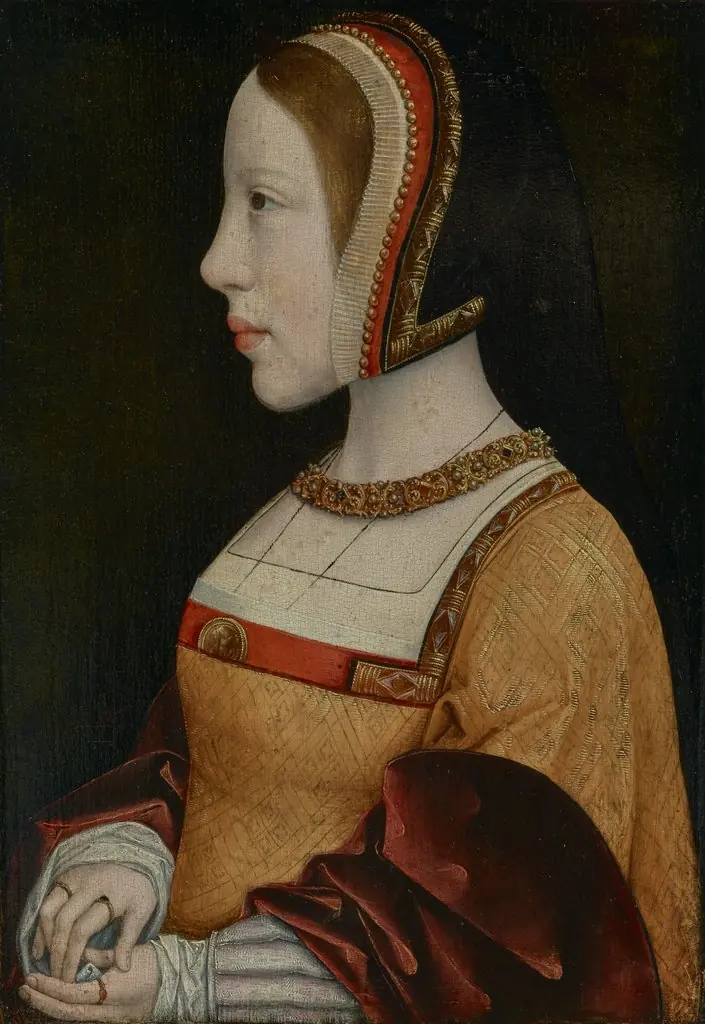 Portrait of Isabella of Austria (1501–1526)
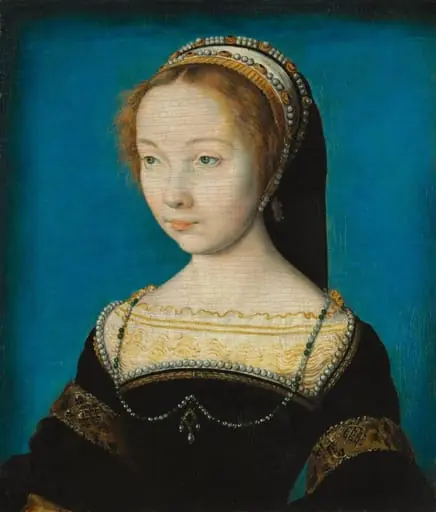 Portrait of a Woman
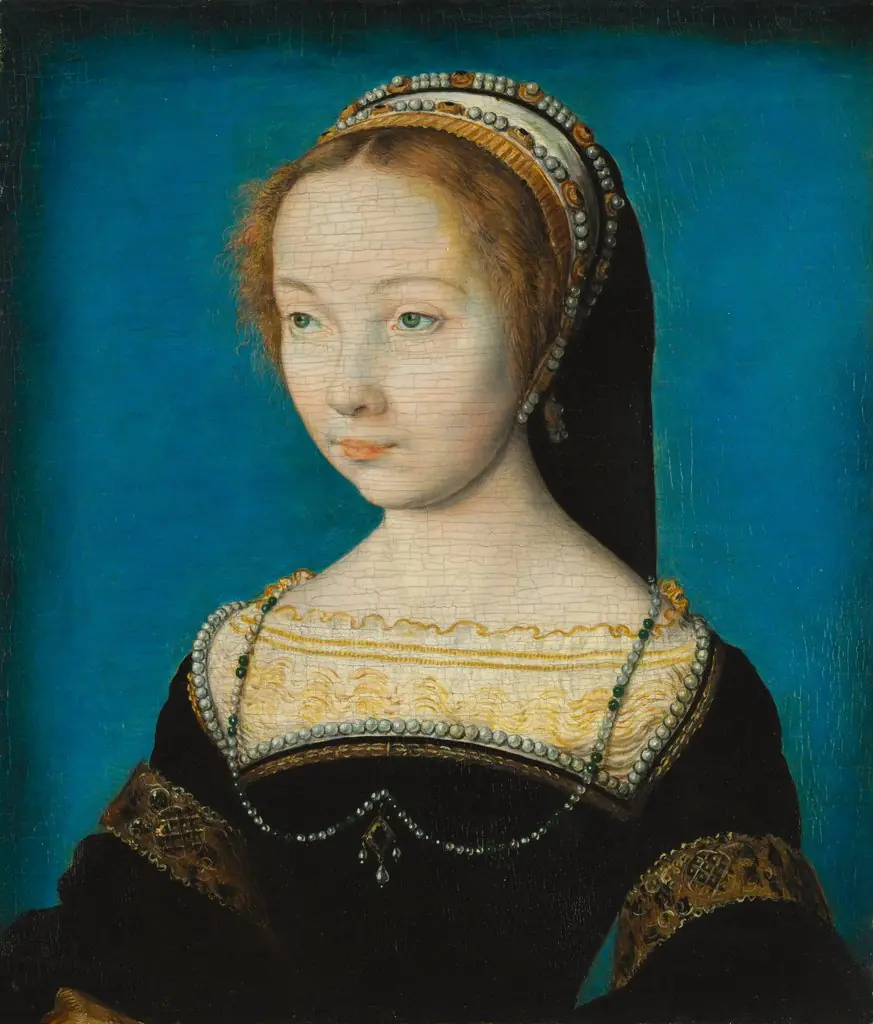 Portrait of a Woman
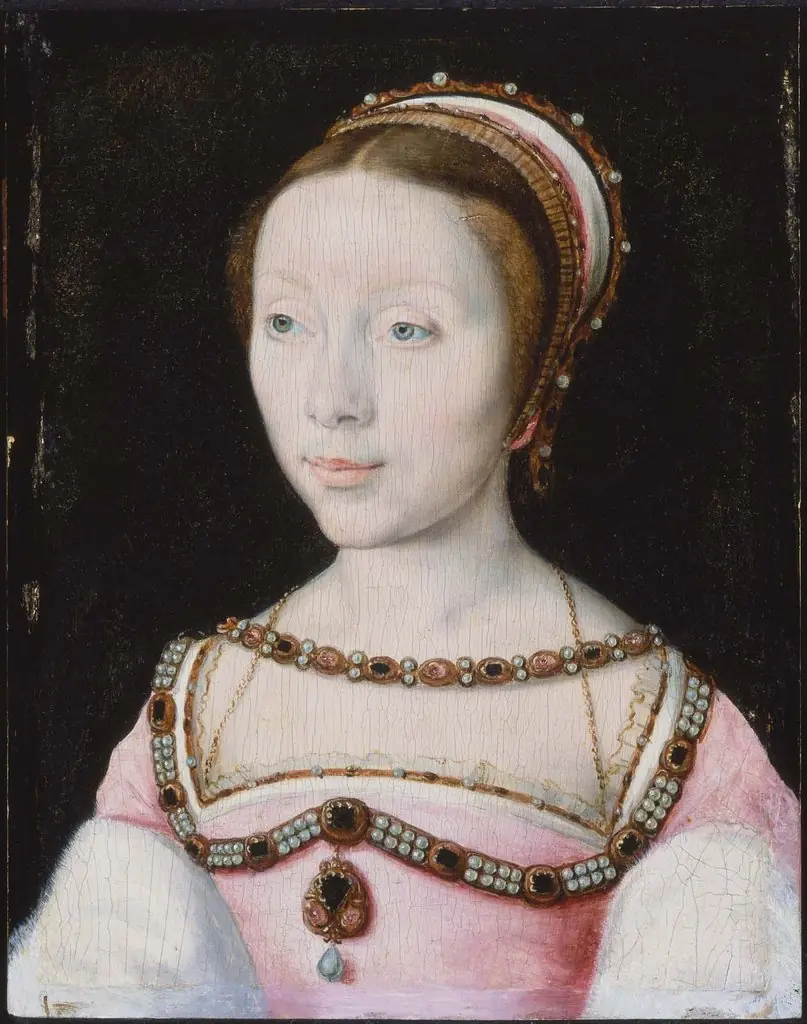 Françoise de Longwy
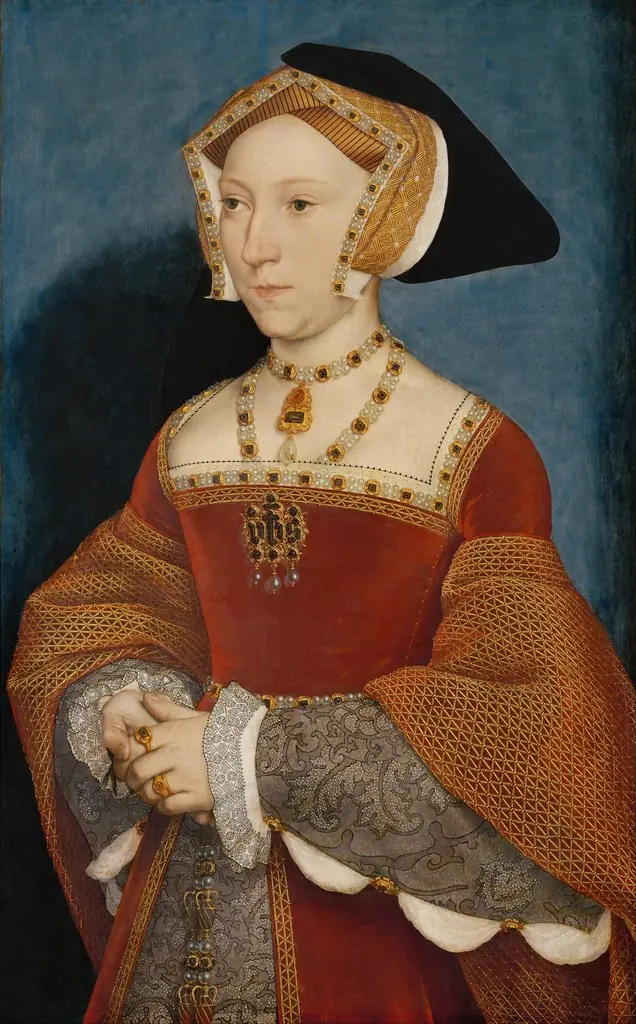 Jane Seymour
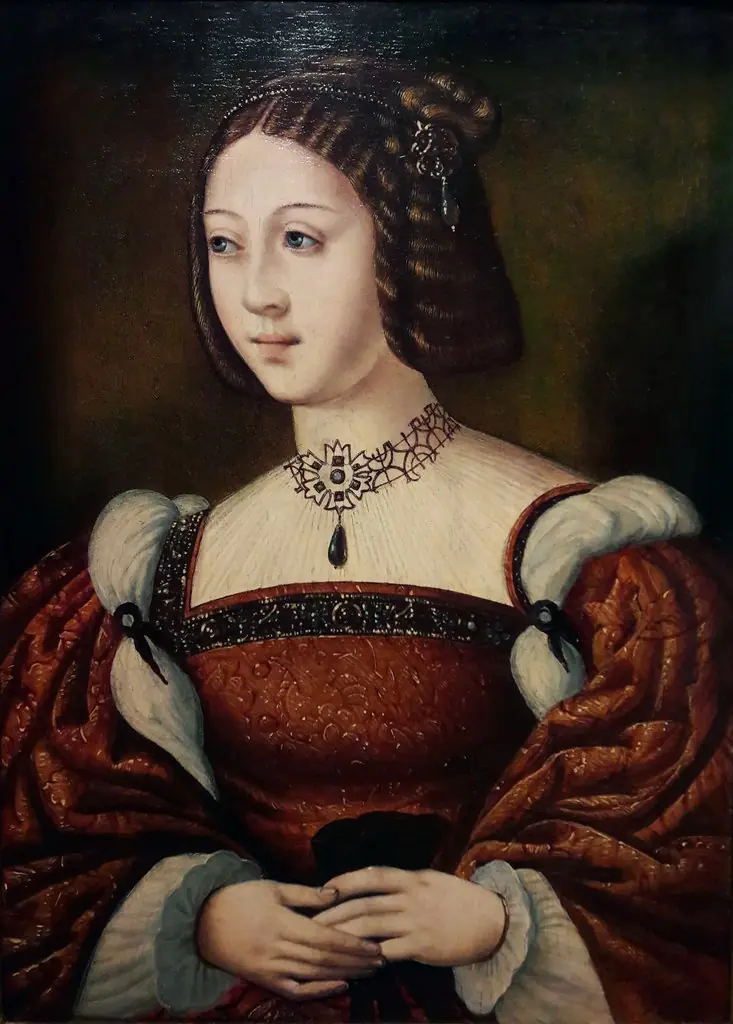 Portrait of Isabella of Portugal (1503-1539).
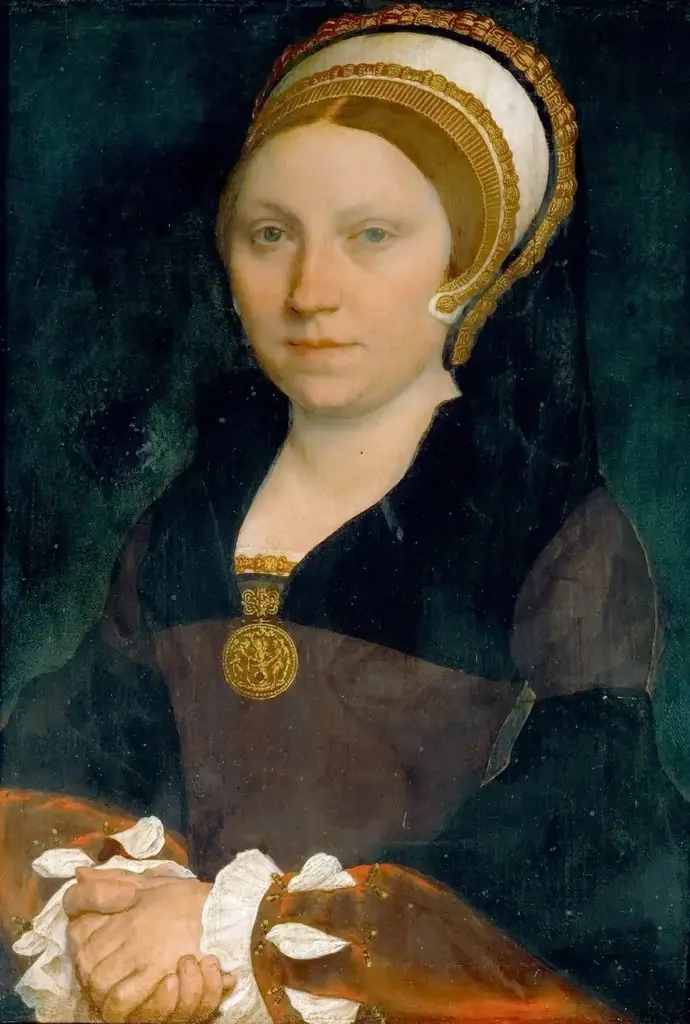 Portrait of an English lady
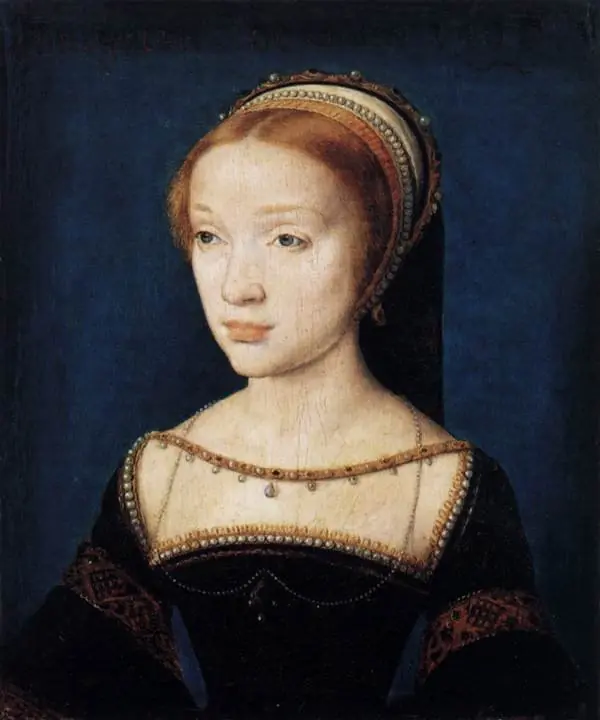 Jacqueline de Rohan
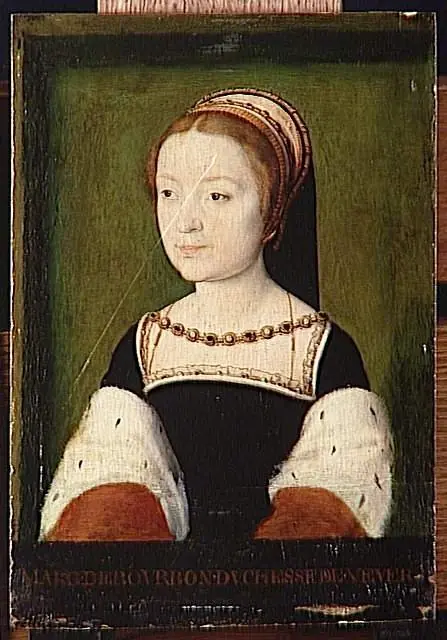 Madeleine of France, Queen of Scots (1520-1537)
 Françoise de Longwy, Countess of Chabot