Artwork
Portrait of a Nobleman with a Hawk
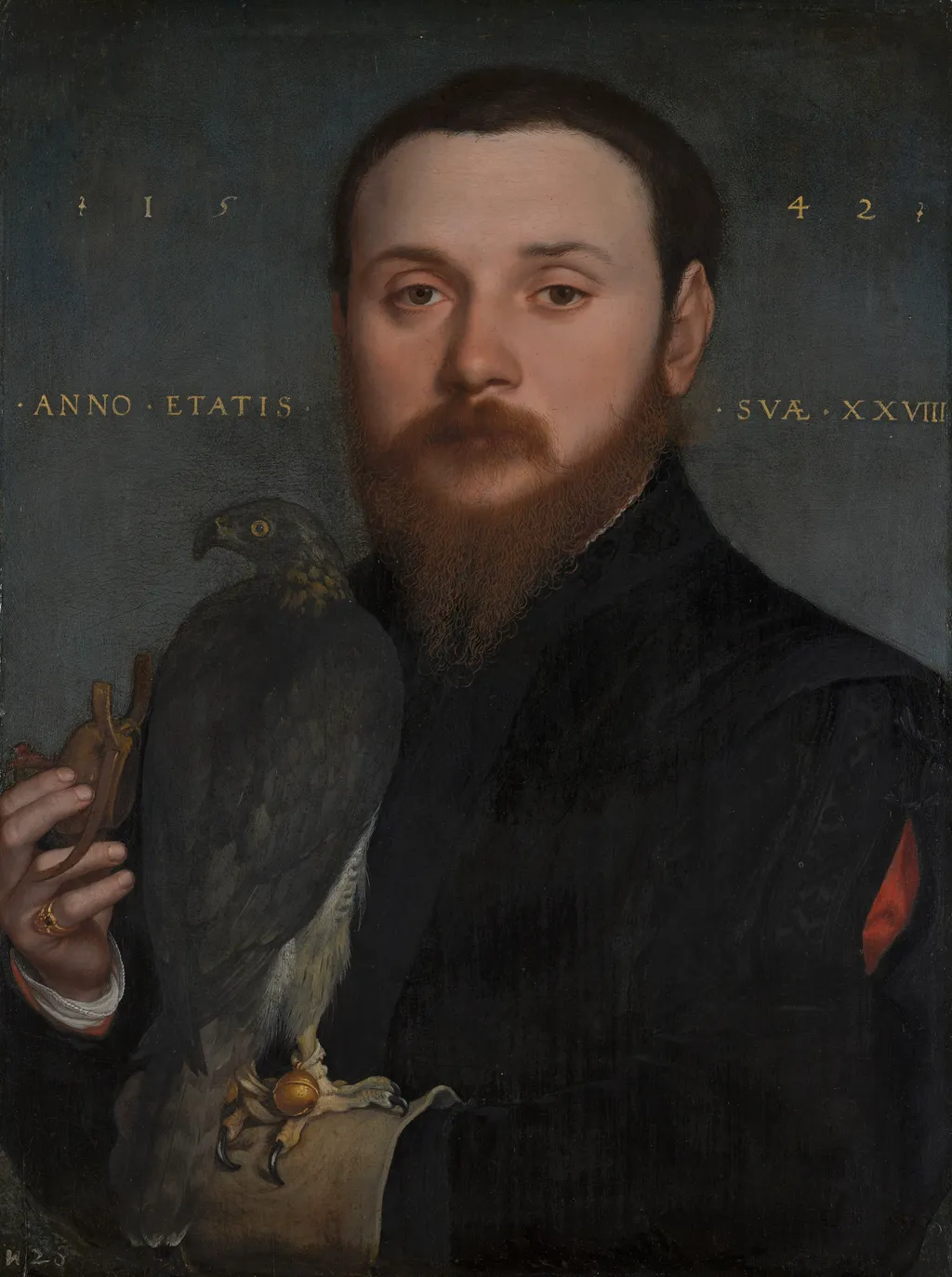
Portrait of a Nobleman with a Hawk is an oil painting by the Northern Renaissance artist Hans Holbein the Younger. It dates from 1542 and is held in the collection of the Mauritshuis.
About this work
Overview
Created in 1542, this oil painting by Hans Holbein the Younger portrays a young nobleman, identified as twenty‑eight years old, holding a hawk. The sitter looks directly at the viewer, his dark beard and mustache framing a composed expression. The work belongs to the collection of the Mauritshuis in The Hague.
Subject & Meaning
The portrait presents a gentleman in a black doublet and chin curtain, grasping the leg of a raptorial bird whose keen eyes seem to gaze beyond the figure. The inclusion of the hawk, a symbol of aristocratic hunting and status, underscores the sitter’s rank and perhaps his personal interests or family heraldry.
Technique & Style
Holbein employs the precise, detailed approach characteristic of the Northern Renaissance, rendering textures such as the hawk’s feathers and the leather glove with meticulous care. The contrast between the dark garments and the muted background, along with the subtle gleam of a gold ring on the left hand, highlights his skill in rendering materiality.
History & Provenance
Since its completion, the painting has remained within European collections, eventually entering the Mauritshuis. Its attribution to Holbein is supported by stylistic analysis and the artist’s known activity in the early‑mid‑16th century, a period when he produced both court portraits and religious works.
Context
Holbein’s career spanned the Reformation era, during which he served patrons across England and the Holy Roman Empire. This portrait reflects the period’s emphasis on individual identity and status, aligning with the artist’s broader output of dignified, psychologically acute likenesses of the elite.
Own this work as a print
Artist & collection
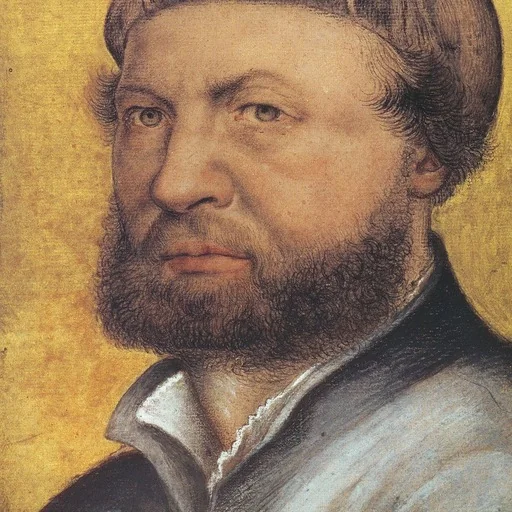
Artist
Hans Holbein the Younger (UK: HOL-byne, US: HOHL-byne, HAWL-; German: Hans Holbein der Jüngere; c.

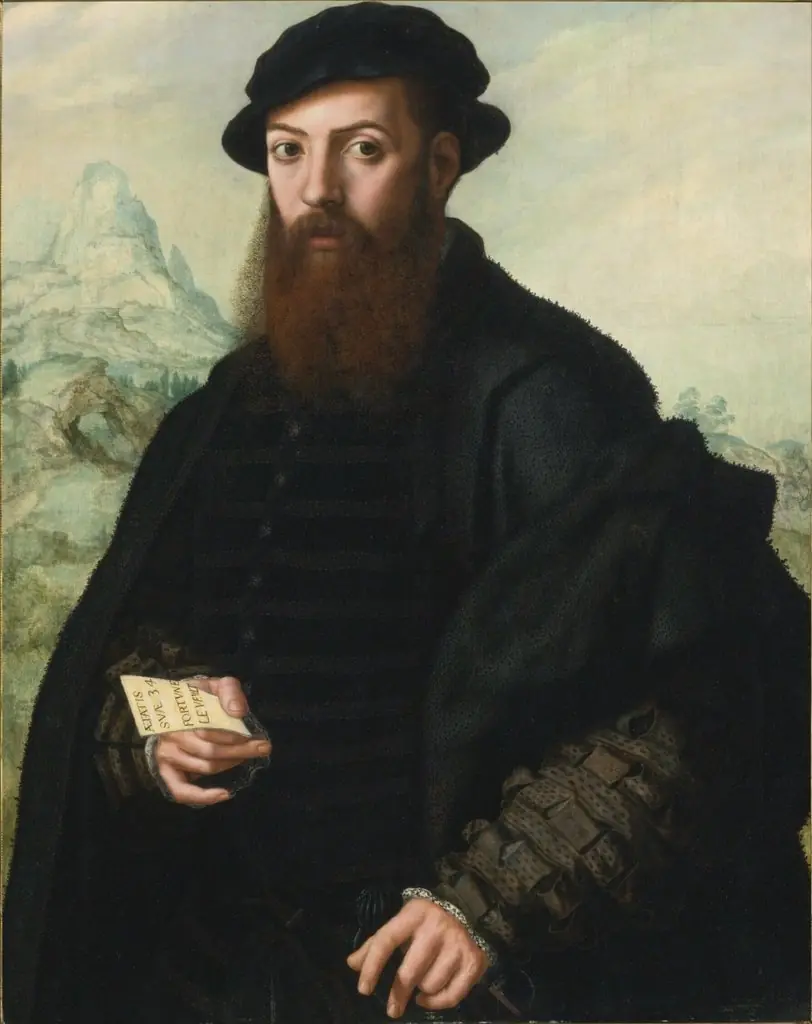 Portrait of a bearded man, aged 34, before an extensive landscape
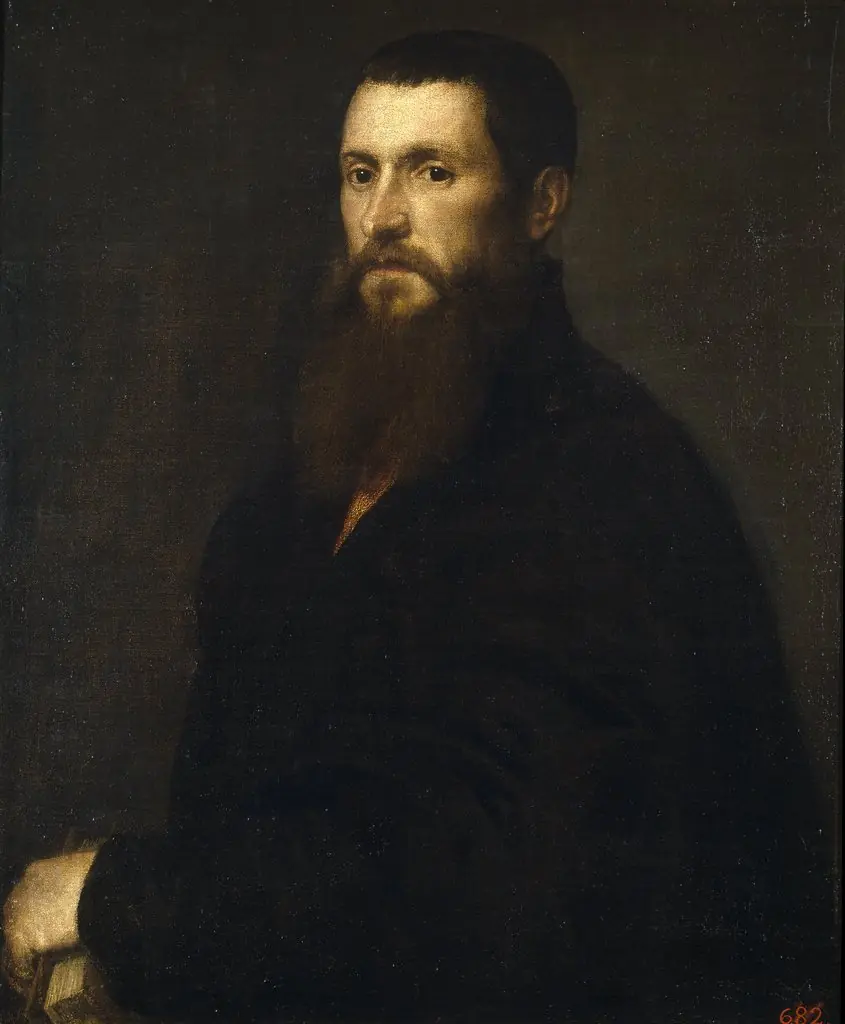 Daniele Barbaro, Patriarch of Aquileia
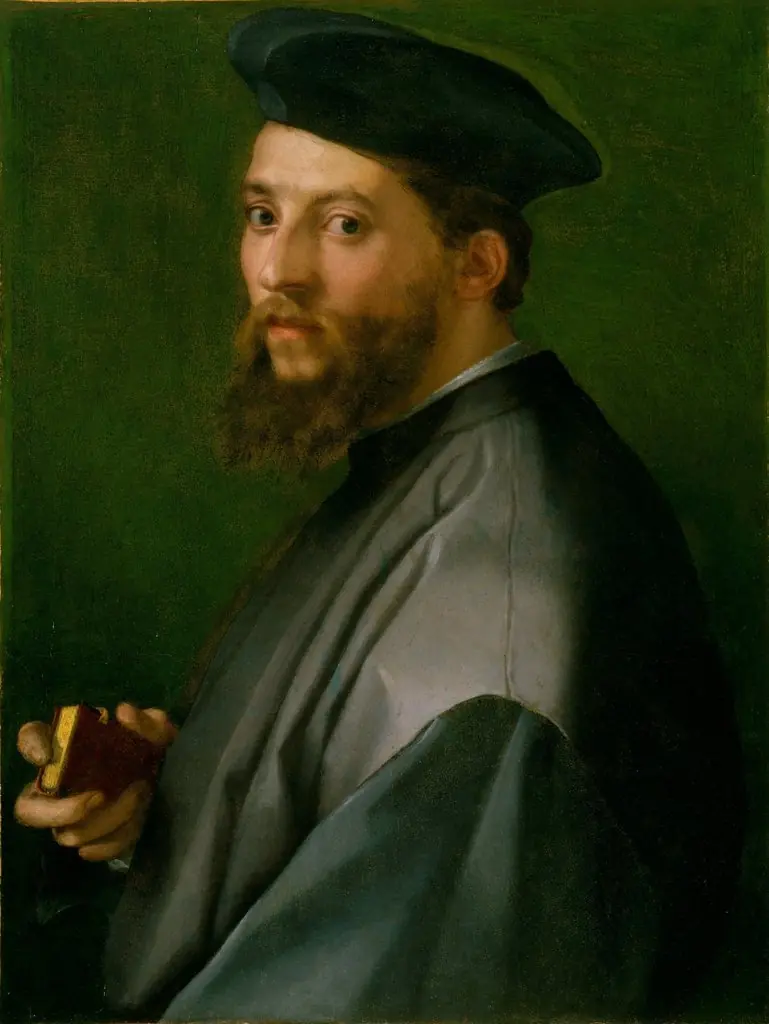 Portrait of a Man
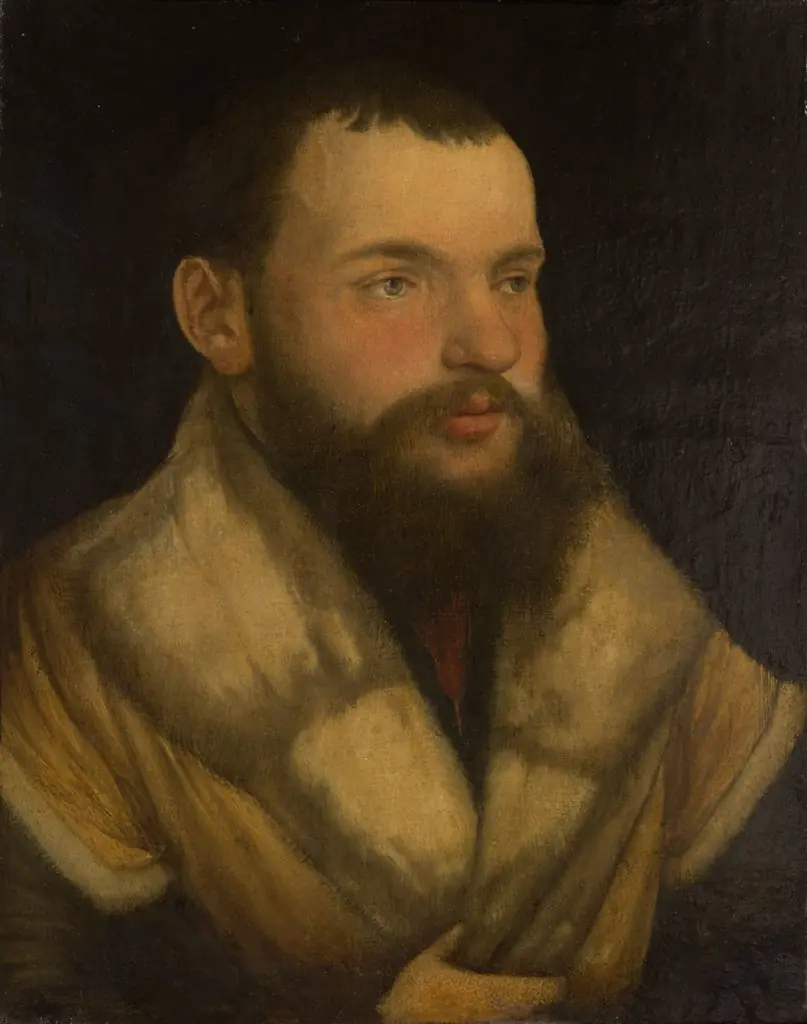 Portrait of a Man
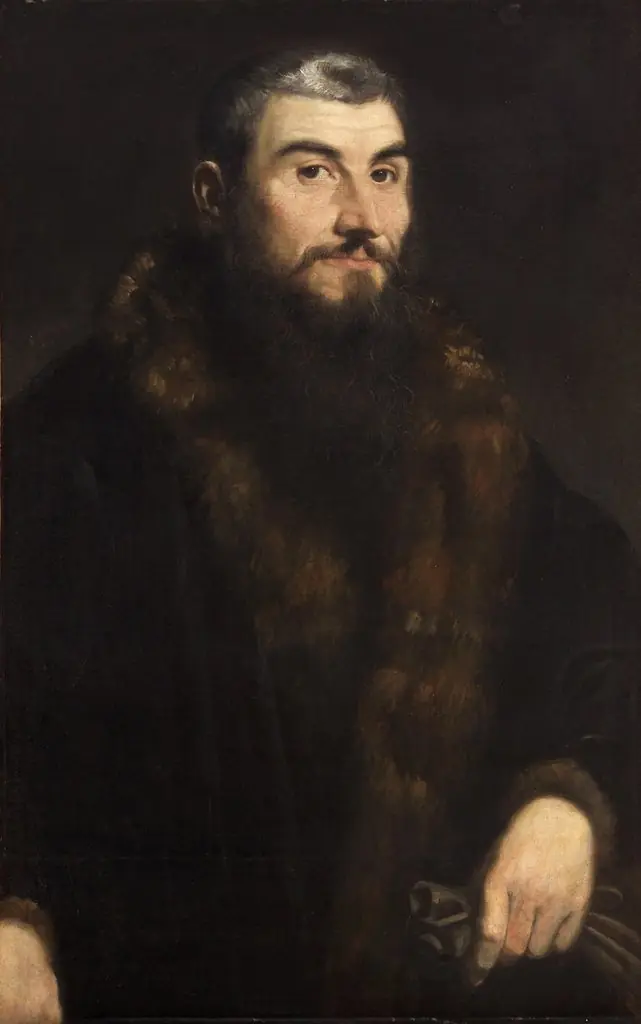 Portrait of a Man in Fur-lined Coat with Gloves
 Portrait of a Man
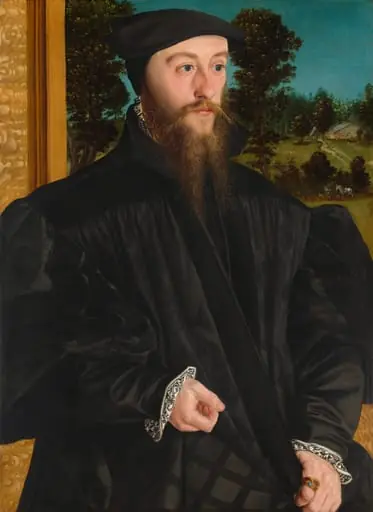 A Member of the Fröschl Family
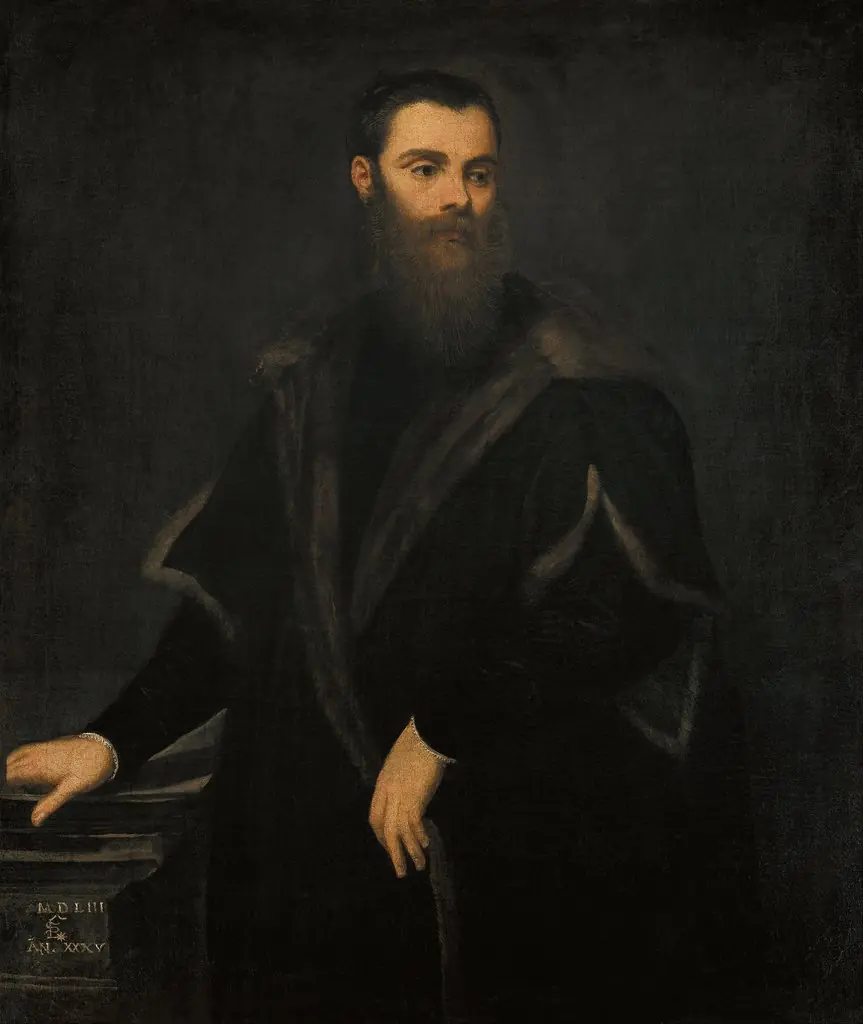 Lorenzo Soranzo
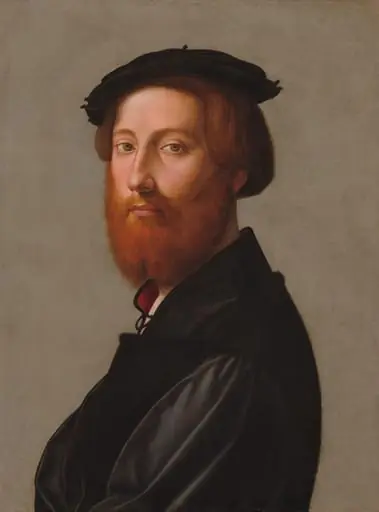 Leonardo de' Ginori
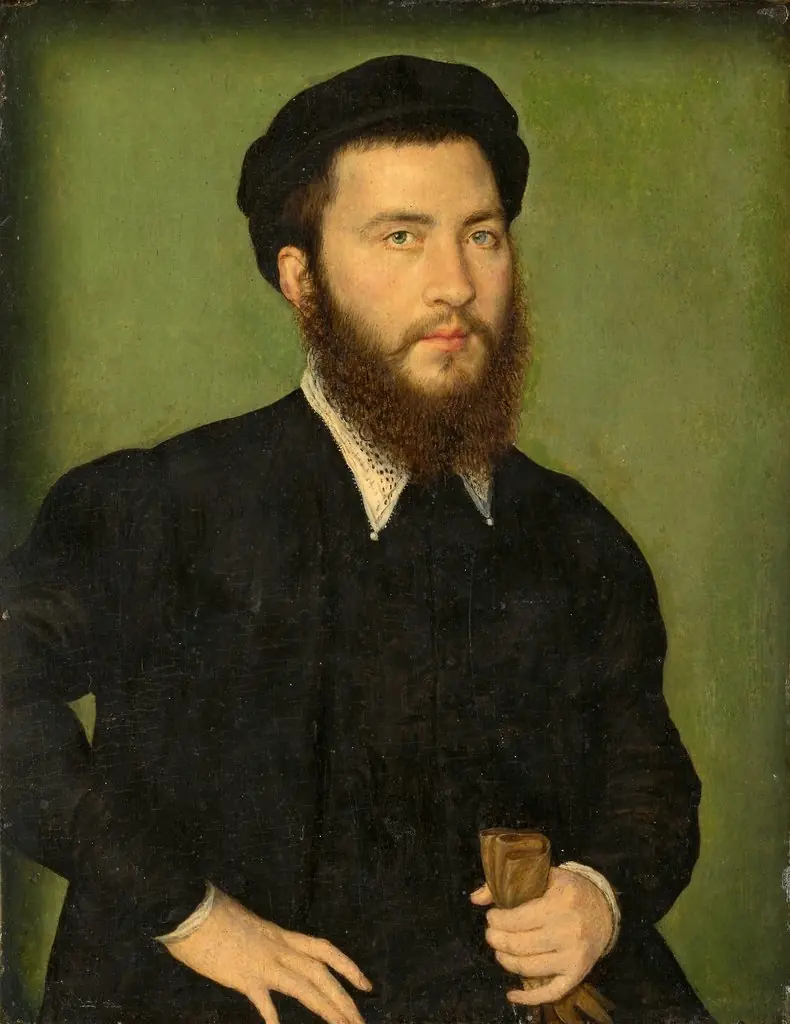 Portrait of a Man
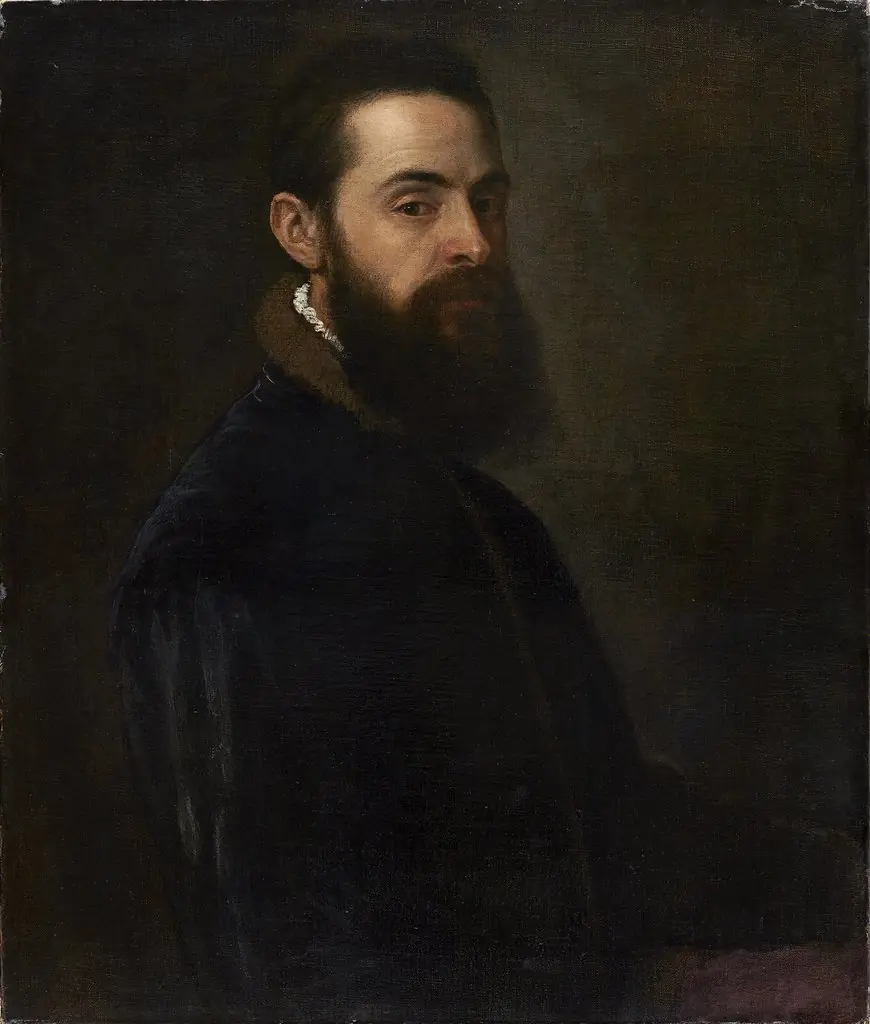 Portrait of Antonio Anselmi
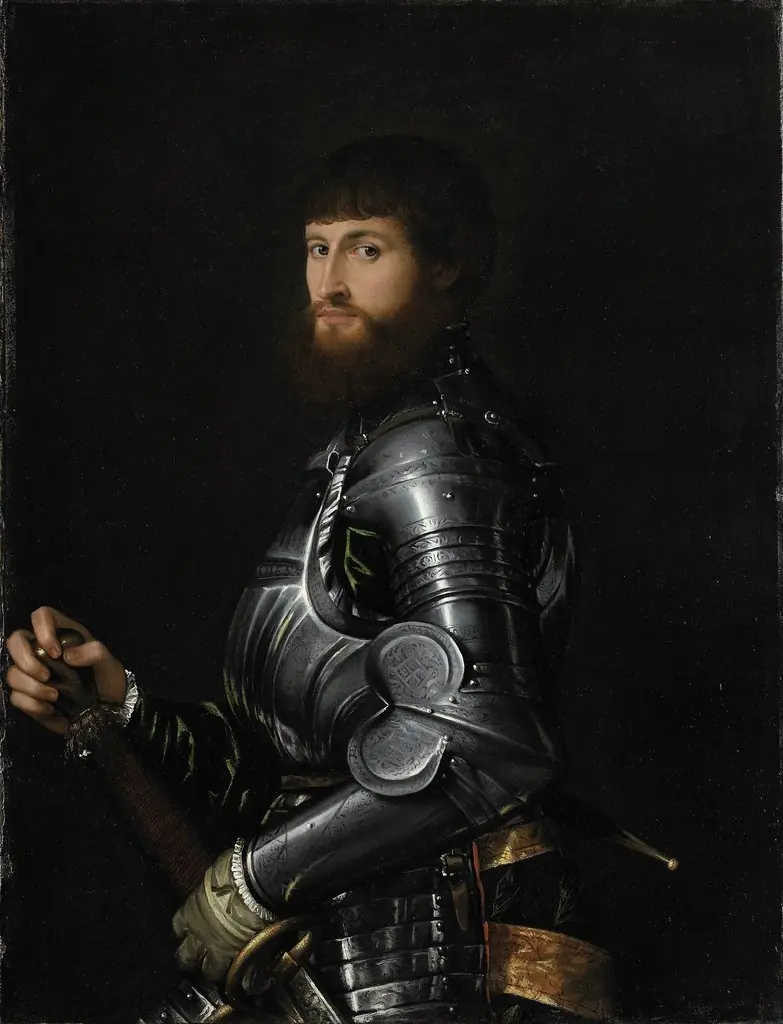 Portrait of a Nobleman in Armor