Artwork
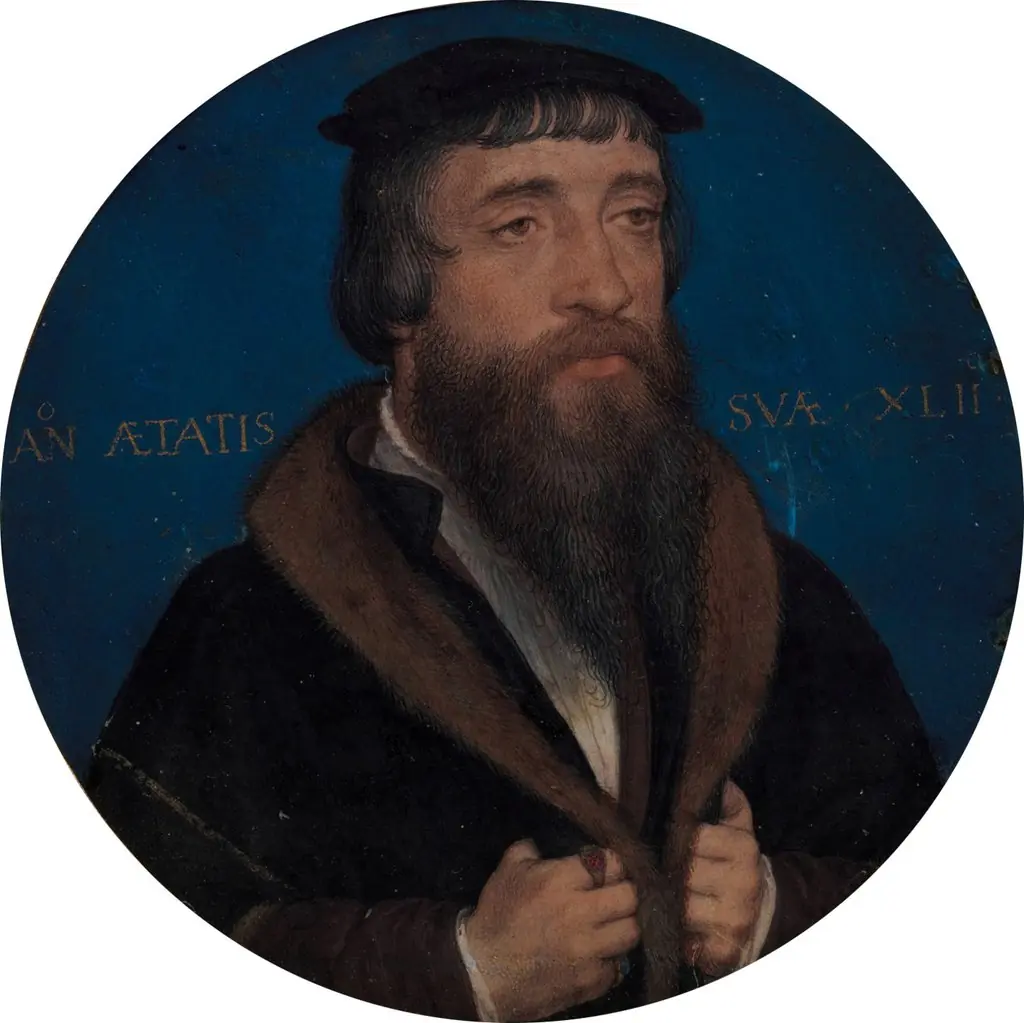
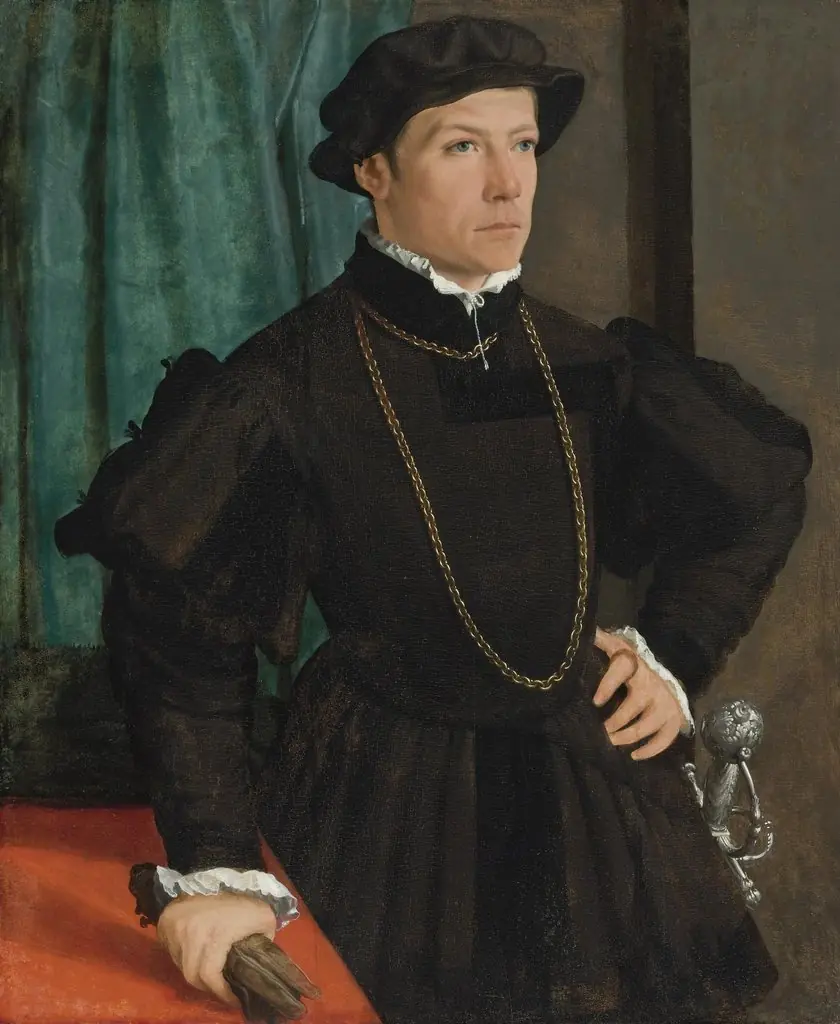
Portrait of Sir Richard Southwell
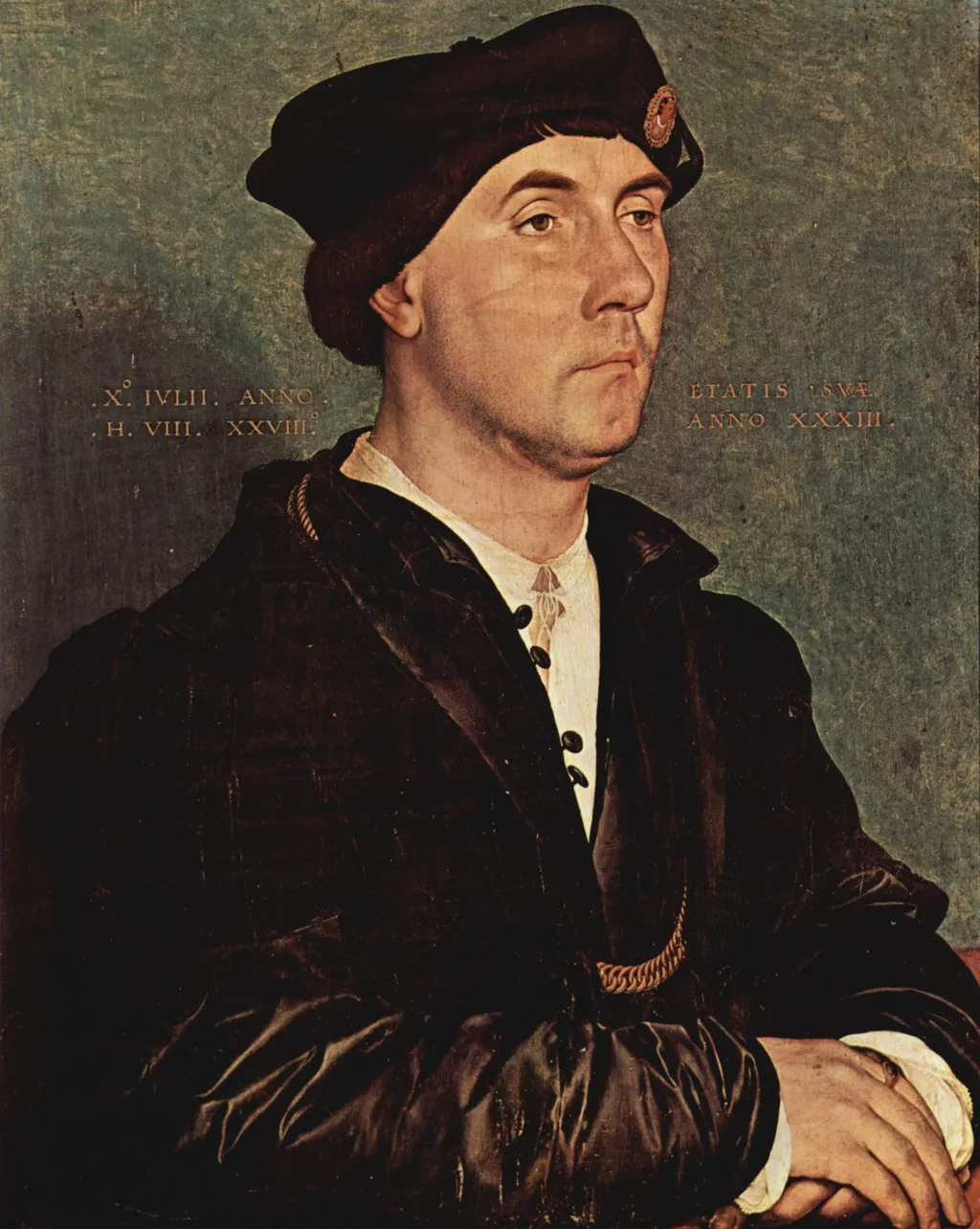
Portrait of Sir Richard Southwell is a tempera painting by the Northern Renaissance artist Hans Holbein the Younger. It dates from 1536 and is held in the collection of the Uffizi Gallery.
About this work
This painting is a portrait of Sir Richard Southwell. It was created by Hans Holbein the Younger.
The portrait is notable for its execution date, which is around 1536-1537. This was a significant time for the artist, who was active during the German Renaissance.
To learn more about the artist who created this portrait, look up Hans Holbein the Younger.
Overview
Hans Holbein the Younger painted a tempera portrait of Sir Richard Southwell around 1536–1537. The work, now part of the Uffizi Gallery’s collection in Florence, belongs to the later phase of Holbein’s career, reflecting his mature approach to portraiture during the German Renaissance.
Subject & Meaning
The sitter, Sir Richard Southwell, appears as a distinguished knight, his attire and bearing indicating his status in Tudor England. The portrait emphasizes his authority and refinement, typical of Holbein’s ability to convey the social rank and character of his subjects through subtle details.
Technique & Style
Executed in tempera, the painting showcases Holbein’s precise handling of line and delicate modeling of flesh tones. The artist’s characteristic attention to texture—visible in the rendering of fabrics and metalwork—creates a realistic yet composed representation, aligning with the Northern Renaissance’s focus on meticulous detail.
History & Provenance
Although Cosimo died before its arrival, the painting reached Florence in April 1621.
The portrait entered the Medici collection after Grand Duke Cosimo II de’ Medici requested it from Thomas Howard, Duke of Arundel, in 1620 to fill a gap in the family’s holdings. Although Cosimo died before its arrival, the painting reached Florence in April 1621. A preparatory drawing bearing the inscription “Southwell Knight” survives in the Royal Collections at Windsor Castle, and a copy was taken to Paris during the Napoleonic Wars, now residing in the Louvre.
Context
Created during a period when Holbein was active at the English court, the work reflects the cross‑cultural exchange between German and English artistic circles. It exemplifies the demand among English aristocracy for continental portraitists capable of rendering their status with the precision associated with Northern Renaissance art.
Own this work as a print
Artist & collection
Artist
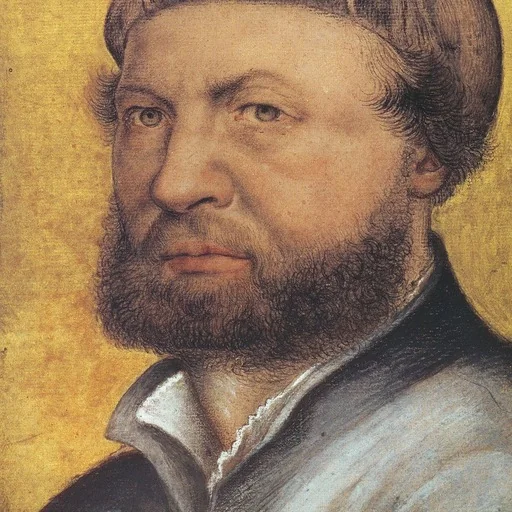
Hans Holbein the Younger (UK: HOL-byne, US: HOHL-byne, HAWL-; German: Hans Holbein der Jüngere; c.

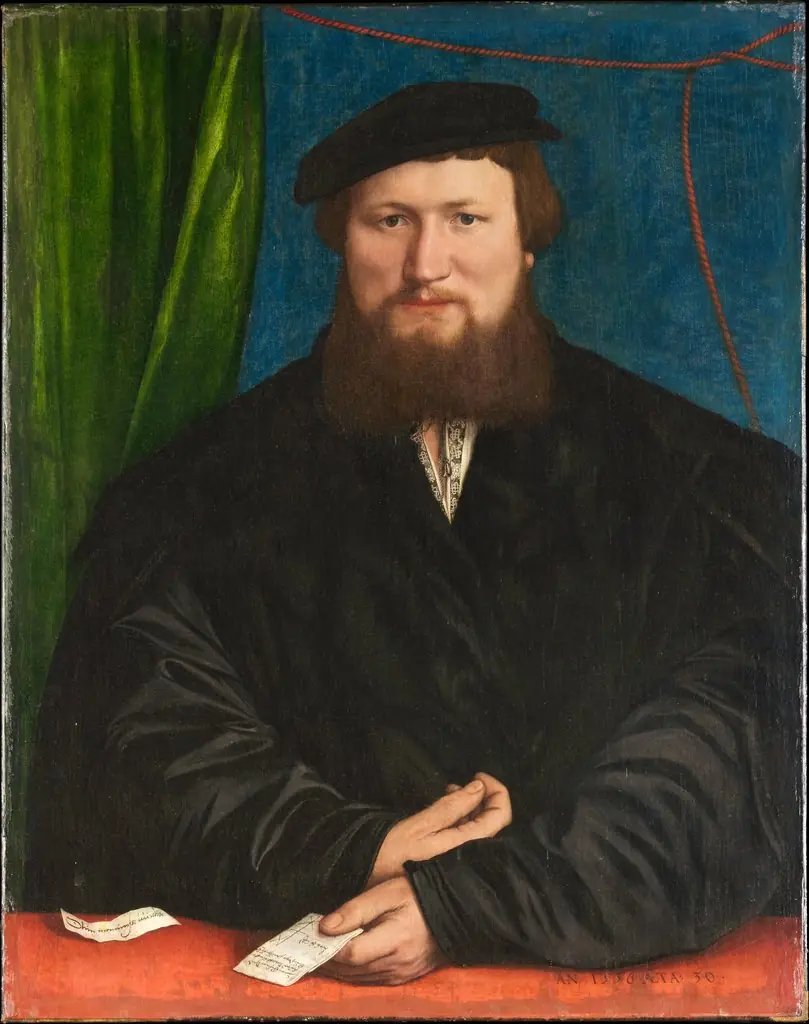
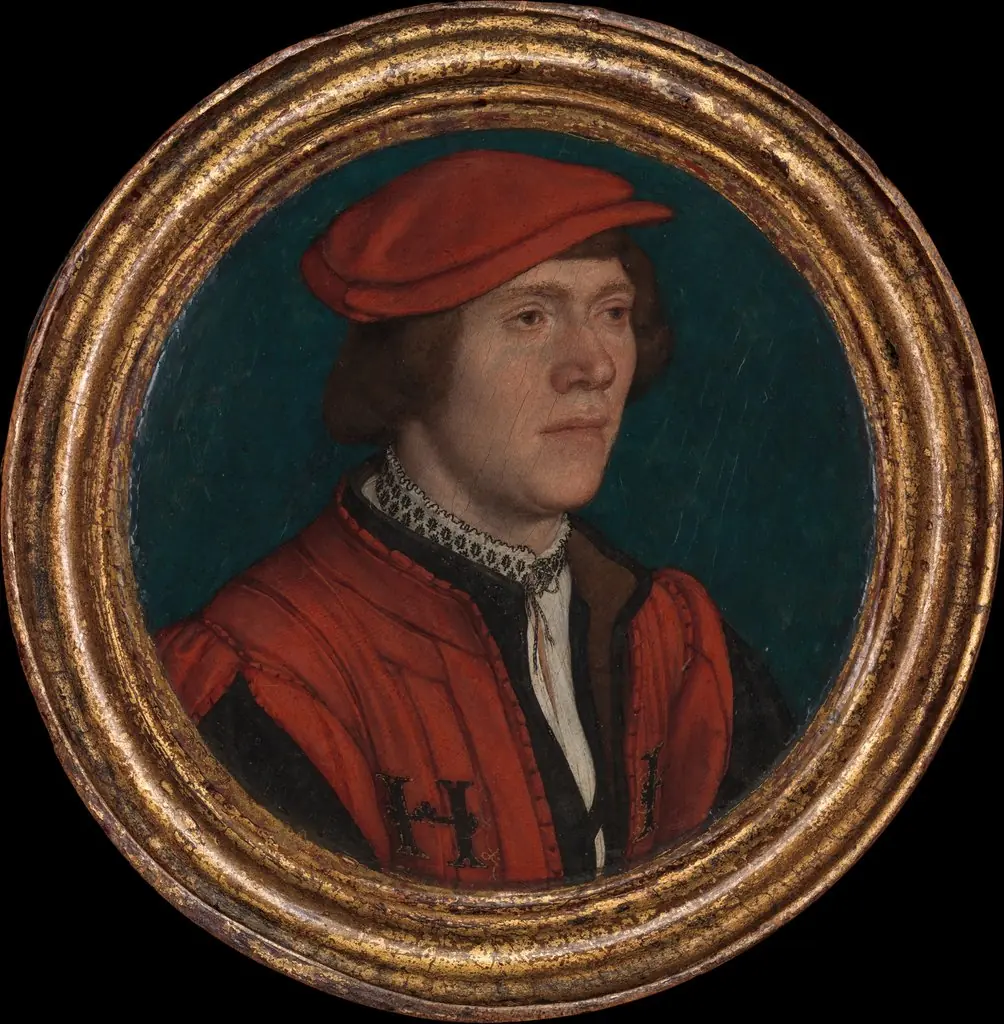
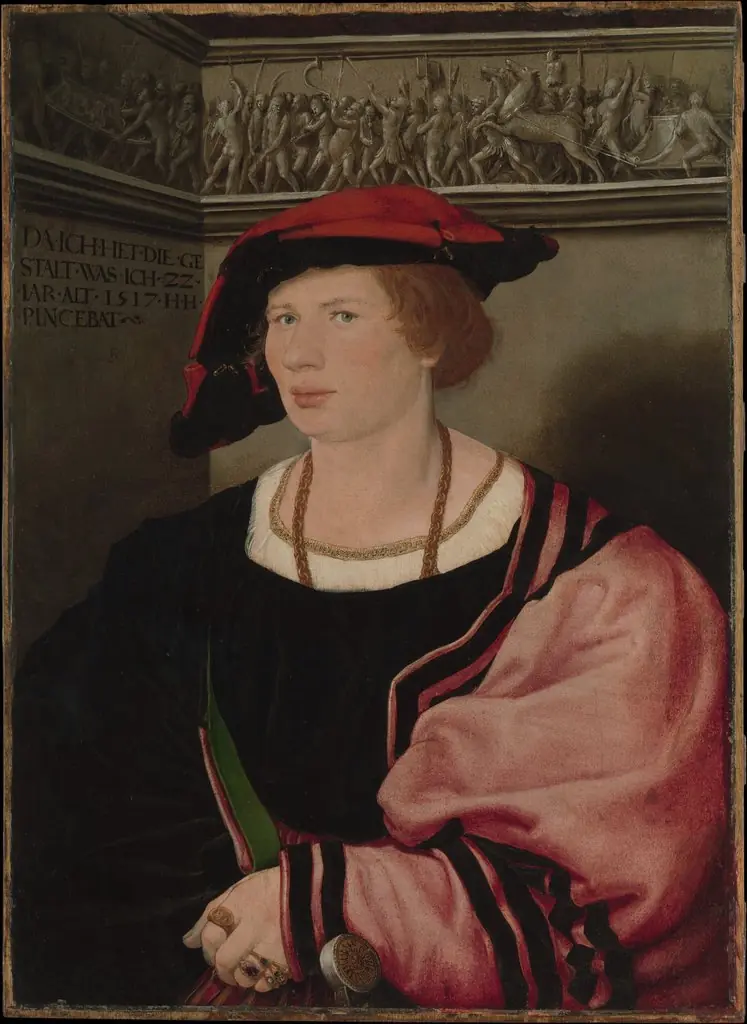
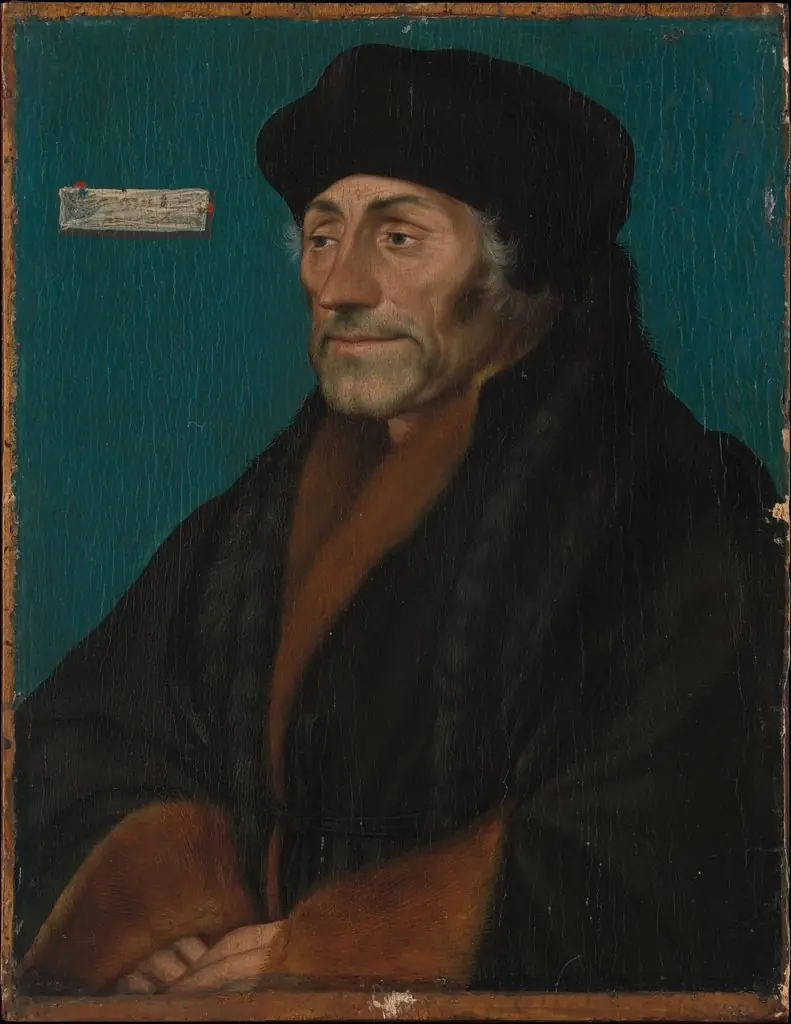
 Portrait of a man
 Portrait of Jan de Leeuw
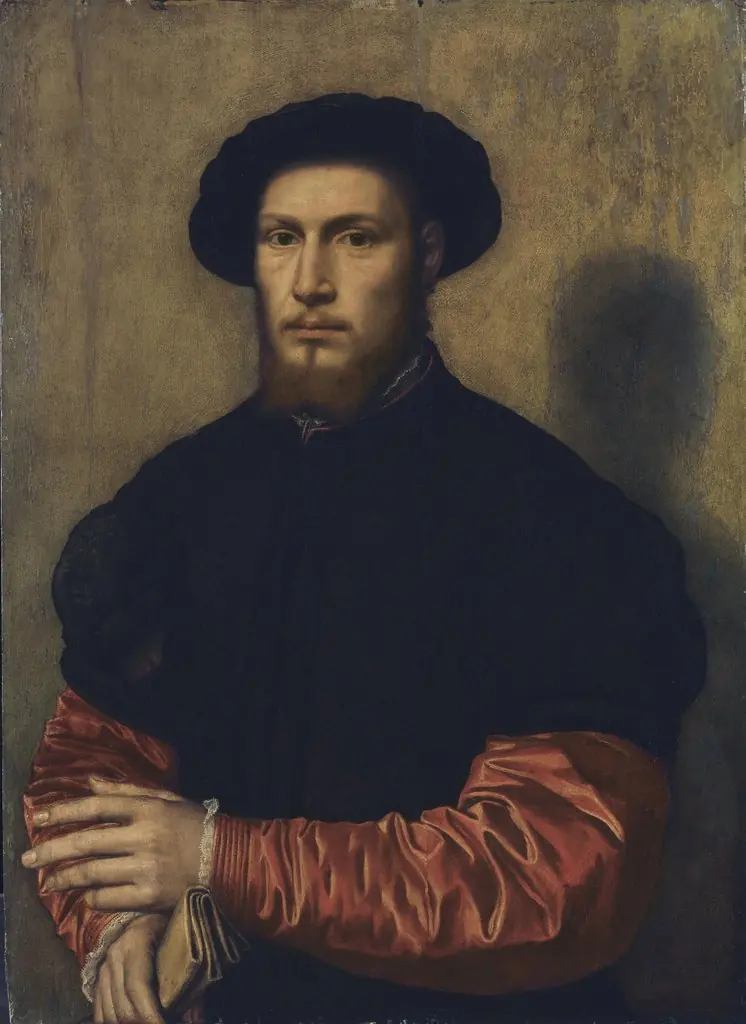 Portrait of a Gentleman
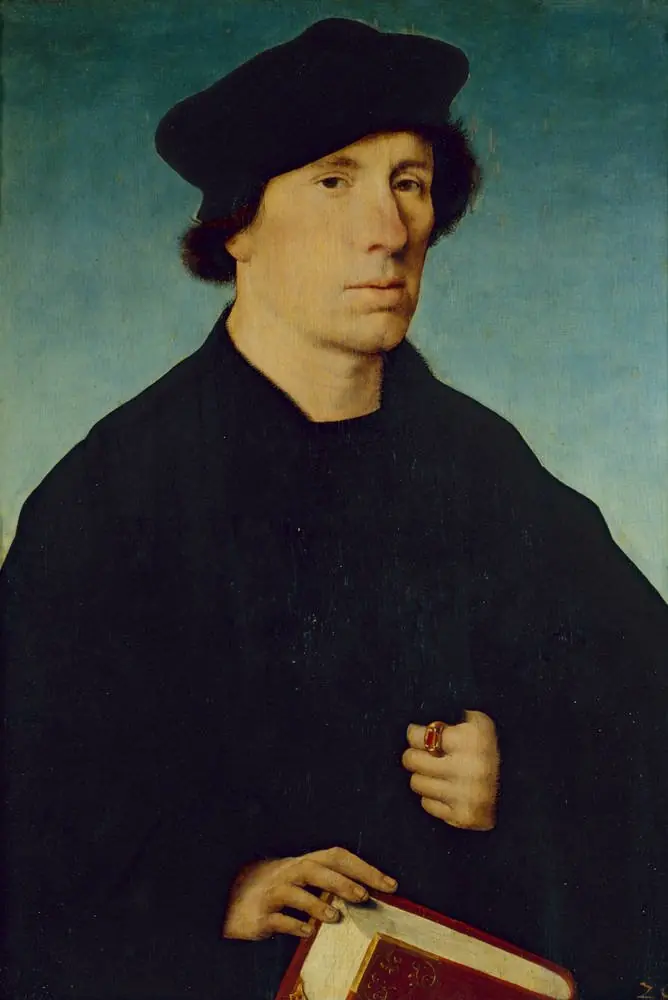 Portrait of a Beardless Man
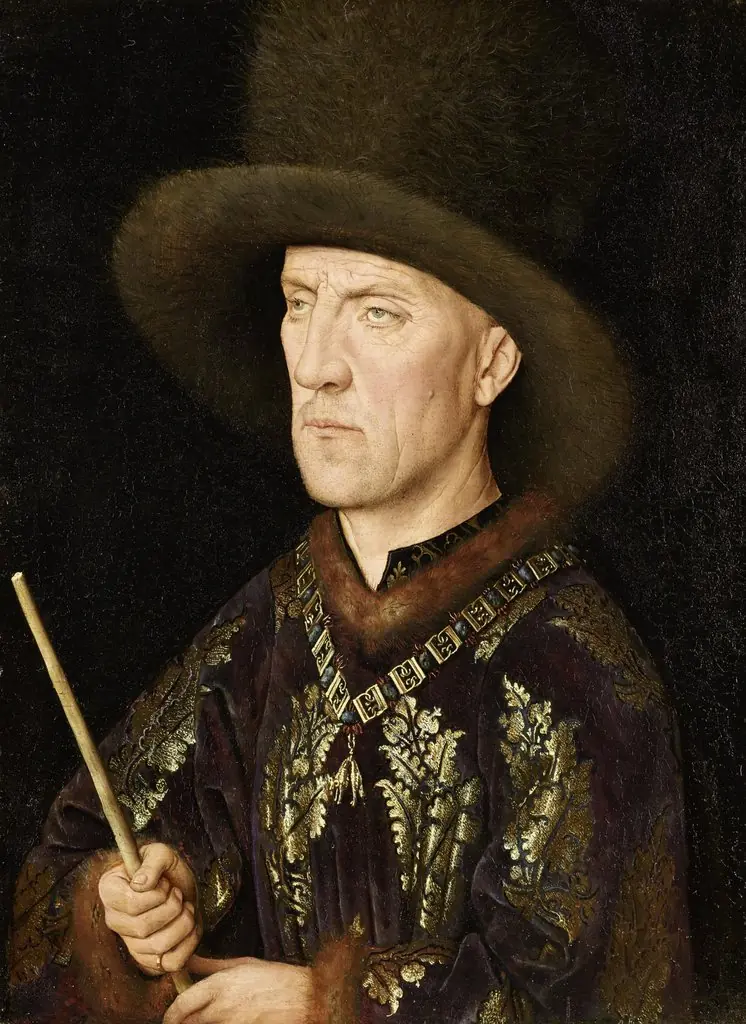 Portrait of Baudouin de Lannoy
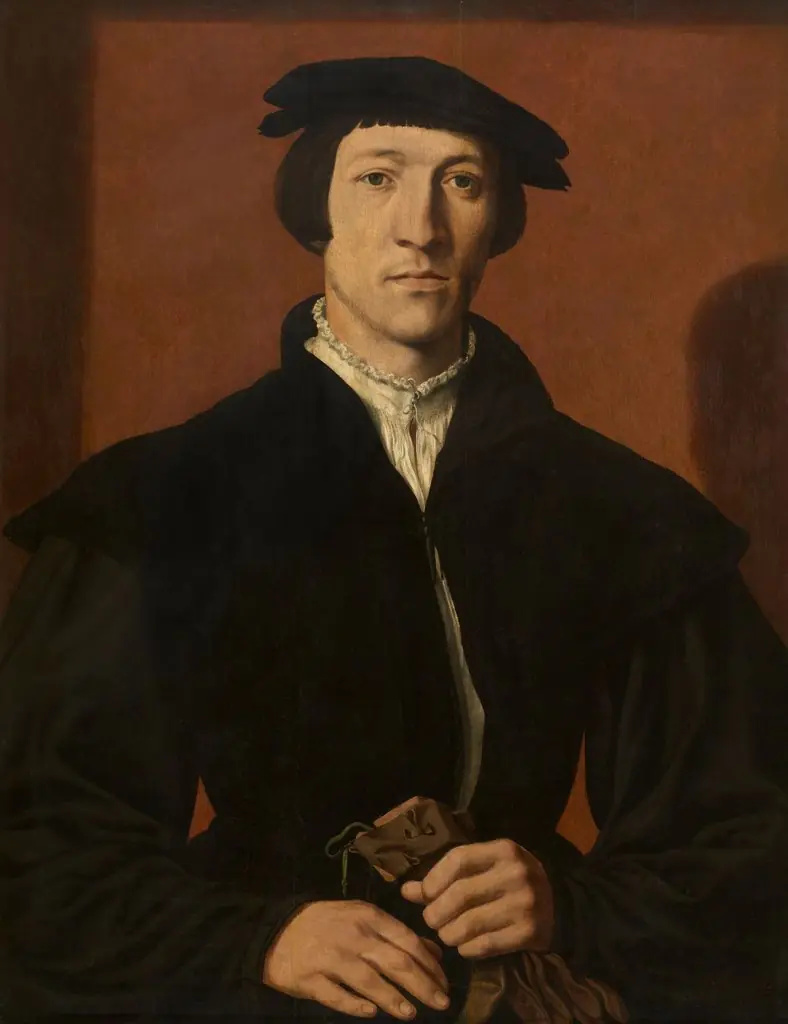 Portrait of a Man
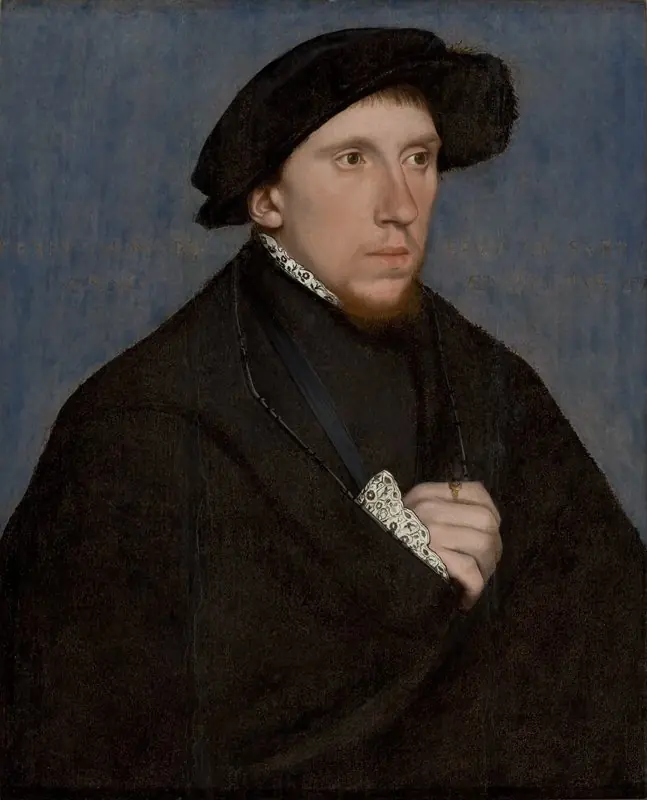 The poet Henry Howard, Earl of Surrey
![A Member of the de Hondecoeter Family [obverse], by Antwerp 16th Century](https://artifactworldgallery.com/img/antwerp-16th-century--a-member-of-the-de-hondecoeter-family-obverse--56718cc2d35bf2df-w320.webp) A Member of the de Hondecoeter Family [obverse]
A Member of the de Hondecoeter Family [obverse]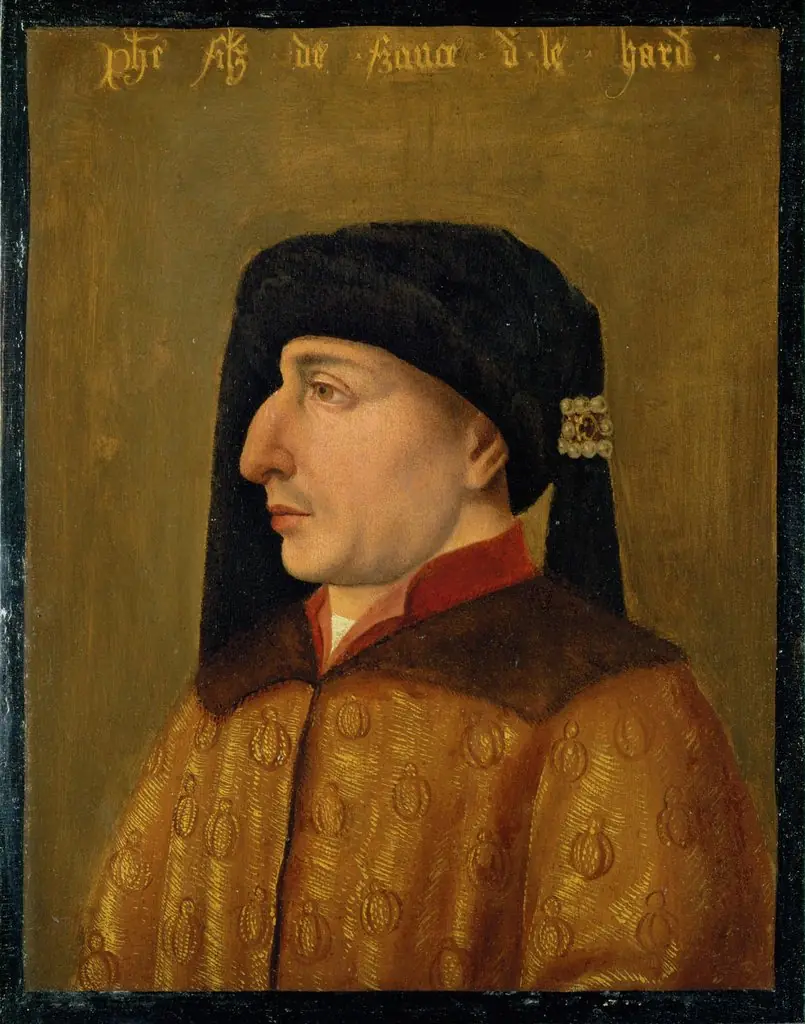 Herzog Philipp der Kühne (1342-1404) von Burgund im Profil
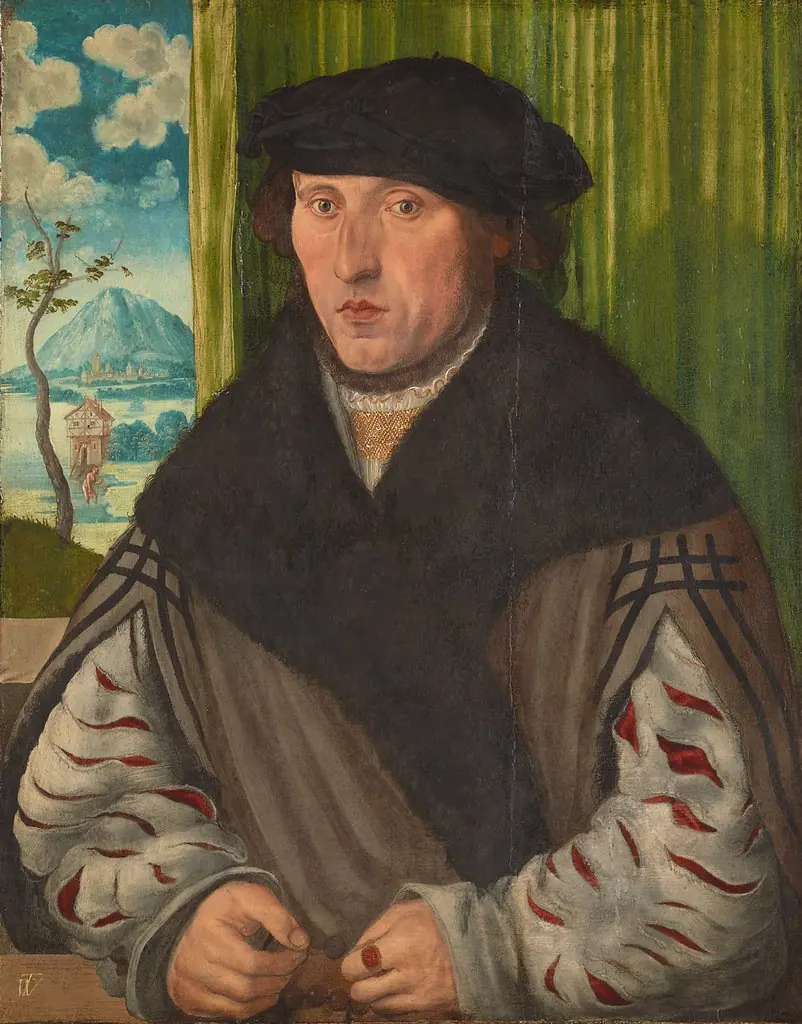 Männliches Bildnis
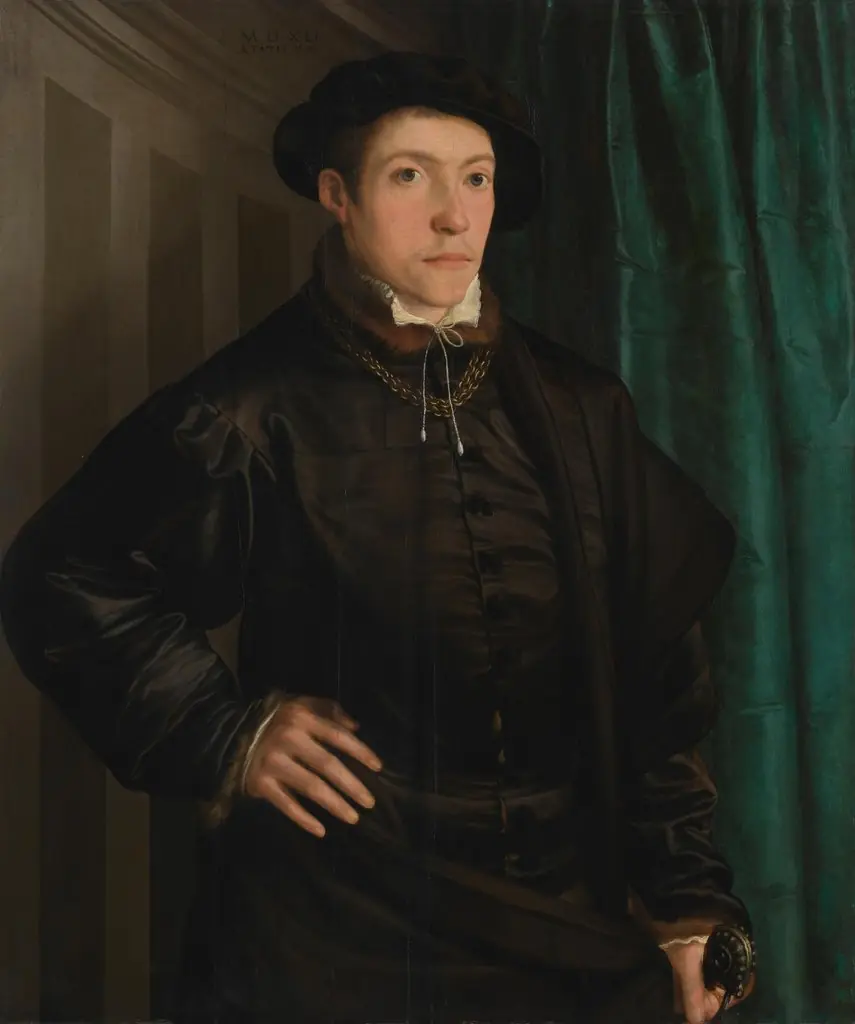 Portrait of Christoph Fugger
 Portrait of Johann Jakob Fugger