Artwork
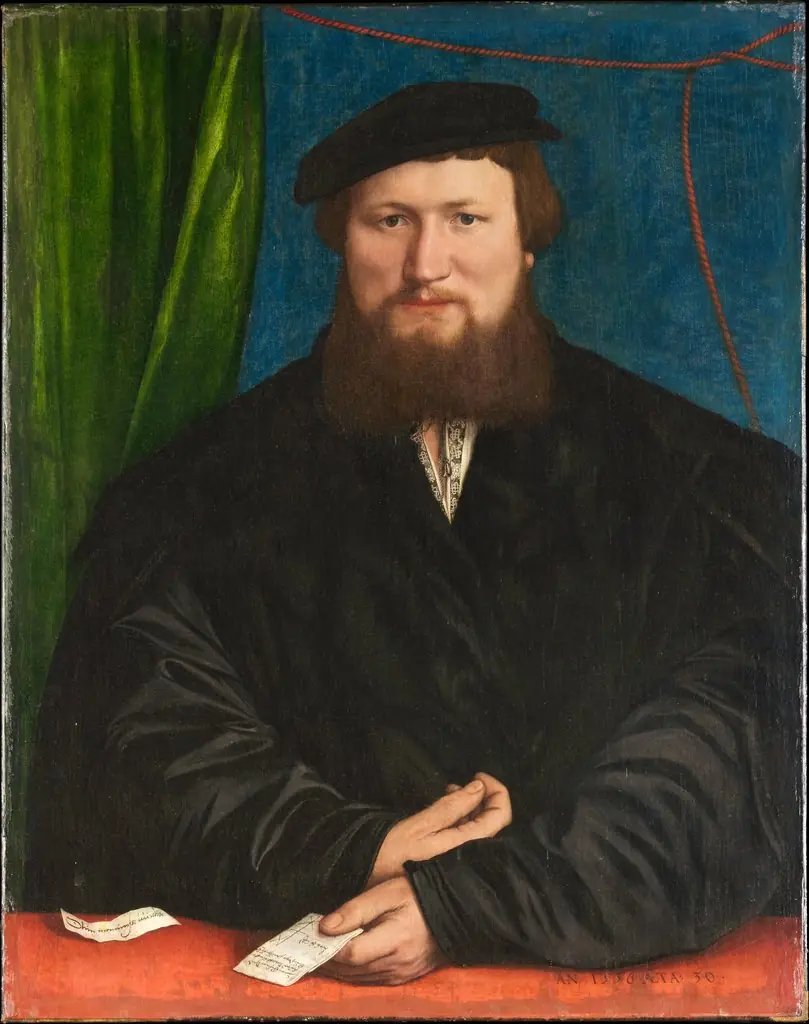
The Duisburg merchant Dirck Tybis
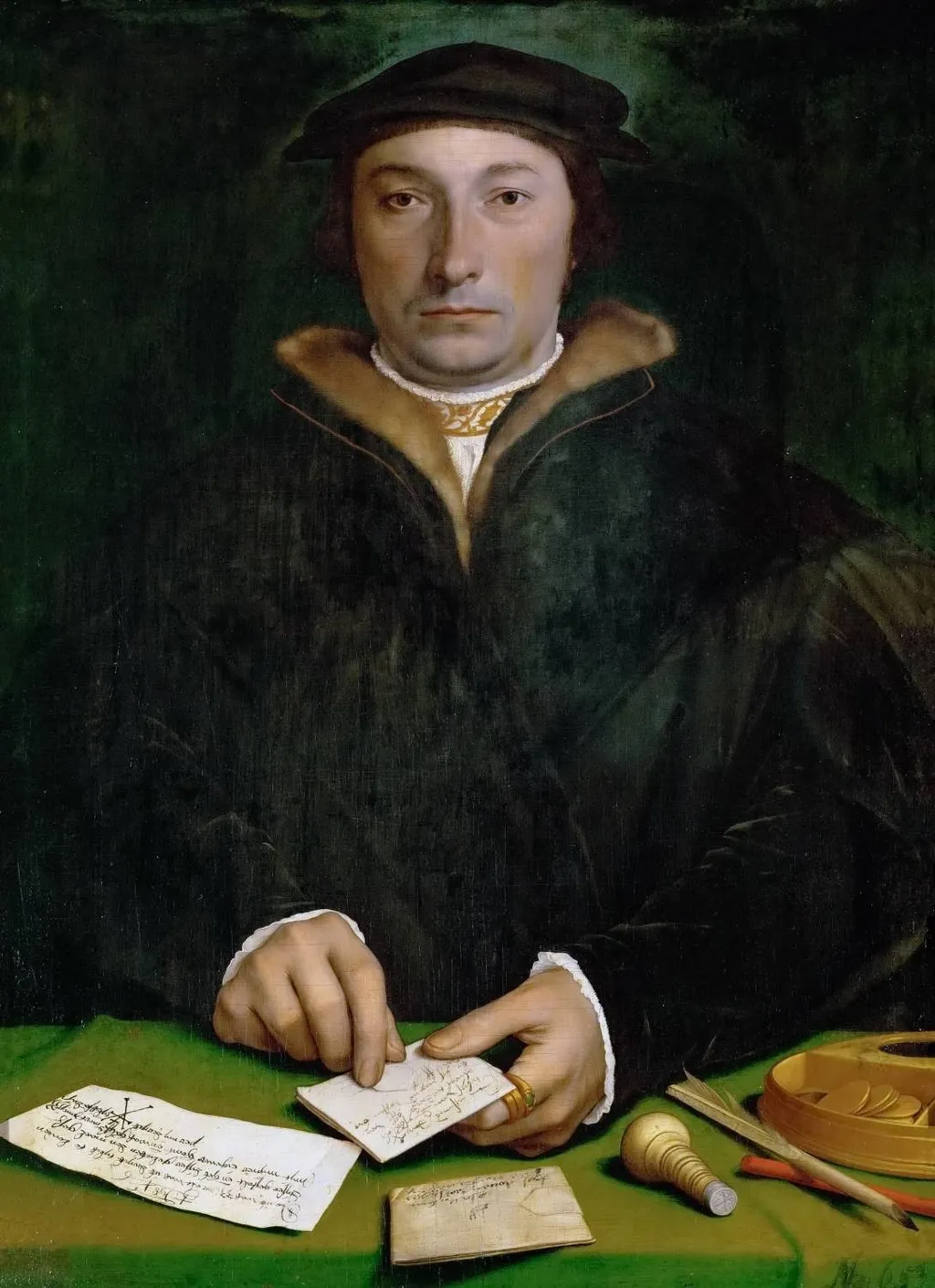
The Duisburg merchant Dirck Tybis is an unspecified painting by the Northern Renaissance artist Hans Holbein the Younger. It dates from 1533 and is held in the collection of the Kunsthistorisches Museum.
About this work
Overview
Created in 1533, this oak‑panel portrait by Hans Holbein the Younger exemplifies the meticulous realism characteristic of the Northern Renaissance.
Created in 1533, this oak‑panel portrait by Hans Holbein the Younger exemplifies the meticulous realism characteristic of the Northern Renaissance. The work presents Dirck Tybis, a merchant from the German city of Duisburg, rendered with careful observation of facial features, clothing, and surrounding objects. Currently, the painting belongs to the collection of the Kunsthistorisches Museum in Vienna.
Subject & Meaning
The sitter is shown seated at a desk, dressed in a dark jacket with a fur‑trimmed collar and a black hat, holding a sheet of paper. Items such as a quill, a small box and a rolled document lie on a green‑covered surface, suggesting the commercial or scholarly activities that defined Tybis’s professional identity.
Technique & Style
Holbein employs a finely detailed approach, using precise brushwork to model textures—from the sheen of the fur lining to the polished surface of the desk. Subtle contrasts of light and shadow give the composition a three‑dimensional quality, while the restrained palette of deep hues enhances the sense of material richness.
History & Provenance
The portrait was produced during Holbein’s mature period, when he was active in Basel and had established a reputation across Europe. After changing hands over the centuries, the painting entered the Kunsthistorisches Museum’s holdings, where it remains on display as part of the museum’s Northern Renaissance collection.
Artist & collection
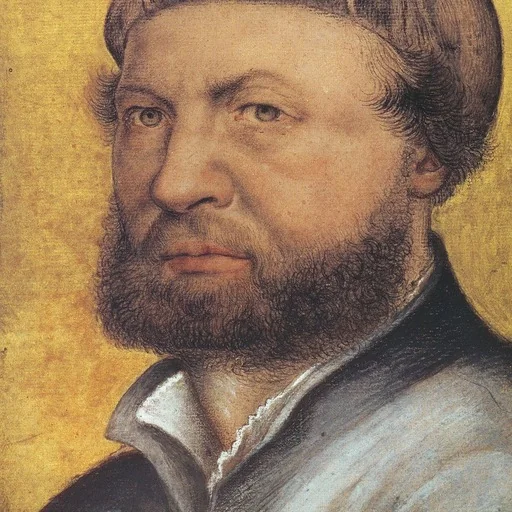
Artist
Hans Holbein the Younger (UK: HOL-byne, US: HOHL-byne, HAWL-; German: Hans Holbein der Jüngere; c.

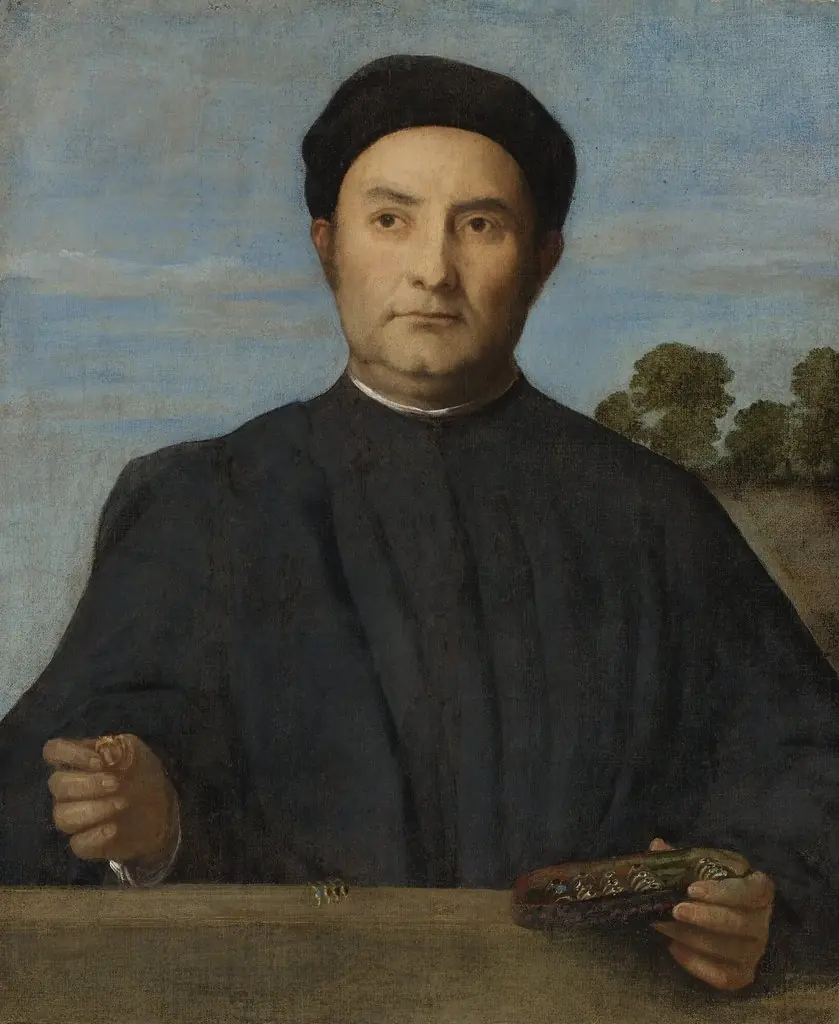 Portrait of a Jeweler
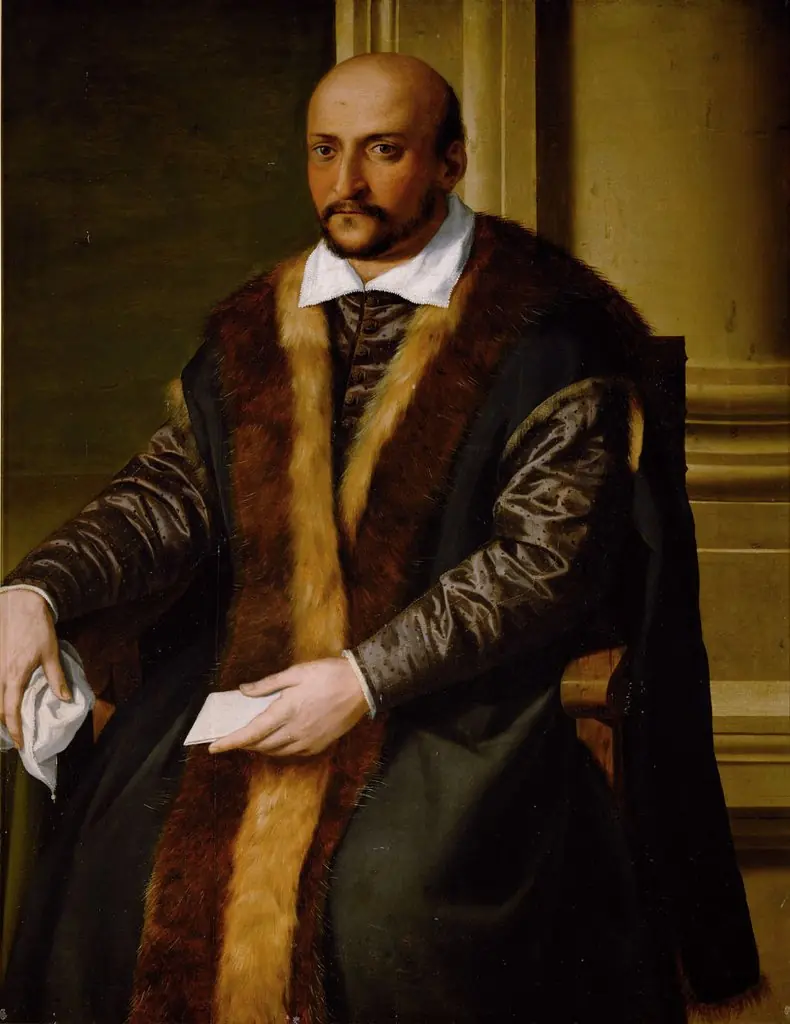 Bildnis eines Mannes im Lehnstuhl
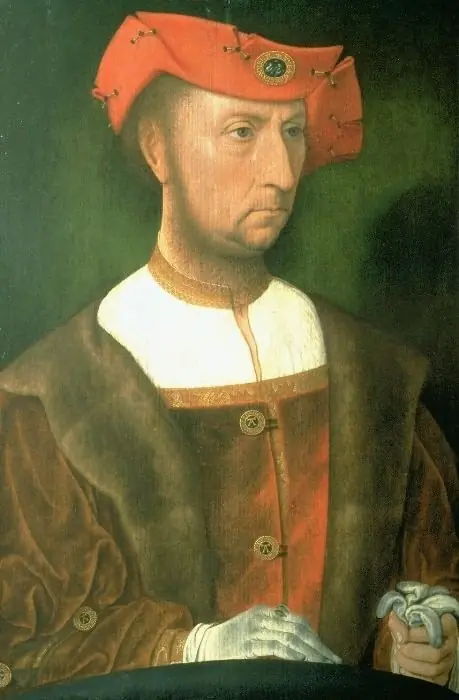 Portrait of a Man
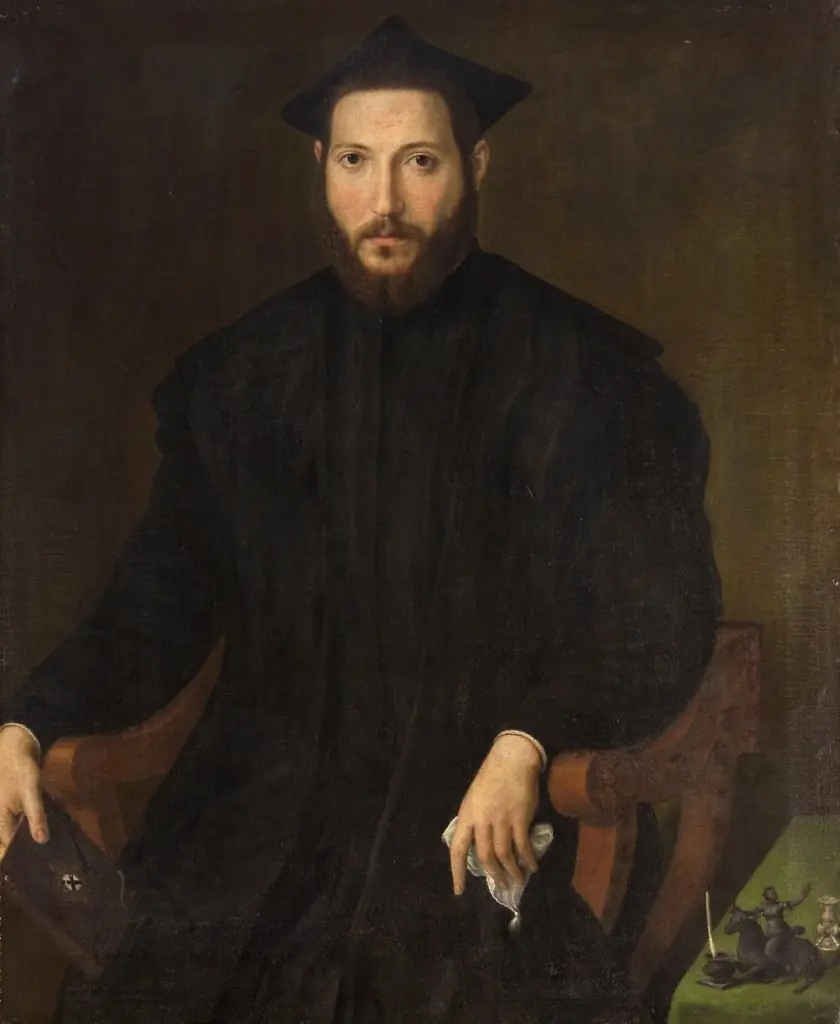 Bildnis eines Geistlichen
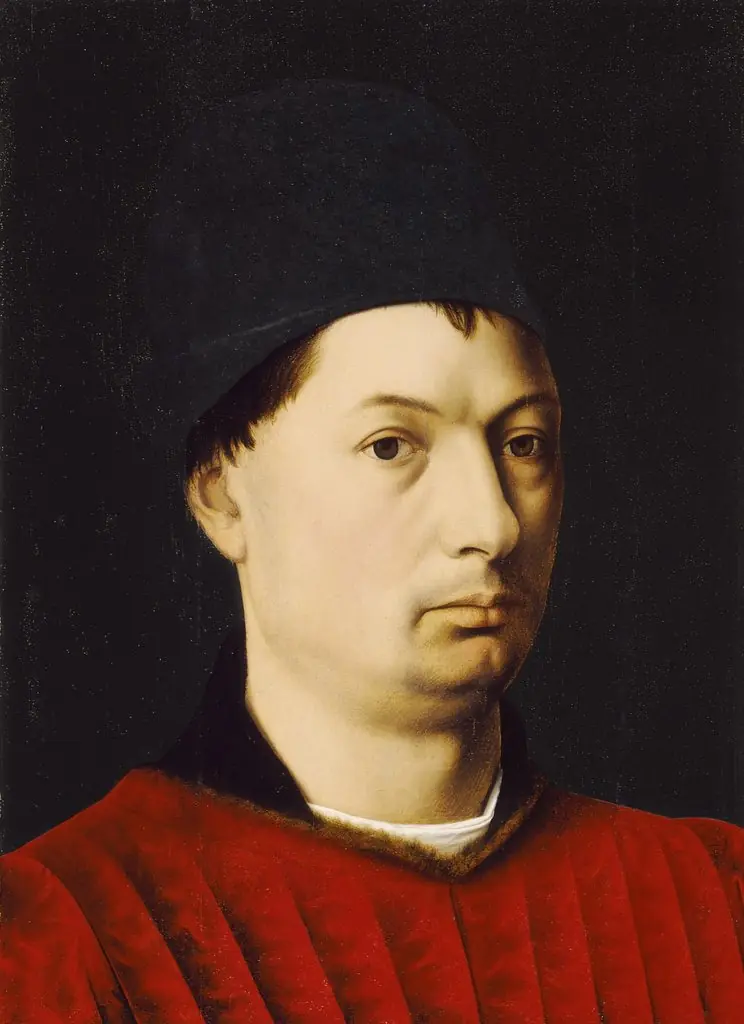 Portrait of a Man
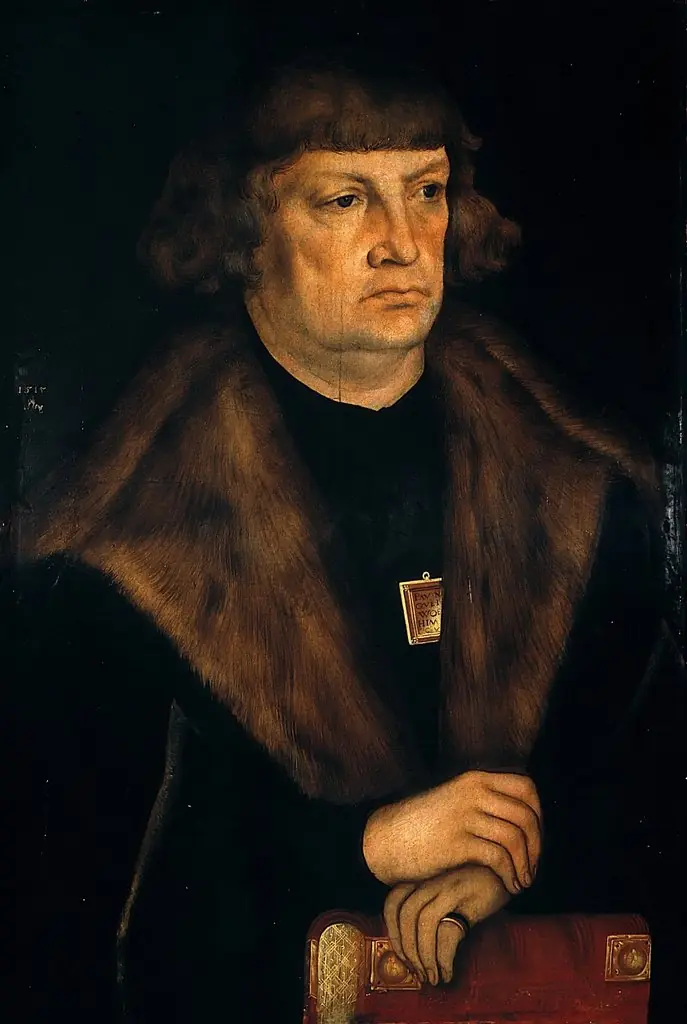 Portrait of the Mayor of Weißenfels
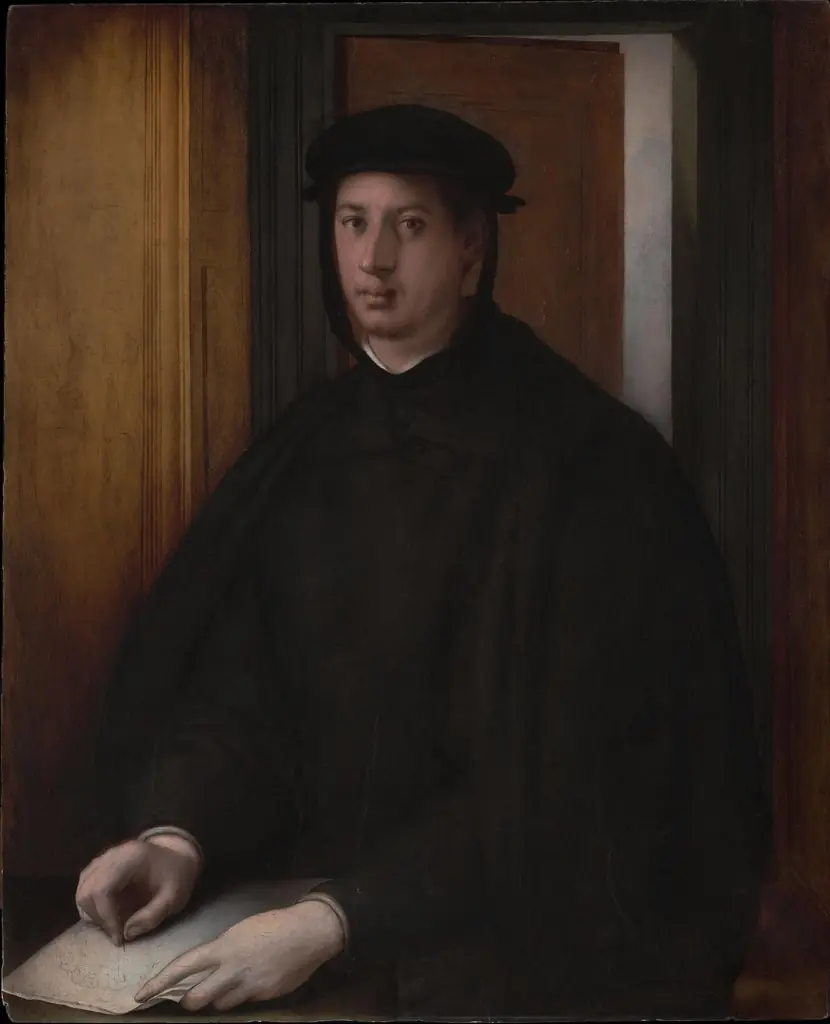 Portrait of Alessandro de' Medici
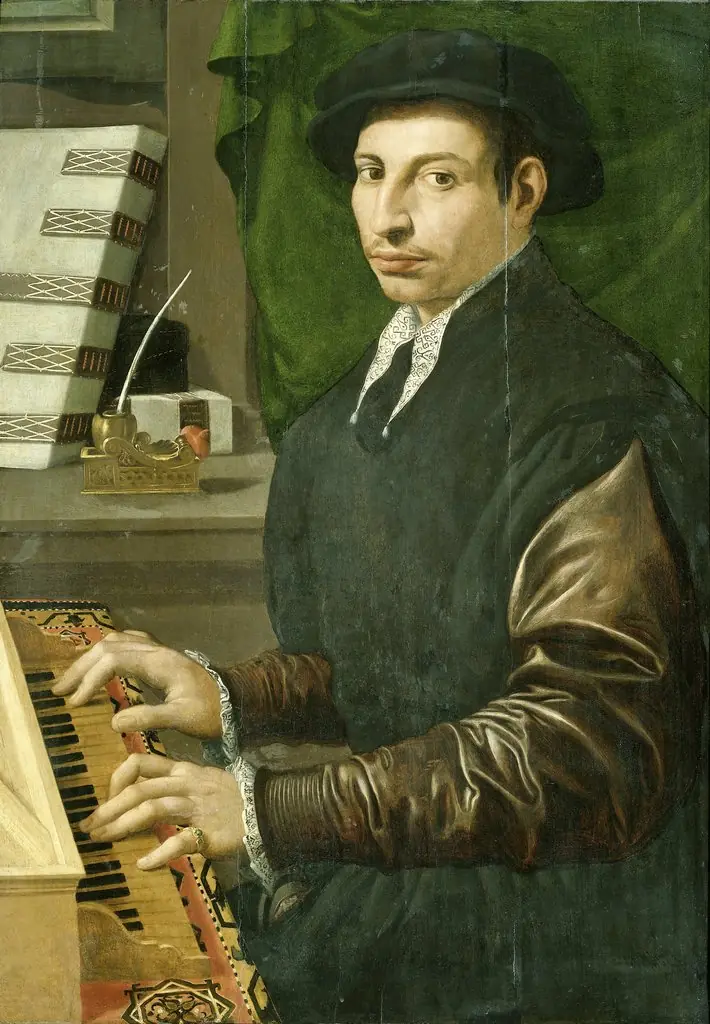 Man Playing the Clavichord
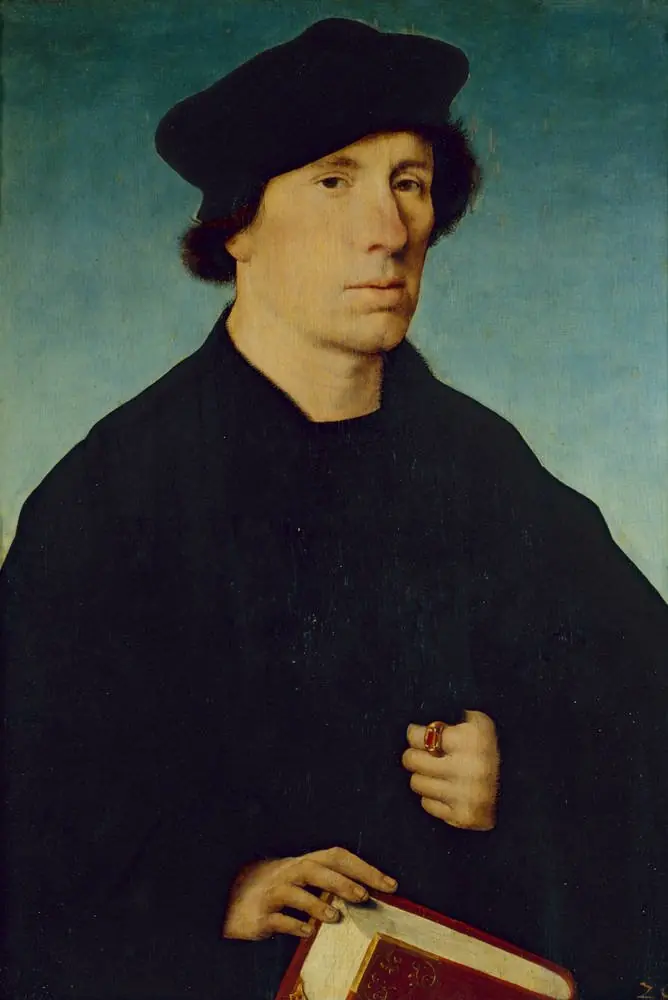 Portrait of a Beardless Man
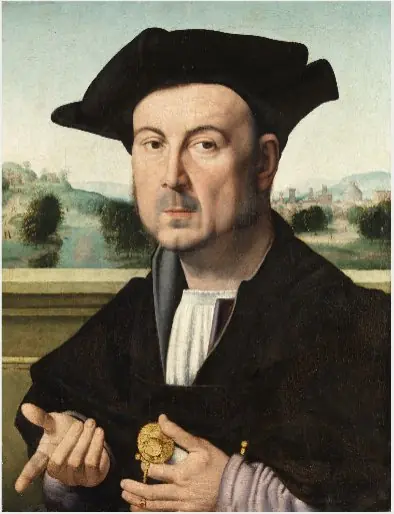 Portrait of a Gentleman
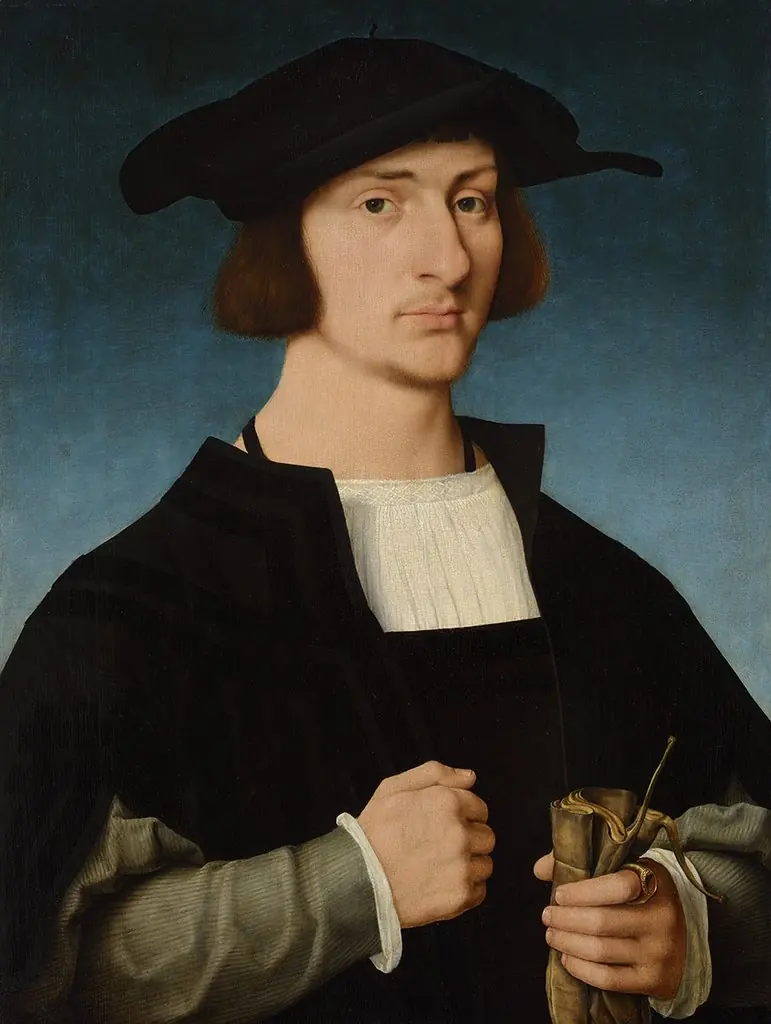 Portrait of a Young Man (Lyons)
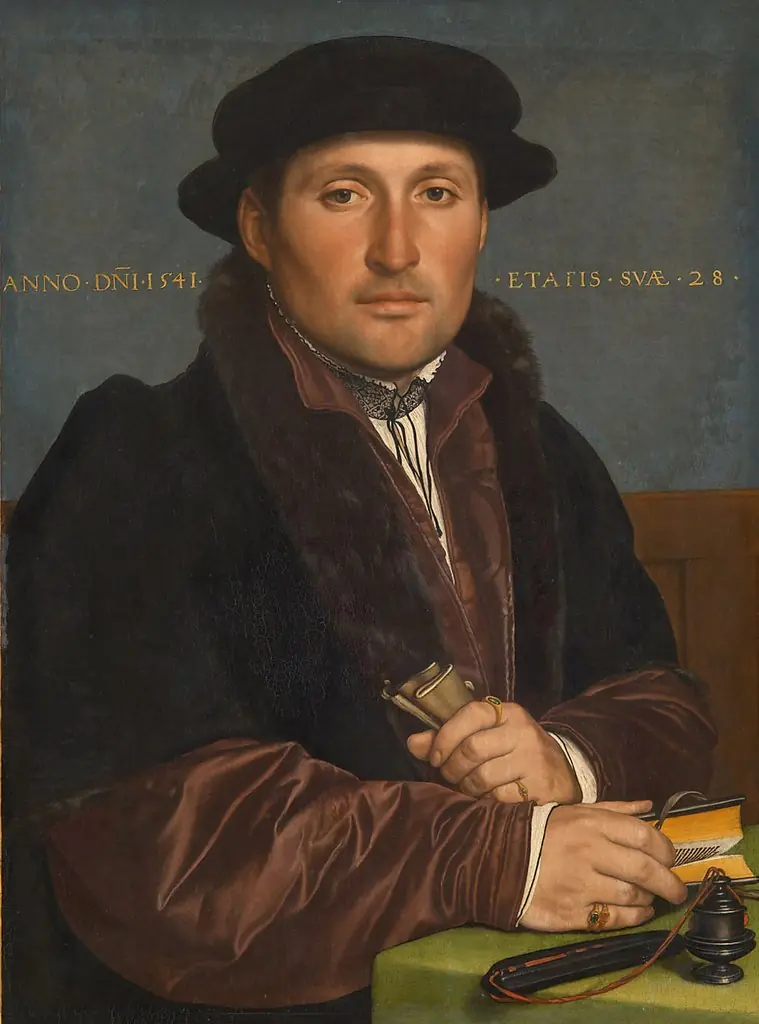 Portrait of a Young Merchant