Artwork
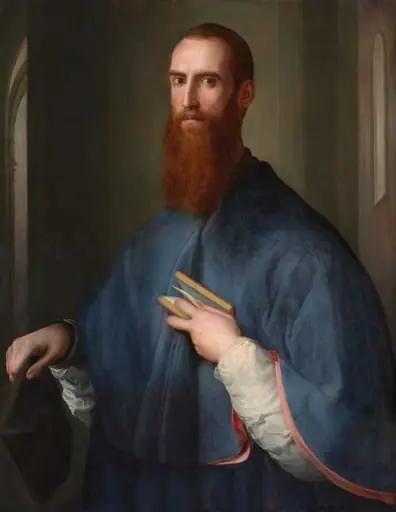
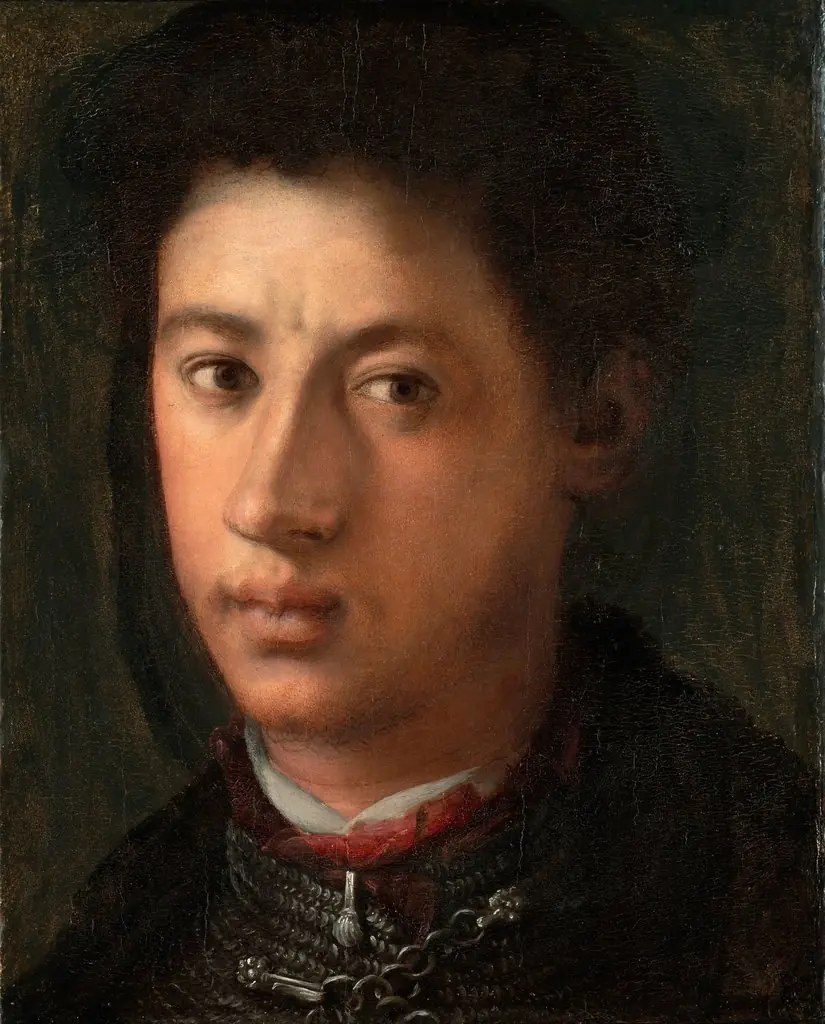
Portrait of Alessandro de' Medici
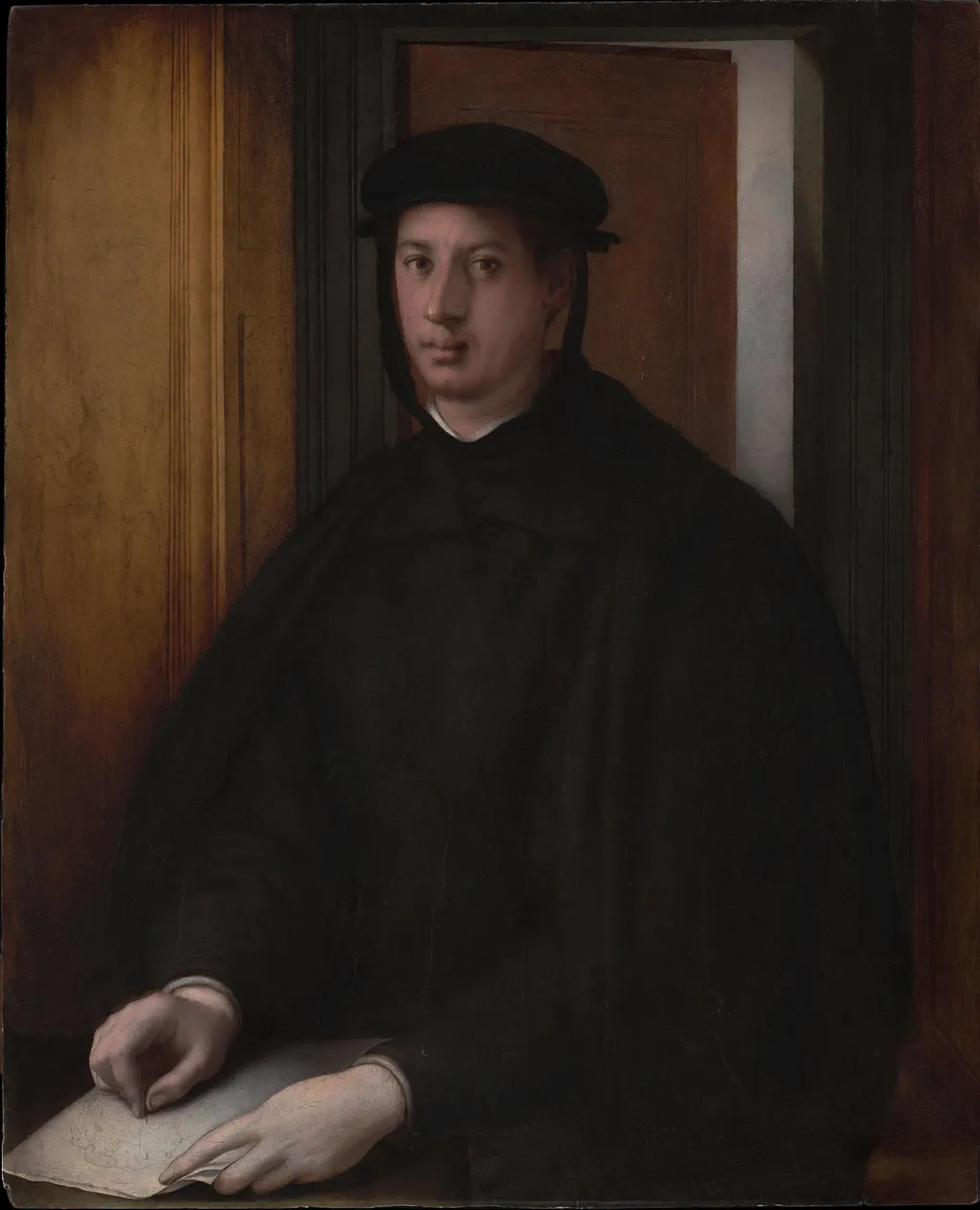
Portrait of Alessandro de' Medici is an oil painting by Pontormo. It dates from 1534 and is held in the collection of the Philadelphia Museum of Art.
About this work
Overview
Pontormo’s approach emphasizes psychological presence over idealized form, using subtle lighting and textured surfaces to convey a sense of quiet authority.
Painted in 1534, this oil portrait captures Alessandro de' Medici, the first Duke of Florence, by the Mannerist artist Pontormo. The work resides in the Philadelphia Museum of Art and exemplifies the stylistic shift away from High Renaissance harmony. Pontormo’s approach emphasizes psychological presence over idealized form, using subtle lighting and textured surfaces to convey a sense of quiet authority.
Subject & Meaning
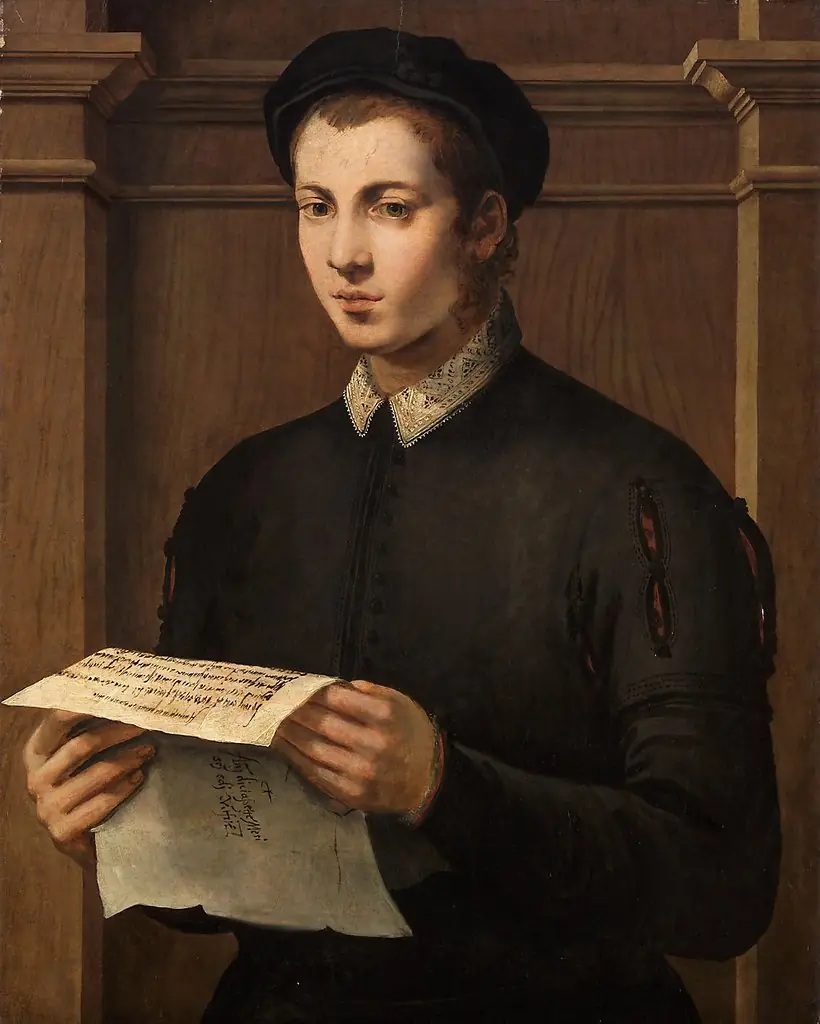
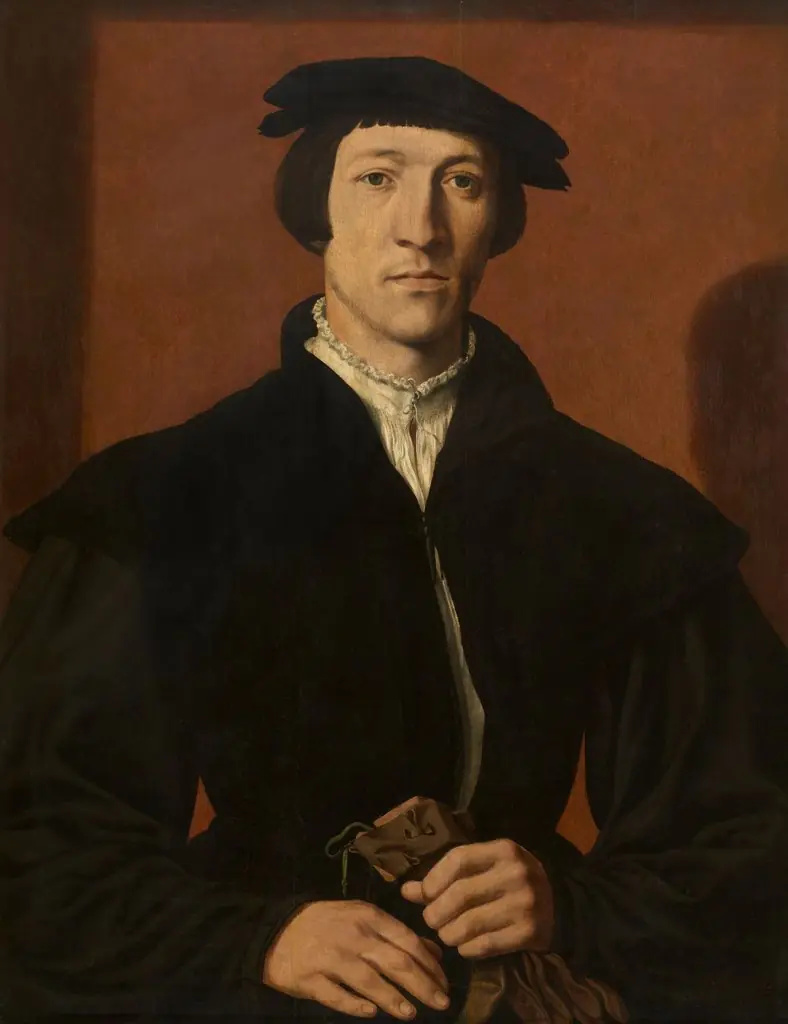
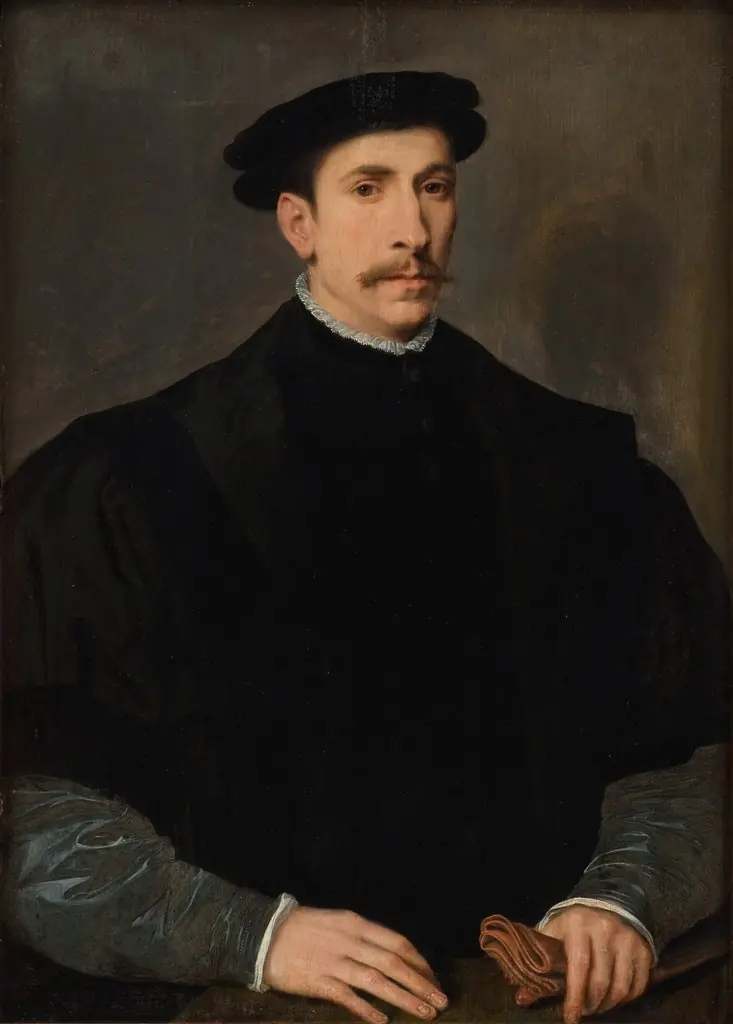
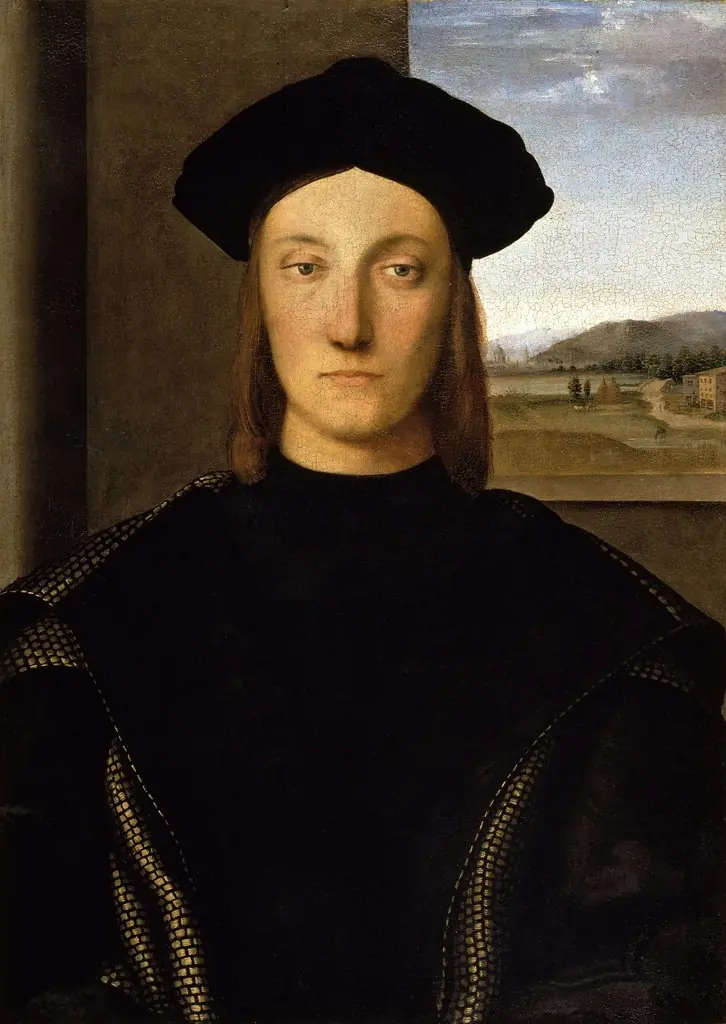
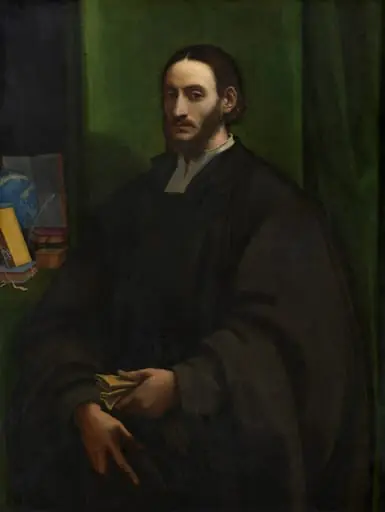
Alessandro de' Medici, a figure of contested legitimacy as a descendant of the Medici line through an illegitimate branch, is portrayed with restrained composure. His direct gaze and neutral expression suggest calculated self-possession. The paper in his hand may hint at governance or correspondence, reinforcing his role as ruler. The somber attire and minimal setting strip away heraldic symbolism, focusing attention on the individual’s demeanor.
Technique & Style
Pontormo employs chiaroscuro to model the figure with soft, sculptural volume, while thick impasto in the cloak and hat adds tactile richness. The background’s warm, uneven wall and wooden door create a shallow, intimate space that isolates the subject. Elongated proportions and ambiguous spatial depth reflect Mannerist tendencies, rejecting classical balance in favor of emotional tension and visual ambiguity.
History & Provenance
Commissioned shortly before Alessandro’s assassination in 1537, the portrait likely served as a political statement of legitimacy. It remained in Medici collections before entering the Philadelphia Museum of Art’s holdings in the 20th century. Its survival through centuries of political upheaval underscores its significance as a rare surviving image of a ruler whose rule was both pivotal and precarious.
Context
Painted during a turbulent period in Florentine politics, the portrait emerges after the republic’s fall and the Medici’s return to power. Alessandro’s rule, backed by imperial authority, was deeply unpopular among factions. Pontormo’s restrained depiction avoids overt glorification, instead offering a psychologically complex portrait suited to a leader whose power rested on fragile alliances and inherited status.
Legacy
The portrait stands as a key example of Mannerist portraiture, influencing later artists who prioritized inner life over external grandeur. Its psychological depth and formal innovation mark a departure from earlier Renaissance ideals. Though Alessandro’s reign was brief, this image endures as a sober meditation on power, identity, and the weight of lineage in early modern Italy.
Artist & collection
Artist
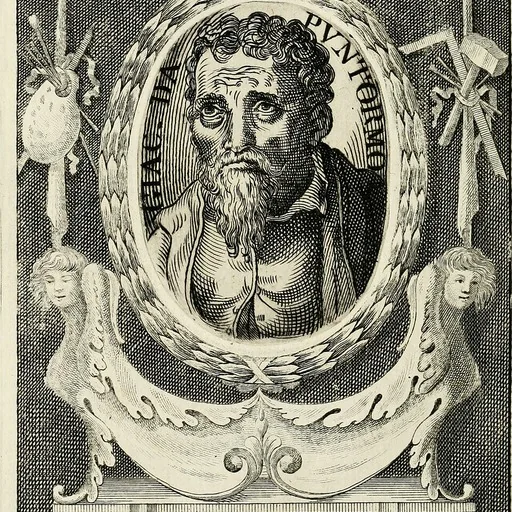
Jacopo Carucci or Carrucci (IPA: ; May 24, 1494 – January 2, 1557), usually known as Jacopo (da) Pontormo or simply Pontormo (IPA: ), was an Italian Mannerist painter and portraitist from the Florentine School.